Jeriel
Who was Jeriel in the Bible?
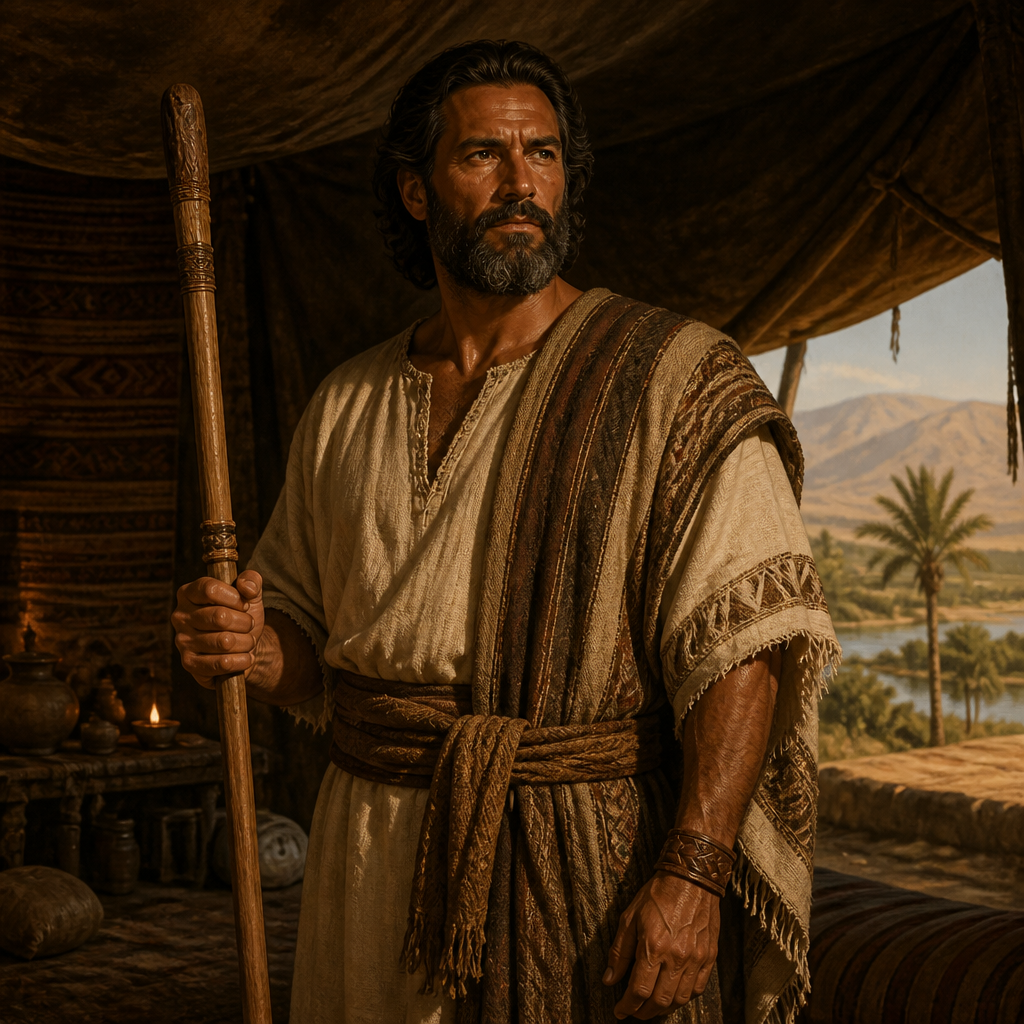
Jeriel was a son of Tola and a grandson of the patriarch Issachar, recognized as a head of a father's house and a mighty man of valor.
Jeriel (meaning "founded by God" or "fear of God") was a prominent member of the tribe of Issachar during the era of the Egyptian sojourn and the early wilderness period. As a son of Tola, he served as a foundational figure for one of the primary clans within the tribe.
His mention in the biblical record is found exclusively within the genealogical records of 1 Chronicles. While the text provides limited biographical details, it clearly identifies him as a "head of his family," a title signifying leadership, administrative responsibility, and social standing within the patriarchal structure of ancient Israel.
Background and Family
Jeriel is identified in the Chronicler’s genealogy as one of the six sons of Tola. His grandfather was Issachar, the ninth son of Jacob and the fifth son born to Leah. This placement within the lineage of Issachar positions Jeriel as a primary representative of the tribal elite. According to 1 Chronicles 7:2, Jeriel’s siblings included Uzzi, Rephaiah, Jahmai, Ibsam, and Shemuel. Together, these six brothers formed the core leadership of the Tolaite branch of the tribe of Issachar.
The biblical text emphasizes that these men were the "heads of their families" (or "heads of their fathers' houses"). In the context of the Egyptian sojourn and the subsequent transition toward the Promised Land, such a designation meant that Jeriel was responsible for the governance, judicial oversight, and military organization of his specific sub-clan.
Major Life Events
The biblical record does not preserve specific narrative events or individual actions performed by Jeriel. Instead, his life is framed by his contribution to the demographic and military strength of Israel. The primary data point associated with Jeriel and his brothers is their role as ancestors to a significant military force.
1 Chronicles 7:2 records:
The sons of Tola: Uzzi, Rephaiah, Jeriel, Jahmai, Ibsam, and Shemuel, the heads of their families. In the days of David, 22,600 descendants of Tola were numbered in their genealogies as mighty men of valor.
While Jeriel lived generations before King David, his legacy was measured by the "mighty men of valor" who traced their lineage back to his house. His life was defined by the preservation of the tribe during the period of growth in Egypt and the preparations for the eventual conquest of Canaan.
Relationship to Other Biblical Figures
Jeriel’s primary relationships are defined by his immediate family. As a son of Tola, he belonged to the house that was historically the most significant within the tribe of Issachar. In the earlier records of Genesis 46:13 and Numbers 26:23, Tola is established as the founder of the Tolaites. Jeriel, as Tola’s son, was a direct beneficiary of this status. He shared his leadership responsibilities with his five brothers, suggesting a collective governance of the Tolaite clan during their formative years.
Spiritual Significance
Though the personal spirituality of Jeriel is not detailed, his name—Yeri'el—reflects a theological foundation, translated as "founded by El (God)" or "taught by God." Within the tribal structure, men like Jeriel were essential to the fulfillment of the Abrahamic promise regarding the multiplication of descendants. The inclusion of his name in the sacred genealogies serves to validate the internal structure of the tribe of Issachar and highlights the transition of Israel from a large family into a structured nation capable of fielding "mighty men of valor."
Jeriel's significance lies in his role as a progenitor and a 'head of a father's house.' In the biblical worldview, the strength of a tribe was rooted in its ancestry, and Jeriel represented the successful expansion of the tribe of Issachar. His inclusion in the genealogical records of 1 Chronicles ensures that his branch of the family was recognized as legitimate and vital to the nation's military and social history.
Furthermore, Jeriel is categorized among 'mighty men of valor.' This suggests that the family he headed was characterized by physical strength, bravery, and readiness for service to the community and the Tabernacle. His life represents the quiet but essential work of maintaining tribal identity and heritage during Israel’s formative years in the Egyptian sojourn.
Frequently Asked Questions
Which tribe did Jeriel belong to?
Jeriel belonged to the tribe of Issachar. He was the son of Tola, who was one of the primary sons of Issachar.
What does the name Jeriel mean?
The name Jeriel (יְרִיאֵל) is Hebrew and is generally interpreted to mean 'founded by God,' 'fear of God,' or 'thrown by God.'
Who were Jeriel's siblings?
According to 1 Chronicles 7:2, Jeriel had five brothers: Uzzi, Rephaiah, Jahmai, Ibsam, and Shemuel.
How many descendants did Jeriel's father, Tola, have by the time of King David?
The Bible records that by the time of David, the descendants of Tola (which includes the lineage of Jeriel) numbered 22,600 mighty men of valor.
Family & Relationships
Parents
 Tola, Son of IssacharFather1 Chronicles 7:2Stated
 JerielThis page
 IbsamBrother1 Chronicles 7:2Stated
 JahmaiBrother1 Chronicles 7:2Stated
 Rephaiah, Son of TolaBrother1 Chronicles 7:2Stated
 Shemuel, Grandson of IssacharBrother1 Chronicles 7:2Stated
 Uzzi, Son of TolaBrother1 Chronicles 7:2Stated
Connected Figures
Family
Father · 1 Chronicles 7:2
Tola was the eldest son of Issachar and a tribal patriarch who founded the Tolaite clan during the Egyptian sojourn and the wilderness period.
Egypt and WildernessFirst: Genesis 46:135 versesPatriarchal leader and founder of the Tolaite clanIssachar
Brother · 1 Chronicles 7:2
Ibsam was a descendant of Issachar and a son of Tola, recognized as a head of a family and a mighty man of valor.
Brother · 1 Chronicles 7:2
Jahmai was a son of Tola and a grandson of the patriarch Issachar, recognized as a head of his family and a progenitor of mighty men of valor.
Egypt and WildernessFirst: 1 Chronicles 7:21 versesPatriarchal leaderIssachar
Brother · 1 Chronicles 7:2
A head of a family within the tribe of Issachar and a descendant of Tola, recognized for his lineage of mighty men of valor.
Brother · 1 Chronicles 7:2
A son of Tola and a tribal leader within the Tribe of Issachar, recognized as a mighty man of valor and a head of his father's house.
Brother · 1 Chronicles 7:2
Uzzi was the firstborn son of Tola and a prominent ancestral leader within the tribe of Issachar during the Egyptian sojourn and the early formation of the nation of Israel.
Egypt and WildernessFirst: 1 Chronicles 7:22 versesPatriarchIssachar
Categories
Mentions by Book
- 1 Chronicles1
Scripture References
All 1 indexed verse, in canonical order, from the Berean Standard Bible.
1 Chronicles · 1
- 1 Chronicles 7:2
The sons of Tola: Uzzi, Rephaiah, Jeriel, Jahmai, Ibsam, and Shemuel, the heads of their families. In the days of David, 22,600 descendants of Tola were numbered in their genealogies as mighty men of valor.