Shimron
Who was Shimron in the Bible?
Shimron was the fourth son of Issachar, a grandson of Jacob, and the foundational ancestor of the Shimronite clan within the tribe of Issachar.
Shimron was a significant genealogical figure in the early history of the nation of Israel, specifically within the tribe of Issachar. As the fourth son of Issachar and a grandson of the patriarch Jacob and Leah, Shimron represents one of the foundational heads of the tribal divisions that emerged during the Egyptian sojourn and the subsequent wilderness wanderings.
While the biblical narrative does not record specific personal anecdotes or individual dialogues involving Shimron, his historical importance lies in his role as a progenitor. He is one of the seventy members of Jacob’s direct household who migrated from Canaan to Egypt to escape famine, an event that set the stage for the fulfillment of God's promise to make Israel a great nation. In the census conducted by Moses and Eleazar in the plains of Moab, Shimron is identified as the father of the Shimronites, affirming the longevity and growth of his lineage through centuries of Egyptian bondage and the Exodus.
Background and Family
Shimron was born into the burgeoning family of the patriarch Jacob during the Egypt and Wilderness era. He was the fourth son of Issachar, who was Jacob's ninth son overall and his fifth by his wife Leah. The biblical record lists Shimron’s brothers as Tola, Puah (also rendered as Puvah), and Jashub (referred to as Job in some manuscripts of Genesis).
The genealogy of Shimron is firmly established in three distinct scriptural locations. He first appears in Genesis 46:13 in the context of the migration to Egypt. At this time, he is listed among the "seventy souls" who entered Egypt under the protection of Joseph. This placement indicates that Shimron was part of the immediate family unit that transitioned from the nomadic life of Canaan to the more settled, albeit eventually oppressed, life in the land of Goshen.
Major Life Events
Because the biblical text focuses on the corporate history of the sons of Jacob rather than individual biographies for each grandson, Shimron’s life is defined by two major transitions: the descent into Egypt and the formation of a distinct clan within the tribe of Issachar.
During the centuries spent in Egypt, the family of Shimron expanded significantly. By the time of the second census recorded in the book of Numbers, which occurred toward the end of the forty-year wilderness wandering, Shimron’s descendants had become numerous enough to be classified as a major sub-tribal unit known as the "Shimronite clan" (Numbers 26:24). This transition from a single individual to a recognized clan highlights the survival and proliferation of his lineage through the period of Egyptian slavery and the rigors of the desert journey under Moses.
Relationship to Other Biblical Figures
Shimron’s primary identity in scripture is defined by his relationship to his father, Issachar, and his brothers, Tola, Puah, and Jashub. The consistency of these four names appearing together across Genesis, Numbers, and 1 Chronicles suggests a stable and well-preserved family tradition. As a grandson of Jacob and Leah, Shimron occupied a position of status within the covenantal family, sharing in the promises made to Abraham regarding land and descendants.
In the broader context of the tribe of Issachar, Shimron’s brothers also founded major clans (the Tolaites, the Punites, and the Jashubites). Together, these four brothers formed the pillars of the tribe that would eventually be characterized by their understanding of the times and their steadfastness in the division of the Promised Land.
Spiritual Significance
The presence of Shimron in the biblical record serves as a testament to God’s faithfulness in multiplying the seed of Jacob. Though he is a figure of few words in the text, his name’s inclusion in the sacred genealogies serves a specific theological purpose: it provides a bridge between the patriarchal promises and the national reality of Israel. By recording his name in 1 Chronicles 7:1, the post-exilic authors reminded the returning remnants of Israel of their ancient roots and the continuity of the tribal structures that God had ordained. Shimron stands as a reminder that every individual within the covenant community played a role in the preservation of the nation, even if their specific deeds remained unrecorded in the broader historical narrative.
Shimron’s primary significance lies in his role as a founding father of a clan within the tribe of Issachar. His inclusion in the list of those who went down to Egypt (Genesis 46:13) emphasizes the fulfillment of the divine promise to multiply Jacob's descendants. Furthermore, the identification of the 'Shimronite clan' in Numbers 26:24 demonstrates the structural organization of the Israelite camp during the wilderness years, showing how individual families evolved into the larger political and social units that would eventually settle the land of Canaan.
Theologically, Shimron represents the 'hidden' history of many Israelites—individuals who were essential to the continuity of the covenant and the growth of the nation, yet whose lives were lived quietly within the framework of their families and tribes. His genealogical placement ensures that the tribe of Issachar’s origins are fully documented, providing a legal and spiritual basis for their inheritance in the Promised Land.
Frequently Asked Questions
Who was Shimron's father?
Shimron was the son of Issachar, making him a grandson of the patriarch Jacob.
Which tribe did Shimron belong to?
Shimron belonged to the tribe of Issachar and was the founder of one of its primary clans.
How many brothers did Shimron have?
According to Genesis 46:13 and 1 Chronicles 7:1, Shimron had three brothers: Tola, Puah (or Puvah), and Jashub (or Job).
What is the meaning of the name Shimron?
The name Shimron (H8110B) is derived from the Hebrew root 'shamar,' which means to watch, keep, or preserve. It is often translated as 'watch-height' or 'guardian.'
Did Shimron enter the Promised Land?
The biblical record lists Shimron as one of the seventy who went down to Egypt (Genesis 46:13). Given the timeline of the 430-year sojourn, he would have died in Egypt, but his descendants, the Shimronites, survived the wilderness wandering to enter Canaan.
Family & Relationships
Parents
 Issachar, Ninth Son of JacobFatherGenesis 46:13Stated
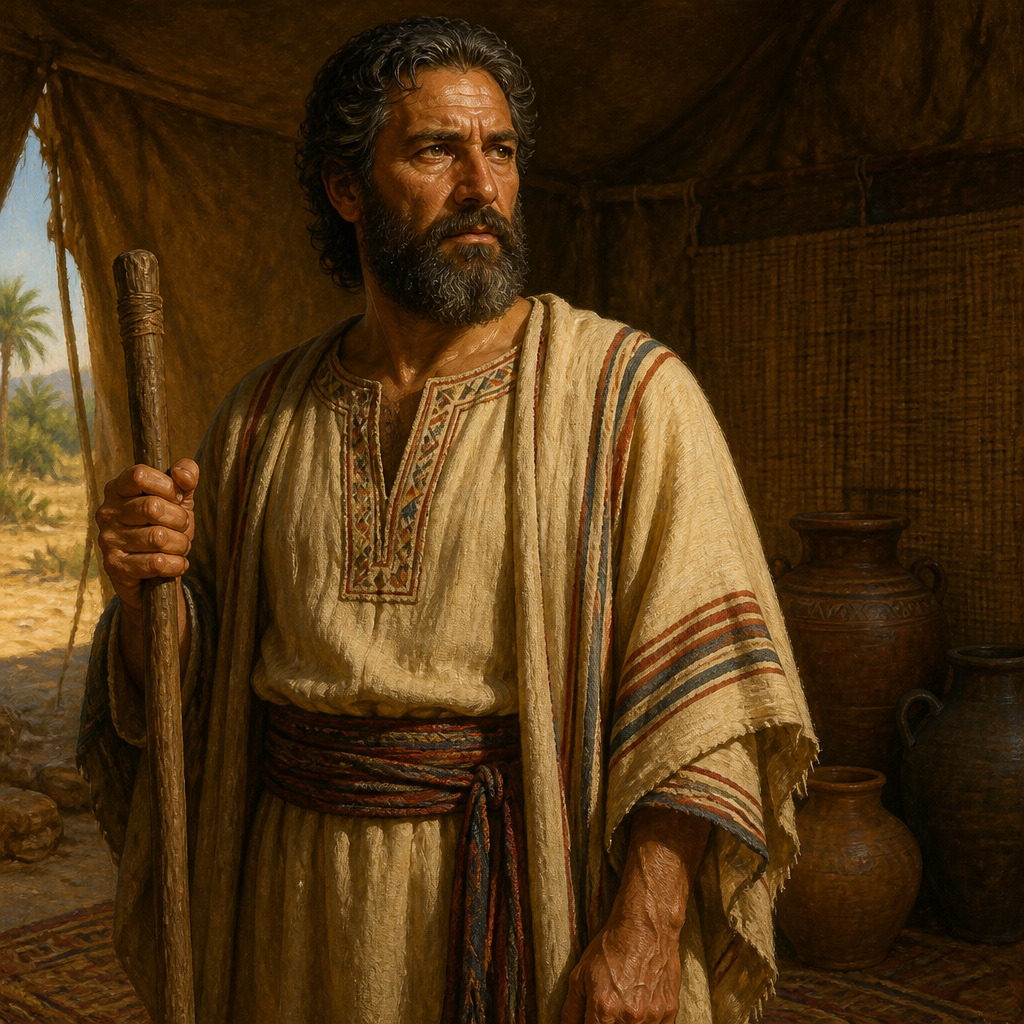 ShimronThis page
 Puah, Son of IssacharBrother1 Chronicles 7:1Stated
 Tola, Son of IssacharBrotherGenesis 46:13Stated
 Jashub, Son of IssacharBrotherNumbers 26:24Stated
Connected Figures
Family
Father · Genesis 46:13
The ninth son of Jacob and the fifth born to Leah, Issachar was a patriarch whose descendants formed one of the prominent twelve tribes of Israel.
PatriarchsFirst: Genesis 30:1813 versesPatriarchIssachar
Brother · 1 Chronicles 7:1
Puah was a son of Issachar and a tribal leader whose descendants formed the Punite clan during the Egyptian sojourn and the Exodus.
Brother · Genesis 46:13
Tola was the eldest son of Issachar and a tribal patriarch who founded the Tolaite clan during the Egyptian sojourn and the wilderness period.
Egypt and WildernessFirst: Genesis 46:135 versesPatriarchal leader and founder of the Tolaite clanIssachar
Brother · Numbers 26:24
Jashub was the third son of Issachar and the founding patriarch of the Jashubite clan during the Egyptian sojourn and the wilderness wanderings.
Categories
Mentions by Book
- Genesis1
- Numbers1
- 1 Chronicles1
Scripture References
All 3 indexed verses, in canonical order, from the Berean Standard Bible.
Genesis · 1
- Genesis 46:13
The sons of Issachar: Tola, Puvah, Job, and Shimron.
Numbers · 1
- Numbers 26:24
the Jashubite clan from Jashub, and the Shimronite clan from Shimron.
1 Chronicles · 1
- 1 Chronicles 7:1
The sons of Issachar: Tola, Puah, Jashub, and Shimron—four in all.