
Joseph in Egypt
The dreamer, his brothers, and Pharaoh's court (Genesis 37–50)
The narrative of Joseph in Egypt spans the final chapters of the book of Genesis, detailing the migration of the family of Israel from Canaan to the Nile delta (Genesis 37:1–2). The account begins when Joseph is sold by his brothers to Ishmaelite traders and subsequently purchased by Potiphar, an officer of the Egyptian guard (Genesis 37:28–36). While in Egypt, Joseph interprets the dreams of Pharaoh leading to his appointment as a high-ranking official over the land (Genesis 41:39–41). During this period, he marries Asenath, who gives birth to two sons, Manasseh, and Ephraim (Genesis 41:50–52).
When a severe famine strikes the region, the family of Israel travels to Egypt to purchase grain. Reuben, the firstborn, initially attempts to protect his younger brother, while Judah eventually offers himself as a pledge for the safety of Benjamin (Genesis 37:21–22, 43:8–9). The text identifies the various members of the household who settle in Egypt, including Levi, whose sons Gershon, Kohath, and Merari represent the future divisions of the priestly tribe (Genesis 46:11). Other family members mentioned in the migration include Hanoch, and Jemuel, the firstborn of Simeon (Genesis 46:9–10). The text also accounts for the lineage of Judah noting his sons Perez and Zerah, as well as his grandson Hezron (Genesis 46:12).
The story concludes with the reconciliation of the brothers and the relocation of the aging Israel to the district of Goshen (Genesis 47:1–6). Before his death, Israel blesses his grandsons, deliberately placing his right hand on Ephraim instead of the firstborn Manasseh (Genesis 48:13–14). The narrative also looks forward to the future of the tribes, mentioning descendants such as Machir, who Joseph lived to see (Genesis 50:23).
This sequence serves as the transition from the patriarchal age of Abraham and Isaac to the national history of the Israelites. By the end of the book, the descendants of the twelve brothers are established in Egypt, setting the stage for their eventual multiplication and subsequent enslavement. The text emphasizes that despite the brothers' initial intent to harm Joseph, the events were directed to ensure the survival of the family and the fulfillment of the promises made to their ancestors (Genesis 50:20–24).
Everyone in this list
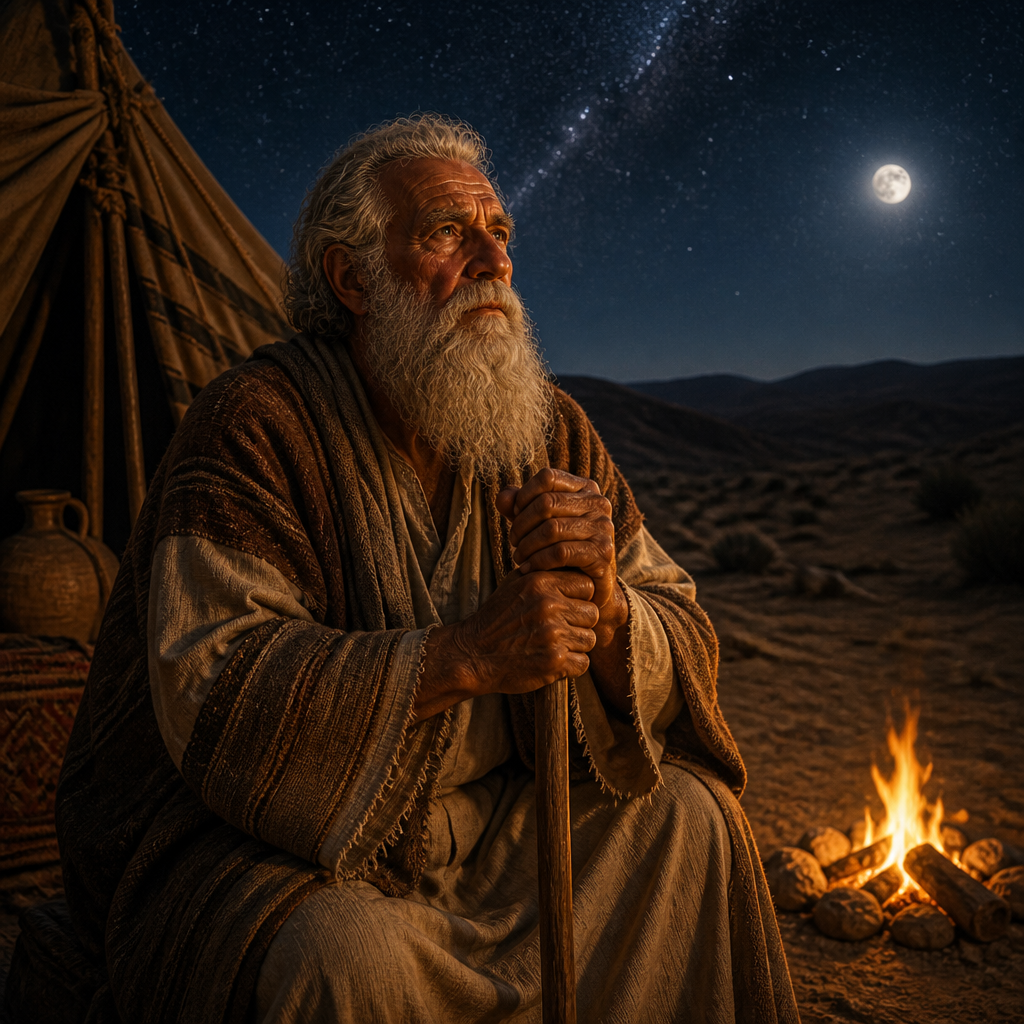
Abraham
Patriarch who is the father of the nation of Israel and an exemplar of faith
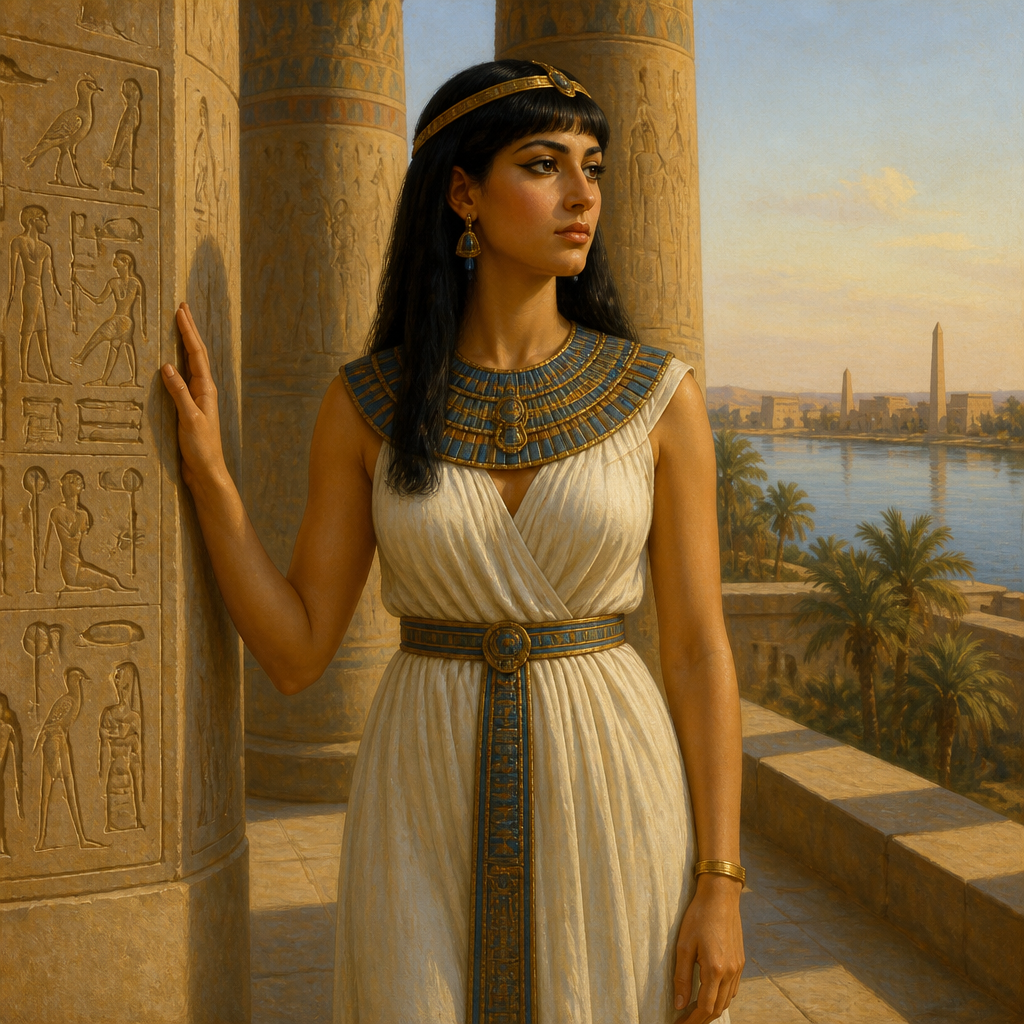
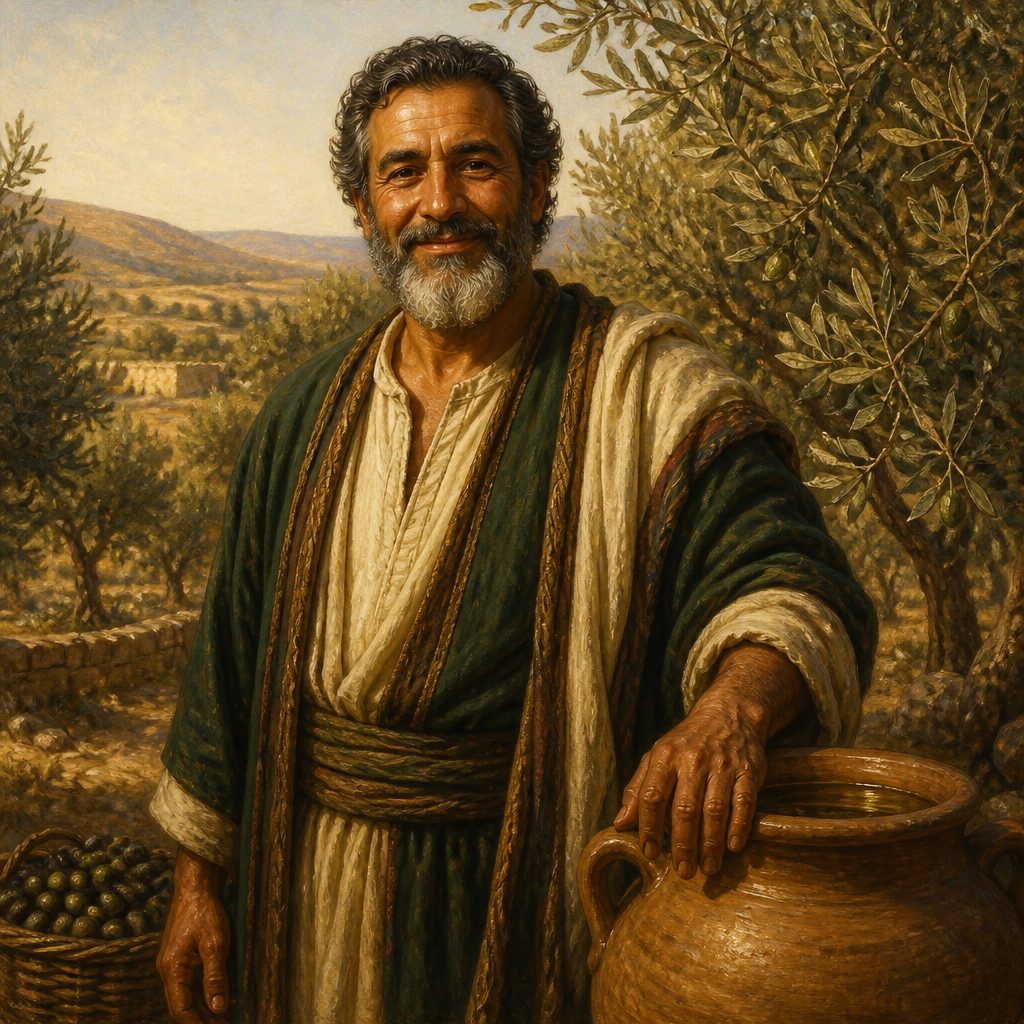
Asher
Patriarch who founded one of the twelve tribes of Israel and was noted for the fertility of his land
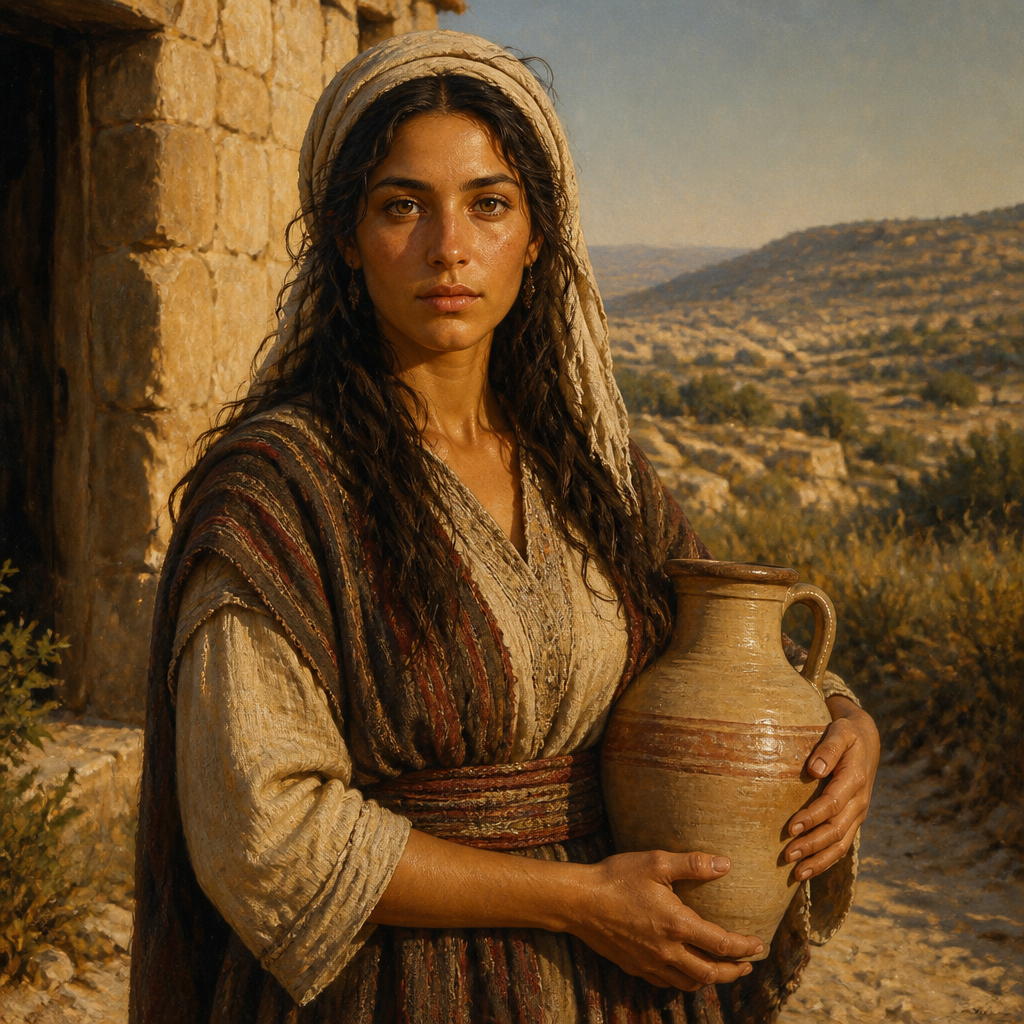
Bath-shua
Canaanite wife of Judah and mother of Er, Onan, and Shelah
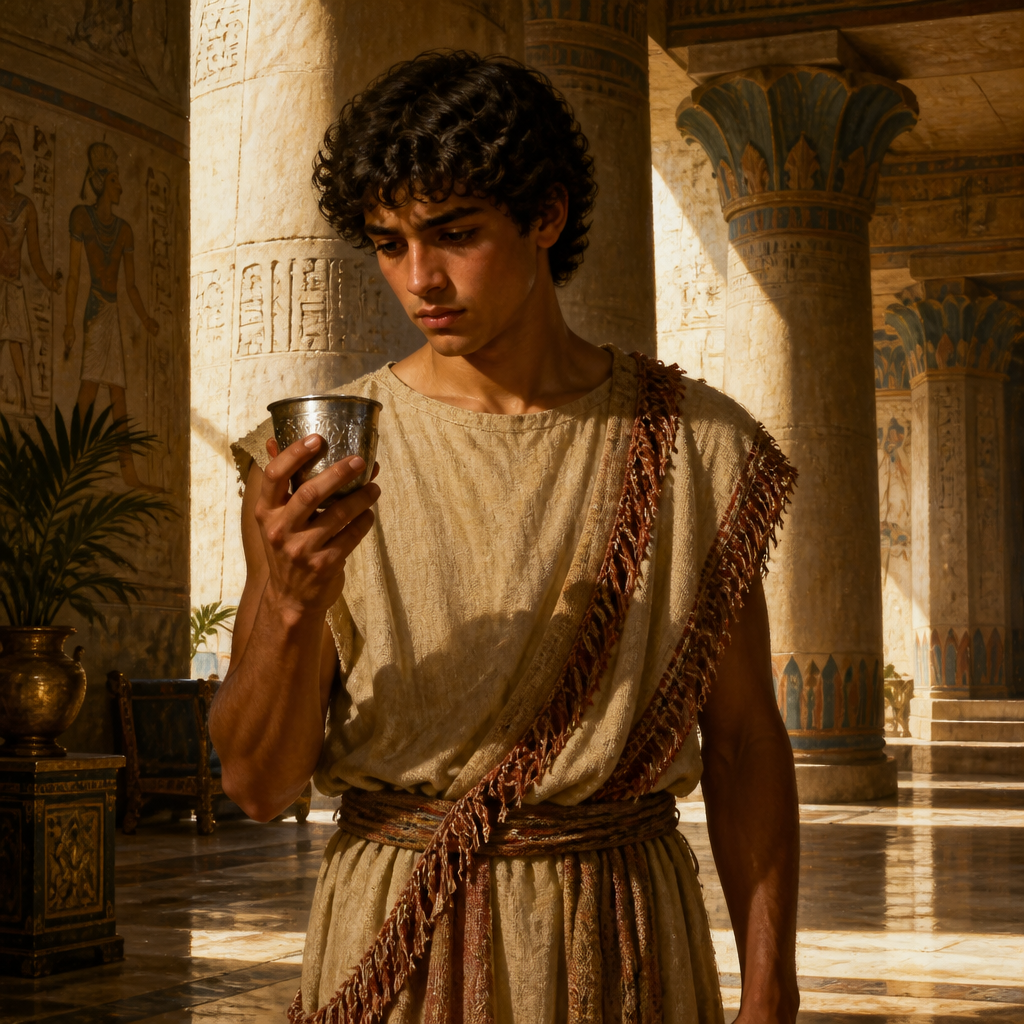
Benjamin, Son of Jacob
Youngest son of Jacob and the full brother of Joseph whose presence in Egypt led to his family's reconciliation
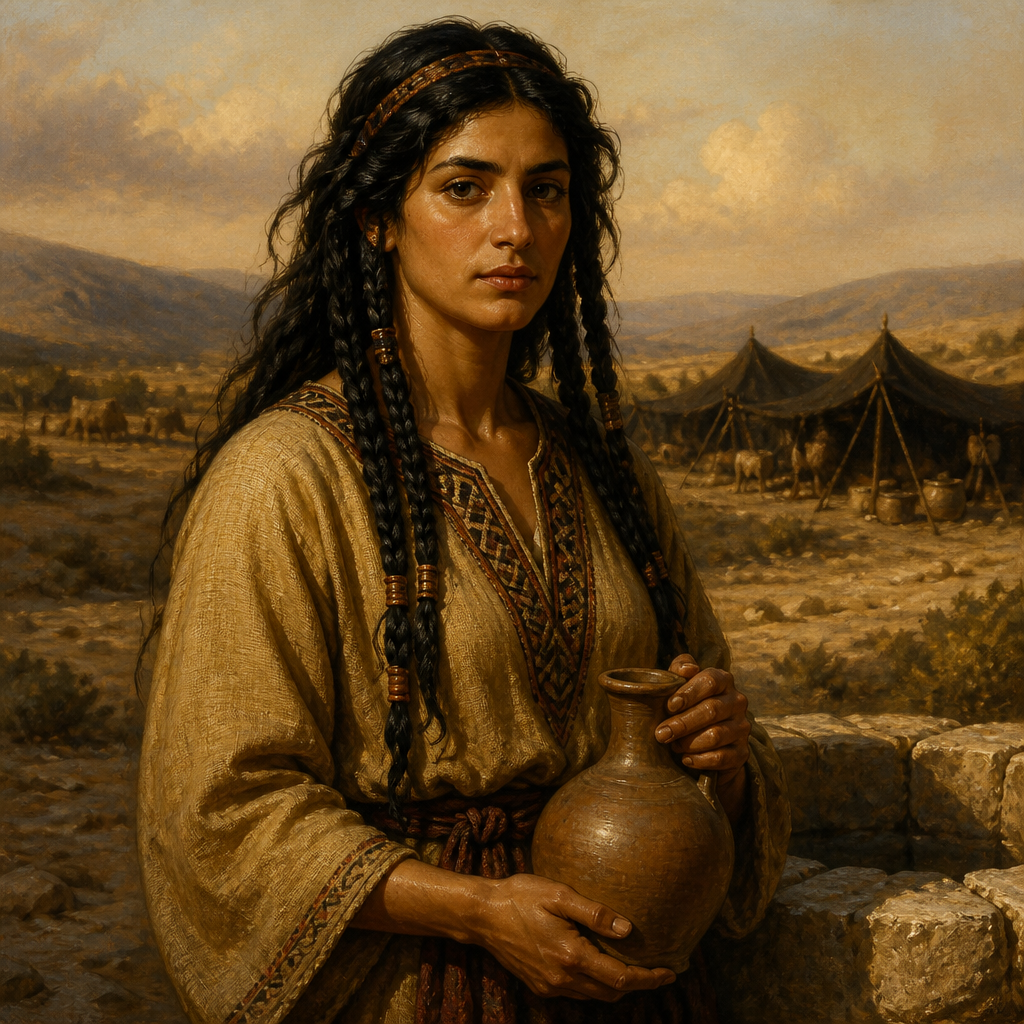
The Canaanite Woman (Wife of Simeon)
Mother of Shaul and partner of Simeon who integrated Canaanite lineage into the tribe of Simeon
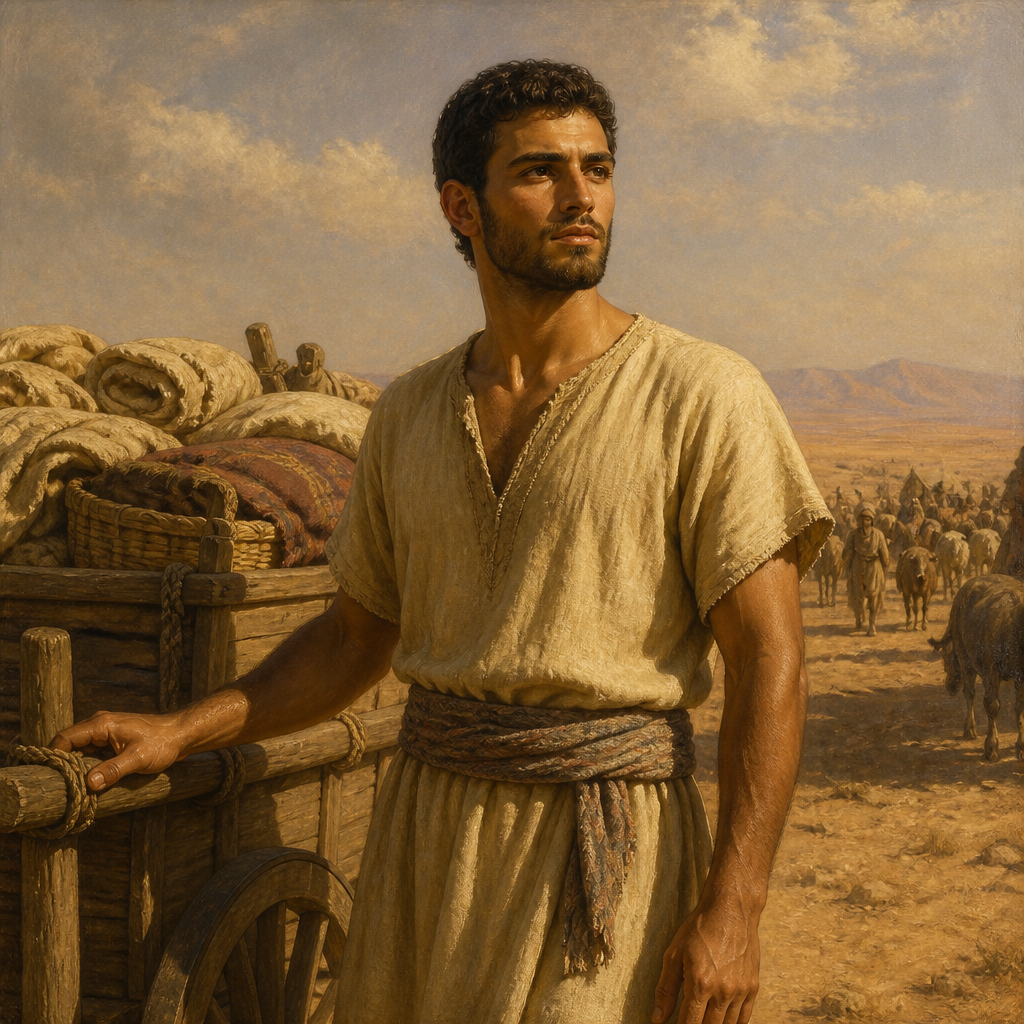
Carmi, Son of Reuben
son of Reuben and founder of the Carmite clan during the Egyptian Sojourn
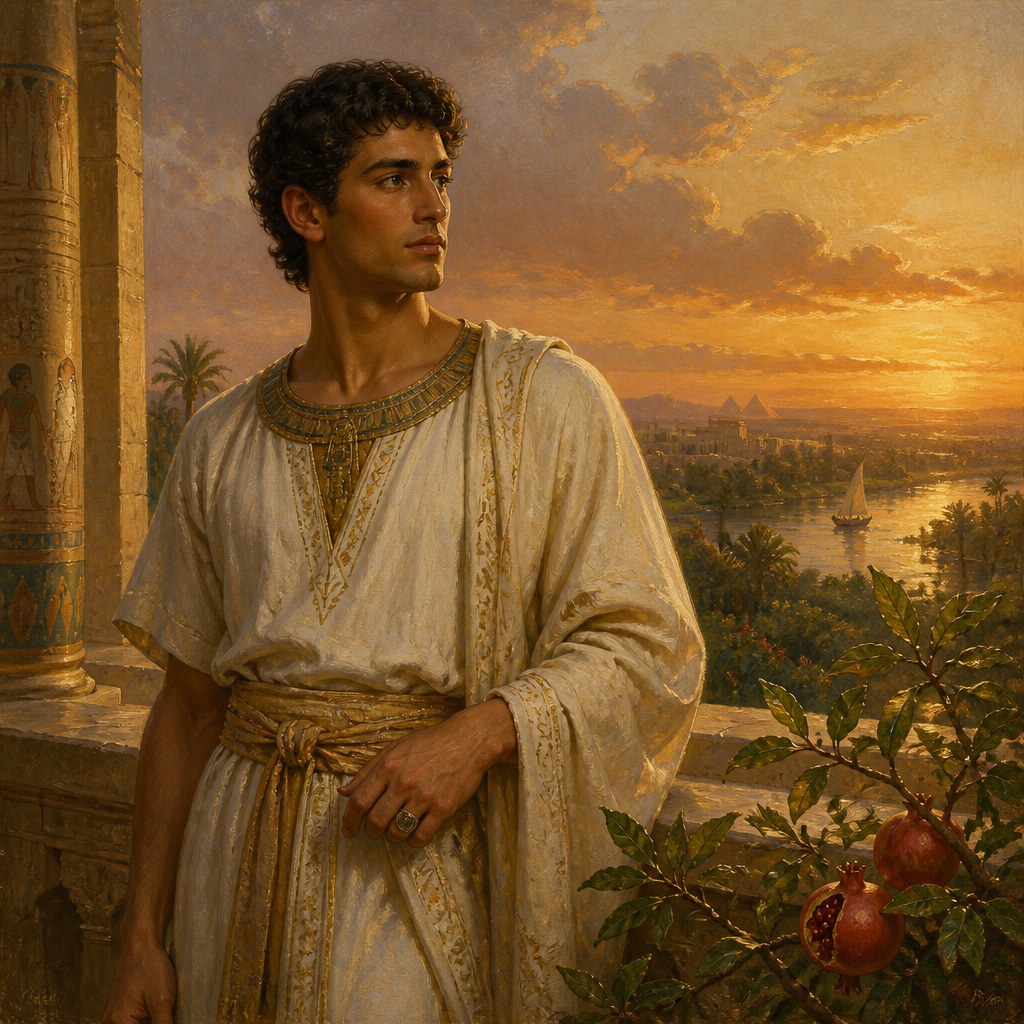
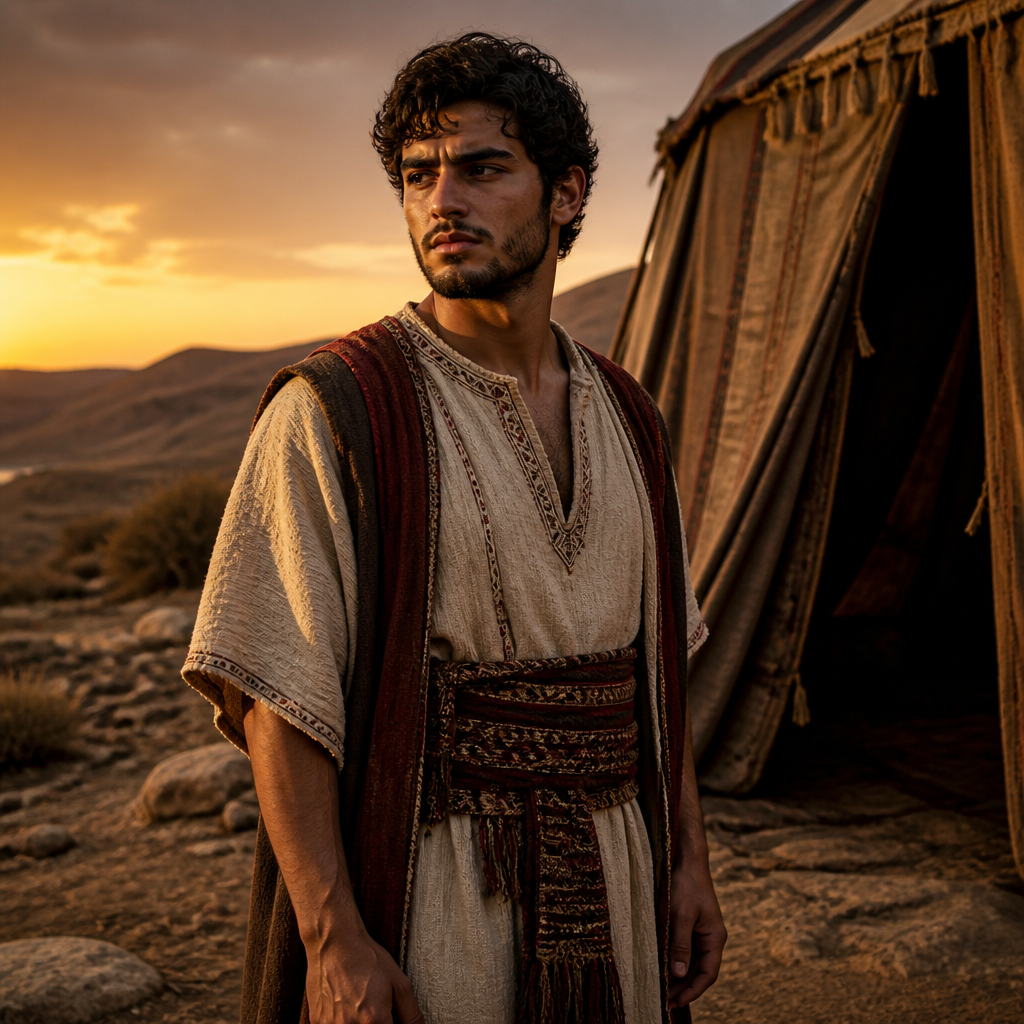
Er, Firstborn of Judah
Judah's firstborn son who was put to death by God for his wickedness
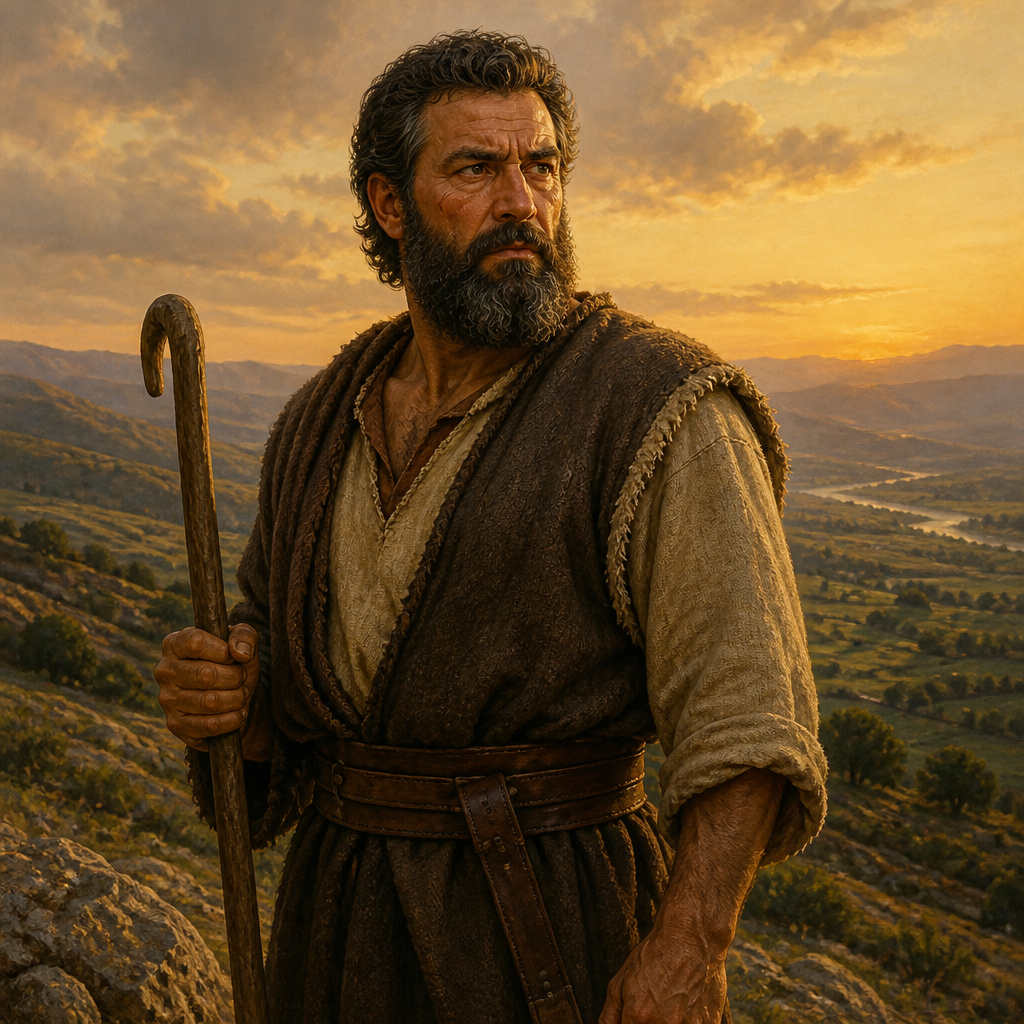
Gad, Son of Jacob
Seventh son of Jacob and founder of the warrior tribe of Gad
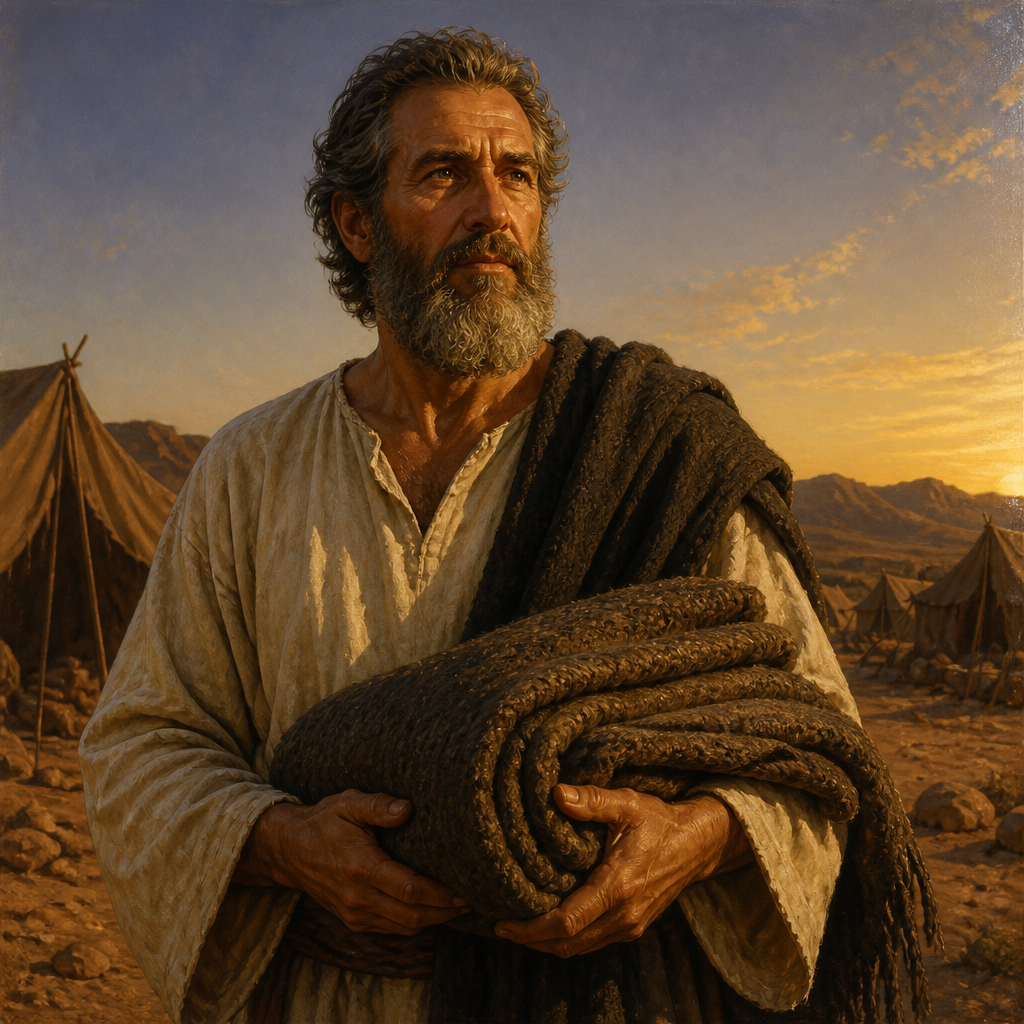
Gershon
Eldest son of Levi whose descendants were responsible for transporting the Tabernacle's curtains and coverings
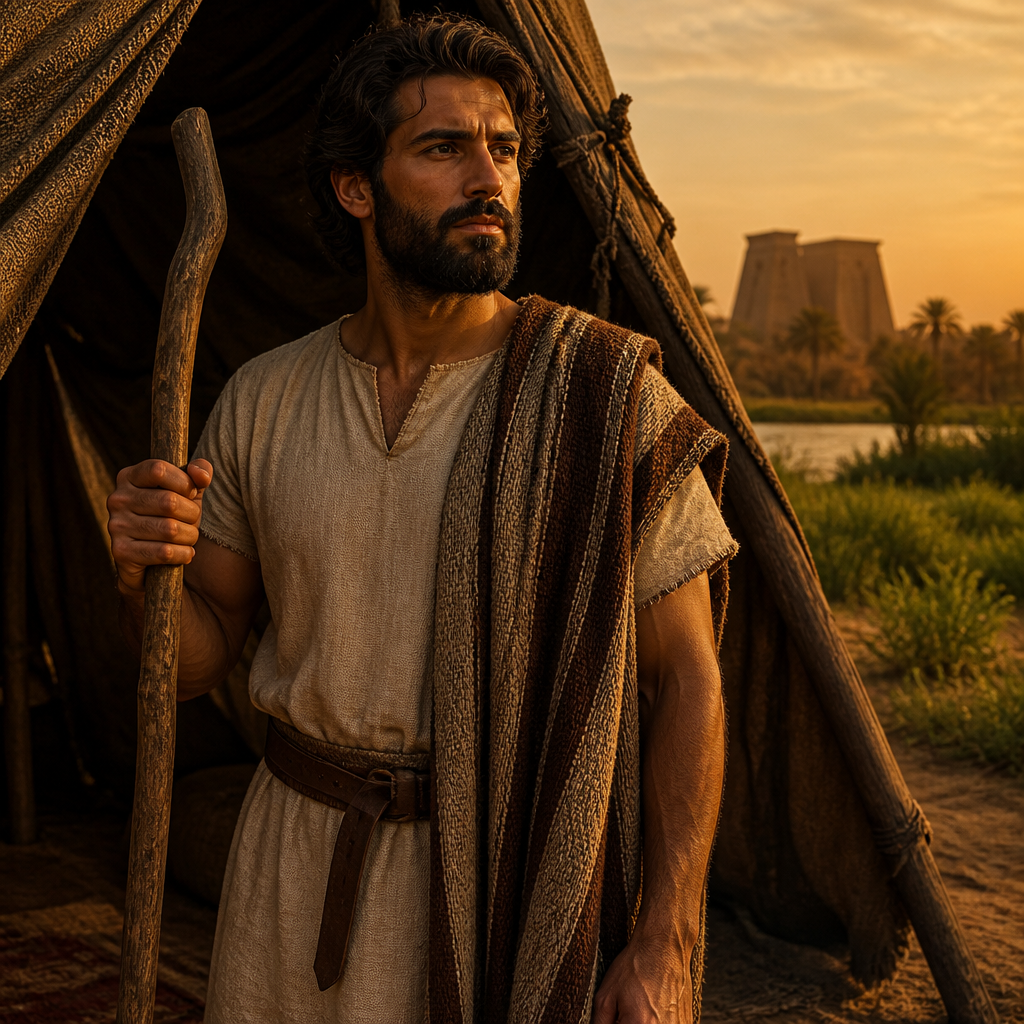
Hanoch, Son of Reuben
Firstborn son of Reuben and founder of the Hanochite clan
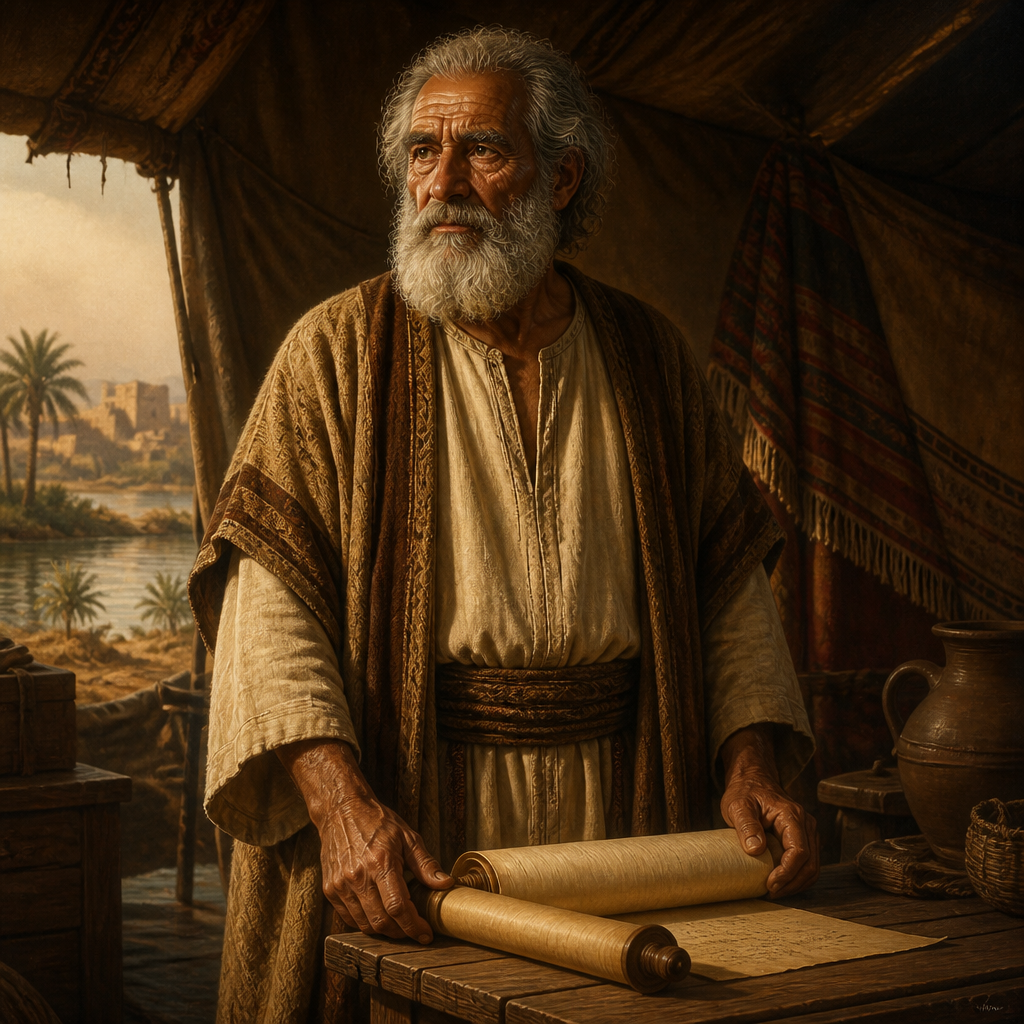
Hezron, Son of Perez
Patriarch of the Hezronite clan and ancestor of King David and Jesus Christ
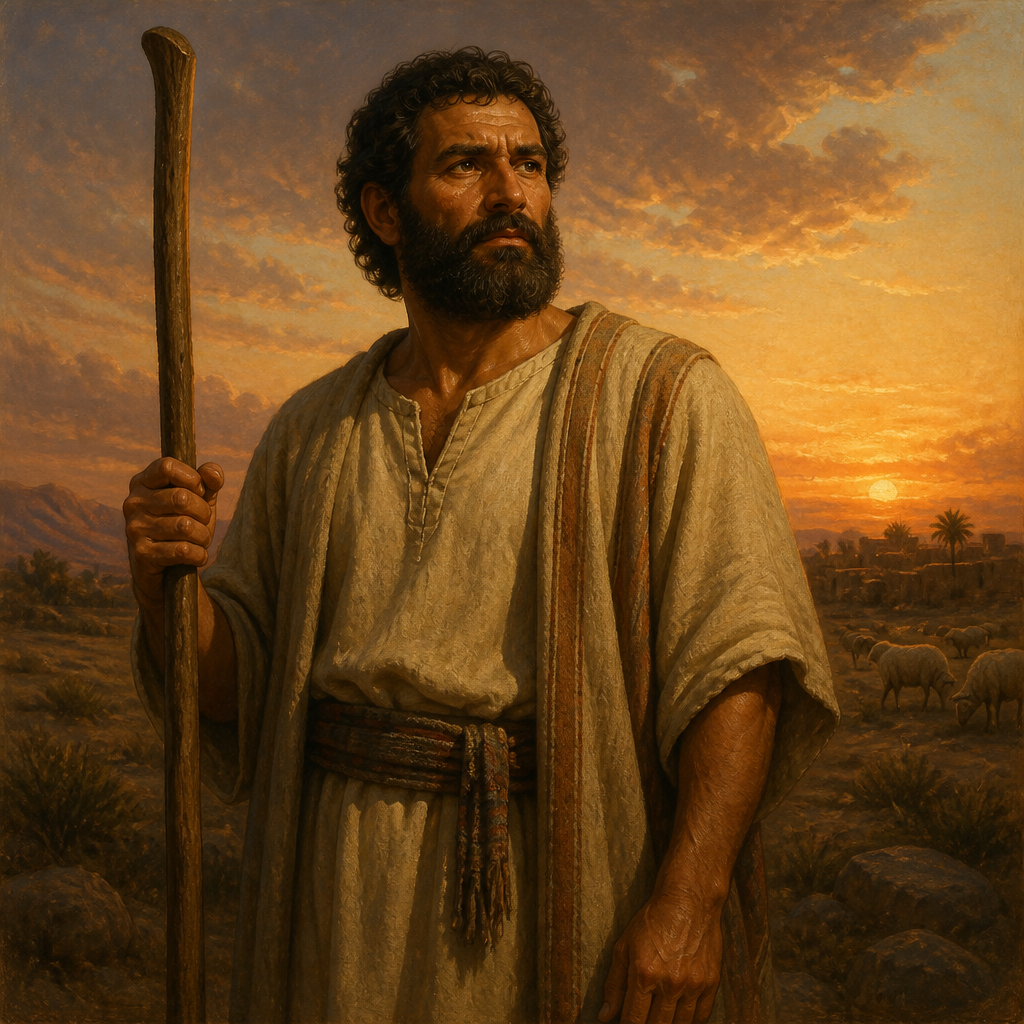
Hezron, Son of Reuben
Son of Reuben and founder of the Hezronite clan
Isaac
Patriarch who was the son of Abraham and the father of Jacob and Esau
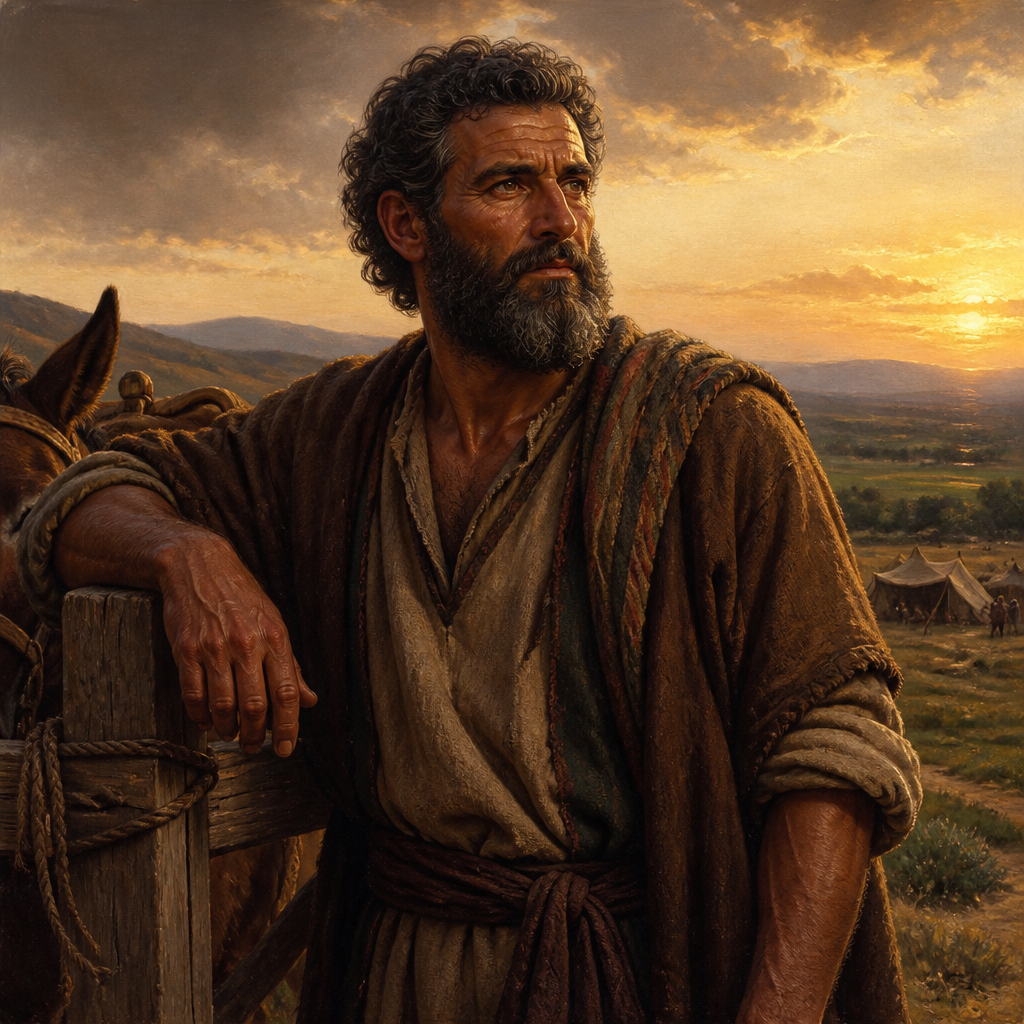
Issachar, Ninth Son of Jacob
Ninth son of Jacob and the progenitor of the Tribe of Issachar
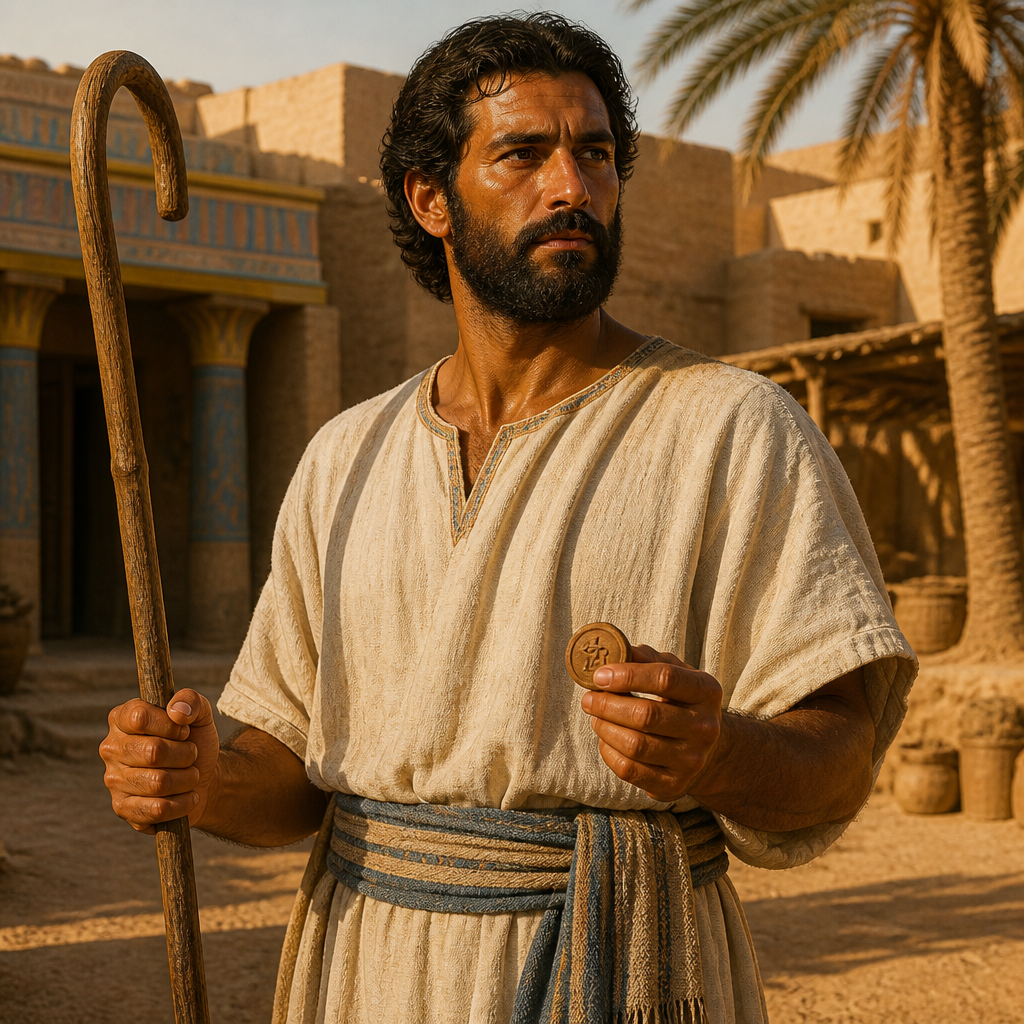
Jachin, Son of Simeon
Son of Simeon and founder of the Jachinite clan
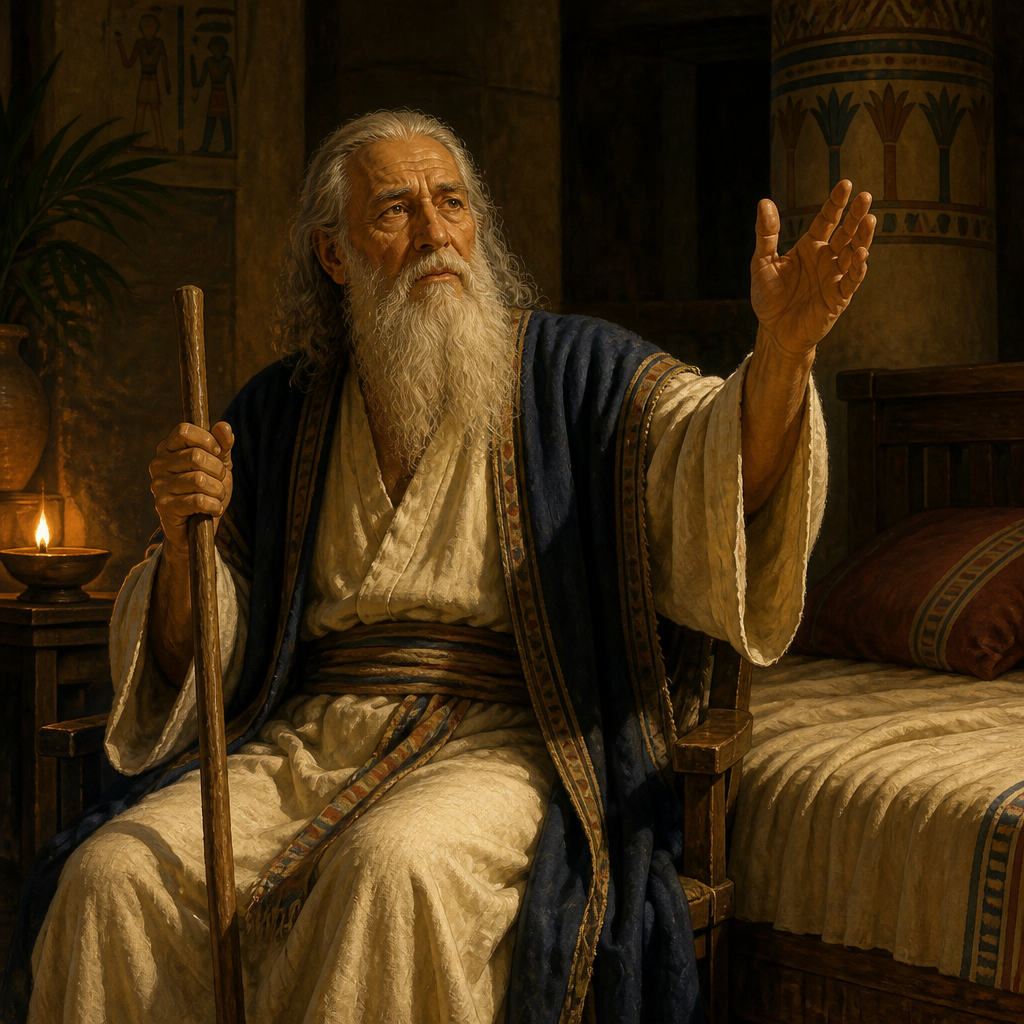
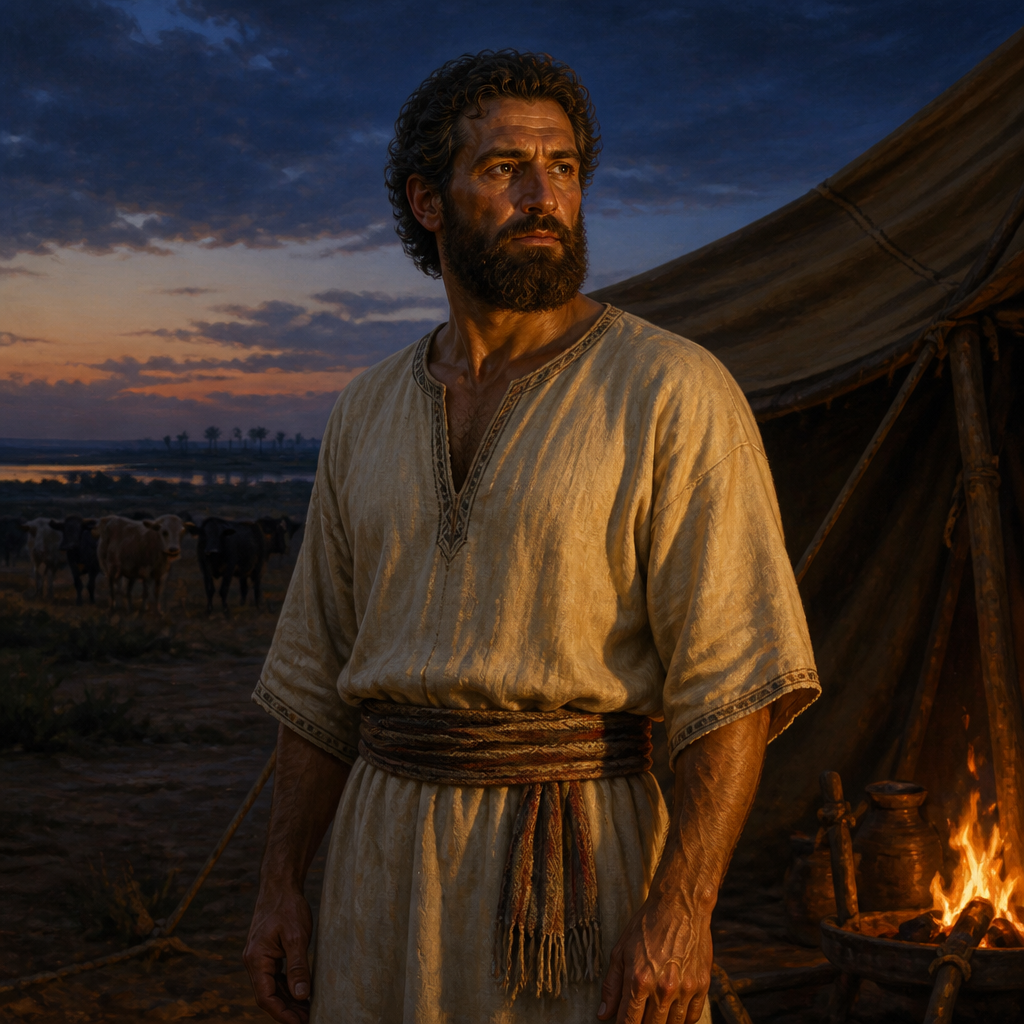
Jamin, Son of Simeon
Son of Simeon and progenitor of the Jaminite clan during the Egyptian Sojourn
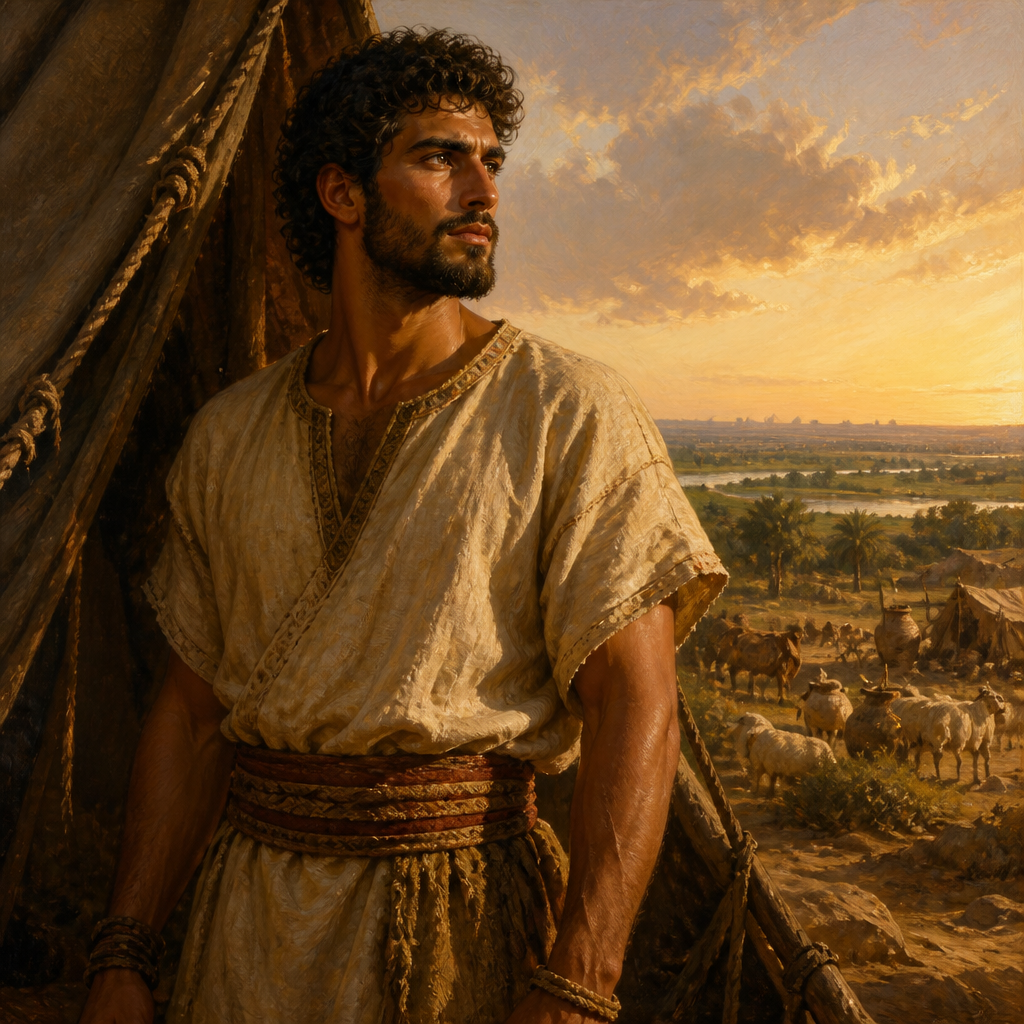
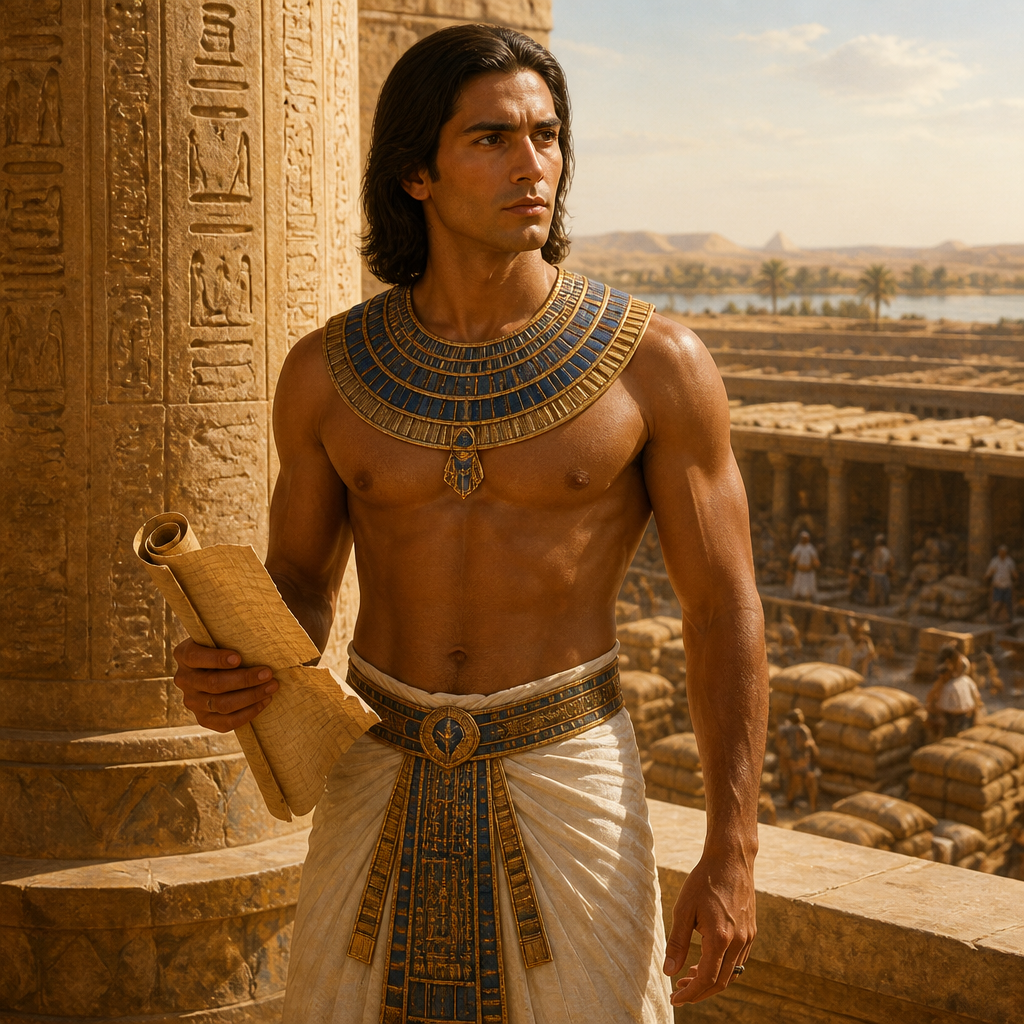
Joseph, Son of Jacob
Patriarch who was sold into slavery and rose to become the second most powerful man in Egypt
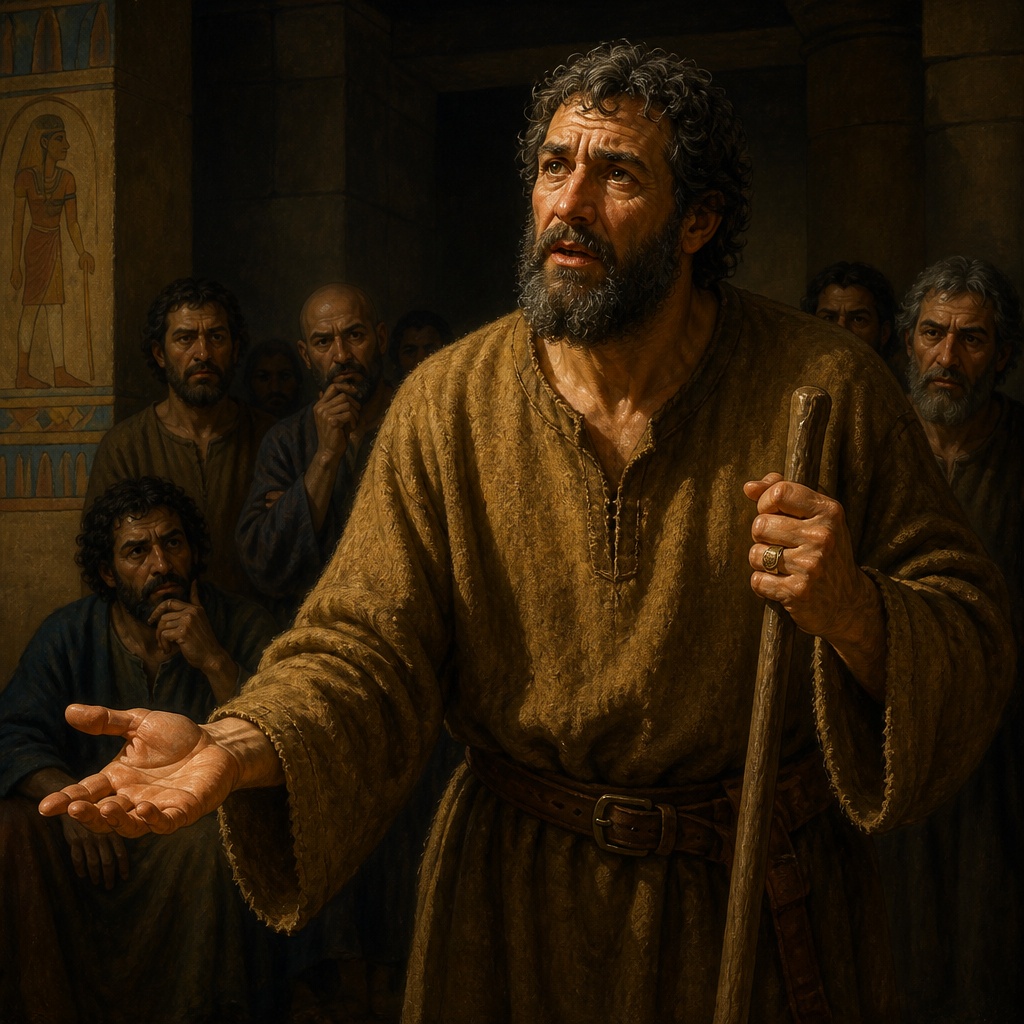
Judah, Son of Jacob
Patriarch who received the blessing of the scepter and whose lineage produced King David and Jesus Christ
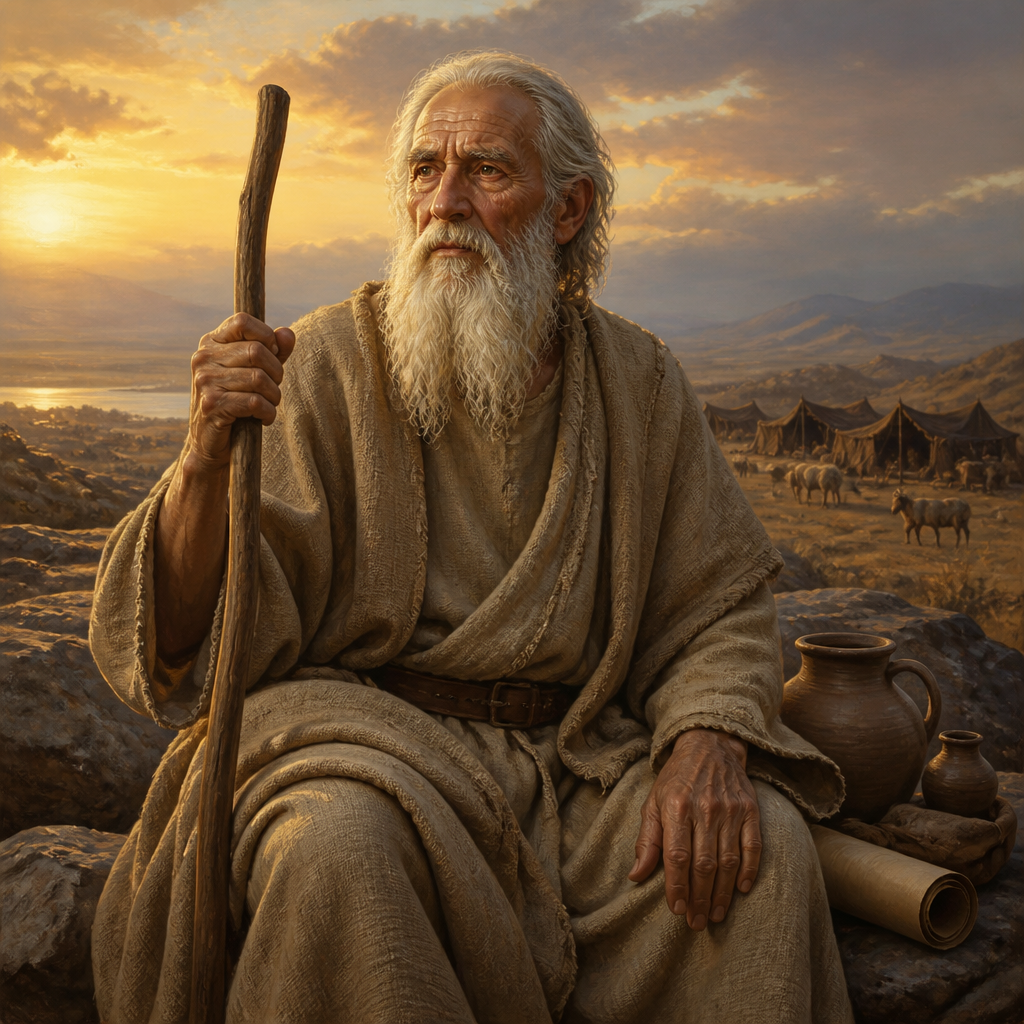
Kohath
Patriarch of the Levite clan responsible for the most holy Tabernacle objects
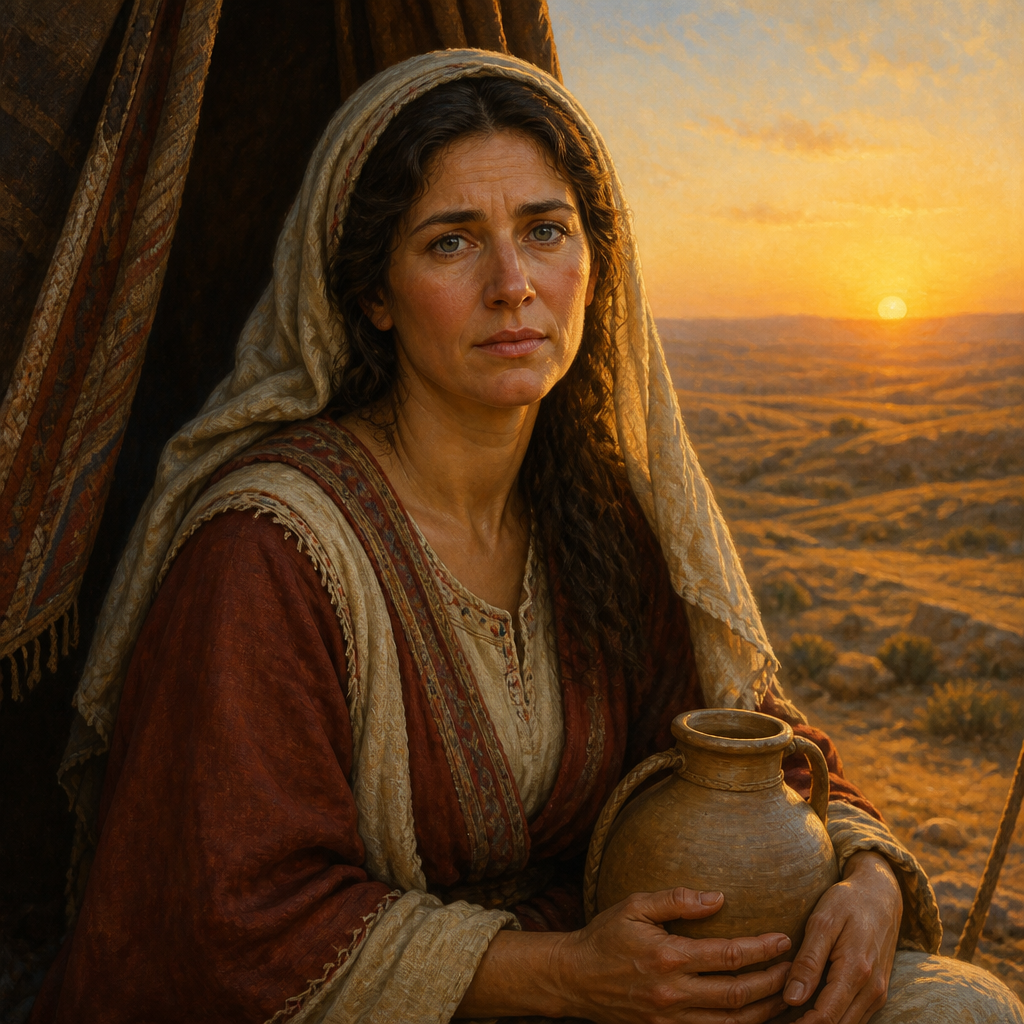
Leah
Matriarch who mothered six of the twelve tribes of Israel including the priestly and royal lines
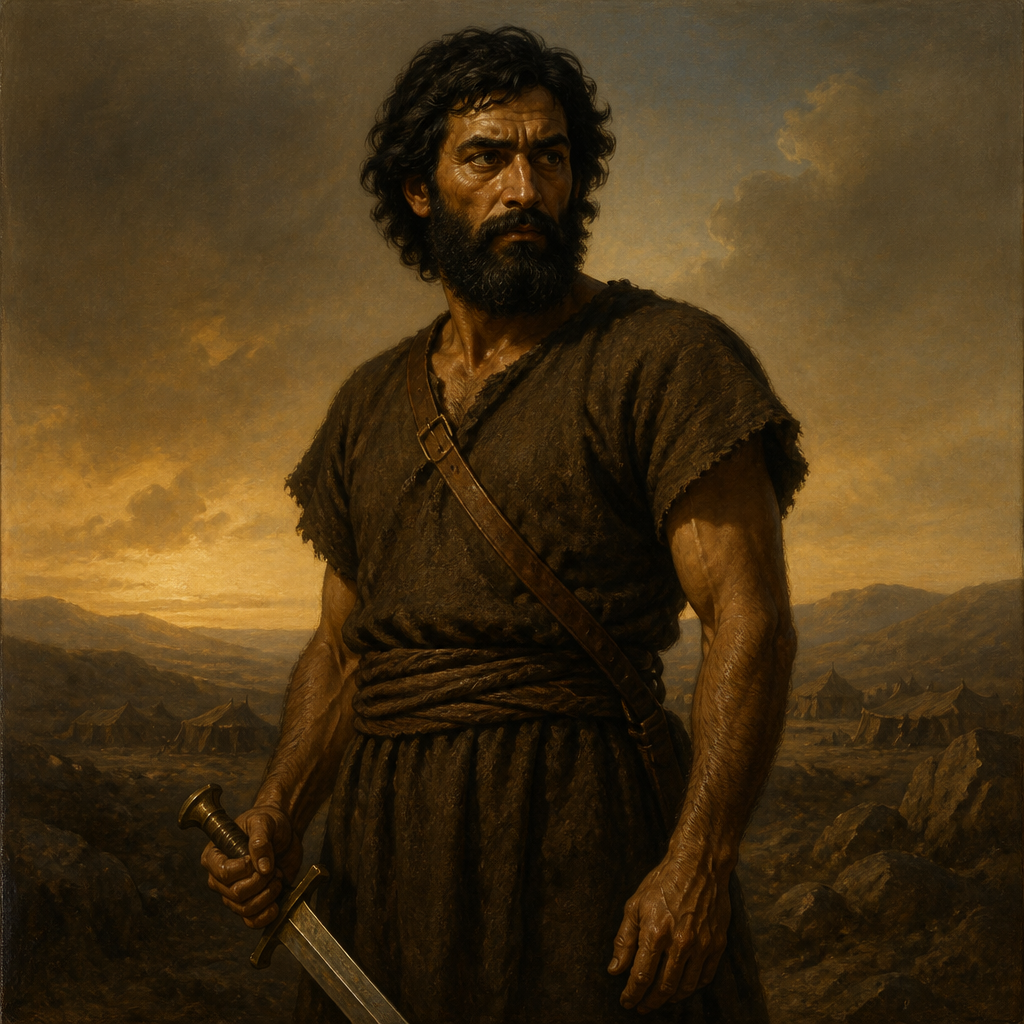
Levi, Son of Jacob
Patriarch of the priestly tribe and participant in the massacre at Shechem

Machir, Son of Manasseh
Patriarch of the Machirite clan who conquered Gilead
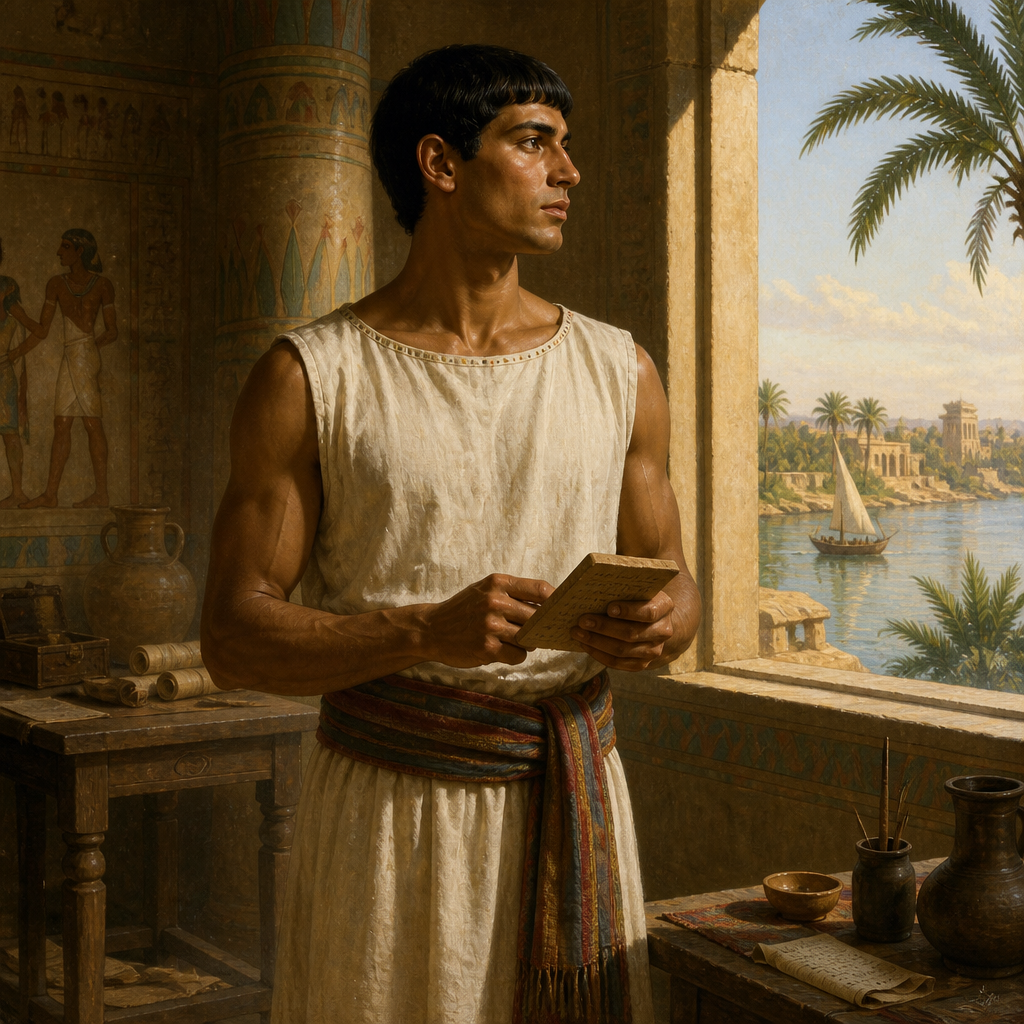
Manasseh, Son of Joseph
Firstborn son of Joseph whose grandfather Jacob crossed his hands to give the younger brother the primary blessing
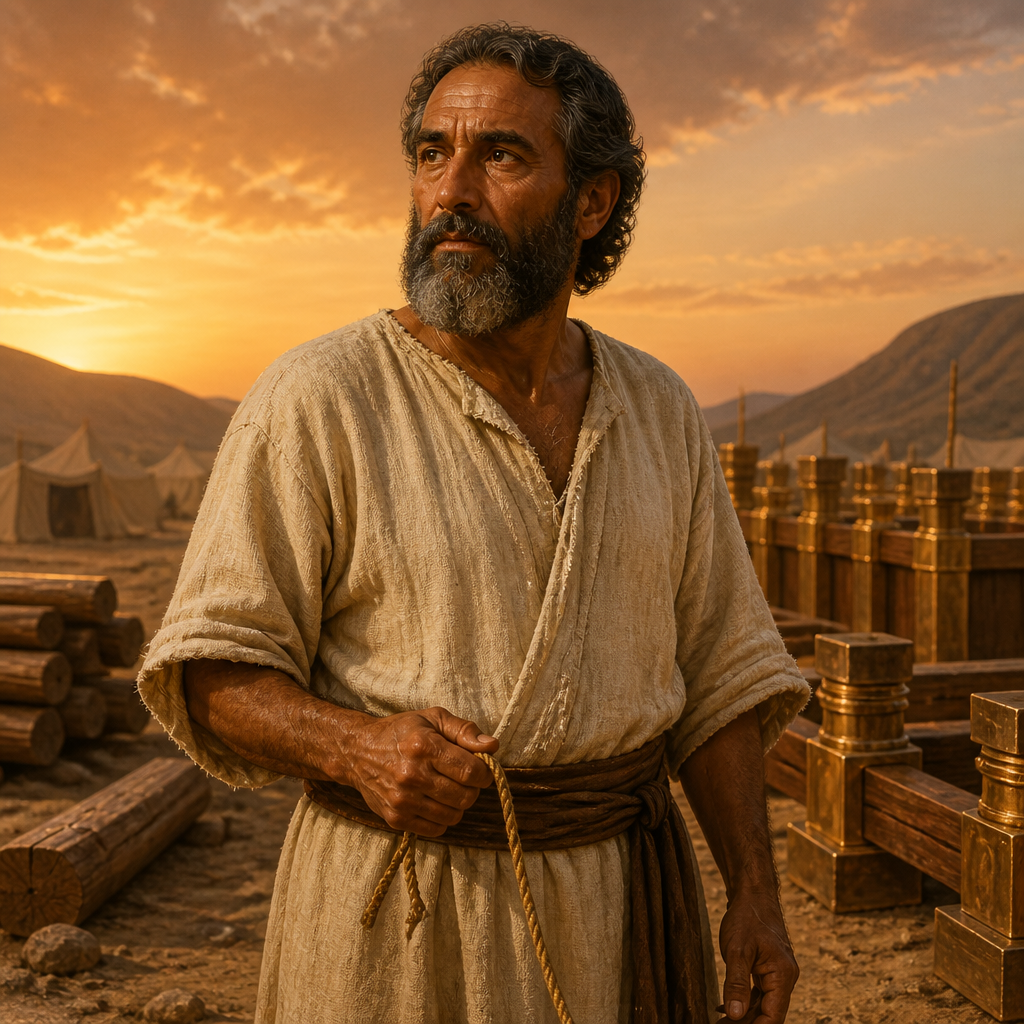
Merari
Son of Levi whose descendants were responsible for the structural frames and pillars of the Tabernacle
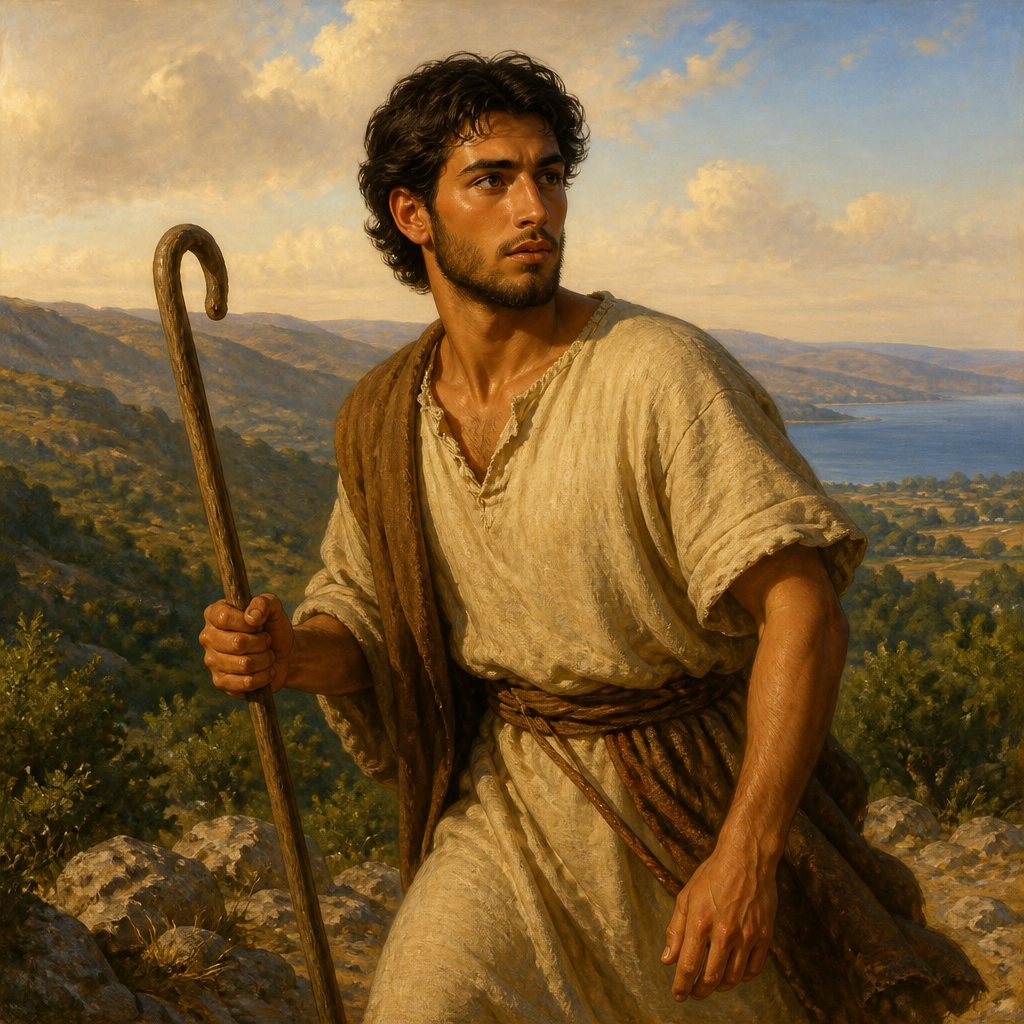
Naphtali
Patriarch of one of the twelve tribes of Israel and sixth son of Jacob
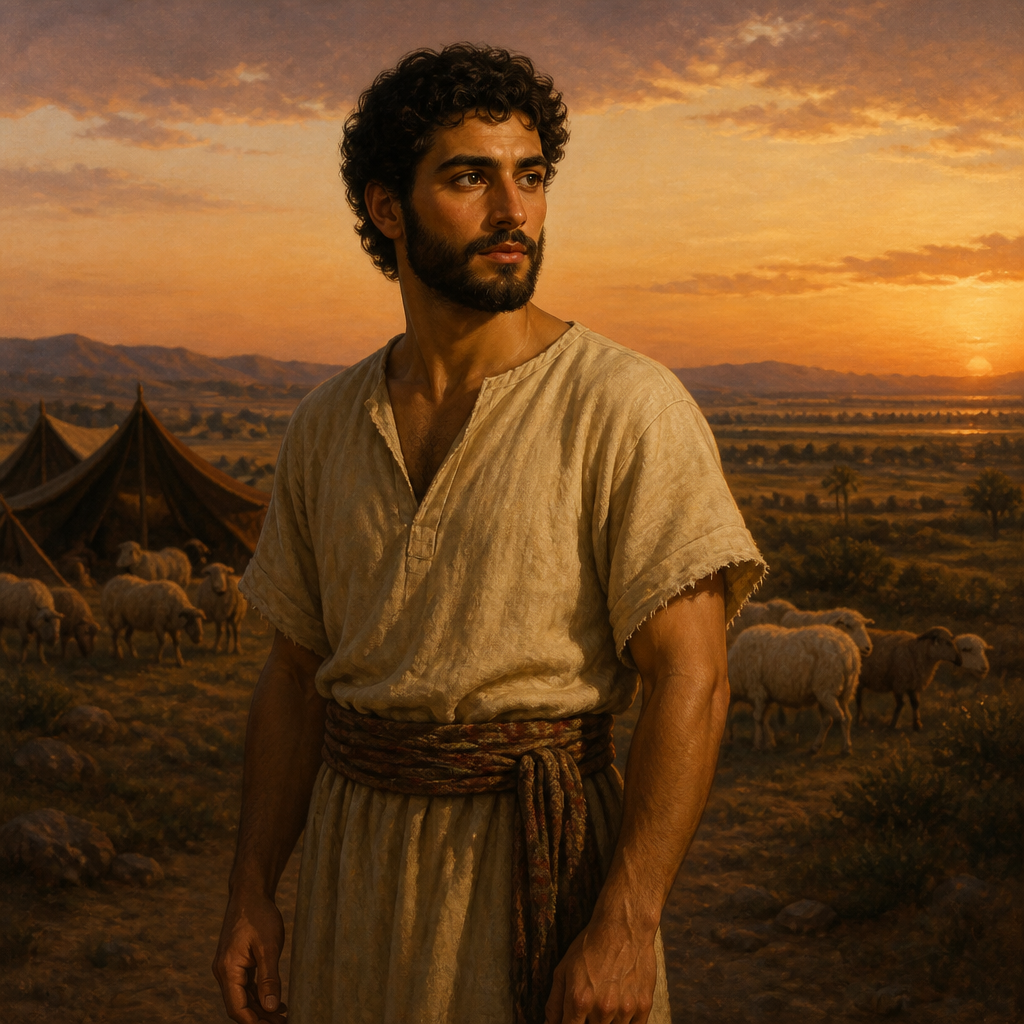
Ohad
Son of Simeon and grandson of Jacob included in the migration to Egypt
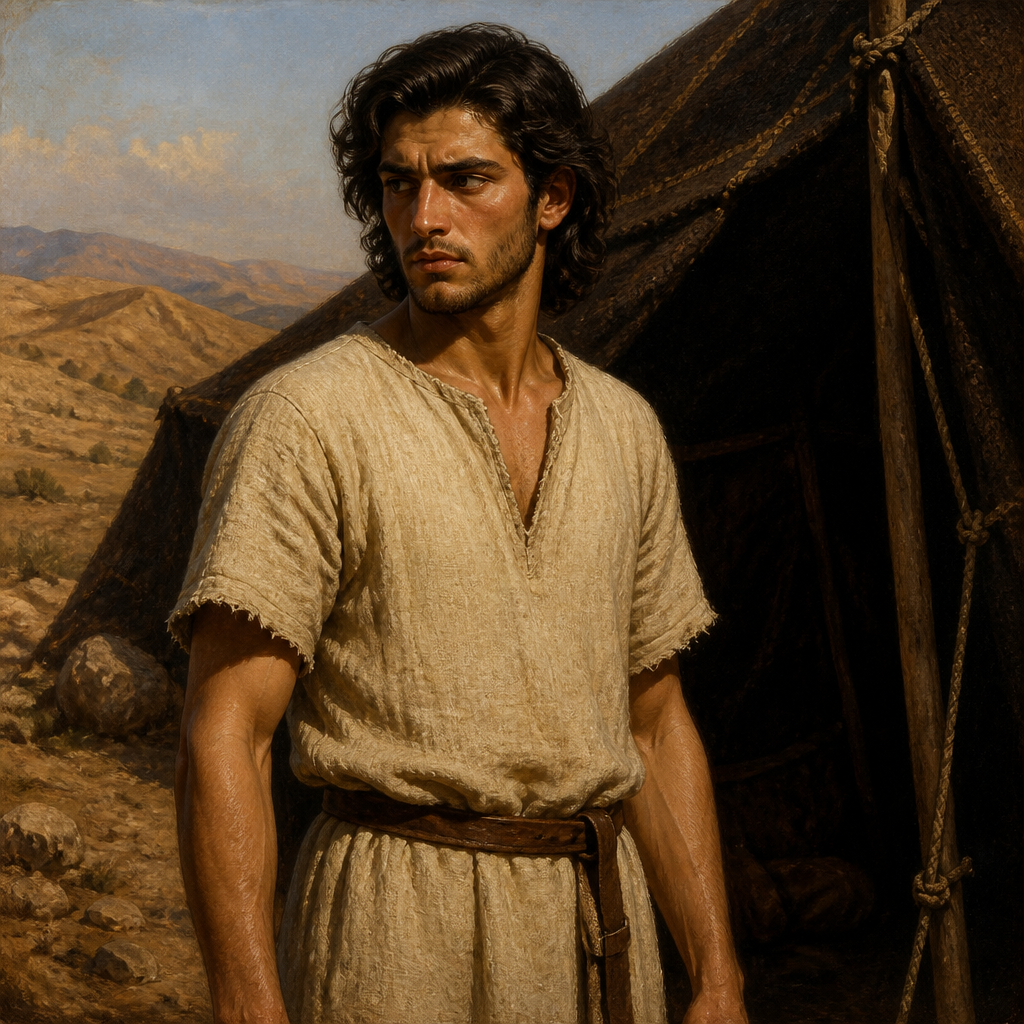
Onan
Son of Judah who was struck down for refusing to raise an heir for his brother
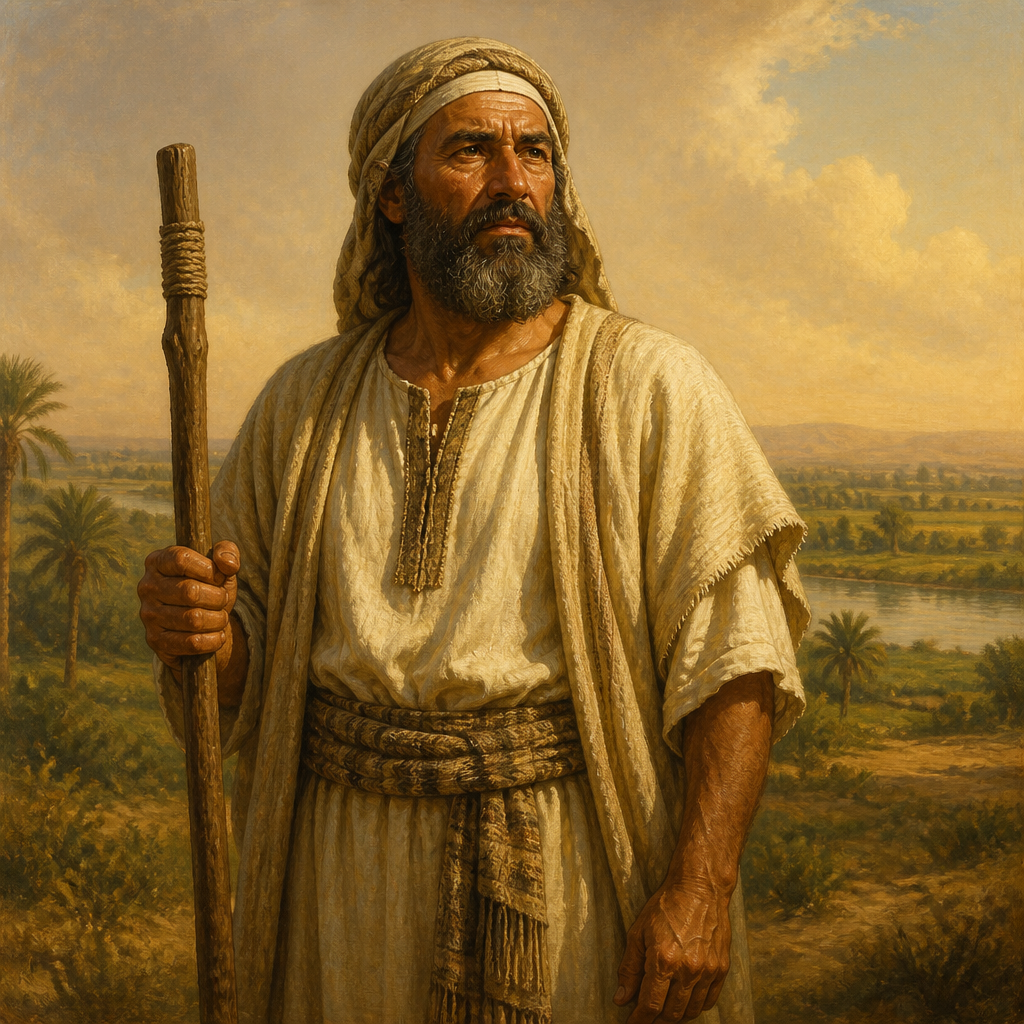
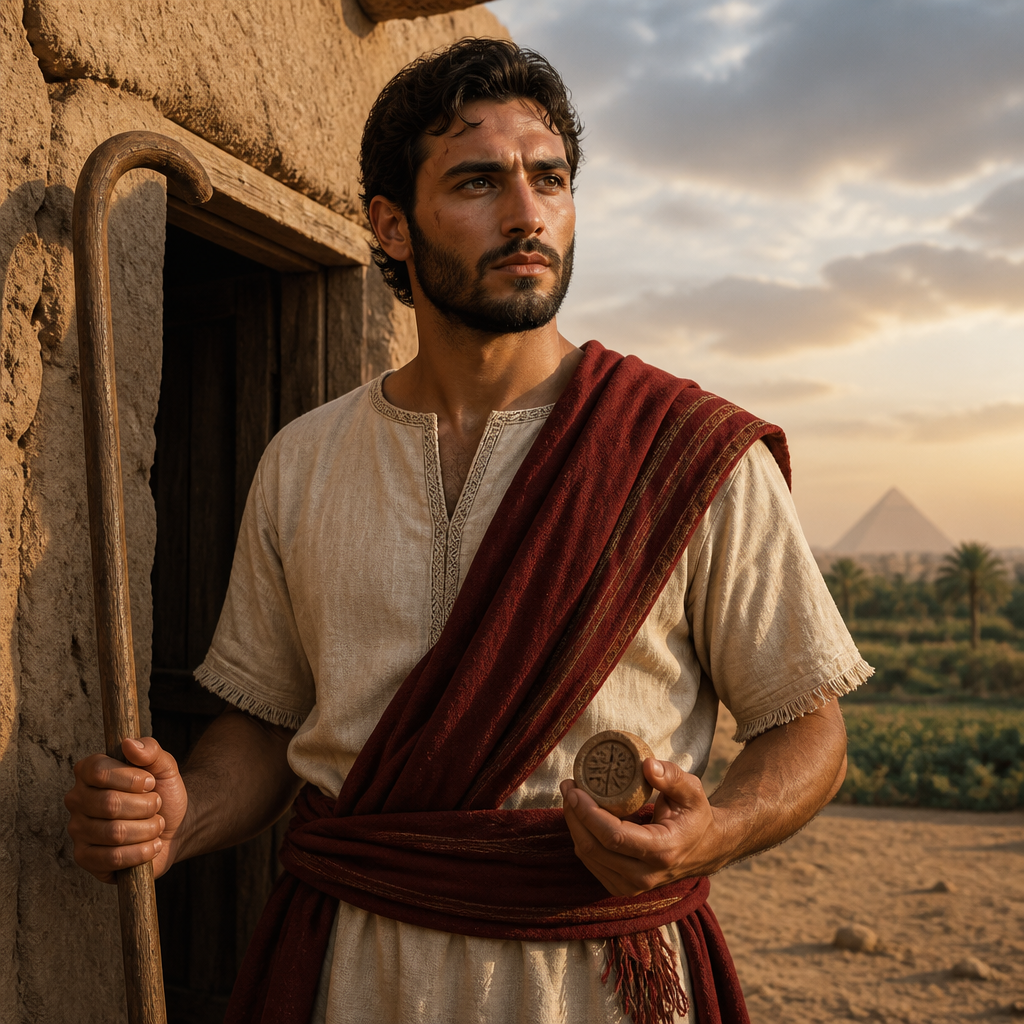
Perez
Ancestor of King David and Jesus Christ who was born as a twin to Judah and Tamar
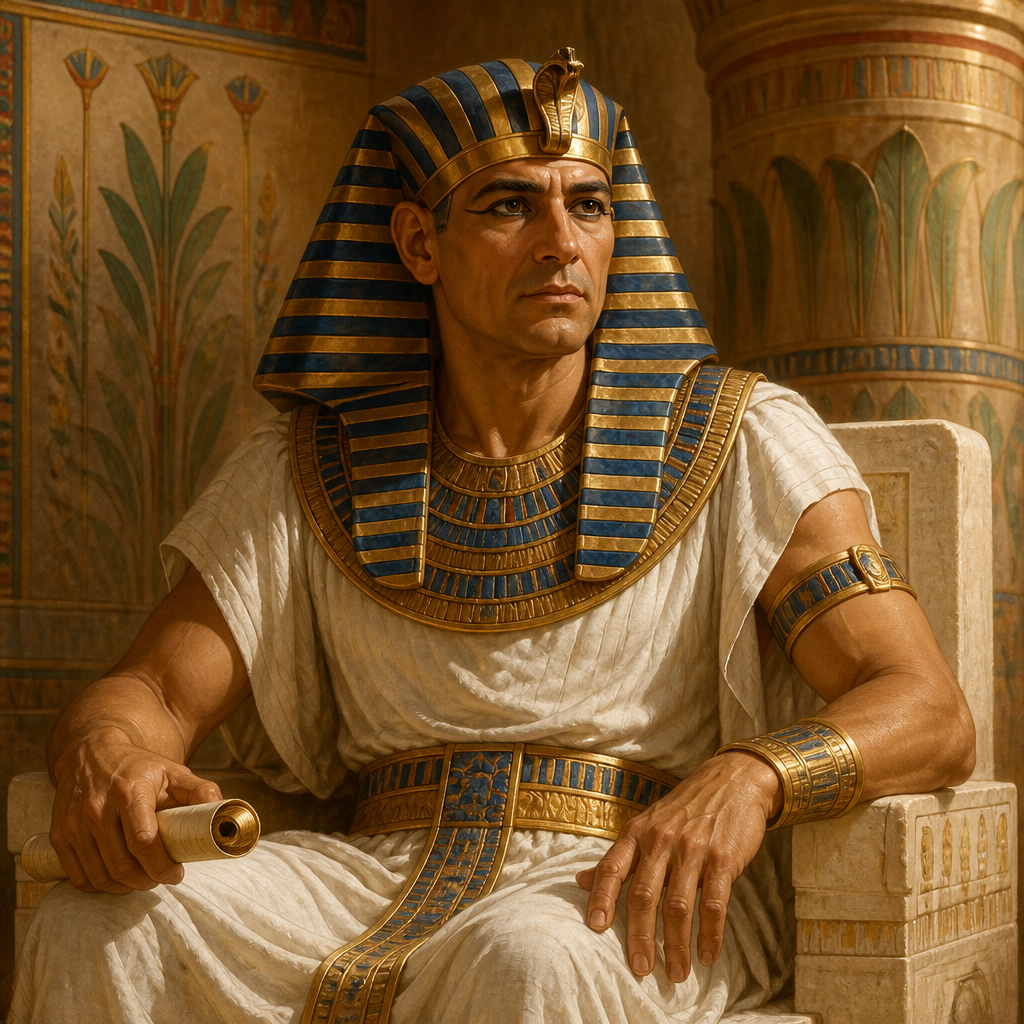
Pharaoh, Patron of Joseph
King of Egypt who promoted Joseph to vizier and invited Jacob's family to settle in Goshen
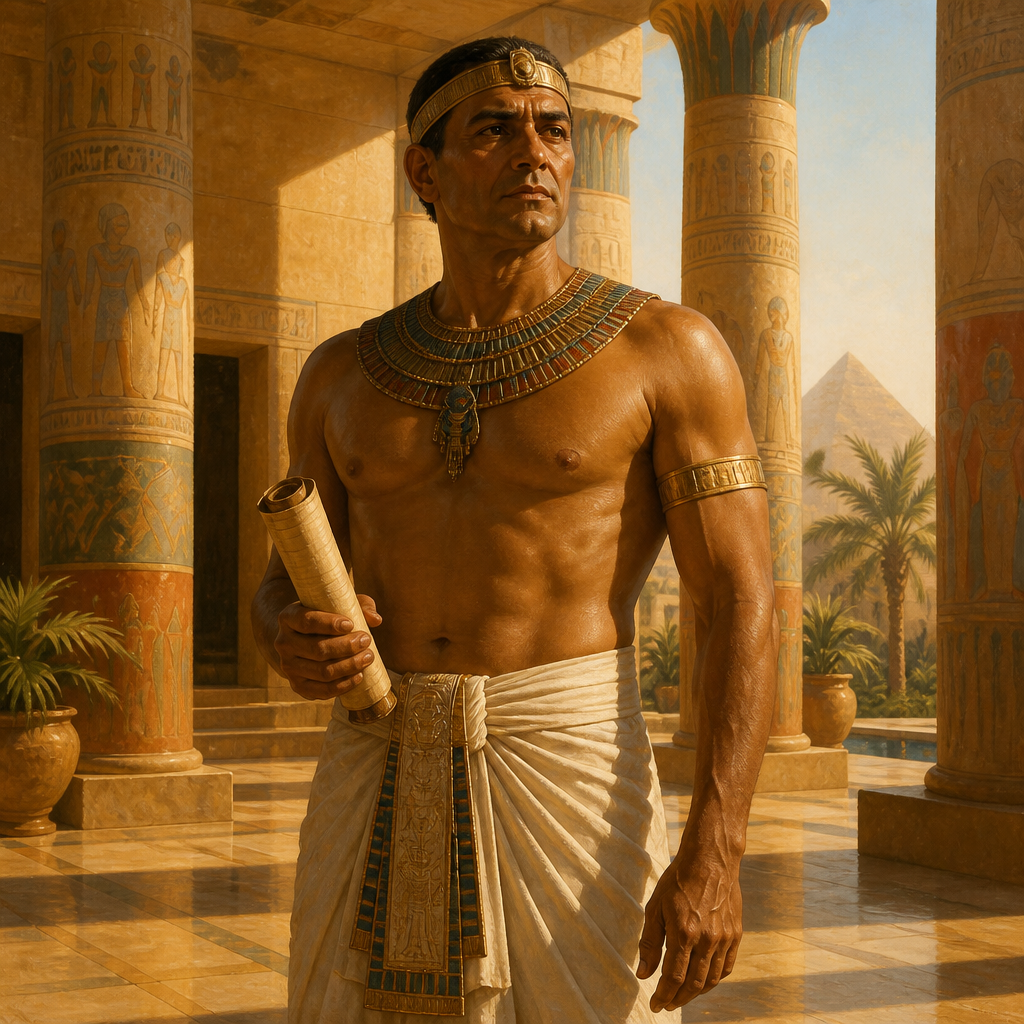
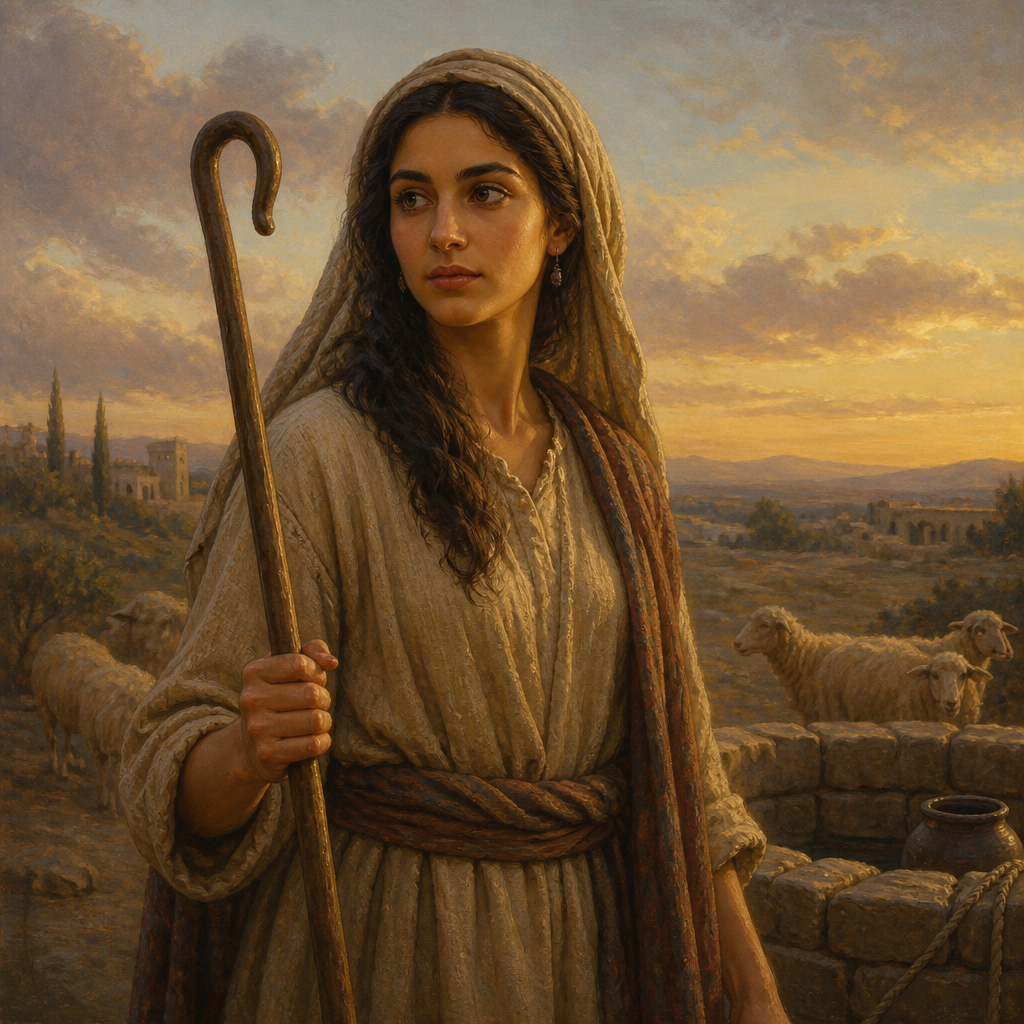
Rachel
Matriarch of Israel and the beloved wife of Jacob who died giving birth to Benjamin
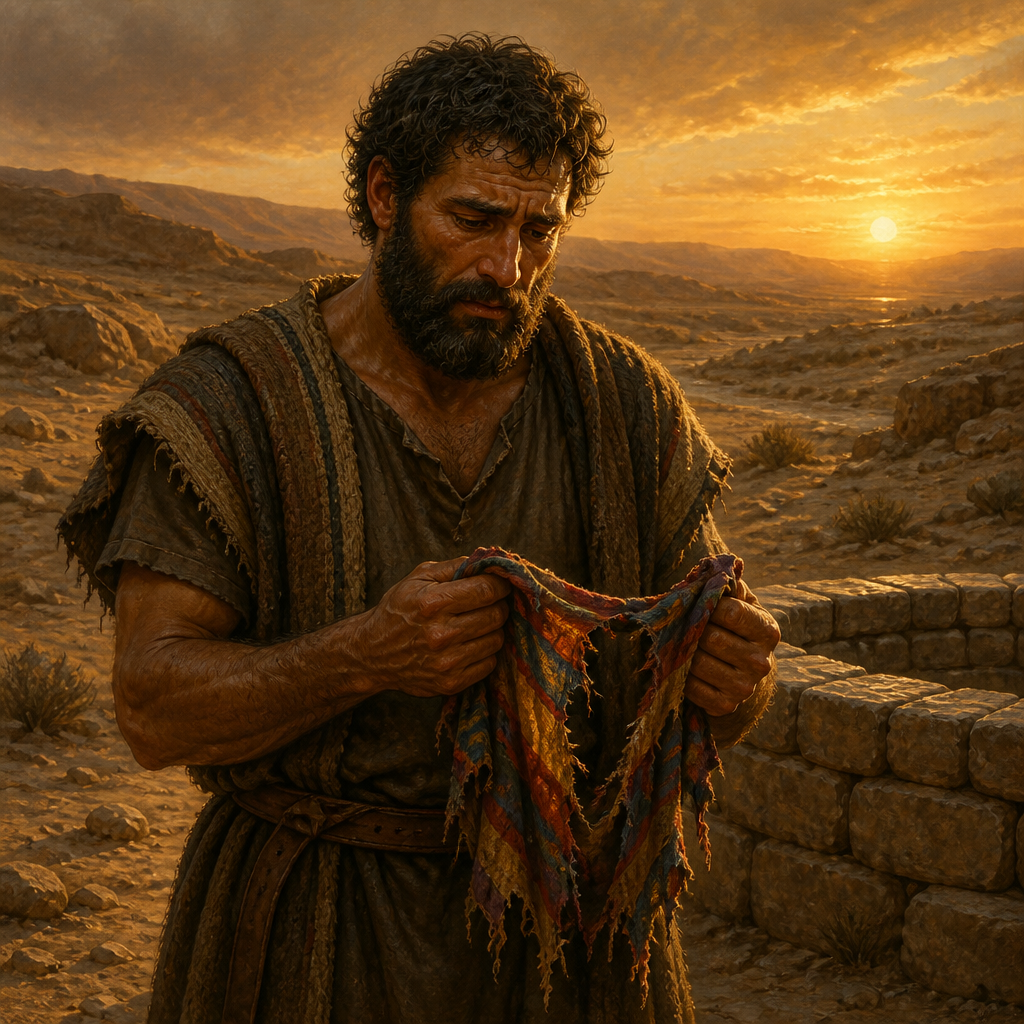
Reuben
Firstborn son of Jacob who lost his birthright for defiling his father's bed
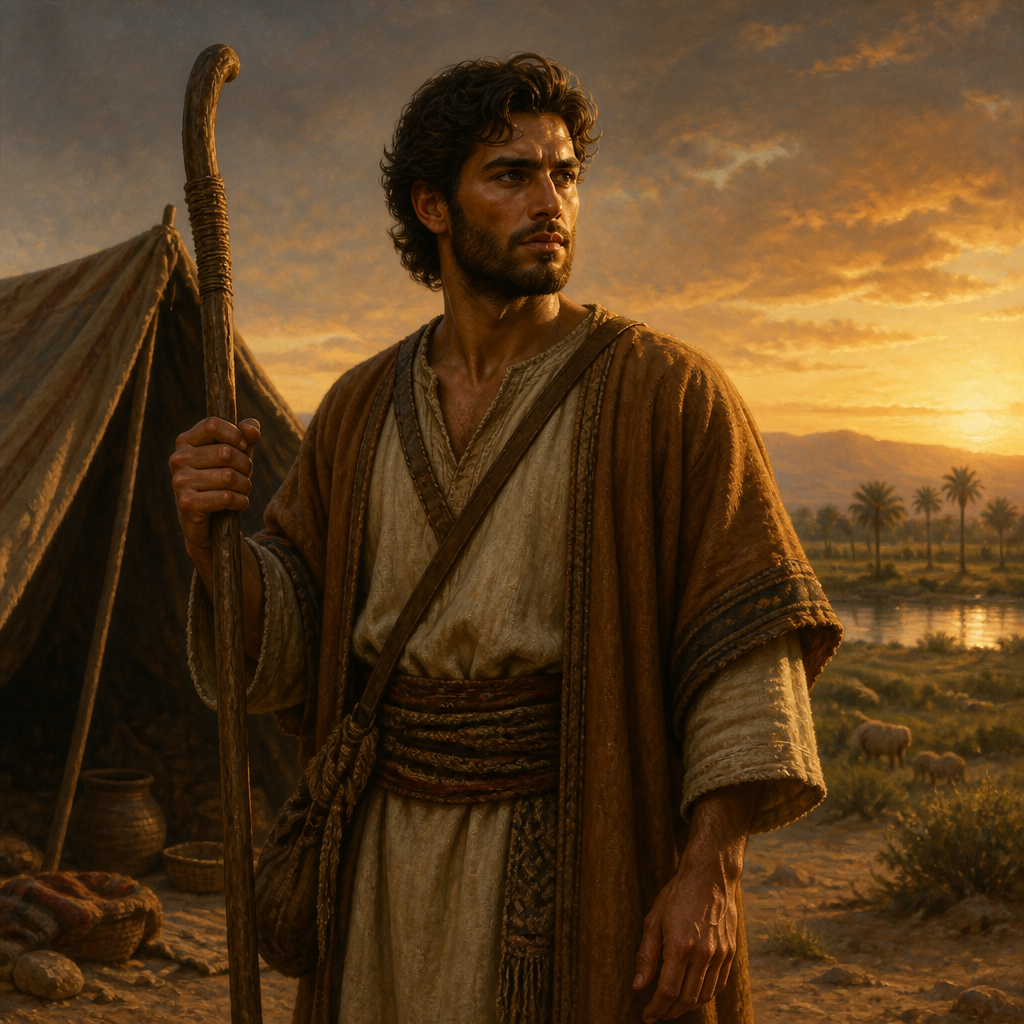
Shaul, Son of the Canaanite Woman
Simeonite patriarch and founder of the Shaulite clan who was the son of a Canaanite woman
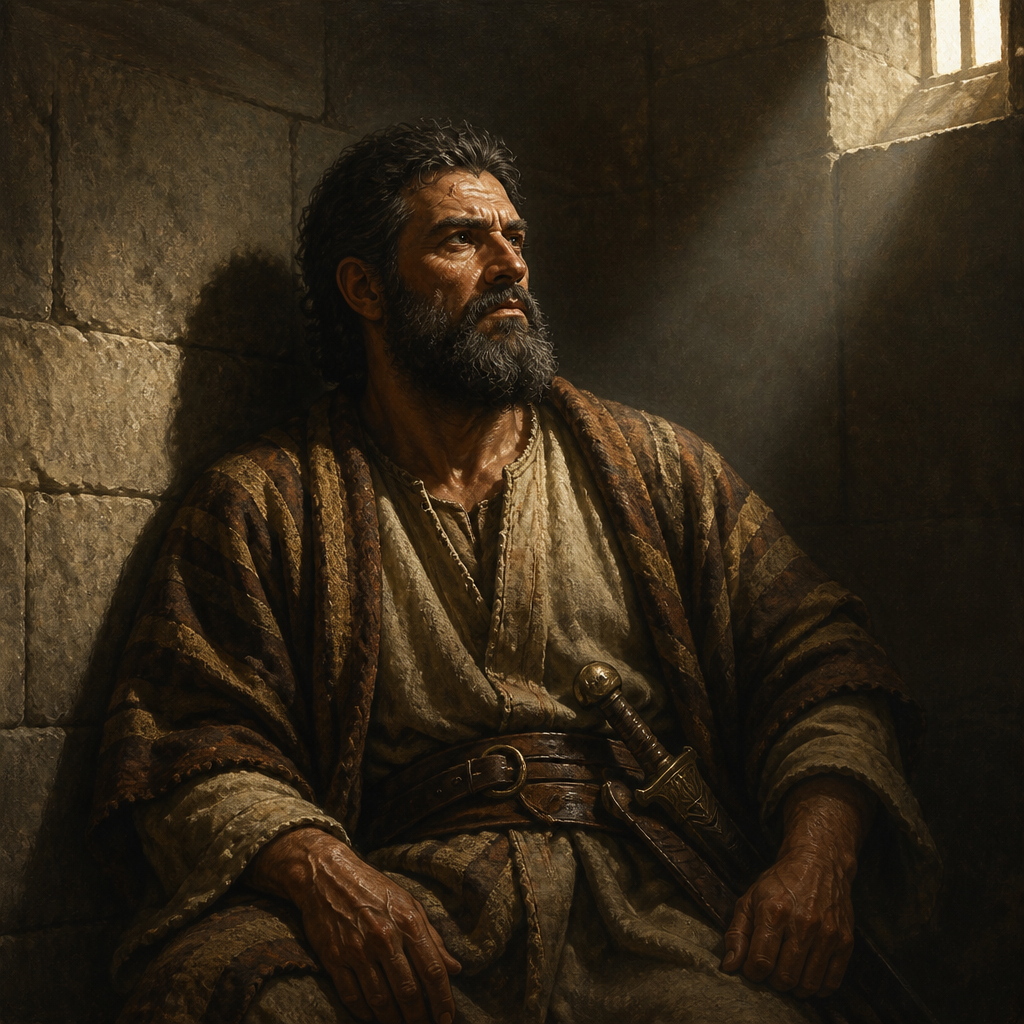
Simeon, Son of Jacob
Patriarch of Israel known for his role in the massacre at Shechem and being held hostage by Joseph in Egypt
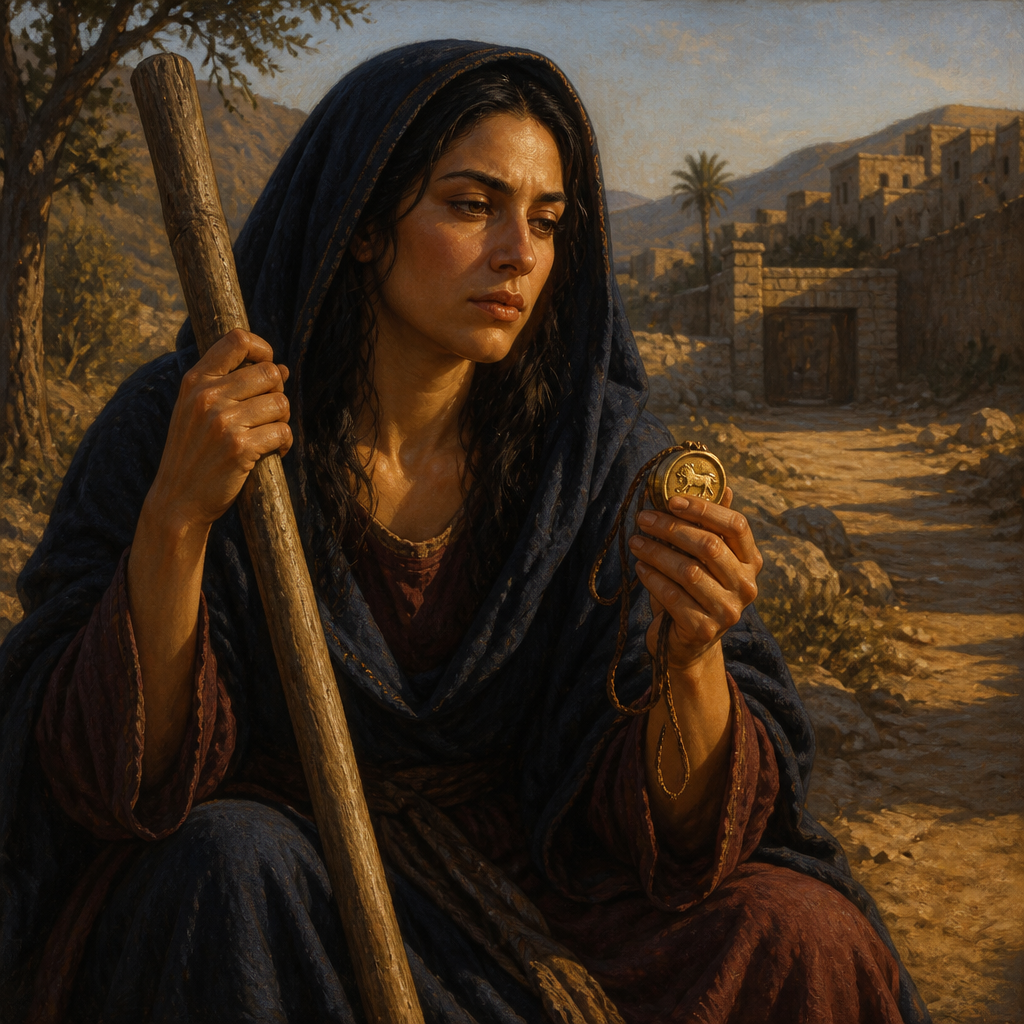
Tamar, Daughter-in-law of Judah
Matriarch who secured the continuation of Judah's lineage through her sons Perez and Zerah
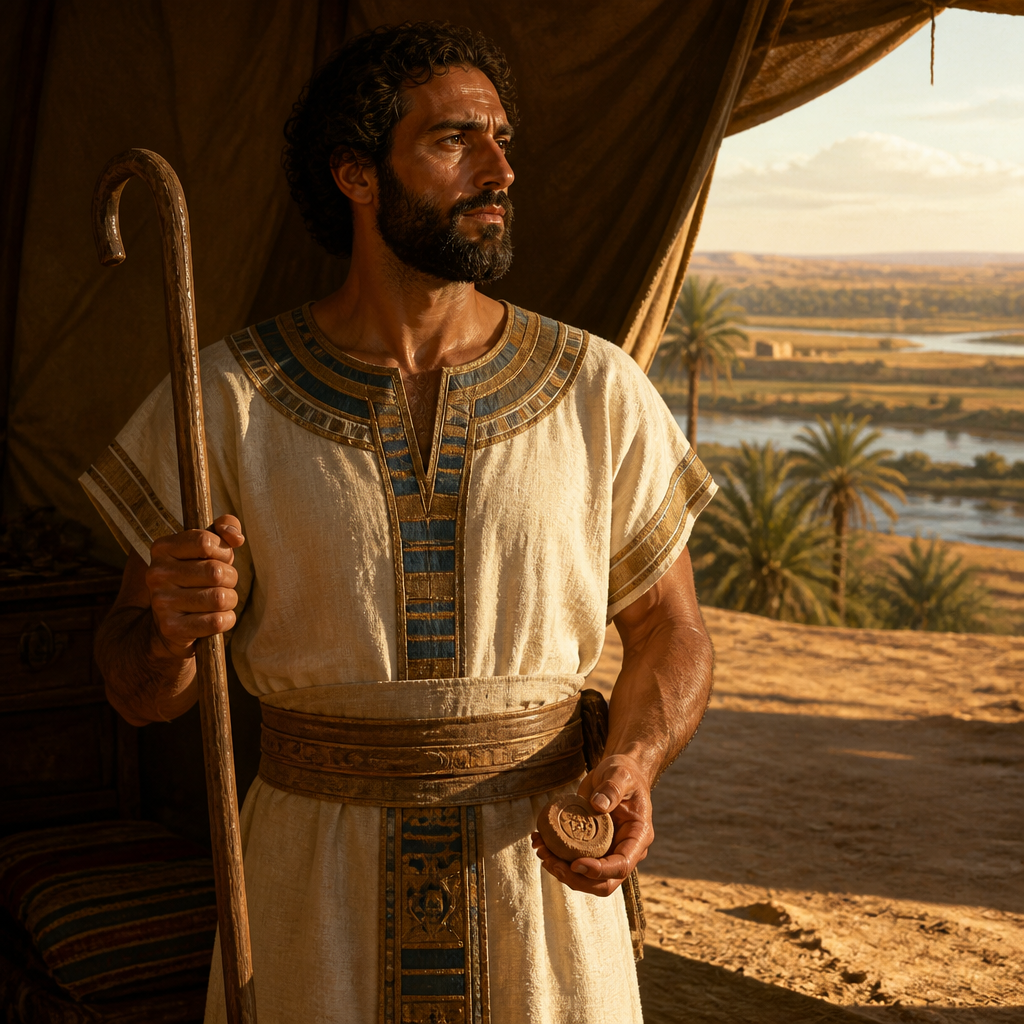
Zerah, Son of Simeon
Founder of the Simeonite Zerahite clan who lived during the Egyptian sojourn and wilderness period
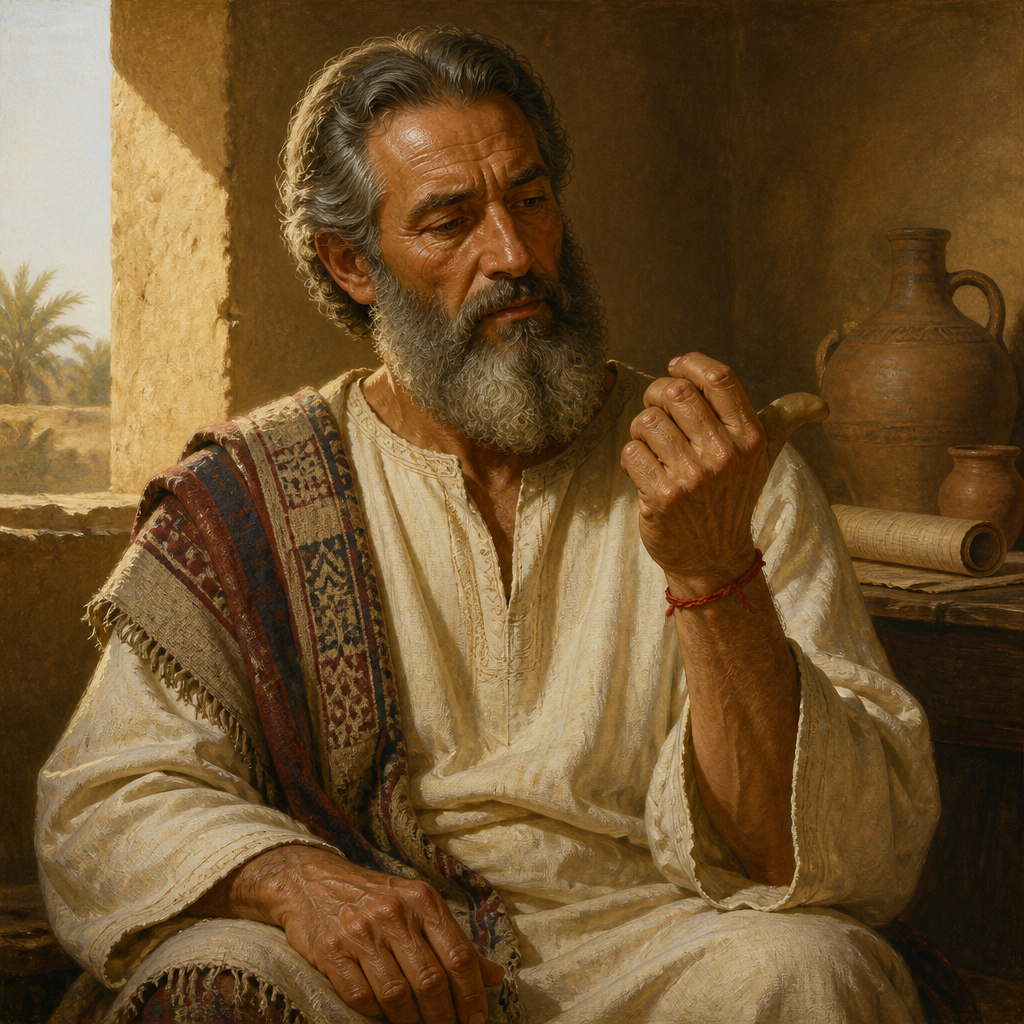
Zerah, Son of Tamar
Son of Judah marked by a scarlet thread at birth who founded the Zerahite clan