Merari
Who was Merari in the Bible?
The third son of Levi and founder of the Merarite clan, tasked with the transport and maintenance of the Tabernacle's heavy structural framework during the Wilderness Wanderings.
Merari was the youngest son of the patriarch Levi and a grandson of Jacob. Along with his brothers Gershon and Kohath, he accompanied his father and grandfather from Canaan to Egypt during the migration prompted by the famine. While his early life in Egypt is not recorded in detail, he is biblically significant as the progenitor of one of the three primary subdivisions of the Levites: the Merarites.
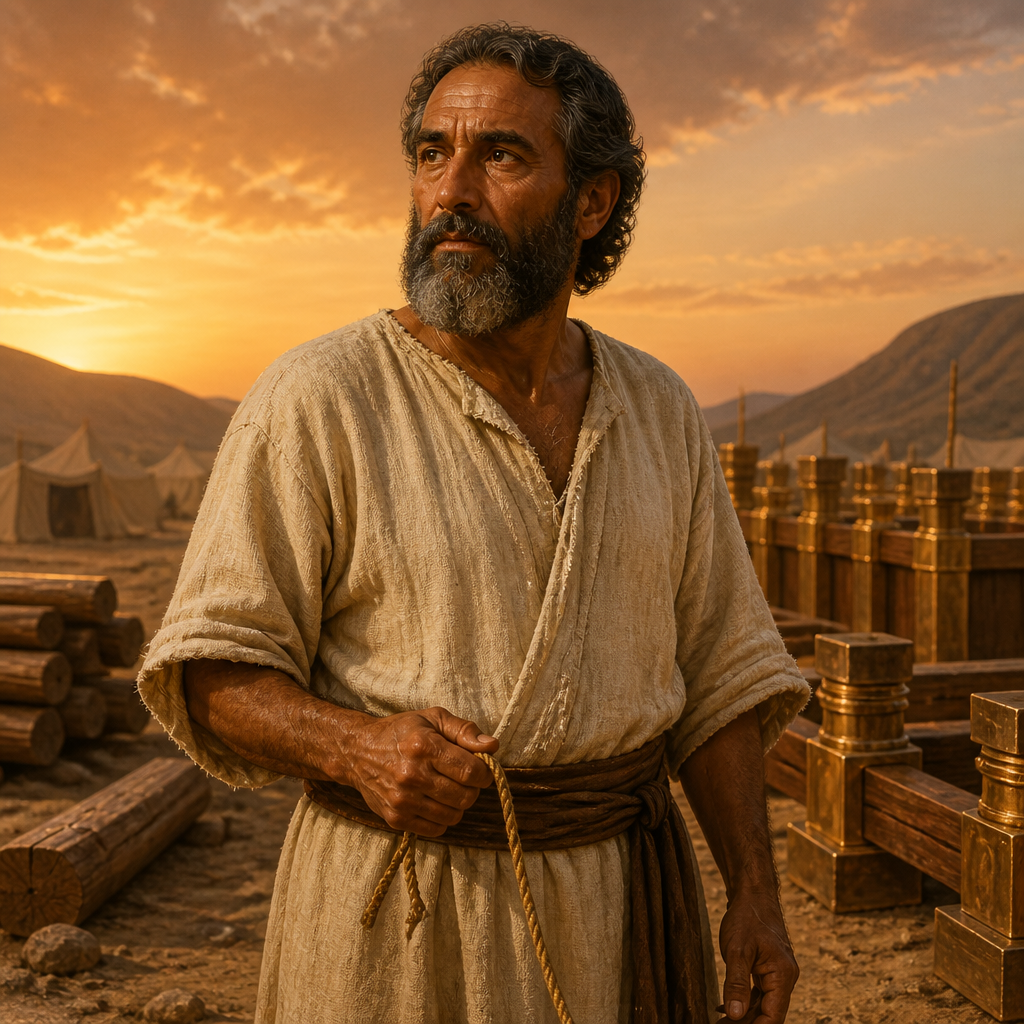
During the Exodus and the subsequent 40-year journey through the wilderness, the descendants of Merari were assigned specific sacred duties by God. Under the leadership of Moses and Aaron, they were responsible for the most cumbersome components of the Tabernacle, including its pillars, bases, and frames. This logistical role was essential to the mobility of Israel’s worship center, ensuring that the dwelling place of God could be disassembled, moved, and reconstructed as the nation journeyed toward the Promised Land.
Background and Family
Merari appears in the biblical record initially in the genealogical lists of the sons of Jacob who entered Egypt (Genesis 46:11). As the third son of Levi, he was part of the immediate family of the patriarchs. His siblings included two brothers, Gershon and Kohath, and a sister, Jochebed (Exodus 6:16, 20). The name Merari is derived from a Hebrew root meaning "bitter" or "strong," though the text does not explicitly explain the circumstances of his naming.
According to Exodus 6:19, Merari fathered two sons, Mahli and Mushi. These sons became the heads of the two main branches of the Merarite clan: the Mahlites and the Mushites. Later genealogical records in 1 Chronicles 24:26 also mention Jaaziah as a descendant, indicating the expansion of the family line over the centuries. As the Levites were set apart for holy service instead of receiving a territorial land inheritance, the family of Merari remained distinct within the tribal structure of Israel.
Major Life Events
While the personal life of Merari is mostly documented through genealogies, his legacy is defined by the organization of the Levites during the Wilderness Wanderings. When the Israelites camped in the desert, the Merarites were commanded to pitch their tents on the north side of the Tabernacle (Numbers 3:35). At this time, their clan was led by Zuriel son of Abihail.
The Tabernacle Service
Under the direction of Ithamar, the son of Aaron the priest, the Merarites were assigned the physical custody of the Tabernacle's structural elements. Their specific charge included:
- The frames (boards) of the Tabernacle
- The crossbars and pillars
- The bases (sockets) and all related equipment
- The pillars of the surrounding courtyard with their bases, tent pegs, and ropes.
Because these materials were exceptionally heavy, the Merarites were granted special logistical support. In Numbers 7:8, it is recorded that Moses gave the Merarites four carts and eight oxen to assist in the transport of these items. This was double the amount of equipment given to the Gershonites, reflecting the greater weight and volume of the structural materials the Merarites were required to carry.
Allotment in the Promised Land
After the conquest of Canaan, the Merarites were not given a continuous block of land. Instead, they were allotted twelve cities within the territories of the tribes of Reuben, Gad, and Zebulun (Joshua 21:7, 34-40). These cities, including Jokneam and Kartah, served as hubs for the Levites to live among the other tribes while maintaining their spiritual duties.
Relationship to Other Biblical Figures
Merari stood in a unique position relative to the great leaders of the Exodus. He was the uncle of Moses, Aaron, and Miriam (as they were the children of his brother Kohath). This familial proximity placed the Merarite clan at the heart of the Israelite religious and political administration.
In the era of King David, the descendants of Merari continued to hold high office. David organized the Levites into divisions, and Merarites like Ethan (also known as Jeduthun) were appointed as chief musicians to lead the worship before the Ark of the Covenant (1 Chronicles 6:44, 15:17). Centuries later, during the reforms of King Josiah, Merarite Levites such as Jahath and Obadiah were noted for their faithfulness in supervising the repair of the Temple (2 Chronicles 34:12).
Spiritual Significance
The role of Merari and his descendants emphasizes the biblical theme that every task within the service of God is sacred, regardless of how "functional" or "manual" it may seem. While the Kohathites carried the furniture and the Gershonites carried the curtains, the Merarites provided the foundation and the structure. Without the bases, bars, and pillars, the Tabernacle could not stand. Their service represents the necessity of order, stability, and physical labor in the maintenance of communal worship. The meticulous numbering of the Merarite men between the ages of thirty and fifty (Numbers 4:42-45) underscores that God values and organizes those who perform the heavy lifting of ministry.
Merari’s significance lies in the establishment of a specialized class of servants whose primary focus was the structural integrity of the Sanctuary. In the context of the Pentateuch, the Merarites represent the logistical backbone of the Tabernacle. Their role demonstrates that the dwelling of God among men required both the 'spiritual' service of the priests and the 'practical' service of the clans who managed the physical infrastructure.
Even after the Tabernacle was replaced by the permanent Temple, the Merarites adapted their roles to become gatekeepers, musicians, and overseers, showing a lasting commitment to the preservation of the house of the Lord.
Frequently Asked Questions
What was the specific job of the Merarites?
They were responsible for the structural components of the Tabernacle, including the heavy wooden frames, crossbars, pillars, and the bronze bases.
How many sons did Merari have?
The Bible identifies two primary sons: Mahli and Mushi, who founded the two main clans of the Merarites.
Where did the Merarites camp in the wilderness?
They were assigned to camp on the north side of the Tabernacle.
What equipment did they use to move the Tabernacle?
They were given four carts and eight oxen to help transport the heavy structural pieces of the sanctuary.
How many cities were given to the Merarites in the Promised Land?
They received twelve cities from the tribes of Zebulun, Reuben, and Gad.
Family & Relationships
Parents
 Levi, Son of JacobFather1 Chronicles 6:47Stated
 MerariThis page
 GershonBrotherGenesis 46:11Stated
 KohathBrotherGenesis 46:11Stated
 JochebedSisterNumbers 26:59
Inferred
Reconstructed through Levi: 1 Chronicles 6:47 ties Merari to Levi; Numbers 26:59 ties Levi to Jochebed. No verse states the sister link between Merari and Jochebed directly.Evidence: Numbers 26:59; 1 Chronicles 6:47
Children
 Mahli, Son of MerariSonExodus 6:19Stated
 MushiSonExodus 6:19Stated
 JaaziahSon1 Chronicles 24:27Stated
Extended family
 Eder, Levite of the Merarite ClanGrandsonExodus 6:19
Inferred
Reconstructed through Mushi: 1 Chronicles 23:23 ties Eder to Mushi; Exodus 6:19 ties Mushi to Merari. No verse states the grandfather link between Eder and Merari directly.Evidence: Exodus 6:19; 1 Chronicles 6:47; 1 Chronicles 23:23
 Eleazar, Son of MahliGrandson1 Chronicles 23:21
Inferred
1 Chronicles 23:21 lists Merari and Eleazar among the sons of merari, but does not say how the two of them are related.Evidence: 1 Chronicles 23:21; Exodus 6:19; 1 Chronicles 6:19; 1 Chronicles 6:47
 Jerimoth, Levite of the Egypt and Wilderness EraGrandson1 Chronicles 23:23
Inferred
No verse names Merari and Jerimoth together; the grandson link is carried from the surrounding genealogy and is not stated in Scripture.Evidence: 1 Chronicles 23:23; Exodus 6:19; 1 Chronicles 6:47
 Kish, Son of MahliGrandsonExodus 6:19
Inferred
1 Chronicles 23:21 lists Kish and Merari among the sons of merari, but does not say how the two of them are related.Evidence: Exodus 6:19; 1 Chronicles 6:19; 1 Chronicles 6:47; 1 Chronicles 23:21
 Libni, Son of MahliGrandson1 Chronicles 6:29
Inferred
1 Chronicles 6:29 lists Libni and Merari among the descendants of merari, but does not say how the two of them are related.Evidence: 1 Chronicles 6:29
 Shemer, Levite of the United MonarchyGrandson1 Chronicles 6:46
Inferred
No verse names Shemer and Merari together; the grandfather link is carried from the surrounding genealogy and is not stated in Scripture.Evidence: 1 Chronicles 6:46
 KishiDescendant1 Chronicles 6:44Stated
 Shimea, Son of UzzahDescendant1 Chronicles 6:29
Inferred
No verse names Shimea and Merari together; the ancestor link is carried from the surrounding genealogy and is not stated in Scripture.Evidence: 1 Chronicles 6:29
 Shimei, descendant of MerariDescendant1 Chronicles 6:29
Inferred
1 Chronicles 6:29 lists Shimei and Merari among the descendants of merari, but does not say how the two of them are related.Evidence: 1 Chronicles 6:29
Connected Figures
Family
Father · 1 Chronicles 6:47
The third son of Jacob and Leah, a patriarch whose descendants were set apart as the priestly and ministerial class for the nation of Israel.
PatriarchsFirst: Genesis 29:3416 versesPatriarchLevi
Son · Exodus 6:19
Mahli was a prominent Levite patriarch whose descendants formed a major clan responsible for the Tabernacle's structural transport during the Exodus.
Egypt and WildernessFirst: Exodus 6:1910 versesLevite Clan PatriarchLevi
Son · Exodus 6:19
Mushi was a prominent Levite and the eponymous founder of the Mushite clan during the era of the Egyptian Exodus and wilderness wandering.
Egypt and WildernessFirst: Exodus 6:199 versesLevitical Clan LeaderLevi
Son · 1 Chronicles 24:27
A Levite of the family of Merari during the Egyptian sojourn and wilderness era, recognized as a progenitor of several priestly sub-divisions.
Egypt and WildernessFirst: 1 Chronicles 24:264 versesLeviteLevi
Brother · Genesis 46:11
Gershon was the eldest son of Levi and the founder of the Gershonite clan, responsible for the transport of the Tabernacle's textile coverings during the Exodus.
Egypt and WildernessFirst: Genesis 46:1121 versesLevitical PatriarchLevi
Brother · Genesis 46:11
Kohath was the second son of Levi and the patriarchal ancestor of the Kohathites, the Levite clan responsible for transporting the most holy objects of the Tabernacle.
Egypt and WildernessFirst: Genesis 46:1123 versesPatriarch of the Kohathite clanLevi
Sister · Numbers 26:59
A woman of the tribe of Levi who was the mother of Moses, Aaron, and Miriam during the Israelites' sojourn in Egypt.
Egypt and WildernessFirst: Exodus 6:205 versesMatriarch of the Levite leadershipLevi
Grandson · Exodus 6:19
A Levite of the Merarite clan during the era of the Egypt and Wilderness wanderings, recorded in the genealogies of 1 Chronicles.
Egypt and WildernessFirst: 1 Chronicles 23:234 versesLeviteLevi
Grandson · 1 Chronicles 23:21
A Levite of the clan of Merari who died without sons, resulting in his daughters marrying their cousins to preserve the family inheritance.
Egypt and WildernessFirst: 1 Chronicles 23:217 versesLeviteLevi
Grandson · 1 Chronicles 23:23
A Levite of the Merarite clan and son of Mushi, Jerimoth served as a head of a household during the wilderness period and tribal organization of Israel.
Egypt and WildernessFirst: 1 Chronicles 23:234 versesLevite of the Merarite ClanLevi
Grandson · Exodus 6:19
A Levite of the Merarite clan during the era of Egypt and the Wilderness whose sons preserved the lineage of his brother Eleazar.
Egypt and WildernessFirst: 1 Chronicles 23:217 versesLeviteLevi
Grandson · 1 Chronicles 6:29
A Levite of the Merari clan during the era of the Egyptian sojourn, identified as the son of Mahli and father of Shimei.
Egypt and WildernessFirst: 1 Chronicles 6:292 versesLevite of the Merari clanLevi
Categories
Mentions by Book
- Genesis1
- Exodus3
- Numbers6
- Joshua2
- 1 Chronicles16
- 2 Chronicles1
- Ezra1
Scripture References
All 30 indexed verses, in canonical order, from the Berean Standard Bible.
- Genesis 46:11
The sons of Levi: Gershon, Kohath, and Merari.
- Exodus 6:16
These were the names of the sons of Levi according to their records: Gershon, Kohath, and Merari. Levi lived 137 years.
- Exodus 6:19
The sons of Merari were Mahli and Mushi. These were the clans of the Levites according to their records.
- Exodus 6:20Partial
And Amram married his father’s sister Jochebed, and she bore him Aaron and Moses. Amram lived 137 years.
Cited as evidence on a family card; added so References, Key Verses and Mentions by Book share one index.
- Numbers 3:17
These were the sons of Levi by name: Gershon, Kohath, and Merari.
- Numbers 3:20
And the sons of Merari by their clans were Mahli and Mushi. These were the clans of the Levites, according to their families.
- Numbers 3:33Partial
From Merari came the clans of the Mahlites and Mushites; these were the Merarite clans.
- Numbers 3:36
The duties assigned to the sons of Merari were the tabernacle’s frames, crossbars, posts, bases, and all its equipment—all the service for these items,
- Numbers 4:29
As for the sons of Merari, you are to number them by their clans and families,
- Numbers 26:57
Now these were the Levites numbered by their clans: The Gershonite clan from Gershon, the Kohathite clan from Kohath, and the Merarite clan from Merari.
- Joshua 21:7
And the descendants of Merari received twelve cities from the tribes of Reuben, Gad, and Zebulun.
- Joshua 21:40
In all, twelve cities were allotted to the clans of Merari, the remaining Levite clans.
- 1 Chronicles 6:1
The sons of Levi: Gershon, Kohath, and Merari.
- 1 Chronicles 6:16
The sons of Levi: Gershom, Kohath, and Merari.
- 1 Chronicles 6:19
The sons of Merari: Mahli and Mushi. These are the clans of the Levites listed according to their fathers:
- 1 Chronicles 6:29
The descendants of Merari: Mahli, Libni his son, Shimei his son, Uzzah his son,
- 1 Chronicles 6:30Partial
Shimea his son, Haggiah his son, and Asaiah his son.
Cited as evidence on a family card; added so References, Key Verses and Mentions by Book share one index.
- 1 Chronicles 6:44
On the left were their kinsmen, the sons of Merari: Ethan the son of Kishi, the son of Abdi, the son of Malluch,
- 1 Chronicles 6:46Partial
the son of Amzi, the son of Bani, the son of Shemer,
Cited as evidence on a family card; added so References, Key Verses and Mentions by Book share one index.
- 1 Chronicles 6:47
the son of Mahli, the son of Mushi, the son of Merari, the son of Levi.
- 1 Chronicles 9:14
From the Levites: Shemaiah son of Hasshub, the son of Azrikam, the son of Hashabiah, a descendant of Merari;
- 1 Chronicles 23:6
Then David divided the Levites into divisions according to the sons of Levi: Gershon, Kohath, and Merari.
- 1 Chronicles 23:21
The sons of Merari: Mahli and Mushi. The sons of Mahli: Eleazar and Kish.
- 1 Chronicles 23:22Partial
Eleazar died without having any sons; he had only daughters. Their cousins, the sons of Kish, married them.
Cited as evidence on a family card; added so References, Key Verses and Mentions by Book share one index.
- 1 Chronicles 23:23Partial
The sons of Mushi: Mahli, Eder, and Jeremoth—three in all.
Cited as evidence on a family card; added so References, Key Verses and Mentions by Book share one index.
- 1 Chronicles 24:26
The sons of Merari: Mahli and Mushi. The son of Jaaziah: Beno.
- 1 Chronicles 24:27
The descendants of Merari from Jaaziah: Beno, Shoham, Zaccur, and Ibri.
- 1 Chronicles 26:19
These were the divisions of the gatekeepers who were descendants of Korah and Merari.
- 2 Chronicles 34:12
And the men did the work faithfully. The Levites overseeing them were Jahath and Obadiah, descendants of Merari, and Zechariah and Meshullam, descendants of Kohath. Other Levites, all skilled with musical instruments,
- Ezra 8:19
also Hashabiah, together with Jeshaiah, from the descendants of Merari, and his brothers and their sons, 20 men.