Libni, Son of Mahli
Who was Libni, Son of Mahli, in the Bible?
A Levite of the Merari clan during the era of the Egyptian sojourn, identified as the son of Mahli and father of Shimei.
This is one of 2 people named Libni in the Bible. See all 2 →
Libni, the son of Mahli, was a member of the tribe of Levi, specifically belonging to the division of Merari. The biblical record places him within the ancestral lineage that transitioned from the period of the Egyptian sojourn into the early development of the Levite priestly structures. While his name appears in the genealogical records of the chronicler, he remains a figure defined primarily by his place within the Merarite family tree.
His identification is crucial for understanding the sub-structures of the tribe of Levi. As a Merarite, Libni belonged to the group traditionally tasked with the transport and maintenance of the structural components of the Tabernacle, such as its frames, crossbars, posts, and bases. His presence in the record ensures the continuity of the Levite lineage through the centuries of Israel’s early formation.
Background and Family
Libni is situated within the tribe of Levi, the third son of the patriarch Jacob. Within the Levite structure, Libni is identified as a descendant of Merari, the third son of Levi. According to the genealogical record in 1 Chronicles 6:29, Libni is the son of Mahli. This lineage places him in a specific branch of the Merarites, distinguished from the other major branch headed by Mushi.
The verse explicitly lists his immediate family context: "The descendants of Merari: Mahli, Libni his son, Shimei his son, Uzzah his son" (1 Chronicles 6:29). Based on this progression, Libni was the father of Shimei. Through his brothers, Eleazar and Kish (sons of Mahli), Libni was part of a broader family unit that maintained the Merarite heritage during the era of the Egyptian sojourn and the subsequent Wilderness wanderings.
Major Life Events
The biblical text provides no specific narrative accounts for Libni, son of Mahli. Unlike the figures of the Exodus who performed public miracles or led the people in battle, Libni’s life is recorded solely within the framework of a genealogy. In the Ancient Near Eastern context, the inclusion of a name in such a register serves as a testimony to his existence and his role in preserving the holy line of the priesthood.
As a Merarite living during the era of the Wilderness, Libni would have been subject to the census and duties prescribed in the Book of Numbers. While not mentioned by name in the narrative of the Tabernacle's construction, as a son of Mahli, he would have been part of the workforce dedicated to the heavy labor of the sanctuary. The Merarites were responsible for the most substantial parts of the Tabernacle’s architecture, requiring a high degree of organization and physical strength.
Relationship to Other Biblical Figures
Libni’s identity is defined entirely through his relationships. He is the son of Mahli and the grandson of Merari. His primary biblical connection is to his son, Shimei, who continued the lineage. He is also linked to his brothers, Eleazar and Kish, who are mentioned elsewhere in the Merarite records (1 Chronicles 23:21).
It is important to note that the genealogical record in 1 Chronicles 6 serves to bridge the gap between the patriarchal age and the establishment of the temple singers and workers during the time of David. Libni stands as a link in this chain, ensuring that the legal and spiritual requirements for Levite service were met through verifiable descent.
Spiritual Significance
The spiritual significance of Libni lies in the theology of election and order. By recording Libni’s name, the biblical author emphasizes that every member of the tribe of Levi—even those without a personal narrative—played a vital role in the mediation between God and Israel. Libni represents the thousands of Levites who served faithfully in the shadows of the Tabernacle, performing the necessary duties that allowed the community’s worship to function. His inclusion in 1 Chronicles 6:29 validates the legitimacy of his descendants' service in the Temple centuries later, showing that God remembers the individuals within the vast history of His people.
Libni’s significance is primarily genealogical, serving as a vital link in the Merarite line of the tribe of Levi. His inclusion in the records of 1 Chronicles ensures the continuity of the Levite priesthood from the Egyptian sojourn through the establishment of the United Monarchy, providing the necessary legal lineage for those serving in the Tabernacle and later the Temple.
Theological, Libni represents the 'unnamed' faithful—those who are recorded by name in the registers of God but whose specific deeds are not detailed for history. He affirms the biblical emphasis on heritage, order, and the specific calling of the Merarite clan to handle the holy artifacts of Israel.
Frequently Asked Questions
Which clan of Levi did Libni belong to?
Libni belonged to the Merarite clan, which was one of the three main divisions of the tribe of Levi.
Who was Libni's father?
Libni was the son of Mahli, who was himself a son of Merari.
Who were Libni's siblings?
According to the broader Merarite genealogy, his brothers were Eleazar and Kish.
Did Libni have any children?
Yes, 1 Chronicles 6:29 identifies Shimei as the son of Libni.
What were the duties of Libni's family (the Merarites)?
The Merarites were responsible for the structural components of the Tabernacle, including the frames, pillars, and bases.
Family & Relationships
Parents
 Mahli, Son of MerariFather1 Chronicles 6:29
Inferred
1 Chronicles 6:29 lists Mahli and Libni among the descendants of merari, but does not say how the two of them are related.Evidence: 1 Chronicles 6:29
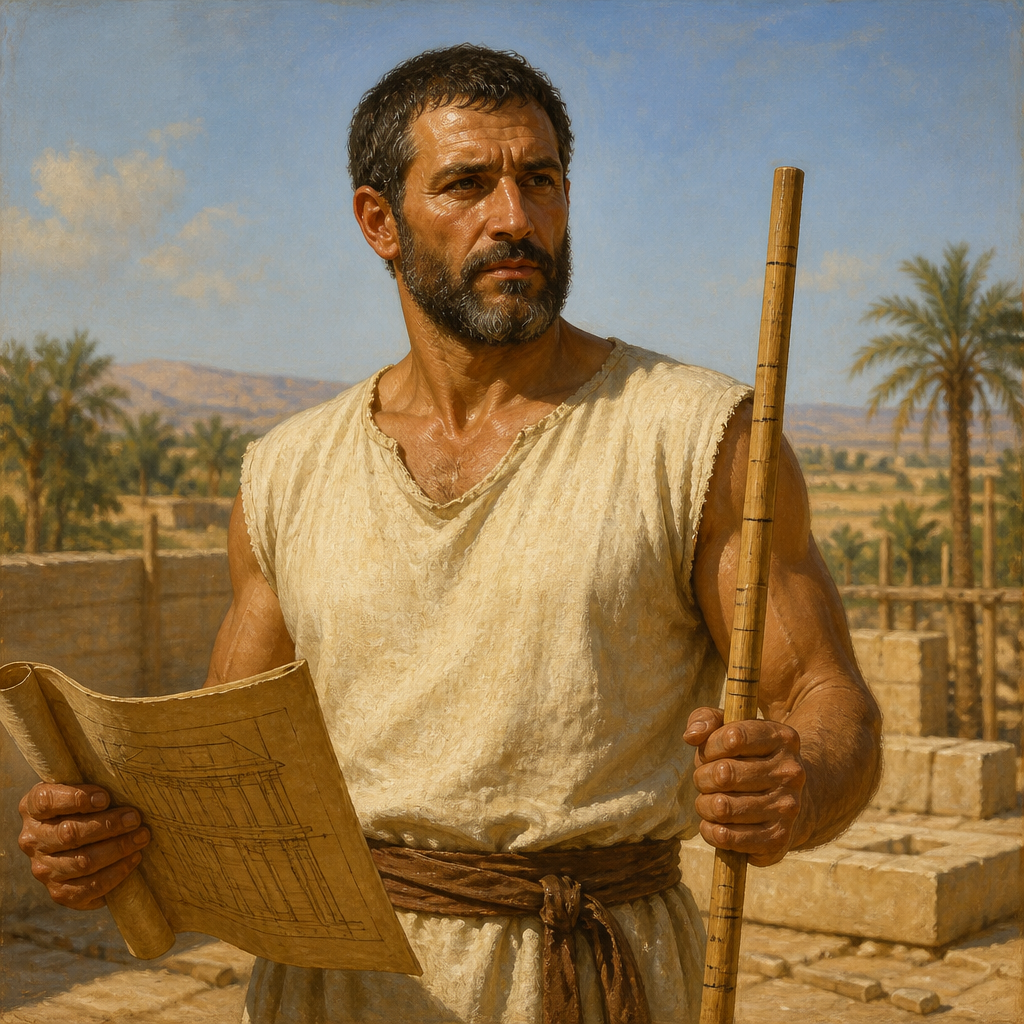 Libni, Son of MahliThis page
 Eleazar, Son of MahliBrother1 Chronicles 6:29
Inferred
Reconstructed through Merari: 1 Chronicles 23:21 ties Eleazar to Merari (itself an inferred link); 1 Chronicles 6:29 ties Merari to Libni (itself an inferred link). No verse states the brother link between Eleazar and Libni directly.Evidence: 1 Chronicles 6:29
 Kish, Son of MahliBrother1 Chronicles 6:29
Inferred
Reconstructed through Merari: 1 Chronicles 23:21 ties Kish to Merari (itself an inferred link); 1 Chronicles 6:29 ties Merari to Libni (itself an inferred link). No verse states the brother link between Kish and Libni directly.Evidence: 1 Chronicles 6:29
Children
 Shimei, descendant of MerariSon1 Chronicles 6:29Stated
Extended family
 MerariGrandfather1 Chronicles 6:29
Inferred
1 Chronicles 6:29 lists Libni and Merari among the descendants of merari, but does not say how the two of them are related.Evidence: 1 Chronicles 6:29
Connected Figures
Family
Father · 1 Chronicles 6:29
Mahli was a prominent Levite patriarch whose descendants formed a major clan responsible for the Tabernacle's structural transport during the Exodus.
Egypt and WildernessFirst: Exodus 6:1910 versesLevite Clan PatriarchLevi
Son · 1 Chronicles 6:29
A Levite of the Merarite line who is identified in the biblical genealogies as the son of Libni and the father of Uzzah.
Conquest and JudgesFirst: 1 Chronicles 6:291 versesLeviteLevi
Brother · 1 Chronicles 6:29
A Levite of the clan of Merari who died without sons, resulting in his daughters marrying their cousins to preserve the family inheritance.
Egypt and WildernessFirst: 1 Chronicles 23:217 versesLeviteLevi
Brother · 1 Chronicles 6:29
A Levite of the Merarite clan during the era of Egypt and the Wilderness whose sons preserved the lineage of his brother Eleazar.
Egypt and WildernessFirst: 1 Chronicles 23:217 versesLeviteLevi
Grandfather · 1 Chronicles 6:29
The third son of Levi and founder of the Merarite clan, tasked with the transport and maintenance of the Tabernacle's heavy structural framework during the Wilderness Wanderings.
Egypt and WildernessFirst: Genesis 46:1130 versesPatriarch and founder of the Merarite clanLevi
Categories
Mentions by Book
- 1 Chronicles2
Scripture References
All 2 indexed verses, in canonical order, from the Berean Standard Bible.
1 Chronicles · 2
- 1 Chronicles 6:29
The descendants of Merari: Mahli, Libni his son, Shimei his son, Uzzah his son,
- 1 Chronicles 23:21Partial
The sons of Merari: Mahli and Mushi. The sons of Mahli: Eleazar and Kish.
Cited as evidence on a family card; added so References, Key Verses and Mentions by Book share one index.
Others Named Libni
Compare all 2 bearers →Libni, Son of GershonExodus 6:17
Libni was the eldest son of Gershon and a grandson of the patriarch Levi, serving as the eponymous founder of the Libnite clan within the Levite priesthood.