Pallu
Who was Pallu in the Bible?
The second son of Reuben and the founder of the Palluite clan within the tribe of Reuben during the Egyptian sojourn and Exodus.
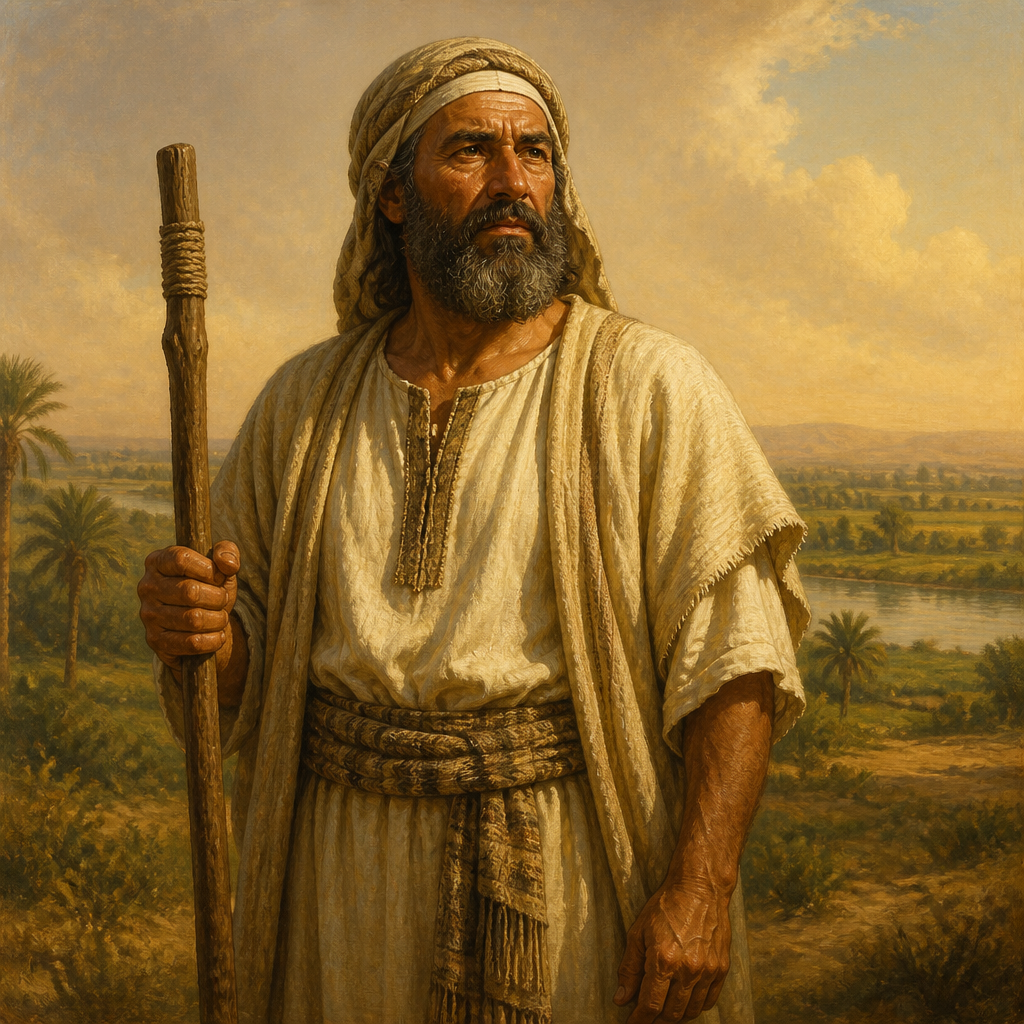
Pallu was a prominent tribal figure in the early genealogy of Israel, identified as the second son of Reuben, who was the firstborn son of the patriarch Jacob. His name appears primarily in genealogical records that bridge the transition from the patriarchal era to the formation of the nation of Israel during the Egyptian sojourn and the subsequent wilderness wandering. As a grandson of Jacob, Pallu represents one of the foundational branches of the Reubenite tribe.
Historically, Pallu is recognized as the progenitor of the Palluites, a distinct family group within Israel. His inclusion in the records of Genesis, Exodus, and Numbers highlights his role as a head of a father’s house, a status of significant social and political weight in the ancient Near Eastern tribal structure. While the biblical text provides few details regarding his personal life or individual actions, his lineage remains a key point of reference in the narrative of Israel’s tribal development.
Background and Family
Pallu was born into the immediate family of the Egypt and Wilderness era. As the son of Reuben, he was a member of the generation that descended into Egypt to escape the famine in Canaan. The biblical record consistently lists him alongside his three brothers: Hanoch, Hezron, and Carmi (Genesis 46:9; 1 Chronicles 5:3). This quartet formed the primary infrastructure of the tribe of Reuben, with each brother serving as the head of a major clan.
Pallu’s specific placement as the second son is noted in every genealogical list where the siblings are named together. This fixed order suggests a stable tradition regarding the seniority and organization of the Reubenite households. In the context of the Egyptian sojourn, Pallu’s family was among the seventy souls of the house of Jacob who settled in the land of Goshen.
Major Life Events
The biblical narrative does not record specific biographical anecdotes for Pallu, focusing instead on his role as a link in the generational chain. He lived during the era encompassing the later years of the Egypt and Wilderness era and the beginning of the Egyptian Sojourn. His most significant recorded contribution is the fathering of Eliab (Numbers 26:8). Through Eliab, Pallu became the grandfather of Dathan and Abiram, figures who would later achieve notoriety for their role in the rebellion against Moses and Aaron in the wilderness.
In the census conducted by Moses in the plains of Moab, Pallu is credited with founding the Palluite clan (Numbers 26:5). This indicates that his descendants maintained a distinct identity and collective strength throughout the four hundred years in Egypt and the subsequent Exodus, surviving as a recognized political and social unit within the larger Israelite camp.
Relationship to Other Biblical Figures
Pallu’s identity is defined by his proximity to the pillars of Israelite history. As a grandson of Jacob (Israel), he was part of the direct line of the covenant promise. His father, Reuben, was the firstborn of the twelve sons of Jacob, which technically accorded Pallu’s branch of the family a high status, though Reuben eventually lost his birthright due to his conduct (Genesis 49:3-4).
His relationship to his brothers—Hanoch, Hezron, and Carmi—is emphasized in both Genesis 46 and Exodus 6, establishing the four-fold division of the tribe. In later generations, Pallu is mentioned specifically to provide context for the lineage of Dathan and Abiram. By tracing their ancestry back to Pallu, the text grounds these later figures in the historical reality of the tribe of Reuben, illustrating how the actions of descendants (the rebellion of Dathan and Abiram) were connected to one of the original established clans of Israel.
Spiritual Significance
The significance of Pallu lies in the biblical theme of continuity and the fulfillment of God’s promise to multiply the seed of Abraham. Even though Pallu himself is a quiet figure in the text, his inclusion in the genealogies of Exodus 6:14 serves a theological purpose: it demonstrates that despite the oppression in Egypt, the families of Israel remained intact and organized according to their ancestral heads. Pallu represents the preservation of the tribal structure through which the nation of Israel was governed. His name, often associated with the concept of being "distinguished" or "wonderful" in Hebrew roots, marks a distinct branch of the Reubenites that survived the trials of the wilderness to be counted among those ready to enter the Promised Land.
Pallu's theological significance is rooted in his role as a 'head of a father's house,' representing the preservation of Israel's tribal identity during the Egyptian bondage. He serves as a vital genealogical link that connects the patriarchal promises of Genesis to the national reality of the Exodus. By documenting Pallu and his clan, the biblical authors emphasize that the nation of Israel was not a monolithic mass, but a structured community built upon specific, named individuals who inherited the covenant.
Additionally, the mention of Pallu in the context of Numbers 26 provides the necessary historical framework to understand the internal politics of the tribe of Reuben. His lineage illustrates the diversity of outcomes within a single family—from the honor of being a tribal founder to the tragedy of his grandsons' rebellion. This highlights the biblical tension between ancestral standing and individual responsibility before God.
Frequently Asked Questions
Who was Pallu's father?
Pallu was the son of Reuben, making him a grandson of the patriarch Jacob (Israel).
Which tribe did Pallu belong to?
Pallu belonged to the tribe of Reuben and was the founder of the Palluite clan.
Who were Pallu's children?
The Bible identifies Eliab as the son of Pallu (Numbers 26:8).
Is Pallu mentioned in the New Testament?
No, Pallu is only mentioned in the Old Testament, specifically in the books of Genesis, Exodus, Numbers, and 1 Chronicles.
What does the name Pallu mean?
The name Pallu (פַּלּוּא) is derived from a Hebrew root meaning 'distinguished,' 'wonderful,' or 'separated.'
Family & Relationships
Parents
 ReubenFatherGenesis 46:9Stated
 PalluThis page
 Carmi, Son of ReubenBrotherGenesis 46:9Stated
 Hanoch, Son of ReubenBrotherGenesis 46:9Stated
 Hezron, Son of ReubenBrotherGenesis 46:9Stated
Children
 Eliab, Father of Dathan and AbiramSonNumbers 16:1
Inferred
No verse names Eliab and Pallu together; the father link is carried from the surrounding genealogy and is not stated in Scripture.Evidence: Numbers 16:1
Extended family
 DathanGrandsonGenesis 46:9
Inferred
No verse names Pallu and Dathan together; the grandson link is carried from the surrounding genealogy and is not stated in Scripture.Evidence: Genesis 46:9
Connected Figures
Family
Father · Genesis 46:9
Reuben was the firstborn son of Jacob and Leah, the founding patriarch of the Tribe of Reuben, and a complex figure known for both his attempts to save Joseph and his loss of the birthright.
PatriarchsFirst: Genesis 29:3221 versesPatriarch and shepherdReuben
Son · Numbers 16:1
Eliab was a Reubenite whose sons, Dathan and Abiram, led a famous rebellion against the leadership of Moses and Aaron in the wilderness.
Egypt and WildernessFirst: Numbers 16:15 versesHead of a Reubenite familyReuben
Brother · Genesis 46:9
A grandson of the patriarch Jacob and the youngest son of Reuben who became the founding ancestor of the Carmite clan during the Egyptian Sojourn.
Brother · Genesis 46:9
Hanoch was the firstborn son of Reuben and the ancestral founder of the Hanochite clan during the Egyptian sojourn and Wilderness period.
Brother · Genesis 46:9
The third son of Reuben and founder of the Hezronite clan, listed among the descendants of Jacob who migrated to Egypt.
Grandson · Genesis 46:9
A Reubenite leader who, along with his brother Abiram and the Levite Korah, led a major rebellion against the leadership of Moses and Aaron during the wilderness wanderings.
Categories
Mentions by Book
- Genesis1
- Exodus1
- Numbers3
- 1 Chronicles1
Scripture References
All 6 indexed verses, in canonical order, from the Berean Standard Bible.
Genesis · 1
- Genesis 46:9
The sons of Reuben: Hanoch, Pallu, Hezron, and Carmi.
Exodus · 1
- Exodus 6:14
These were the heads of their fathers’ houses: The sons of Reuben, the firstborn of Israel, were Hanoch and Pallu, Hezron and Carmi. These were the clans of Reuben.
Numbers · 3
- Numbers 16:1Partial
Now Korah son of Izhar, the son of Kohath son of Levi, along with some Reubenites—Dathan and Abiram, sons of Eliab, and On son of Peleth—conducted
Cited as evidence on a family card; added so References, Key Verses and Mentions by Book share one index.
- Numbers 26:5
Reuben was the firstborn of Israel. These were the descendants of Reuben: The Hanochite clan from Hanoch, the Palluite clan from Pallu,
- Numbers 26:8
Now the son of Pallu was Eliab,
1 Chronicles · 1
- 1 Chronicles 5:3
The sons of Reuben, the firstborn of Israel: Hanoch, Pallu, Hezron, and Carmi.