Eliab, Father of Dathan and Abiram
Who was Eliab, Father of Dathan and Abiram, in the Bible?
Eliab was a Reubenite whose sons, Dathan and Abiram, led a famous rebellion against the leadership of Moses and Aaron in the wilderness.
This is one of 5 people named Eliab in the Bible. See all 5 →
Eliab, son of Pallu, was a member of the tribe of Reuben during the period of the Egyptian Exodus and the subsequent wilderness wanderings. While Eliab is not recorded as a direct participant in the political upheavals of the time, his name is inextricably linked to one of the most significant challenges to Mosaic authority in the Pentateuch. He is primarily identified in the biblical record as the father of three sons: Nemuel, Dathan, and Abiram.
His lineage traces back to the firstborn son of Jacob, Reuben, placing his family in a position of potential tribal prominence. However, his historical legacy is defined by the actions of his offspring. Two of his sons, Dathan and Abiram, became infamous for joining Korah the Levite in a high-profile insurrection against Moses and Aaron, questioning their divine appointment and leadership over the assembly of Israel.
Background and Family
Eliab was the son of Pallu and a grandson of Reuben, the eldest son of the patriarch Jacob (Numbers 26:8). As a Reubenite, Eliab belonged to a tribe that historically held a sense of grievance regarding their status in the camp of Israel, as the birthright of the firstborn had been diverted from Reuben to Joseph. Eliab’s family line is meticulously recorded in the genealogies of the book of Numbers to establish the legal and tribal standing of his descendants.
He had at least three sons: Nemuel, Dathan, and Abiram (Numbers 26:9). While Nemuel appears in the genealogical lists, the biblical narrative focuses almost exclusively on Dathan and Abiram due to their involvement in the rebellion against the established religious and civil order of the wilderness camp.
Major Life Events
Eliab lived through the era of the Exodus from Egypt and the trek through the Sinai Peninsula. Although the biblical text does not attribute specific actions or speeches to Eliab himself, he is the fixed point of reference for his sons’ identities. In Numbers 16:1, the text introduces the conspirators against Moses, listing "Dathan and Abiram, sons of Eliab," as primary instigators alongside Korah.
The rebellion was a pivotal moment in Israel's history. Dathan and Abiram famously refused to obey a summons from Moses, accusing him of bringing the people out of a "land flowing with milk and honey" (Egypt) only to kill them in the wilderness and lord over them (Numbers 16:12-14). Because of this defiance, they, along with their households and possessions, were swallowed by the earth—a divine judgment that signaled God's endorsement of Moses’ leadership.
Relationship to Other Biblical Figures
Eliab’s relationship to the leadership of Israel is characterized by the secondary impact of his sons' enmity toward Moses and Aaron. As a Reubenite, his family lived on the south side of the Tabernacle, adjacent to the Kohathites (the clan of Korah). This geographical proximity likely facilitated the alliance between his sons and Korah.
While Eliab is the son of Pallu, his role in the narrative is passive; he serves as the genealogical anchor that identifies the rebels. The text in Numbers 26:9 emphasizes that Dathan and Abiram were "chosen by the congregation" but ultimately "fought against Moses and Aaron." This suggests that Eliab’s family held significant social standing before the rebellion led to their destruction.
Spiritual Significance
The mention of Eliab in Deuteronomy 11:6 serves as a sobering reminder to the next generation of Israelites. Moses recounts the fate of Eliab’s sons as a warning against disobedience and the rejection of God's appointed order. The destruction of Eliab’s household (specifically those of Dathan and Abiram) is used as a historical marker of God's power and justice.
Theologically, Eliab represents the tragic reality of a family line marred by the choices of its members. Despite his noble ancestry as a descendant of Reuben, his name is preserved in scripture primarily to identify the source of a rebellion that nearly tore the nation apart during its most vulnerable stage of development.
Eliab’s significance lies in his role as the progenitor of Dathan and Abiram. His presence in the biblical text provides the necessary genealogical validation for the Reubenite faction of the Korahite rebellion. Through Eliab, the text establishes the fulfillment of the tribal identity of those who challenged Moses, highlighting the internal tensions within the twelve tribes during the Exodus.
Theologically, Eliab is mentioned in both Numbers and Deuteronomy to underscore the gravity of corporate and familial judgment. While he is not credited with the sin himself, his name is forever linked to the event that demonstrated God's intolerance for divisive insurrection against His redemptive plan for Israel.
Frequently Asked Questions
Who was Eliab's father?
Eliab was the son of Pallu, who was a son of Reuben.
Which tribe did Eliab belong to?
Eliab belonged to the tribe of Reuben.
Who were Eliab's children?
Eliab had three sons named in the Bible: Nemuel, Dathan, and Abiram.
What happened to Eliab's sons Dathan and Abiram?
They rebelled against Moses and Aaron and were subsequently swallowed by the earth along with their households as a divine judgment.
Did Eliab participate in the rebellion himself?
The Bible does not explicitly state that Eliab participated; the text focuses on his sons Dathan and Abiram as the primary actors.
Family & Relationships
Parents
 PalluFatherNumbers 16:1
Inferred
No verse names Eliab and Pallu together; the father link is carried from the surrounding genealogy and is not stated in Scripture.Evidence: Numbers 16:1
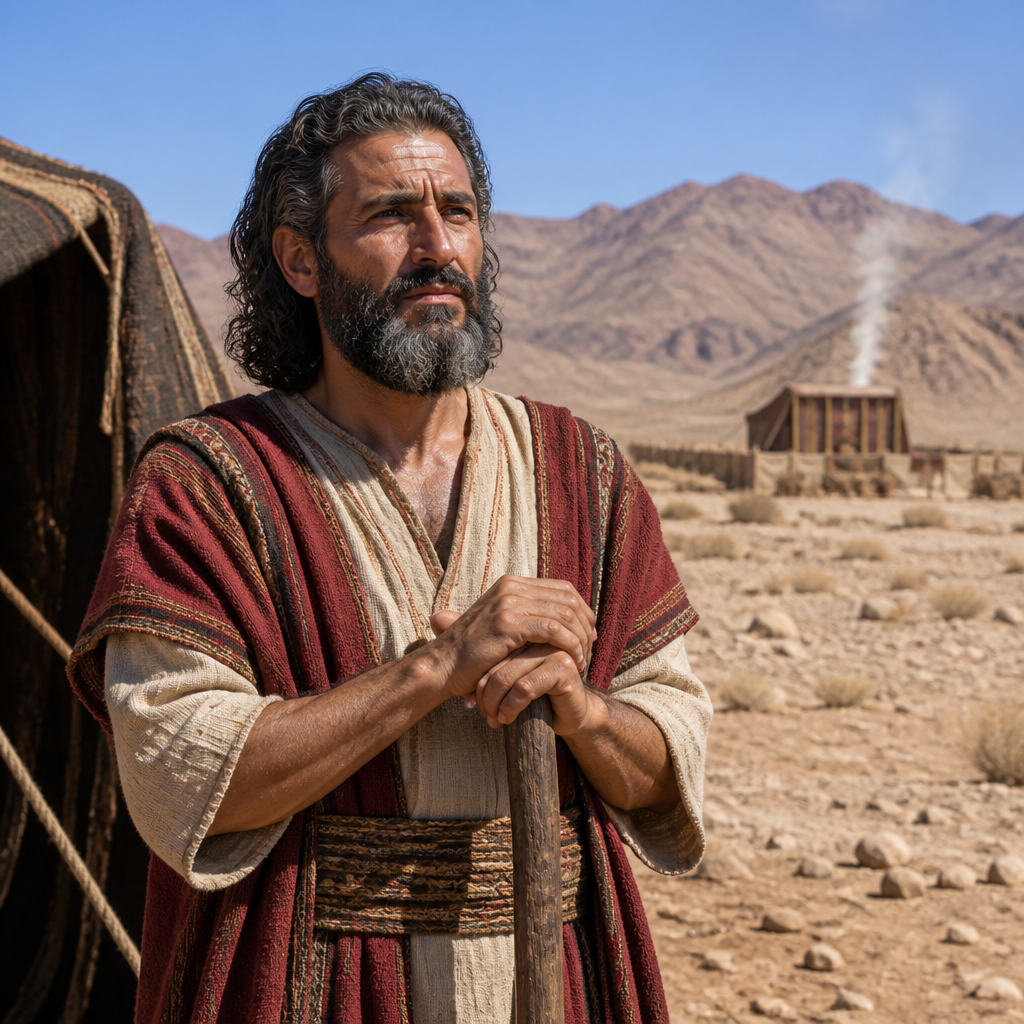 Eliab, Father of Dathan and AbiramThis page
Children
 Abiram, Reubenite Rebel in the WildernessSonNumbers 16:1Stated
 DathanSonNumbers 16:1Stated
 NemuelSonNumbers 26:9Stated
Connected Figures
Family
Father · Numbers 16:1
The second son of Reuben and the founder of the Palluite clan within the tribe of Reuben during the Egyptian sojourn and Exodus.
Son · Numbers 16:1
A leader of the tribe of Reuben who, along with Dathan and Korah, instigated a major rebellion against the leadership of Moses and Aaron in the wilderness.
Son · Numbers 16:1
A Reubenite leader who, along with his brother Abiram and the Levite Korah, led a major rebellion against the leadership of Moses and Aaron during the wilderness wanderings.
Son · Numbers 26:9
A Reubenite and the eldest son of Eliab, notable as the brother of the rebels Dathan and Abiram.
Categories
Mentions by Book
- Numbers4
- Deuteronomy1
Scripture References
All 5 indexed verses, in canonical order, from the Berean Standard Bible.
Numbers · 4
- Numbers 16:1
Now Korah son of Izhar, the son of Kohath son of Levi, along with some Reubenites—Dathan and Abiram, sons of Eliab, and On son of Peleth—conducted
- Numbers 16:12
Then Moses summoned Dathan and Abiram, the sons of Eliab, but they said, “We will not come!
- Numbers 26:8
Now the son of Pallu was Eliab,
- Numbers 26:9
and the sons of Eliab were Nemuel, Dathan, and Abiram. It was Dathan and Abiram, chosen by the congregation, who rebelled against Moses and Aaron with the followers of Korah who rebelled against the LORD.
Deuteronomy · 1
- Deuteronomy 11:6
and what He did in the midst of all the Israelites to Dathan and Abiram, the sons of Eliab the Reubenite, when the earth opened its mouth and swallowed them, their households, their tents, and every living thing that belonged to them.
Others Named Eliab
Compare all 5 bearers →Eliab, Brother of David1 Samuel 16:6
Eliab was the firstborn son of Jesse of Bethlehem and the eldest brother of King David, known for his imposing stature and service in King Saul's army.
Eliab, Leader of ZebulunNumbers 1:9
Eliab son of Helon was the tribal leader and military commander of the tribe of Zebulun during the Israelites' wilderness wanderings following the Exodus from Egypt.
Eliab, Gadite Warrior of the Divided Monarchy1 Chronicles 12:9
Eliab was a high-ranking Gadite warrior who joined David's forces.
Eliab, Levite Musician of the United Monarchy1 Chronicles 15:18
Eliab was a Levite musician appointed to play the harp during the transport of the Ark of the Covenant to Jerusalem and subsequent Tabernacle worship.