Ohad
Who was Ohad in the Bible?
Ohad was a son of Simeon and a grandson of the patriarch Jacob, identified as one of the heads of the clans of the Tribe of Simeon during the migration to Egypt.
Ohad is a biblical figure mentioned in the Old Testament, specifically within the genealogies of the descendants of Jacob (Israel). He was the third son of Simeon, the second son of Jacob and Leah. His name appears in the context of the family's migration from Canaan to Egypt during the severe famine that characterized the latter years of the Patriarchal Period.
Historically and textually, Ohad is recognized as a member of the seventy souls who entered Egypt with Jacob, laying the foundation for the eventual twelve tribes of Israel. While the biblical narrative does not provide detailed accounts of his personal life, his inclusion in the sacred record signifies his status as a progenitor of a family line within the Simeonite tribal structure during the early stages of the Egyptian Sojourn.
Background and Family
Ohad was born into the tumultuous and expanding family of the patriarch Jacob. He was the son of Simeon, who was known for his fierce temperament, most notably displayed in the incident at Shechem (Genesis 34). Ohad was one of six brothers: Jemuel, Jamin, Jachin, Zohar (also known as Zerah), and Shaul, who is specifically noted as being the son of a Canaanite woman.
In the genealogical structure of the ancient Israelites, Ohad occupies a specific position as a grandson of Jacob. The biblical text in Genesis 46 lists the names of those who traveled to Egypt to join Joseph, who had become a high-ranking official under Pharaoh. Ohad is explicitly named in this census of the house of Israel, establishing his place in the covenant lineage that would eventually become a great nation.
Major Life Events
The life of Ohad is defined by the migration of his clan. Following the discovery that Joseph was alive and ruling in Egypt, Jacob moved his entire household—numbering seventy individuals—from the land of Canaan to the land of Goshen. Ohad was among these immigrants.
His presence in the text of Exodus 6 suggests that his name was preserved in the records of the clans of Israel during the time of the oppression. Exodus 6:15 reiterates his parentage and brotherhood, listing him among the "clans of Simeon." This indicates that, at least for a time, a specific sub-group within the tribe of Simeon identified with Ohad as their ancestral head. However, it is noteworthy that Ohad is absent from later censuses, such as those found in the Book of Numbers (Numbers 26:12-14), leading some scholars to suggest that his particular family line may have become extinct or was absorbed into another Simeonite clan during the centuries of Egyptian bondage.
Relationship to Other Biblical Figures
Ohad’s primary relationships are defined by his immediate family. As a son of Simeon, he was a nephew to significant figures such as Judah, Levi, and Joseph. His brothers Jemuel, Jamin, Jachin, Zohar, and Shaul formed the core of the Simeonite leadership.
While his brother Shaul is distinguished by the mention of his mother being a Canaanite woman, no such distinction is made for Ohad, implying he may have been born to a wife of Simeon whose identity remains unnamed in the text. His relationship to his grandfather Jacob is also central, as he is part of the "seventy" often cited as the definitive number of the nascent nation of Israel.
Spiritual Significance
The spiritual significance of Ohad lies primarily in his role as a link in the chain of the promise made to Abraham. The meticulous preservation of names like Ohad in the books of Genesis and Exodus serves to ground the history of Israel in specific individuals. By naming each son and grandson, the biblical authors emphasize that the nation of Israel was not an abstract concept but a literal family chosen by God.
Ohad’s inclusion in the Exodus record—just before the narrative of Moses and Aaron delivering the people from slavery—connects the patriarchal promises to the national redemption. Though he is a minor figure in terms of narrative action, he represents the preservation of the family of Israel through the periods of famine and migration, fulfilling the divine decree that Jacob’s descendants would be numerous and eventually return to the Promised Land.
Ohad represents the formal inclusion of the Simeonite clans in the covenant history of Israel. His presence in the genealogies of both Genesis and Exodus serves as a bridge between the Patriarchal era and the national identity formed during the Exodus. Although his specific line may not have persisted into the period of the conquest of Canaan (as evidenced by his absence in Numbers), his role was vital in the initial establishment of the tribal structure in Egypt.
Theologically, Ohad serves as a reminder of the historical reality of the Israelite migration. His name contributes to the 'seventy souls' count, a number often used in scripture to signify completion and divine order. His life, though largely unrecorded, was part of the fulfillment of God's promise to Jacob at Beersheba that He would make him a great nation in Egypt.
Frequently Asked Questions
Who was Ohad's father?
Ohad was the son of Simeon, who was the second son of the patriarch Jacob and his wife Leah.
What tribe did Ohad belong to?
Ohad belonged to the Tribe of Simeon, being one of the original clan heads of that tribe.
In which books of the Bible is Ohad mentioned?
Ohad is mentioned twice in the Bible: once in Genesis 46:10 and once in Exodus 6:15.
Did Ohad have any famous brothers?
His brothers included Jemuel, Jamin, Jachin, Zohar, and Shaul. Shaul is specifically noted as being the son of a Canaanite woman.
Why is Ohad missing from the census in the Book of Numbers?
The Bible does not explicitly state why, but scholars generally conclude that his family line either died out or was merged with another Simeonite family during the long stay in Egypt.
Family & Relationships
Parents
 Simeon, Son of JacobFatherExodus 6:15Stated
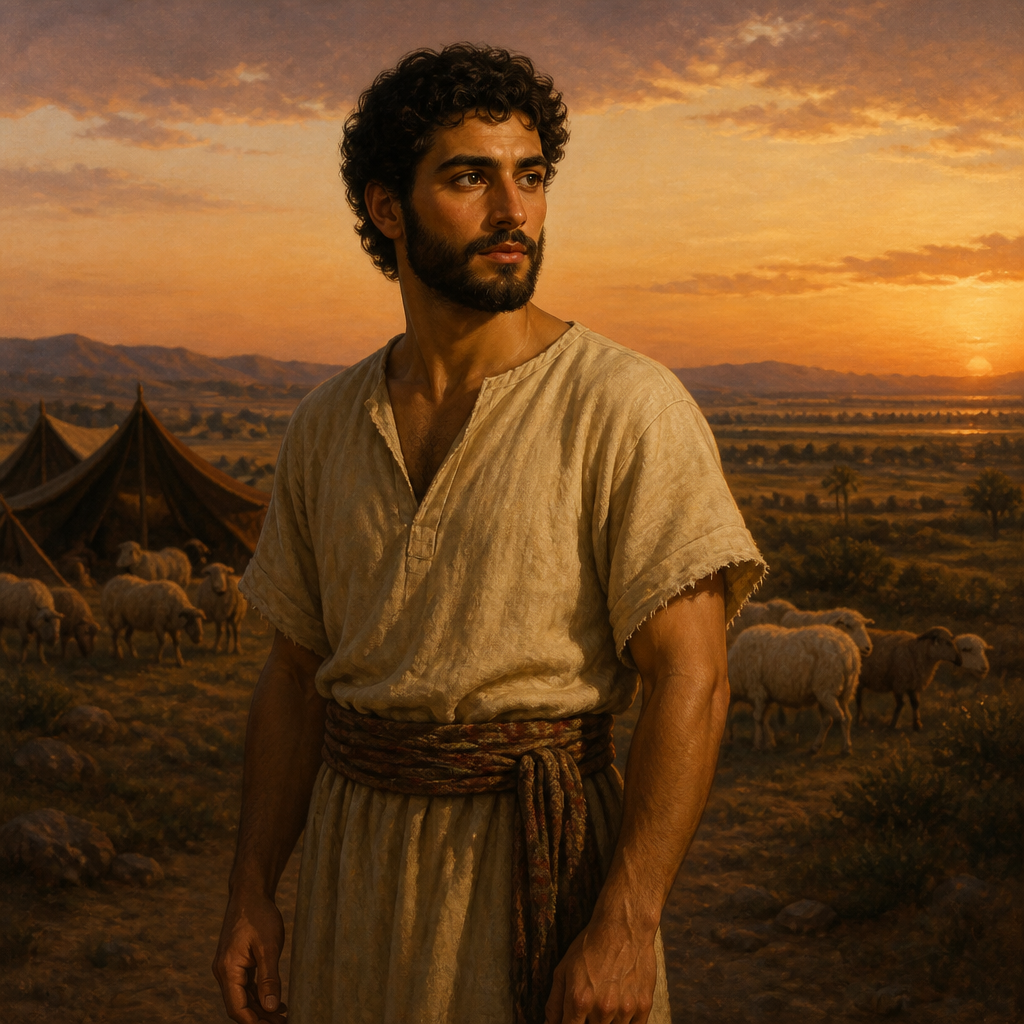 OhadThis page
 Jachin, Son of SimeonBrotherGenesis 46:10Stated
 Jamin, Son of SimeonBrotherGenesis 46:10Stated
 JemuelBrotherGenesis 46:10Stated
 Shaul, Son of the Canaanite WomanBrotherGenesis 46:10Stated
 Zerah, Son of SimeonBrotherExodus 6:15
Inferred
Reconstructed through Shaul: Numbers 26:13 ties Zerah to Shaul; Genesis 46:10 ties Shaul to Ohad. No verse states the brother link between Zerah and Ohad directly.Evidence: Exodus 6:15; Numbers 26:12
Connected Figures
Family
Father · Exodus 6:15
Simeon was the second son of Jacob and Leah, a founding patriarch of Israel known for his volatile temperament and the eventual dispersal of his tribe within Judah.
PatriarchsFirst: Genesis 29:3319 versesPatriarch, shepherdSimeon
Brother · Genesis 46:10
Jachin was a son of Simeon and a grandson of the patriarch Jacob, serving as the ancestral head of the Jachinite clan during the Egyptian sojourn and the Exodus.
Brother · Genesis 46:10
Jamin was the second son of Simeon and a grandson of the patriarch Jacob, serving as the progenitor of the Jaminite clan during the Egyptian sojourn and the Exodus.
Brother · Genesis 46:10
Jemuel was the firstborn son of Simeon and a grandson of the patriarch Jacob, serving as the head of a Simeonite clan during the migration to Egypt and the subsequent Exodus.
Brother · Genesis 46:10
Shaul was the son of Simeon and a Canaanite woman, serving as a founding tribal head and the progenitor of the Shaulite clan during the Egyptian sojourn.
Brother · Exodus 6:15
Zerah, also known as Zohar, was a son of the patriarch Simeon and the founder of the Zerahite clan within the tribe of Simeon during the Egyptian sojourn and the Exodus.
Categories
Mentions by Book
- Genesis1
- Exodus1
- Numbers1
Scripture References
All 3 indexed verses, in canonical order, from the Berean Standard Bible.
Genesis · 1
- Genesis 46:10
The sons of Simeon: Jemuel, Jamin, Ohad, Jachin, Zohar, and Shaul the son of a Canaanite woman.
Exodus · 1
- Exodus 6:15
The sons of Simeon were Jemuel, Jamin, Ohad, Jachin, Zohar, and Shaul, the son of a Canaanite woman. These were the clans of Simeon.
Numbers · 1
- Numbers 26:12Partial
These were the descendants of Simeon by their clans: The Nemuelite clan from Nemuel, the Jaminite clan from Jamin, the Jachinite clan from Jachin,
Cited as evidence on a family card; added so References, Key Verses and Mentions by Book share one index.