Tribe
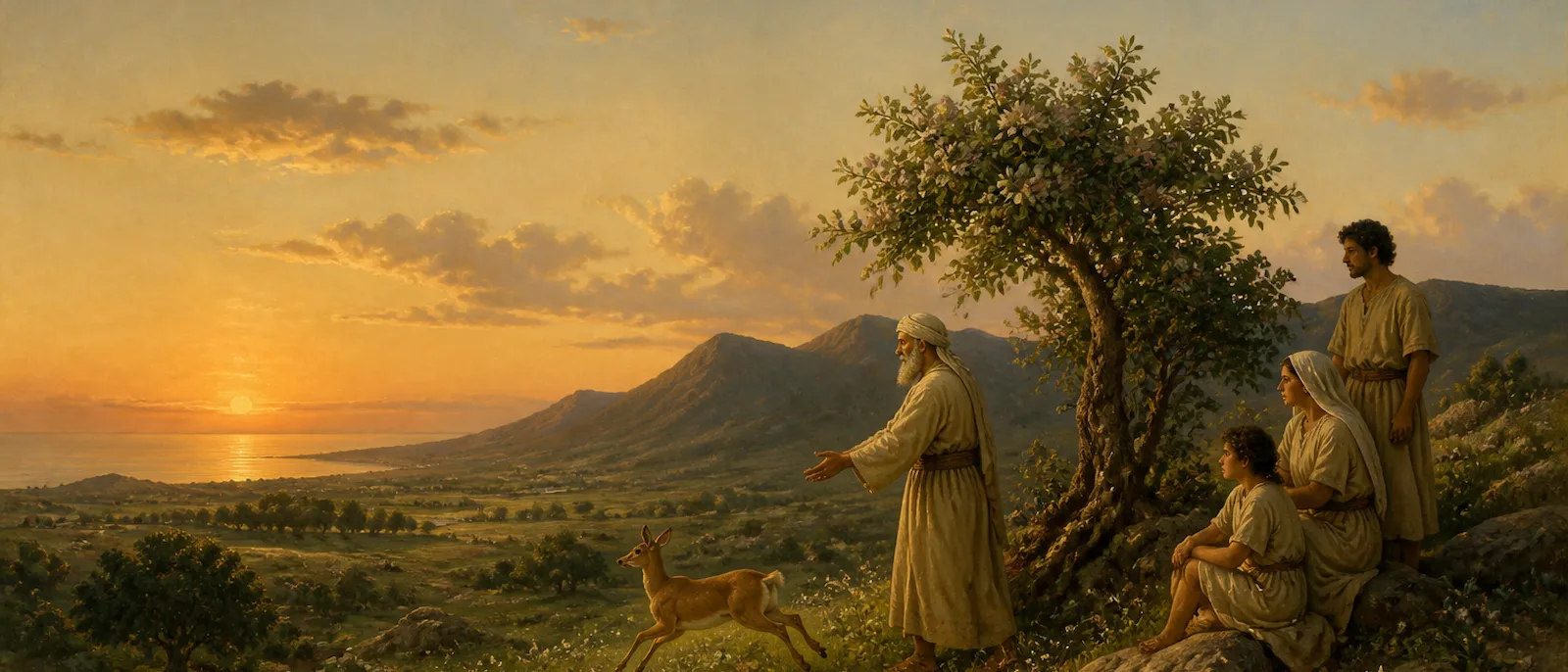
The Tribe of Naphtali
The northern tribe descended from Naphtali, settled around Galilee.
Scripture traces this people through Naphtali.
People of Tribe of Naphtali
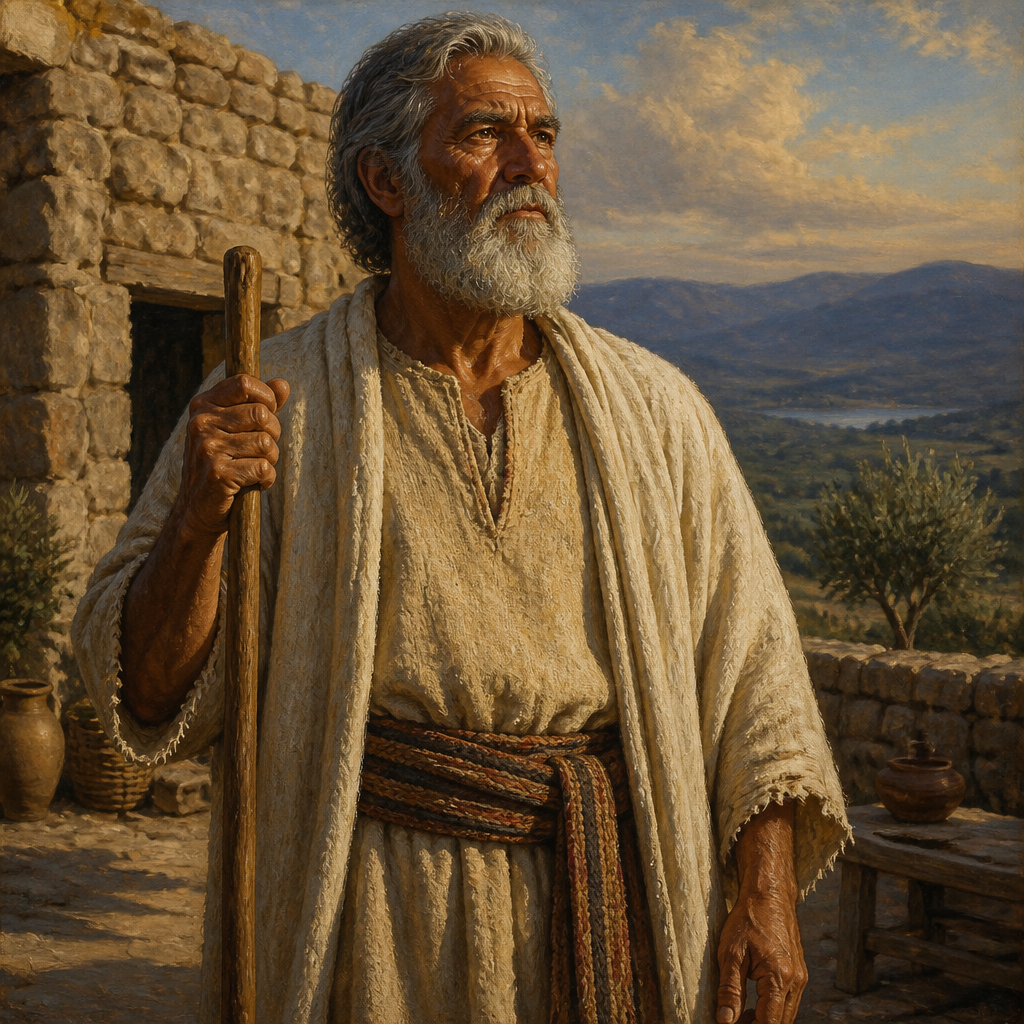
Abinoam
Father of the Israelite commander Barak
Abinoam was a man from Kedesh in Naphtali and the father of the Israelite military leader Barak during the era of the Judges.
View profile →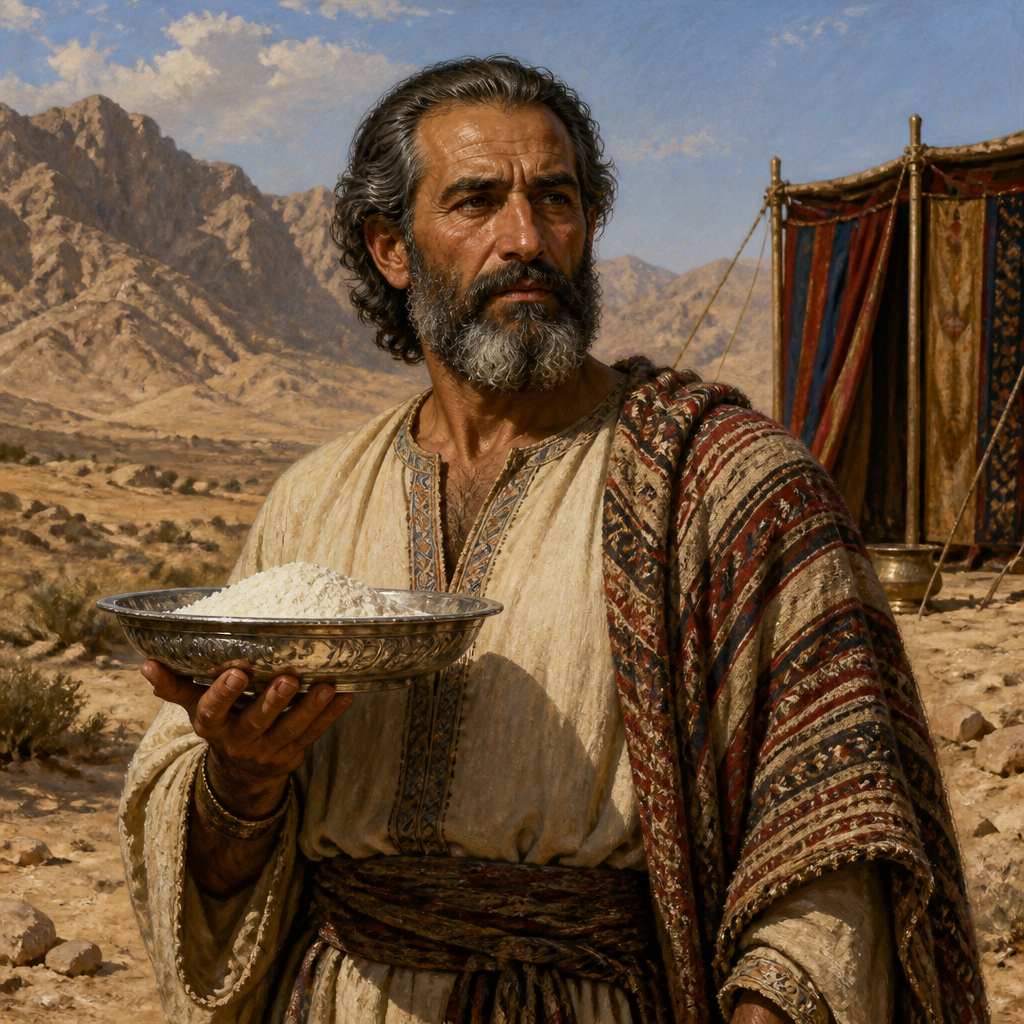
Ahira
Leader of the Tribe of Naphtali during the Exodus and wilderness wanderings
Ahira, son of Enan, was the tribal leader and military commander of the Tribe of Naphtali during the Israelite wilderness wanderings following the Exodus.
View profile →
Barak
Commander who led Israel's ten thousand against Sisera and routed him in the Kishon valley (Judges 4:14-15)
A military commander of ancient Israel who led the forces of Naphtali and Zebulun against the Canaanites during the era of the Judges.
View profile →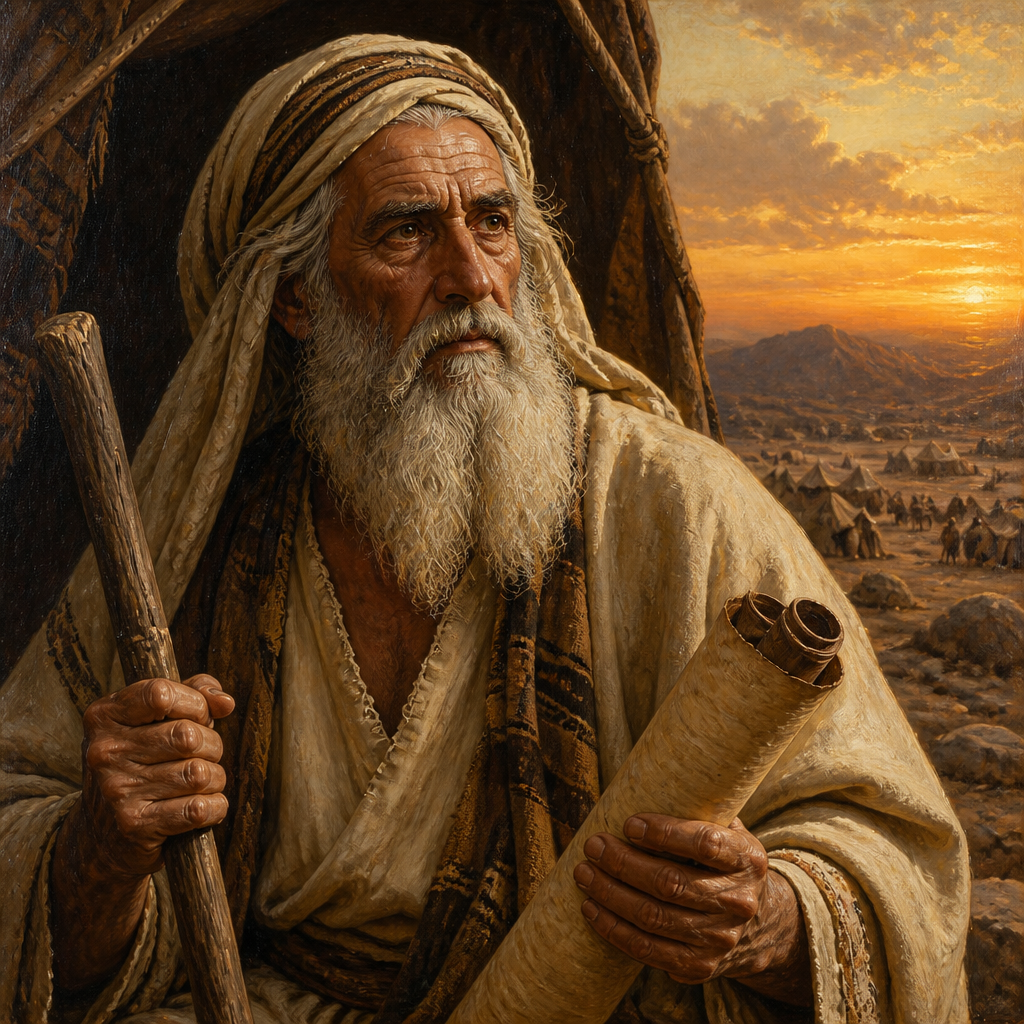
Enan
father of Ahira, the leader of the tribe of Naphtali during the Exodus
A member of the tribe of Naphtali and the father of the tribal leader Ahira during the Exodus and the Israelites' journey through the wilderness.
View profile →
Guni, Son of Naphtali
Founder of the Gunite clan within the tribe of Naphtali
Guni was a son of Naphtali and the patriarchal founder of the Gunite clan during the Egyptian Sojourn.
View profile →
Jahzeel
Firstborn son of Naphtali and founder of the Jahzeelite clan
Jahzeel was the firstborn son of Naphtali and the foundational patriarch of the Jahzeelite clan during the Egyptian sojourn and the subsequent wilderness wandering.
View profile →
Jezer
Son of Naphtali who founded the Jezerite clan during the Egyptian Sojourn
The son of Naphtali and the progenitor of the Jezerite clan during the Egyptian Sojourn and the Exodus.
View profile →
Naphtali
Patriarch of one of the twelve tribes of Israel and sixth son of Jacob
The sixth son of Jacob and second son of Bilhah, whose descendants formed one of the twelve tribes of Israel in the fertile northern Galilee region.
View profile →
Shillem
Son of Naphtali and founder of the Shillemite clan
A son of Naphtali and grandson of Jacob who founded the Shillemite clan during the Egyptian Sojourn and the Exodus era.
View profile →