Jahzeel
Who was Jahzeel in the Bible?
Jahzeel was the firstborn son of Naphtali and the foundational patriarch of the Jahzeelite clan during the Egyptian sojourn and the subsequent wilderness wandering.
Jahzeel (also rendered as Jahziel) was a prominent figure within the tribal structure of ancient Israel, specifically as the eldest son of Naphtali. His name, derived from Hebrew roots meaning "God apportions" or "God divides," reflects the providential mindset of the patriarchal era. He is primarily identified within the genealogical records that track the growth of the house of Jacob from their entry into Egypt through their census in the plains of Moab.
As the grandson of Jacob through the handmaid Bilhah, Jahzeel represents the third generation of the Israelites during the transitional period between the life of the patriarchs and the national formation in Egypt. While the biblical text provides little narrative regarding his personal actions, his inclusion in the foundational genealogies of Genesis, Numbers, and 1 Chronicles underscores his role as a tribal progenitor whose lineage survived the centuries of Egyptian bondage.
Background and Family
Jahzeel is introduced in the biblical record during the migration of the house of Jacob from Canaan to Egypt. According to Genesis 46:24, he was the first-named son of Naphtali, who was himself the son of Jacob and Bilhah, Rachel’s handmaid. Jahzeel is listed alongside his three brothers: Guni, Jezer, and Shillem. This familial unit formed the core of the tribe of Naphtali as they established themselves in the land of Goshen under the protection of Joseph.
The genealogical preservation of Jahzeel’s name is significant within the context of the Pentateuch. By listing the specific names of Naphtali’s sons, the text establishes the legal and biological continuity of the tribal inheritance. In 1 Chronicles 7:13, the record is reiterated with a slight spelling variation (Jahziel), confirming his status as a descendant of Bilhah and a primary ancestor within the northern tribal confederation.
Major Life Events
Because the biblical record for Jahzeel is strictly genealogical, there are no recorded personal dialogues or specific biographical events attributed to him. However, his life spanned a critical period of Hebrew history—the "Egypt and Wilderness" era. He would have been among the seventy souls who entered Egypt (Genesis 46:27), experiencing the transition from a nomadic patriarchal family to a burgeoning ethnic group.
His legacy is most clearly seen in the Book of Numbers. During the second census taken by Moses and Eleazar on the plains of Moab, Jahzeel is identified as the founder of the Jahzeelite clan (Numbers 26:48). This indicates that his descendants remained a distinct and identifiable sub-group within the tribe of Naphtali throughout the four centuries of Egyptian residence and the forty years of wandering in the desert. The survival of the Jahzeelite name through the Exodus suggests a successful preservation of family identity and tradition despite the hardships of slavery and the subsequent rigors of the wilderness.
Relationship to Other Biblical Figures
Jahzeel’s primary relationships are defined by his placement within the Twelve Tribes of Israel. As the son of Naphtali, he was a nephew to figures like Joseph and Judah. His status as the firstborn likely gave him a position of seniority among his brothers—Guni, Jezer, and Shillem—within their internal clan structure.
Furthermore, the Chronicler emphasizes his descent through Bilhah. This connects Jahzeel to the broader narrative of the handmaids' sons, who, despite their mothers' lower social status compared to Sarah or Leah, were granted full status as heirs and patriarchs within the covenant community.
Spiritual Significance
The name Jahzeel, meaning "God apportions," carries theological weight in the context of the promised land. Though Jahzeel himself did not live to see the conquest of Canaan, his name served as a reminder that God is the one who divides the inheritance and provides for His people. In the broader biblical theology of genealogy, Jahzeel represents the faithfulness of God in fulfilling the promise to Abraham that his descendants would be numerous. The fact that the Jahzeelites are counted in Numbers 26 proves that not a single word of God’s promise failed; the line of the firstborn of Naphtali endured through judgment and trial to stand on the threshold of the Promised Land.
Jahzeel’s primary theological significance lies in the preservation of the covenant promise. As a named descendant in the genealogy of Genesis 46, he serves as a link between the individual patriarchs and the national identity of Israel. His existence and the subsequent flourishing of the Jahzeelite clan demonstrate God's administrative providence in organizing and sustaining the tribes during the period of Egyptian oppression.
Additionally, his inclusion in the 1 Chronicles genealogies highlights the importance of heritage in the post-exilic community. For the writers of the Hebrew Bible, figures like Jahzeel were not merely names on a list, but evidence of a continuous, divinely-protected lineage that linked the contemporary Israelite to the ancient promises made to Jacob.
Frequently Asked Questions
Who was Jahzeel’s father?
Jahzeel was the son of Naphtali, one of the twelve sons of Jacob.
What does the name Jahzeel mean?
The name Jahzeel is Hebrew for 'God apportions' or 'God divides.'
What clan did Jahzeel found?
He was the founder of the Jahzeelites, a major clan within the tribe of Naphtali as recorded in the Book of Numbers.
Who were Jahzeel’s siblings?
His recorded brothers were Guni, Jezer, and Shillem (also called Shallum).
In which books of the Bible is Jahzeel mentioned?
Jahzeel is mentioned in Genesis 46, Numbers 26, and 1 Chronicles 7.
Family & Relationships
Parents
 NaphtaliFatherGenesis 46:24Stated
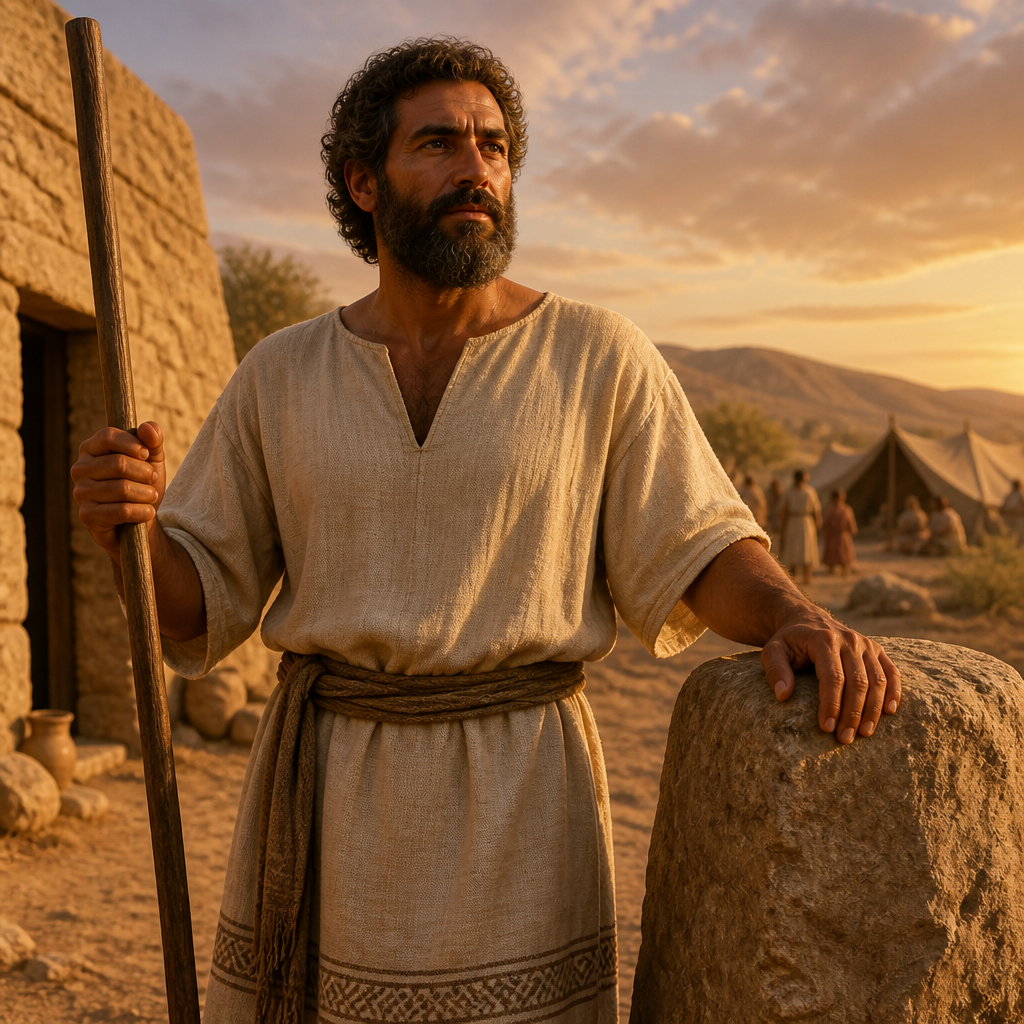 JahzeelThis page
 Guni, Son of NaphtaliBrotherGenesis 46:24Stated
 JezerBrotherGenesis 46:24Stated
 ShillemBrotherGenesis 46:24Stated
Extended family
 BilhahGrandmotherGenesis 46:24
Inferred
Reconstructed through Naphtali: Genesis 35:25 ties Bilhah to Naphtali; Genesis 46:24 ties Naphtali to Jahzeel. No verse states the grandson link between Bilhah and Jahzeel directly.Evidence: Genesis 46:24; 1 Chronicles 7:13; Genesis 35:25
Connected Figures
Family
Father · Genesis 46:24
The sixth son of Jacob and second son of Bilhah, whose descendants formed one of the twelve tribes of Israel in the fertile northern Galilee region.
PatriarchsFirst: Genesis 30:811 versesPatriarchNaphtali
Brother · Genesis 46:24
Guni was a son of Naphtali and the patriarchal founder of the Gunite clan during the Egyptian Sojourn.
Brother · Genesis 46:24
The son of Naphtali and the progenitor of the Jezerite clan during the Egyptian Sojourn and the Exodus.
Egypt and WildernessFirst: Genesis 46:244 versesClan ancestorNaphtali
Brother · Genesis 46:24
A son of Naphtali and grandson of Jacob who founded the Shillemite clan during the Egyptian Sojourn and the Exodus era.
Egypt and WildernessFirst: Genesis 46:244 versesclan founderNaphtali
Grandmother · Genesis 46:24
Handmaid to Rachel and concubine of Jacob who became the biological mother of Dan and Naphtali, contributing to the formation of the twelve tribes of Israel.
PatriarchsFirst: Genesis 29:2912 versesMaidservant and Concubine
Categories
Mentions by Book
- Genesis2
- Numbers1
- 1 Chronicles1
Scripture References
All 4 indexed verses, in canonical order, from the Berean Standard Bible.
Genesis · 2
- Genesis 46:24
The sons of Naphtali: Jahzeel, Guni, Jezer, and Shillem.
- Genesis 46:25Partial
These are the sons of Jacob born to Bilhah, whom Laban gave to his daughter Rachel—seven in all.
Cited as evidence on a family card; added so References, Key Verses and Mentions by Book share one index.
Numbers · 1
- Numbers 26:48
These were the descendants of Naphtali by their clans: The Jahzeelite clan from Jahzeel, the Gunite clan from Guni,
1 Chronicles · 1
- 1 Chronicles 7:13Partial
The sons of Naphtali: Jahziel, Guni, Jezer, and Shallum—the descendants of Bilhah.
Cited as a key verse; added so References, Key Verses and Mentions by Book share one index.