Hadoram
Who was Hadoram in the Bible?
A son of Joktan and descendant of Shem, Hadoram was an early patriarch mentioned in the Table of Nations as a founder of a post-Flood tribal group.
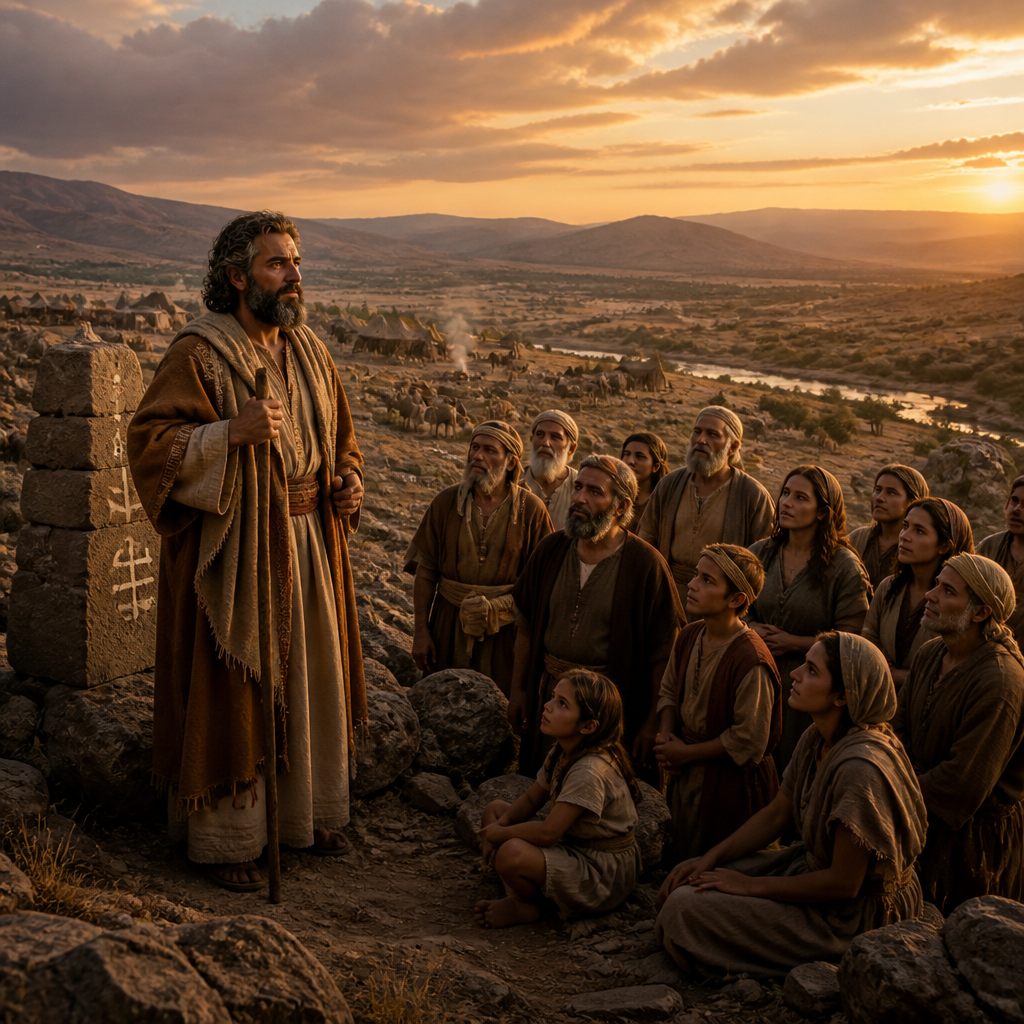
Hadoram is a figure of the Primeval History mentioned in the genealogies of the Old Testament. He appears as a descendant of Shem, the son of Noah, specifically within the lineage of Joktan. As a part of the foundational genealogical records of the post-Flood world, Hadoram represents one of the early heads of families or tribes that populated the ancient Near East and the Arabian Peninsula.
His existence is recorded primarily in the context of the Table of Nations, a document tracing the origins of various ethnic groups and geographic territories. While the biblical text provides no specific details regarding his individual life or actions, his inclusion in these early registers serves to define the scope of the Shemitic expansion during the centuries following the dispersion at Babel.
Background and Family
Hadoram is identified in the biblical record as the son of Joktan, who was the son of Eber. This lineage places Hadoram within the family of the Eberites, from whom the term "Hebrew" is traditionally derived. Within the genealogical structure of Genesis 10, Hadoram is listed among thirteen brothers, all sons of Joktan. His siblings include Almodad, Sheleph, Hazarmaveth, Jerah, Uzal, Diklah, Obal, Abimael, Sheba, Ophir, Havilah, and Jobab.
This specific branch of the family tree is significant because it represents the "Joktanite" tribes, who are widely understood by scholars to have settled in the southern regions of the Arabian Peninsula. While his brother Sheba and brother Ophir are frequently associated with specific historical regions known for gold and trade, Hadoram remains a more obscure figure whose precise territorial legacy is less clearly defined by contemporary archaeological markers, though he is firmly rooted in the patriarchal structure of the early world.
Major Life Events
The biblical text does not record specific biographical events for Hadoram. His presence in scripture is limited to two identical genealogical listings in Genesis 10:27 and 1 Chronicles 1:21. In both instances, he is situated in the middle of the list of Joktan’s sons.
Because Hadoram appears in the Table of Nations, his "life event" is effectively the migration and establishment of a clan or tribe during the Primeval period. Like other figures in this era, Hadoram's historical footprint is the transition from a single family unit surviving the Deluge to a multifaceted network of nations spreading across the earth.
Relationship to Other Biblical Figures
Hadoram’s primary relationship is to his father, Joktan, and his uncle, Peleg. The Bible notes that in the days of Peleg, the earth was divided (Genesis 10:25). While Peleg’s line leads toward Abraham and the eventual nation of Israel, the line of Joktan, including Hadoram, represents the broader Semitic world.
As a sibling to prominent figures like Sheba and Ophir, Hadoram is part of a fraternity of explorers and settlers. These relationships suggest that he was part of a major southward and eastward expansion of the Semitic peoples, distinguishing them from the descendants of Ham and Japheth who populated other regions.
Spiritual Significance
The inclusion of Hadoram in the holy scriptures serves a specific theological purpose rather than a narrative one. In the biblical worldview, genealogies are not merely lists of names but affirmations of God’s sovereignty over human history and His fulfillment of the command to "be fruitful and multiply and fill the earth."
Hadoram, Uzal, Diklah, (Genesis 10:27)
By recording Hadoram's name, the biblical authors emphasize that every tribal group and nation has an origin known to God. Hadoram represents the diversity of the human family and the fulfillment of the Noahic covenant. Even though he is a minor figure without a recorded dialogue or miracle, his name stands as a testament to the preservation of the human race and the organized distribution of people groups according to divine providence in the post-Flood era.
Hadoram’s primary significance lies in his role within the Table of Nations (Genesis 10). He represents one of the foundational lineages of the post-Flood world, illustrating the expansion of the Semitic people. His inclusion validates the historical continuity between the family of Noah and the specific regional tribes that existed in the ancient Near East during the primeval era.
Furthermore, his placement in 1 Chronicles 1 reaffirms the importance of lineage to the post-exilic community. For the original readers of the Bible, names like Hadoram were essential for maintaining a sense of place within the broader context of God's creation and the specific identity of the descendants of Shem.
Frequently Asked Questions
Who was Hadoram's father?
Hadoram was the son of Joktan, who was a descendant of Shem, the son of Noah.
In which books of the Bible is Hadoram mentioned?
Hadoram is mentioned in two books: Genesis and 1 Chronicles.
What tribe or nation did Hadoram belong to?
Hadoram was an early patriarch and founder of one of the Joktanite tribes, generally associated with the ancient southern Arabian regions.
Who were some of Hadoram's famous brothers?
Hadoram was the sibling of Sheba and Ophir, both of whom are well-known in the Bible for their association with wealth and distant lands.
What does the name Hadoram mean?
In Hebrew, the name Hadoram (הֲדוֹרָם) is often interpreted to mean 'Hadad is exalted' or 'noble honor,' though its precise etymology in the Joktanite context is debated.
Family & Relationships
Parents
 JoktanFatherGenesis 10:26–27Stated
 HadoramThis page
 AbimaelBrotherGenesis 10:27–28Stated
 AlmodadBrotherGenesis 10:26–27Stated
 DiklahBrotherGenesis 10:27Stated
 Havilah, Son of JoktanBrotherGenesis 10:27–29Stated
 HazarmavethBrotherGenesis 10:26–27Stated
 JerahBrotherGenesis 10:26–27Stated
 Jobab, Son of JoktanBrotherGenesis 10:27–29Stated
 ObalBrotherGenesis 10:27–28Stated
 OphirBrotherGenesis 10:27–29Stated
 Sheba, Son of JoktanBrotherGenesis 10:27–28Stated
 ShelephBrotherGenesis 10:26–27Stated
 UzalBrotherGenesis 10:27Stated
Extended family
 ShemGreat-Great-GrandfatherGenesis 5:32
Inferred
No verse names Shem and Hadoram together; the great-great-grandson link is carried from the surrounding genealogy and is not stated in Scripture.Evidence: Genesis 5:32
Connected Figures
Family
Father · Genesis 10:26–27
A foundational patriarch and son of Eber, Joktan is the progenitor of thirteen Arabian tribes in the post-Flood era.
Brother · Genesis 10:27–28
A son of Joktan and a descendant of Shem, listed in the Table of Nations as a progenitor of an early Arabian tribe.
Brother · Genesis 10:26–27
Almodad was the firstborn son of Joktan and a descendant of Shem, listed in the Table of Nations as a founder of early post-flood tribal groups.
Primeval HistoryFirst: Genesis 10:265 versesTribal Founder
Brother · Genesis 10:27
Diklah was a son of Joktan and a descendant of Shem, listed in the Table of Nations as a progenitor of early Semitic peoples.
Brother · Genesis 10:27–29
A descendant of Shem through Joktan, Havilah was a progenitor of a tribe in the Arabian Peninsula during the Primeval History era.
Brother · Genesis 10:26–27
A son of Joktan and a descendant of Shem, listed in the Table of Nations as a patriarch of the early post-flood world.
Brother · Genesis 10:26–27
Jerah was a son of Joktan and a descendant of Shem, listed in the Table of Nations as a progenitor of early Arabian tribes.
Brother · Genesis 10:27–29
A descendant of Shem and the final son listed among the thirteen sons of Joktan within the Table of Nations.
Brother · Genesis 10:27–28
Obal was a son of Joktan and a great-great-great-great-grandson of Noah, listed in the Table of Nations as a progenitor of an early post-Flood clan.
Primeval HistoryFirst: Genesis 10:285 versesTribal Progenitor
Brother · Genesis 10:27–29
Ophir was a descendant of Shem through the line of Joktan, listed in the Table of Nations during the Primeval History following the Great Flood.
Brother · Genesis 10:27–28
A descendant of Shem through Joktan, listed in the Table of Nations as a foundational patriarch of the post-Flood Semitic lineages.
Brother · Genesis 10:26–27
Sheleph was a son of Joktan and a descendant of Shem, listed in the Table of Nations as a founder of early Arabian tribal groups.
Categories
Mentions by Book
- Genesis5
- 1 Chronicles1
Scripture References
All 6 indexed verses, in canonical order, from the Berean Standard Bible.
Genesis · 5
- Genesis 5:32Partial
After Noah was 500 years old, he became the father of Shem, Ham, and Japheth.
Cited as evidence on a family card; added so References, Key Verses and Mentions by Book share one index.
- Genesis 10:26Partial
And Joktan was the father of Almodad, Sheleph, Hazarmaveth, Jerah,
Cited as evidence on a family card; added so References, Key Verses and Mentions by Book share one index.
- Genesis 10:27
Hadoram, Uzal, Diklah,
- Genesis 10:28Partial
Obal, Abimael, Sheba,
Cited as evidence on a family card; added so References, Key Verses and Mentions by Book share one index.
- Genesis 10:29Partial
Ophir, Havilah, and Jobab. All these were sons of Joktan.
Cited as evidence on a family card; added so References, Key Verses and Mentions by Book share one index.
1 Chronicles · 1
- 1 Chronicles 1:21
Hadoram, Uzal, Diklah,