Jobab, Son of Joktan
Who was Jobab, Son of Joktan, in the Bible?
A descendant of Shem and the final son listed among the thirteen sons of Joktan within the Table of Nations.
This is one of 5 people named Jobab in the Bible. See all 5 →
Jobab is a figure appearing in the early genealogical records of the Bible, specifically within the Primeval History following the Great Flood. He is identified as the thirteenth and final son of Joktan, who was the son of Eber and a descendant of Shem. Jobab belongs to a generation that saw the expansion and migration of humanity across the ancient Near East and the Arabian Peninsula.
While the biblical text does not provide a narrative account of Jobab’s personal life or specific deeds, his inclusion in the Table of Nations serves a vital structural role. He represents one of the foundational clans or tribal groups that emerged in the post-diluvian world, specifically within the lineage of the Semites who populated the eastern regions.
Background and Family
Jobab appears within the genealogical framework of Genesis 10, commonly referred to as the "Table of Nations," and its parallel in 1 Chronicles 1. He is the son of Joktan, who was the son of Eber. This lineage places Jobab as a great-great-great-great-grandson of Noah through the line of Shem. The biblical record lists Jobab alongside twelve brothers: Almodad, Sheleph, Hazarmaveth, Jerah, Hadoram, Uzal, Diklah, Obal, Abimael, Sheba, Ophir, and Havilah.
The text notes in Genesis 10:30 that the territory occupied by Joktan’s descendants extended from "Mesha toward Sephar, in the eastern hill country." This geographical marker suggests that Jobab and his brothers were the progenitors of various Arabian tribes, establishing the linguistic and cultural foundations of that region during the Primeval era.
Major Life Events
The biblical record for Jobab is strictly genealogical. There are no recorded speeches, miracles, or specific interactions involving him. His significance is rooted entirely in his placement within the divine record of human expansion. As the final name in the list of Joktan’s sons, he concludes the specific sub-branch of the Semitic line that focuses on the South Arabian peoples before the narrative shifts focus toward the line of Peleg (Joktan's brother), which eventually leads to Abraham.
Relationship to Other Biblical Figures
Jobab’s primary relationship is defined by his father, Joktan, and his uncle, Peleg. The Bible notes that in the days of Eber (Jobab's grandfather), the earth was divided (Genesis 10:25). While Peleg’s lineage is tracked toward the promise made to Israel, Jobab and his brothers represent the broader spreading of the Semitic people. His brothers include well-known names associated with ancient regions, such as Sheba, Ophir, and Havilah, places later famous for their gold and spices. Jobab stands as a peer to these tribal patriarchs.
Spiritual Significance
In a theological context, Jobab serves as a testament to the fulfillment of the divine command given to Noah’s sons to "be fruitful and multiply and fill the earth" (Genesis 9:1). The inclusion of Jobab in the sacred text, despite the lack of biographical detail, underscores the biblical theme that every branch of the human family tree is known to God and accounted for in the historical development of nations.
Furthermore, by concluding the list of Joktan’s sons, Jobab completes a numeric pattern in the genealogy, reinforcing the idea of a complete and organized expansion of peoples. While he remains a minor figure in terms of narrative, his name is preserved as part of the foundational history of the post-Flood world, linking the ancient Near Eastern civilizations back to their common ancestor, Noah.
Jobab’s inclusion in the Table of Nations (Genesis 10) signifies the orderly dispersal of humanity and the fulfillment of God's mandate to repopulate the earth after the Flood. He represents the completion of the Joktanite lineage, which is historically associated with the settlement of the Arabian Peninsula.
Theologically, Jobab reminds readers that the God of Israel is also the God of all nations. By recording the names of figures like Jobab, who are not part of the direct line of the Covenant through Abraham, the Bible acknowledges the shared origin of all ethnic groups and the sovereign oversight of God over human history and geography.
Frequently Asked Questions
Who was Jobab's father?
Jobab was the son of Joktan, a descendant of Shem.
In which books of the Bible is this Jobab mentioned?
Jobab is mentioned in Genesis 10:29 and 1 Chronicles 1:23.
How many brothers did Jobab have?
Jobab had twelve brothers, making him one of thirteen sons of Joktan.
What region did Jobab’s family inhabit?
The descendants of Joktan settled in the area extending from Mesha toward Sephar, located in the eastern hill country, generally identified with the Arabian Peninsula.
Family & Relationships
Parents
 JoktanFatherGenesis 10:29Stated
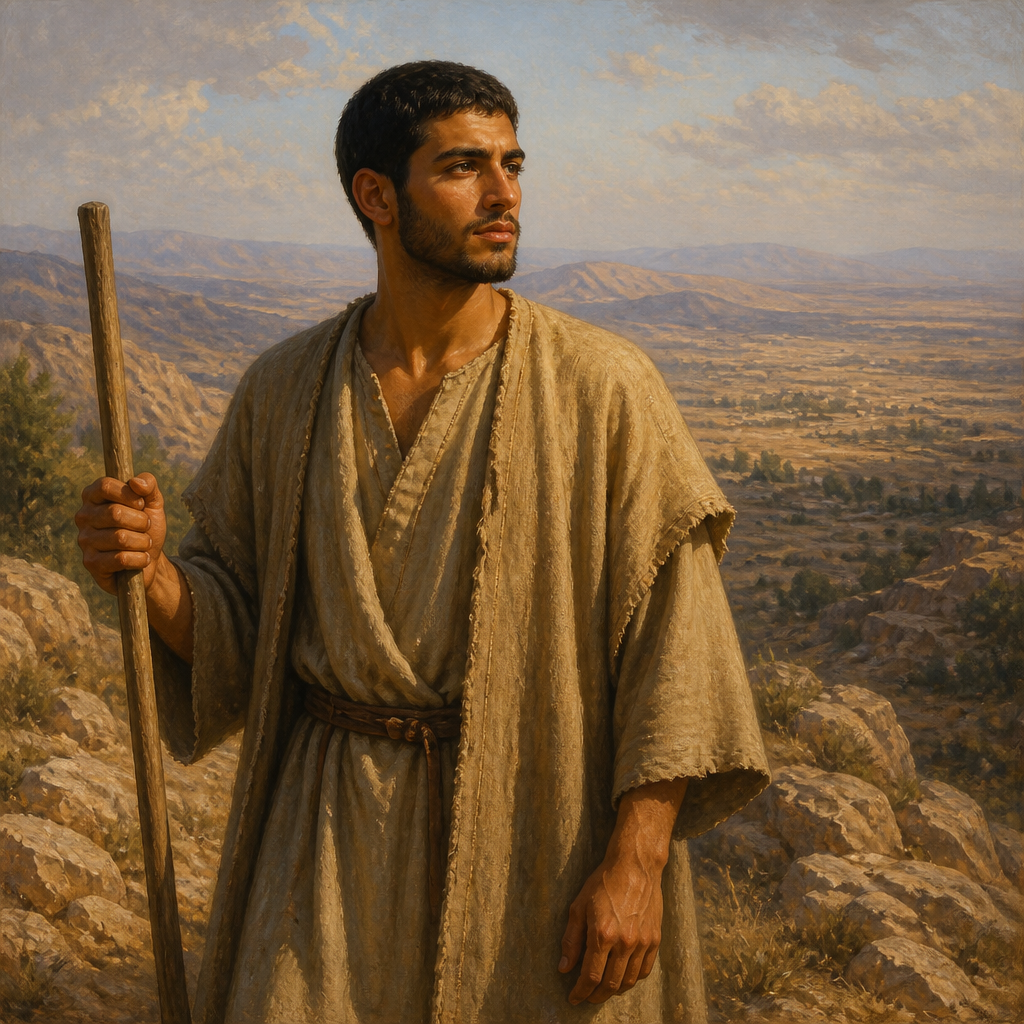 Jobab, Son of JoktanThis page
 AbimaelBrotherGenesis 10:28–29Stated
 AlmodadBrotherGenesis 10:26–29Stated
 DiklahBrotherGenesis 10:27–29Stated
 HadoramBrotherGenesis 10:27–29Stated
 Havilah, Son of JoktanBrotherGenesis 10:29Stated
 HazarmavethBrotherGenesis 10:26–29Stated
 JerahBrotherGenesis 10:26–29Stated
 ObalBrotherGenesis 10:28–29Stated
 OphirBrotherGenesis 10:29Stated
 Sheba, Son of JoktanBrotherGenesis 10:28–29Stated
 ShelephBrotherGenesis 10:26–29Stated
 UzalBrotherGenesis 10:27–29Stated
Connected Figures
Family
Father · Genesis 10:29
A foundational patriarch and son of Eber, Joktan is the progenitor of thirteen Arabian tribes in the post-Flood era.
Brother · Genesis 10:28–29
A son of Joktan and a descendant of Shem, listed in the Table of Nations as a progenitor of an early Arabian tribe.
Brother · Genesis 10:26–29
Almodad was the firstborn son of Joktan and a descendant of Shem, listed in the Table of Nations as a founder of early post-flood tribal groups.
Primeval HistoryFirst: Genesis 10:265 versesTribal Founder
Brother · Genesis 10:27–29
Diklah was a son of Joktan and a descendant of Shem, listed in the Table of Nations as a progenitor of early Semitic peoples.
Brother · Genesis 10:27–29
A son of Joktan and descendant of Shem, Hadoram was an early patriarch mentioned in the Table of Nations as a founder of a post-Flood tribal group.
Brother · Genesis 10:29
A descendant of Shem through Joktan, Havilah was a progenitor of a tribe in the Arabian Peninsula during the Primeval History era.
Brother · Genesis 10:26–29
A son of Joktan and a descendant of Shem, listed in the Table of Nations as a patriarch of the early post-flood world.
Brother · Genesis 10:26–29
Jerah was a son of Joktan and a descendant of Shem, listed in the Table of Nations as a progenitor of early Arabian tribes.
Brother · Genesis 10:28–29
Obal was a son of Joktan and a great-great-great-great-grandson of Noah, listed in the Table of Nations as a progenitor of an early post-Flood clan.
Primeval HistoryFirst: Genesis 10:285 versesTribal Progenitor
Brother · Genesis 10:29
Ophir was a descendant of Shem through the line of Joktan, listed in the Table of Nations during the Primeval History following the Great Flood.
Brother · Genesis 10:28–29
A descendant of Shem through Joktan, listed in the Table of Nations as a foundational patriarch of the post-Flood Semitic lineages.
Brother · Genesis 10:26–29
Sheleph was a son of Joktan and a descendant of Shem, listed in the Table of Nations as a founder of early Arabian tribal groups.
Categories
Mentions by Book
- Genesis4
- 1 Chronicles1
Scripture References
All 5 indexed verses, in canonical order, from the Berean Standard Bible.
Genesis · 4
- Genesis 10:26Partial
And Joktan was the father of Almodad, Sheleph, Hazarmaveth, Jerah,
Cited as evidence on a family card; added so References, Key Verses and Mentions by Book share one index.
- Genesis 10:27Partial
Hadoram, Uzal, Diklah,
Cited as evidence on a family card; added so References, Key Verses and Mentions by Book share one index.
- Genesis 10:28Partial
Obal, Abimael, Sheba,
Cited as evidence on a family card; added so References, Key Verses and Mentions by Book share one index.
- Genesis 10:29
Ophir, Havilah, and Jobab. All these were sons of Joktan.
1 Chronicles · 1
- 1 Chronicles 1:23
Ophir, Havilah, and Jobab. All these were sons of Joktan.
Others Named Jobab
Compare all 5 bearers →Jobab, Son of Elpaal1 Chronicles 8:18
Jobab was a Benjamite leader and the son of Elpaal, identified in the genealogical records of the Divided Monarchy period.
Jobab, Son of Shaharaim1 Chronicles 8:9
A son of the Benjamite Shaharaim and his wife Hodesh, listed in the post-exilic genealogies of the Tribe of Benjamin during the Divided Monarchy.
Jobab, King of MadonJoshua 11:1
Jobab was a Canaanite king of Madon who joined the northern coalition led by Jabin of Hazor to oppose the Israelite conquest under Joshua.
Jobab, King of EdomGenesis 36:33
Jobab was the second recorded king of Edom, reigning in the era before Israelite kings, succeeding Bela son of Beor and preceding Husham of the Temanites.