Dumah
Who was Dumah in the Bible?
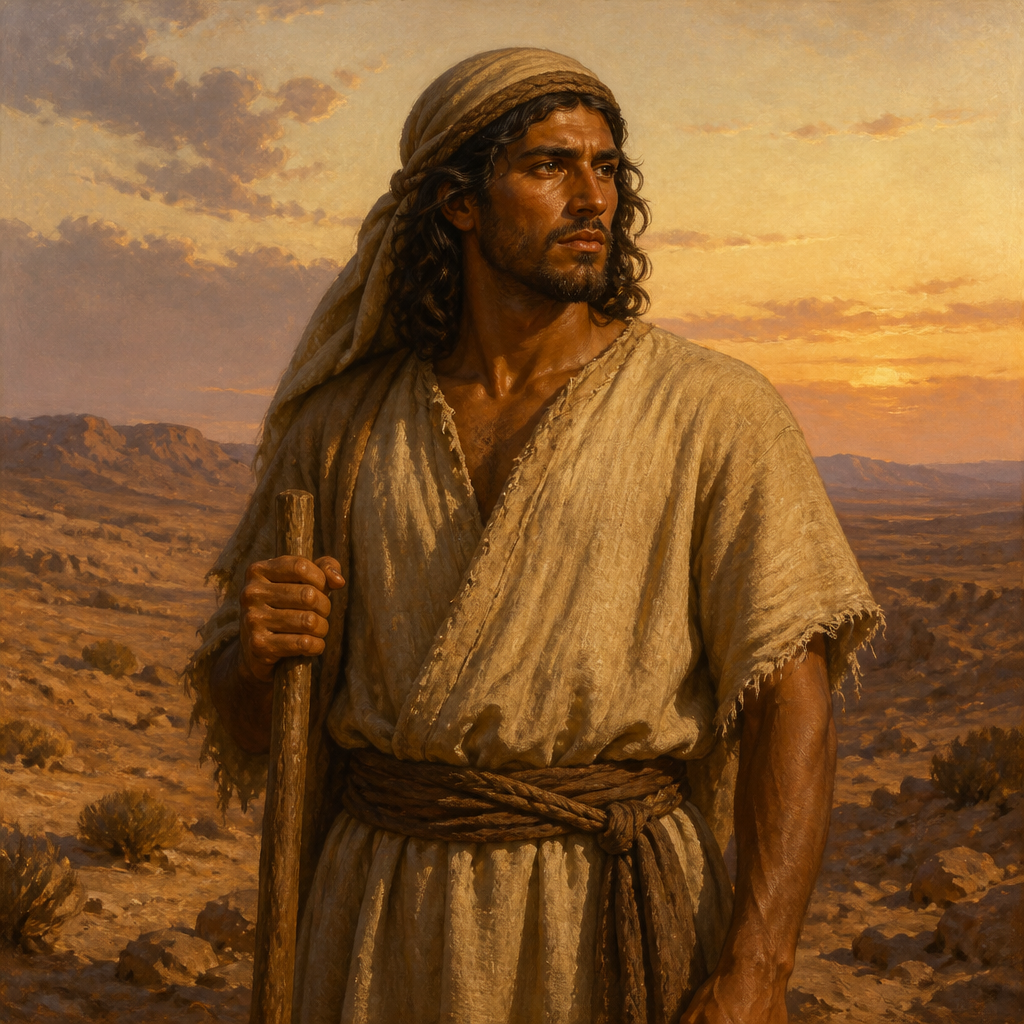
Dumah was the sixth son of Ishmael and a grandson of Abraham, serving as a tribal patriarch in the Arabian peninsula.
Dumah is a figure belonging to the Patriarchal Period, specifically identified in the biblical genealogies as one of the twelve sons of Ishmael. As a grandson of the patriarch Abraham, Dumah represents one of the twelve princes promised by God to Ishmael’s mother, Hagar, and Ishmael himself. His name appears within the formal records of the Semitic peoples to establish the lineage of the Ishmaelite tribes that populated the regions east and south of Canaan.
While the biblical record regarding Dumah is brief, consisting primarily of his placement in genealogical lists, he is historically significant as a foundational figure of the Arabian tribes. His inclusion in both the Torah and the later historical records of the United Monarchy period underscores the continuity of the Ishmaelite lineage within the Hebrew tradition.
Background and Family
Dumah was born into the immediate family of Ishmael, the firstborn son of Abraham. According to the chronological framework of the Book of Genesis, Dumah is listed as the sixth of twelve brothers. His father, Ishmael, had been promised by God that he would be fruitful and multiply exceedingly, specifically that he would father "twelve princes" (Genesis 17:20). Dumah is a direct fulfillment of this divine covenant regarding the expansion of Abraham’s extended progeny outside the line of Isaac.
His siblings included Nebaioth (the firstborn), Kedar, Adbeel, Mibsam, Mishma, Massa, Hadad, Tema, Jetur, Naphish, and Kedemah. He also had a sister, Mahalath, who eventually married their cousin Esau, the son of Isaac. This family structure highlights the complex network of kinship that defined the early Patriarchal Period in the Near East.
Major Life Events
Unlike the more prominent patriarchs such as Abraham or Jacob, the Bible does not record specific narrative events, dialogues, or personal deeds attributed to Dumah. His presence in the scripture is strictly genealogical. He is first mentioned in Genesis 25:14 in the list of Ishmael's sons:
"Mishma, Dumah, Massa,"
His name appears again centuries later in the priestly records of 1 Chronicles 1:30, which recapitulates the lineage of the sons of Abraham to establish the historical heritage of the post-exilic community. These references serve to confirm the existence of the Dumahite tribe as a recognized entity within the broader Ishmaelite confederation.
Relationship to Other Biblical Figures
Dumah’s primary relationship is his position as a son of Ishmael and a grandson of Abraham. Within the family hierarchy, he stands in the middle of the twelve brothers. His relationship to his father is one of fulfillment; he is one of the twelve pillars of the Ishmaelite nation. Furthermore, as a sibling to Mahalath, he is a brother-in-law to Esau, linking the Ishmaelite line to the Edomite line. The proximity of his name to Mishma and Massa in the biblical lists suggests a potential subgrouping or geographic closeness between these specific tribes within the Arabian peninsula.
Spiritual Significance
The spiritual significance of Dumah lies in his role as a recipient of the secondary blessings of Abraham. While the covenant of the Promised Land and the Messianic line was passed through Isaac, God did not abandon the line of Ishmael. The existence of Dumah proves the reliability of God’s word to Hagar and Ishmael in the wilderness. The preservation of his name in the sacred text ensures that the full scope of Abraham's descendants is accounted for, demonstrating that the God of Israel maintained a watchful eye over all the branches of the patriarch’s family, even those who settled in the distant lands of Arabia.
Theologically, Dumah represents the fulfillment of God's promise to Ishmael in Genesis 17:20, where the Lord declared that Ishmael would beget twelve princes and become a great nation. His inclusion in the genealogies serves to validate the sovereign control of God over the development of nations and tribes in the Ancient Near East. By recording Dumah's name, the biblical authors emphasize that the Ishmaelites were not forgotten by history or by God, despite being distinct from the covenant line of Isaac.
Furthermore, the mention of Dumah in both Genesis and 1 Chronicles provides a structural link between the earliest patriarchal promises and the historical consciousness of later Israel. He stands as a representative of the diverse peoples who share a common ancestry with the Israelites, highlighting the shared roots of the Semitic peoples under the umbrella of the Abrahamic legacy.
Frequently Asked Questions
Who was Dumah's father?
Dumah was the son of Ishmael, who was the first son of the patriarch Abraham.
How many brothers did Dumah have?
Dumah had eleven brothers, making him one of the twelve sons of Ishmael who became twelve princes.
Where is Dumah mentioned in the Bible?
Dumah is mentioned in two places: Genesis 25:14 and 1 Chronicles 1:30, both within genealogical lists of Ishmael's descendants.
What tribe did Dumah belong to?
Dumah belonged to the Ishmaelites and is considered the patriarchal founder of an Arabian tribe that bore his name.
What does the name Dumah mean?
In Hebrew, the name Dumah (דּוּמָה) is associated with the concept of 'silence'.
Family & Relationships
Parents
 Ishmael, Son of AbrahamFatherGenesis 25:13–14Stated
 DumahThis page
 AdbeelBrotherGenesis 25:13–14Stated
 Hadad, Son of IshmaelBrotherGenesis 25:14–15Stated
 JeturBrotherGenesis 25:14–15Stated
 KedarBrotherGenesis 25:13–14Stated
 KedemahBrotherGenesis 25:14–15Stated
 Mahalath, Wife of EsauSisterGenesis 25:14
Inferred
No verse names Mahalath and Dumah together; the brother link is carried from the surrounding genealogy and is not stated in Scripture.Evidence: Genesis 25:14; Genesis 28:9
 MassaBrotherGenesis 25:14Stated
 Mibsam, Son of IshmaelBrotherGenesis 25:13–14Stated
 Mishma, Son of IshmaelBrotherGenesis 25:14Stated
 NaphishBrotherGenesis 25:14–15Stated
 NebaiothBrotherGenesis 25:13–14Stated
 TemaBrotherGenesis 25:14–15Stated
Extended family
 AbrahamGrandfatherGenesis 25:14
Inferred
No verse names Abraham and Dumah together; the grandson link is carried from the surrounding genealogy and is not stated in Scripture.Evidence: Genesis 25:14; Genesis 25:16; Genesis 17:23
Connected Figures
Family
Father · Genesis 25:13–14
Ishmael was the firstborn son of Abraham through Hagar, the forefather of the Ishmaelite tribes, and a patriarch whom God promised would father twelve princes.
Brother · Genesis 25:13–14
Adbeel was the third son of Ishmael and a grandson of Abraham, recognized as one of the twelve princes and tribal leaders of the Ishmaelite people.
PatriarchsFirst: Genesis 25:139 versesTribal Prince and Patriarch
Brother · Genesis 25:14–15
Hadad was one of the twelve sons of Ishmael and a grandson of the patriarch Abraham, serving as a tribal chieftain in the Arabian peninsula.
PatriarchsFirst: Genesis 25:159 versesTribal Chieftain
Brother · Genesis 25:14–15
Jetur was the tenth son of Ishmael and a grandson of Abraham, recognized as a tribal patriarch among the descendants of Ishmael in the Arabian peninsula.
PatriarchsFirst: Genesis 25:159 versesTribal Prince
Brother · Genesis 25:13–14
Kedar was the second son of Ishmael and a foundational patriarch of a major nomadic tribal confederation in the Arabian desert.
Brother · Genesis 25:14–15
Kedemah was the twelfth and youngest son of Ishmael and a grandson of Abraham, serving as a tribal patriarch in the Arabian peninsula.
Sister · Genesis 25:14
Mahalath was the daughter of Ishmael and granddaughter of Abraham who became a wife of Esau in an attempt to please his parents.
Brother · Genesis 25:14
Massa was one of the twelve sons of Ishmael and a grandson of Abraham, serving as a tribal patriarch in the Arabian peninsula.
Brother · Genesis 25:13–14
A son of Ishmael and one of the twelve tribal princes who descended from Abraham, serving as a patriarchal figure in the Arabian peninsula.
PatriarchsFirst: Genesis 25:136 versesTribal Prince and Patriarch
Brother · Genesis 25:14
A son of Ishmael and a prince of a nomadic Arabian tribe during the Patriarchal Period.
PatriarchsFirst: Genesis 25:149 versesTribal Prince
Brother · Genesis 25:14–15
Naphish was a son of Ishmael and the progenitor of a nomadic Arabian tribe mentioned in the genealogies of Genesis and 1 Chronicles.
PatriarchsFirst: Genesis 25:157 versesTribal Prince
Brother · Genesis 25:13–14
Nebaioth was the firstborn son of Ishmael, a grandson of Abraham, and a patriarch of a prominent Arabian tribe identified with pastoral wealth.
Categories
Mentions by Book
- Genesis8
- 1 Chronicles1
Scripture References
All 9 indexed verses, in canonical order, from the Berean Standard Bible.
Genesis · 8
- Genesis 16:15Partial
And Hagar bore Abram a son, and Abram gave the name Ishmael to the son she had borne.
Cited as evidence on a family card; added so References, Key Verses and Mentions by Book share one index.
- Genesis 16:16Partial
Abram was eighty-six years old when Hagar bore Ishmael to him.
Cited as evidence on a family card; added so References, Key Verses and Mentions by Book share one index.
- Genesis 17:23Partial
On that very day Abraham took his son Ishmael and all those born in his household or purchased with his money—every male among the members of Abraham’s household—and he circumcised them, just as God had told him.
Cited as evidence on a family card; added so References, Key Verses and Mentions by Book share one index.
- Genesis 17:26Partial
Abraham and his son Ishmael were circumcised on the same day.
Cited as evidence on a family card; added so References, Key Verses and Mentions by Book share one index.
- Genesis 25:13Partial
These are the names of the sons of Ishmael in the order of their birth: Nebaioth the firstborn of Ishmael, then Kedar, Adbeel, Mibsam,
Cited as evidence on a family card; added so References, Key Verses and Mentions by Book share one index.
- Genesis 25:14
Mishma, Dumah, Massa,
- Genesis 25:15Partial
Hadad, Tema, Jetur, Naphish, and Kedemah.
Cited as evidence on a family card; added so References, Key Verses and Mentions by Book share one index.
- Genesis 28:9Partial
Esau went to Ishmael and married Mahalath, the sister of Nebaioth and daughter of Abraham’s son Ishmael, in addition to the wives he already had.
Cited as evidence on a family card; added so References, Key Verses and Mentions by Book share one index.
1 Chronicles · 1
- 1 Chronicles 1:30
Mishma, Dumah, Massa, Hadad, Tema,