Sheber
Who was Sheber in the Bible?
Sheber was a descendant of Judah through the line of Caleb and his concubine Maacah during the era of the Egyptian sojourn and the early wilderness period.
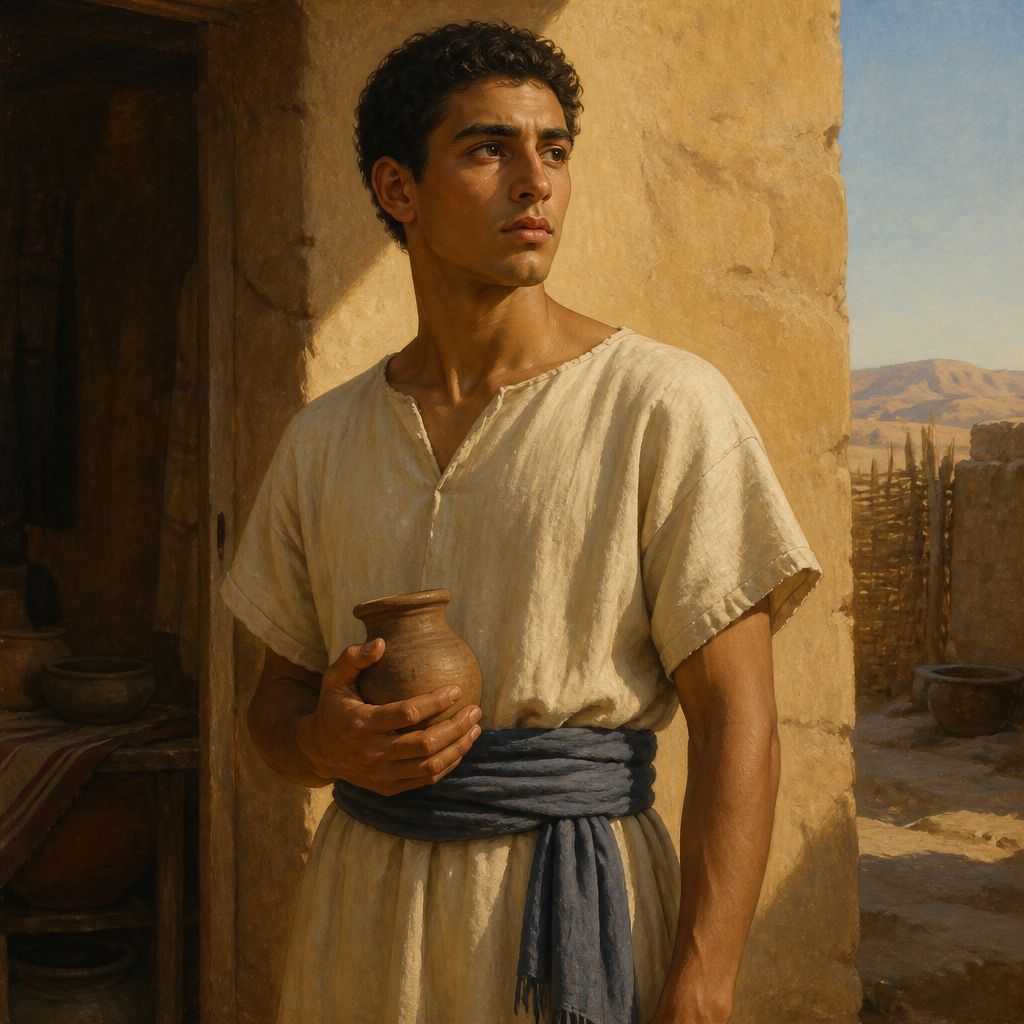
Sheber was a member of the Tribe of Judah and a son of Caleb, son of Hezron. His life is situated within the genealogical record of the Chronicler, specifically during the period of Israel's growth within Egypt and the subsequent transition toward the Promised Land. He was born to Maacah, a concubine of Caleb, distinguishing his lineage from that of Caleb’s primary wives.
While Sheber is not the subject of an extended narrative, his inclusion in the sacred genealogies serves to document the expansion of the Calebite clan. This clan was one of the most prominent and influential divisions within the Tribe of Judah, later securing significant territory in the hill country of Judea.
Background and Family
Sheber was born into the Tribe of Judah, the royal tribe of Israel. According to 1 Chronicles 2:48, his father was Caleb, the son of Hezron (not to be confused with Caleb the son of Jephunneh, though they were of the same tribal stock). His mother was Maacah, one of Caleb’s concubines. The genealogical structure of this chapter indicates that Sheber was part of the generation that lived during the latter portion of the Egyptian sojourn or the early stages of the Wilderness period.
His immediate family was extensive, reflecting the tribal practice of polygyny and the expansion of influential households. He is listed alongside his brother Tirhanah. Through his father, he shared kinship with prominent figures such as Hur, Mesha, and Achsah. The text identifies him as a direct descendant of Hezron, the grandson of Judah, placing him in the foundational era of the Israelite nation.
Major Life Events
The biblical text provides no specific narrative events regarding Sheber's personal life, occupation, or individual achievements. His mention is strictly genealogical. In the context of 1 Chronicles, his presence serves to validate the lineage of the Judean families that would eventually settle the land of Canaan. As a son of Caleb, he would have been part of the large migratory group that left Egypt during the Exodus, participating in the shared identity and trials of the Hebrew people in the desert.
Relationship to Other Biblical Figures
Sheber's primary significance lies in his connection to Caleb, son of Hezron. This Caleb was the brother of Jerahmeel and Ram, making Sheber a nephew of the line that eventually produced King David. He was surrounded by a vast network of siblings and half-siblings, including Shaaph, Sheva, and the brothers born to Ephah and other wives of Caleb. These relationships illustrate the complex social and familial structures of the early Tribe of Judah, where various branches of the family were meticulously tracked to preserve inheritance rights and tribal duties.
Spiritual Significance
While Sheber is a minor figure, his inclusion in the Bible underscores the theological theme of God's faithfulness to the individual within the collective. The Chronicler’s focus on the Tribe of Judah highlights the importance of the messianic line. By documenting Sheber, the text ensures that every branch of the house of Caleb is acknowledged as part of the covenant community. Even those without recorded deeds were seen as essential components of the people of God, contributing to the fulfillment of the promise that Abraham’s descendants would be as numerous as the stars.
The inclusion of Sheber in the genealogical records of 1 Chronicles 2 serves to establish the legitimacy and breadth of the Calebite clan within the Tribe of Judah. Historically, this confirms the demographic growth of the Israelites during the period of the Egyptian sojourn and their organization into distinct families and households. Theologically, Sheber represents the 'hidden' members of the covenant community who, though they performed no recorded miracles or leadership roles, were integral to the preservation of the tribal heritage leading to the Davidic monarchy.
Frequently Asked Questions
Who was Sheber's father?
Sheber was the son of Caleb, the son of Hezron, of the Tribe of Judah.
Who was Sheber's mother?
His mother was Maacah, who was a concubine of Caleb.
In which book of the Bible is Sheber mentioned?
Sheber is mentioned only once in the Bible, in 1 Chronicles 2:48.
What tribe did Sheber belong to?
He belonged to the Tribe of Judah.
Did Sheber have any siblings?
Yes, he had many siblings and half-siblings, including Tirhanah, Shaaph, Sheva, and Achsah.
Family & Relationships
Parents
 Caleb, Son of HezronFather1 Chronicles 2:48Stated
 Maacah, Concubine of CalebMother1 Chronicles 2:48Stated
 SheberThis page
 Hur of the Tribe of JudahBrother1 Chronicles 2:19Stated
 Acsah, Daughter of Caleb ben HezronSisterJoshua 15:17
Inferred
No verse names Sheber and Achsah together; the sister link is carried from the surrounding genealogy and is not stated in Scripture.Evidence: Joshua 15:17; 1 Chronicles 2:48
 ArdonBrother1 Chronicles 2:18
Inferred
Reconstructed through Caleb: 1 Chronicles 2:18 ties Ardon to Caleb (itself an inferred link); 1 Chronicles 2:48 ties Caleb to Sheber. No verse states the brother link between Ardon and Sheber directly.Evidence: 1 Chronicles 2:18
 Gazez, Grandson of CalebBrother1 Chronicles 2:46
Inferred
Reconstructed through Caleb and Moza: 1 Chronicles 2:48 ties Sheber to Caleb; 1 Chronicles 2:46 ties Caleb to Moza; 1 Chronicles 2:46 ties Moza to Gazez. No verse states the brother link between Sheber and Gazez directly.Evidence: 1 Chronicles 2:46
 GeshanBrother1 Chronicles 2:47
Inferred
Reconstructed through Caleb and Shaaph: 1 Chronicles 2:48 ties Sheber to Caleb; 1 Chronicles 2:49 ties Caleb to Shaaph; 1 Chronicles 2:47 ties Shaaph to Geshan. No verse states the brother link between Sheber and Geshan directly.Evidence: 1 Chronicles 2:47
 Haran, Son of CalebBrother1 Chronicles 2:46Stated
 JesherBrother1 Chronicles 2:18
Inferred
Reconstructed through Caleb: 1 Chronicles 2:18 ties Jesher to Caleb (itself an inferred link); 1 Chronicles 2:48 ties Caleb to Sheber. No verse states the brother link between Jesher and Sheber directly.Evidence: 1 Chronicles 2:18
 Jotham, Son of JahdaiBrother1 Chronicles 2:47
Inferred
Reconstructed through Shaaph and Caleb: 1 Chronicles 2:47 ties Jotham to Shaaph; 1 Chronicles 2:49 ties Shaaph to Caleb; 1 Chronicles 2:48 ties Caleb to Sheber. No verse states the brother link between Jotham and Sheber directly.Evidence: 1 Chronicles 2:47
 Mesha, Son of CalebBrother1 Chronicles 2:42Stated
 Moza, Son of CalebBrother1 Chronicles 2:46Stated
 Pelet, Son of JahdaiBrother1 Chronicles 2:47
Inferred
Reconstructed through Caleb and Shaaph: 1 Chronicles 2:48 ties Sheber to Caleb; 1 Chronicles 2:49 ties Caleb to Shaaph; 1 Chronicles 2:47 ties Shaaph to Pelet. No verse states the brother link between Sheber and Pelet directly.Evidence: 1 Chronicles 2:47
 RegemBrother1 Chronicles 2:47
Inferred
Reconstructed through Caleb and Shaaph: 1 Chronicles 2:48 ties Sheber to Caleb; 1 Chronicles 2:49 ties Caleb to Shaaph; 1 Chronicles 2:47 ties Shaaph to Regem. No verse states the brother link between Sheber and Regem directly.Evidence: 1 Chronicles 2:47
 Shaaph, Son of CalebBrother1 Chronicles 2:48Stated
 Shaaph, Son of JahdaiBrother1 Chronicles 2:46Stated
 ShevaBrother1 Chronicles 2:48Stated
 Shobab, Son of CalebBrother1 Chronicles 2:18
Inferred
Reconstructed through Caleb: 1 Chronicles 2:48 ties Sheber to Caleb; 1 Chronicles 2:18 ties Caleb to Shobab (itself an inferred link). No verse states the brother link between Sheber and Shobab directly.Evidence: 1 Chronicles 2:18
 TirhanahBrother1 Chronicles 2:48Stated
Connected Figures
Family
Father · 1 Chronicles 2:48
A prominent descendant of Judah and son of Hezron, Caleb was a foundational figure in the genealogical expansion of the Tribe of Judah during the Egyptian and wilderness eras.
Mother · 1 Chronicles 2:48
A woman within the genealogy of Judah who served as a concubine to Caleb, son of Hezron, during the Egypt and Wilderness era.
Egypt and WildernessFirst: 1 Chronicles 2:482 versesMatriarchJudah
Brother · 1 Chronicles 2:19
A prominent leader of the tribe of Judah who supported Moses' hands during the battle against Amalek and served as a temporary leader of Israel.
Sister · Joshua 15:17
A daughter of Caleb, son of Hezron, belonging to the tribe of Judah during the period of the Egyptian sojourn and the wilderness wanderings.
Brother · 1 Chronicles 2:18
A descendant of Judah through the line of Caleb and a member of the generation that experienced the transition from the Egyptian sojourn to the wilderness wanderings.
Brother · 1 Chronicles 2:46
Gazez was a member of the tribe of Judah during the Egypt and Wilderness era, identified as the son of Haran and a descendant of Caleb.
Brother · 1 Chronicles 2:47
A descendant of the tribe of Judah listed among the sons of Jahdai in the genealogical records of 1 Chronicles.
Egypt and WildernessFirst: 1 Chronicles 2:4710 versesTribal leader or head of householdJudah
Brother · 1 Chronicles 2:46
A member of the tribe of Judah, Haran was the son of Caleb and Ephah, and the father of Gazez during the period of Israel's growth.
Brother · 1 Chronicles 2:18
Jesher was a descendant of Judah and the first-named son of Caleb, son of Hezron, and his wife Azubah.
Brother · 1 Chronicles 2:47
A member of the tribe of Judah and descendant of Caleb, listed as the second son of Jahdai in the genealogical records of the Egypt and Wilderness era.
Brother · 1 Chronicles 2:42
Mesha was the firstborn son of Caleb ben Hezron within the tribe of Judah during the era of the Egyptian Sojourn and Wilderness.
Egypt and WildernessFirst: 1 Chronicles 2:4210 versesProgenitorJudah
Brother · 1 Chronicles 2:46
Moza was a descendant of the tribe of Judah, the son of the prominent leader Caleb and his concubine Ephah.
Categories
Mentions by Book
- Exodus1
- 1 Chronicles6
Scripture References
All 7 indexed verses, in canonical order, from the Berean Standard Bible.
Exodus · 1
- Exodus 17:10Partial
Joshua did as Moses had instructed him and fought against the Amalekites, while Moses, Aaron, and Hur went up to the top of the hill.
Cited as evidence on a family card; added so References, Key Verses and Mentions by Book share one index.
1 Chronicles · 6
- 1 Chronicles 2:18Partial
Caleb son of Hezron had children by his wife Azubah and by Jerioth. These were the sons of Azubah: Jesher, Shobab, and Ardon.
Cited as evidence on a family card; added so References, Key Verses and Mentions by Book share one index.
- 1 Chronicles 2:42Partial
The sons of Caleb the brother of Jerahmeel: Mesha his firstborn, who was the father of Ziph, and Mareshah his second son, who was the father of Hebron.
Cited as evidence on a family card; added so References, Key Verses and Mentions by Book share one index.
- 1 Chronicles 2:46Partial
Caleb’s concubine Ephah was the mother of Haran, Moza, and Gazez. Haran was the father of Gazez.
Cited as evidence on a family card; added so References, Key Verses and Mentions by Book share one index.
- 1 Chronicles 2:47Partial
The sons of Jahdai: Regem, Jotham, Geshan, Pelet, Ephah, and Shaaph.
Cited as evidence on a family card; added so References, Key Verses and Mentions by Book share one index.
- 1 Chronicles 2:48
Caleb’s concubine Maacah was the mother of Sheber and Tirhanah.
- 1 Chronicles 2:49Partial
She was also the mother of Shaaph father of Madmannah, and of Sheva father of Machbenah and Gibea. Caleb’s daughter was Acsah.
Cited as evidence on a family card; added so References, Key Verses and Mentions by Book share one index.