Ashhur
Who was Ashhur in the Bible?
Ashhur was a descendant of Judah through Hezron and the recognized founder of the settlement of Tekoa, distinguished by his large family and dual lineage.
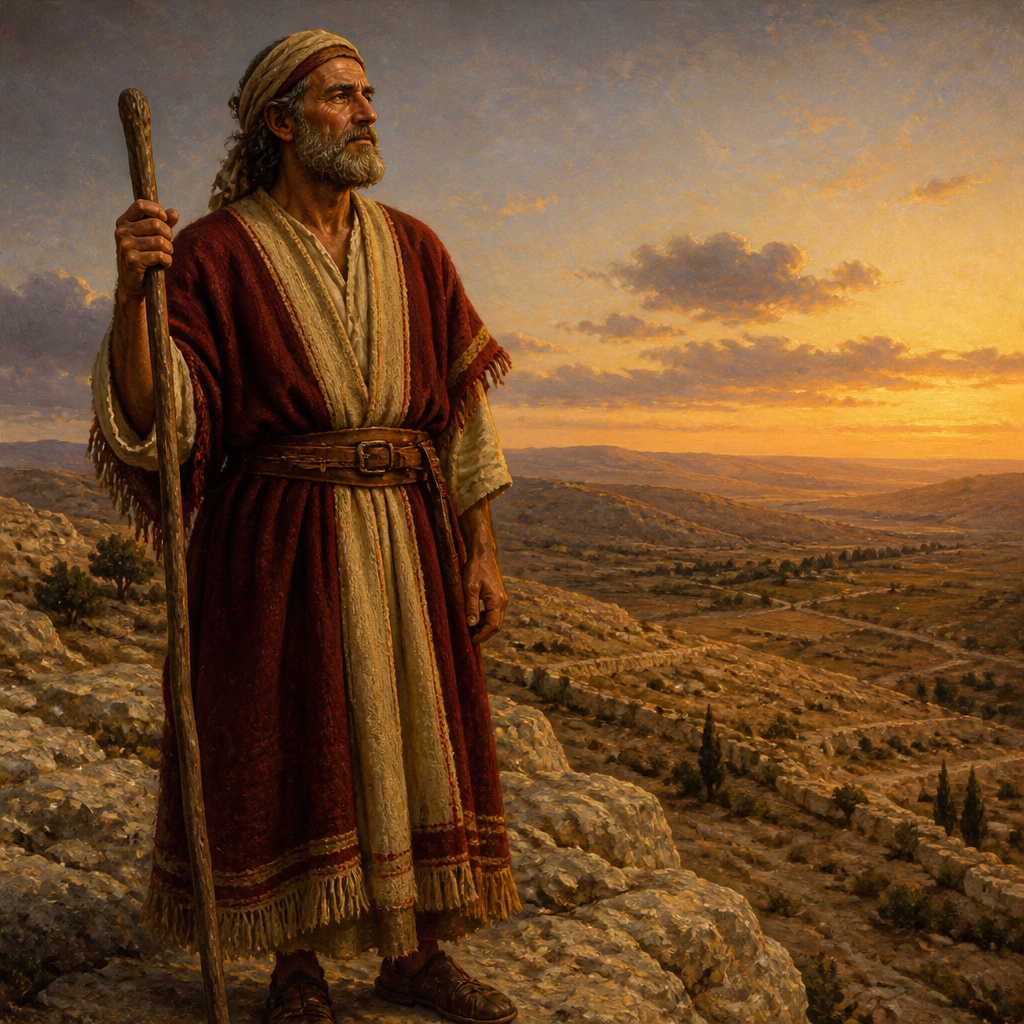
Ashhur is a figure mentioned in the genealogical records of the tribe of Judah within the books of Chronicles. He was a son of Hezron, born under unique circumstances following his father's death. His mother was Abijah, and he was a grandson of Perez, placing him in the direct royal line of Judah that would eventually lead to King David.
He is primarily identified in the biblical text as the "father of Tekoa," a title that likely signifies his role as the founder or chief settler of the town of Tekoa in the hill country of Judah. His life and descendants are cataloged to establish the demographic and geographical boundaries of the tribe during the period of the Egyptian sojourn and the subsequent transition of the Israelites.
Background and Family
The biblical account of Ashhur is situated within the complex post-exilic genealogies of 1 Chronicles, which sought to re-establish the identity of the tribes of Israel. Ashhur was the son of Hezron, one of the five sons of Perez and a grandson of the patriarch Judah. According to 1 Chronicles 2:24, Ashhur was born posthumously: "After Hezron died in Caleb-ephrathah, his wife Abijah bore to him Ashhur the father of Tekoa."
Ashhur’s immediate family was substantial, reflecting the biblical theme of divine blessing through progeny. The text records that he had two wives, Helah and Naarah. Through Naarah, he fathered Ahuzzam, Hepher, Temeni, and Haahashtari. Through Helah, his sons were Zereth, Izhar, and Ethnan. The chronicler also notes Koz as part of this lineage. This extensive list of descendants highlights Ashhur’s importance in the tribal structure of Judah, as these names likely represent both individuals and the sub-clans that populated the region.
Major Life Events
While the biblical record does not provide a narrative account of Ashhur’s specific actions or dialogue, his primary legacy is the establishment of Tekoa. In the genealogical language of the Old Testament, being the "father" of a city often indicates being the ancestral head of the clan that settled and governed that specific location. Tekoa, located approximately five miles south of Bethlehem, would later become famous as the home of the prophet Amos and the "wise woman" who intervened during the reign of King David.
Ashhur’s birth marks a point of transition in the house of Hezron. As a brother to prominent figures like Ram (an ancestor of David), Jerahmeel, and Caleb, Ashhur represents a branch of the Judahite nobility. His placement in the genealogy serves to bridge the gap between the initial settlement in Egypt and the eventual territorial organization of the Promised Land.
Relationship to Other Biblical Figures
Ashhur is deeply integrated into the most significant lineage of the Old Testament. As the son of Hezron, he is the sibling of Ram, who is a direct link in the messianic line of Jesus Christ (Matthew 1:3-4). He is also the brother of Caleb (the son of Hezron, not to be confused with Caleb the spy) and Jerahmeel.
His relationship with his two wives, Helah and Naarah, is specifically mentioned in 1 Chronicles 4:5, a detail that distinguishes him from many other figures in the genealogical lists who are mentioned only in passing. This detail emphasizes his status as a patriarch within his own right, separate from the lines of his more famous brothers.
Spiritual Significance
The inclusion of Ashhur in the Chronicles serves a theological purpose: demonstrating God's faithfulness in expanding the tribe of Judah despite the death of its leaders (such as Hezron). The preservation of his name and the names of his seven sons ensures that the inheritance of the land remained within the ordained familial lines. For the original readers of Chronicles, Ashhur was a reminder of their roots in the wilderness and the early days of their tribal identity, affirming their right to the land of Judah and the city of Tekoa.
Ashhur’s significance lies in his role as a tribal patriarch and the founder of Tekoa. His genealogy links the early patriarchs of the Egyptian sojourn to the later geographical settlements in Judah. By listing his two wives and numerous sons, the Bible underscores the fulfillment of the promise to multiply the seed of Abraham, specifically within the tribe of Judah.
Additionally, Ashhur provides a genealogical anchor for the region of Tekoa. This town would eventually become a strategic military site and a center for prophetic activity, showing that the foundations laid by figures like Ashhur in the early tribal history of Israel provided the stage for later major events in salvation history.
Frequently Asked Questions
Who was Ashhur's father?
Ashhur was the son of Hezron, a prominent leader in the tribe of Judah.
What city is Ashhur associated with?
Ashhur is known as the 'father of Tekoa,' indicating he was the founder or chief ancestor of the people of that city.
Who were Ashhur's wives?
The Bible identifies his two wives as Helah and Naarah.
How many sons did Ashhur have?
The text mentions at least seven sons: Ahuzzam, Hepher, Temeni, Haahashtari, Zereth, Izhar, and Ethnan, along with Koz.
When was Ashhur born?
Ashhur was born after the death of his father Hezron, during the era of the Egyptian sojourn and the wilderness period.
Family & Relationships
Parents
 Hezron, Son of PerezFather1 Chronicles 2:24Stated
 Abijah, Wife of HezronMother1 Chronicles 2:24Stated
 AshhurThis page
 Ram, Son of HezronBrother1 Chronicles 2:24–25Stated
 Jerahmeel, Son of HezronBrother1 Chronicles 2:24–25Stated
 Caleb, Son of HezronBrother1 Chronicles 2:24Stated
 Segub, Son of HezronBrother1 Chronicles 2:21–24Stated
Children
 AhuzzamSon1 Chronicles 4:5–6Stated
 EthnanSon1 Chronicles 4:5–7Stated
 HaahashtariSon1 Chronicles 4:5–6Stated
 Hepher, Son of AshhurSon1 Chronicles 4:5–6Stated
 KozSon1 Chronicles 4:5–8Stated
 TemeniSon1 Chronicles 4:5–6Stated
 ZerethSon1 Chronicles 4:5–7Stated
 Zohar, Son of HelahSon1 Chronicles 2:24
Inferred
No verse names Izhar and Ashhur together; the father link is carried from the surrounding genealogy and is not stated in Scripture.Evidence: 1 Chronicles 2:24
Connected Figures
Family
Father · 1 Chronicles 2:24
A high-ranking member of the tribe of Judah and a direct ancestor in the Davidic and Messianic lineage.
Egypt and WildernessFirst: Genesis 46:1213 versesClan FounderJudah
Mother · 1 Chronicles 2:24
A woman of the tribe of Judah who became the wife of Hezron and mother of Ashhur during the Egyptian sojourn.
Egypt and WildernessFirst: 1 Chronicles 2:245 versesMatriarchJudah

Wife · 1 Chronicles 4:5
One of the two wives of Ashhur, a descendant of Judah, and the mother of four sons listed in the genealogies of the Chronicler.
Egypt and WildernessFirst: 1 Chronicles 4:54 versesMatriarchJudah

Wife · 1 Chronicles 4:5
A woman of the tribe of Judah and one of two wives of Ashhur, the father of Tekoa, mother to four sons mentioned in the post-exilic genealogical records.
Egypt and WildernessFirst: 1 Chronicles 4:52 versesMatriarchJudah
Son · 1 Chronicles 4:5–6
A member of the tribe of Judah and the firstborn son of Ashhur and Naarah during the Egypt and Wilderness era.
Son · 1 Chronicles 4:5–7
Ethnan was a member of the Tribe of Judah, identified in the genealogical records of 1 Chronicles as a descendant of Ashhur and Helah.
Son · 1 Chronicles 4:5–6
A descendant of Judah through the line of Ashhur and Naarah, listed in the post-exilic genealogies of the chronicler.
Egypt and WildernessFirst: 1 Chronicles 4:64 versesClan descendantJudah
Son · 1 Chronicles 4:5–6
A descendant of Judah and son of Ashhur who is recorded in the genealogical records of the Egypt and Wilderness era.
Egypt and WildernessFirst: 1 Chronicles 4:64 versesTribal descendantJudah
Son · 1 Chronicles 4:5–8
A descendant of Judah through Ashhur, Koz was a clan leader during the Egyptian sojourn and Wilderness era whose lineage is recorded in the genealogies of 1 Chronicles.
Son · 1 Chronicles 4:5–6
Temeni was a descendant of the tribe of Judah and the son of Ashhur and Naarah, recorded in the genealogies of 1 Chronicles.
Son · 1 Chronicles 4:5–7
Zereth was a descendant of the tribe of Judah, named as the firstborn son of Ashhur and Helah within the genealogical records of the Chronicler.
Son · 1 Chronicles 2:24
Izhar was a descendant of Judah through the line of Ashhur and his wife Helah, identified in the chronicler’s genealogical records of the Egypt and Wilderness era.
Egypt and WildernessFirst: 1 Chronicles 4:74 versesClan representativeJudah
Categories
Mentions by Book
- 1 Chronicles9
Scripture References
All 9 indexed verses, in canonical order, from the Berean Standard Bible.
1 Chronicles · 9
- 1 Chronicles 2:21Partial
Later, Hezron slept with the daughter of Machir the father of Gilead. He had married her when he was sixty years old, and she bore to him Segub.
Cited as evidence on a family card; added so References, Key Verses and Mentions by Book share one index.
- 1 Chronicles 2:22Partial
Segub was the father of Jair, who had twenty-three cities in the land of Gilead.
Cited as evidence on a family card; added so References, Key Verses and Mentions by Book share one index.
- 1 Chronicles 2:23Partial
But Geshur and Aram captured Havvoth-jair, along with Kenath and its sixty surrounding villages. All these were descendants of Machir the father of Gilead.
Cited as evidence on a family card; added so References, Key Verses and Mentions by Book share one index.
- 1 Chronicles 2:24
After Hezron died in Caleb-ephrathah, his wife Abijah bore to him Ashhur the father of Tekoa.
- 1 Chronicles 2:25Partial
The sons of Jerahmeel the firstborn of Hezron: Ram his firstborn, Bunah, Oren, Ozem, and Ahijah.
Cited as evidence on a family card; added so References, Key Verses and Mentions by Book share one index.
- 1 Chronicles 4:5
Ashhur the father of Tekoa had two wives, Helah and Naarah.
- 1 Chronicles 4:6Partial
Naarah bore to him Ahuzzam, Hepher, Temeni, and Haahashtari. These were the descendants of Naarah.
Cited as evidence on a family card; added so References, Key Verses and Mentions by Book share one index.
- 1 Chronicles 4:7Partial
The sons of Helah were Zereth, Zohar, Ethnan,
Cited as evidence on a family card; added so References, Key Verses and Mentions by Book share one index.
- 1 Chronicles 4:8Partial
and Koz, who was the father of Anub and Zobebah and of the clans of Aharhel son of Harum.
Cited as evidence on a family card; added so References, Key Verses and Mentions by Book share one index.