Ethnan
Who was Ethnan in the Bible?
Ethnan was a member of the Tribe of Judah, identified in the genealogical records of 1 Chronicles as a descendant of Ashhur and Helah.
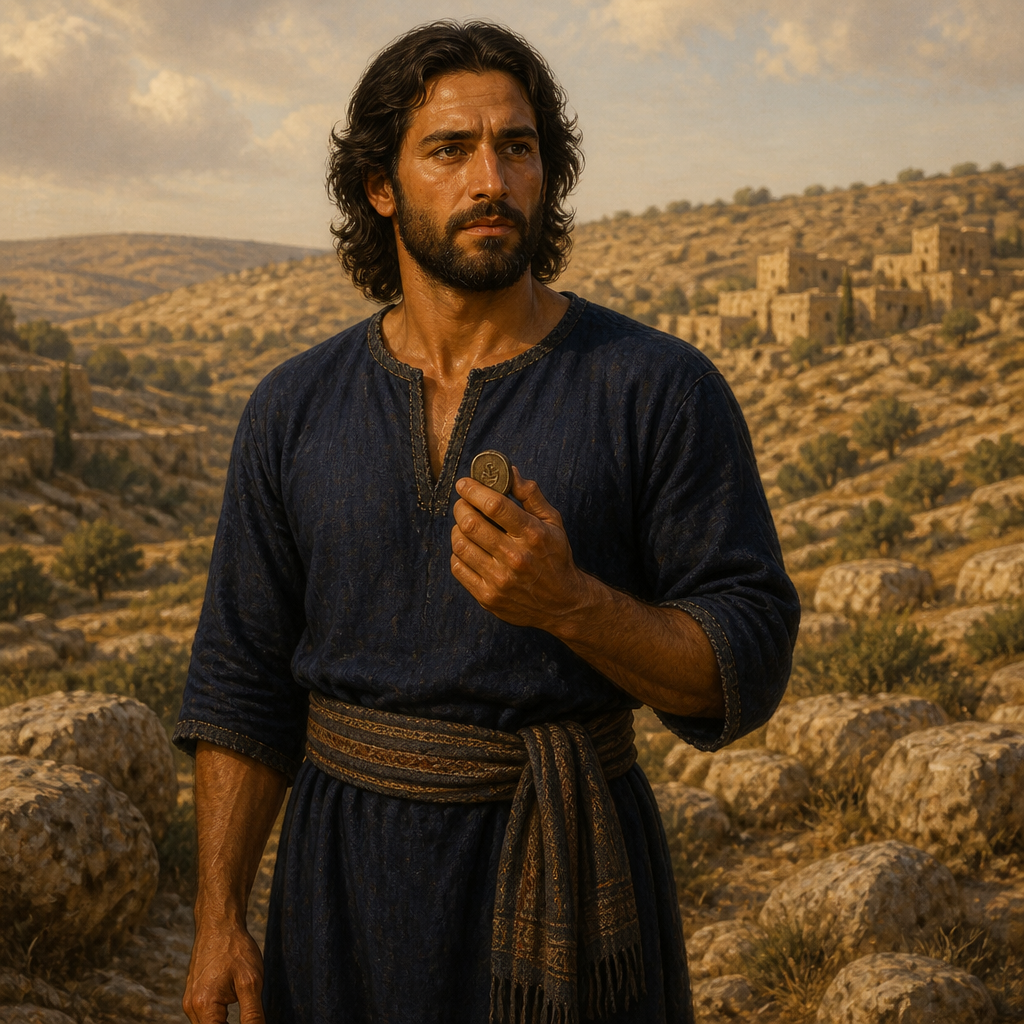
Ethnan is a figure recorded in the genealogical registers of the Old Testament, specifically within the Tribe of Judah. His name appears during the literary context of the Egypt and Wilderness era, though the lineage he represents traces back to the earlier clan structures of Israel. As the son of Ashhur and Helah, Ethnan is positioned within a specific branch of the Calebite or Judahite line that settled in the region of Tekoa.
While the biblical record provides only his name and immediate kinship, Ethnan serves as a vital link in the preservation of tribal identity. His inclusion in the post-exilic records of 1 Chronicles demonstrates the importance of lineage in establishing legal and religious claims to the land of Judah following the Babylonian captivity.
Background and Family
Ethnan is situated within the complex genealogical framework of the Tribe of Judah. According to 1 Chronicles 4:7, Ethnan was the son of Ashhur, who is described as the "father" (or founder/chief) of Tekoa, and his wife Helah. The text identifies his full brothers as Zereth and Zohar (also rendered as Izhar in some manuscripts).
Ethnan’s wider family circle included his half-siblings born to Ashhur’s second wife, Naarah, which included Ahuzzam, Hepher, Temeni, and Haahashtari. This extensive list of siblings and half-siblings suggests that Ethnan belonged to a large and influential clan within the Judahite territory, specifically associated with the rugged highlands south of Jerusalem.
Major Life Events
The biblical text does not record specific biographical events, speeches, or actions attributed to Ethnan. His life is preserved exclusively through his placement in the tribal chronicles. In the Ancient Near East, and particularly within Hebrew culture, being named in such a register was a significant event in itself. It signified the individual’s status as a legitimate heir and a recognized member of the covenant community. During the Egypt and Wilderness era, these family lines defined land ownership and military obligations.
Relationship to Other Biblical Figures
Ethnan’s primary relationship is to his father, Ashhur. As a descendant of Judah, Ethnan is part of the royal lineage that eventually produced the Davidic kings, though his specific branch (the descendants of Helah) remained distinct from the direct line of David. He is also closely linked to the geography of Tekoa, a town later made famous by the prophet Amos and the "wise woman" who counselled King David. His siblings—Zereth, Zohar, and his half-brothers—represent the various sub-clans that populated the region of Judah during the monarchy.
Spiritual Significance
While Ethnan’s personal spiritual life is not detailed, his presence in the Holy Scriptures underscores the theological theme of God’s remembrance. In the Chronicler's view, the listing of names like Ethnan served to prove that God had not forgotten the individual members of His people, even those who did not perform miraculous deeds or hold the throne. Ethnan represents the "common" Israelite whose identity was rooted in his family and his God-given inheritance in the Promised Land. His name, derived from a root meaning "hire" or "gift," contributes to the tapestry of the Judahite identity which the Bible portrays as the vehicle for the eventual Messiah.
His inclusion in the genealogies of 1 Chronicles highlights the meticulous care taken by biblical authors to preserve the identity of the clans of Judah, ensuring that every family had a recorded place within the covenant community.
Theological scholars often note that figures like Ethnan illustrate the 'quiet' history of Israel—the generations of families who maintained the tribal structure and land allotments that were central to the Mosaic Law. By maintaining these records, the biblical text affirms that every individual, regardless of their lack of narrative fame, was a necessary component of the nation's history and God's sovereign plan.
Frequently Asked Questions
What does the name Ethnan mean?
The name Ethnan (אֶתְנַן) is derived from the Hebrew root meaning 'a gift' or 'hire'.
Which tribe did Ethnan belong to?
Ethnan was a member of the Tribe of Judah, specifically from the clan of Ashhur, the father of Tekoa.
Who were Ethnan's parents?
His father was Ashhur and his mother was Helah, one of Ashhur's two wives.
Where is Ethnan mentioned in the Bible?
Ethnan is mentioned only once in the Bible, in the genealogical records of 1 Chronicles 4:7.
Family & Relationships
 EthnanThis page
 AhuzzamBrother1 Chronicles 4:5–7Stated
 HaahashtariBrother1 Chronicles 4:5–7Stated
 Hepher, Son of AshhurBrother1 Chronicles 4:5–7Stated
 KozBrother1 Chronicles 4:7–8Stated
 TemeniBrother1 Chronicles 4:5–7Stated
 ZerethBrother1 Chronicles 4:7Stated
 Zohar, Son of HelahBrother1 Chronicles 4:7
Inferred
No verse names Izhar and Ethnan together; the brother link is carried from the surrounding genealogy and is not stated in Scripture.Evidence: 1 Chronicles 4:7
Connected Figures
Family

Father · 1 Chronicles 4:5–7
Ashhur was a descendant of Judah through Hezron and the recognized founder of the settlement of Tekoa, distinguished by his large family and dual lineage.
Egypt and WildernessFirst: 1 Chronicles 2:249 versesFounder of TekoaJudah

Mother · 1 Chronicles 4:7
One of the two wives of Ashhur, a descendant of Judah, and the mother of four sons listed in the genealogies of the Chronicler.
Egypt and WildernessFirst: 1 Chronicles 4:54 versesMatriarchJudah
Brother · 1 Chronicles 4:5–7
A member of the tribe of Judah and the firstborn son of Ashhur and Naarah during the Egypt and Wilderness era.
Brother · 1 Chronicles 4:5–7
A descendant of Judah through the line of Ashhur and Naarah, listed in the post-exilic genealogies of the chronicler.
Egypt and WildernessFirst: 1 Chronicles 4:64 versesClan descendantJudah
Brother · 1 Chronicles 4:5–7
A descendant of Judah and son of Ashhur who is recorded in the genealogical records of the Egypt and Wilderness era.
Egypt and WildernessFirst: 1 Chronicles 4:64 versesTribal descendantJudah
Brother · 1 Chronicles 4:7–8
A descendant of Judah through Ashhur, Koz was a clan leader during the Egyptian sojourn and Wilderness era whose lineage is recorded in the genealogies of 1 Chronicles.
Brother · 1 Chronicles 4:5–7
Temeni was a descendant of the tribe of Judah and the son of Ashhur and Naarah, recorded in the genealogies of 1 Chronicles.
Brother · 1 Chronicles 4:7
Zereth was a descendant of the tribe of Judah, named as the firstborn son of Ashhur and Helah within the genealogical records of the Chronicler.
Brother · 1 Chronicles 4:7
Izhar was a descendant of Judah through the line of Ashhur and his wife Helah, identified in the chronicler’s genealogical records of the Egypt and Wilderness era.
Egypt and WildernessFirst: 1 Chronicles 4:74 versesClan representativeJudah
Mentions by Book
- 1 Chronicles4
Scripture References
All 4 indexed verses, in canonical order, from the Berean Standard Bible.
1 Chronicles · 4
- 1 Chronicles 4:5Partial
Ashhur the father of Tekoa had two wives, Helah and Naarah.
Cited as evidence on a family card; added so References, Key Verses and Mentions by Book share one index.
- 1 Chronicles 4:6Partial
Naarah bore to him Ahuzzam, Hepher, Temeni, and Haahashtari. These were the descendants of Naarah.
Cited as evidence on a family card; added so References, Key Verses and Mentions by Book share one index.
- 1 Chronicles 4:7
The sons of Helah were Zereth, Zohar, Ethnan,
- 1 Chronicles 4:8Partial
and Koz, who was the father of Anub and Zobebah and of the clans of Aharhel son of Harum.
Cited as evidence on a family card; added so References, Key Verses and Mentions by Book share one index.