Abijah, Wife of Hezron
Who was Abijah, Wife of Hezron, in the Bible?
A woman of the tribe of Judah who became the wife of Hezron and mother of Ashhur during the Egyptian sojourn.
Abiah (also rendered as Abijah in some translations) was a woman of the tribe of Judah during the period of the Egyptian sojourn and the subsequent development of the Israelite clans. She is specifically noted in the genealogical records of the Chronicler as the wife of Hezron, a grandson of the patriarch Judah through Perez. Her inclusion in these specialized records highlights her role in the preservation and expansion of the Messianic line of Judah.
The biblical account identifies her as the mother of Ashhur, who would go on to be the 'father' or founder of the settlement of Tekoa. Abiah’s narrative is inextricably linked to the transitions within Hezron’s family following his death in Caleb-ephrathah, marking a specific branch of the Judean lineage that would remain significant throughout Israel’s history.
Background and Family
Abiah lived during the era when the Israelites were establishing their tribal identities, likely during the latter portion of the Egyptian sojourn or the transition toward the wilderness period. According to 1 Chronicles 2:24, she was the wife of Hezron, the son of Perez and grandson of Judah. Hezron is a pivotal figure in biblical genealogy, as he is a direct ancestor of King David and Jesus Christ. Abiah entered this lineage as a later wife of Hezron.
The text notes that her marriage and the birth of her son occurred around the time of Hezron's death in a location identified as Caleb-ephrathah. This geographical marker is significant as it links the family of Hezron to the region of Bethlehem (Ephrathah), which would later become the heartland of the tribe of Judah.
Major Life Events
Abiah’s recorded life centers on a specific moment of transition. The biblical text states: "After Hezron died in Caleb-ephrathah, his wife Abijah bore to him Ashhur the father of Tekoa" (1 Chronicles 2:24). This phrasing suggest a posthumous birth or a birth occurring immediately following the death of the patriarch.
Her primary contribution to the biblical narrative is the birth of her son, Ashhur. Through Ashhur, Abiah became the matriarchal ancestor of the inhabitants of Tekoa, a town that would later gain fame as the home of the prophet Amos and the 'wise woman' who intervened during the reign of David. The record of her name ensures that this specific branch of the Hezronite line is distinguished from the lines of Hezron’s other sons, such as Jerahmeel and Ram.
Relationship to Other Biblical Figures
Abiah was the daughter-in-law of Perez and the wife of Hezron. Her son, Ashhur, represents the continuation of the family legacy into the regional geography of Canaan. While she is not mentioned as frequently as other matriarchs, her placement in the 1 Chronicles genealogy situates her among the foundational figures of the Southern Kingdom's nobility. Because she was the wife of Hezron, she is positioned within the broader family structure that includes famous descendants like Caleb and Nahshon, though the text does not explicitly detail her interactions with them.
Spiritual Significance
In the context of 1 Chronicles, names like Abiah are included to demonstrate God’s faithfulness in multiplying the seed of Abraham as promised. Her presence in the text serves a structural and theological purpose: it validates the heritage of the people of Tekoa and affirms their status within the covenant community of Judah. Even in a brief mention, Abiah represents the vital role of women in maintaining the tribal integrity and territorial claims of Israel during their formative years.
Abiah’s significance lies in her role as a link in the genealogical chain of the tribe of Judah. By bearing Ashhur to Hezron, she provided the ancestral foundation for the town of Tekoa, ensuring that the legal and lineage rights of that region were documented within the sacred record. Her inclusion reflects the Chronicler's effort to provide a complete picture of Judah's expansion and the diverse branches of the family that produced the nation's leaders.
Furthermore, Abiah represents the resilience of the Israelite family unit. The birth of her son following the death of her husband, Hezron, illustrates the theme of life and continuity prevailing over death—a recurring motif in the history of the covenant people as they moved toward the fulfillment of the promise of a homeland.
Frequently Asked Questions
Who was Abiah's husband?
Abiah was the wife of Hezron, who was the son of Perez and the grandson of the patriarch Judah.
Who was Abiah's son?
Abiah was the mother of Ashhur, who is described as the 'father' or founder of the town of Tekoa.
When did Abiah live?
She lived during the Egyptian Sojourn/Exodus era, specifically during the generation when the tribal families of Judah were expanding.
Where is Abiah mentioned in the Bible?
Abiah is mentioned in the genealogical records of 1 Chronicles 2:24.
Is Abiah the same as Abijah?
Yes, in many English translations like the Berean Standard Bible or KJV, the name in 1 Chronicles 2:24 is rendered as Abijah, which is a variant of the same Hebrew name.
Family & Relationships
 Hezron, Son of PerezHusband1 Chronicles 2:24Stated
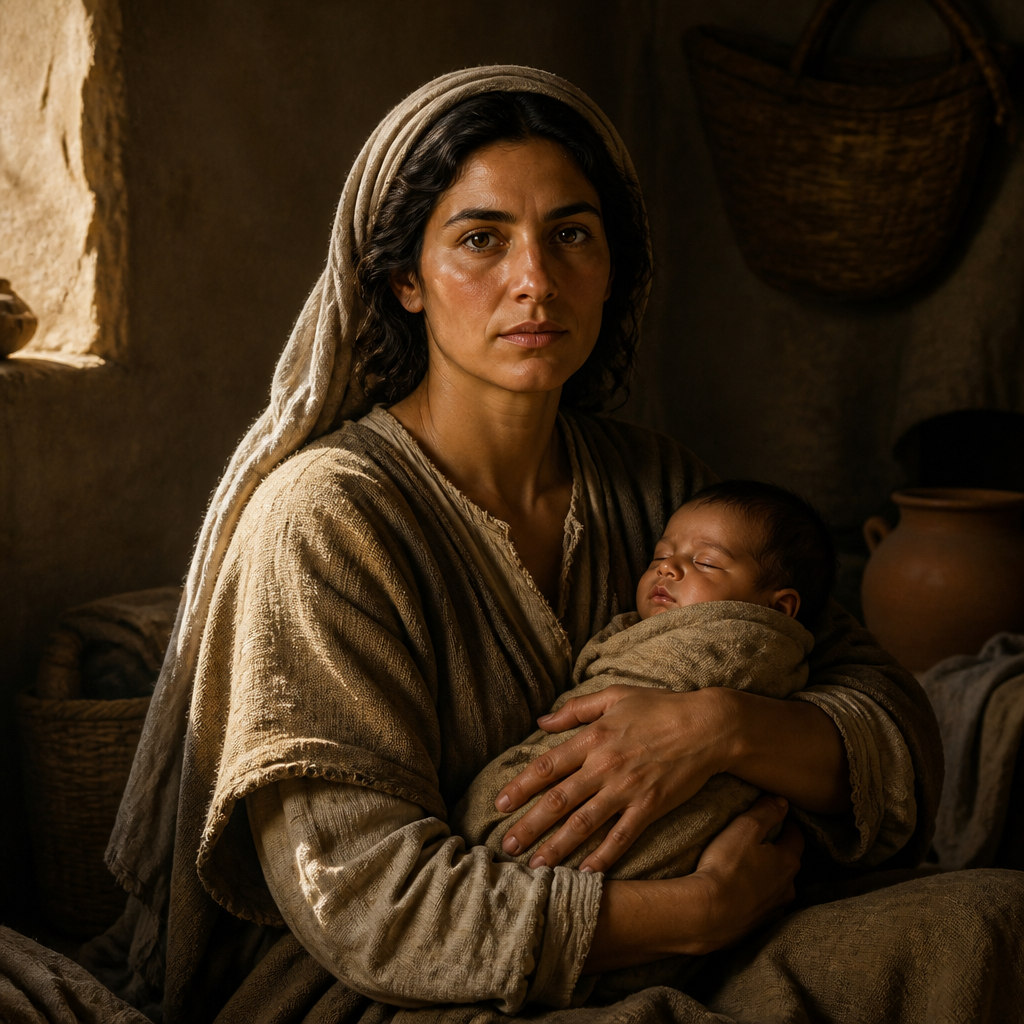 Abijah, Wife of HezronThis page
Children
 AshhurSon1 Chronicles 2:24Stated
Extended family
 PerezFather-in-law1 Chronicles 2:24
Inferred
No verse names Abiah and Perez together; the father-in-law link is carried from the surrounding genealogy and is not stated in Scripture.Evidence: 1 Chronicles 2:24; Genesis 46:12; Ruth 4:18; 1 Chronicles 2:5; Matthew 1:3
Connected Figures
Family
Husband · 1 Chronicles 2:24
A high-ranking member of the tribe of Judah and a direct ancestor in the Davidic and Messianic lineage.
Egypt and WildernessFirst: Genesis 46:1213 versesClan FounderJudah
Son · 1 Chronicles 2:24
Ashhur was a descendant of Judah through Hezron and the recognized founder of the settlement of Tekoa, distinguished by his large family and dual lineage.
Egypt and WildernessFirst: 1 Chronicles 2:249 versesFounder of TekoaJudah
Father-in-law · 1 Chronicles 2:24
The son of Judah and Tamar, known for his breach-birth and as the ancestor of the primary clan of Judah and the Davidic line.
Categories
Mentions by Book
- Genesis1
- Ruth1
- 1 Chronicles2
- Matthew1
Scripture References
All 5 indexed verses, in canonical order, from the Berean Standard Bible.
Genesis · 1
- Genesis 46:12Partial
The sons of Judah: Er, Onan, Shelah, Perez, and Zerah; but Er and Onan died in the land of Canaan. The sons of Perez: Hezron and Hamul.
Cited as evidence on a family card; added so References, Key Verses and Mentions by Book share one index.
Ruth · 1
- Ruth 4:18Partial
Now these are the generations of Perez: Perez was the father of Hezron,
Cited as evidence on a family card; added so References, Key Verses and Mentions by Book share one index.
1 Chronicles · 2
- 1 Chronicles 2:5Partial
The sons of Perez: Hezron and Hamul.
Cited as evidence on a family card; added so References, Key Verses and Mentions by Book share one index.
- 1 Chronicles 2:24
After Hezron died in Caleb-ephrathah, his wife Abijah bore to him Ashhur the father of Tekoa.
Matthew · 1
- Matthew 1:3Partial
Judah was the father of Perez and Zerah by Tamar, Perez the father of Hezron, and Hezron the father of Ram.
Cited as evidence on a family card; added so References, Key Verses and Mentions by Book share one index.