
Kings
Who is on this listMen and women who reigned as monarchs over a named kingdom or city-state in Scripture.
Every person in the Bible tagged Kings on Everybody in the Bible.
The biblical narrative identifies various individuals as Kings, a role defined by sovereign authority over a city-state, a nation, or an empire. While the requirements for kingship varied by culture, the text describes these figures as military leaders, judicial authorities, and religious representatives. In the early history of Israel, the people requested a human ruler to lead them in battle and judge them like the surrounding nations (1 Samuel 8:5–20). The office often involved a formal anointing or coronation, and in the case of the Davidic line, the role was tied to a specific covenant regarding a perpetual dynasty (2 Samuel 7:12–16).
The text records diverse figures who held this office across different regions and eras. Saul was the first to rule the United Monarchy of Israel before being rejected by God (1 Samuel 9:2). David established the Davidic dynasty and defeated Goliath (Ruth 4:17). Solomon, his son, built the first Temple and was famous for his wisdom (2 Samuel 5:14). Among the foreign rulers, Pharaoh invited Jacob's family to settle in Goshen (Genesis 37:36), while Pharaoh opposed Moses and was defeated at the Red Sea (Exodus 3.10). Other regional leaders include Balak, the king of Moab who hired a prophet to curse the Israelites (Numbers 22:2), and Hiram, who provided timber and labor for the Temple construction (2 Samuel 5:11).
Following the division of the kingdom, the office was held by men with varying religious and political legacies. Jeroboam son of Nebat established golden calf worship at Bethel and Dan (1 Kings 11:26), while Rehoboam presided over the initial division of the monarchy (1 Kings 11:43). Some rulers, such as Hezekiah were noted for reforming the Temple and surviving foreign sieges (2 Kings 16:20). In contrast, Ahab promoted the worship of Baal (1 Kings 16:28), and Manasseh was notorious for his long reign of idolatry (2 Kings 20:21). The era of the Judean monarchy concluded with Zedekiah, who witnessed the destruction of Jerusalem (2 Kings 24:17).
The role of the king is central to the biblical story as it tracks the rise and fall of nations based on the ruler's adherence to divine law. The text portrays the king as a shepherd or a representative whose actions directly impact the welfare of the people (2 Samuel 24:17). The failures and successes of these individuals provide the framework for the historical books, illustrating the consequences of leadership choices. Ultimately, the lineage of these rulers, particularly the house of David serves as the genealogical foundation for the promised messianic figure (Matthew 1:1–17).
Everyone in this list
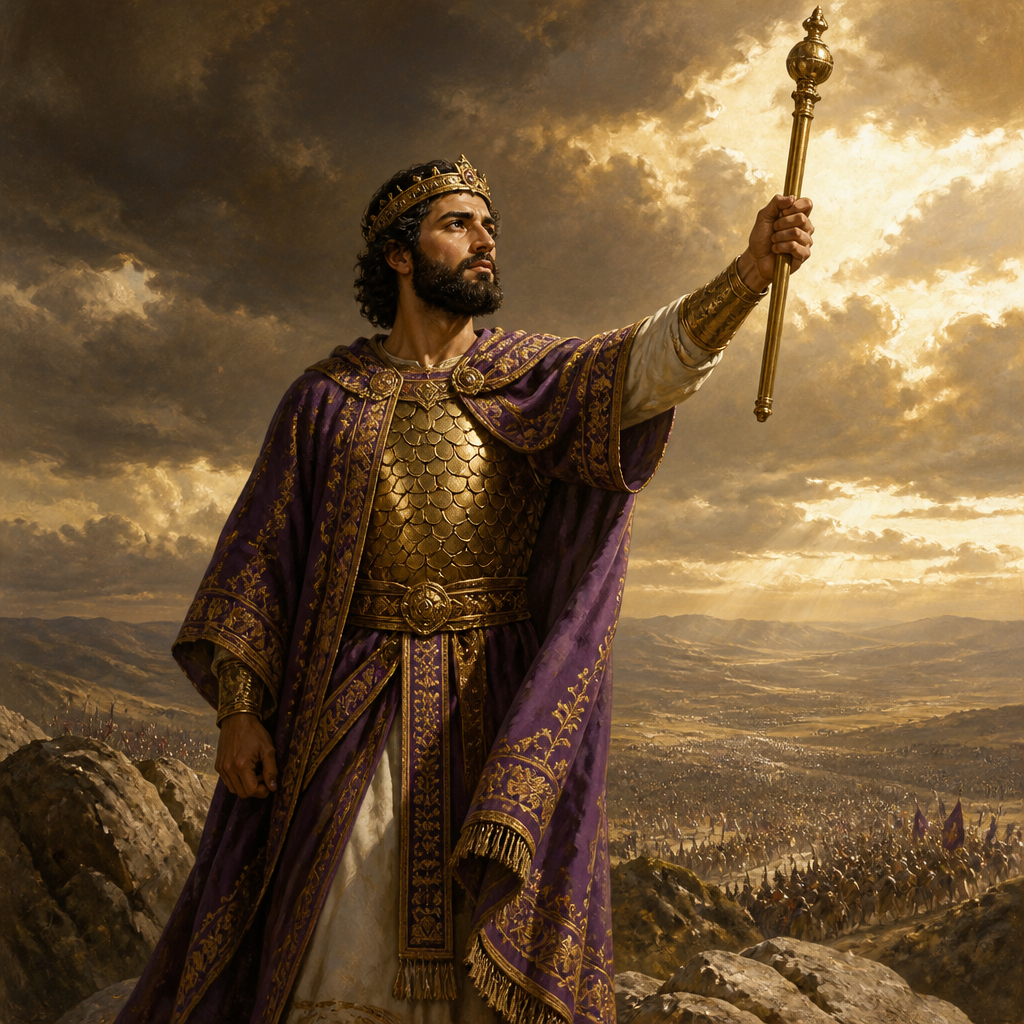
Abijah, King of Judah
King of Judah who defeated Jeroboam I and defended the Davidic covenant
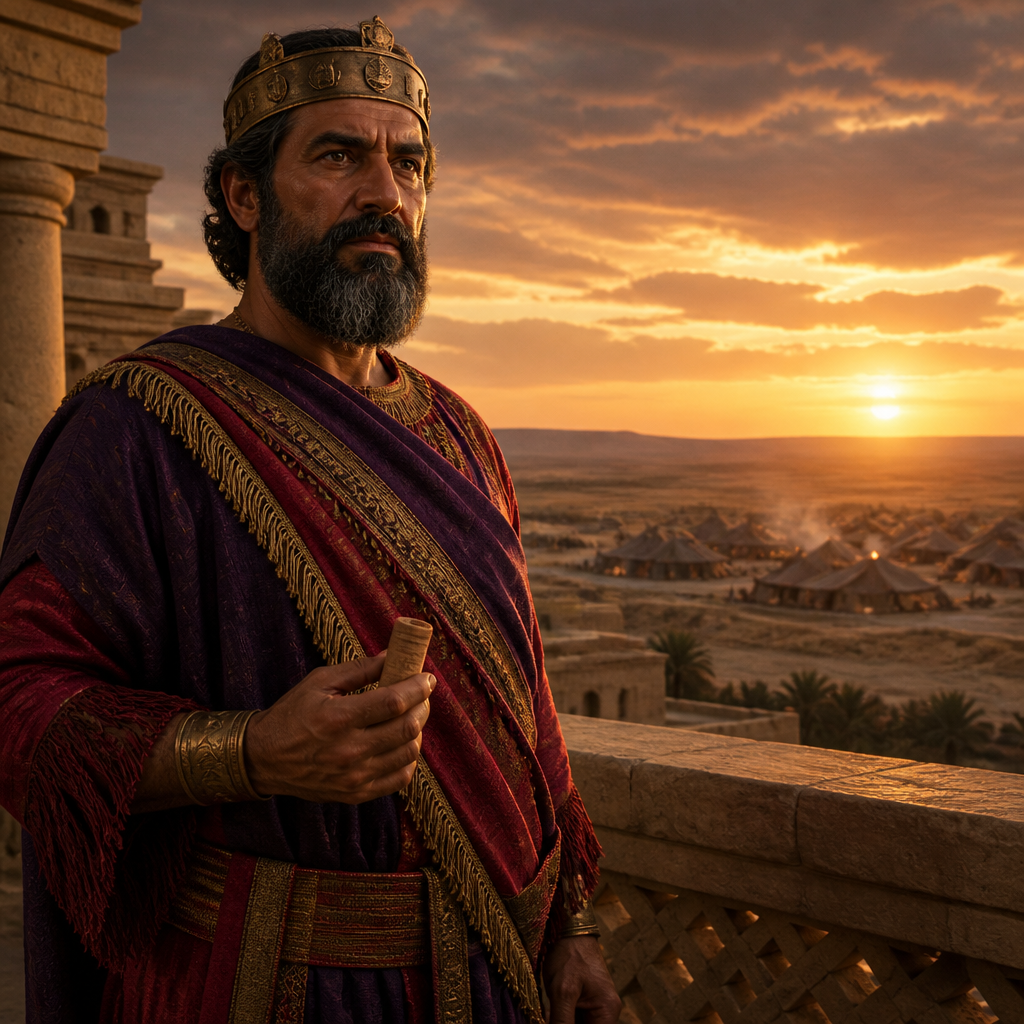
Abimelech, King of Gerar
King of Gerar who made covenants with Abraham and Isaac
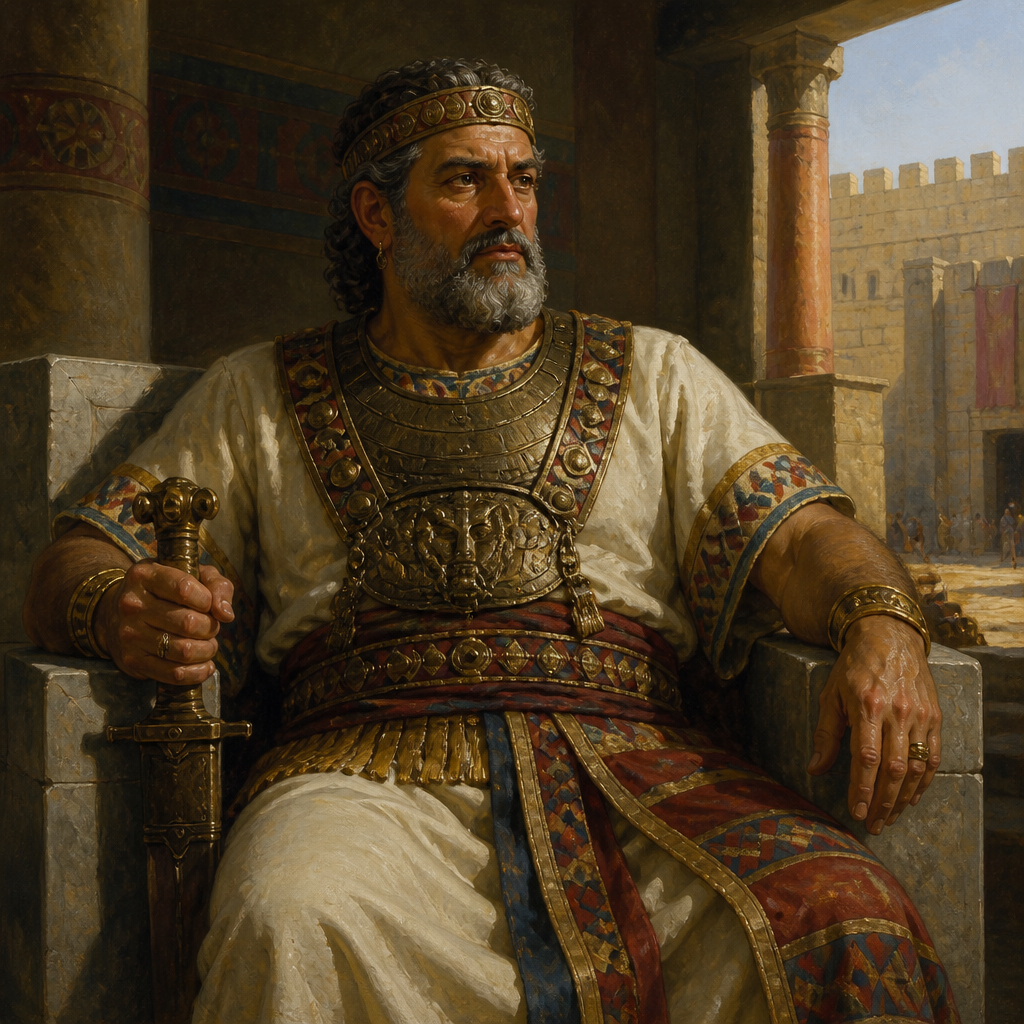
Achish
King of Gath who protected David from Saul and gave him the city of Ziklag
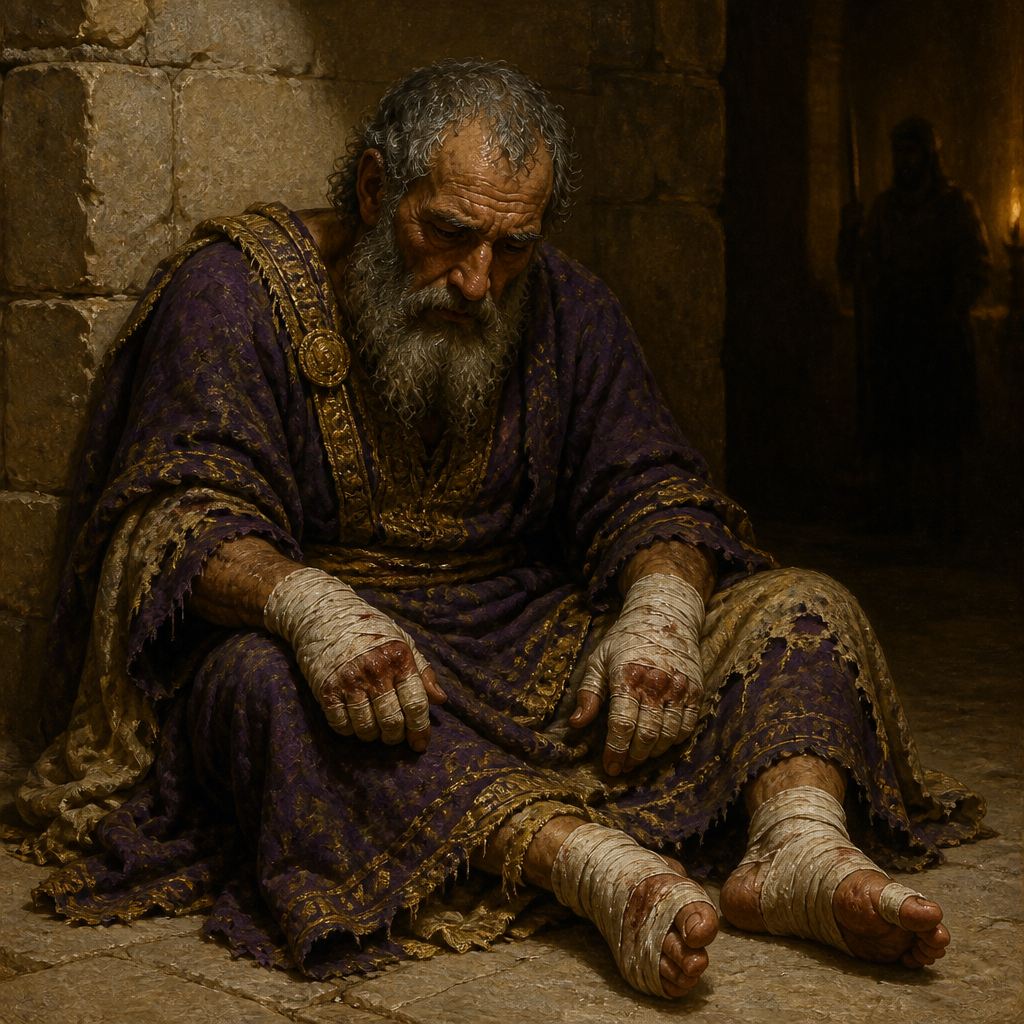
Adoni-bezek
Canaanite king who acknowledged divine justice after being mutilated
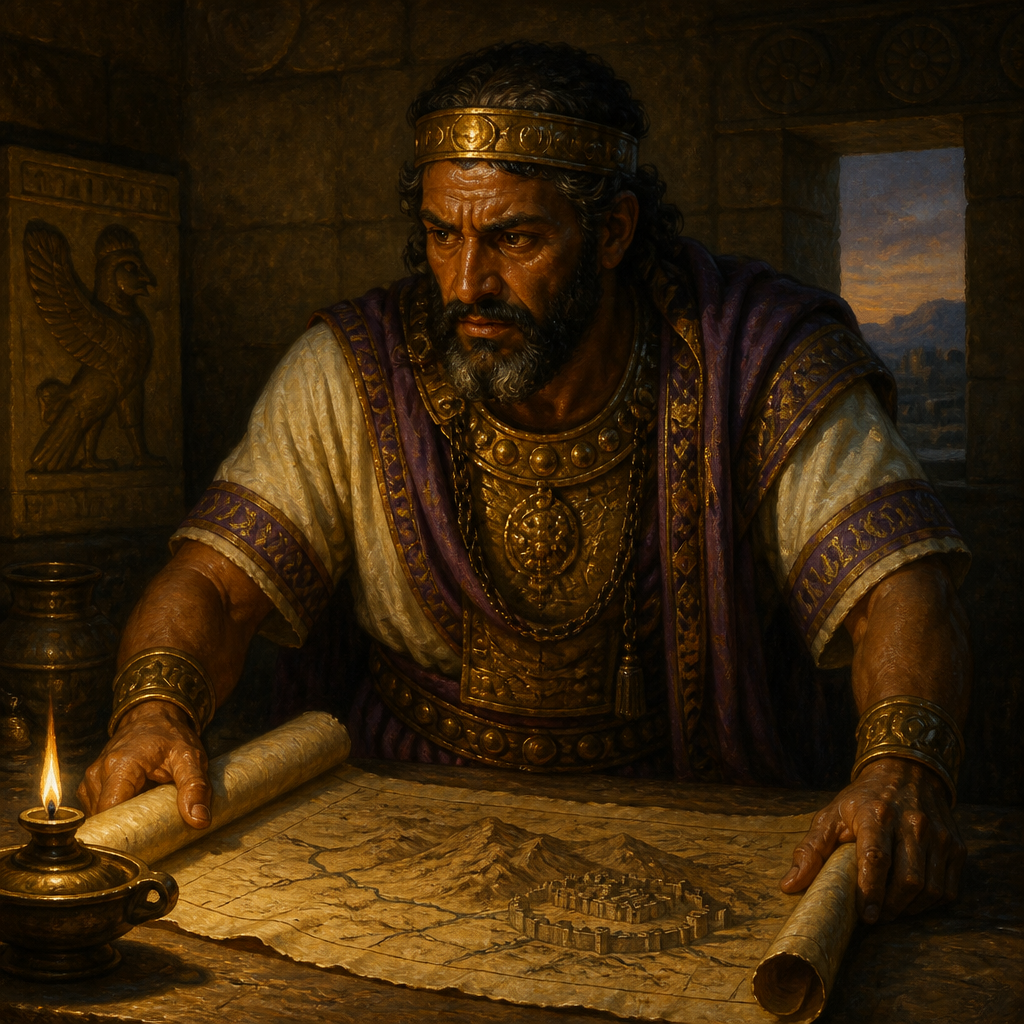
Adoni-zedek
King of Jerusalem who led the five-king Amorite coalition against Joshua
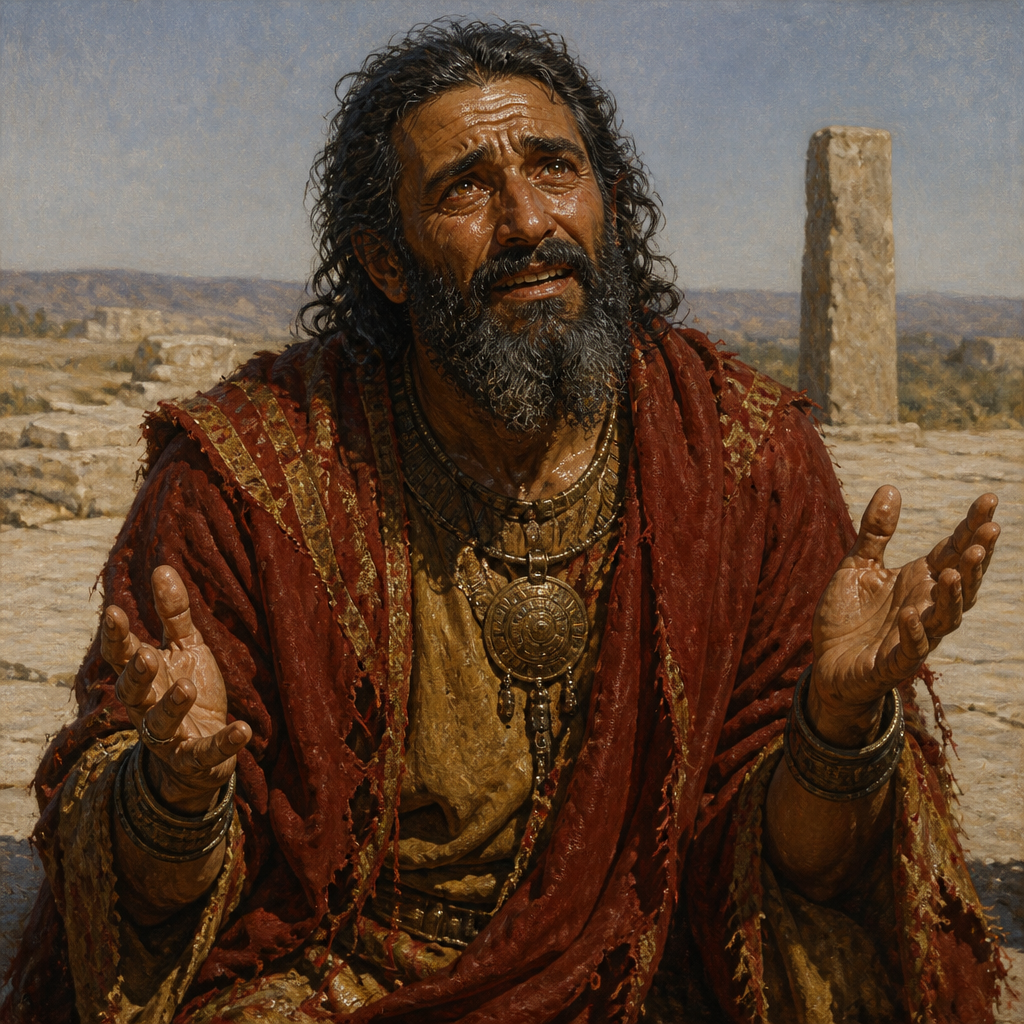
Agag, King of the Amalekites
King of the Amalekites whose life was spared by Saul but ended by the prophet Samuel
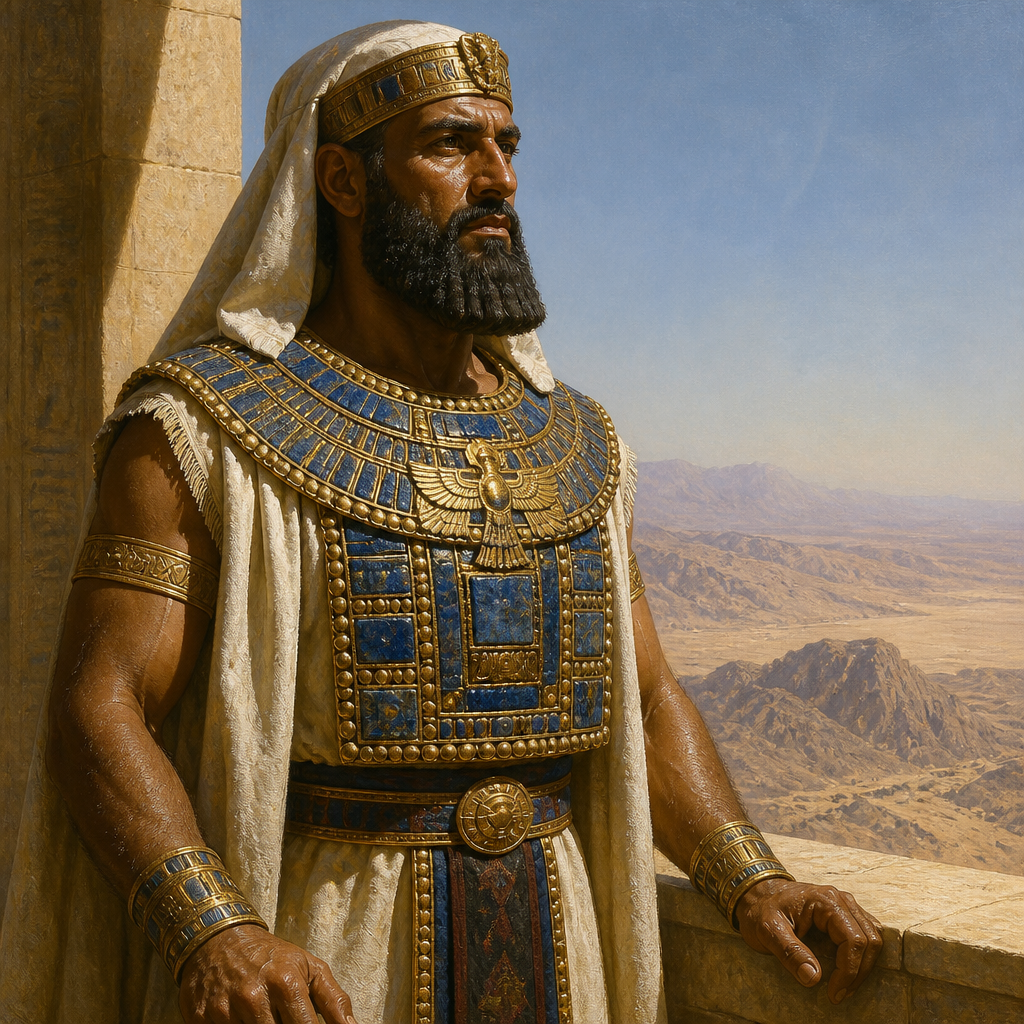
Agag, King of the Wilderness Era
King used as a standard of greatness in Balaam's prophecy
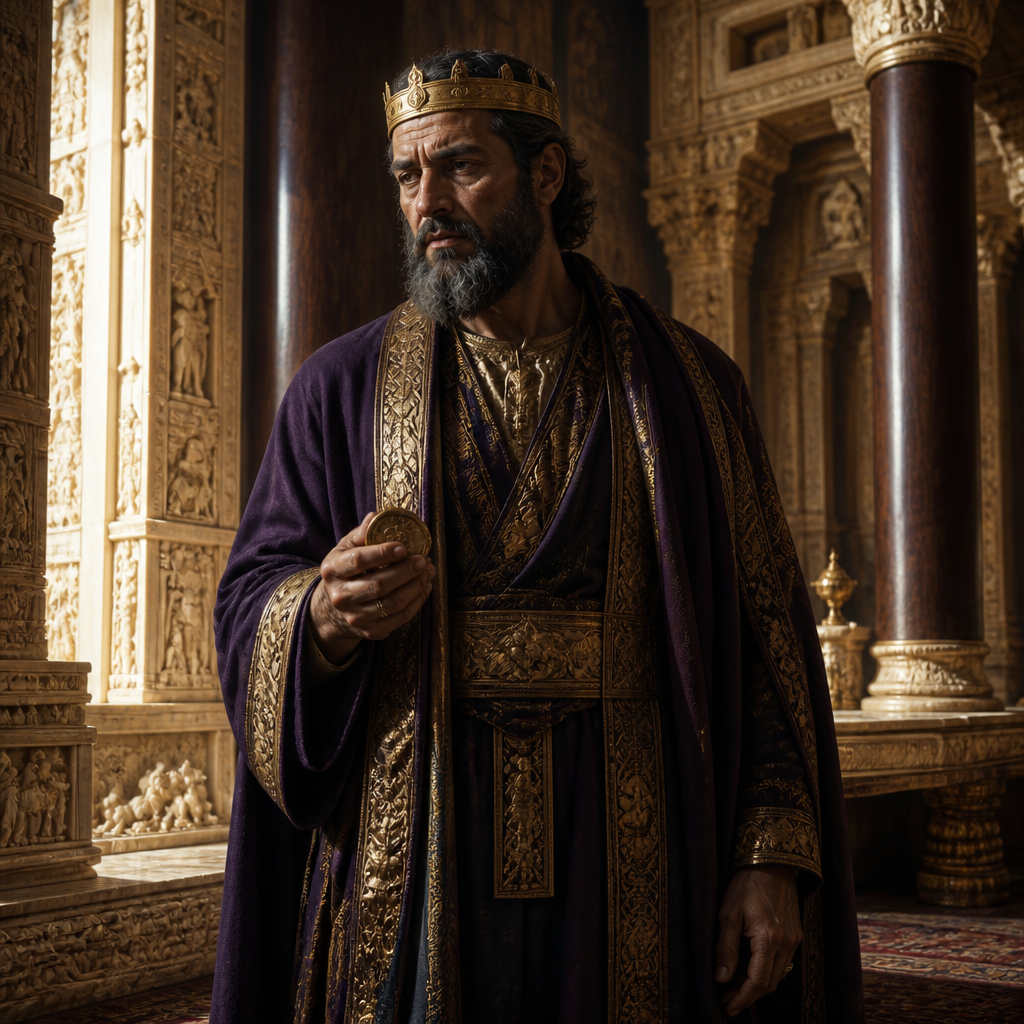
Ahab, King of Israel
King of Israel who married Jezebel and promoted the worship of Baal
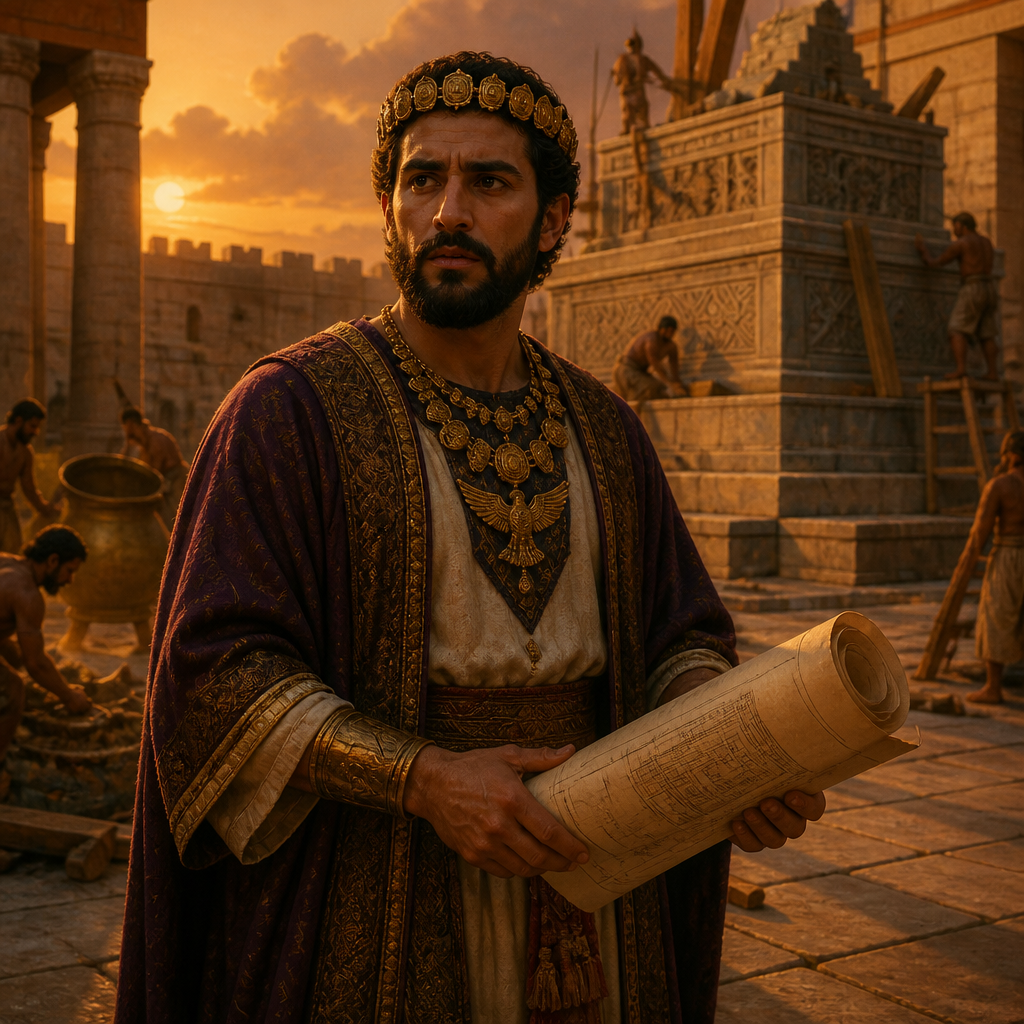
Ahaz, King of Judah
King of Judah who practiced child sacrifice and replaced the Temple altar with a pagan design
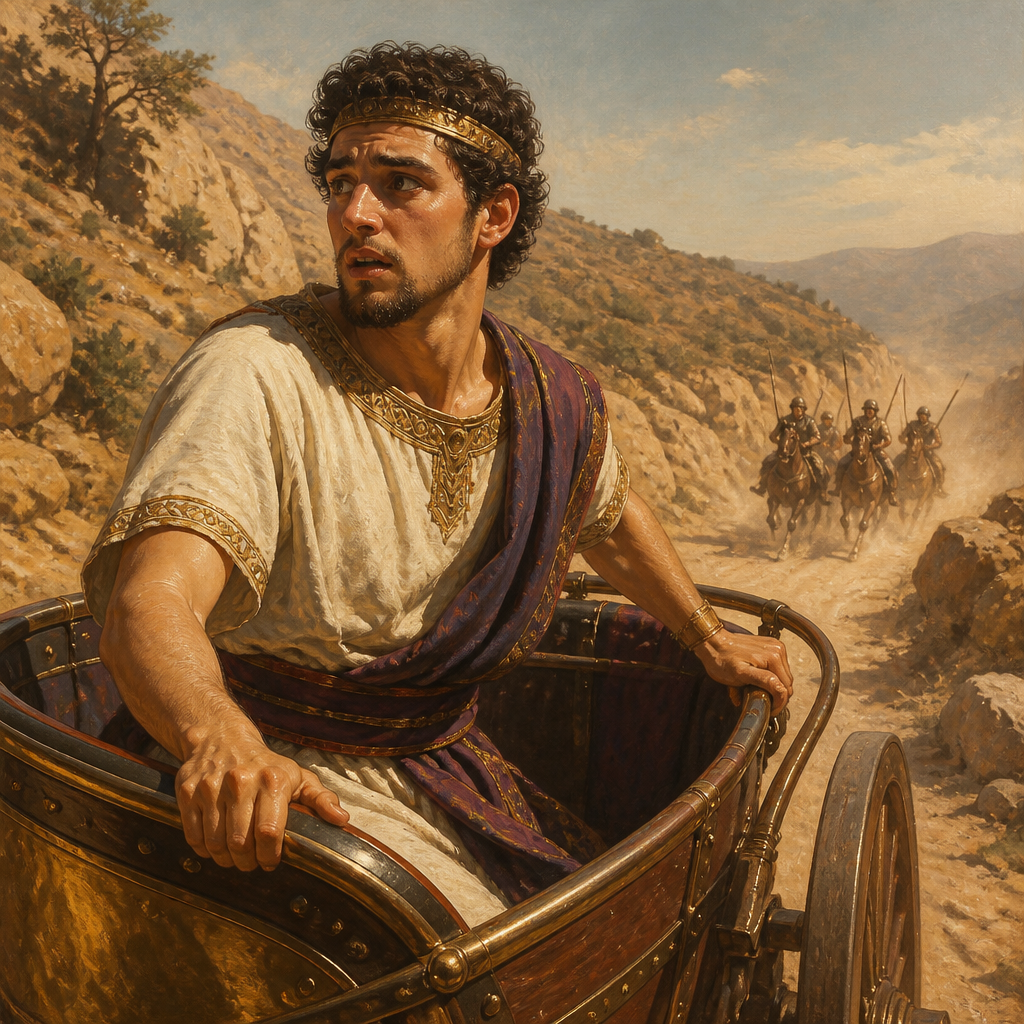
Ahaziah, King of Judah
King of Judah who was killed by Jehu during the purge of the house of Ahab
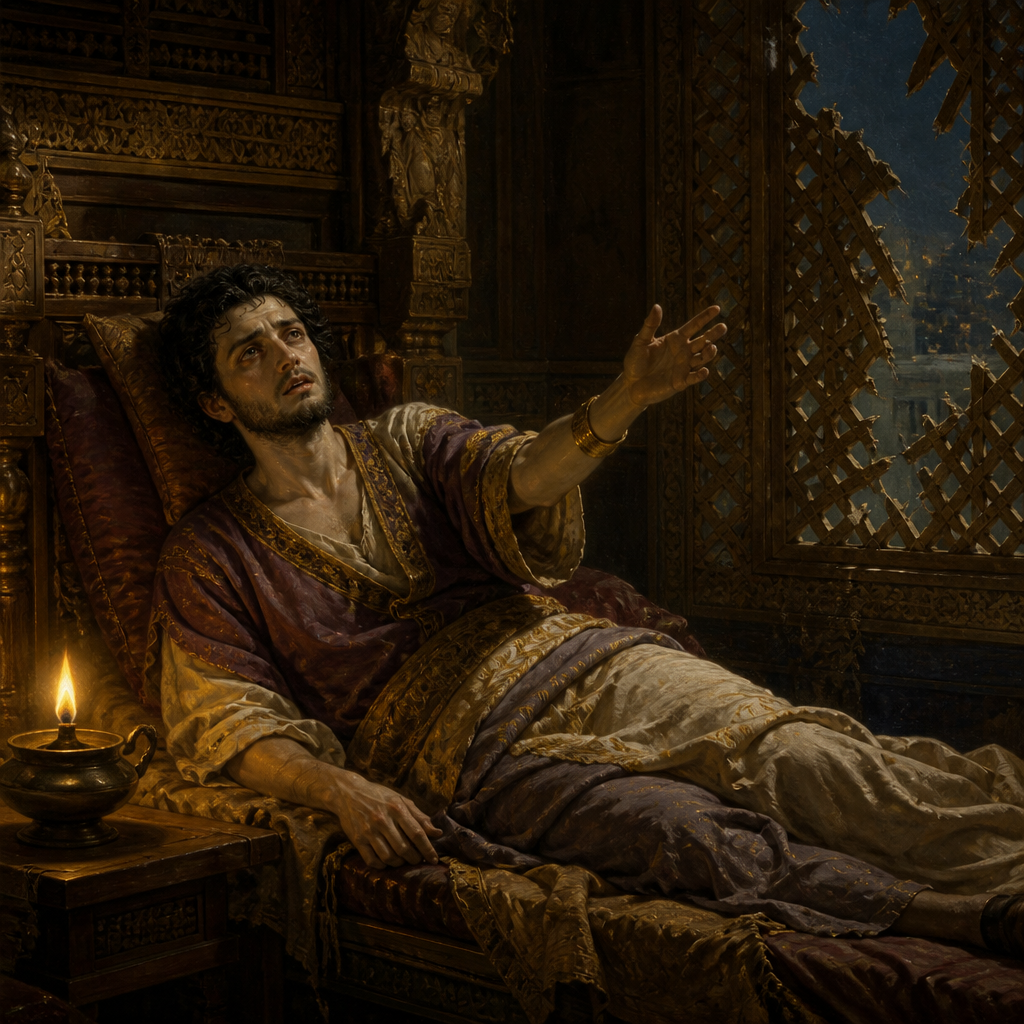
Ahaziah, Son of Ahab
King of Israel who died after falling through a lattice and seeking counsel from Baal-Zebub
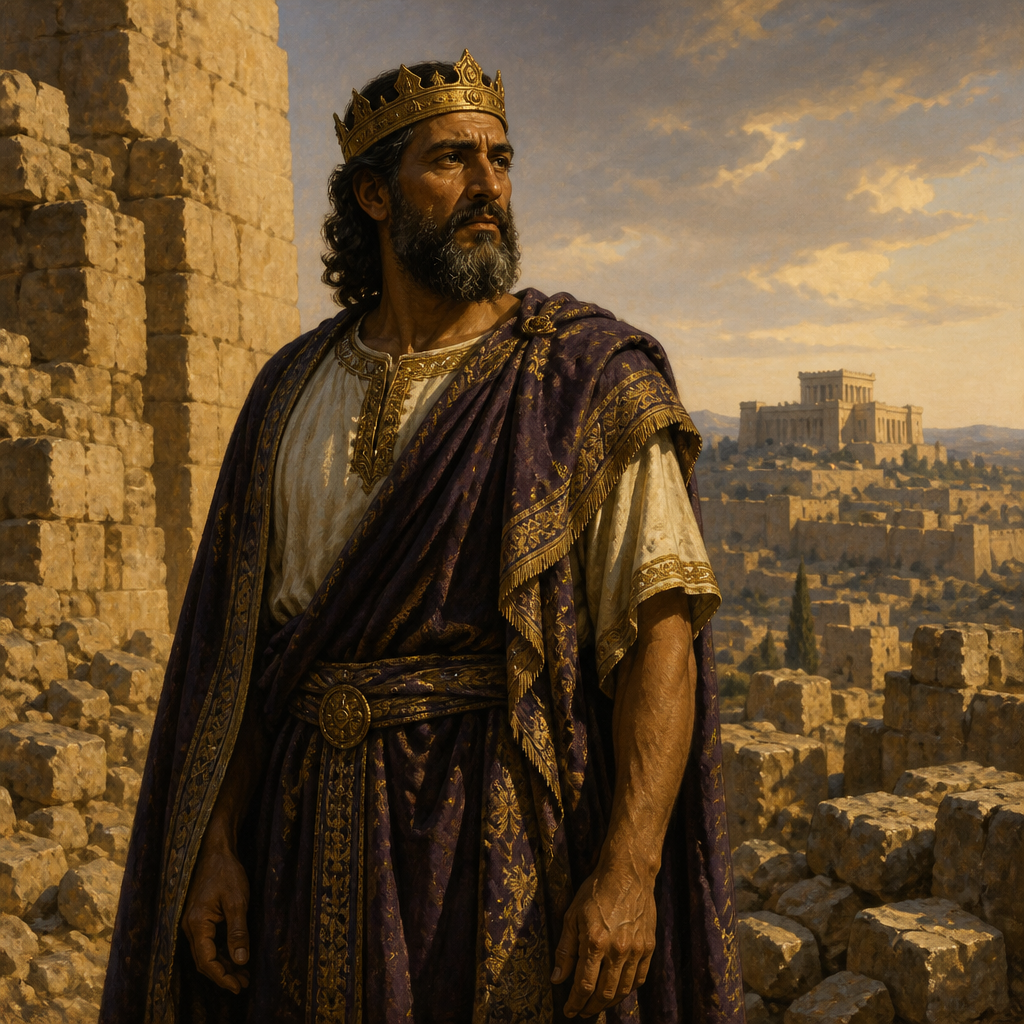
Amaziah, King of Judah
King of Judah who defeated Edom but lost to Israel after turning to idolatry

Amon, King of Judah
King of Judah who was assassinated by his servants after a two-year reign of idolatry
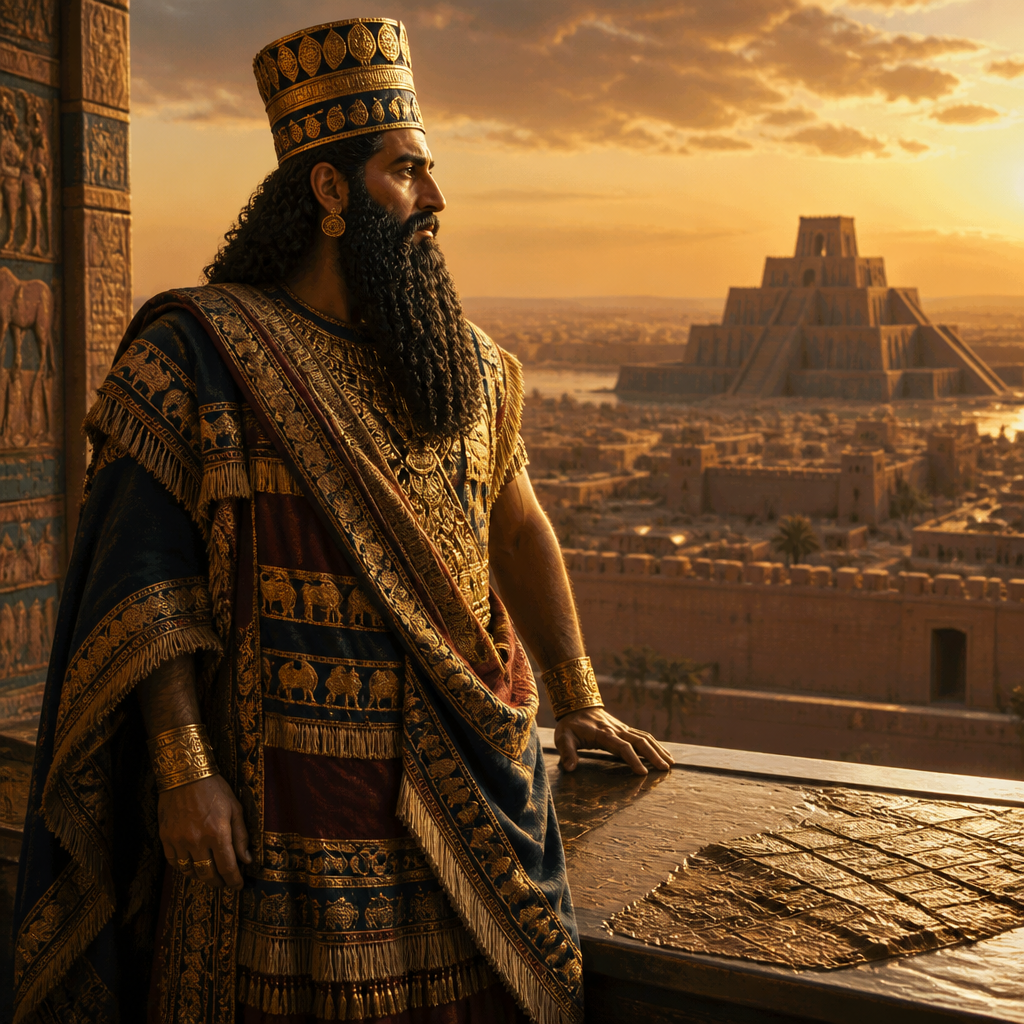
Amraphel
Leader of a Mesopotamian coalition in the Battle of the Siddim Valley
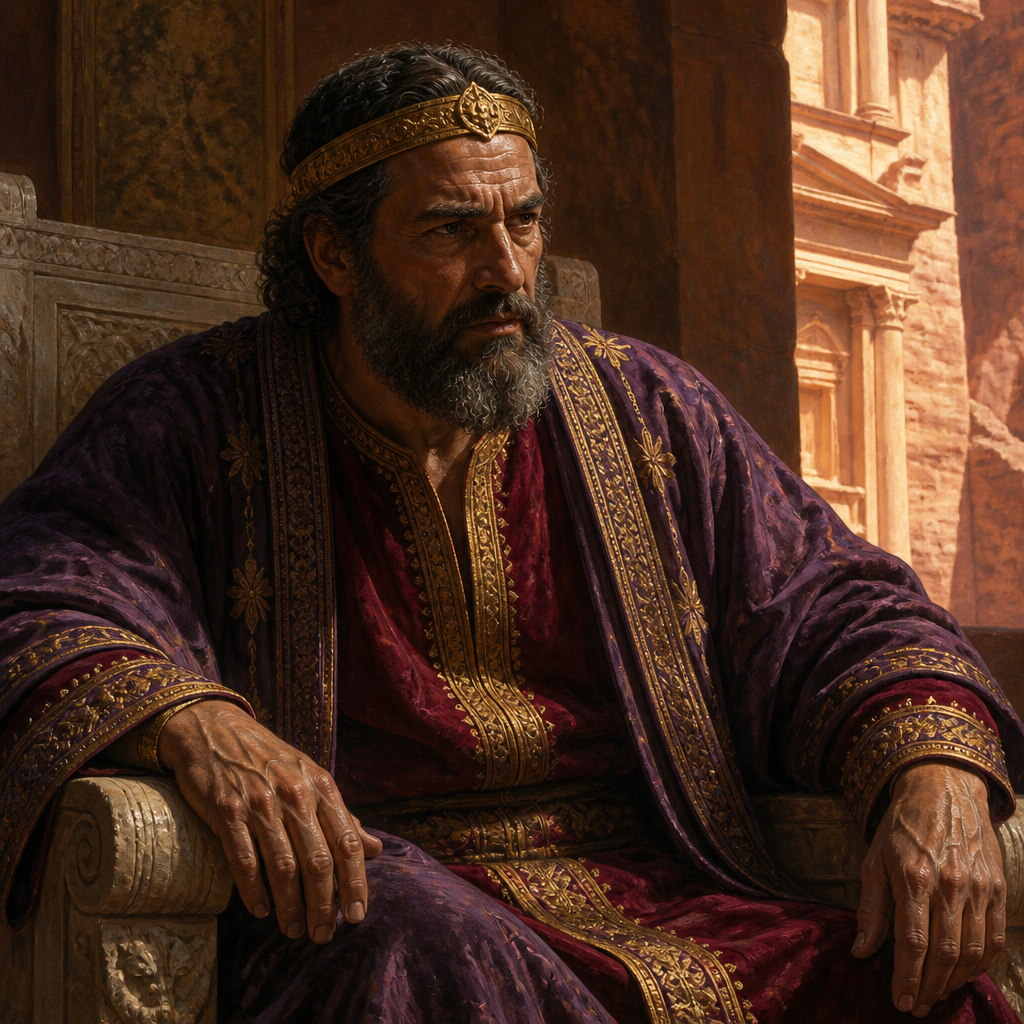
Aretas
King of the Nabataeans whose governor attempted to arrest Paul in Damascus
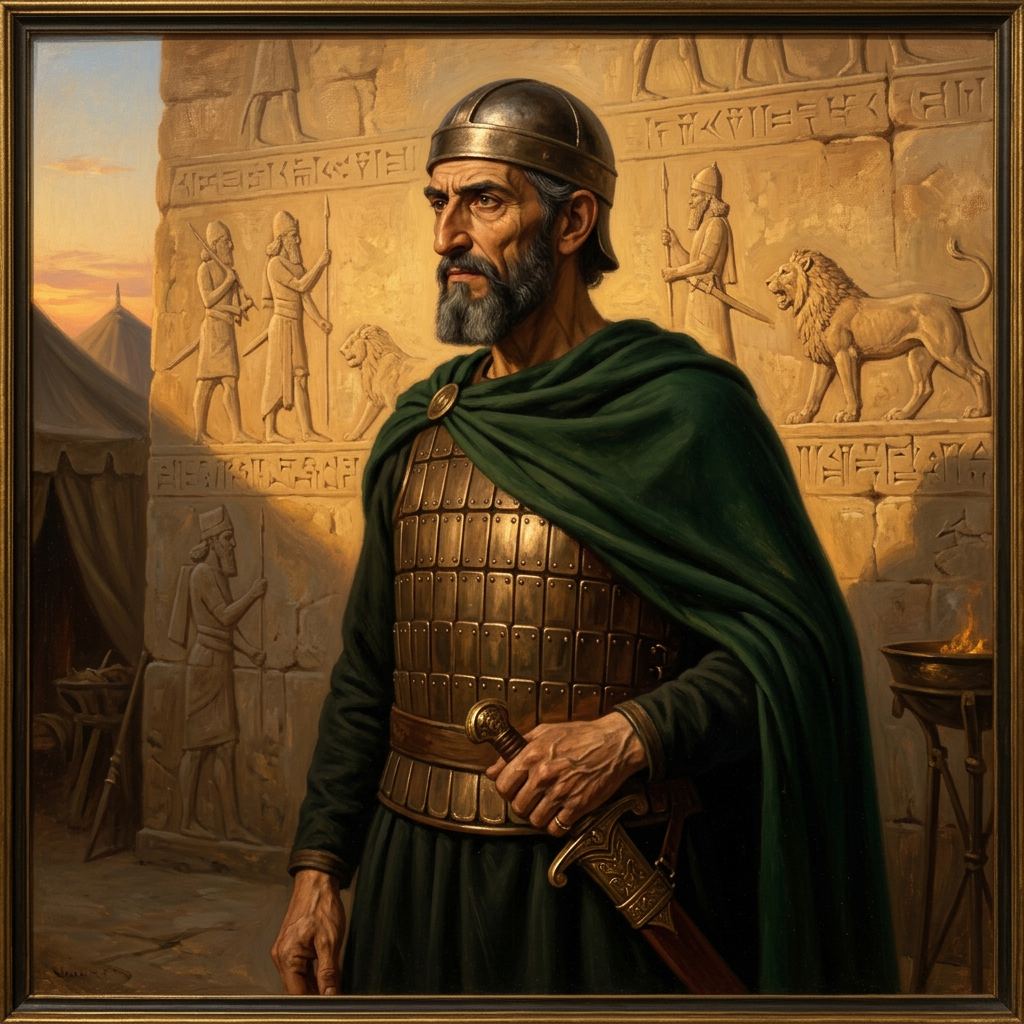
Arioch, King of Ellasar
King of Ellasar and member of Chedorlaomer's coalition defeated by Abraham (Genesis 14)
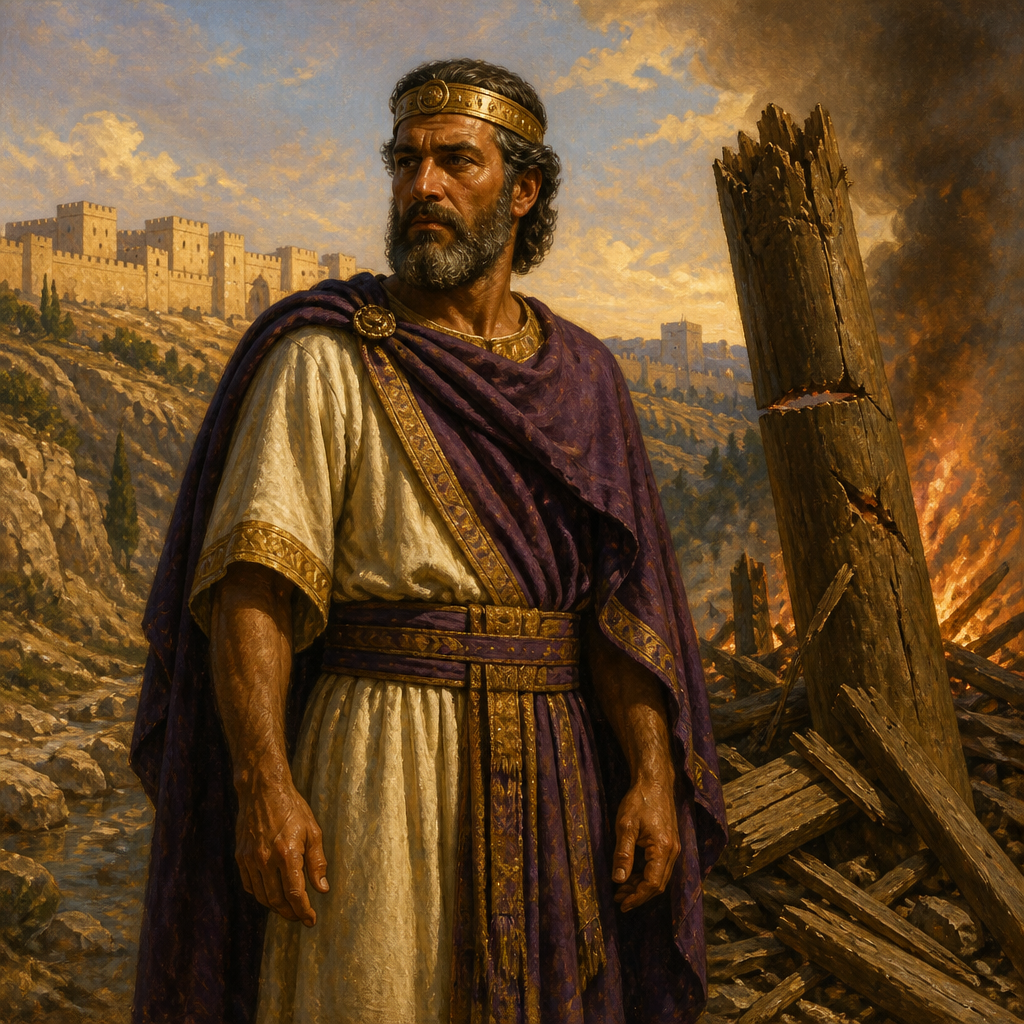
Asa, King of Judah
King of Judah who removed idols and defeated the million-man Cushite army
Baal-hanan, King of Edom
Seventh king of Edom mentioned in the early genealogies of Genesis
Balak
King of Moab who hired Balaam to curse the Israelites during their wilderness wanderings
Bela, King of Edom
First king of Edom who reigned in the city of Dinhabah
Ben-hadad, son of Hazael
King of Aram who lost Aramean-held Israelite cities to King Jehoash
Ben-hadad, Son of Tabrimmon
Aramean king who besieged Samaria and was defeated at Aphek
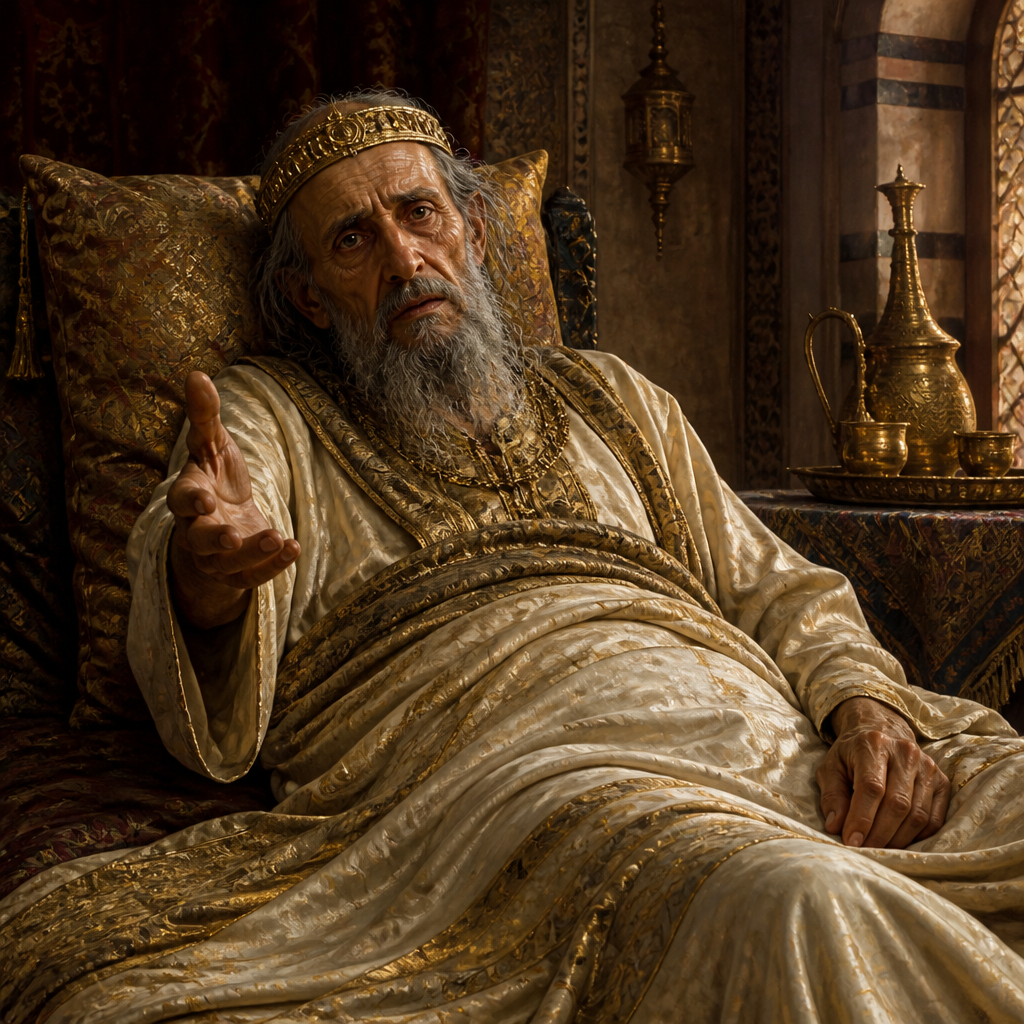
Ben-hadad, the Besieger of Samaria
King of Aram who besieged Samaria and sought Elisha's help during a terminal illness

Bera
King of Sodom who led the rebellion of the five kings against Chedorlaomer
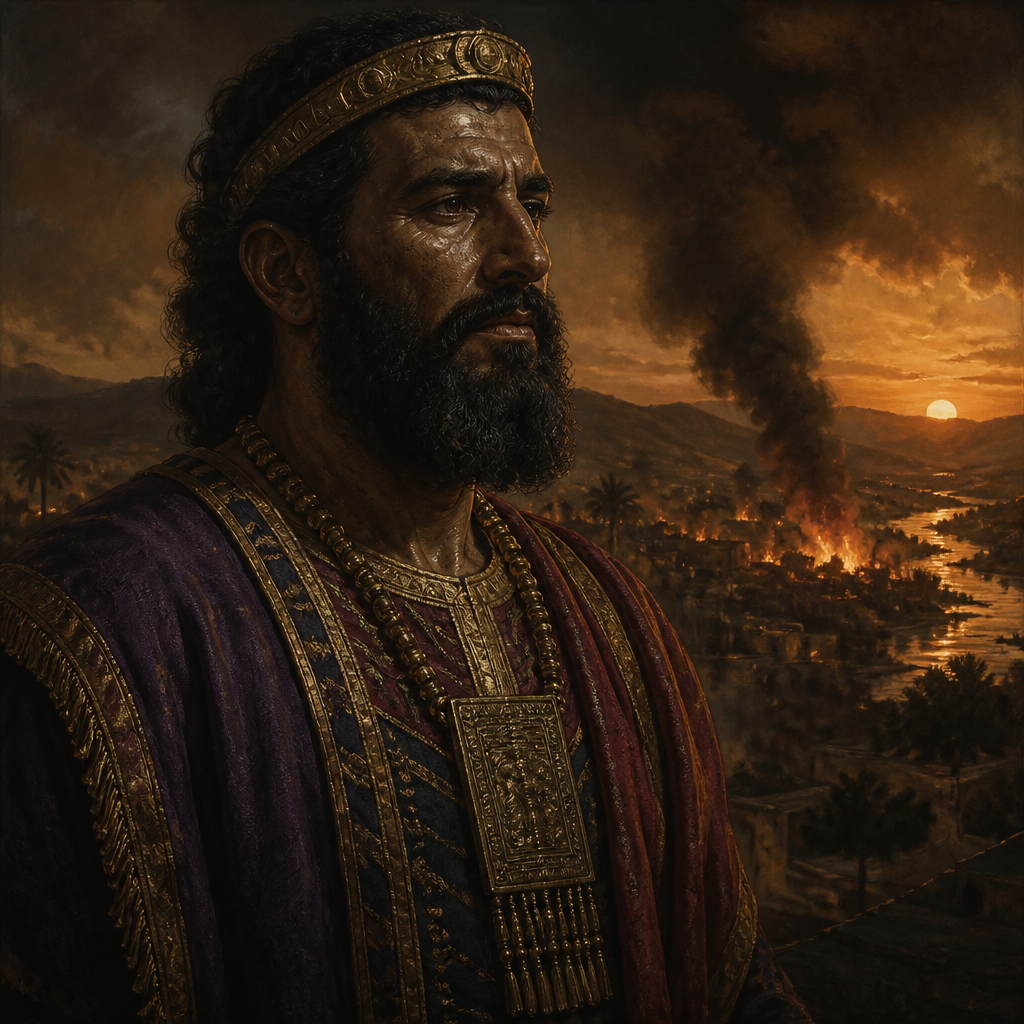
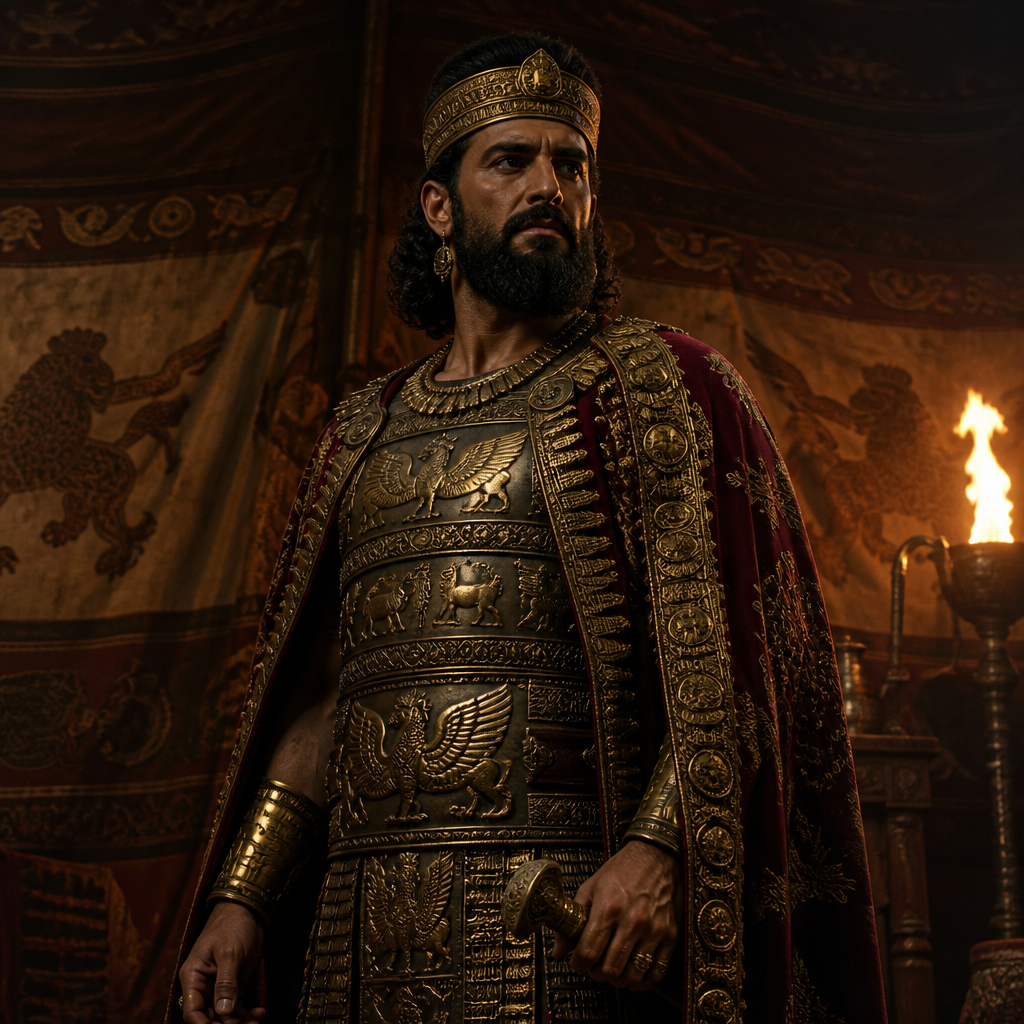
Chedorlaomer
King of Elam who led the four-king coalition that captured Lot and was defeated by Abraham
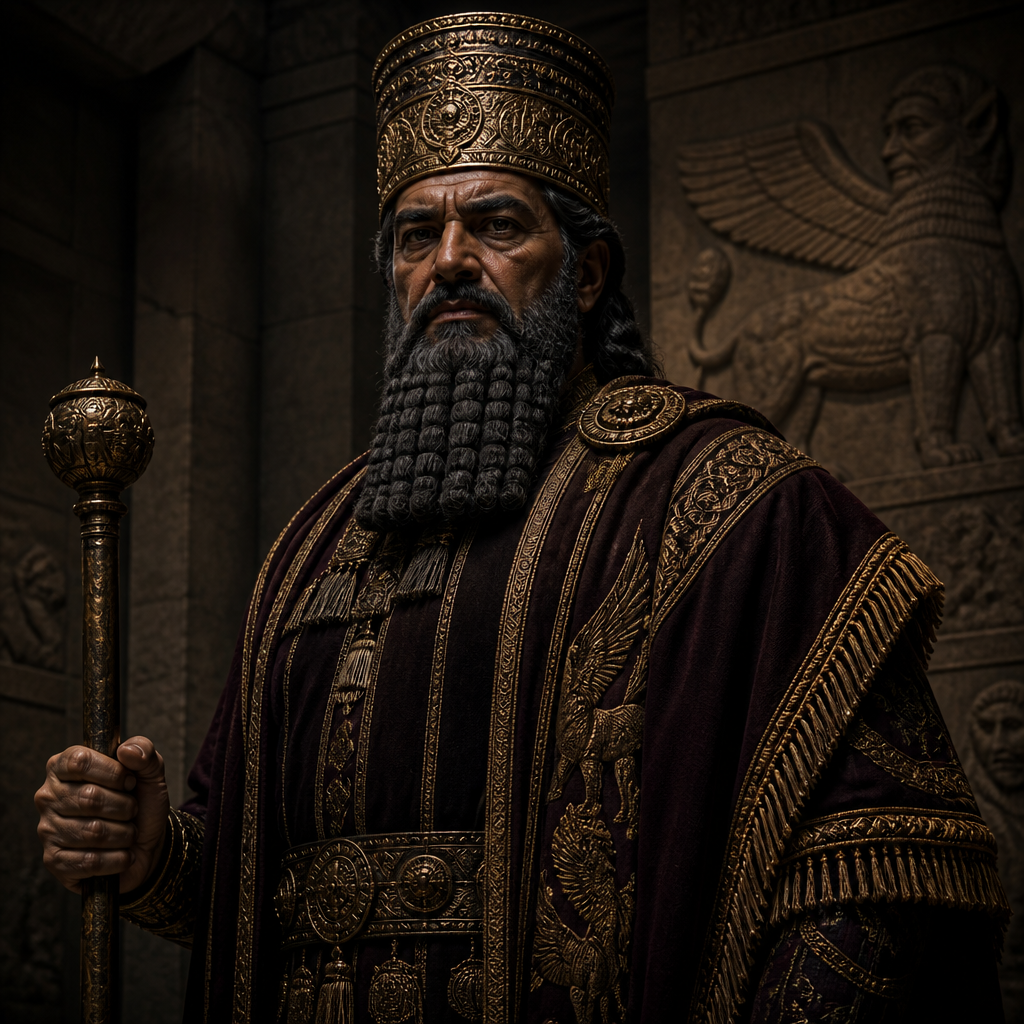
Cushan-rishathaim
King of Aram-naharaim who was the first to oppress Israel in the period of the Judges
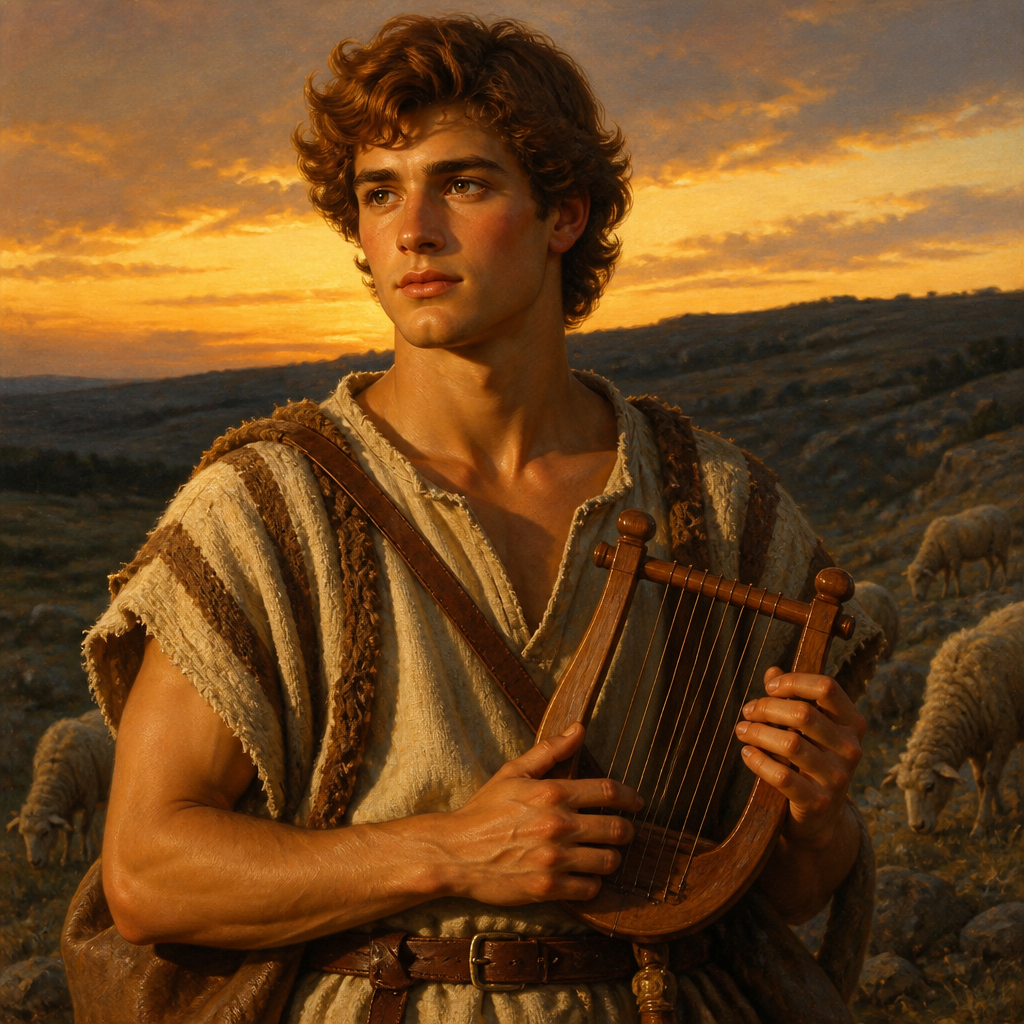
David
King of Israel who defeated Goliath and established the Davidic dynasty
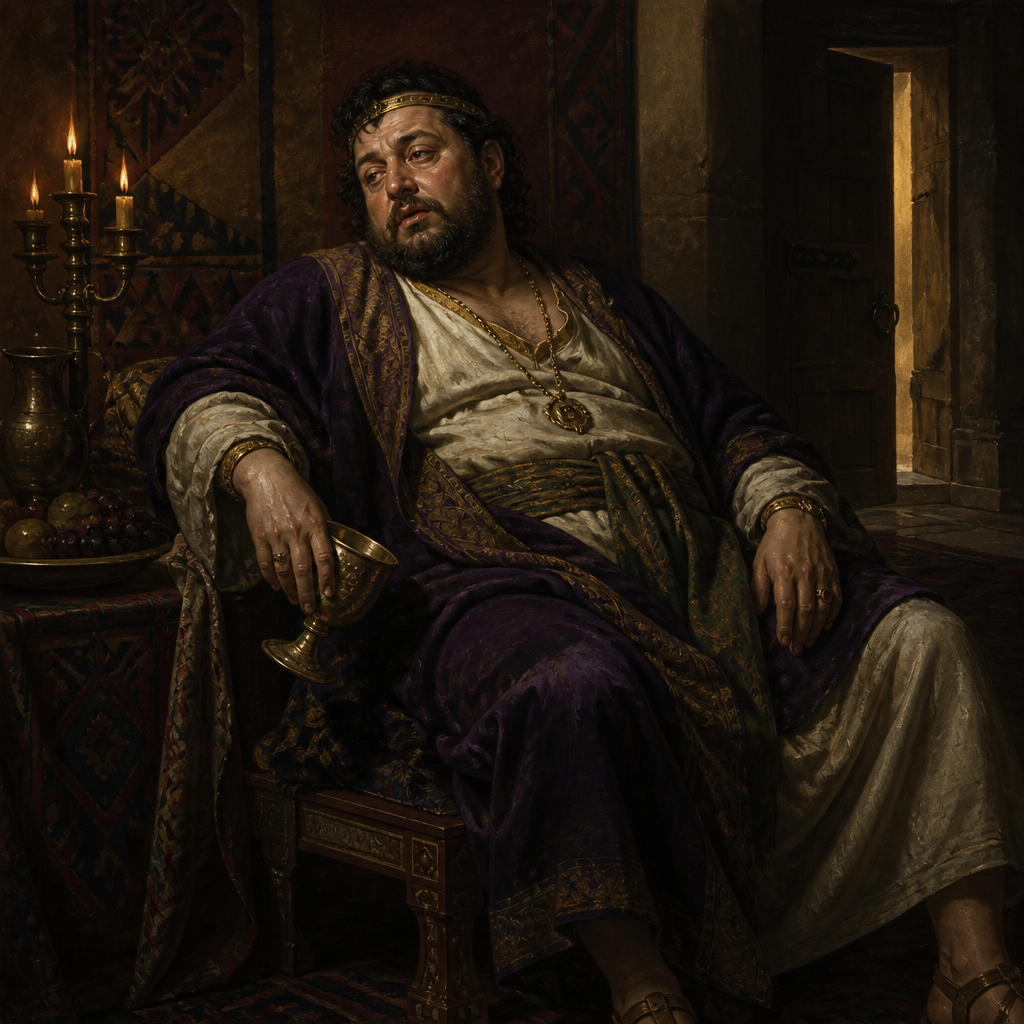
Elah, Son of Baasha
King of Israel who was assassinated by Zimri while drinking at the house of his steward
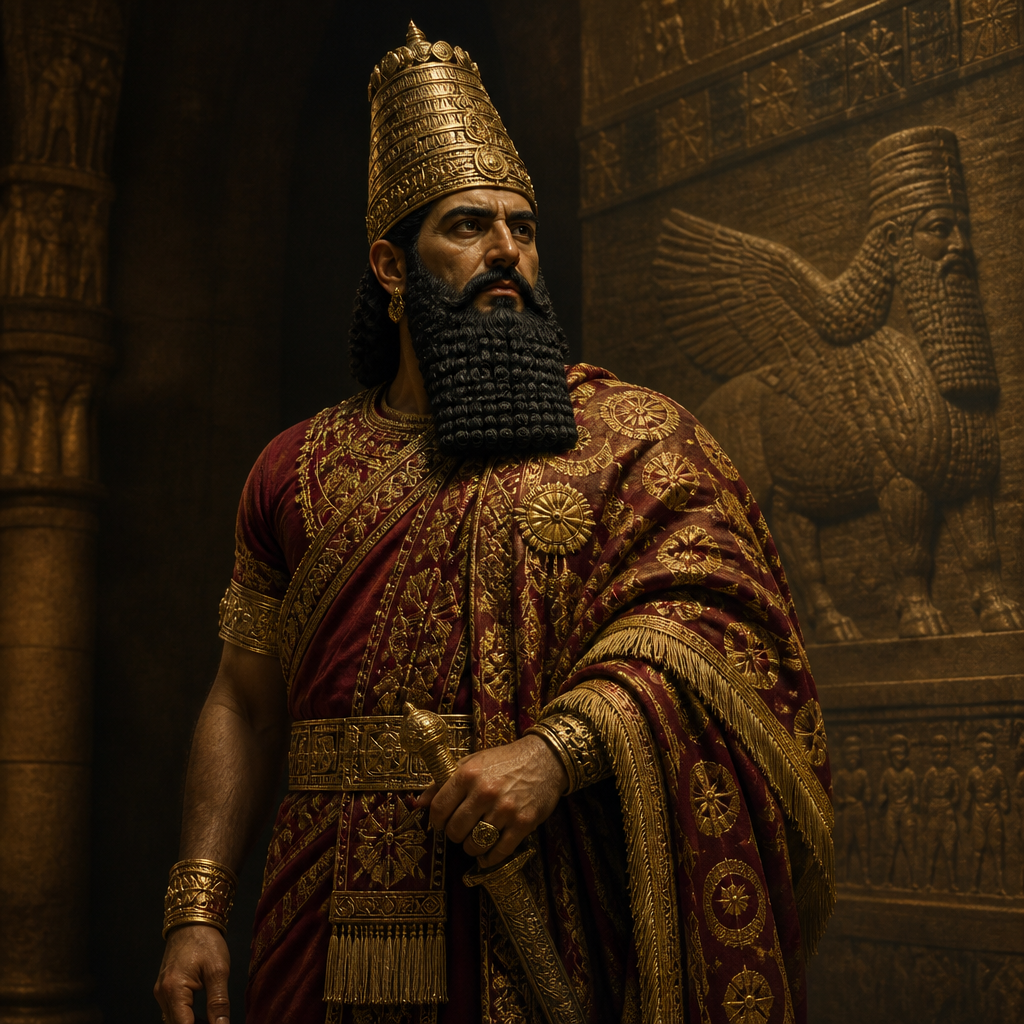
Esar-haddon
King of Assyria who succeeded Sennacherib after his assassination
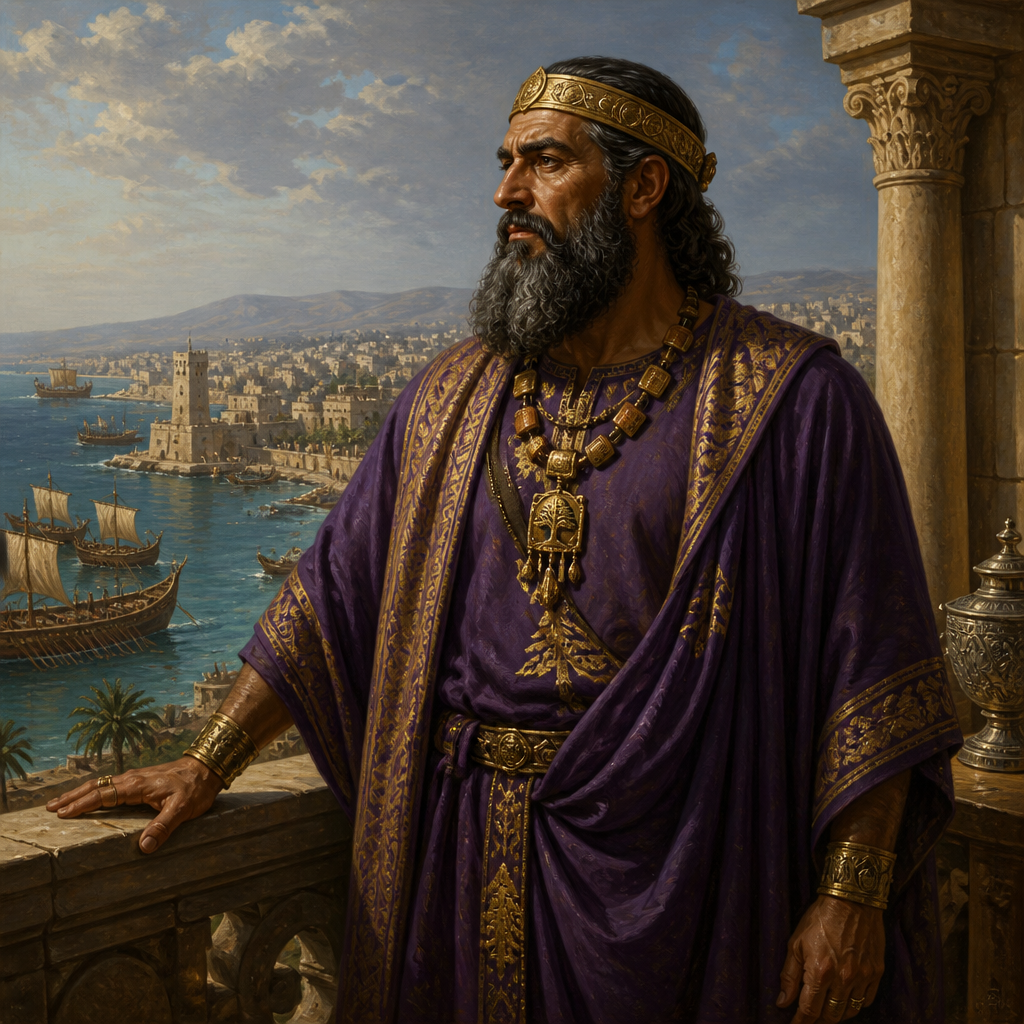
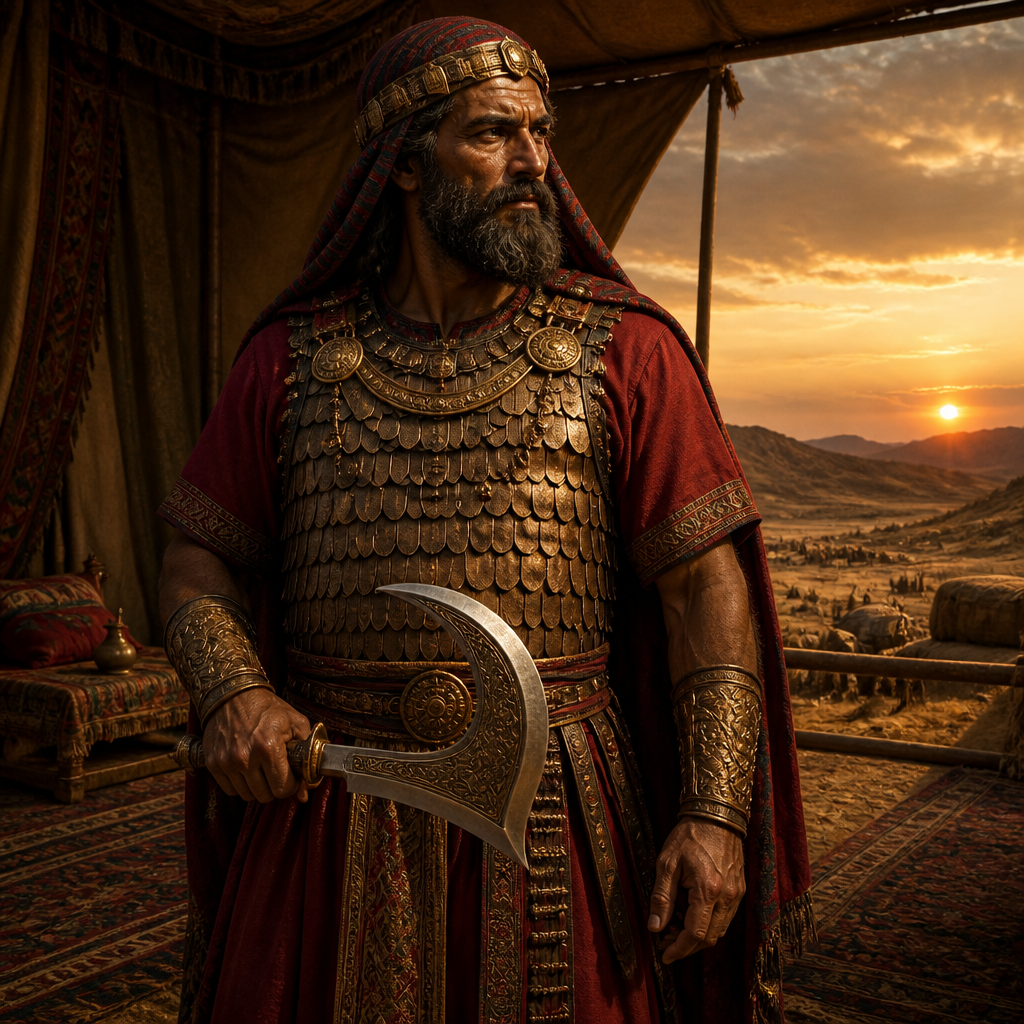
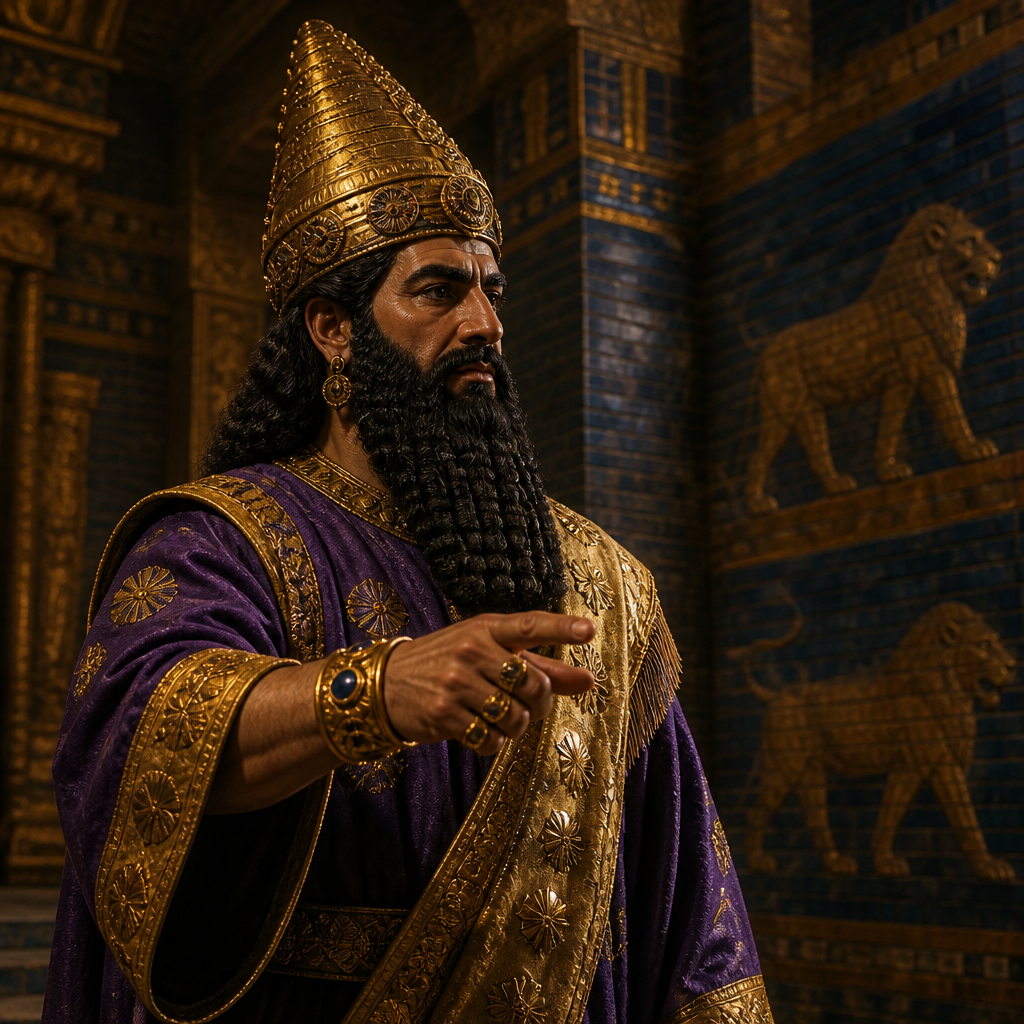
Hadad son of Bedad, King of Edom
King of Edom who defeated the Midianites in the country of Moab
Hadad, Husband of Mehetabel
King of Edom who reigned in the city of Pau and was the husband of Mehetabel
Hadadezer
King of Zobah who fought King David for control of the Euphrates region
Hanun, King of the Ammonites
King of Ammon who humiliated David’s ambassadors by shaving their beards and cutting their clothes
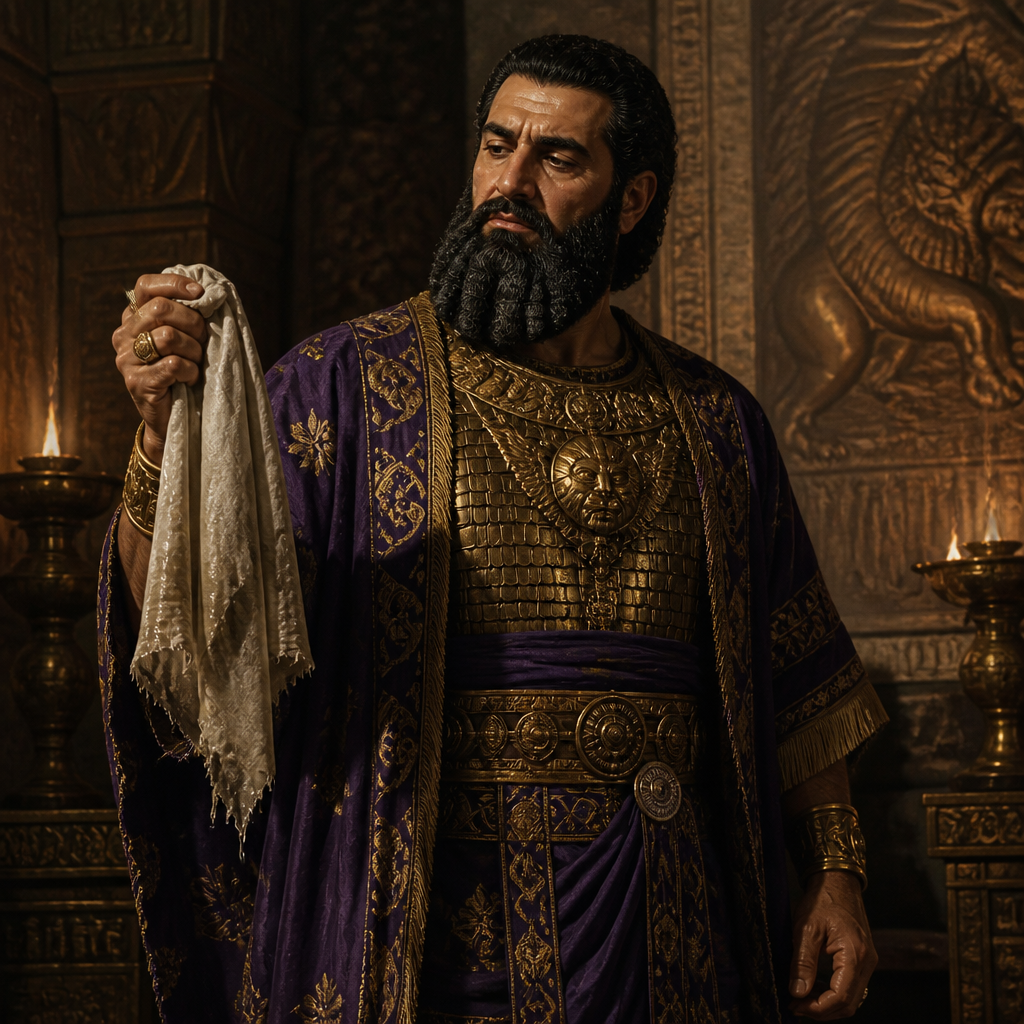
Hazael
King of Aram who oppressed Israel and was anointed at the command of God to Elijah
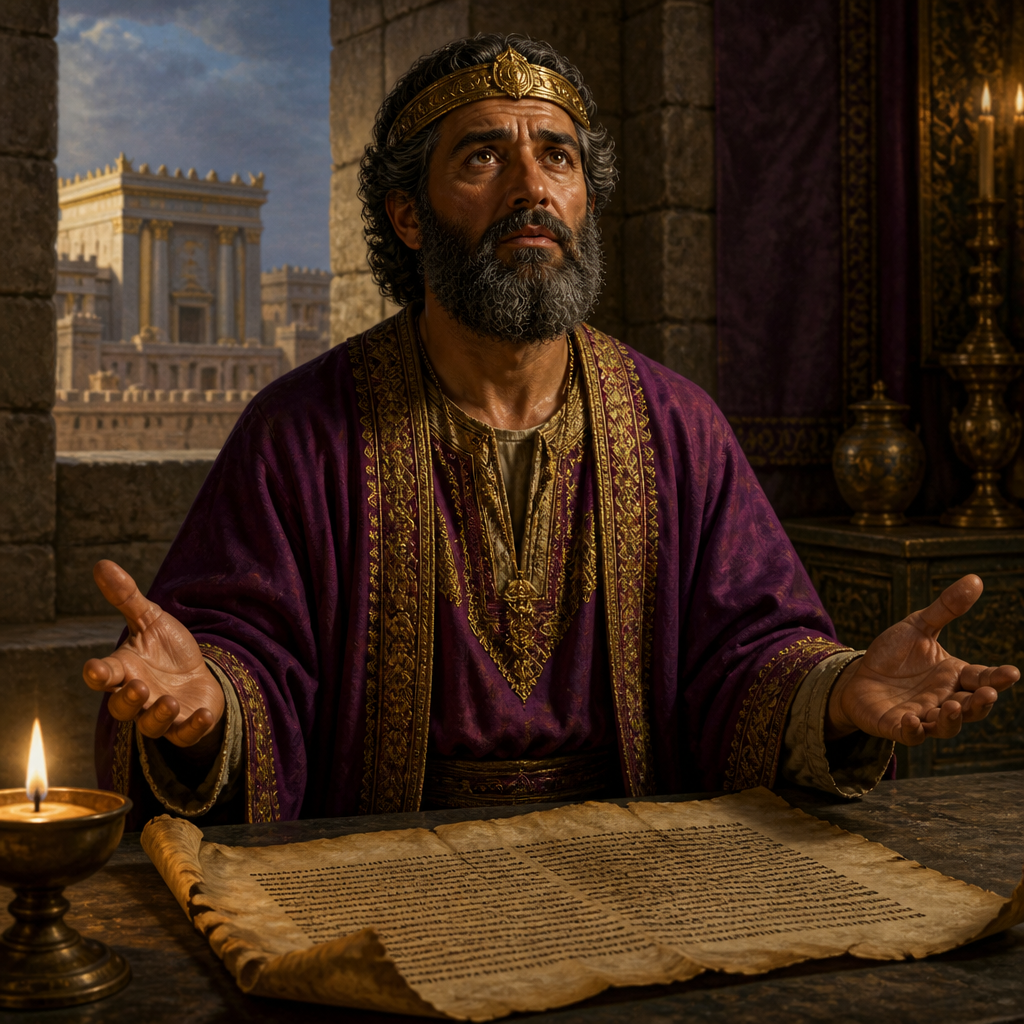
Hezekiah, King of Judah
King of Judah who reformed the Temple and survived the Assyrian siege of Jerusalem
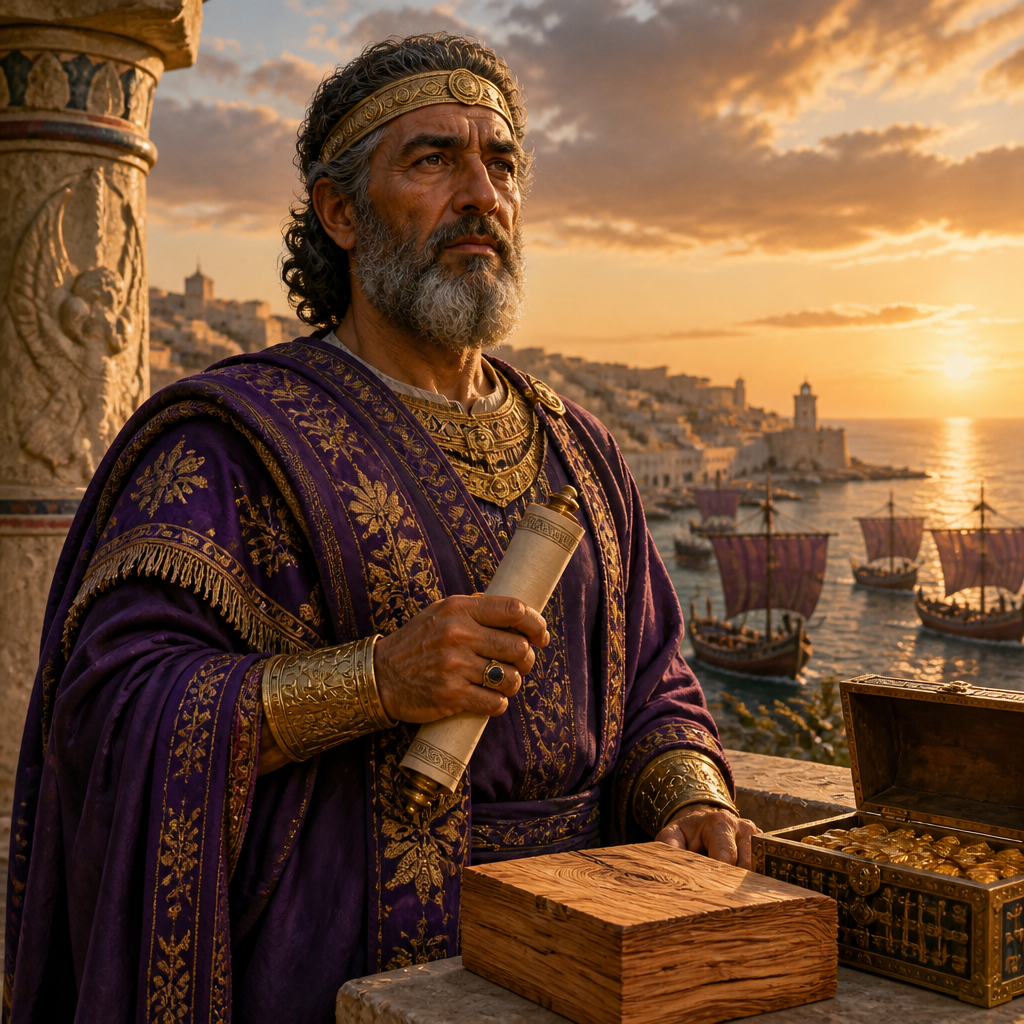
Hiram, King of Tyre
King of Tyre who provided the timber and labor for Solomon's Temple
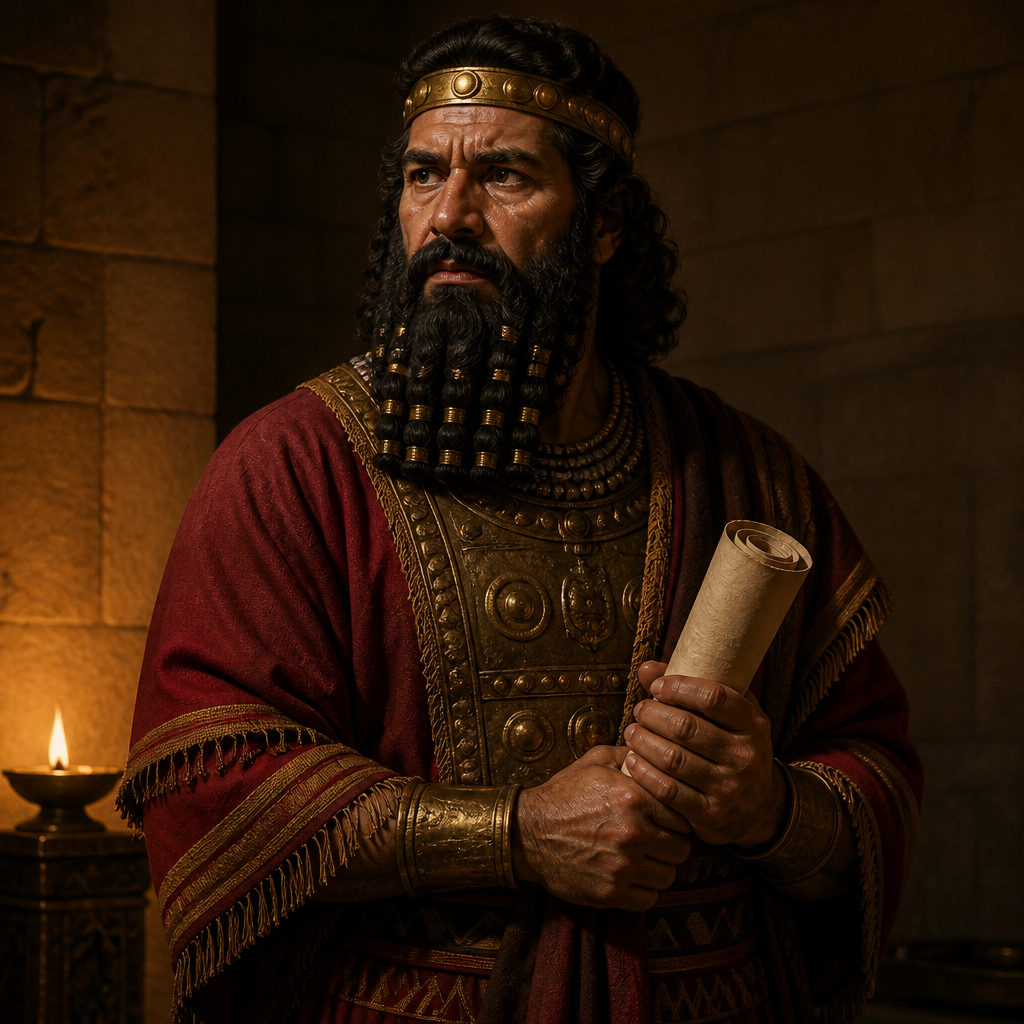
Horam
King of Gezer who was defeated by Joshua while defending Lachish
Hoshea, son of Elah
King of Israel who presided over the fall of Samaria and the Assyrian exile
Hur, King of Midian
King of Midian who was slain during the Israelite wilderness campaign
Husham
King of Edom from the land of the Temanites who reigned before the Israelite monarchy
Jabin, King of Canaan
King of Canaan who oppressed Israel with nine hundred iron chariots
Jabin, King of Hazor during the Conquest
King of Hazor who organized the northern Canaanite coalition against Joshua
Japhia, King of Lachish
King of Lachish who joined the Amorite coalition against Joshua
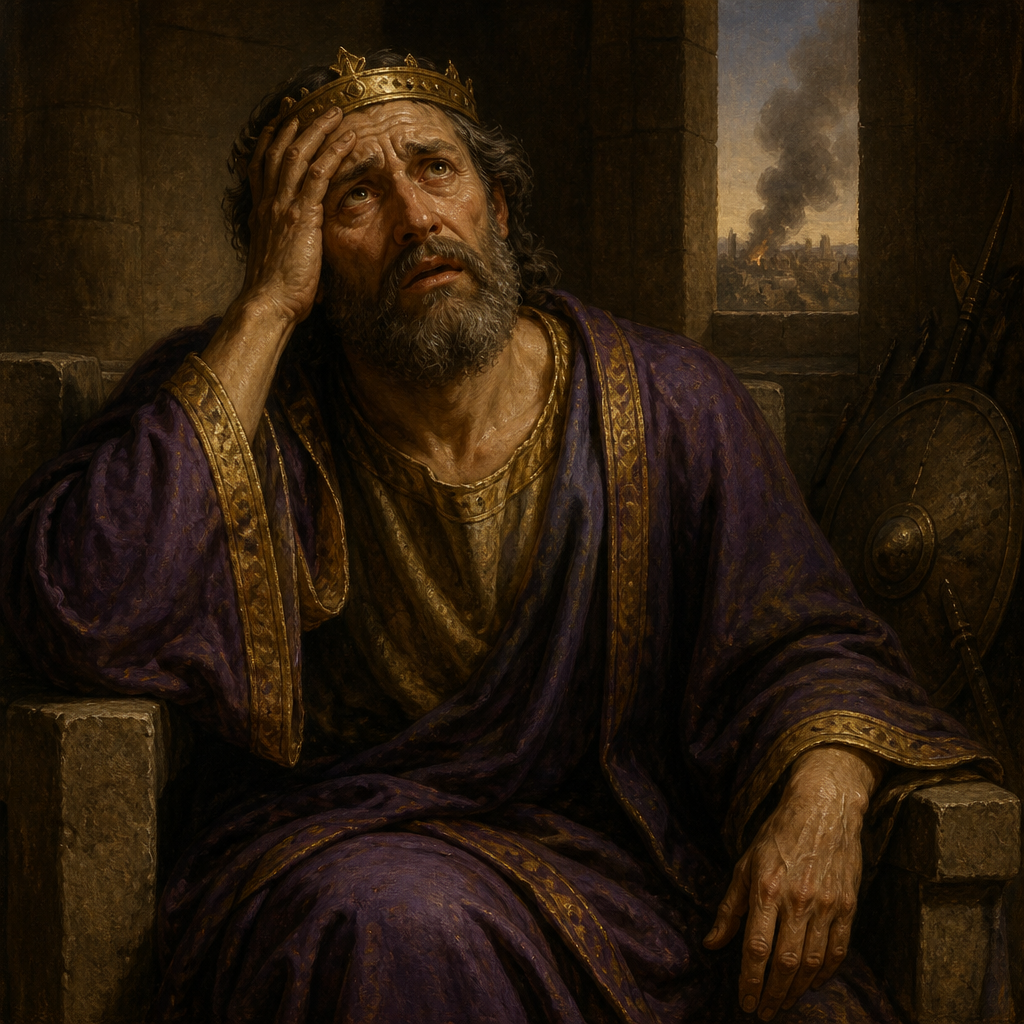
Jehoahaz, Son of Jehu
King of Israel whose army was decimated by the Arameans before he sought God's help
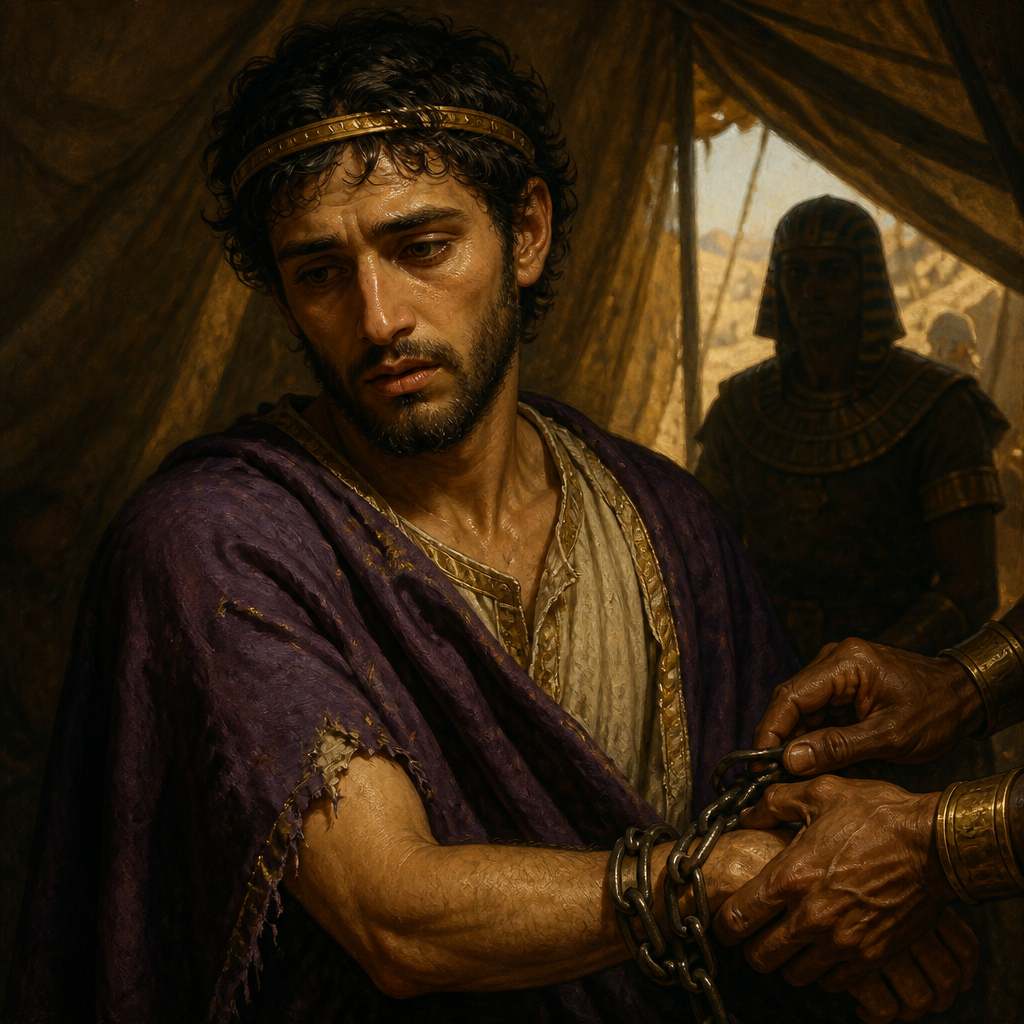
Jehoahaz, Son of Josiah
King of Judah who reigned for only three months before being imprisoned in Egypt
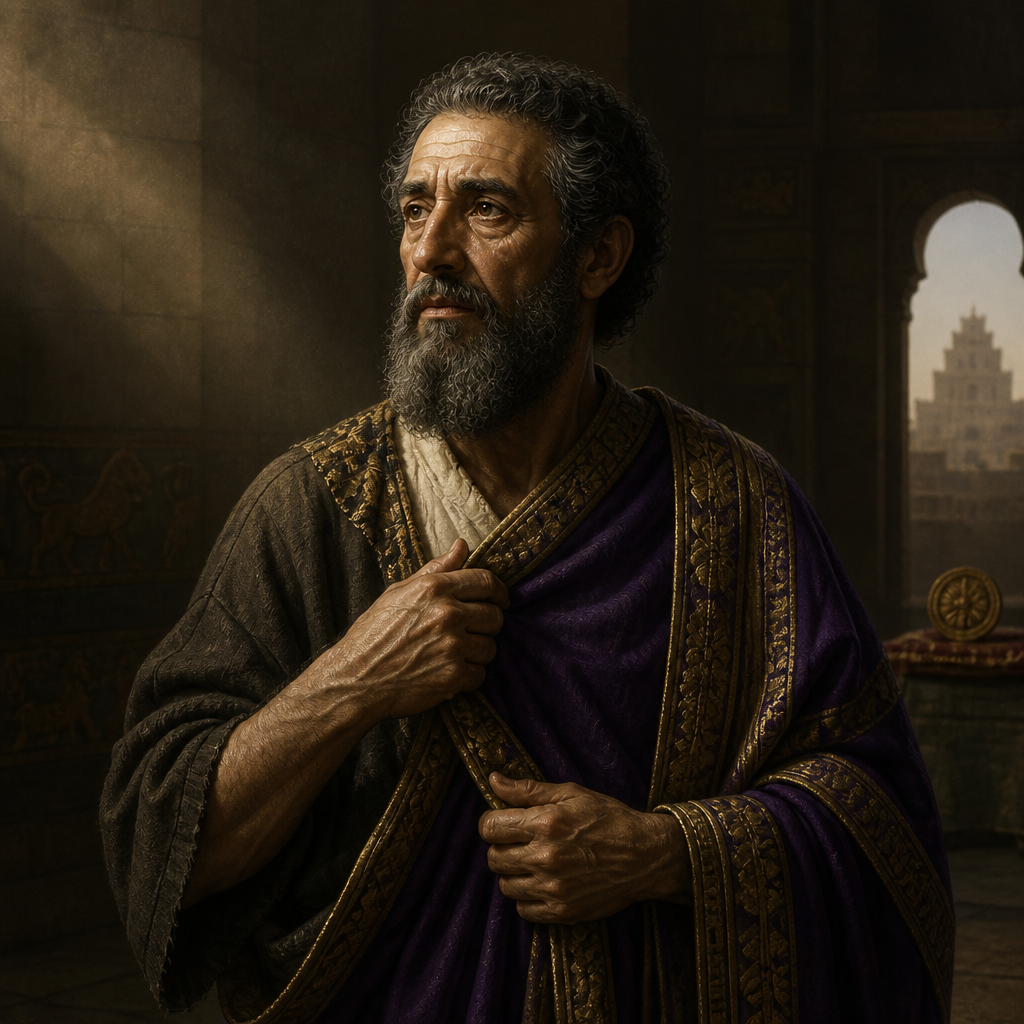
Jehoiachin
King of Judah who was taken captive to Babylon and later released from prison
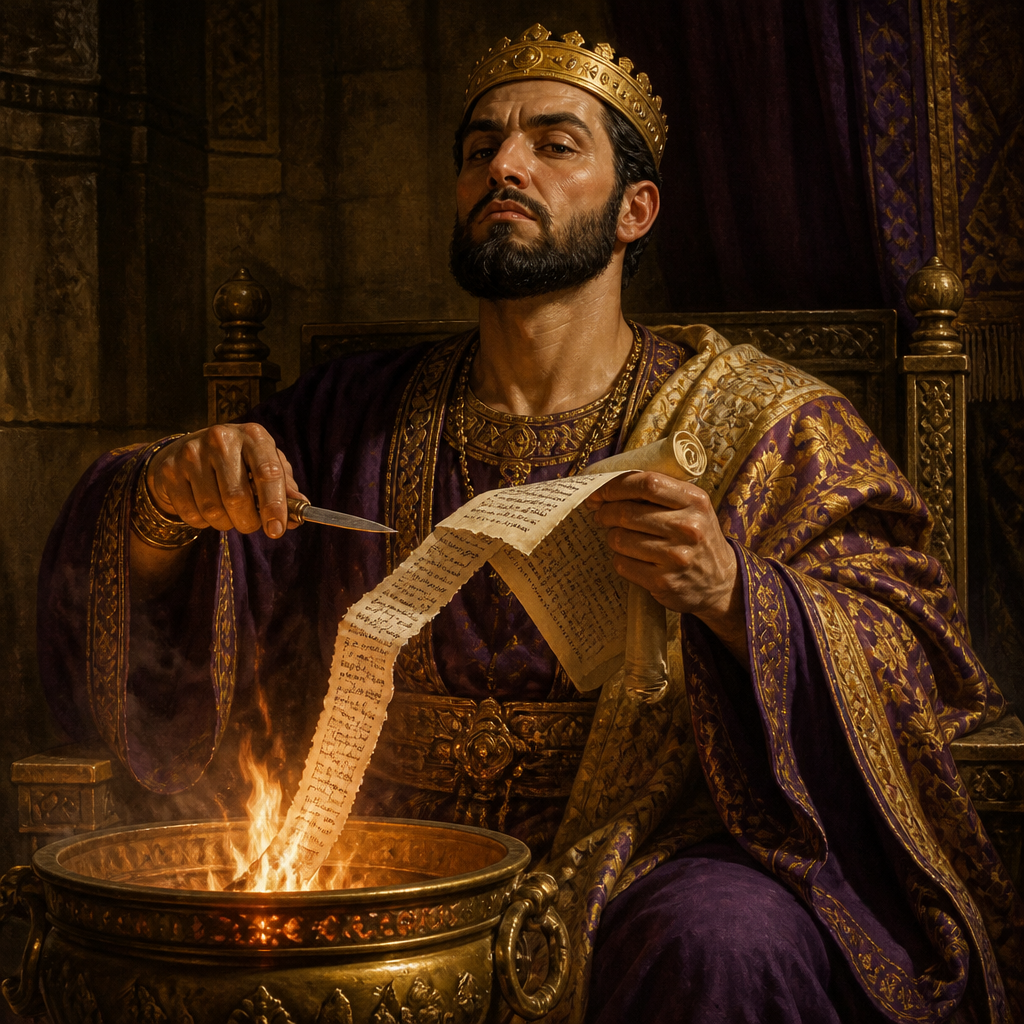
Jehoram, King of Judah
King of Judah who murdered his brothers and died of an intestinal disease
Jehoshaphat, King of Judah
King of Judah who instituted judicial reforms and defeated a massive invasion through prayer and song
Jehu, King of Israel
King of Israel who executed the house of Ahab and destroyed the temple of Baal
Jeroboam son of Jehoash, King of Israel
King of Israel who restored the borders from Hamath to the Sea of the Arabah
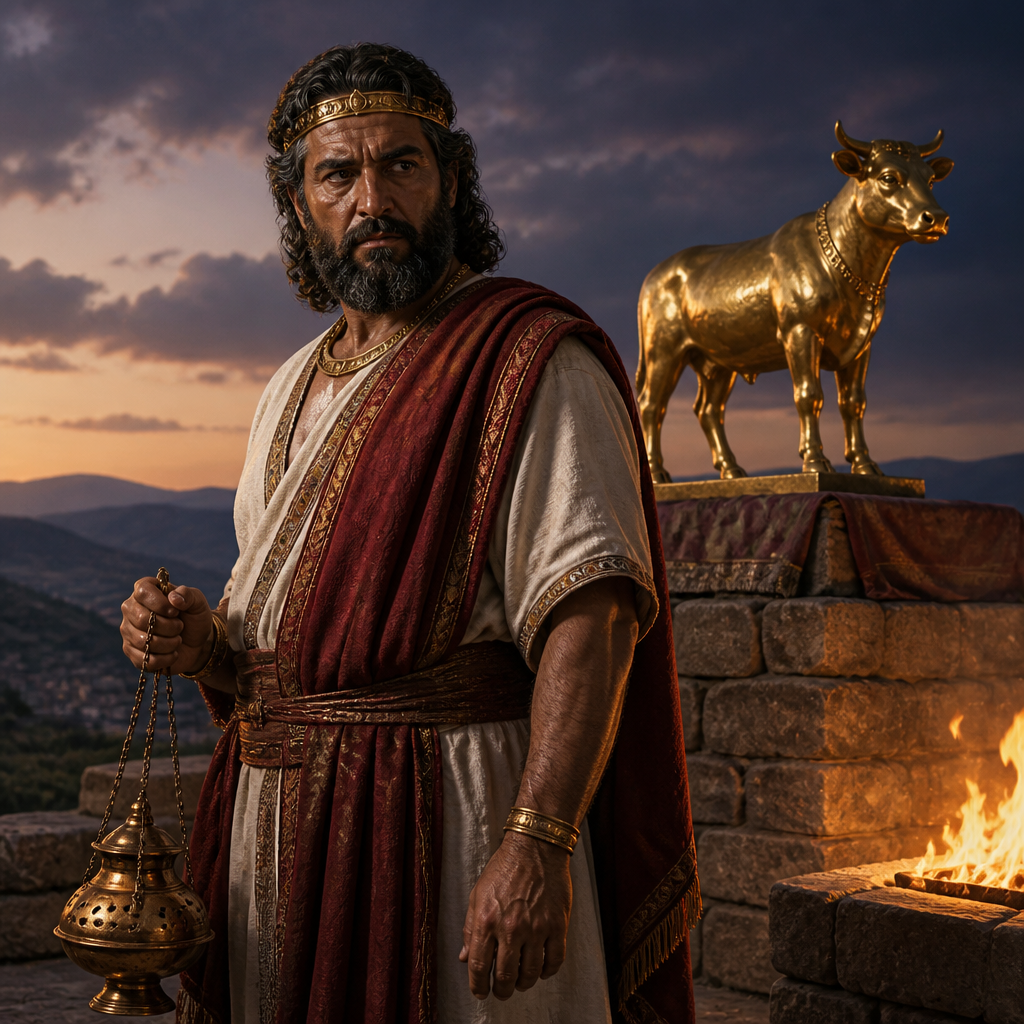
Jeroboam son of Nebat
King of Israel who established the golden calf worship at Bethel and Dan
Joash, King of Israel
King of Israel who defeated the Arameans three times and sacked Jerusalem
Joash, King of Judah
King of Judah who survived an infancy massacre and later repaired the Temple
Jobab, King of Edom
King of Edom who reigned in Bozrah before the time of the Israelite monarchy
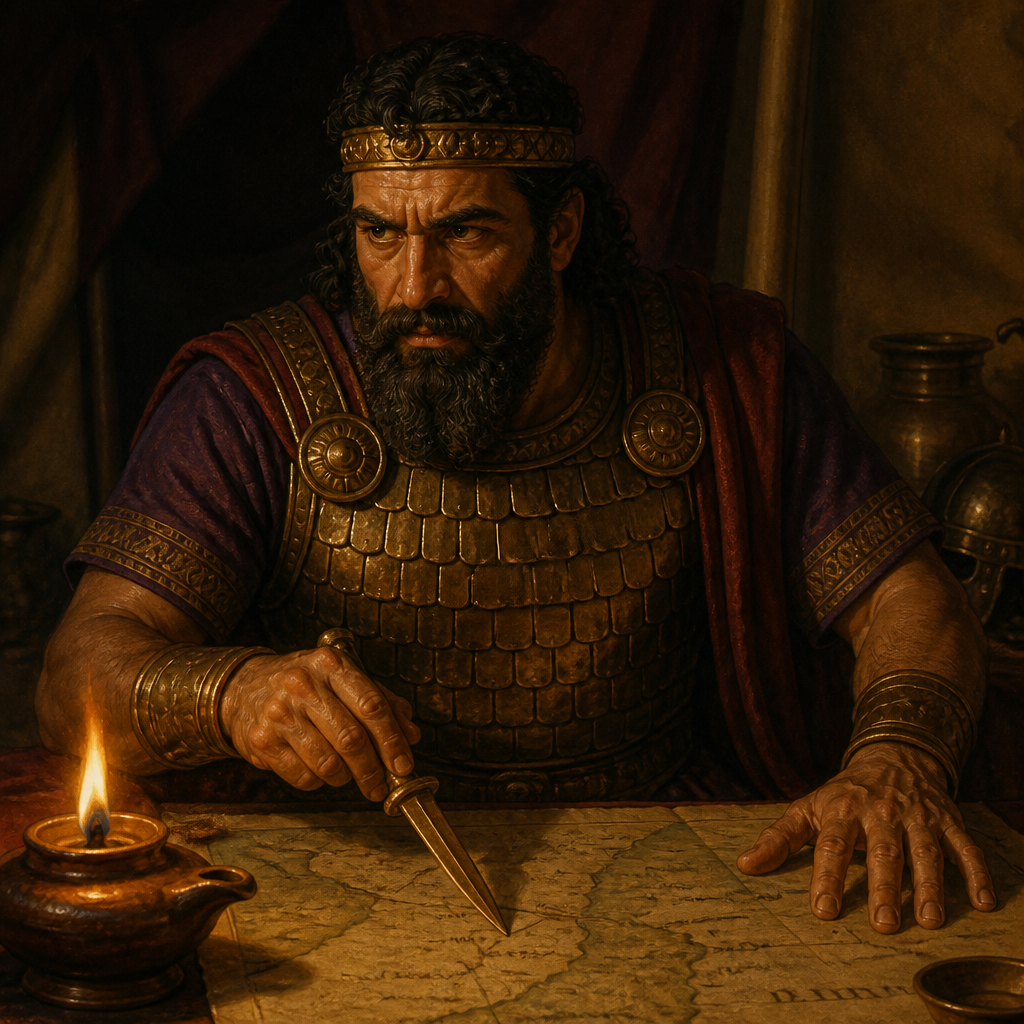
Jobab, King of Madon
Canaanite king of Madon who allied with Jabin of Hazor against Joshua
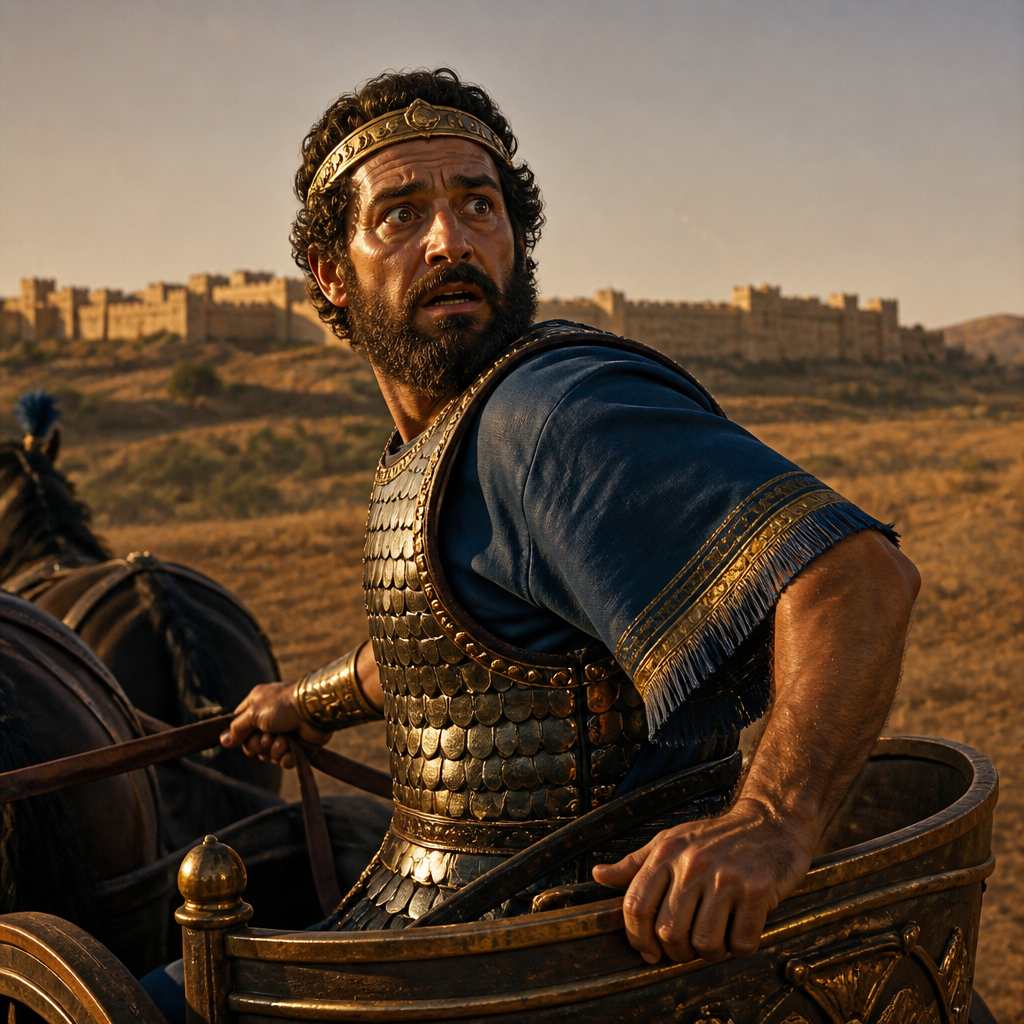
Joram, Son of Ahab and King of Israel
King of Israel who was killed by Jehu at Naboth's vineyard
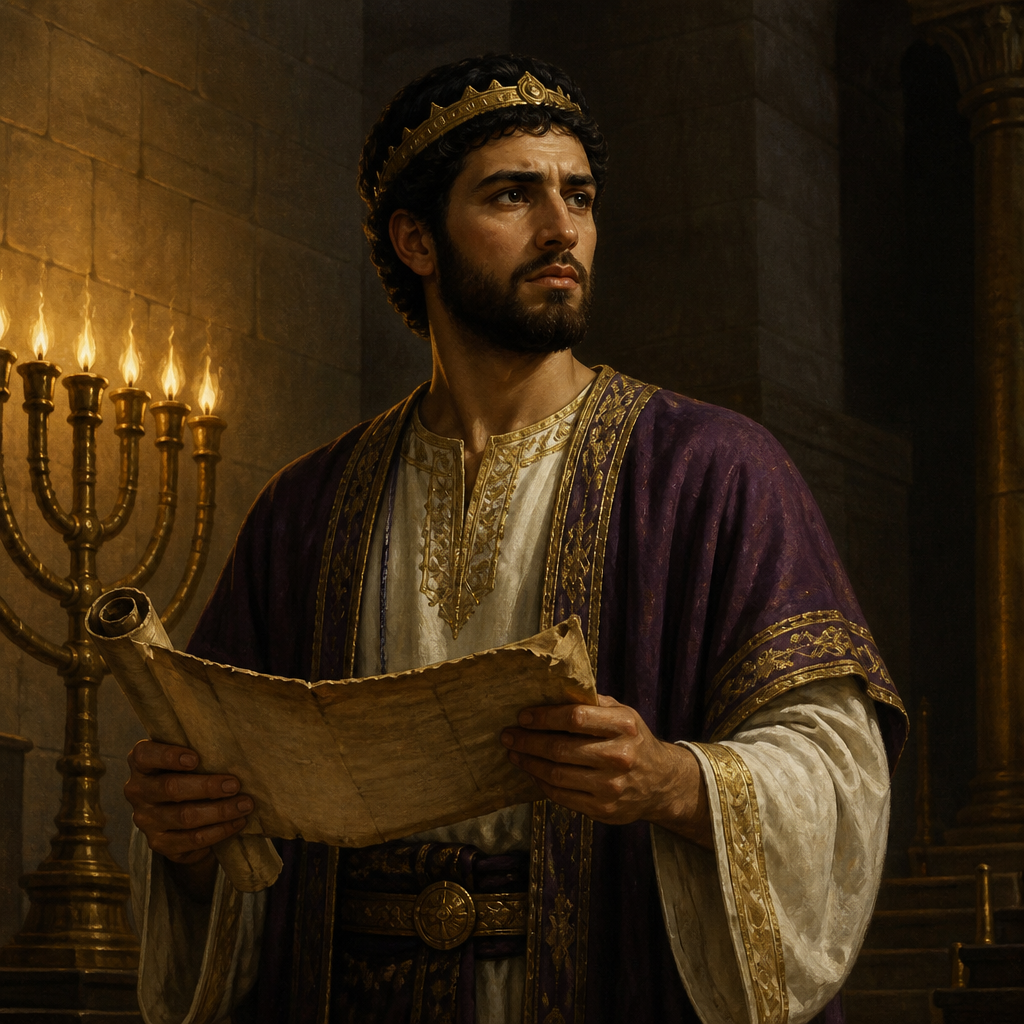
Josiah, King of Judah
King of Judah who instituted religious reforms after finding the Book of the Law
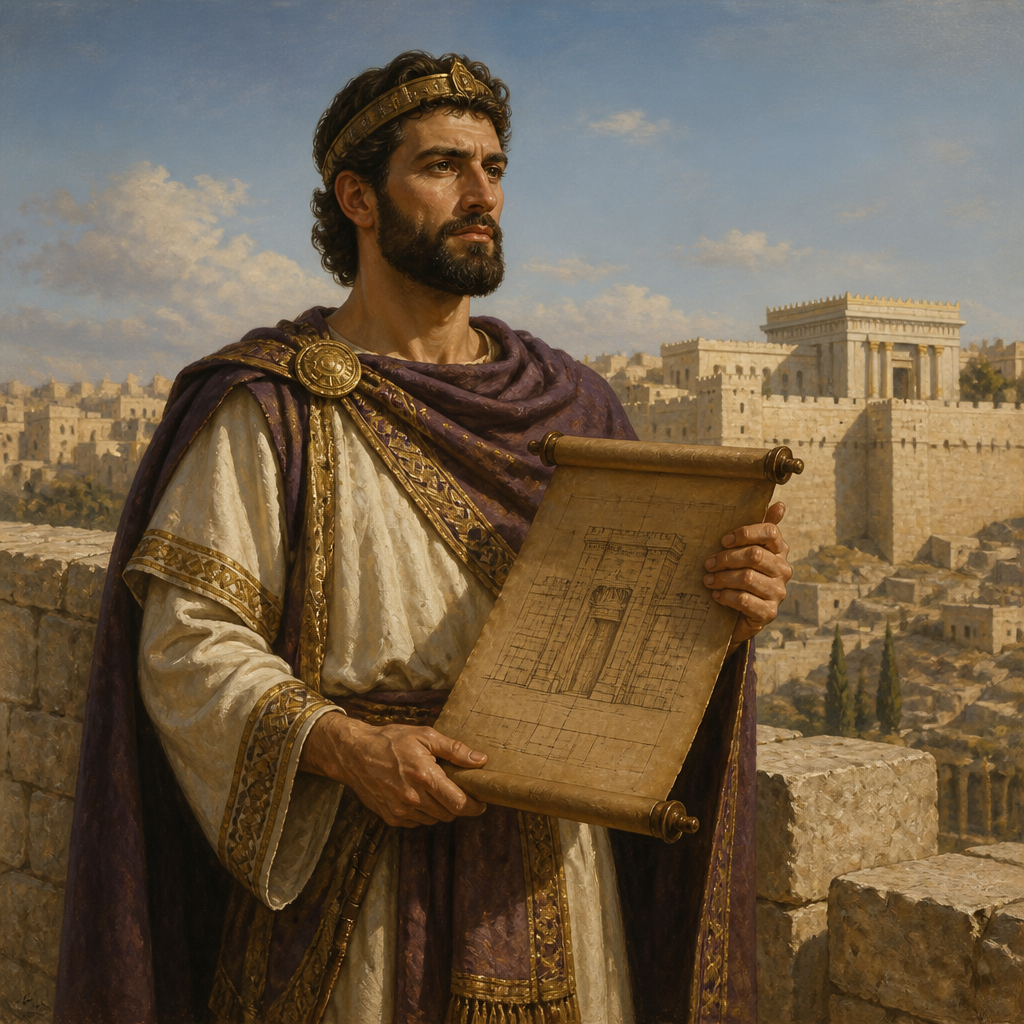
Jotham, King of Judah
King of Judah who grew powerful by ordering his ways before the LORD
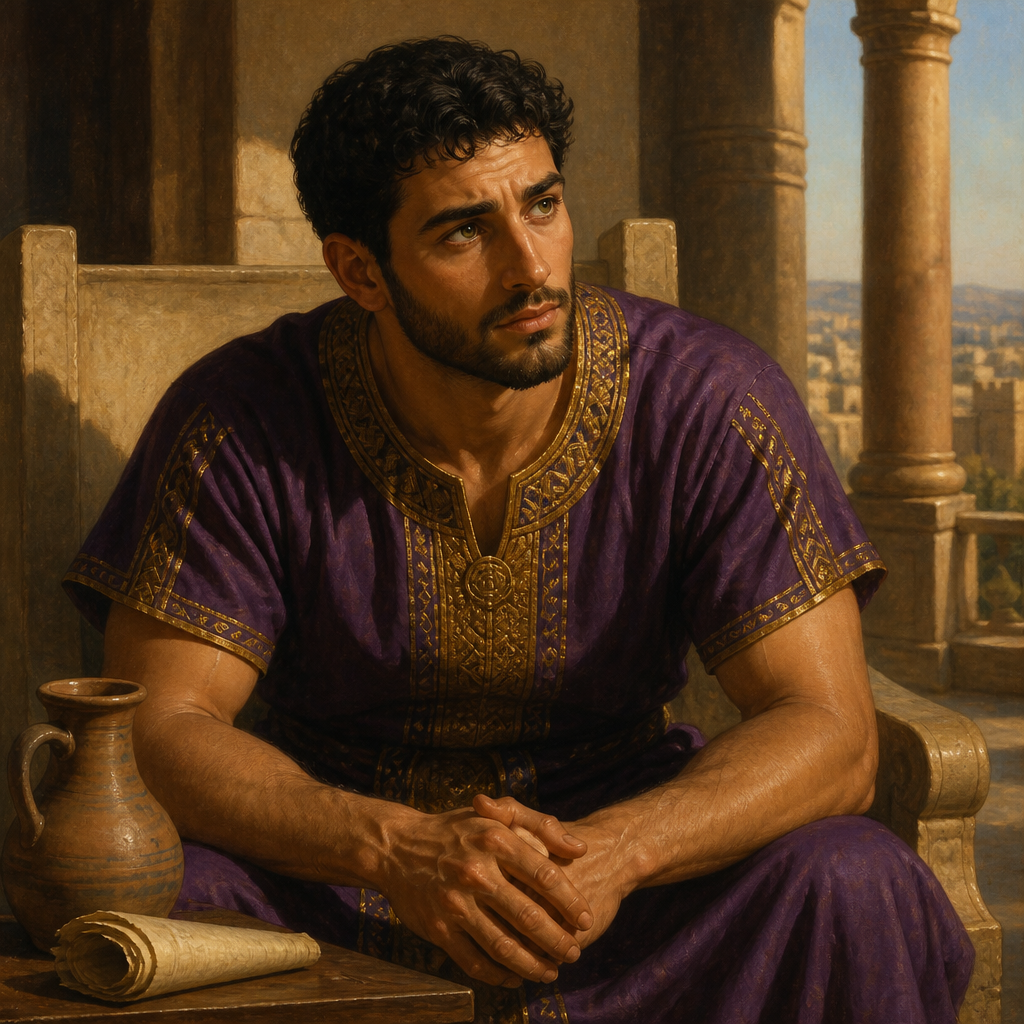
Lemuel
King who recorded the moral instructions and warnings against alcohol given to him by his mother
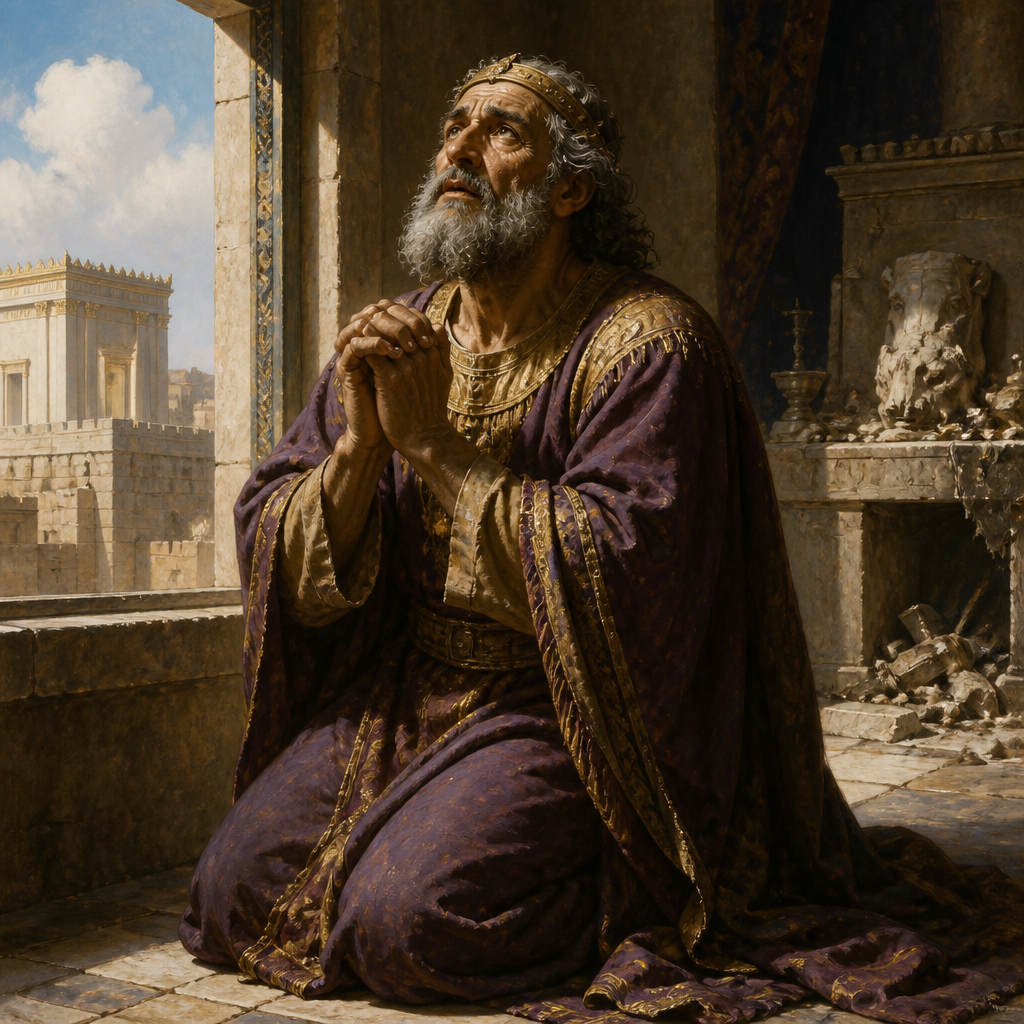
Manasseh, King of Judah
King of Judah who reigned 55 years and was notorious for his idolatry and late-life repentance
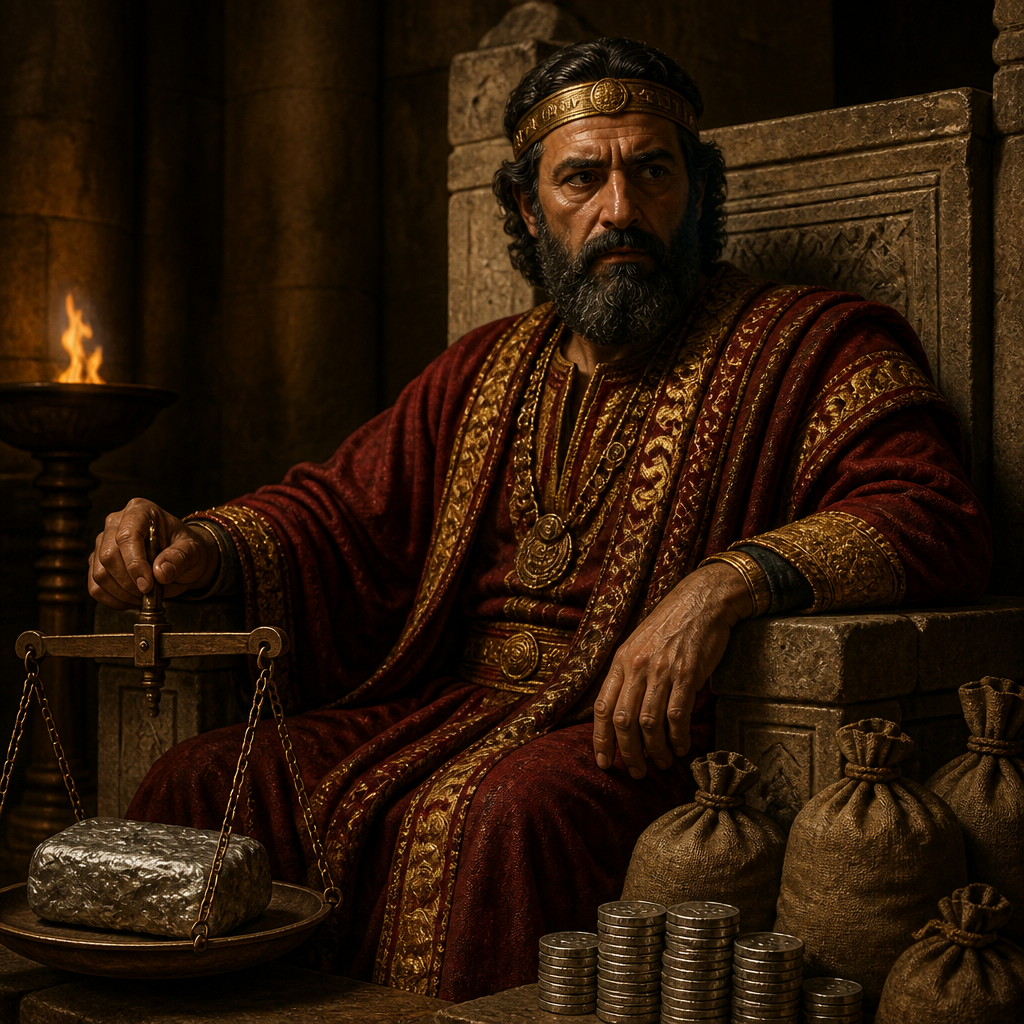
Menahem
King of Israel who paid tribute to Assyria and committed atrocities at Tiphsah
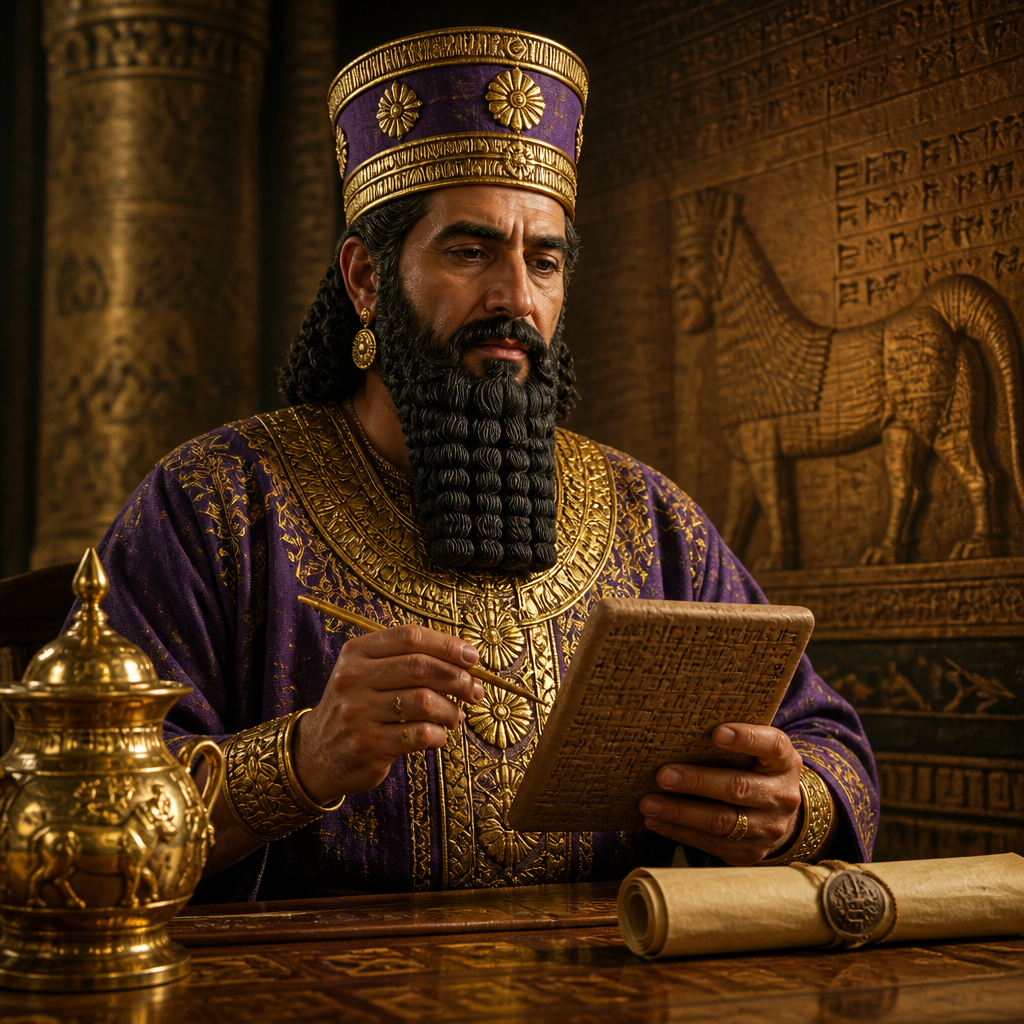
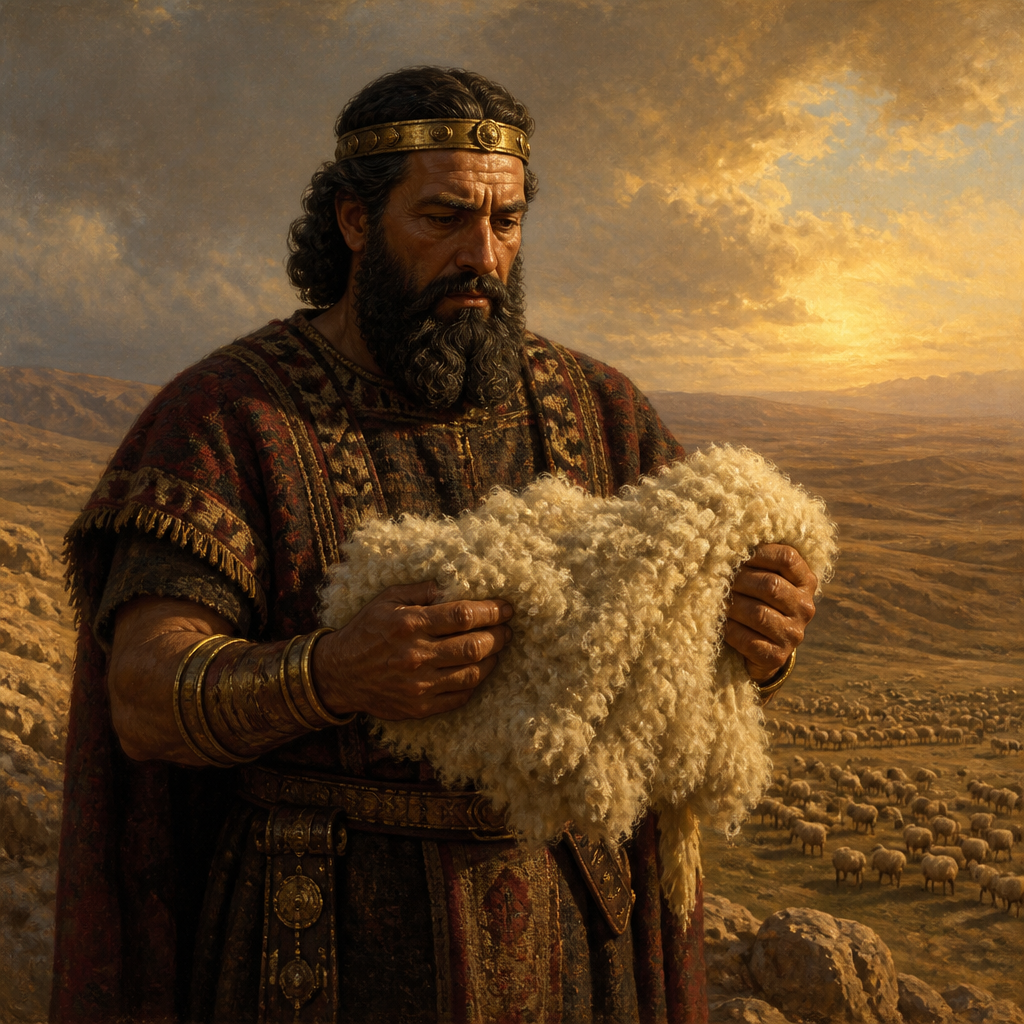
Mesha, King of Moab
King of Moab who paid a massive annual tribute of lambs and wool to Israel
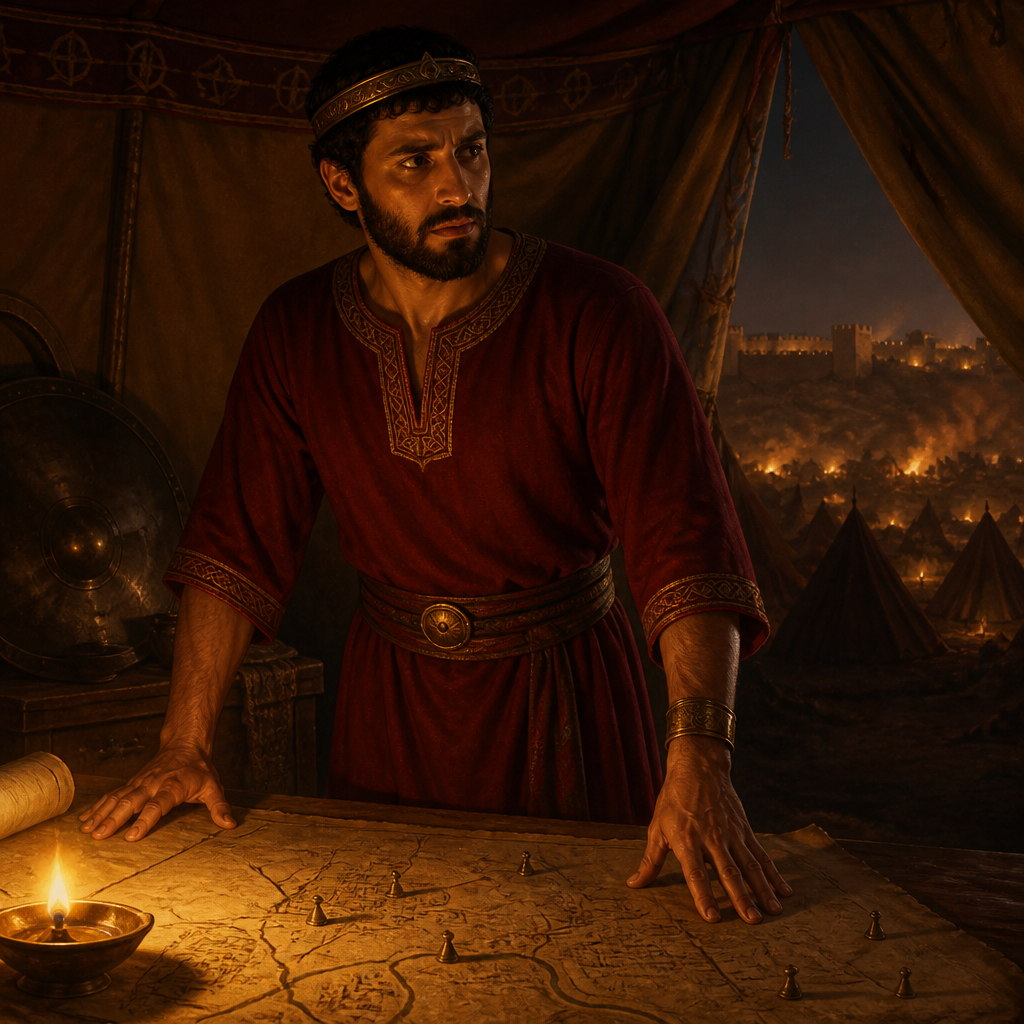
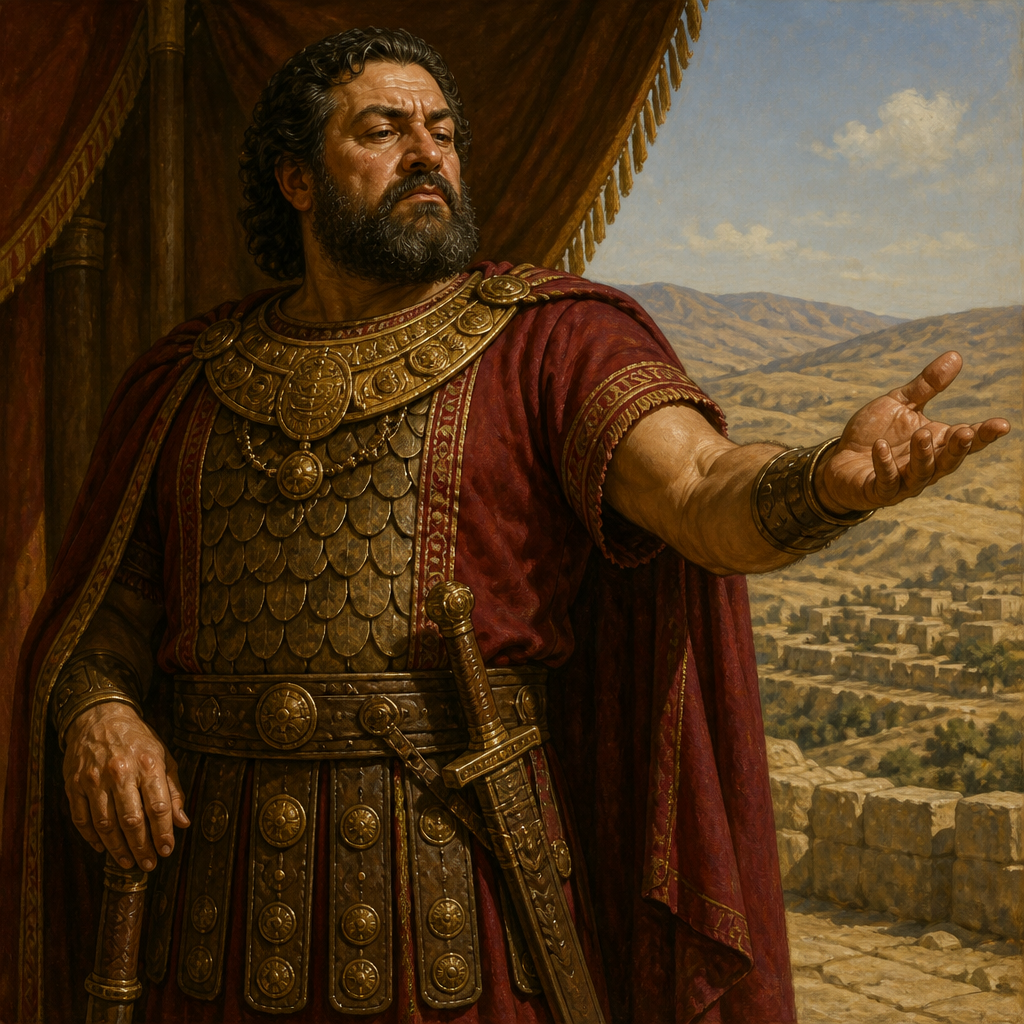
Nahash the Ammonite (1 Samuel 11)
King of the Ammonites who besieged Jabesh-gilead and demanded the right eyes of its inhabitants
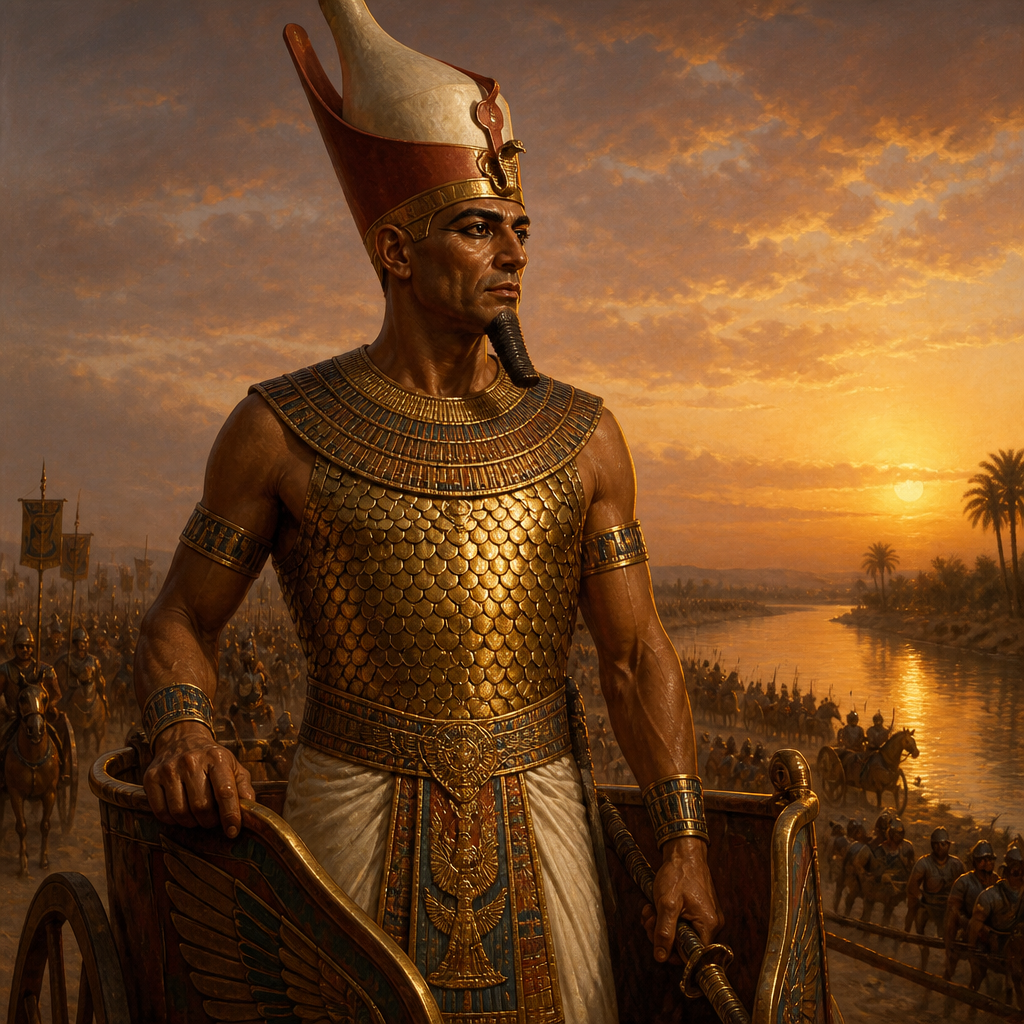
Neco
Pharaoh who killed King Josiah and conquered Judah before being defeated by Babylon
Omri, King of Israel
King of Israel who founded the city of Samaria and established a powerful but wicked dynasty
Pekah
King of Israel who allied with Rezin of Aram and lost northern territories to Assyria
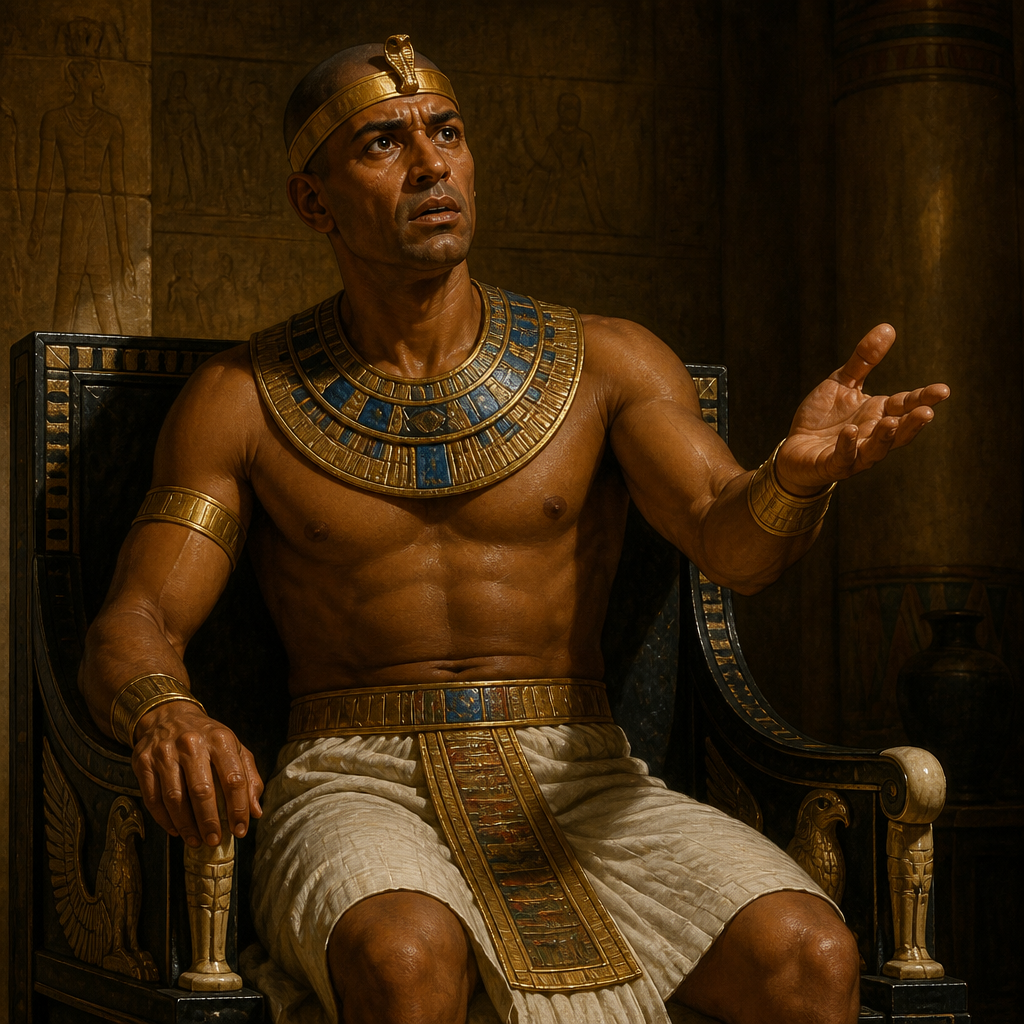
Pharaoh, Contemporary of Abram
Egyptian king who took Sarai into his palace and was subsequently afflicted by divine plagues
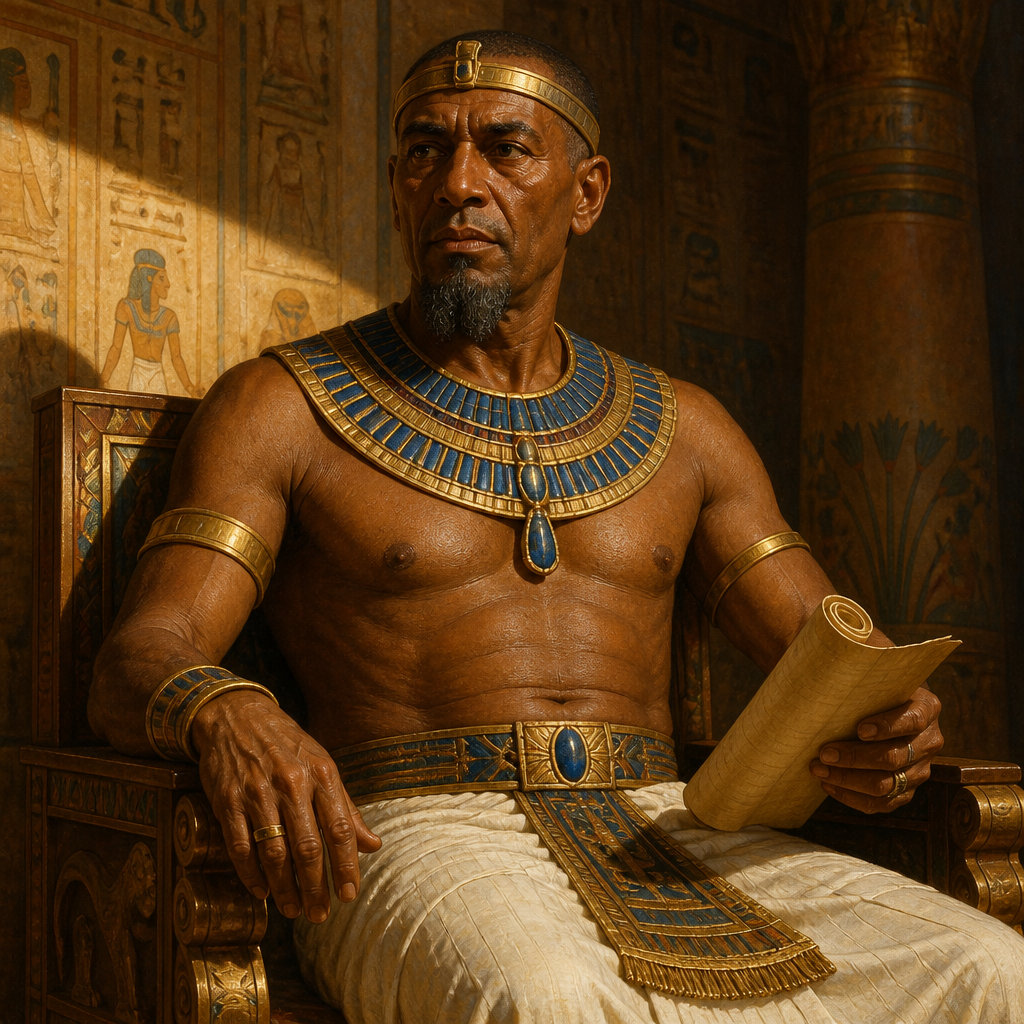
Pharaoh, Father of Bithiah
Egyptian monarch whose daughter Bithiah married into the tribe of Judah
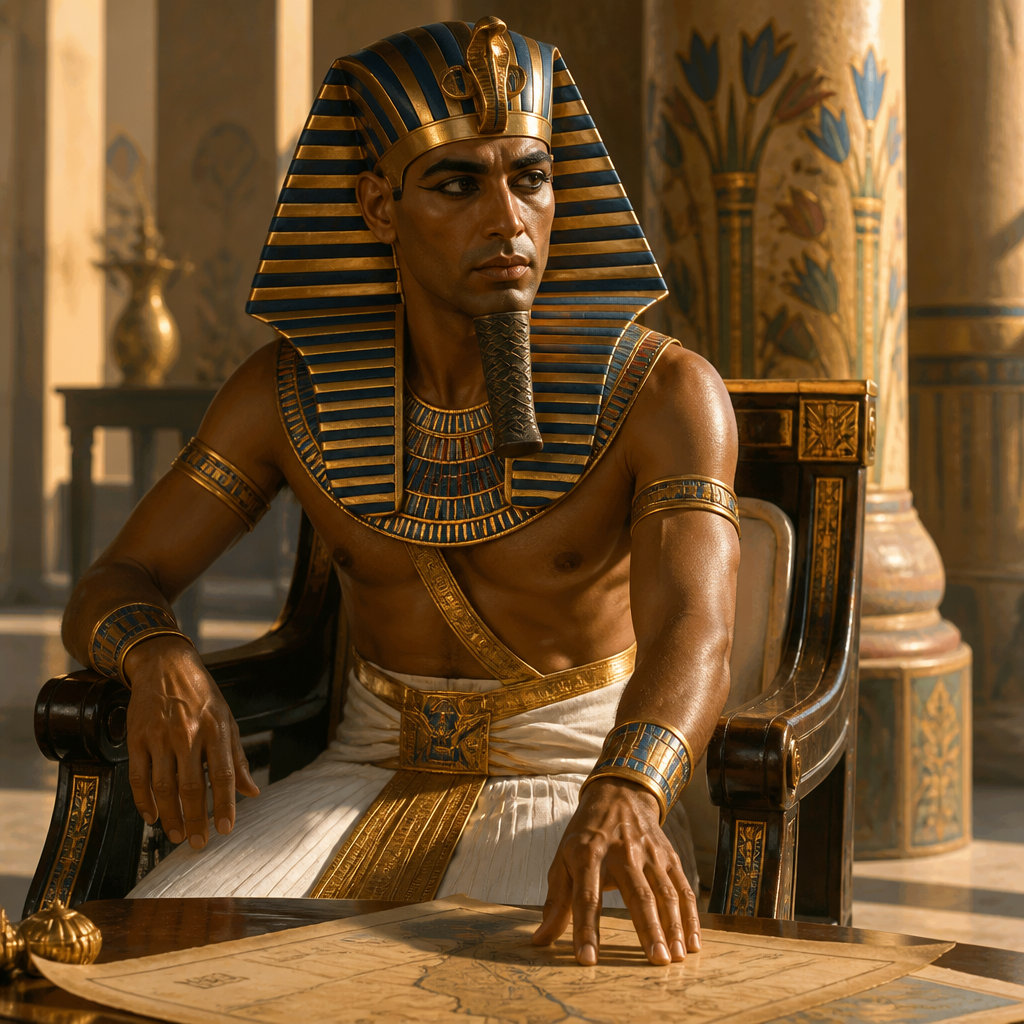
Pharaoh, Father-in-law of Solomon
Egyptian monarch who formed a marriage alliance with Solomon and gifted him the city of Gezer
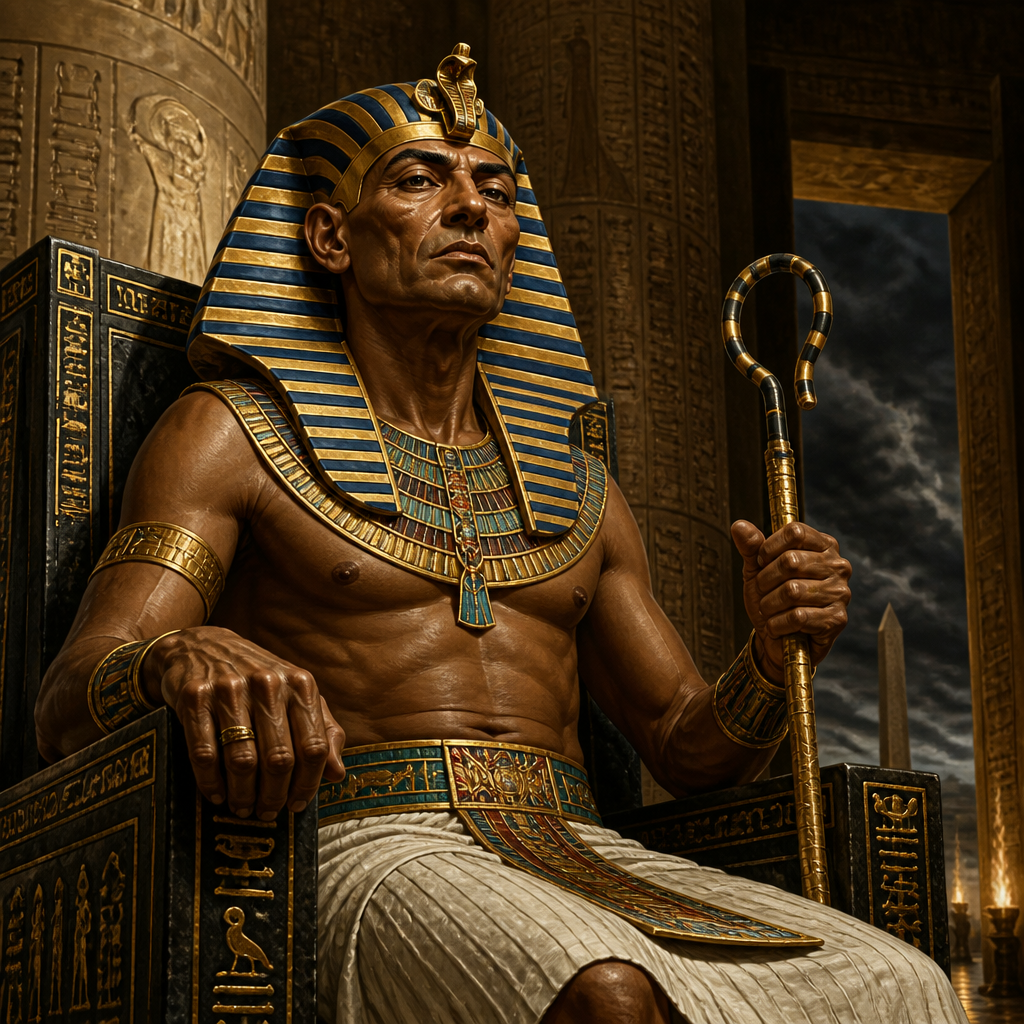
Pharaoh, King of the Exodus
Egyptian king who opposed Moses and was defeated at the Red Sea
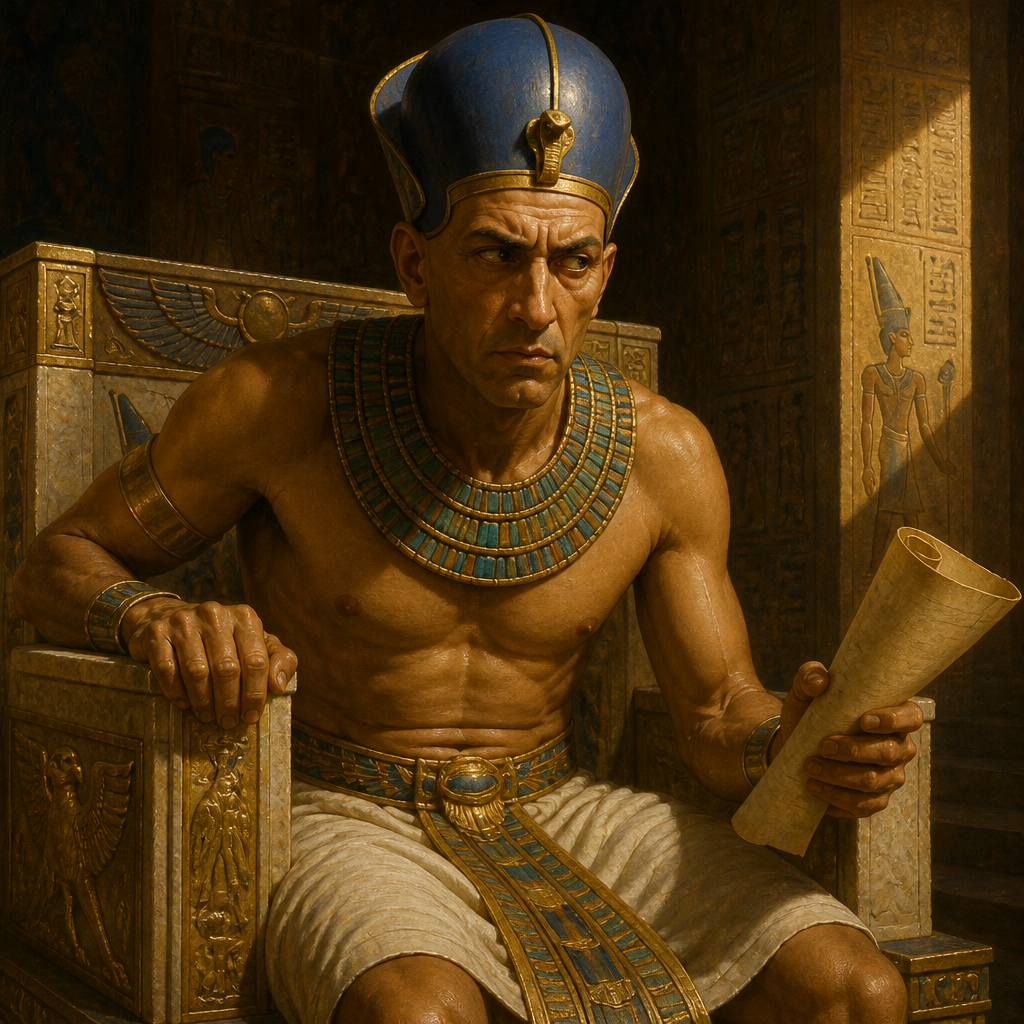
Pharaoh, Oppressor of the Israelites
King of Egypt who enslaved the Israelites and ordered the drowning of Hebrew male infants
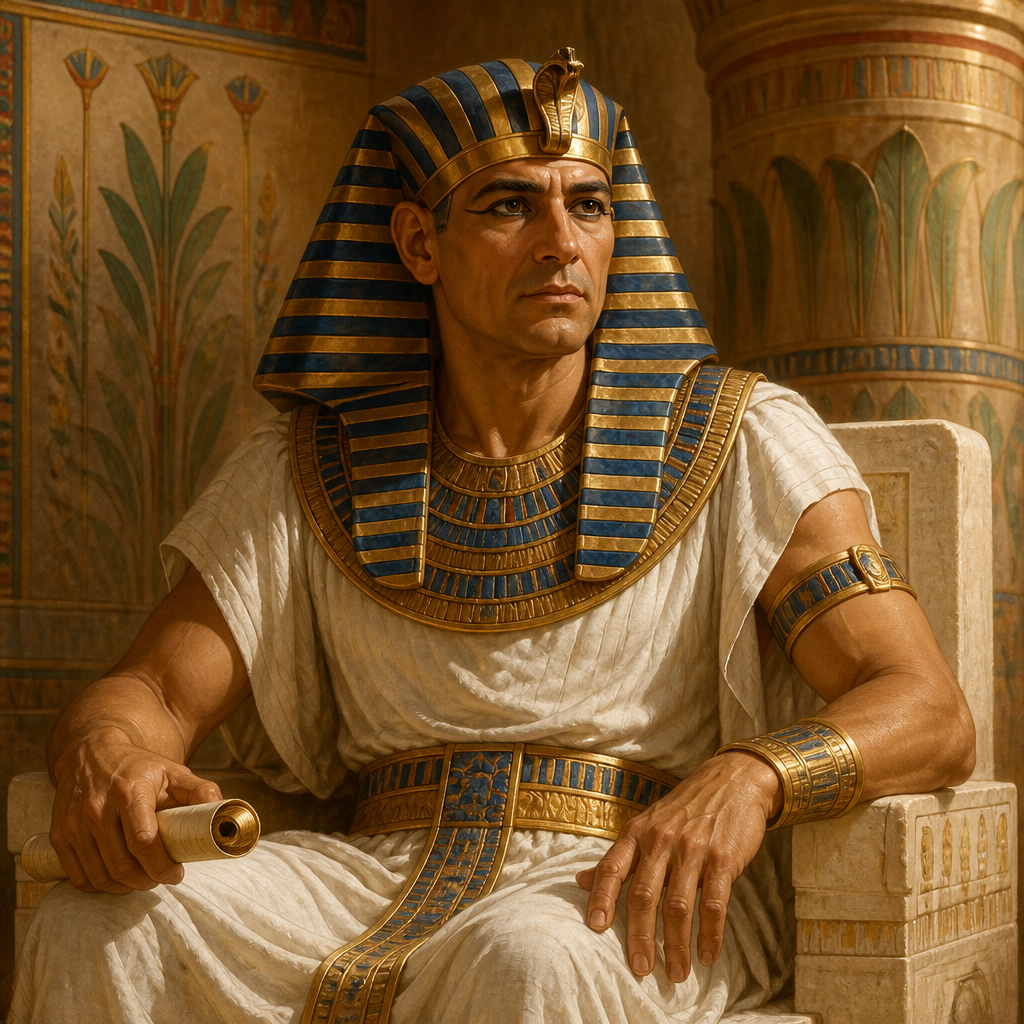
Pharaoh, Patron of Joseph
King of Egypt who promoted Joseph to vizier and invited Jacob's family to settle in Goshen
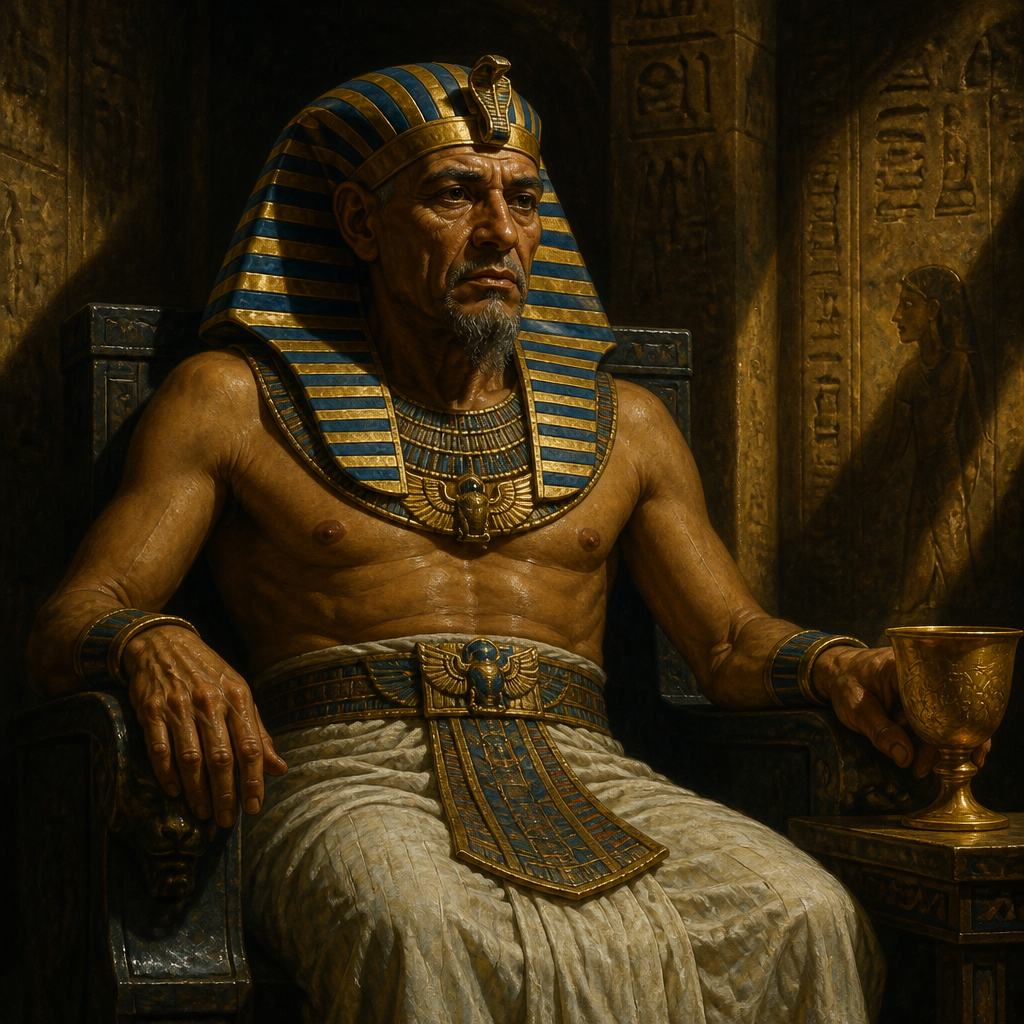
Pharaoh, Subject of Divine Judgment
Egyptian monarch listed among the nations destined to drink the cup of God's wrath in Jeremiah's prophecy
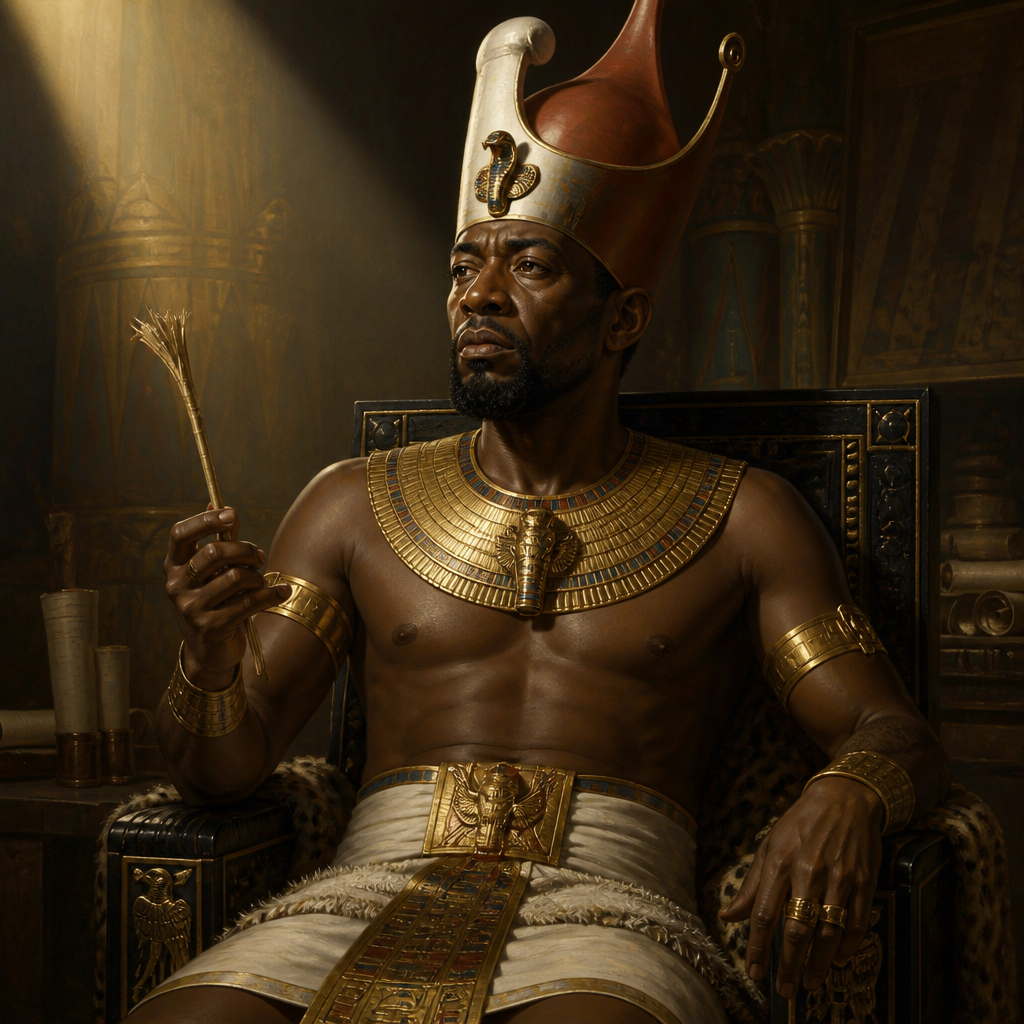
Pharaoh, unreliable ally of Hezekiah
Egyptian monarch whose failed military alliance with King Hezekiah was compared to a splintered reed
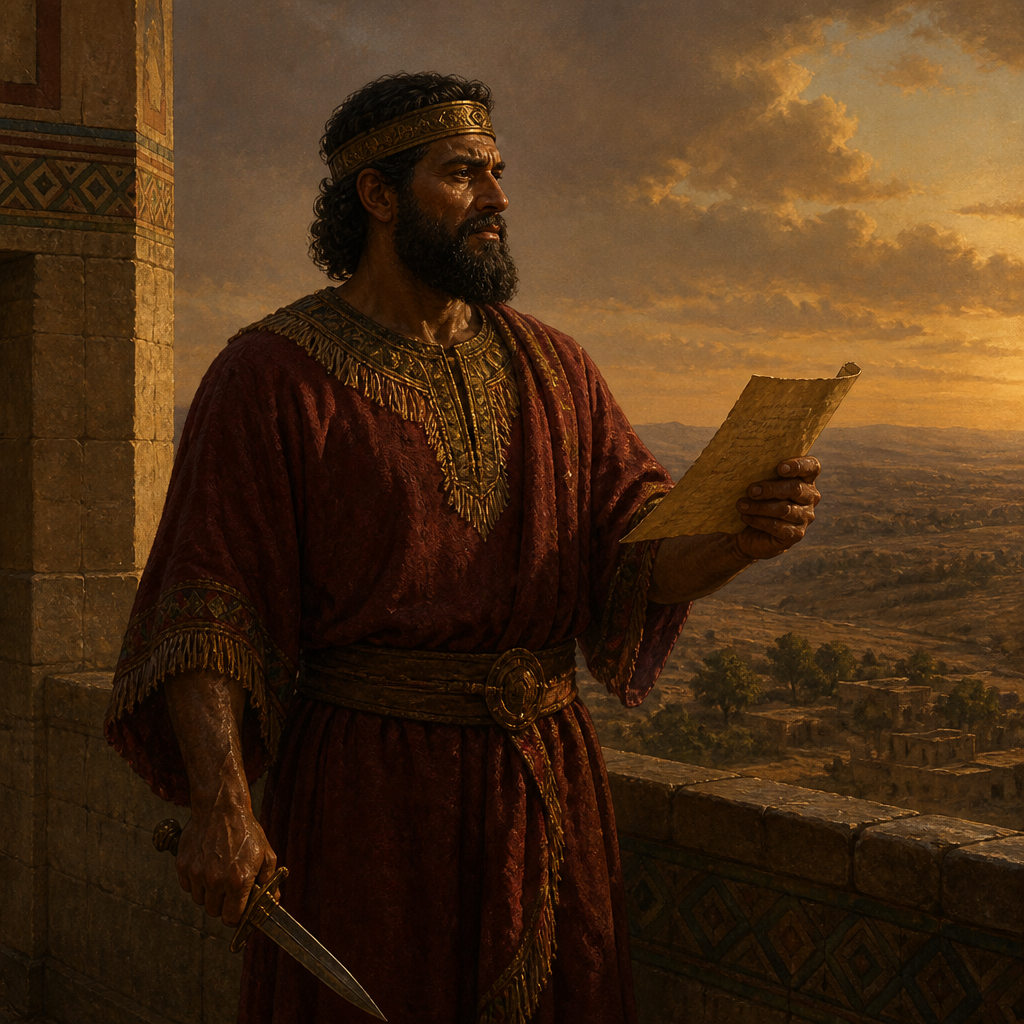
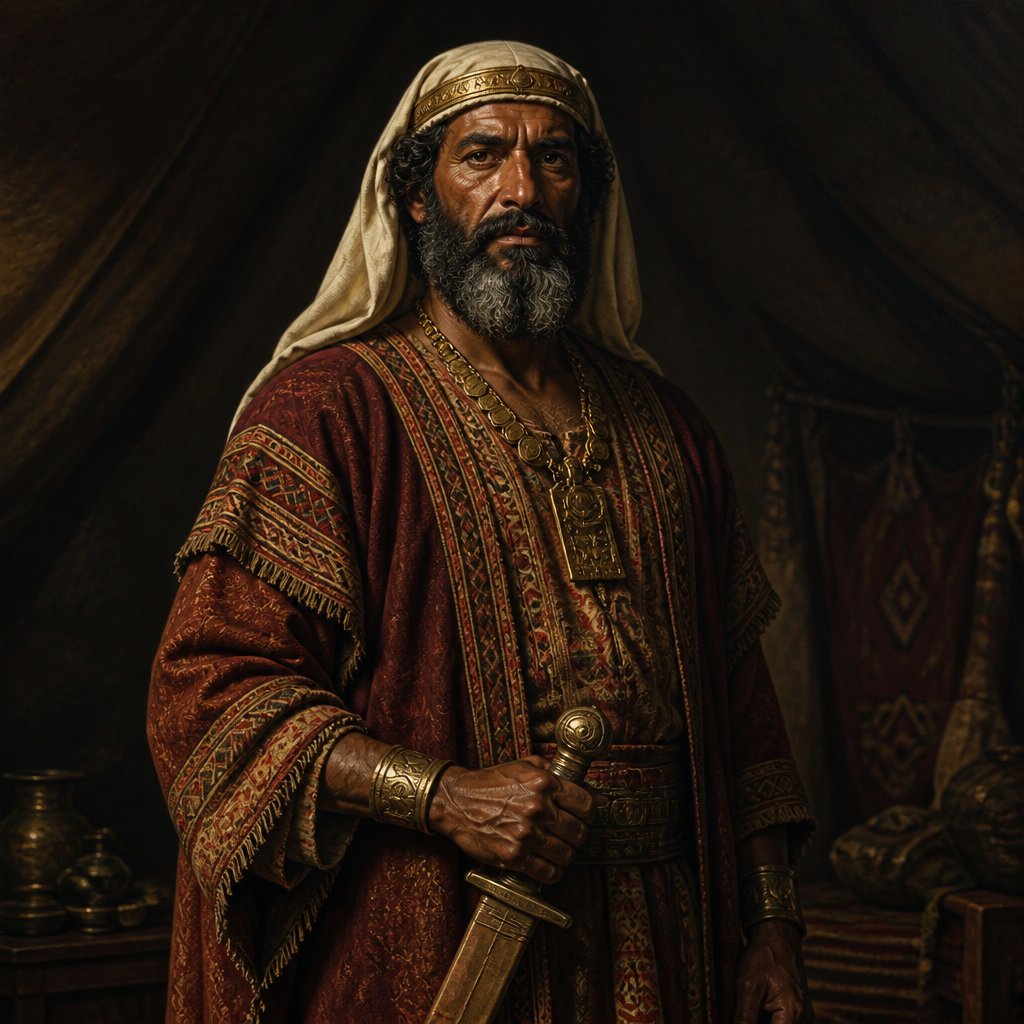
Reba
King of Midian who was slain during the Israelite wilderness campaign
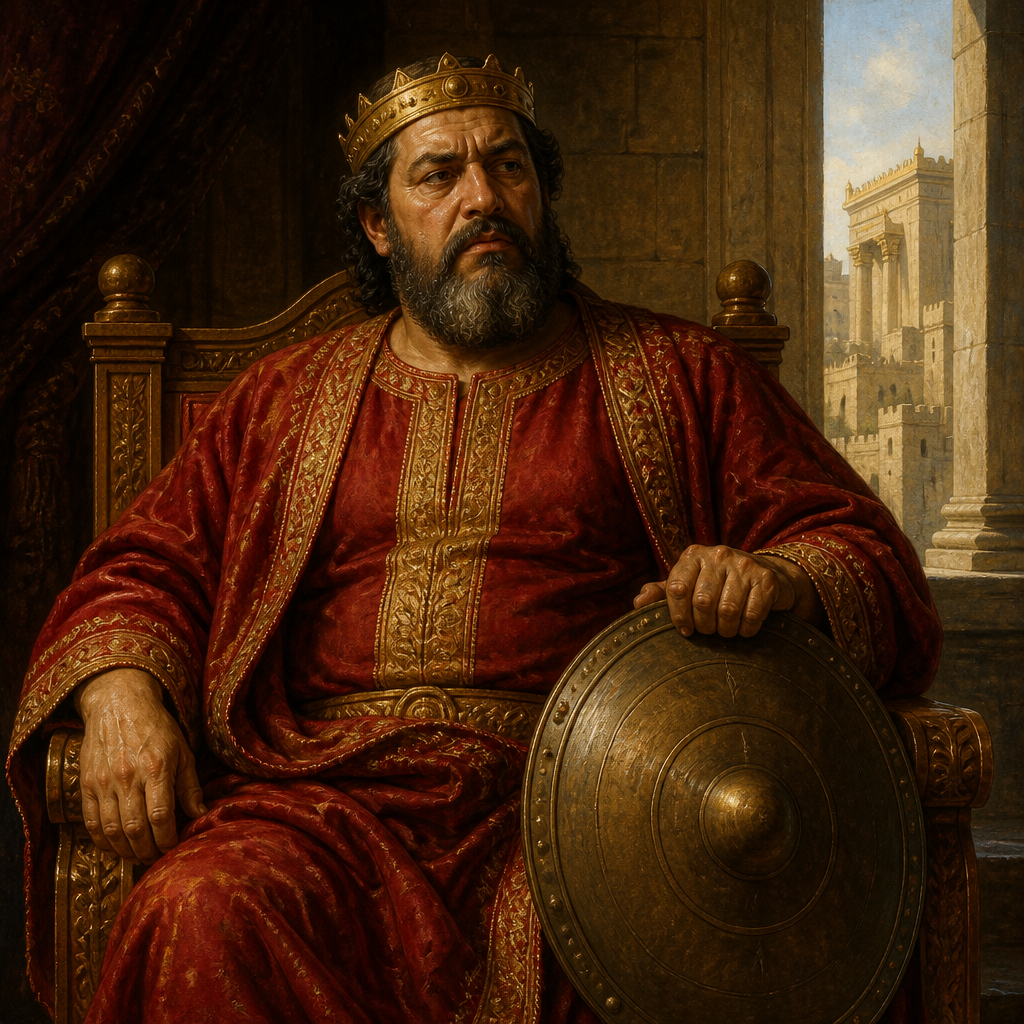
Rehoboam
King of Judah who presided over the division of the United Monarchy
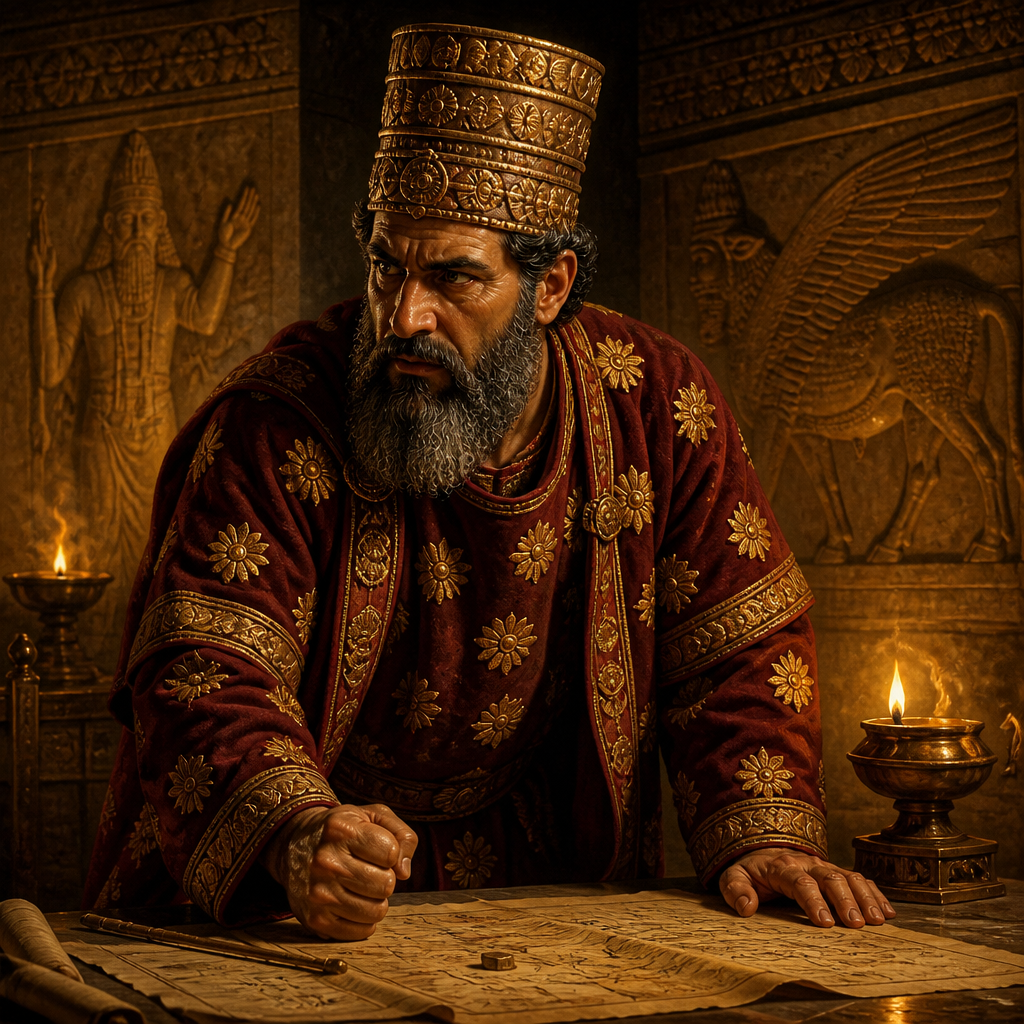
Rezin, King of Aram
King of Aram who besieged Jerusalem and was killed by the Assyrians
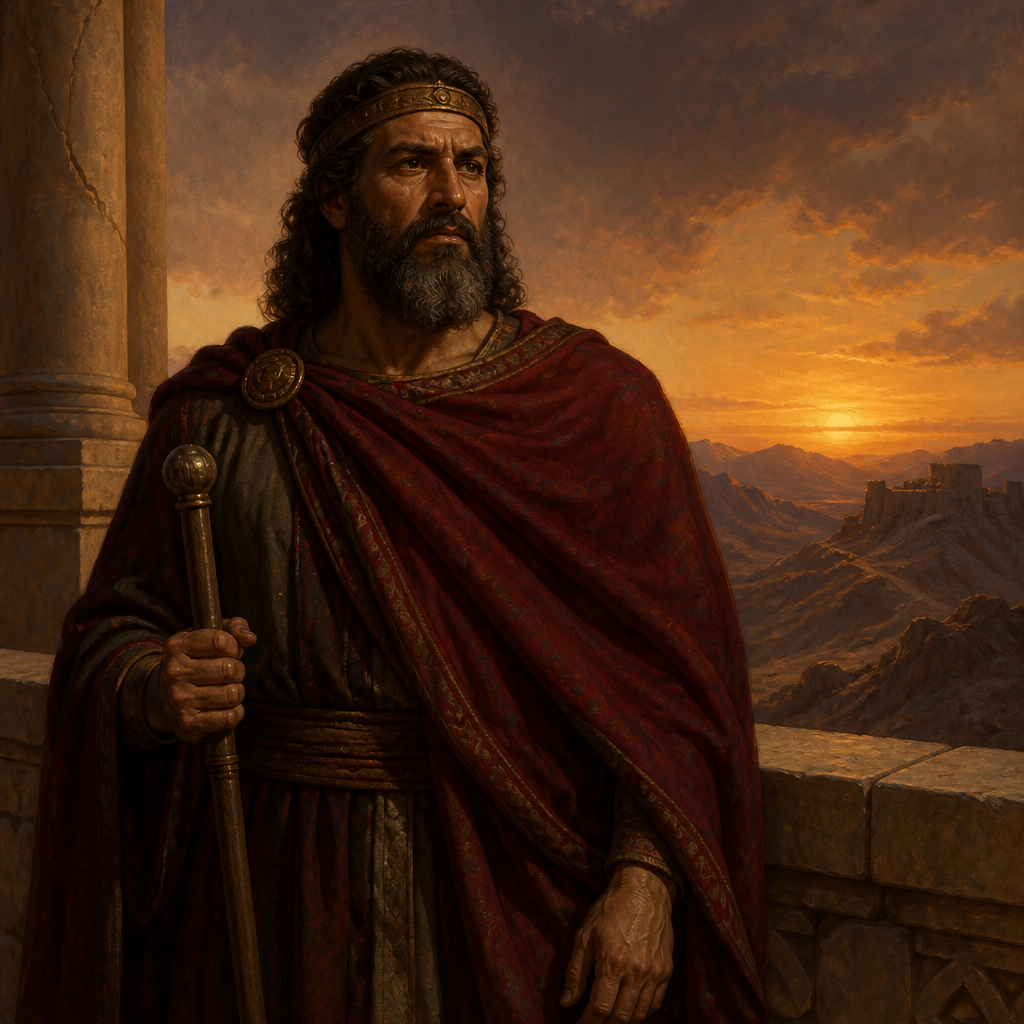
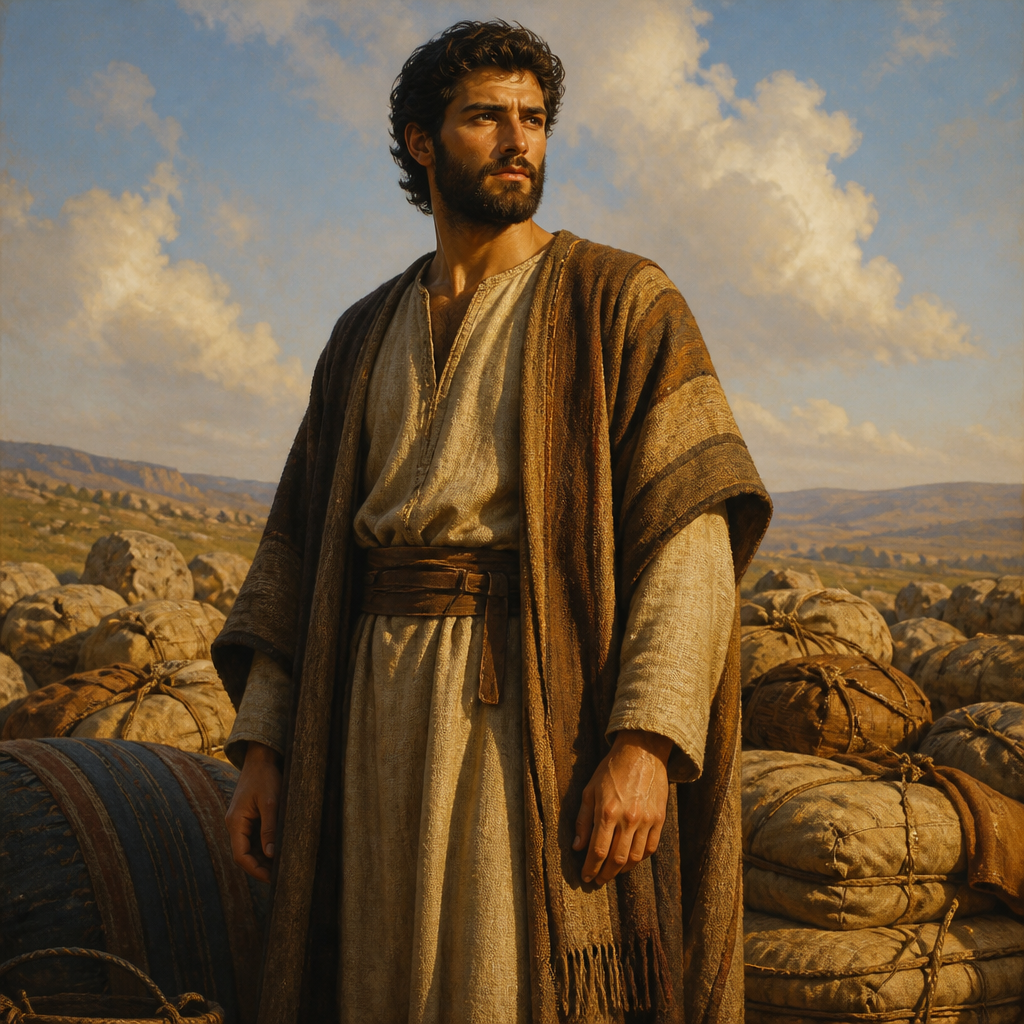
Saul
King of Israel who was the first to rule the United Monarchy before being rejected by God
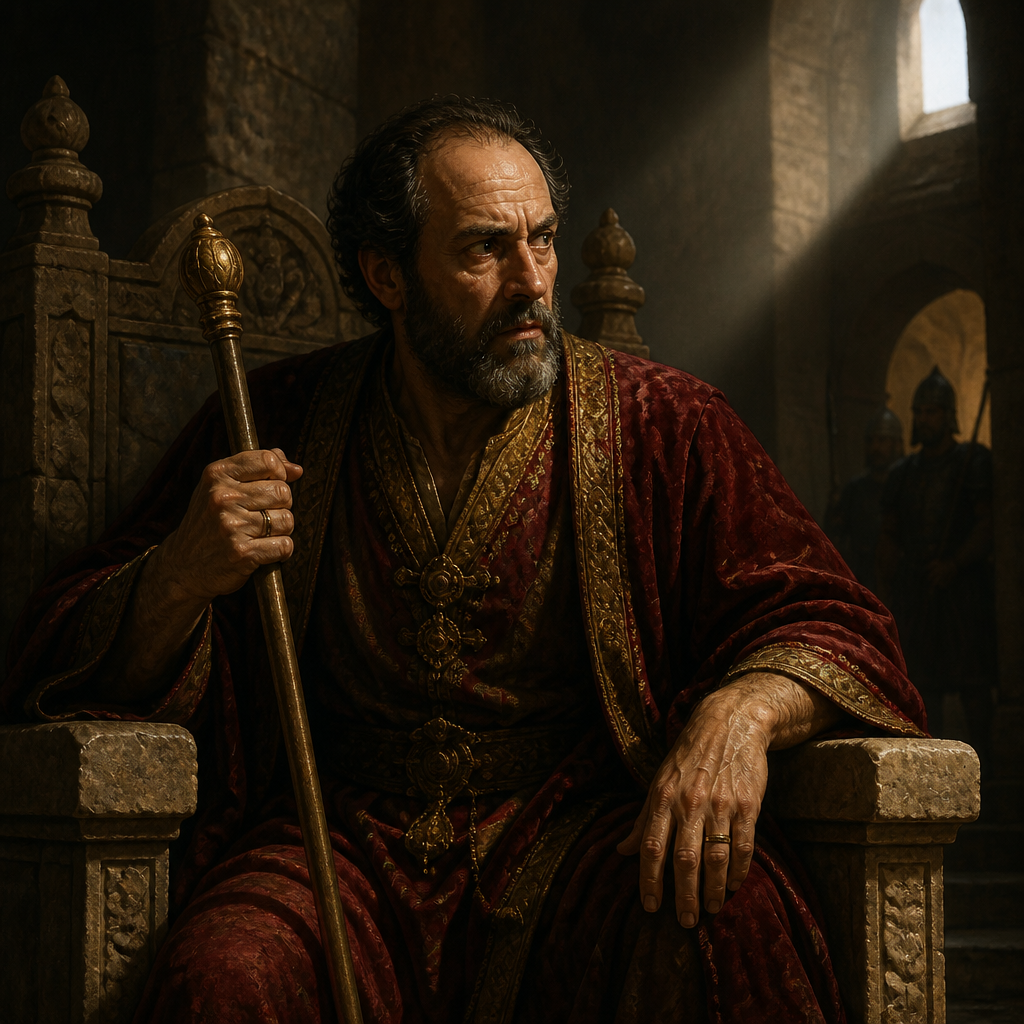
Shallum son of Jabesh
King of Israel who reigned for only one month after assassinating Zechariah
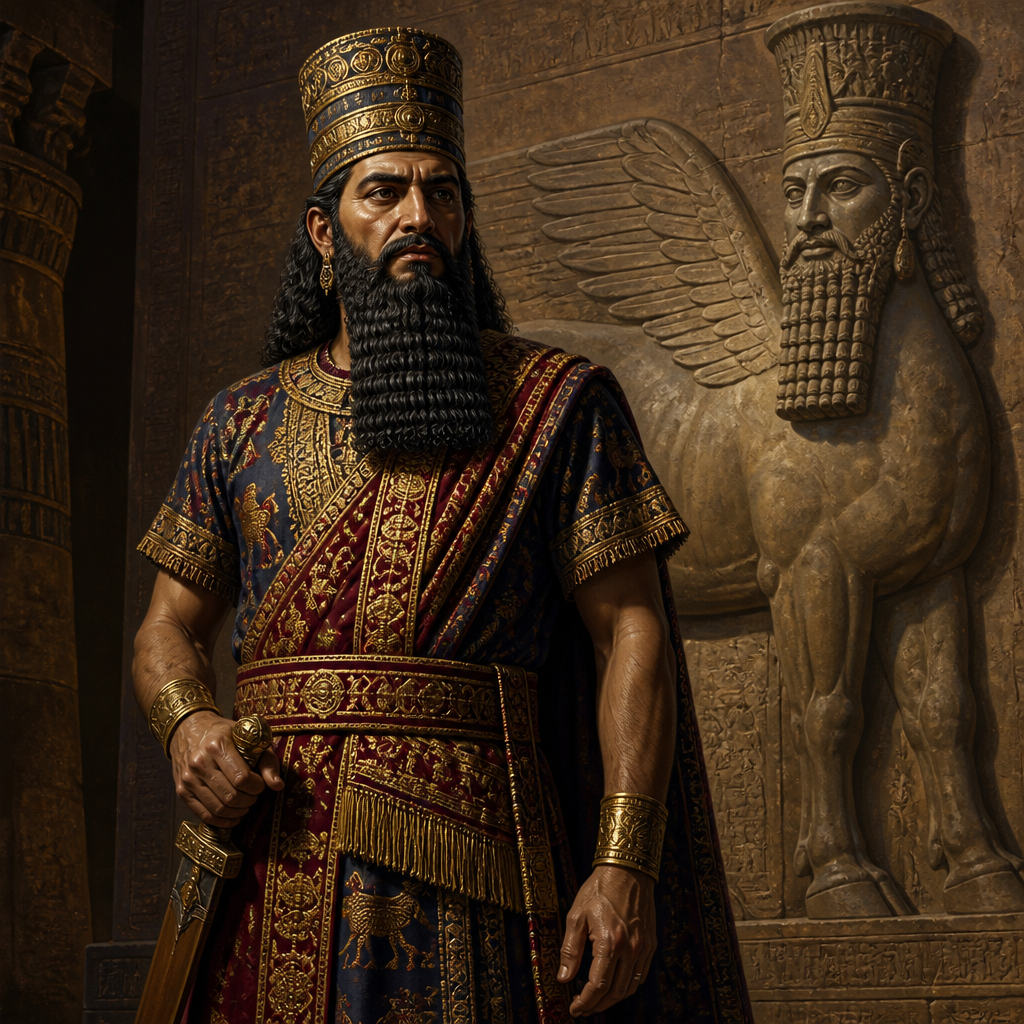
Shalmaneser
King of Assyria who besieged Samaria and ended the Northern Kingdom of Israel
Shaul of Rehoboth
King of Edom who reigned before there were kings in Israel
Shinab
A rebel against Chedorlaomer and combatant in the Battle of the Vale of Siddim
Shishak
King of Egypt who plundered the Temple of Jerusalem and gave refuge to Jeroboam
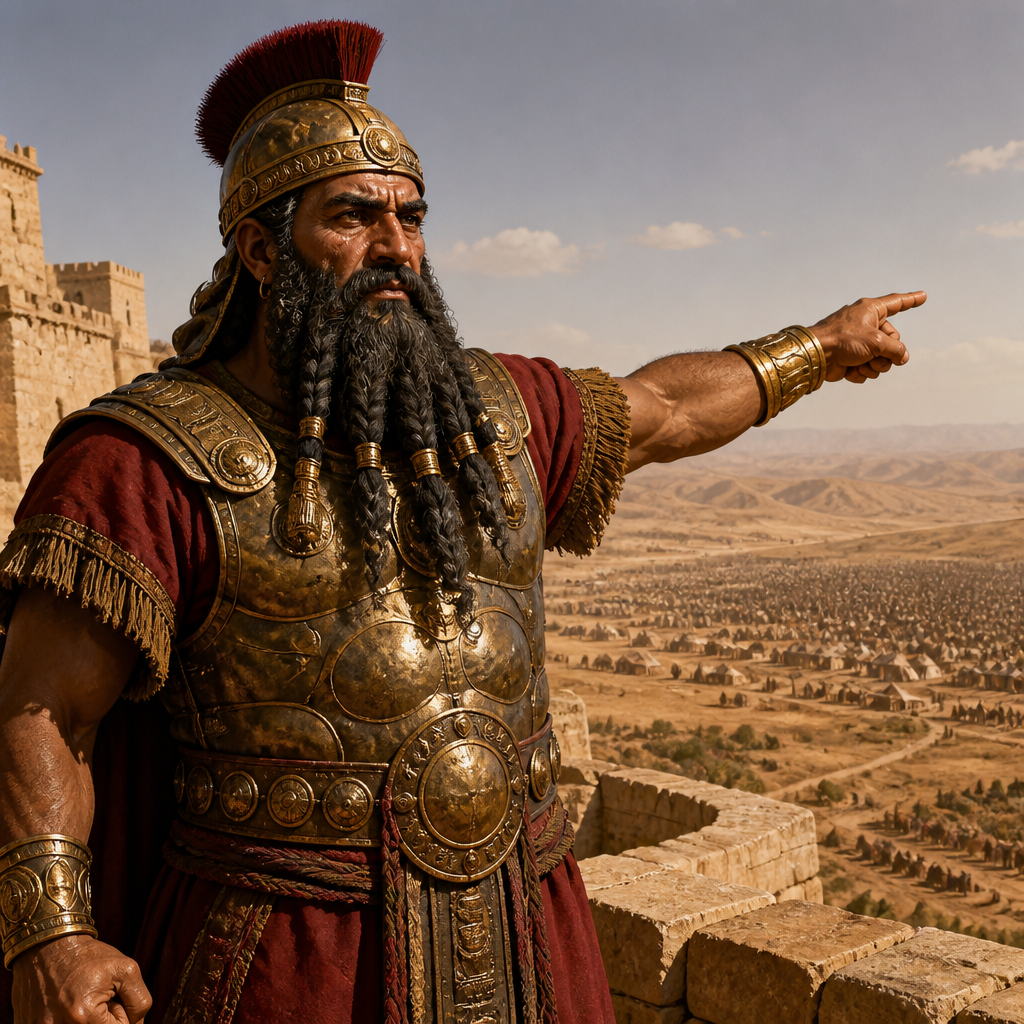
Sihon
King of the Amorites who was defeated by Moses at the Battle of Jahaz
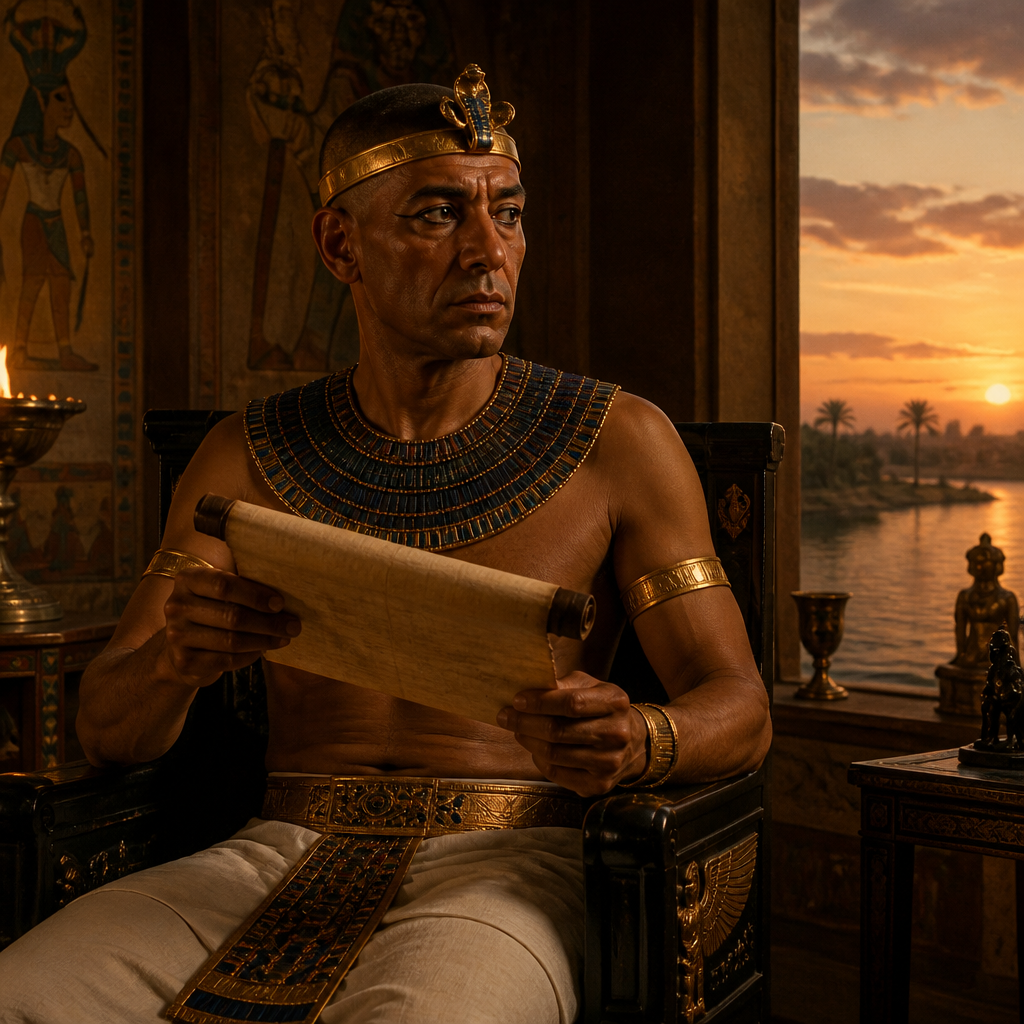
So
Egyptian king who entered into a failed anti-Assyrian conspiracy with King Hoshea
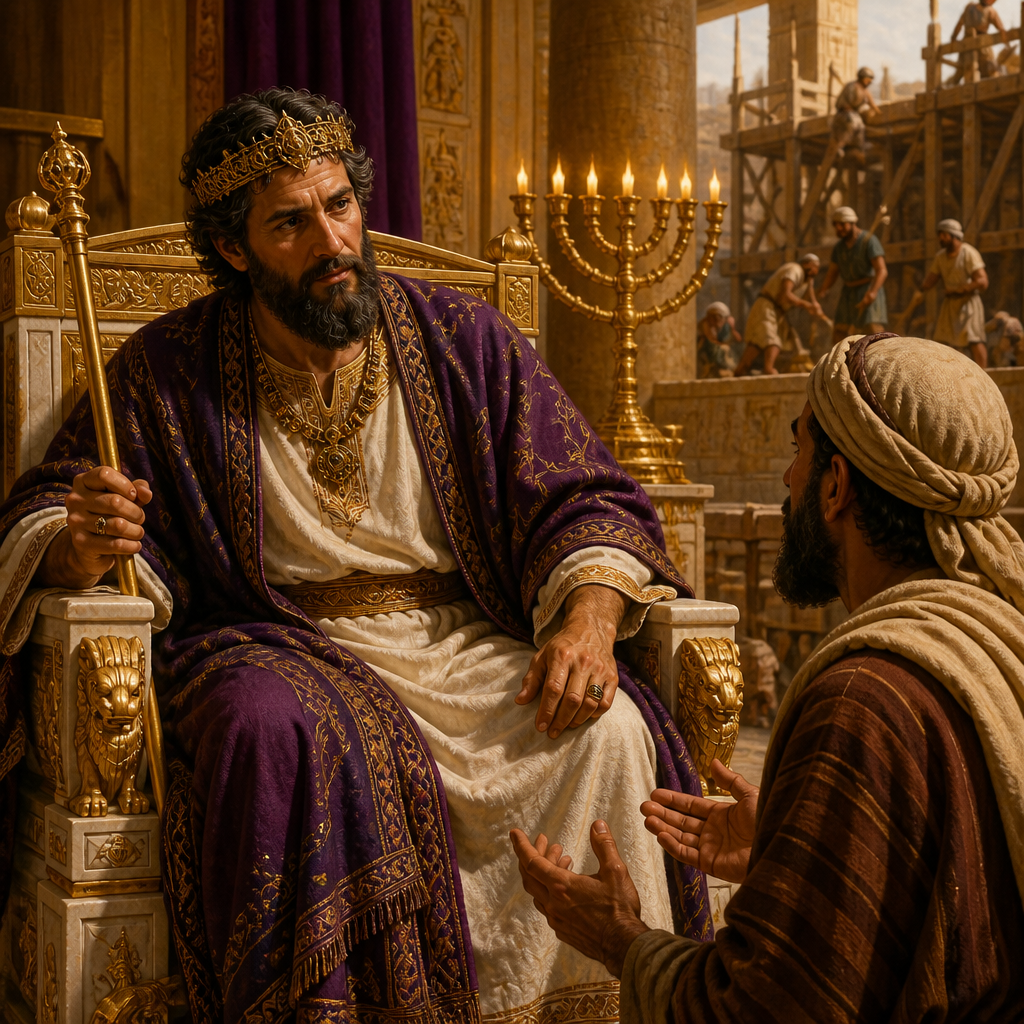
Solomon
King of Israel who built the first Temple and was famous for his wisdom
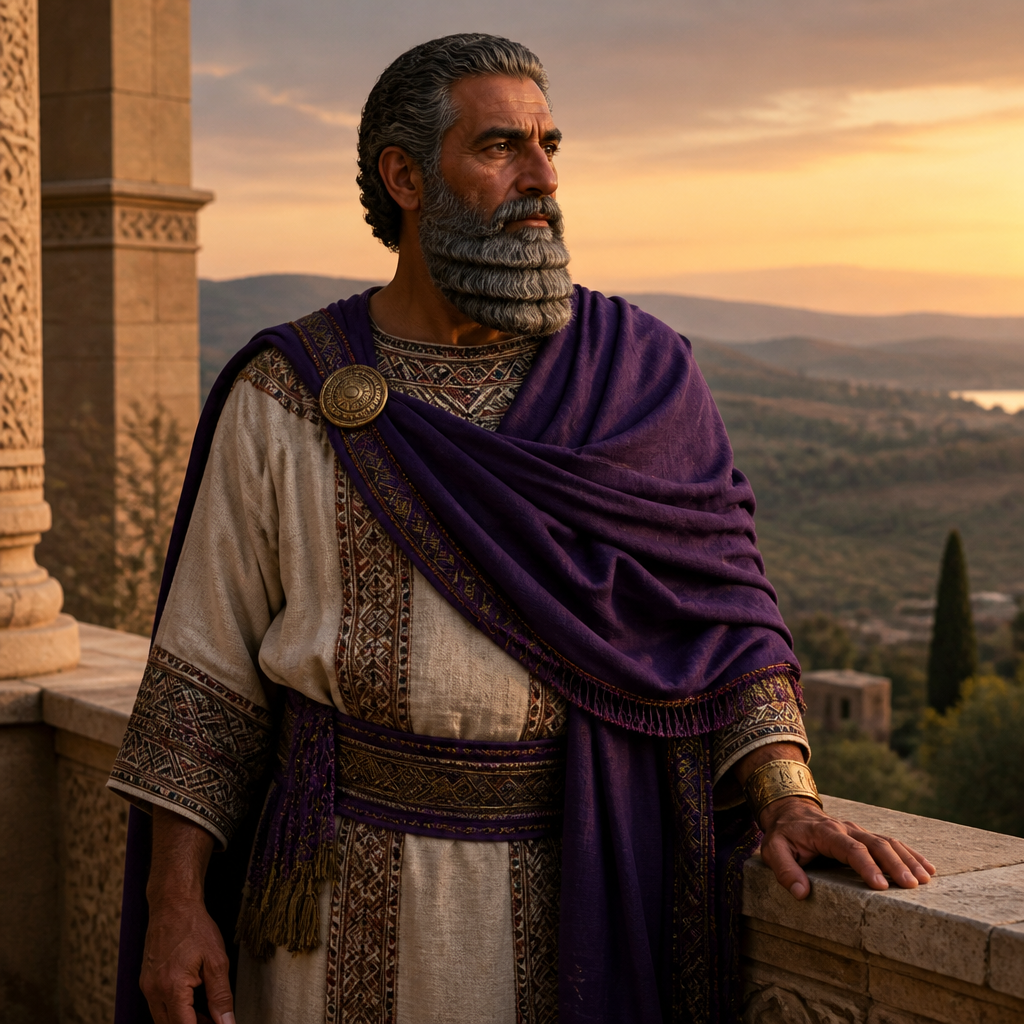
Talmai, King of Geshur
King of Geshur and grandfather of Absalom who provided him refuge after the murder of Amnon
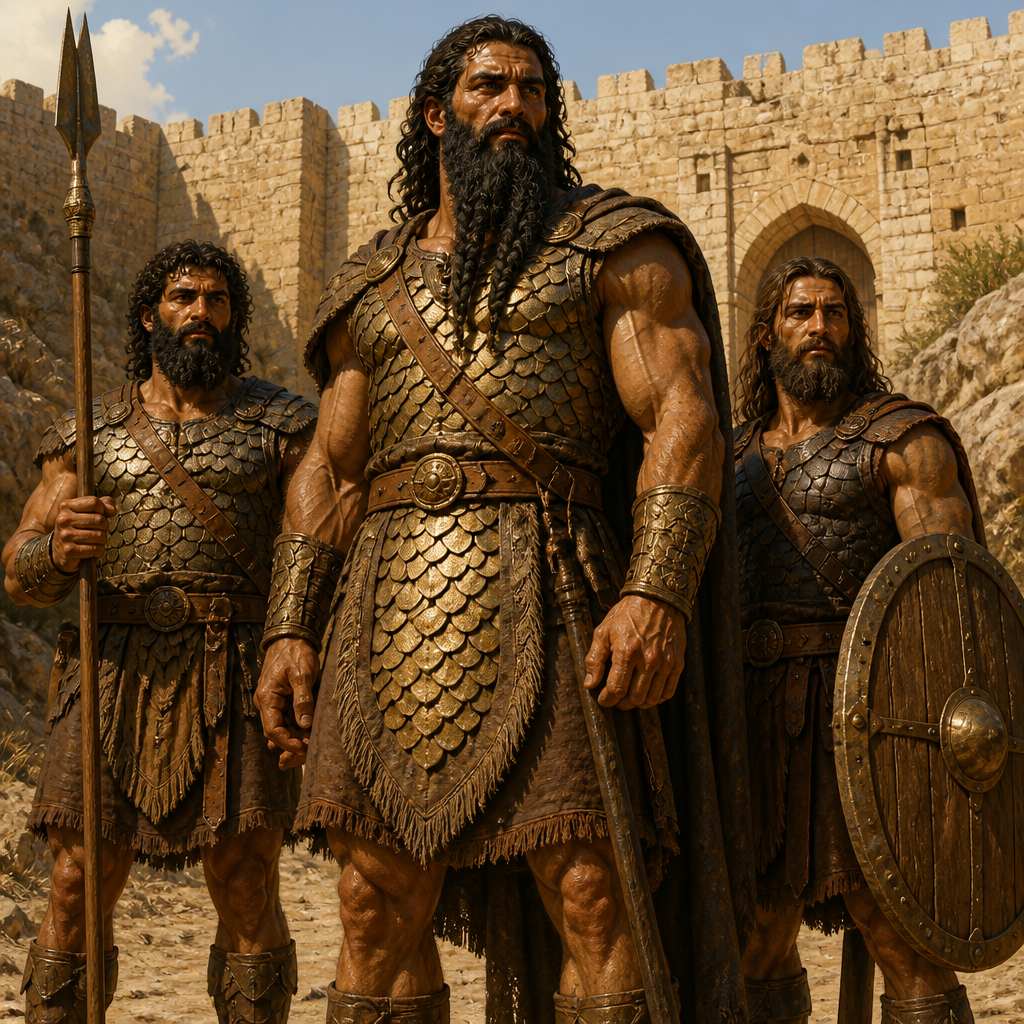
Talmai, son of Anak
Son of Anak and giant of Hebron who was defeated by Caleb
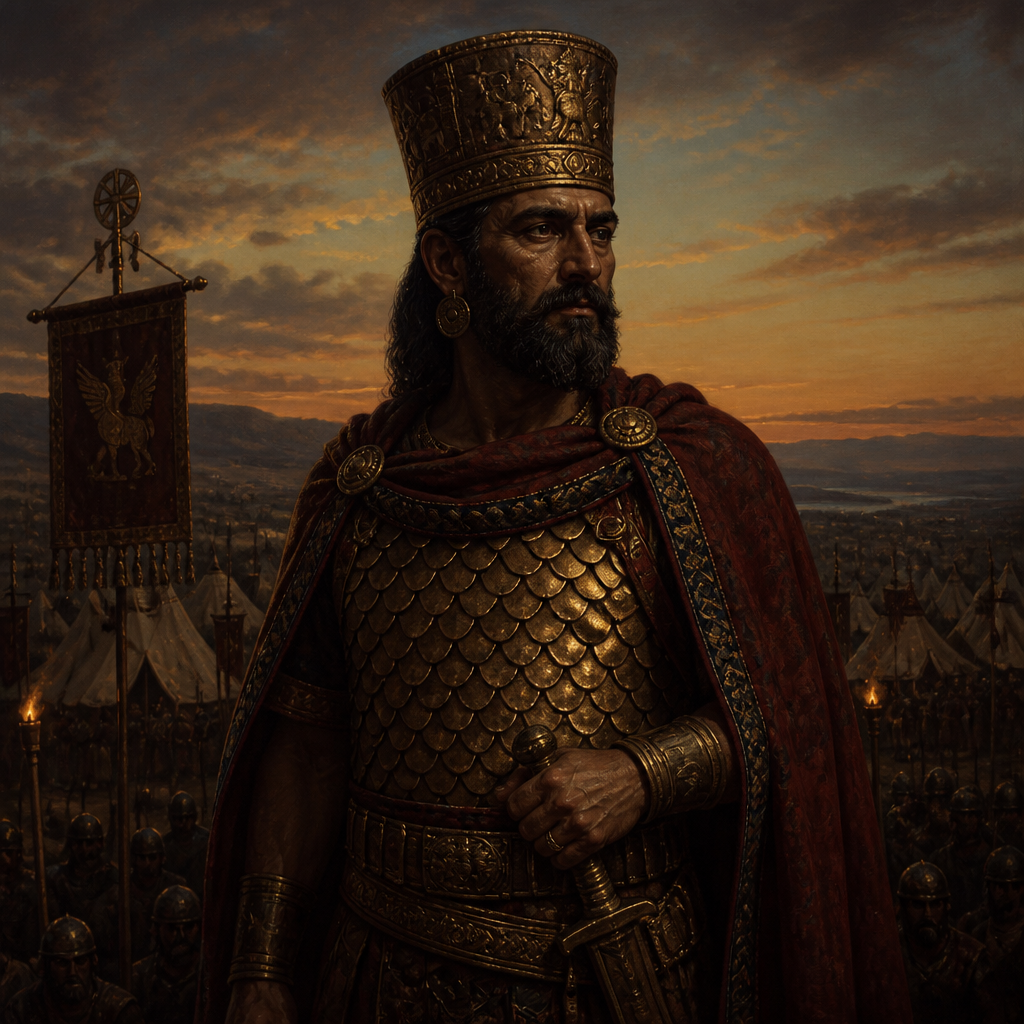
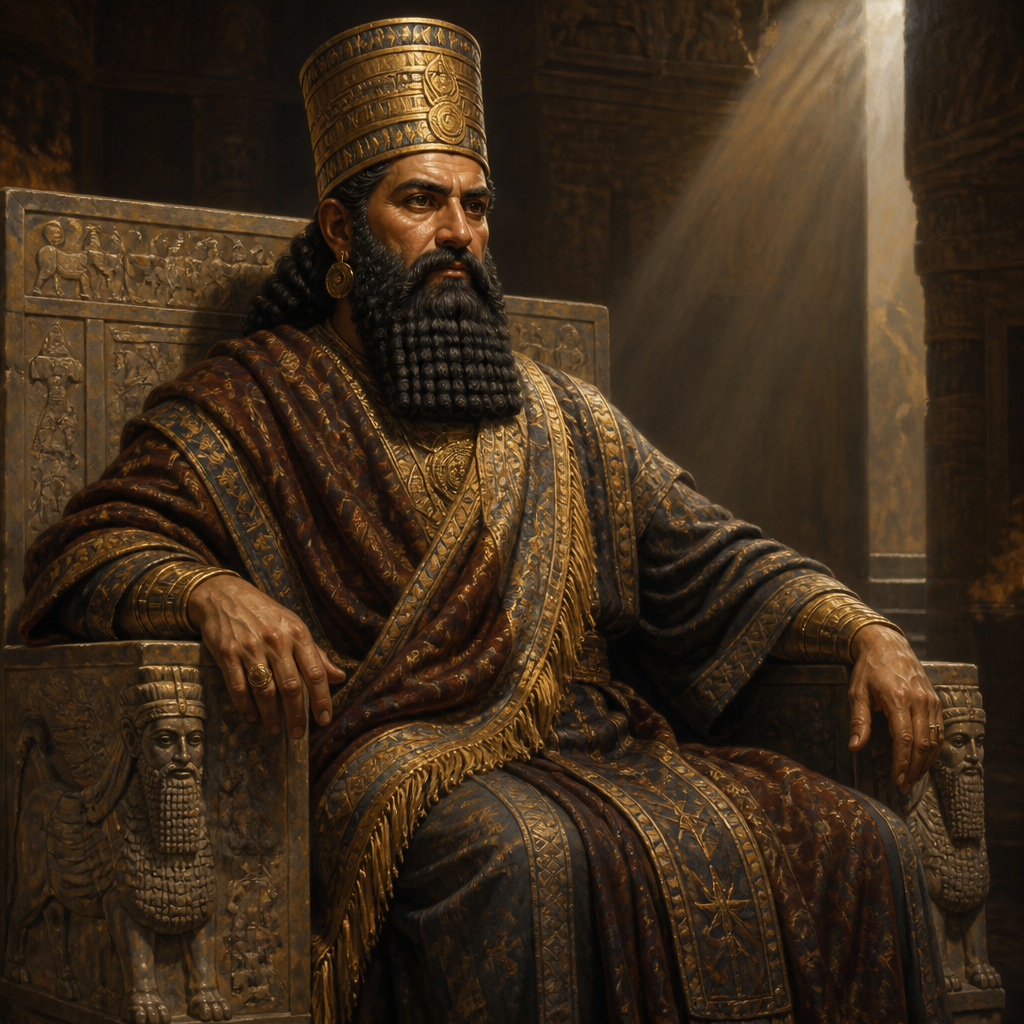
Tiglath-pileser
King of Assyria who initiated the first major deportations of the northern kingdom of Israel
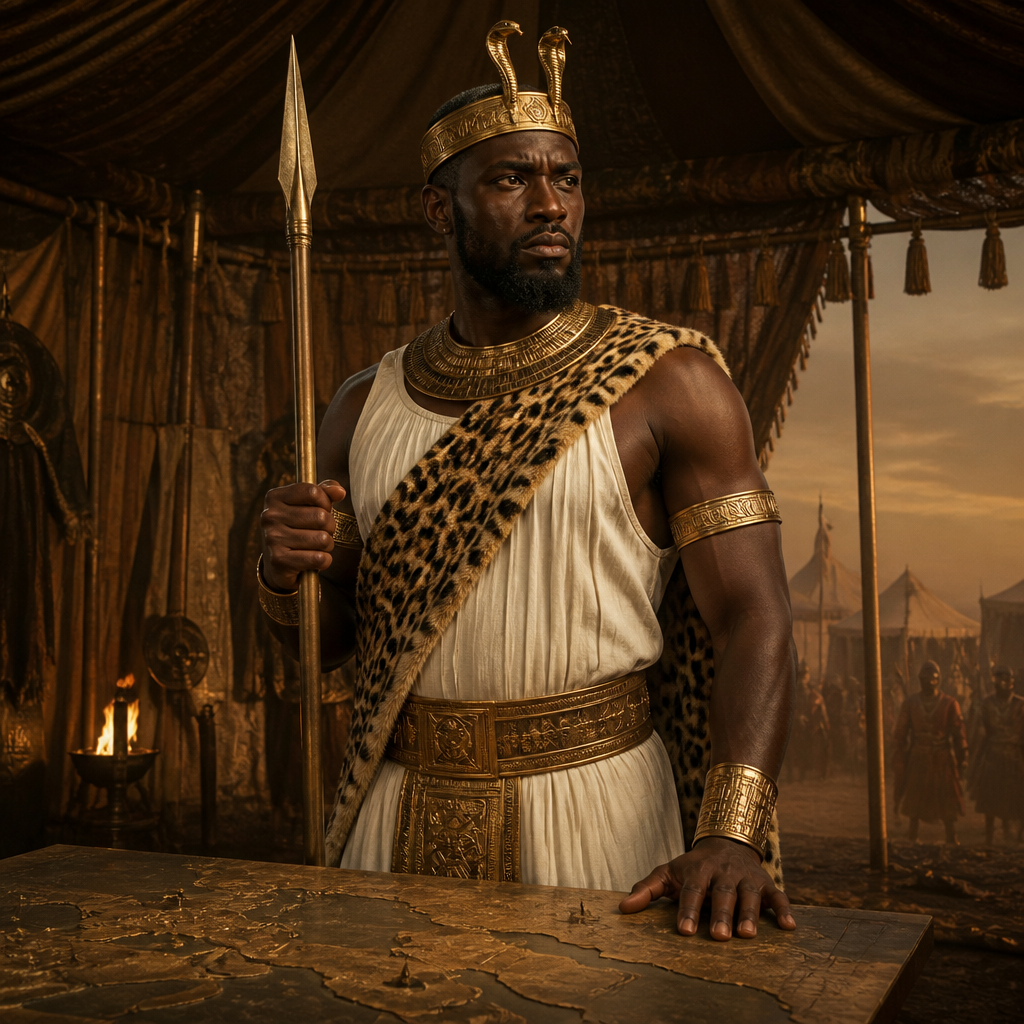
Tirhakah
King of Cush who mobilized against Sennacherib during the siege of Jerusalem
Toi
King of Hamath who sent tribute to David after the defeat of Hadadezer
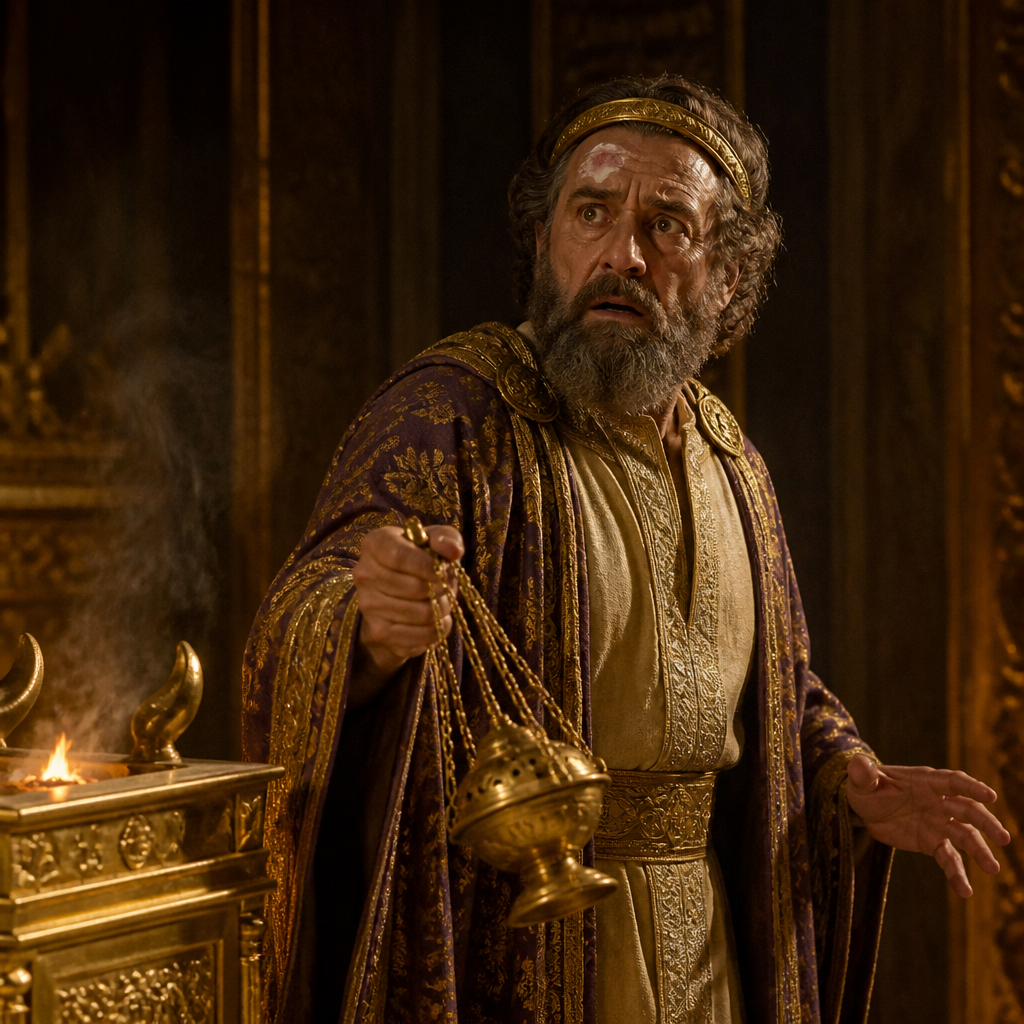
Uzziah, King of Judah
King of Judah struck with leprosy for attempting to burn incense in the Temple
Zebah
King of Midian captured and executed by Gideon after the murder of Gideon's brothers
Zechariah, Son of Jeroboam
King of Israel whose assassination ended the Jehu dynasty after a six-month reign
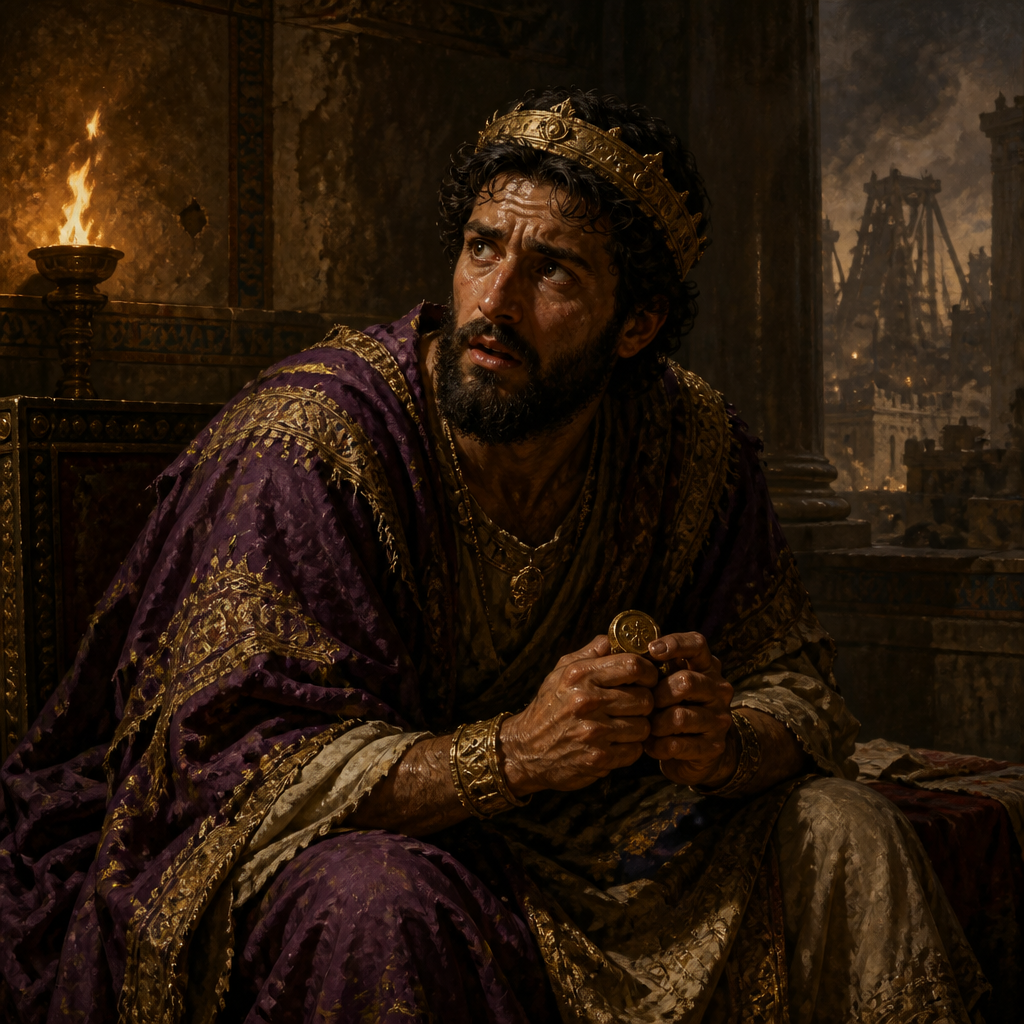
Zedekiah, Last King of Judah
Last King of Judah who was blinded at Riblah before Jerusalem and the Temple were burned
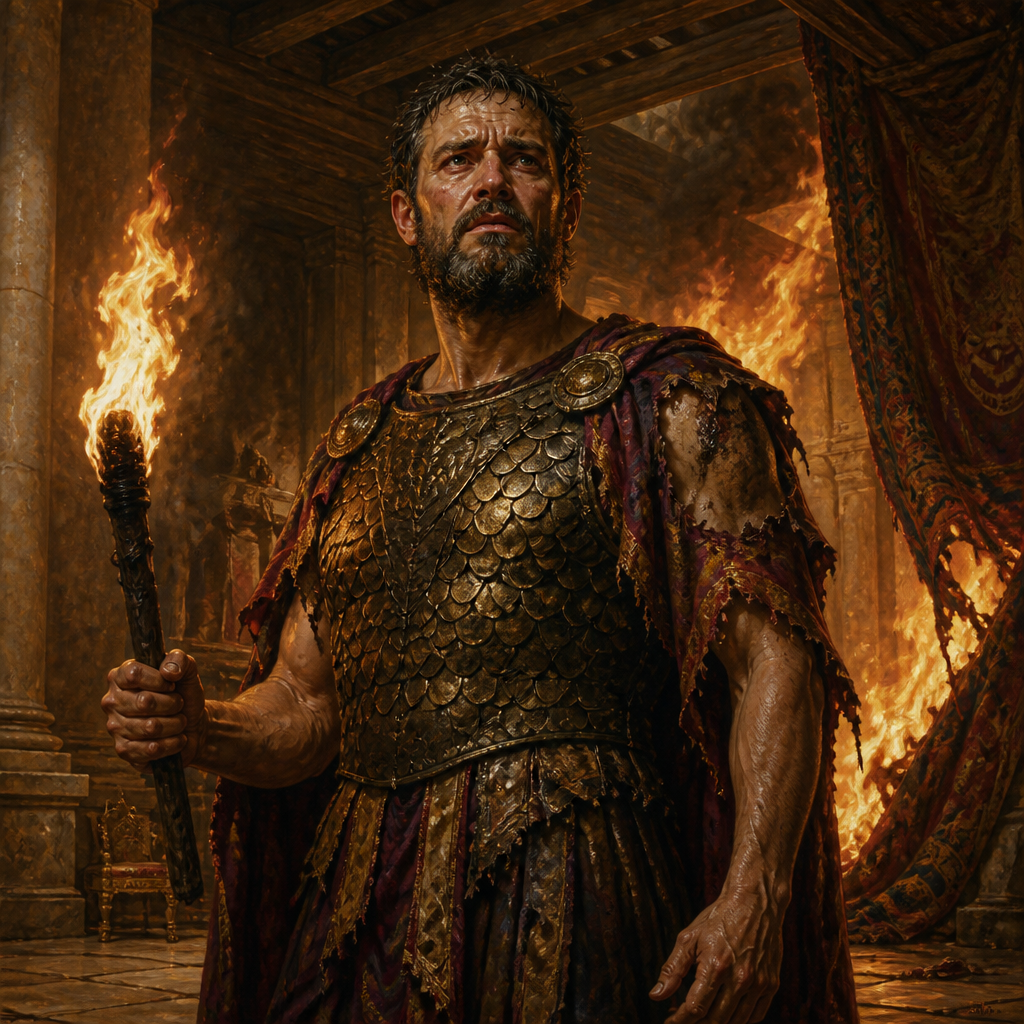
Zimri, King of Israel
King of Israel who reigned for only seven days and died by suicide in his burning palace
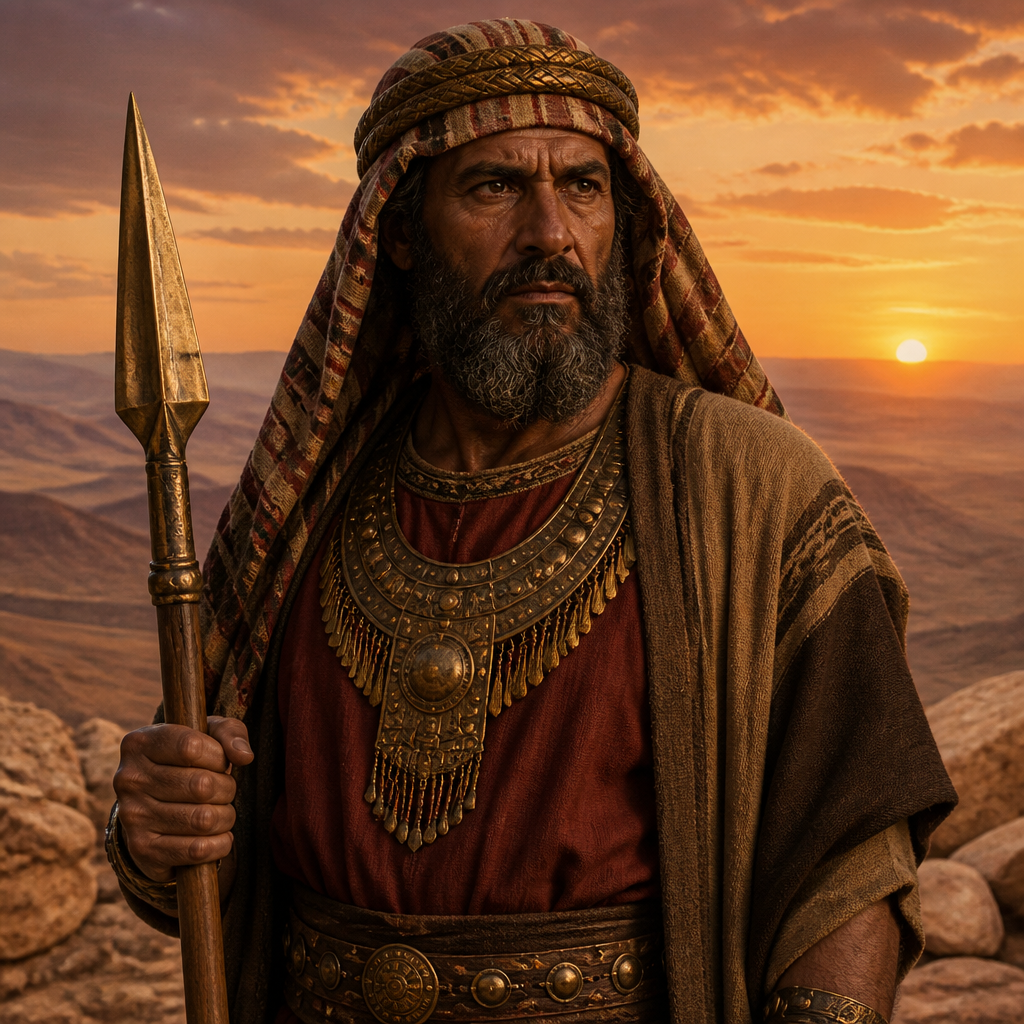
Zur, King of Midian
King of Midian who was slain during the Israelite campaign in the wilderness