Ethbaal
Who was Ethbaal in the Bible?
The King of the Sidonians and the father of Jezebel, who facilitated the introduction of Baal worship into the Northern Kingdom of Israel through a political marriage with King Ahab.
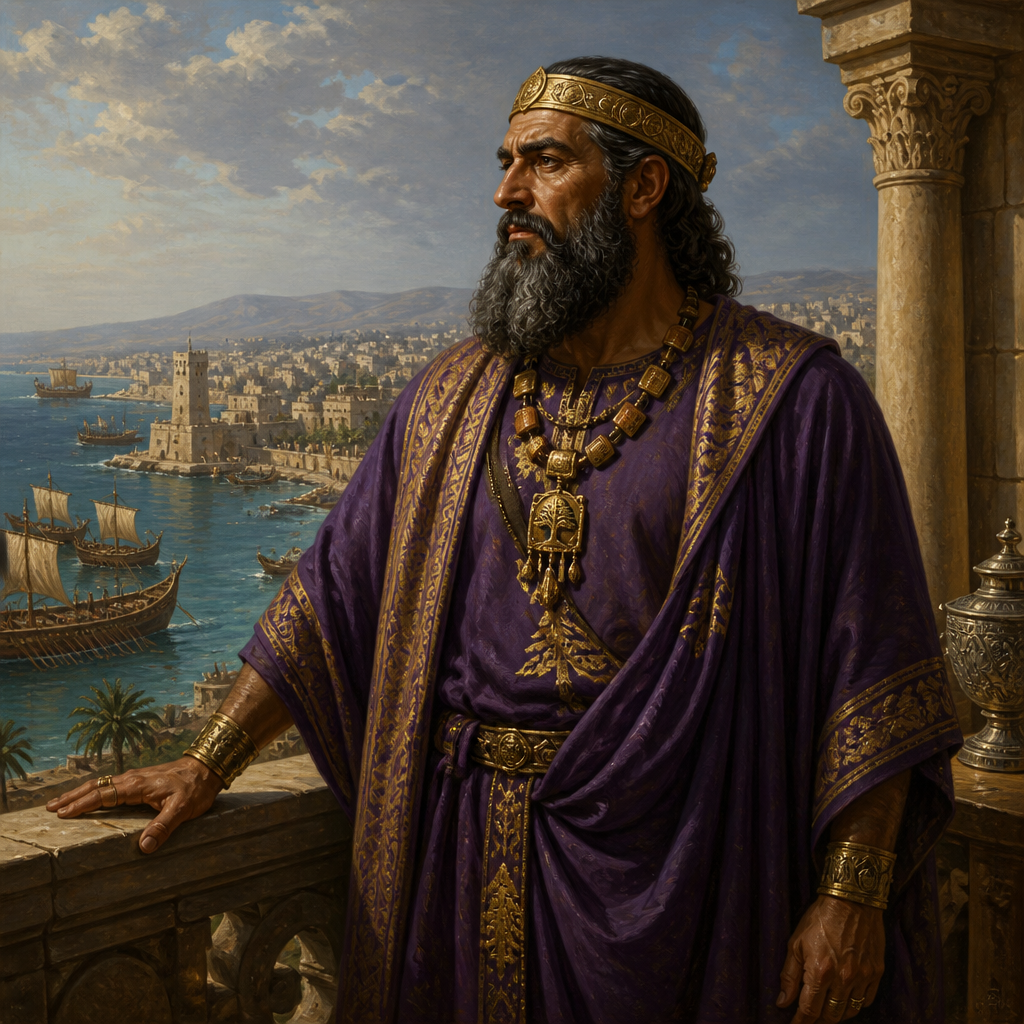
Ethbaal is a historical and biblical figure identified as the King of the Sidonians during the era of the Divided Monarchy in the 9th century BC. His primary significance in the biblical narrative is rooted in his role as the father of Jezebel, the notorious queen of Israel. By marrying his daughter to King Ahab of Israel, Ethbaal forged a powerful political and religious alliance between the maritime power of Phoenicia and the Northern Kingdom.
While his direct appearance in the biblical text is limited to a single mention in the First Book of Kings, his influence is felt throughout the following chapters. The introduction of the cult of Baal and Asherah into Israel is directly linked to the household and lineage of Ethbaal. This shift in religious practice led to a spiritual crisis in Israel, resulting in the famous confrontations between the prophet Elijah and the prophets of Baal.
Background and Family
Ethbaal, whose name in Hebrew (Ethba'al) translates roughly to "With Baal" or "Man of Baal," reigned as the King of the Sidonians. In the biblical context, the term "Sidonians" often served as a general designation for the Phoenician people residing along the coast of modern-day Lebanon, encompassing both the cities of Sidon and Tyre. The biblical record identifies him specifically in 1 Kings 16:31 as the father of Jezebel. Aside from this genealogical and royal identification, the scripture does not provide details regarding his ancestors or the specific circumstances of his rise to power.
Major Life Events
The most significant event associated with Ethbaal in the biblical text is the marriage of his daughter, Jezebel, to Ahab, the son of Omri and King of Israel. This union was likely a strategic diplomatic treaty intended to secure trade routes and military cooperation between Israel and the Phoenician city-states.
"And as if it were not enough for him to walk in the sins of Jeroboam son of Nebat, he even married Jezebel the daughter of Ethbaal king of the Sidonians, and he then proceeded to serve and worship Baal." (1 Kings 16:31)
This single recorded action had profound consequences. By establishing this connection, Ethbaal provided the cultural and religious bridge for Phoenician deities to enter Israelite society at the highest levels of government. The text suggests that the influence of Ethbaal’s household was strong enough to lead King Ahab away from the worship of Yahweh and toward the formal service of Baal.
Relationship to Other Biblical Figures
Ethbaal’s primary relationship is that of a father to Queen Jezebel. Through this connection, he became the father-in-law to King Ahab. Through his daughter’s marriage, he was also the grandfather of the subsequent kings of Israel, Ahaziah and Joram, and the grandfather (or possibly father) of Athaliah, who later seized the throne of Judah. His lineage represents a period where Phoenician influence most heavily permeated the Davidic and Omride dynasties.
Spiritual Significance
Theologically, Ethbaal represents the external source of the greatest apostasy faced by the Northern Kingdom during the Divided Monarchy. His name itself testifies to a deep commitment to the Canaanite deity Baal. By sending his daughter to Samaria, he did not merely send a bride, but a missionary of her native religion. The biblical author uses the mention of Ethbaal to explain the origin of the systemic idolatry that eventually led to the downfall of Ahab’s house and necessitated the reforms and judgments delivered by the prophets Elijah and Elisha. He stands as the architect of an alliance that the biblical narrative views as a spiritual catastrophe for the people of Israel.
Ethbaal's significance lies in his role as the progenitor of the Baal-worshiping influence that nearly extinguished the worship of Yahweh in the Northern Kingdom. He is the link between the pagan maritime cultures of Syria/Phoenicia and the apostasy of the Israelite monarchy. His mention serves to ground the character of Jezebel in her native environment of dedicated idolatry.
His role underscores the biblical theme of the dangers of foreign alliances that require religious compromise. Through Ethbaal, the narrative explains how the cult of Baal gained such a strong foothold in Samaria, leading to the pivotal spiritual battles of the 9th century BC.
Frequently Asked Questions
What does the name Ethbaal mean?
The name Ethbaal means 'With Baal' or 'Man of Baal,' reflecting his devotion to the Phoenician deity.
Which nation did Ethbaal rule?
He was the King of the Sidonians, a term used for the Phoenician people of the coastal region of Syria and Lebanon.
Who was Ethbaal's most famous child?
His most famous child mentioned in the Bible is Jezebel, who became the Queen of Israel.
How many times is Ethbaal mentioned in the Bible?
Ethbaal is mentioned only once in the Bible, in 1 Kings 16:31.
What was the result of the alliance between Ethbaal and King Ahab?
The alliance resulted in the widespread introduction of Baal worship in Israel and the building of a temple to Baal in Samaria.
Family & Relationships
 EthbaalThis page
Children
 JezebelDaughter1 Kings 16:31Stated
Connected Figures
Family
Daughter · 1 Kings 16:31
The Phoenician queen of Israel and wife of Ahab who systematically persecuted Yahweh's prophets and promoted the state worship of Baal.
Divided MonarchyFirst: 1 Kings 16:3130 versesQueen Consort of Israel
Categories
Mentions by Book
- 1 Kings1
Scripture References
All 1 indexed verse, in canonical order, from the Berean Standard Bible.
1 Kings · 1
- 1 Kings 16:31
And as if it were not enough for him to walk in the sins of Jeroboam son of Nebat, he even married Jezebel the daughter of Ethbaal king of the Sidonians, and he then proceeded to serve and worship Baal.