
Era 11 of 13
In All Judea and Samaria · Acts 8 – 12
The biblical timeline
- Creation to BabelUndated (before Abraham)
- Patriarchal Periodc. 2100–1800 BC
- Egypt and Wildernessc. 1800–1400 BC
- Conquest and Judgesc. 1400–1050 BC
- United Monarchyc. 1050–930 BC
- Divided Monarchyc. 930–586 BC
- Exile and Returnc. 605–430 BC
- Intertestamental Periodc. 430–5 BC
- The Gospelsc. 6 BC – AD 30
- In Jerusalemc. AD 30–35
- In All Judea and Samariac. AD 35–44
- To the Ends of the Earthc. AD 46–95
- Revelationc. AD 95
The story of Judea and Samaria
Persecution scatters the church, "and they were all scattered throughout the regions of Judea and Samaria, except the apostles" (Acts 8:1). What looks like defeat becomes the second stage of the commission. Philip goes down to a city of Samaria and preaches Christ there, and the crowds pay attention as unclean spirits come out and the lame walk (Acts 8:5-8). Simon the magician, who had amazed the people with his arts, believes and is baptized, then tries to buy the gift of God and is rebuked by Peter (Acts 8:18-23).
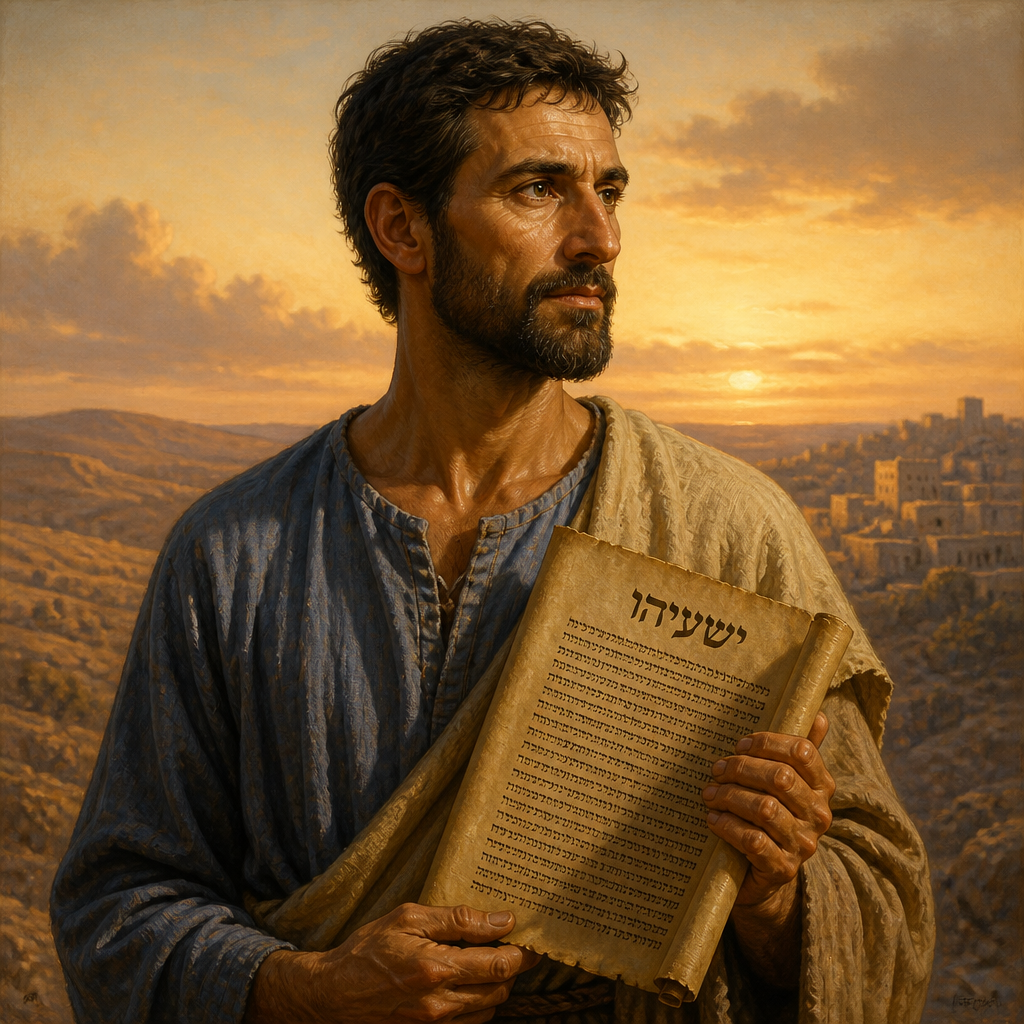
On the desert road to Gaza, Philip runs alongside a chariot and hears an Ethiopian eunuch, a court official of Candace, reading Isaiah aloud. "How can I, unless someone guides me?" the man asks, and after Philip tells him the good news about Jesus he is baptized in the first water they find and goes on his way rejoicing (Acts 8:31-39).
Saul, still "breathing threats and murder," is struck down on the road to Damascus and hears his own name from the light (Acts 9:1-5). Ananias of Damascus is sent to lay hands on him, and Barnabas later vouches for him before a frightened church in Jerusalem (Acts 9:17-27). Peter meanwhile travels the coastal plain: Aeneas is healed at Lydda, and at Joppa the widows weep over Tabitha until Peter says, "Tabitha, arise" (Acts 9:32-41).
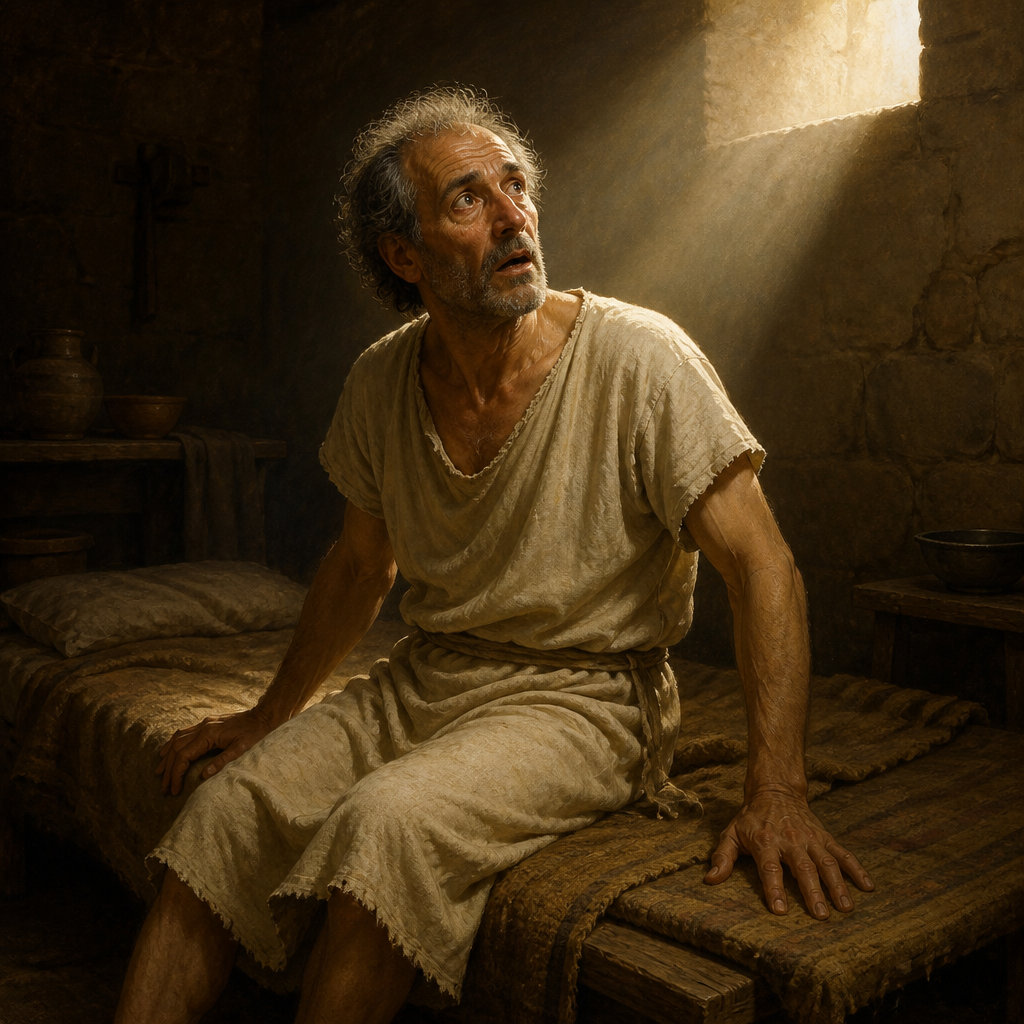
Then the door opens wider than anyone expected. Cornelius, a centurion of the Italian Cohort at Caesarea, sees a vision; Peter, on a rooftop, sees another; and while Peter is still speaking the Spirit falls on Gentiles (Acts 10:1-44). At Antioch believers preach to Greeks as well as Jews, "and in Antioch the disciples were first called Christians" (Acts 11:26). The era ends violently: Herod Agrippa I kills James the brother of John with the sword, imprisons Peter, who is led out past the guards by an angel to the house of Mary the mother of John Mark (Acts 12:1-17) — and Herod himself is struck down for accepting the people's cry that his voice was a god's (Acts 12:21-23).
Start here
Key figures of this era
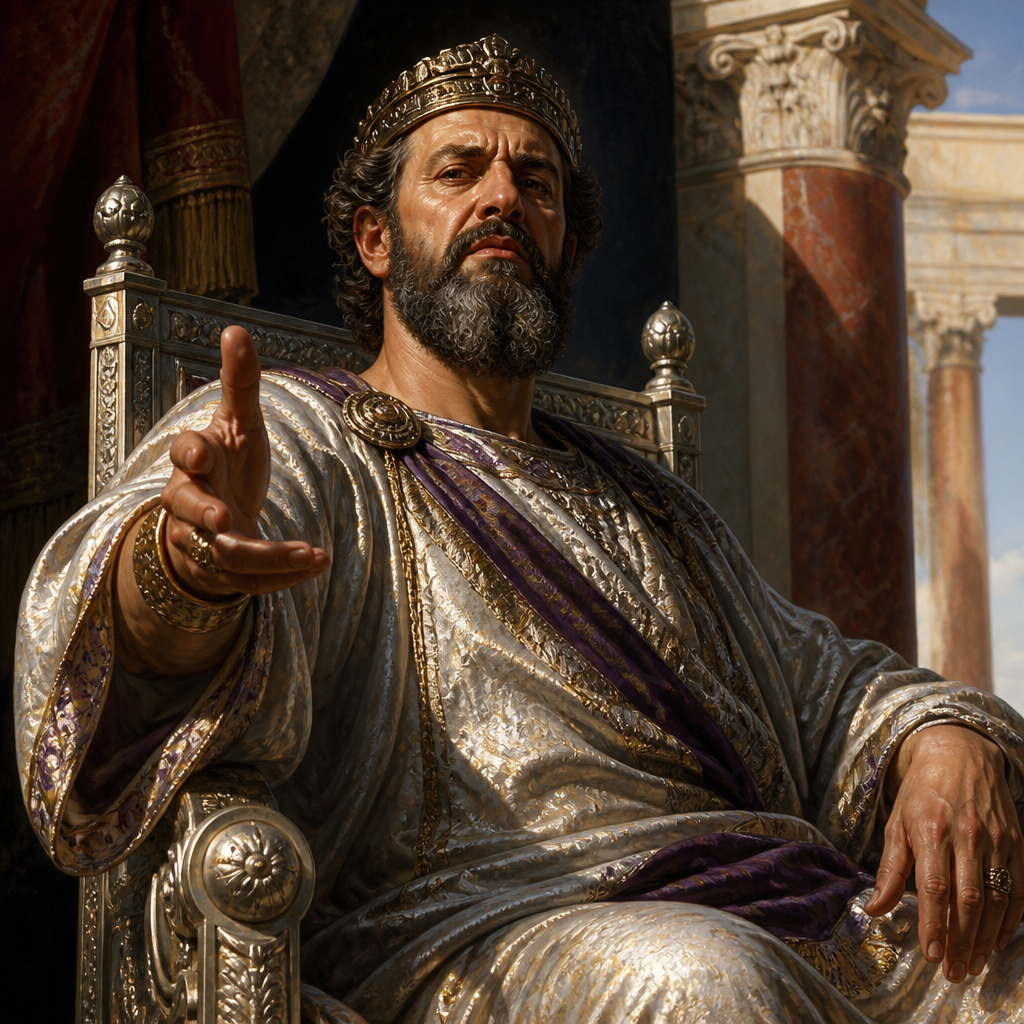
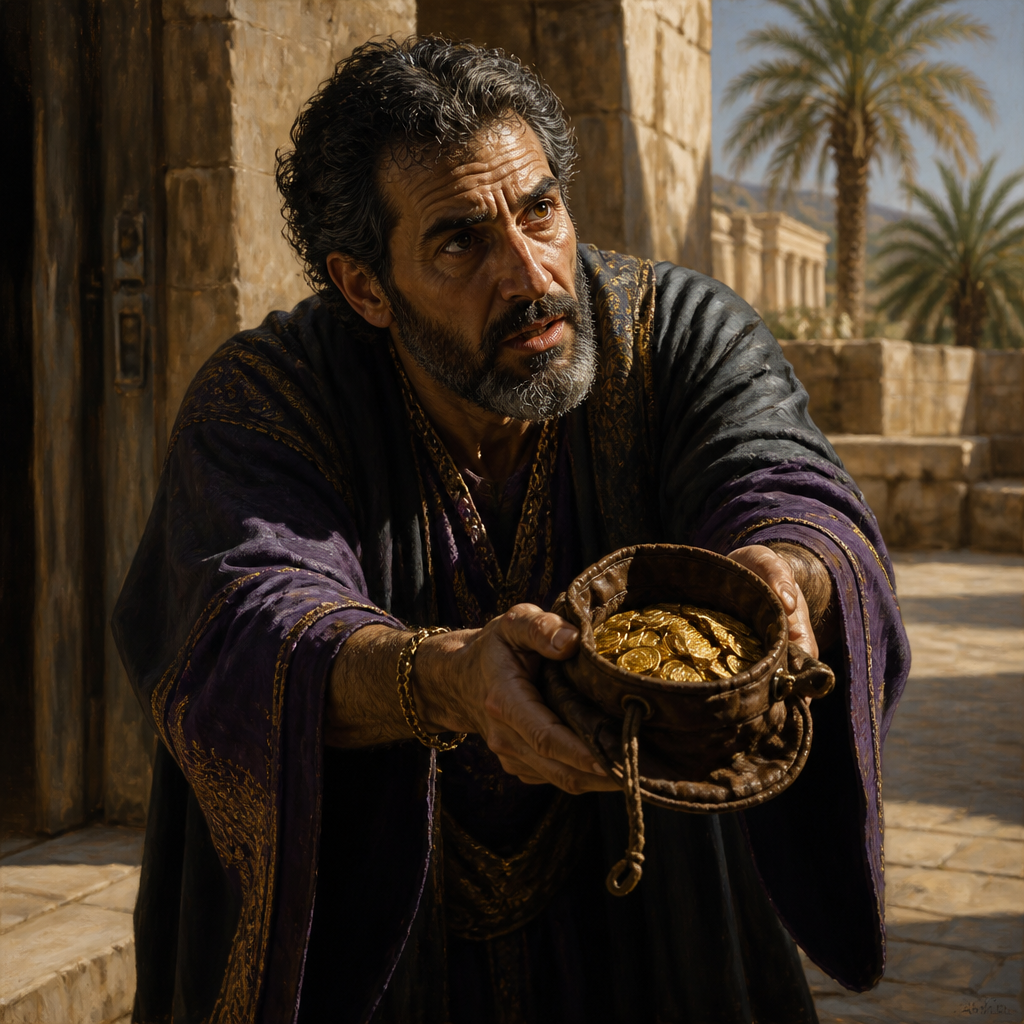
Herod Agrippa I
King who executed the apostle James and was later struck down by an angel for his pride
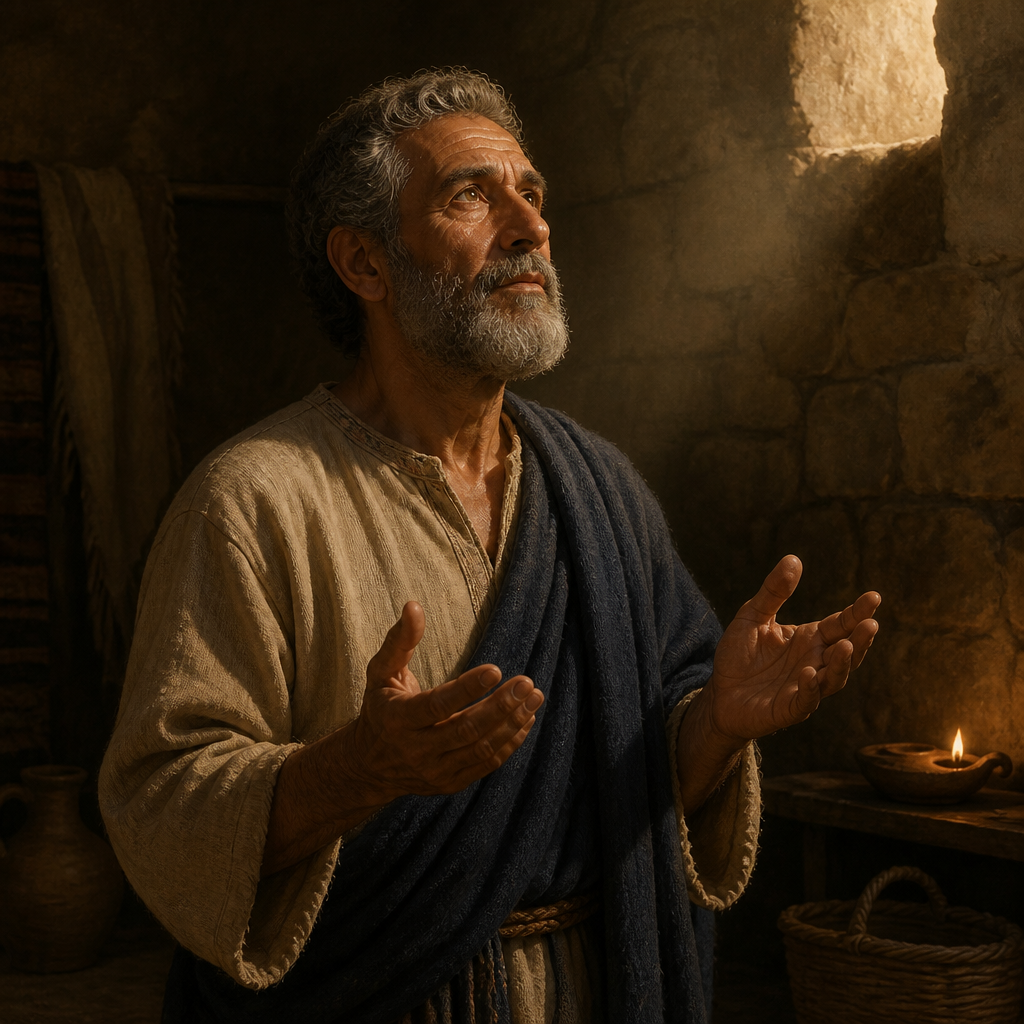
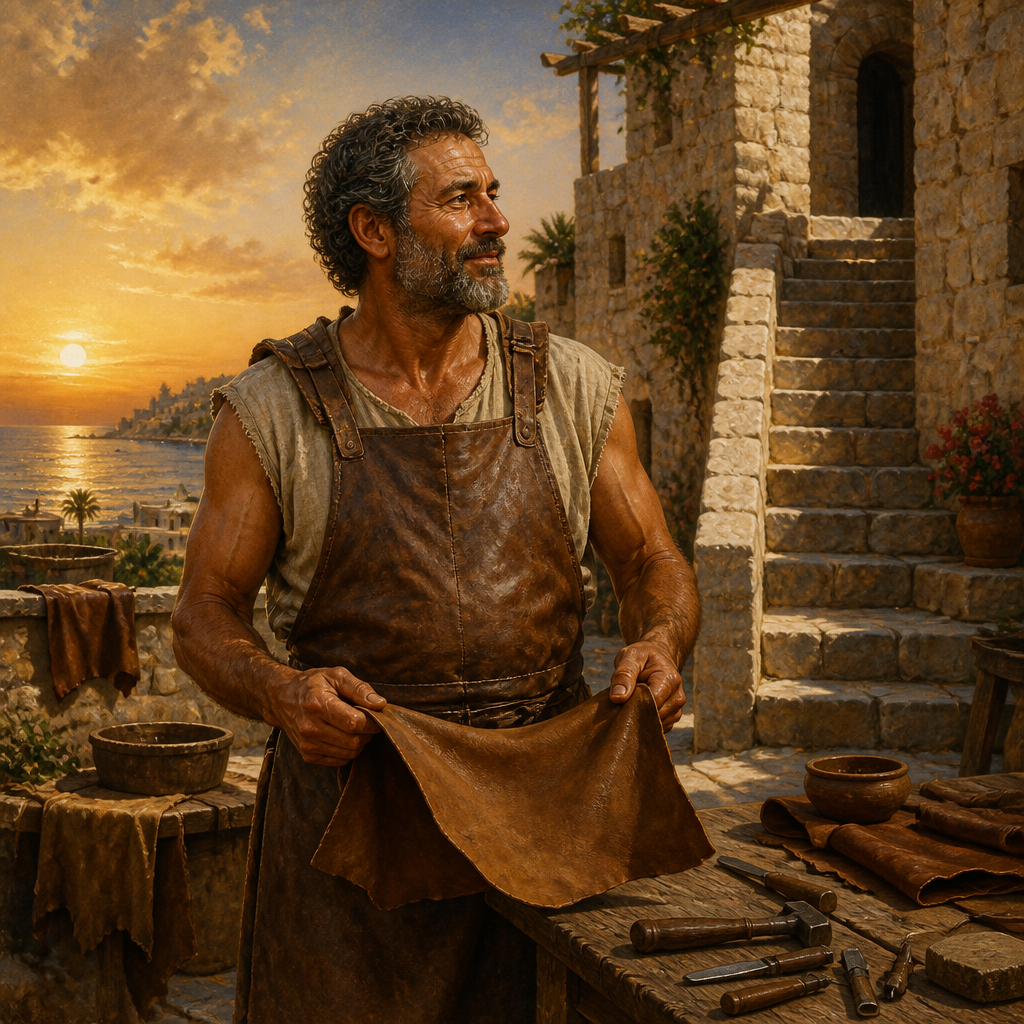
Simon the Tanner of Joppa
Tanner in Joppa who hosted the Apostle Peter in his house by the sea
Everyone in this era
Grouped by the book where each person first appears.
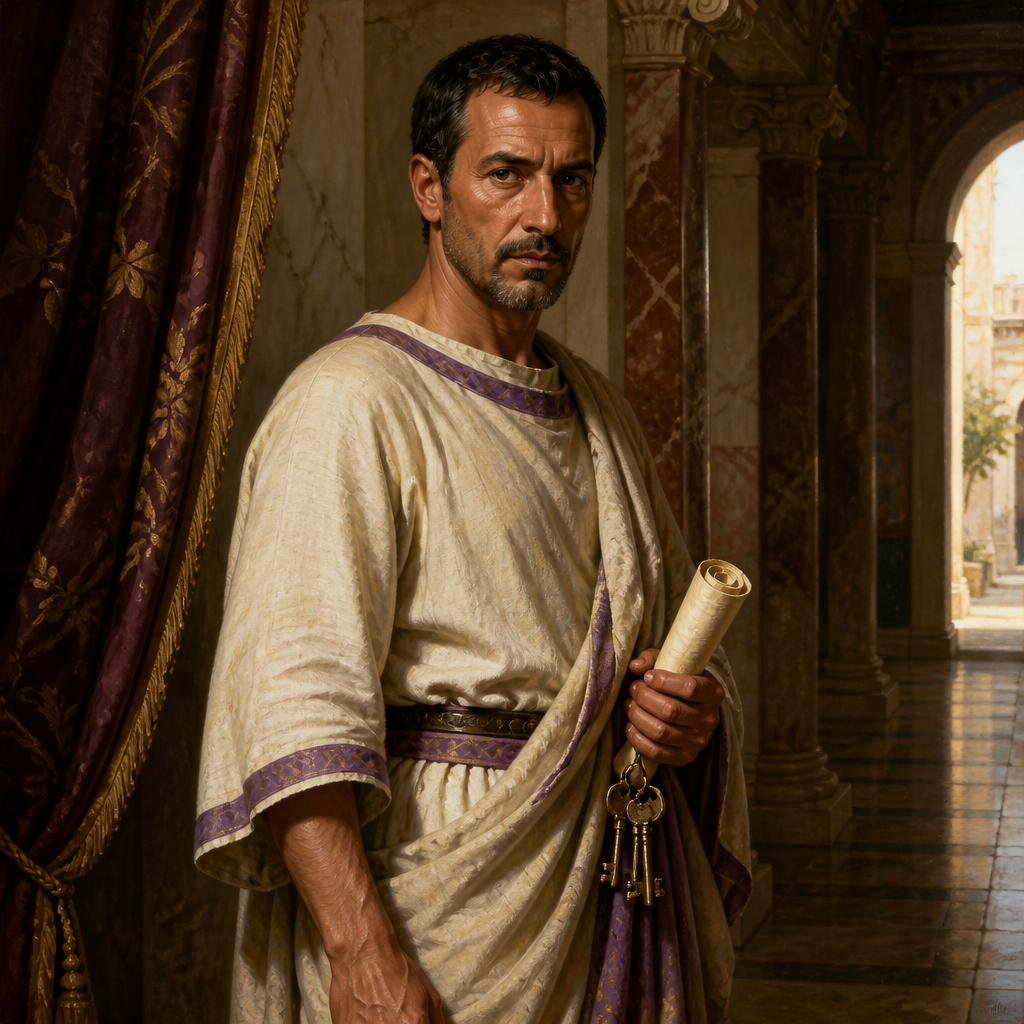
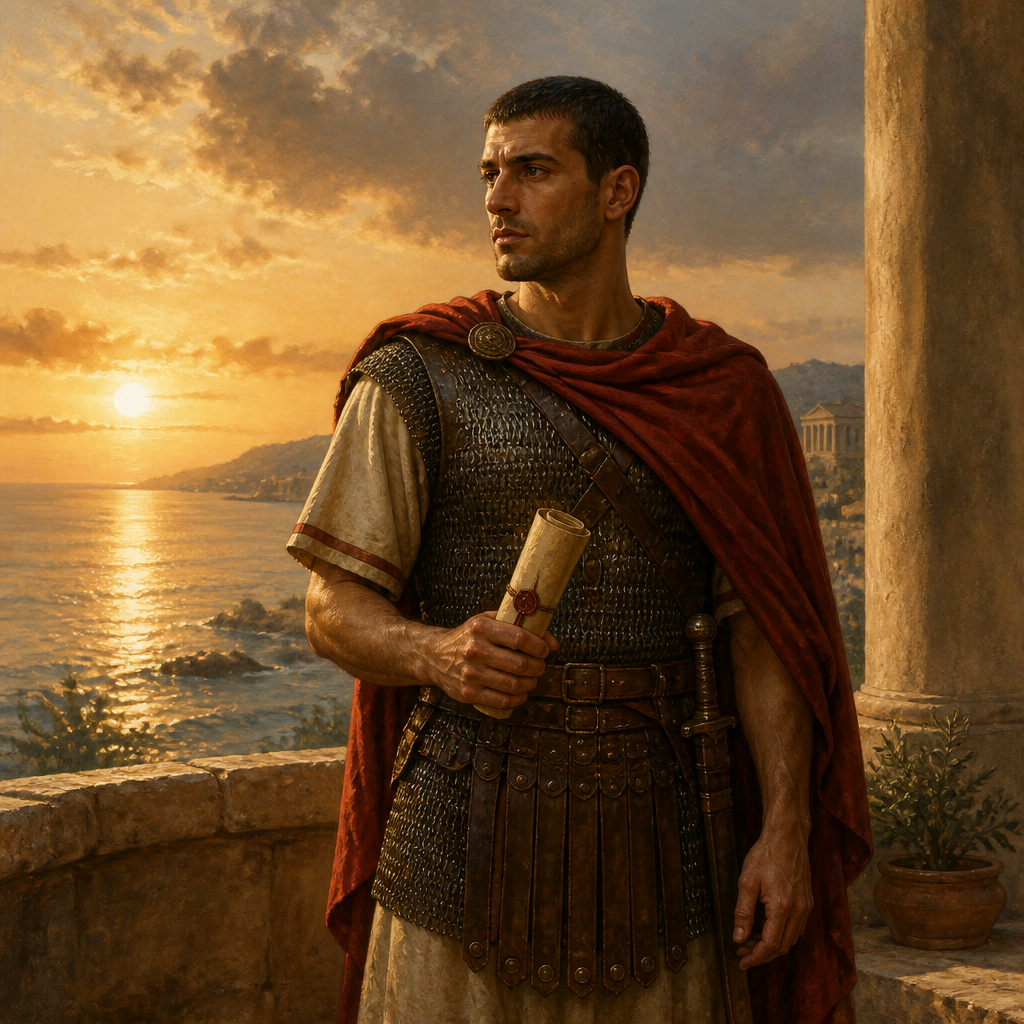
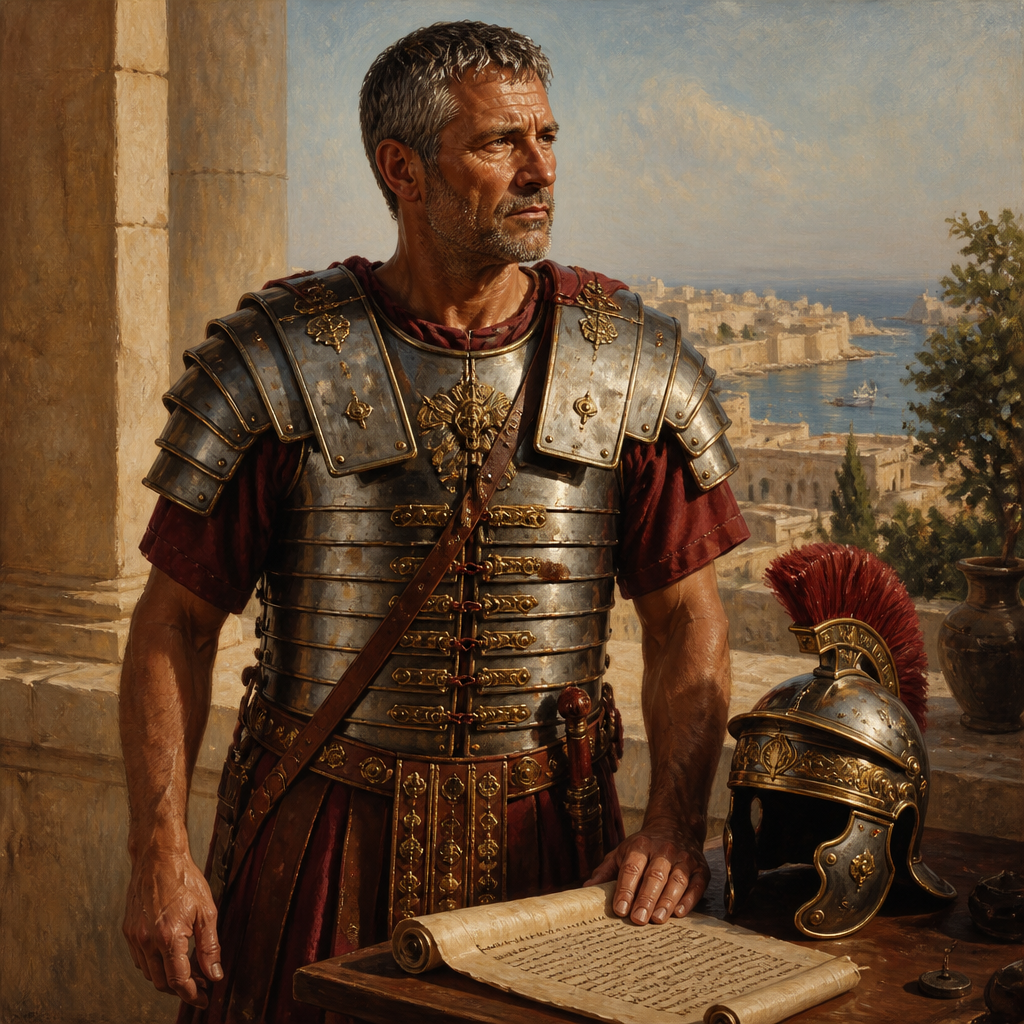
Cornelius' Devout Soldier
Roman soldier who served as a messenger for Cornelius and helped fetch Peter from Joppa
Herod Agrippa I
King who executed the apostle James and was later struck down by an angel for his pride
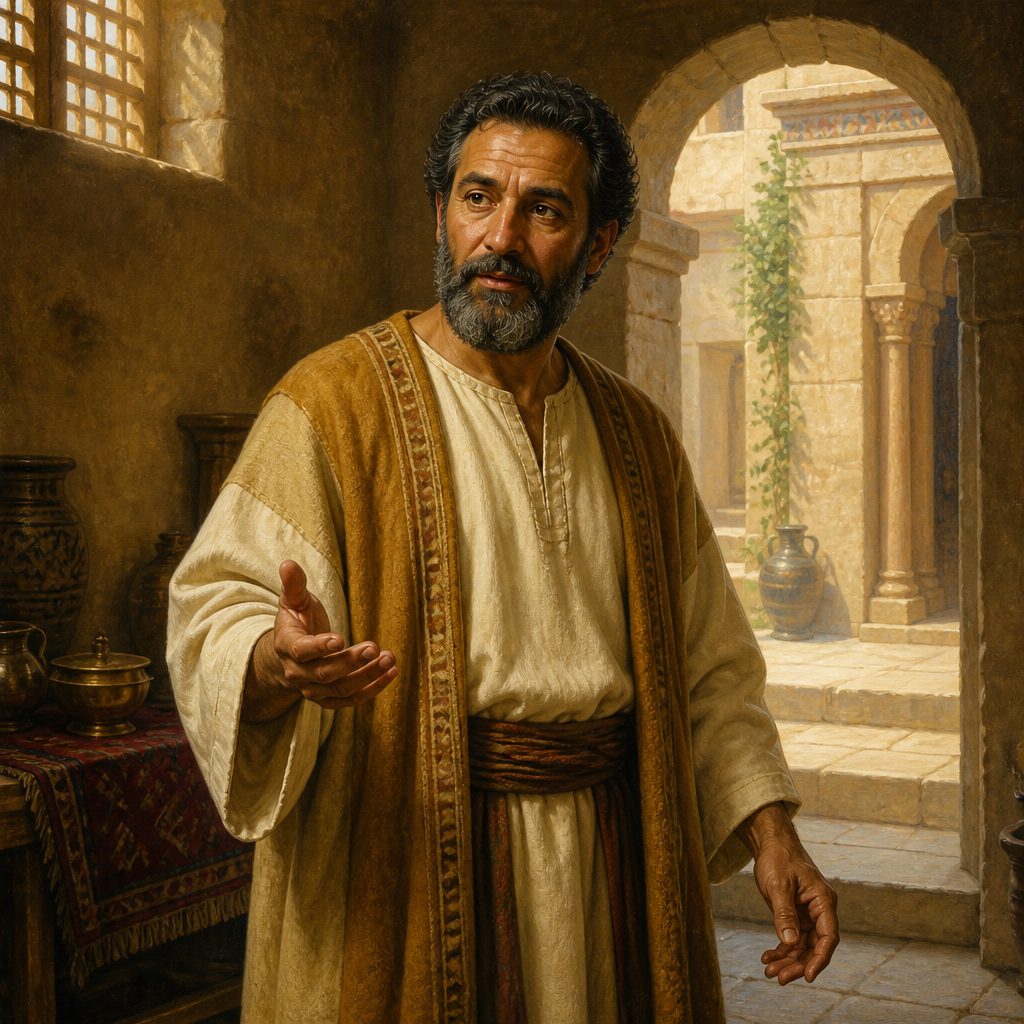
Simon the Tanner of Joppa
Tanner in Joppa who hosted the Apostle Peter in his house by the sea
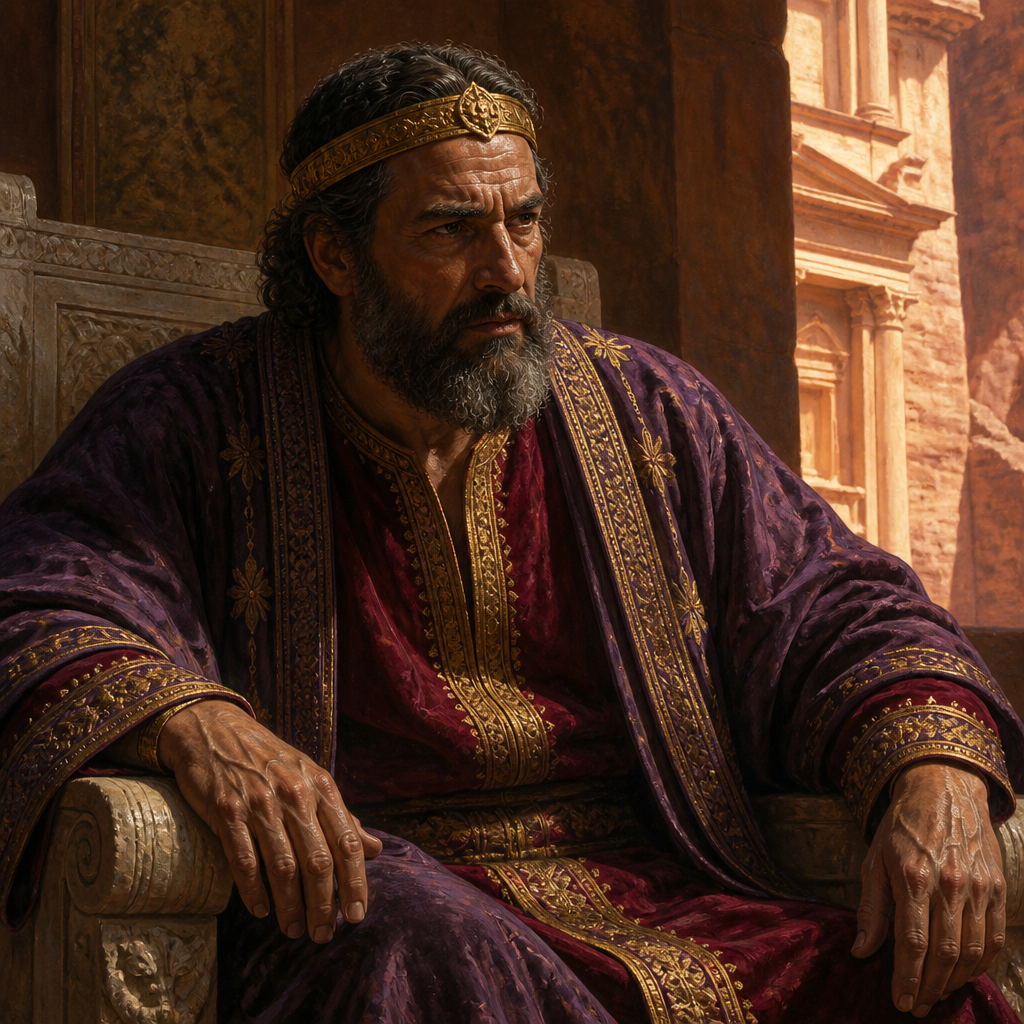
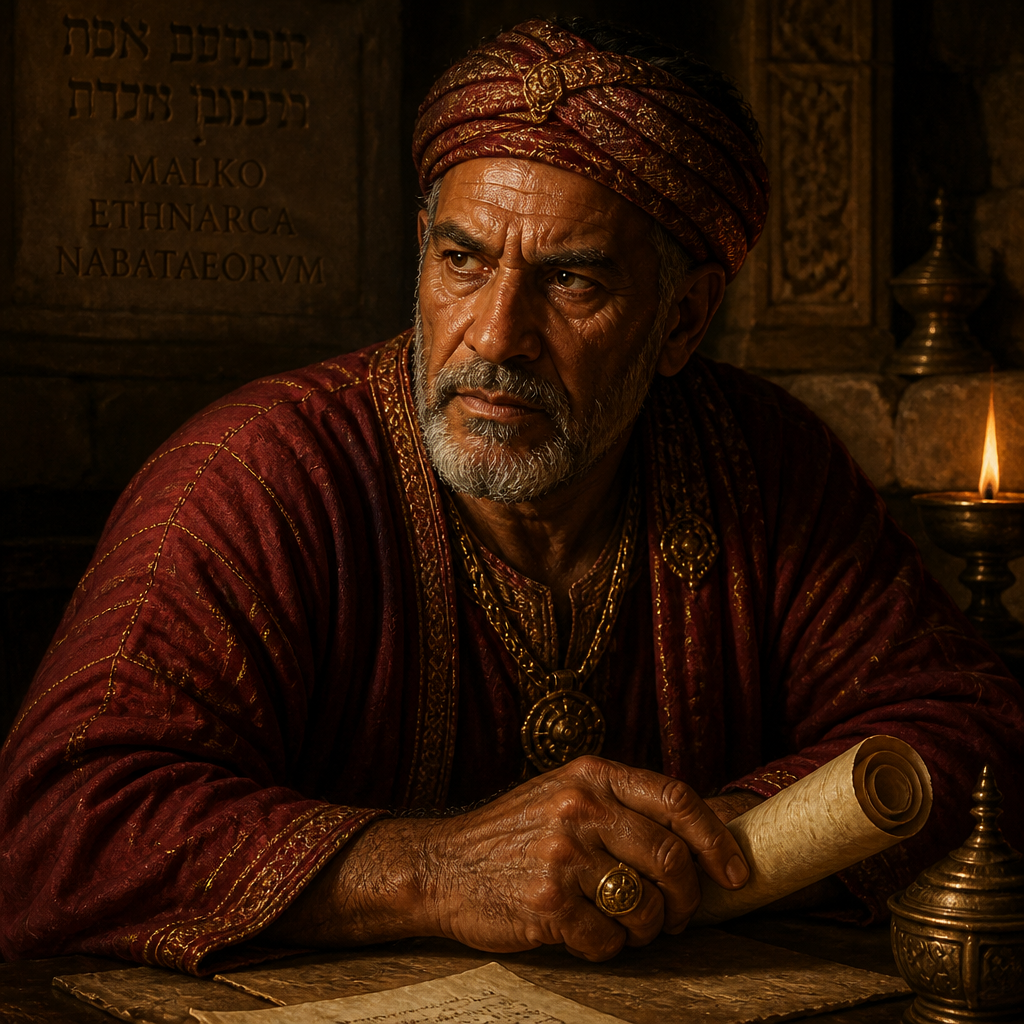
The Governor Under King Aretas
Nabataean official whose garrison at Damascus attempted to capture the Apostle Paul