
Healed by Apostles
A diverse group of individuals in the first-century Roman world who received miraculous physical restoration through the ministry of the Apostles.
The group of individuals known as those Healed by Apostles represents a series of wonders performed by the early leaders of the Christian movement to demonstrate the power of their message. These accounts are primarily recorded in the Acts of the Apostles, where specific physical restorations serve as turning points for local communities. The text describes these events as signs that accompanied the preaching of the gospel, often leading to widespread belief among the witnesses in various cities across the Roman Empire.
The sequence of these wonders begins in Jerusalem and extends to the furthest reaches of the Mediterranean. The Lame Man at the Beautiful Gate was a beggar who had been unable to walk from birth and received strength in his feet and ankles after Peter commanded him to rise (Acts 3:1–10). In the city of Lydda, Aeneas was a man who had been bedridden for eight years due to paralysis until Peter told him that Jesus Christ healed him (Acts 9:33–34). During his travels, Paul encountered The Lame Man at Lystra, who had never walked but leaped up and began to walk after Paul observed his faith (Acts 14:8–10). Later, while shipwrecked on an island, Paul visited Publius' Father, who lay sick with a fever and dysentery, and healed him by laying hands on him (Acts 28:7–8). Following this event, The Diseased on Malta came to Paul and were also cured of their various infirmities (Acts 28:9).
These healings are organized in the narrative to show the geographical expansion of the apostolic ministry from Jewish territories to Gentile lands. The text does not say how many people were included in the collective groups, nor does it provide the specific medical causes for every ailment. Instead, it focuses on the immediate physical transformation of the individuals involved. The Lame Man at the Beautiful Gate entered the temple walking and leaping, while Aeneas immediately arose and made his bed (Acts 3:8, Acts 9:34).
In the larger biblical story, these wonders serve to validate the authority of the apostles as the legitimate successors to the ministry of Jesus. The healings often resulted in the conversion of entire regions, as seen when all the residents of Lydda and Sharon turned to the Lord after seeing Aeneas (Acts 9:35). By recording these specific instances, the text portrays the apostolic mission as one that addressed both the spiritual and physical needs of the people they encountered, regardless of their social status or nationality.
Everyone in this list
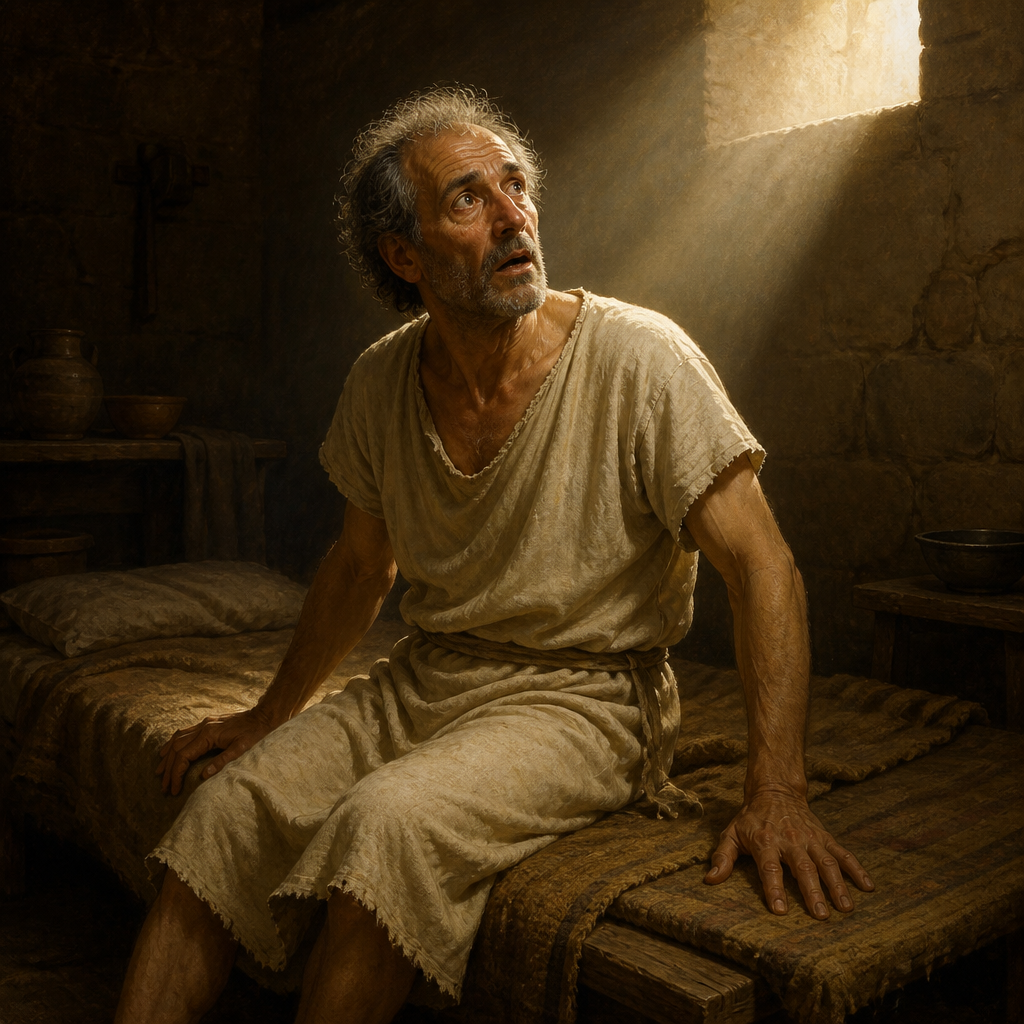
Aeneas
Man in Lydda who was bedridden for eight years and healed by Peter
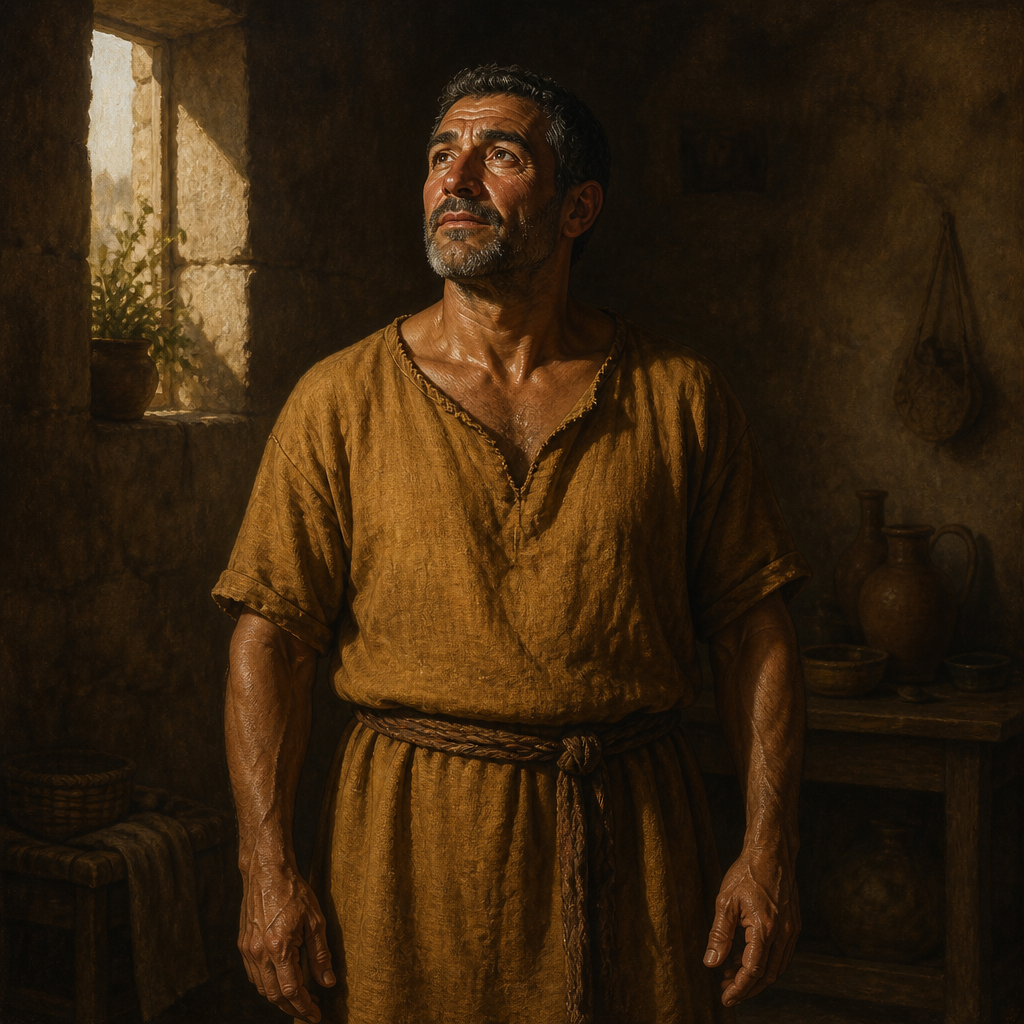
The Diseased on Malta
Group of islanders cured of various ailments by the Apostle Paul after his shipwreck
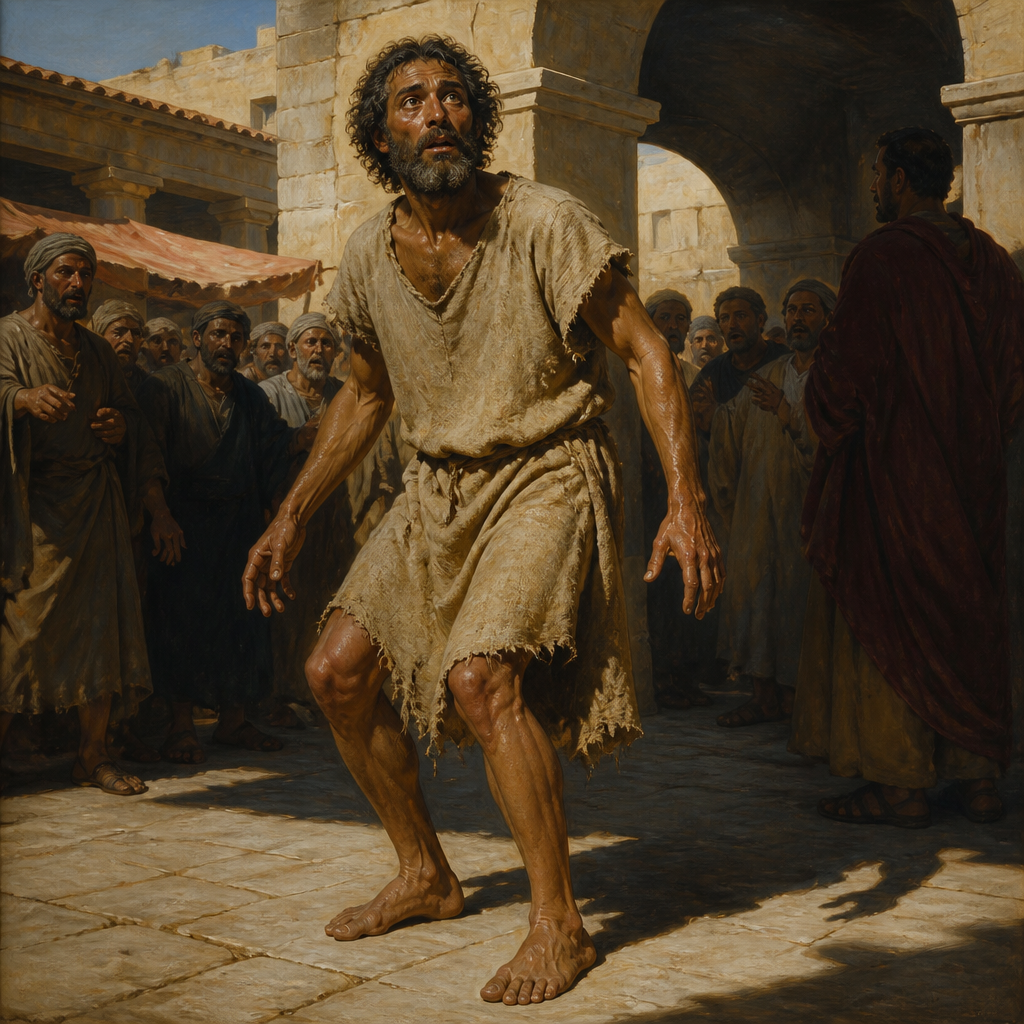
The Lame Man at Lystra
Man born crippled who was healed by the Apostle Paul in the city of Lystra
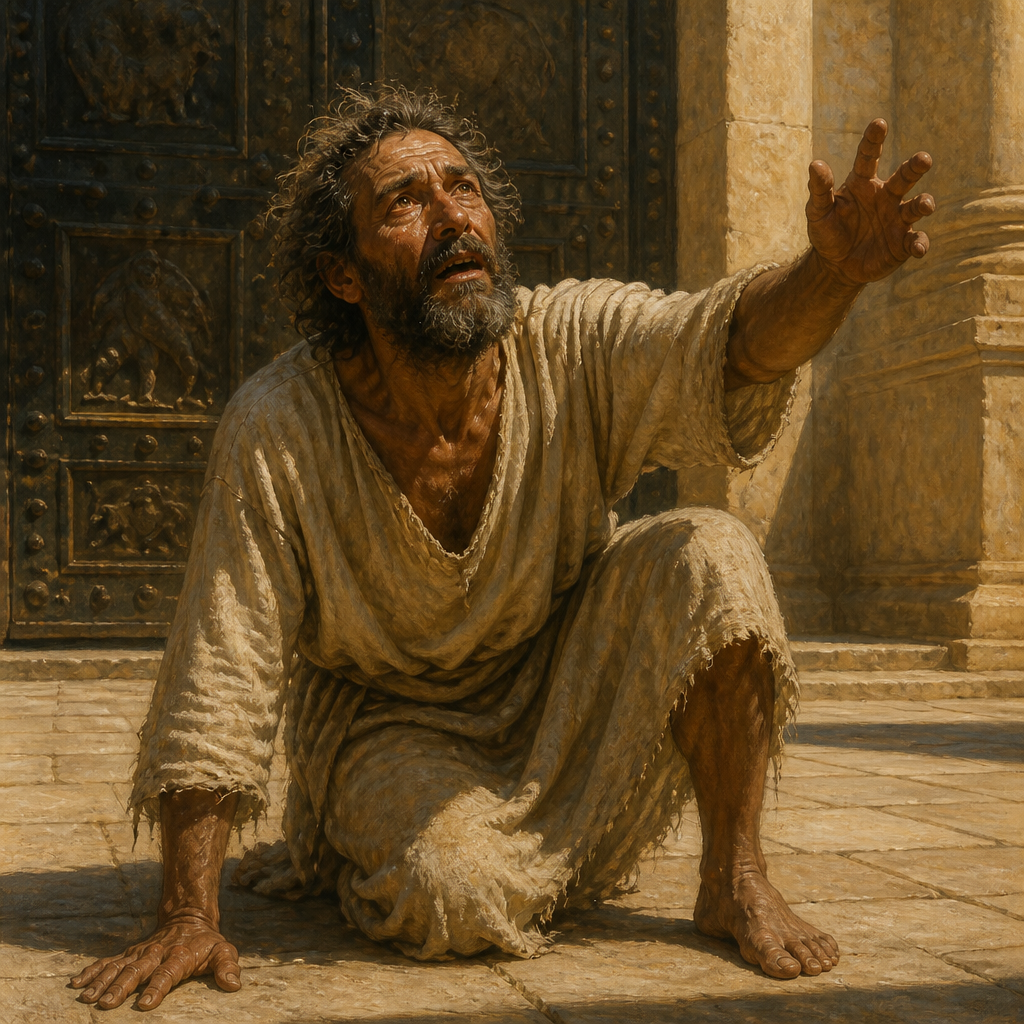
The Lame Man at the Beautiful Gate
Beggar who was healed at the Temple gate by Peter
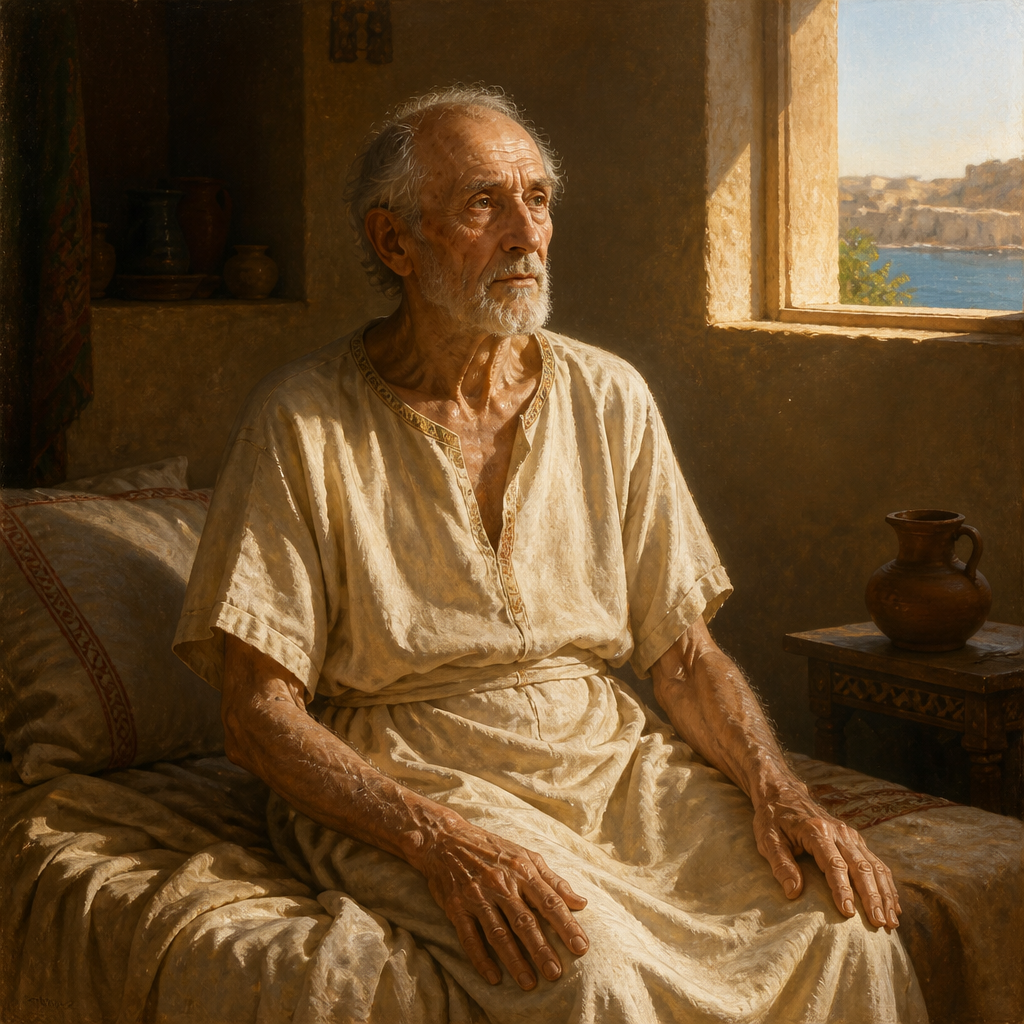
Publius' Father
Roman official's father who was healed of dysentery by St. Paul