
Roman Military
The professional soldiers of the Roman Empire who enforced imperial law and intersected with the ministry of Jesus and the early Church.
The Roman Military consisted of professional soldiers who enforced imperial law and maintained order throughout the provinces during the New Testament era. These men served in various ranks, from common soldiers to high-ranking commanders, and their presence is recorded in the Gospels and the book of Acts as they interacted with Jesus and the early church. The text describes these individuals as men of authority who operated under a strict chain of command, often carrying out judicial executions, guarding prisoners, or managing civil unrest in occupied territories.
Several specific members of the Roman Military are highlighted for their interactions with the Christian movement. The Centurion at Capernaum demonstrated a unique understanding of authority by asking Jesus to heal his servant from a distance (Matthew 8:5–13). During the crucifixion, The Centurion at the Cross observed the events surrounding the death of Jesus and declared that he was the Son of God (Mark 15:39). Cornelius was a centurion of the Italian Regiment who received a vision from God and became the first Gentile convert to Christianity (Acts 10:1–3). Cornelius' Devout Soldier served as a trusted messenger who traveled to Joppa to bring the apostle Peter to his master’s house (Acts 10:7–8). Claudius Lysias was a commander in Jerusalem who intervened to rescue Paul from a violent mob and later provided a large military escort to ensure Paul’s safety (Acts 23:26–33). Julius was a centurion of the Augustan Regiment who was tasked with transporting Paul to Rome and showed him kindness by preventing the other soldiers from killing the prisoners during a shipwreck (Acts 27:1–43).
The presence of the Roman Military serves as a constant reminder of the political environment in which the early church functioned. While these soldiers represented the power of the Roman Empire, the biblical text often portrays them as individuals who were capable of recognizing spiritual authority. The Praetorian Guard, an elite group of soldiers, became familiar with the gospel message while guarding Paul during his imprisonment in Rome (Philippians 1:13). By recording these interactions, the text shows how the message of the church reached into the highest levels of the imperial security apparatus. The inclusion of these soldiers demonstrates that the early Christian movement was not isolated from the dominant military and political structures of the first-century world.
Everyone in this list
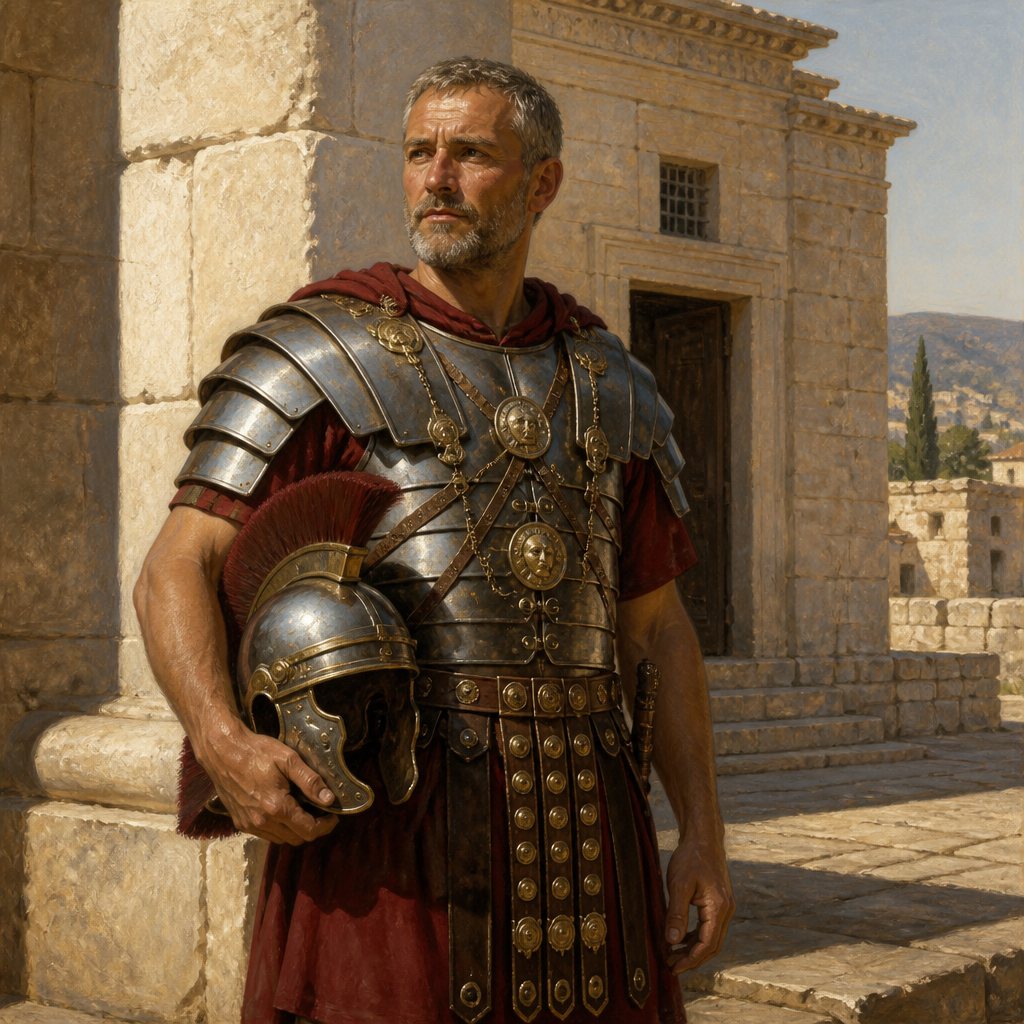
The Centurion at Capernaum
Roman officer whose faith in Jesus' authority prompted the remote healing of his servant
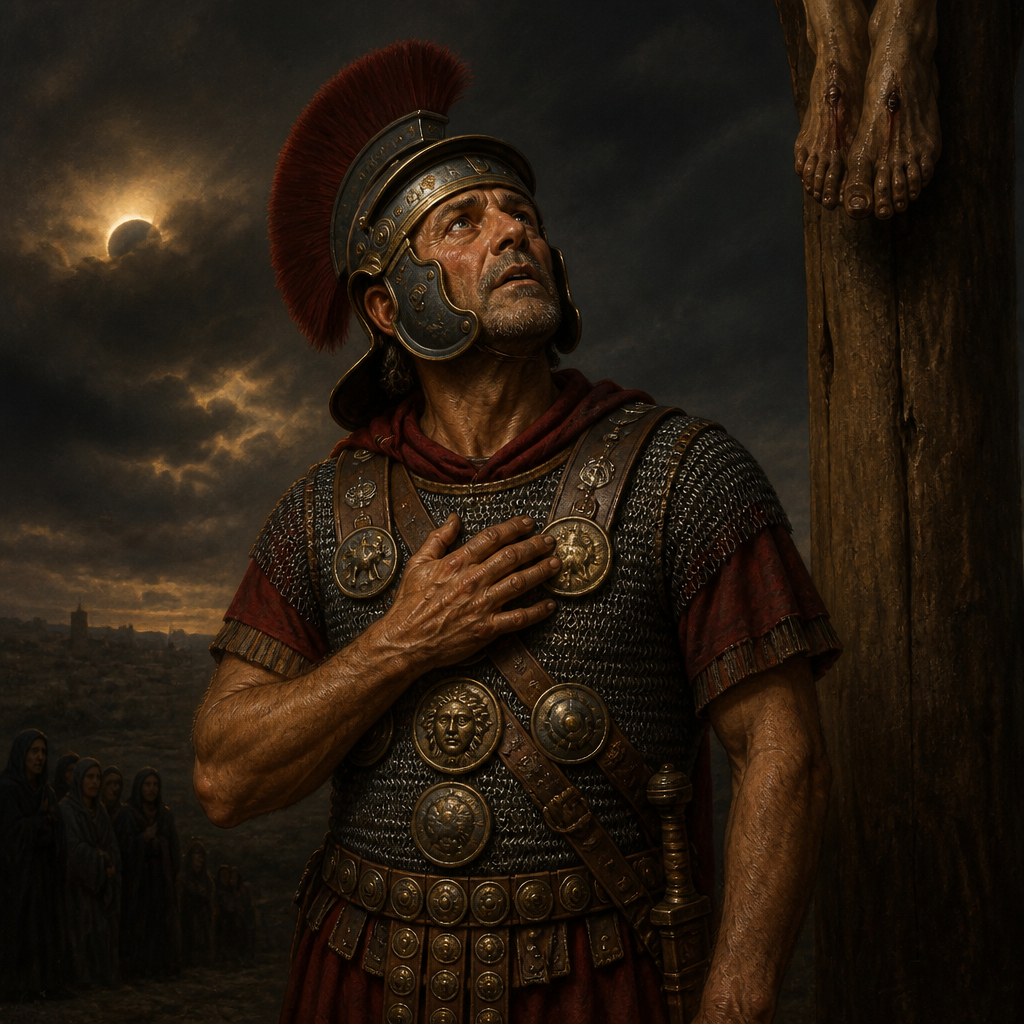
The Centurion at the Cross
Roman officer who declared Jesus the Son of God at the crucifixion
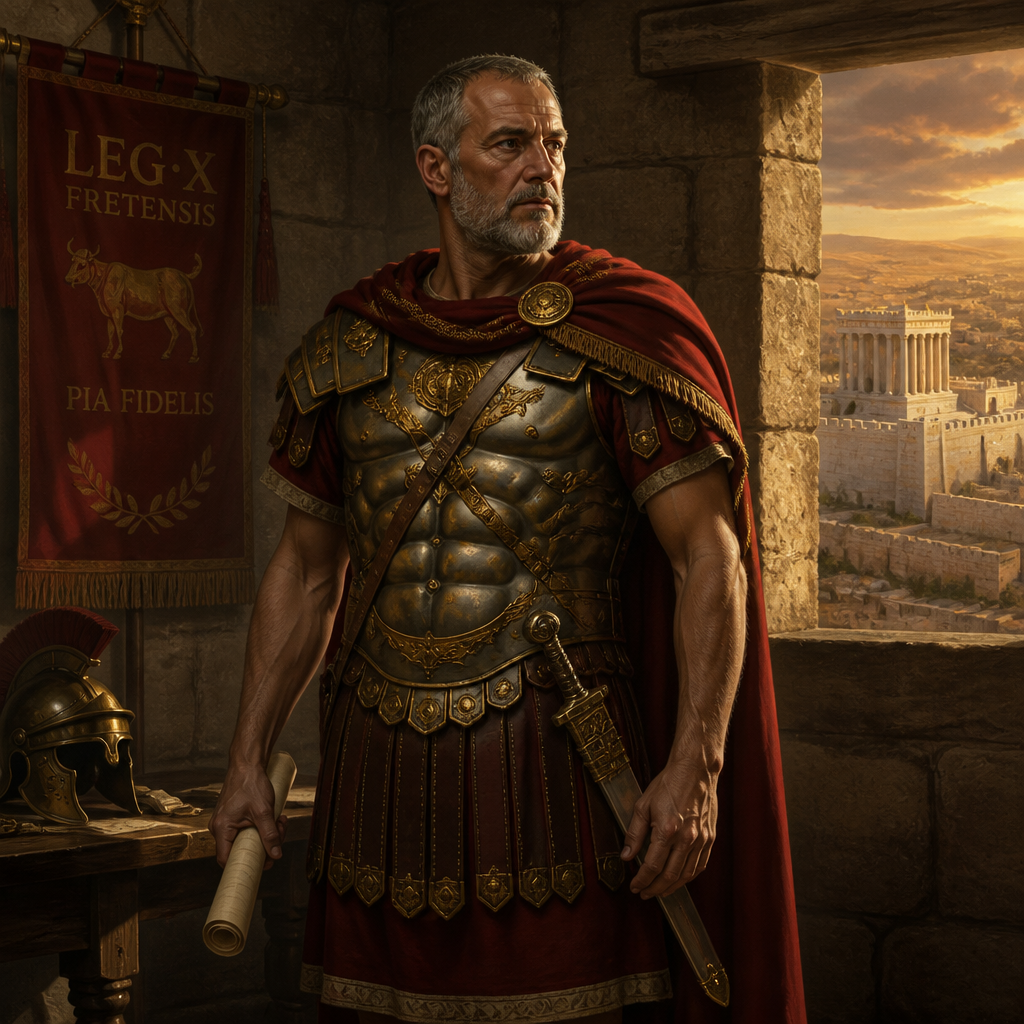
Claudius Lysias
Roman commander who rescued the Apostle Paul from a Jerusalem mob and sent him to Caesarea
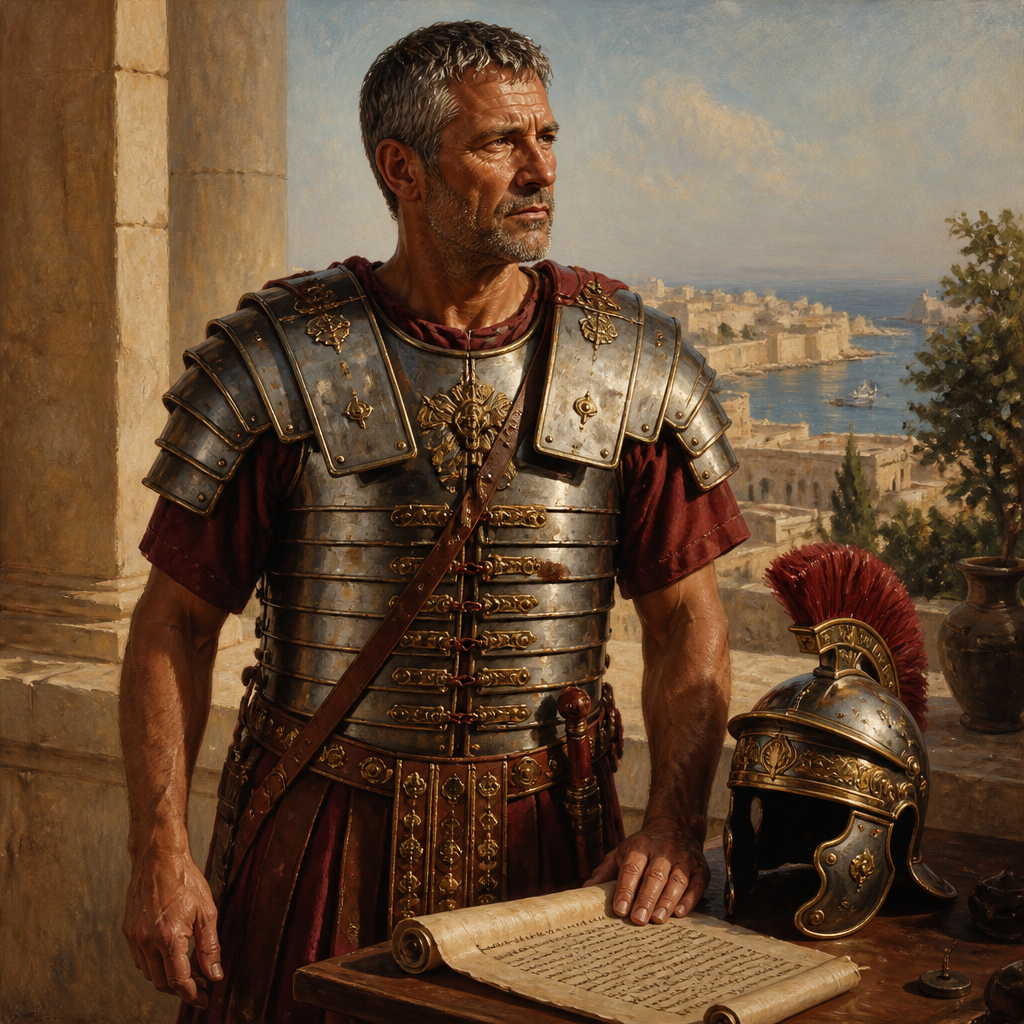
Cornelius
Roman centurion who was the first Gentile convert to Christianity
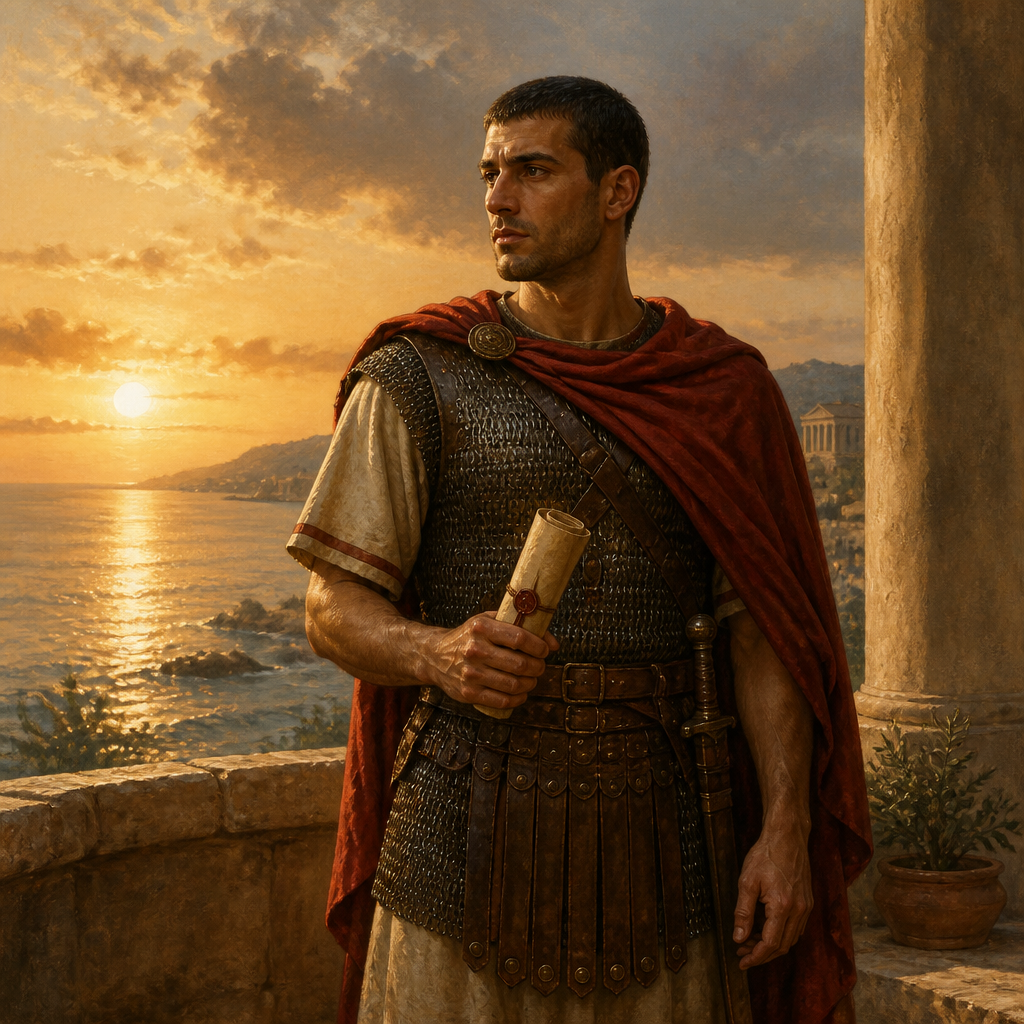
Cornelius' Devout Soldier
Roman soldier who served as a messenger for Cornelius and helped fetch Peter from Joppa
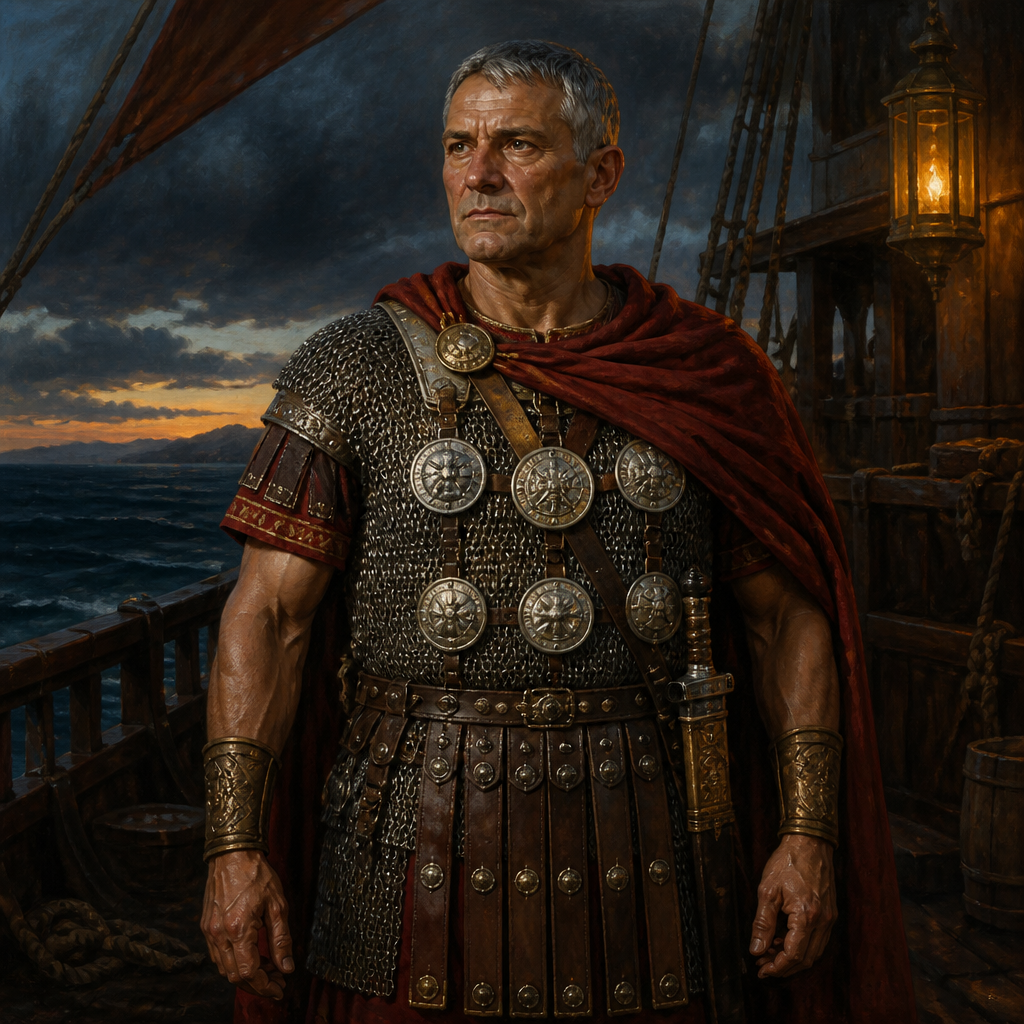
Julius
Roman centurion who escorted Paul to Rome and saved his life during a shipwreck
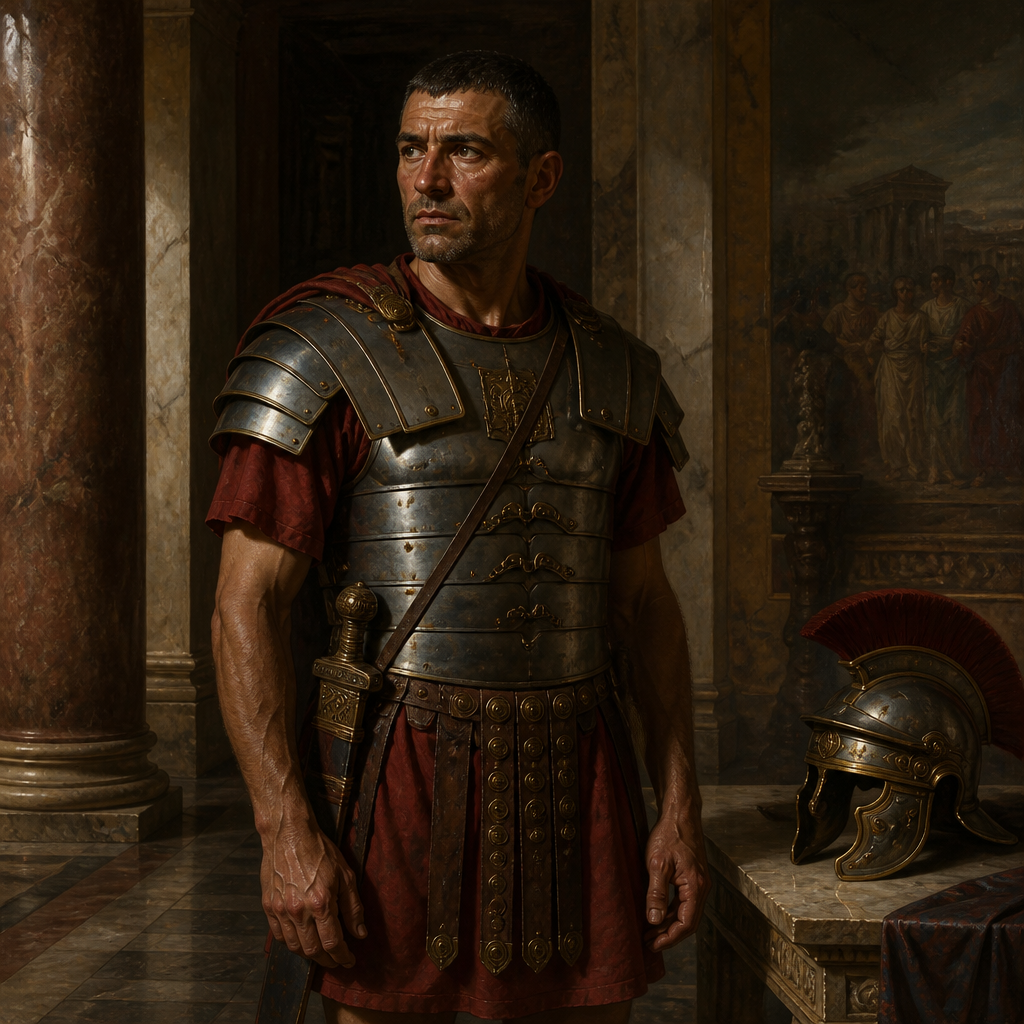
The Praetorian Guard
Elite group of Roman soldiers who guarded the Apostle Paul during his Roman imprisonment