
Paul Before Kings
Felix, Festus, and Agrippa (Acts 23–26)
The narrative of Paul Before Kings begins when a Roman commander sends the prisoner to Caesarea to stand trial before the governor Felix (Acts 23:23–24). During the initial proceedings, Ananias the High Priest travels from Jerusalem to present formal charges against the apostle (Acts 24:1). To argue the legal case, Ananias the High Priest employs an orator named Tertullus, who accuses the prisoner of being a ringleader of a sect and a creator of dissension among Jews throughout the world (Acts 24:2–5). Felix listens to the defense but defers a decision, later summoning the prisoner to speak privately before him and his wife Drusilla (Acts 24:24). While the text says Felix hoped for a bribe, he instead keeps the prisoner in custody for two years until he is succeeded in office (Acts 24:26–27).
When the new governor Festus arrives in the province, the Jewish leadership again requests a trial, leading the prisoner to exercise his right as a citizen to appeal his case to the emperor (Acts 25:1–12). Before the transfer to Rome occurs, King Agrippa and his sister Bernice arrive in Caesarea to greet the new governor (Acts 25:13). Festus explains the complexity of the case to his guests, noting that the dispute concerns a man named Jesus who was dead but whom the prisoner claimed was alive (Acts 25:19). Agrippa expresses a desire to hear the man himself, leading to a formal gathering where Bernice and the king enter the audience hall with great pomp (Acts 25:22–23).
During this hearing, Paul recounts his conversion and his commission to preach to both Jews and Gentiles (Acts 26:12–20). He argues that his message is consistent with the prophets and Moses focusing on the suffering and resurrection of Jesus (Acts 26:22–23). While Festus interrupts to claim the prisoner is out of his mind, Agrippa asks if the apostle intends to persuade him to become a Christian in such a short time (Acts 26:24–28). The account concludes with the rulers agreeing that the prisoner has done nothing worthy of death or imprisonment (Acts 26:31). However, because the appeal to the Roman authorities had already been made, Agrippa tells Festus that the man could have been set free if he had not appealed to the successor of Augustus and Claudius (Acts 26:32).
Everyone in this list

Nero
Architect of the first imperial persecution of Christians and the figure associated with the number 666

Bernice
Agrippa II's sister, present with him at Paul's hearing in Caesarea

Drusilla
Jewish princess present at the trial of Paul the Apostle in Caesarea

Agrippa
King of the Herodian dynasty who heard Paul's defense in Acts 26

Ananias the High Priest
High priest who prosecuted the Apostle Paul before Governor Felix

Claudius Lysias
Roman commander who rescued the Apostle Paul from a Jerusalem mob and sent him to Caesarea
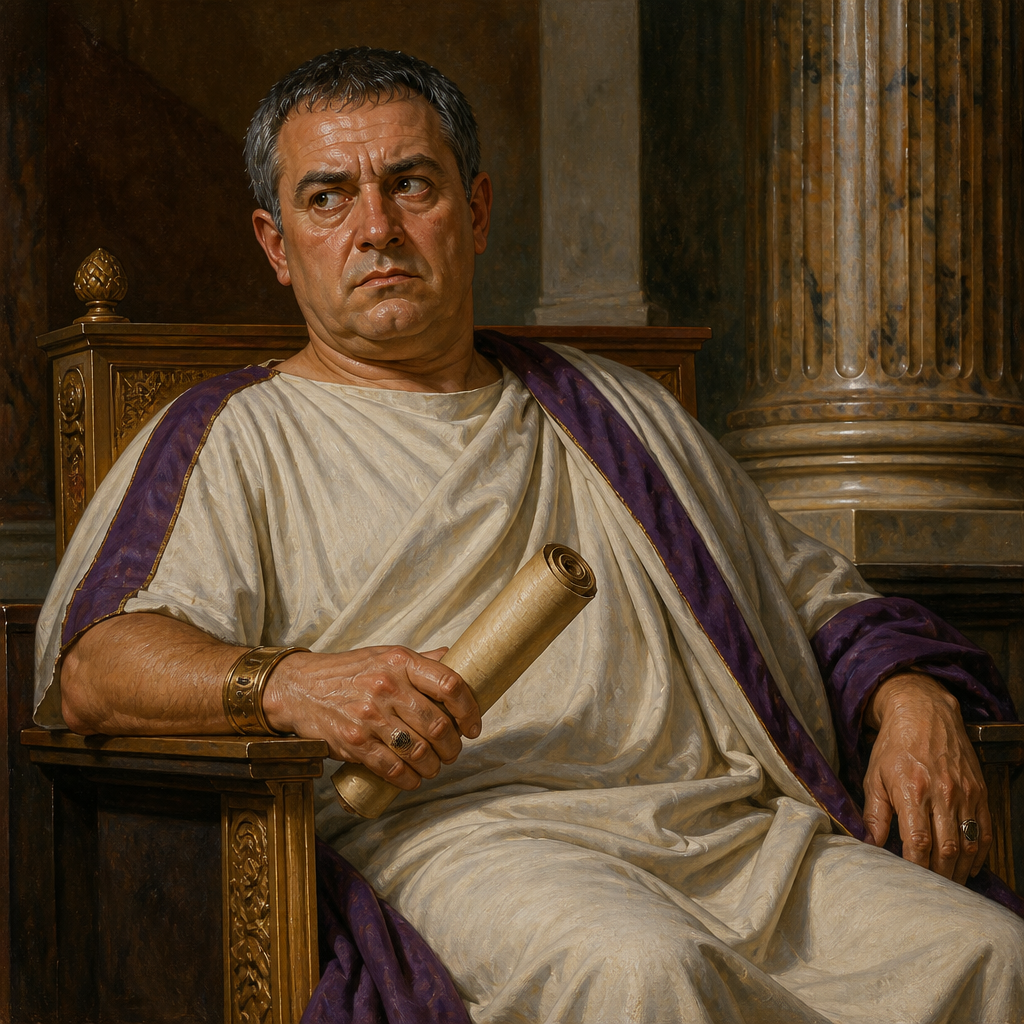
Felix
Roman governor who imprisoned the Apostle Paul for two years in Caesarea
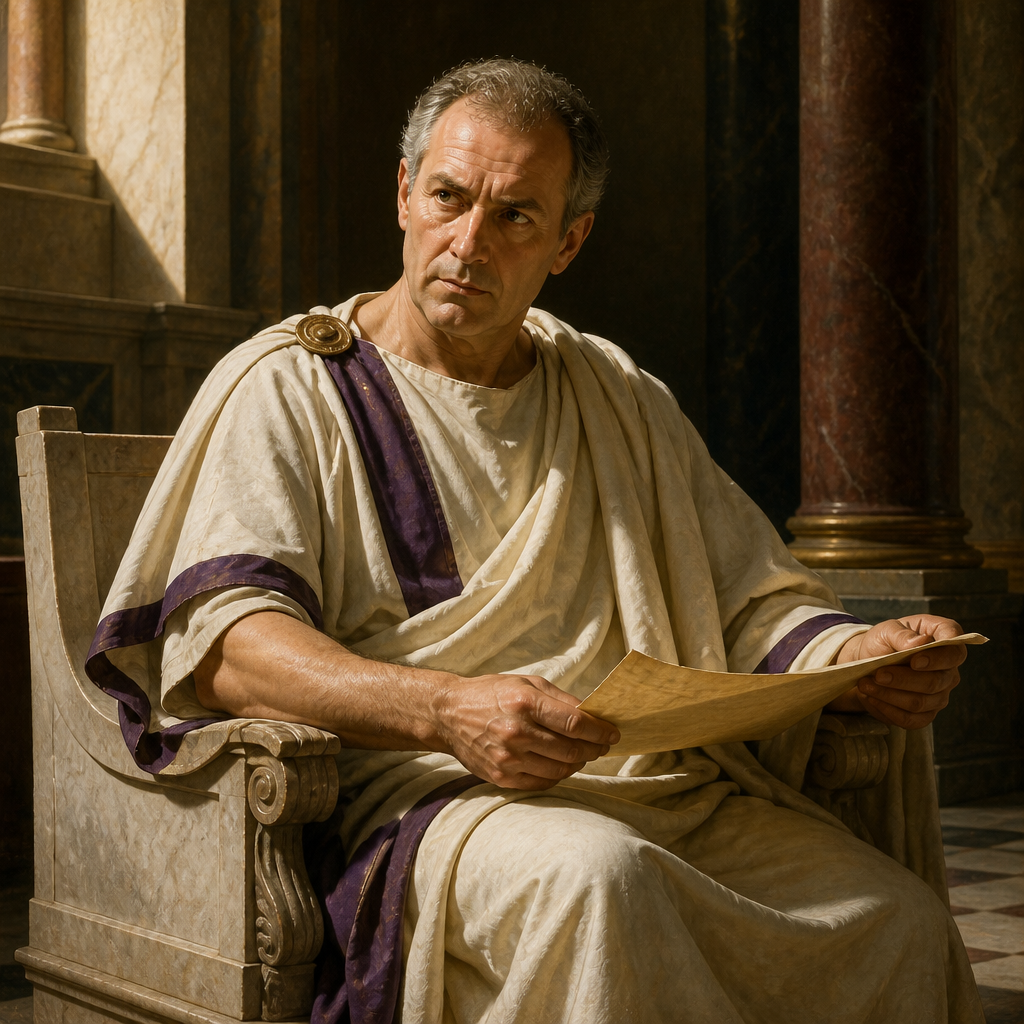
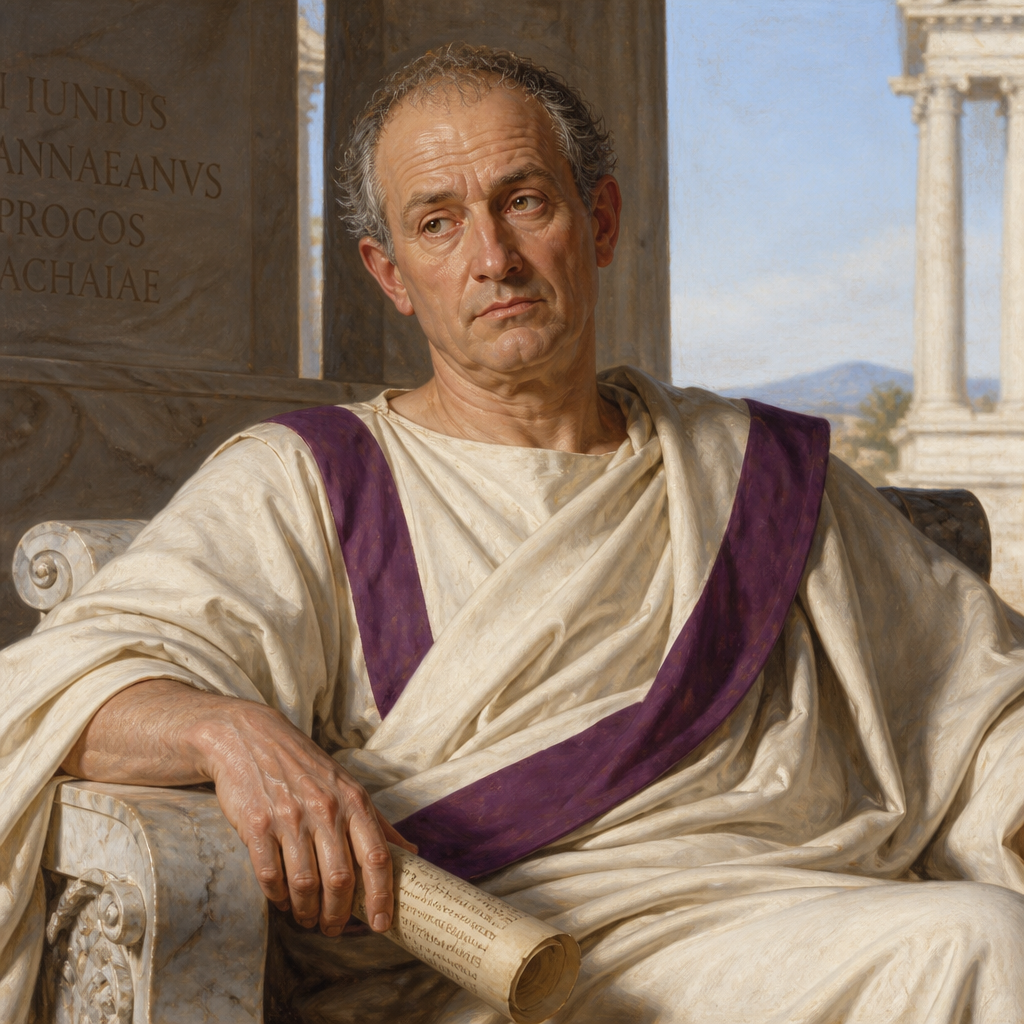
Gallio
Roman official who dismissed the legal charges against the Apostle Paul in Corinth

Jesus
Messiah and central figure of the New Testament whose life, death, and resurrection form the basis of the Christian faith

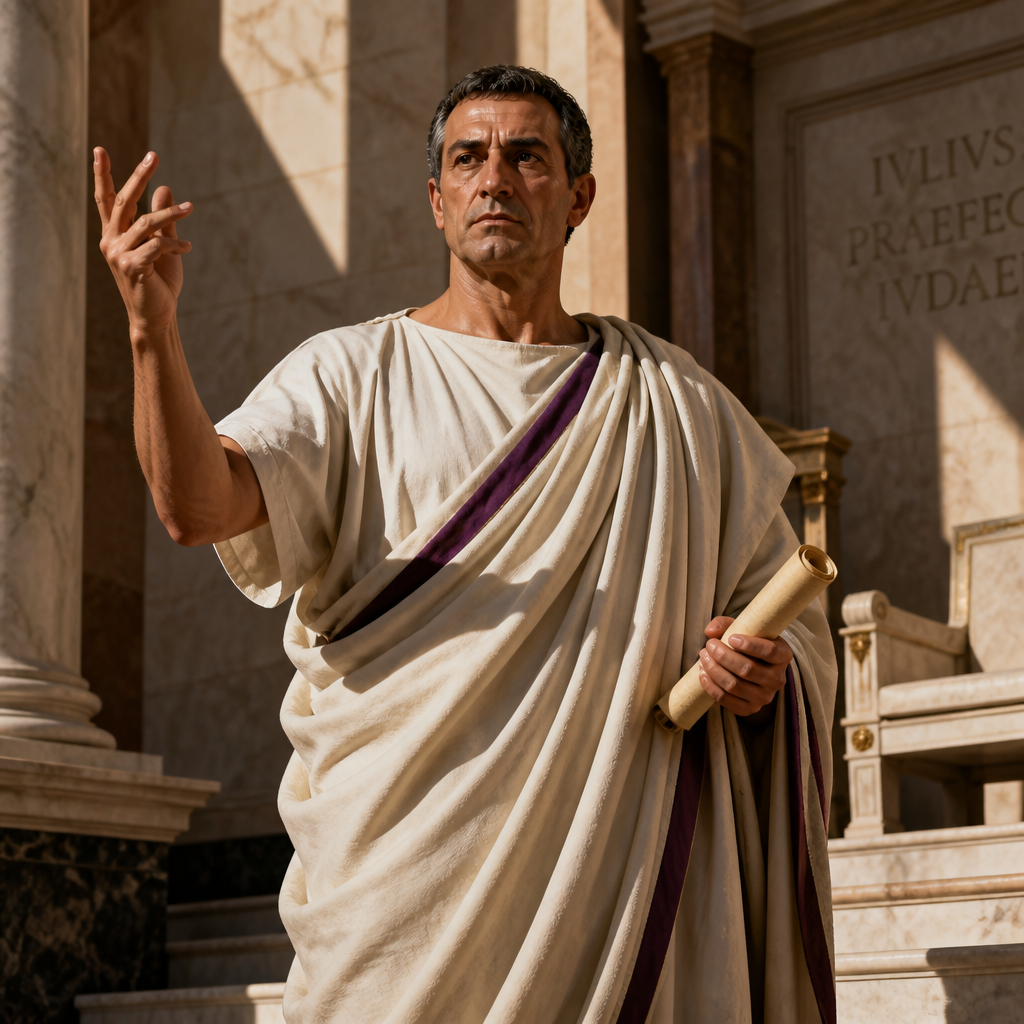
Tertullus
Professional orator who prosecuted the Apostle Paul before Governor Felix