
Provincial Officials
The administrative representatives of the Roman Empire and regional monarchies who oversaw civil order and legal proceedings in the New Testament.
The Provincial Officials represent the administrative representatives of the Roman Empire and regional monarchies who oversaw civil order and legal proceedings in the New Testament. These individuals held diverse titles such as governor, proconsul, or tetrarch, reflecting the complex hierarchy of imperial and local rule. Their primary responsibilities included maintaining the peace, collecting taxes, and adjudicating legal disputes within their assigned territories. The text indicates that these officials possessed the authority to summon individuals for questioning, command military garrisons, and issue decrees that affected the movement and safety of the population.
Several specific figures illustrate the scope of this administrative authority across the Mediterranean world. Quirinius served as the governor of Syria and issued the decree for a census that required all people to be registered in their own towns (Luke 2:1–2). In the region of Abilene, Lysanias held the rank of tetrarch during the period when the word of God came to John the son of Zechariah in the wilderness (Luke 3:1–2). Sergius Paulus was the proconsul of Cyprus, described as an intelligent man who sought to hear the word of God and believed after witnessing a miraculous sign (Acts 13:7–12). In Corinth, Gallio acted as the proconsul of Achaia and refused to judge a dispute regarding Jewish law, asserting that he would not be a judge of such matters (Acts 18:12–16). The Governor Under King Aretas commanded the city of the Damascenes with a garrison in an attempt to seize the Apostle Paul (2 Corinthians 11:32).
The presence of these officials in the narrative anchors the events of the New Testament within the specific political framework of the first century. The text shows that the early Christian movement frequently intersected with the Roman legal system through these men. Their decisions often determined whether the message of the gospel could be preached openly or if its messengers would face imprisonment and expulsion. By recording the names and titles of these Provincial Officials, the biblical writers place the life of Jesus and the activities of the early church within the documented administrative structure of the Roman world.
Everyone in this list
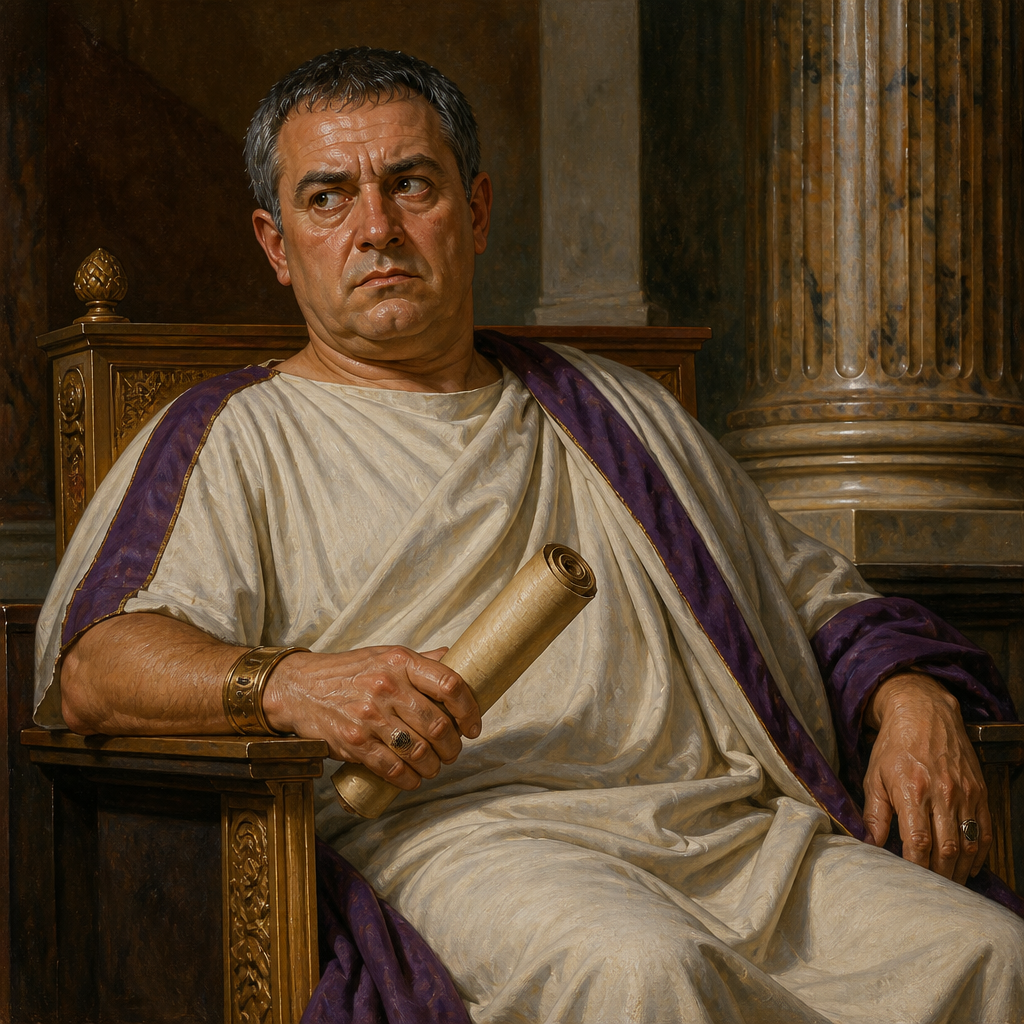
Felix
Roman governor who imprisoned the Apostle Paul for two years in Caesarea
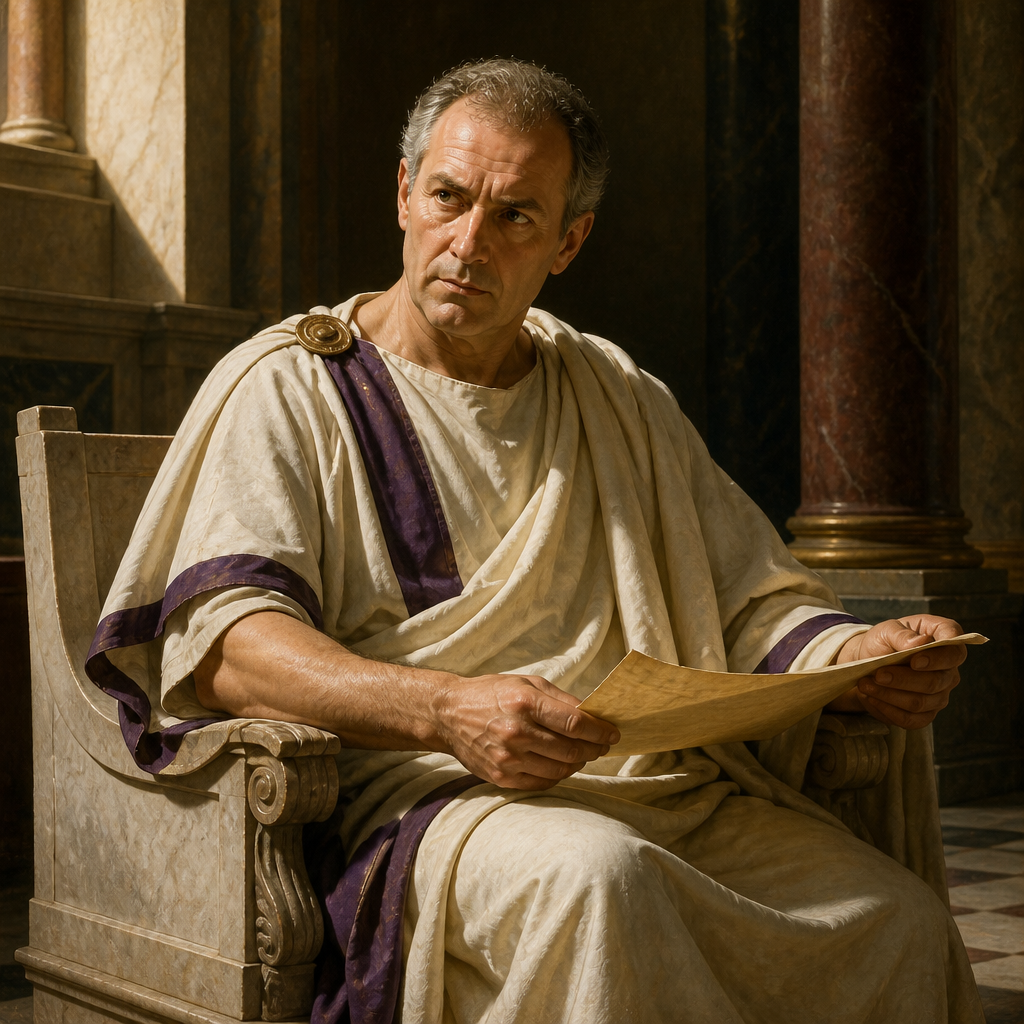
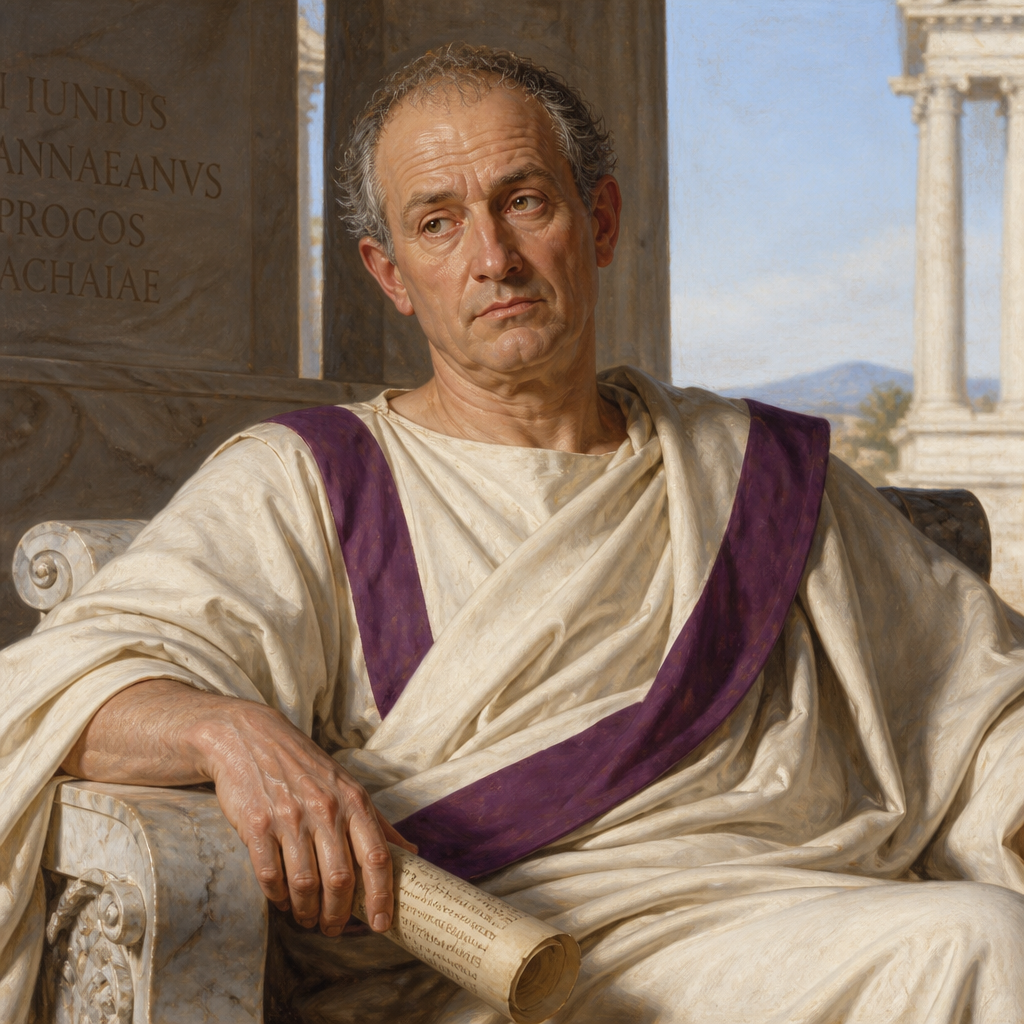
Gallio
Roman official who dismissed the legal charges against the Apostle Paul in Corinth
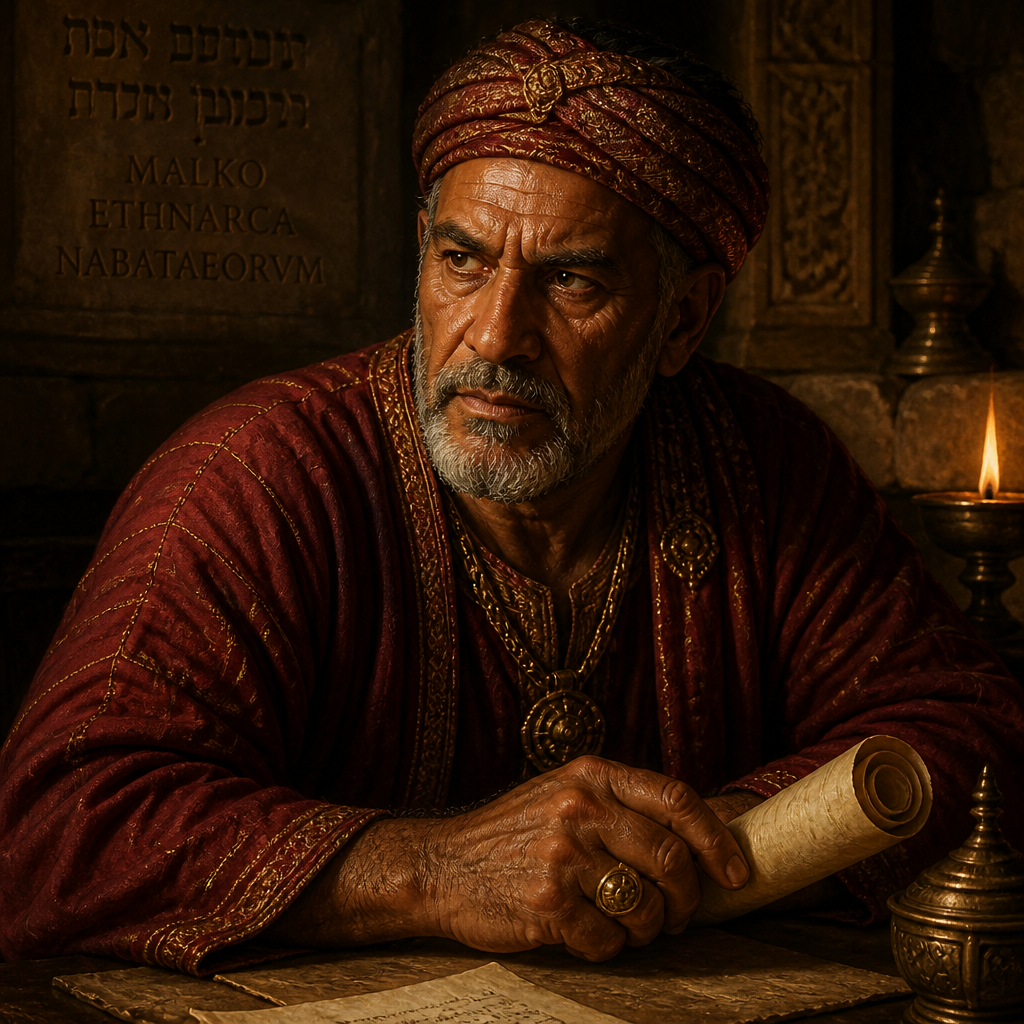
The Governor Under King Aretas
Nabataean official whose garrison at Damascus attempted to capture the Apostle Paul
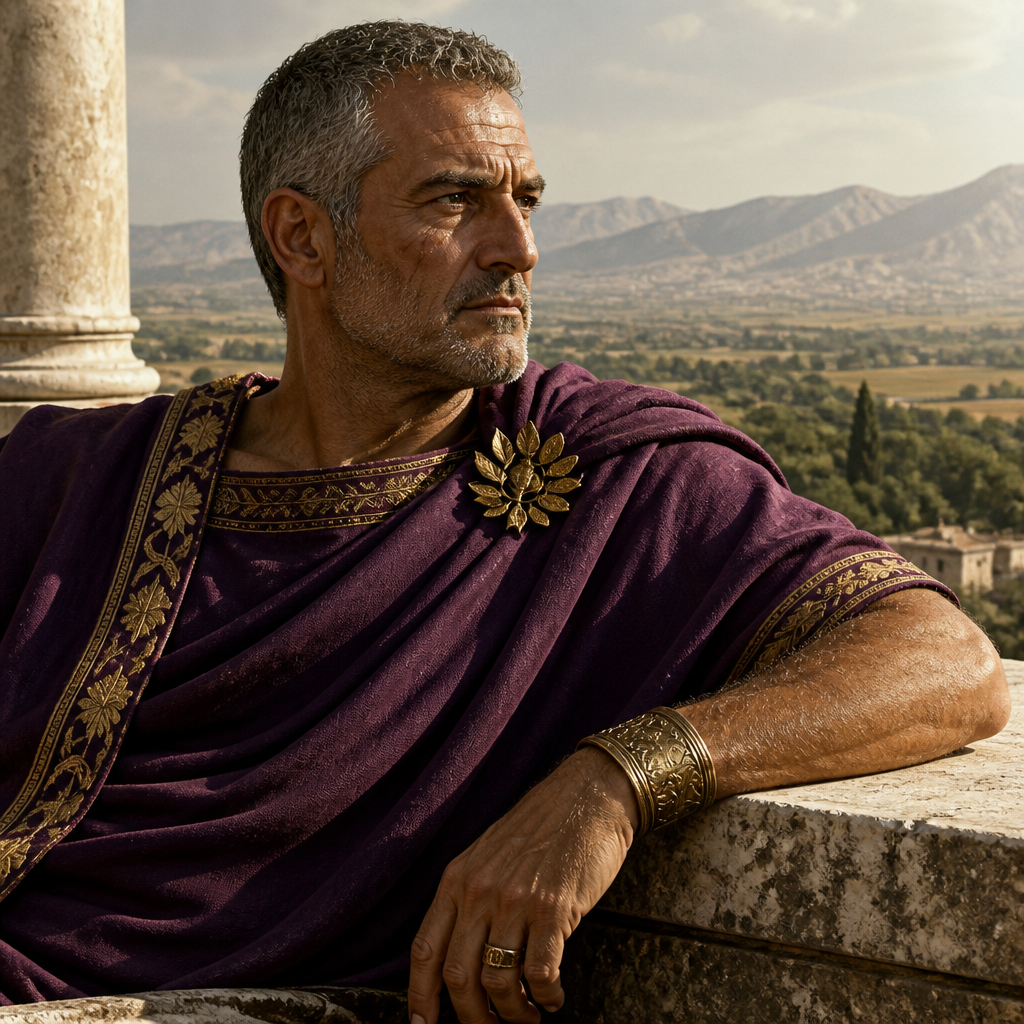
Lysanias
Tetrarch of Abilene during the fifteenth year of the reign of Tiberius Caesar
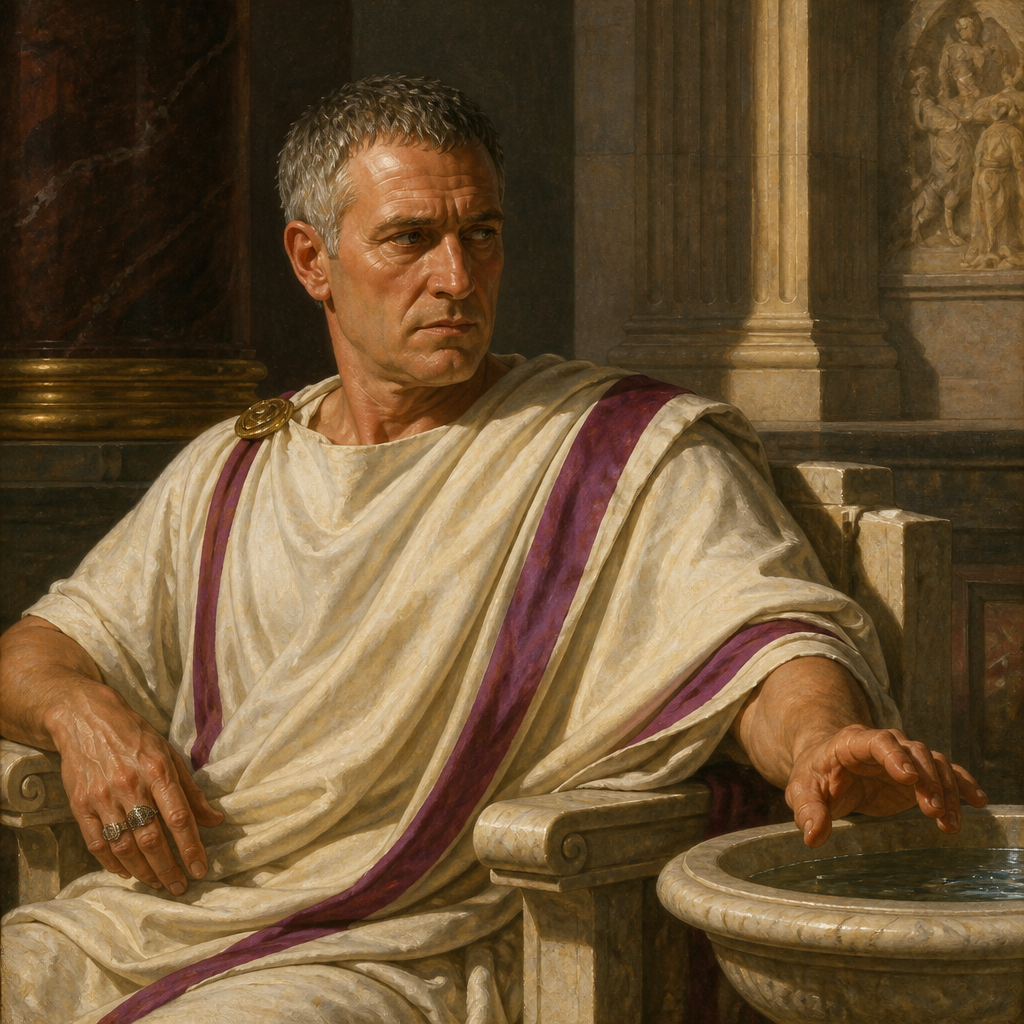
Pilate
Roman governor who presided over the trial of Jesus and ordered His crucifixion
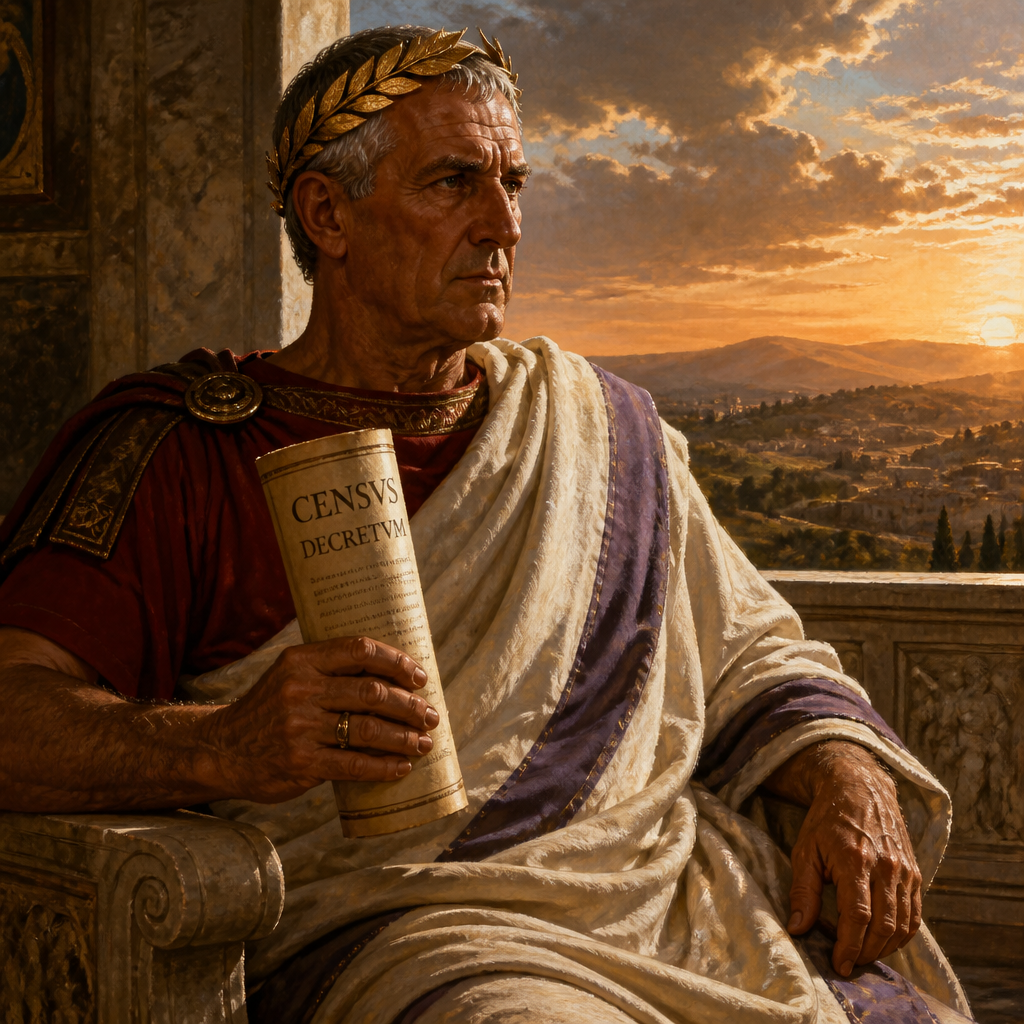
Quirinius
Roman Governor of Syria whose census compelled Mary and Joseph to travel to Bethlehem
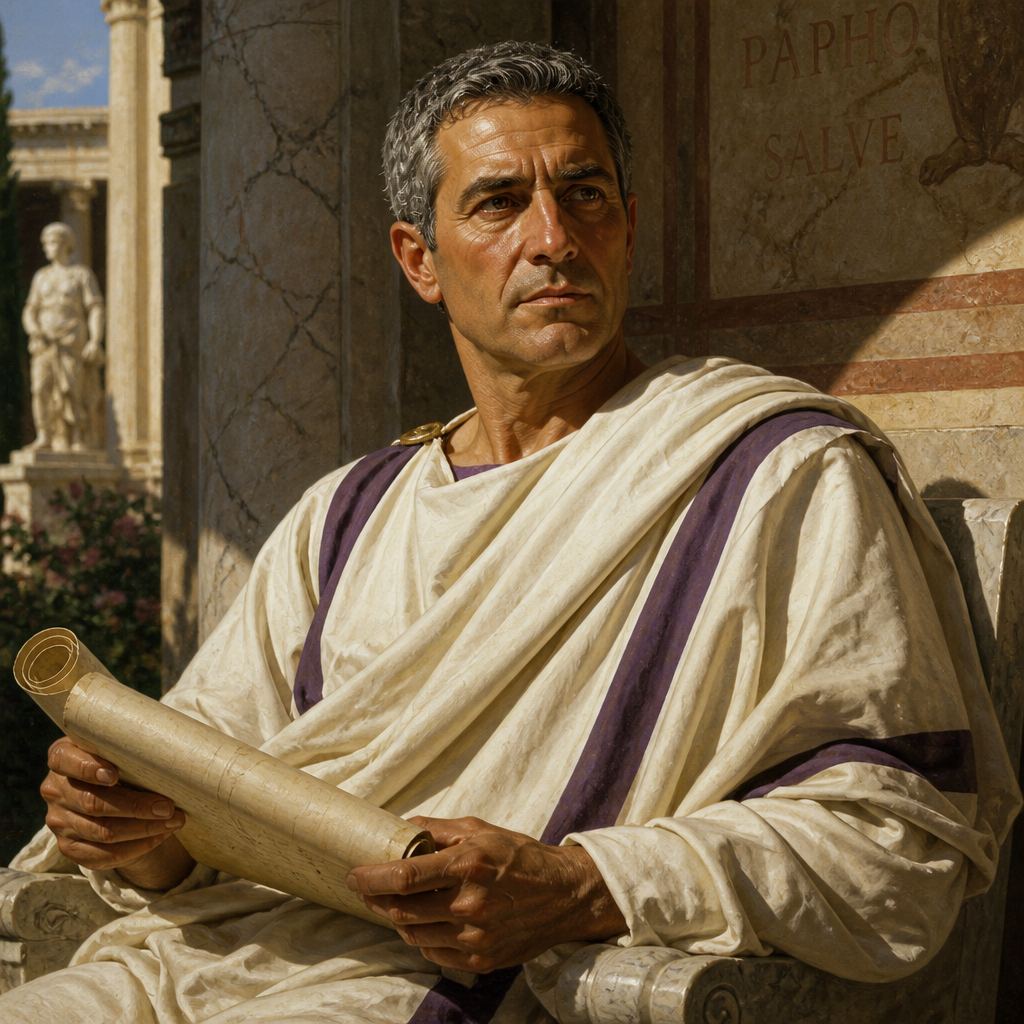
Sergius Paulus
Roman Proconsul of Cyprus who converted to the faith after seeing Paul defeat a sorcerer