
Roman Governors
Rome's men on the ground
The New Testament identifies several Roman Governors who served as the highest imperial authorities in the provinces of Judea, Syria, Achaia, and Cyprus. These officials represent the administrative and judicial power of the Roman Empire during the events of the Gospels and the expansion of the early church. The text places these men in specific geographical and chronological contexts to anchor the narrative within the political framework of the first century.
The organization of these figures in the biblical text is primarily functional, appearing at critical moments when the legal status of Jesus or the apostles intersects with Roman law. Pilate is the governor of Judea who presides over the trial of Jesus and ultimately orders his crucifixion (Matthew 27:2, 27:24–26). Quirinius is identified as the governor of Syria during a census that requires inhabitants to return to their ancestral towns (Luke 2:2). In the book of Acts, Sergius Paulus serves as the proconsul of Cyprus and seeks to hear the word of God before converting to the faith (Acts 13:7–12). Gallio acts as the proconsul of Achaia and refuses to adjudicate a religious dispute brought against the Apostle Paul in Corinth (Acts 18:12–16). Felix is the governor who keeps Paul imprisoned in Caesarea for two years while hoping for a bribe (Acts 23:24, 24:26–27). Festus succeeds him in office and eventually grants Paul’s request to be sent to Rome for a trial before Caesar (Acts 24:27, 25:11–12).
Scripture preserves these names to document the interactions between the nascent Christian movement and the Roman state. The presence of these governors provides a record of how imperial officials exercised their discretion in matters of local unrest and religious controversy. While some governors are depicted as indifferent to internal Jewish disputes, others are shown as active participants in the legal processes that shaped the lives of the central figures of the New Testament. The text does not say how long each man served or provide details of their lives outside of these specific encounters. By naming these officials, the writers establish the historical and political setting in which the message of the church was first proclaimed and legally challenged.
Everyone in this list
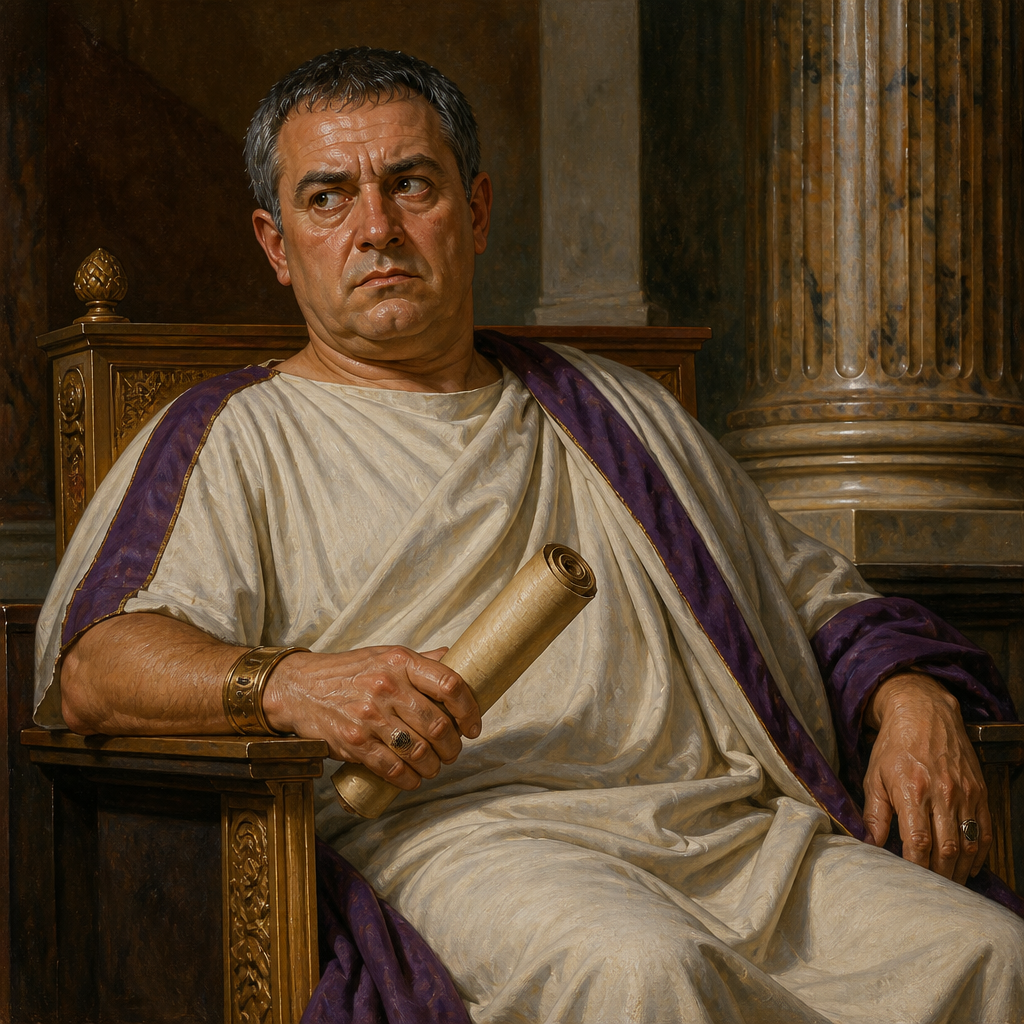
Felix
Roman governor who imprisoned the Apostle Paul for two years in Caesarea
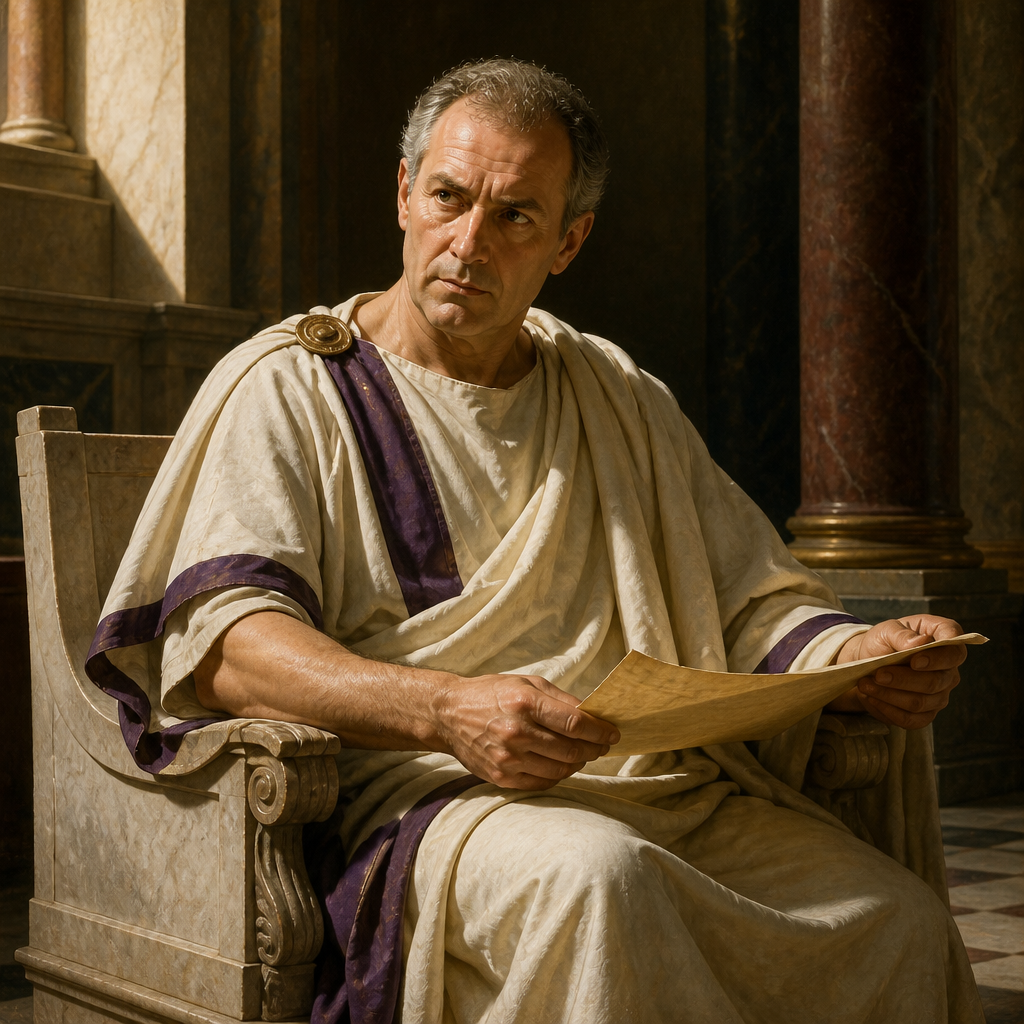
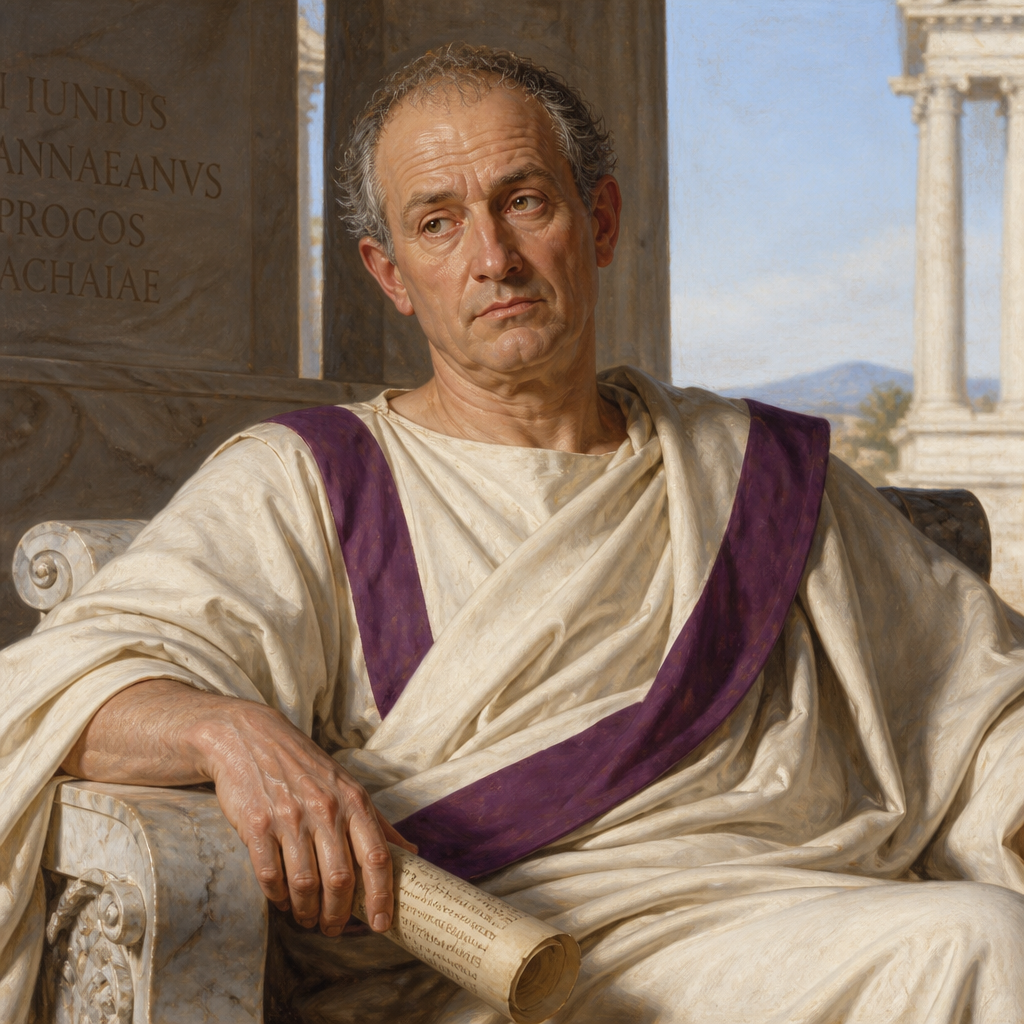
Gallio
Roman official who dismissed the legal charges against the Apostle Paul in Corinth
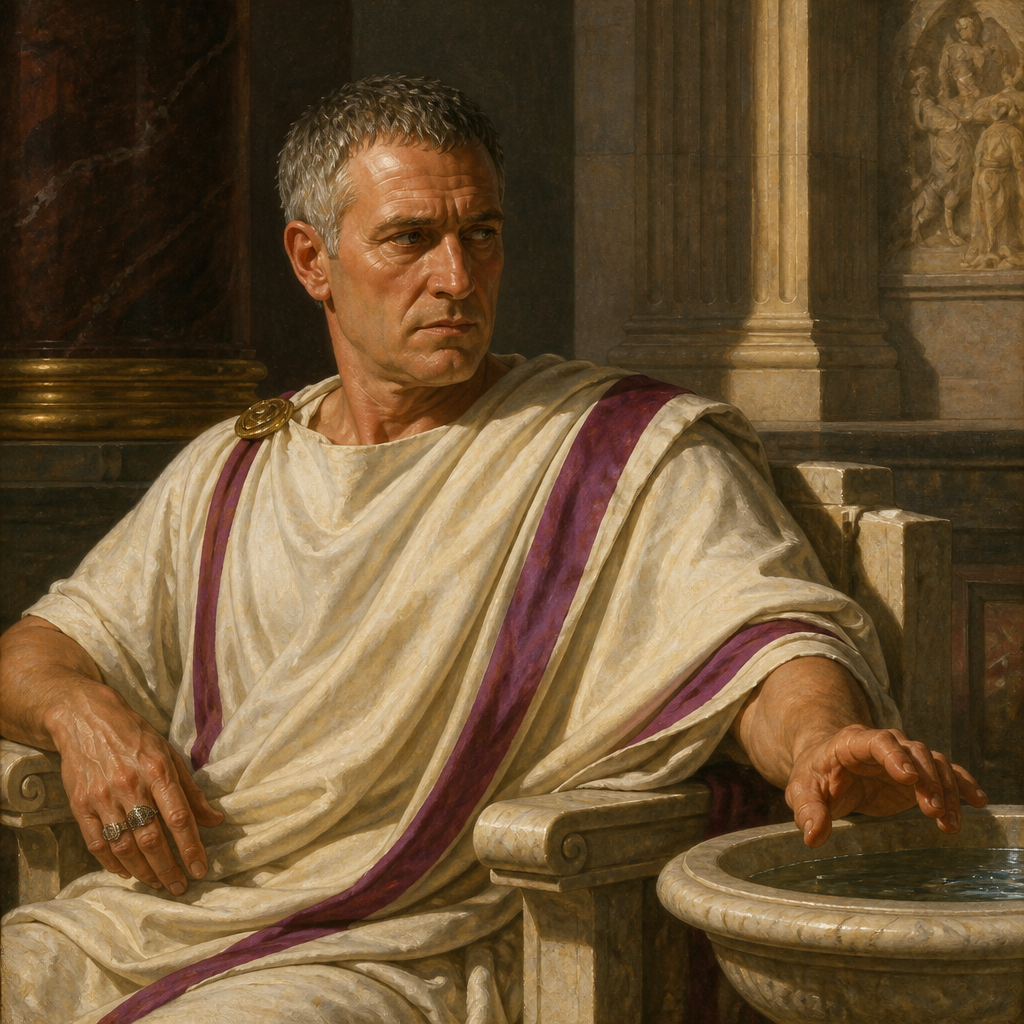
Pilate
Roman governor who presided over the trial of Jesus and ordered His crucifixion
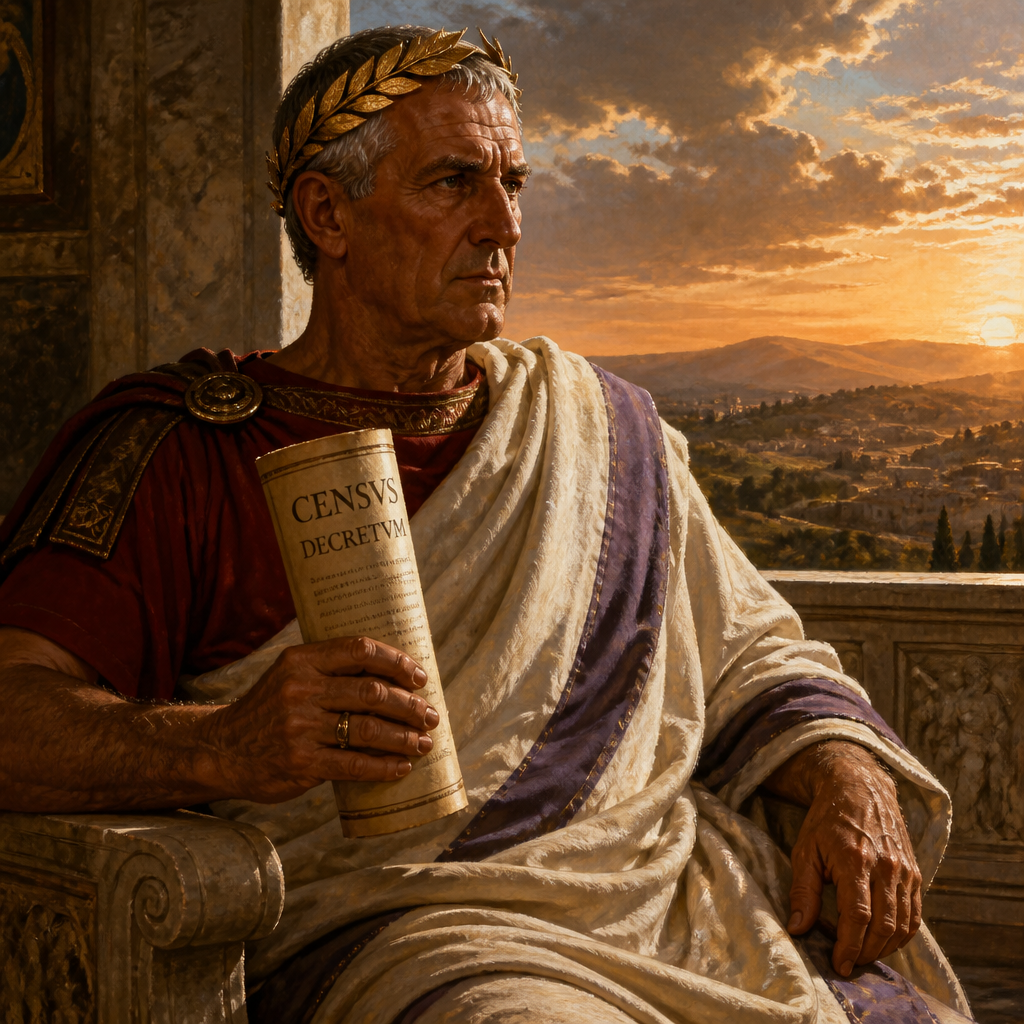
Quirinius
Roman Governor of Syria whose census compelled Mary and Joseph to travel to Bethlehem
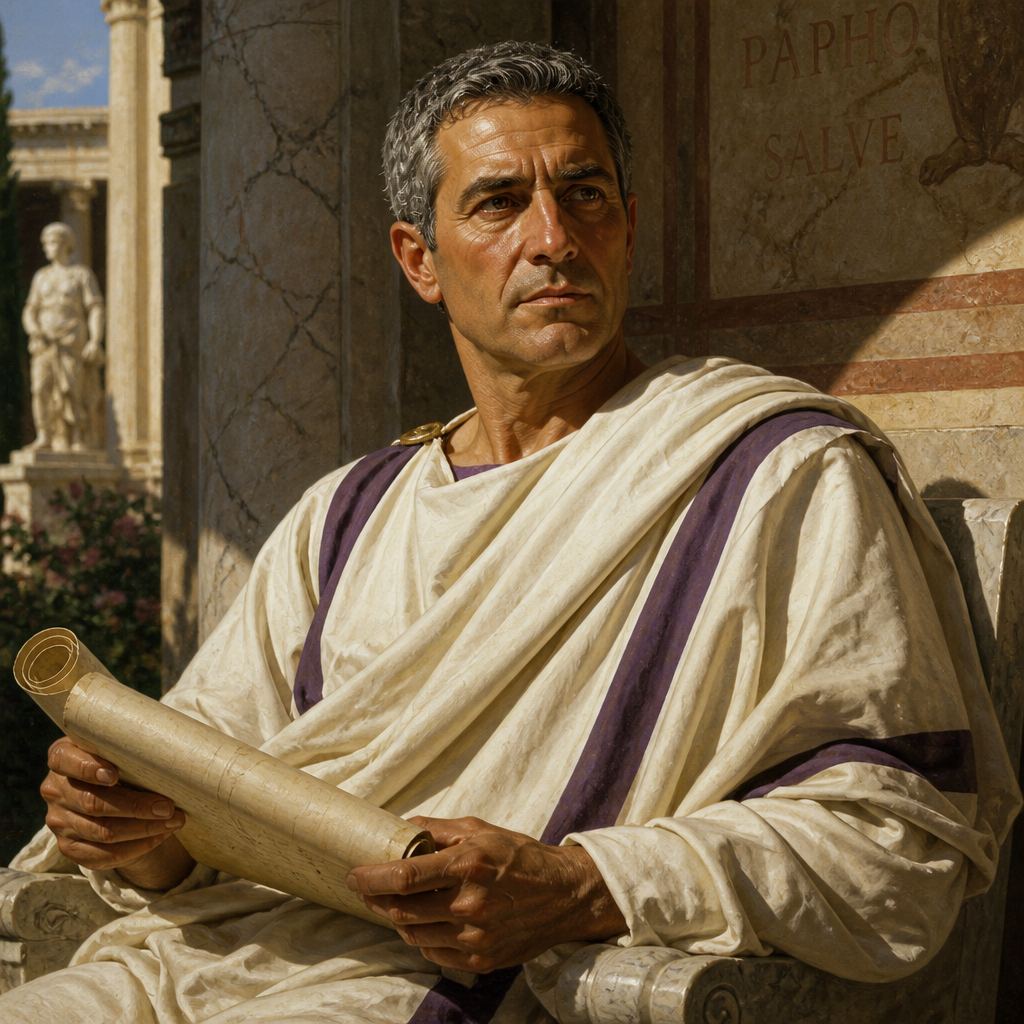
Sergius Paulus
Roman Proconsul of Cyprus who converted to the faith after seeing Paul defeat a sorcerer