People of 1 Timothy
Every person who appears in the book of 1 Timothy, ordered by how often they are mentioned there.
The People of 1 Timothy appear within a letter written by Paul to his younger associate, providing instructions on church leadership and the preservation of sound doctrine. Paul identifies himself as an apostle by the command of God and addresses the letter to Timothy, whom he describes as his true son in the faith (1 Timothy 1:1–2). The text establishes that Paul had urged Timothy to remain in Ephesus to stop certain individuals from teaching false doctrines and myths. Among those who have wandered from the faith, Paul specifically names Hymenaeus and Alexander the Coppersmith, stating that he has handed them over to Satan so they may be taught not to blaspheme (1 Timothy 1:20).
As the letter transitions into instructions for the assembly, the text references figures from the Genesis creation account to explain roles within the church. Paul notes that Adam was formed first, followed by Eve (1 Timothy 2:13). The passage further observes that Adam was not the one deceived, but Eve was the one who became a sinner after being deceived (1 Timothy 2:14). These historical references serve as the basis for the author’s directives regarding the conduct and teaching authority of men and women during worship.
The theological center of the letter focuses on the nature and work of Jesus, who is described as the one mediator between God and mankind (1 Timothy 2:5). Paul reminds Timothy that Jesus gave himself as a ransom for all people. In a later charge regarding faithfulness, the text mentions Pilate noting that Jesus made a good confession while testifying before him (1 Timothy 6:13). This reference to a specific Roman official anchors the mission of Jesus within a historical and political context, serving as a model of endurance for Timothy.
The interactions between these figures illustrate the primary themes of the epistle: the necessity of apostolic authority and the danger of internal apostasy. By contrasting the faithfulness of Timothy with the shipwrecked faith of Hymenaeus and Alexander the Coppersmith, the letter emphasizes the importance of maintaining a good conscience. The inclusion of Adam and Eve provides a structural framework for church order, while the mention of Jesus and his trial before Pilate establishes the ultimate standard for the Christian life. Through these specific individuals, the text defines the boundaries of the early Christian community and the responsibilities of its leaders.
Everyone in this list
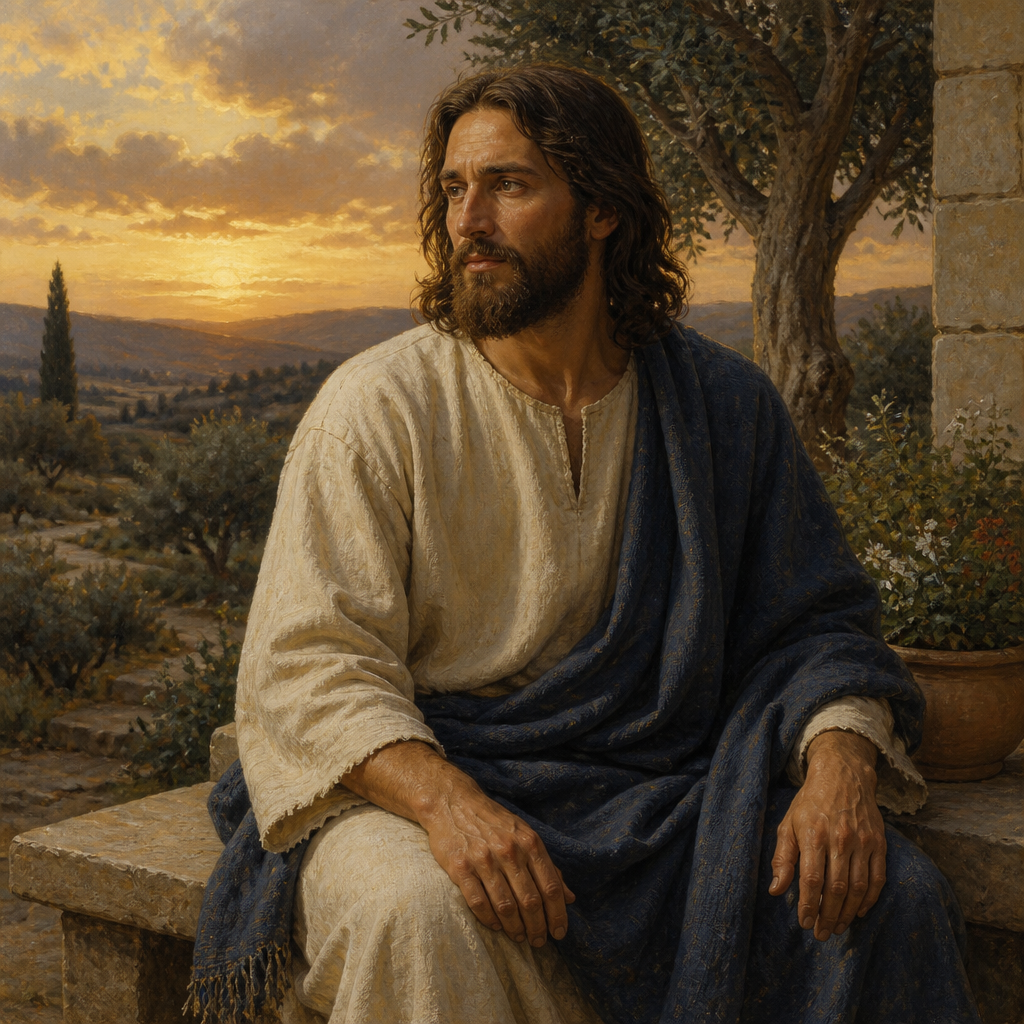
Jesus
Messiah and central figure of the New Testament whose life, death, and resurrection form the basis of the Christian faith
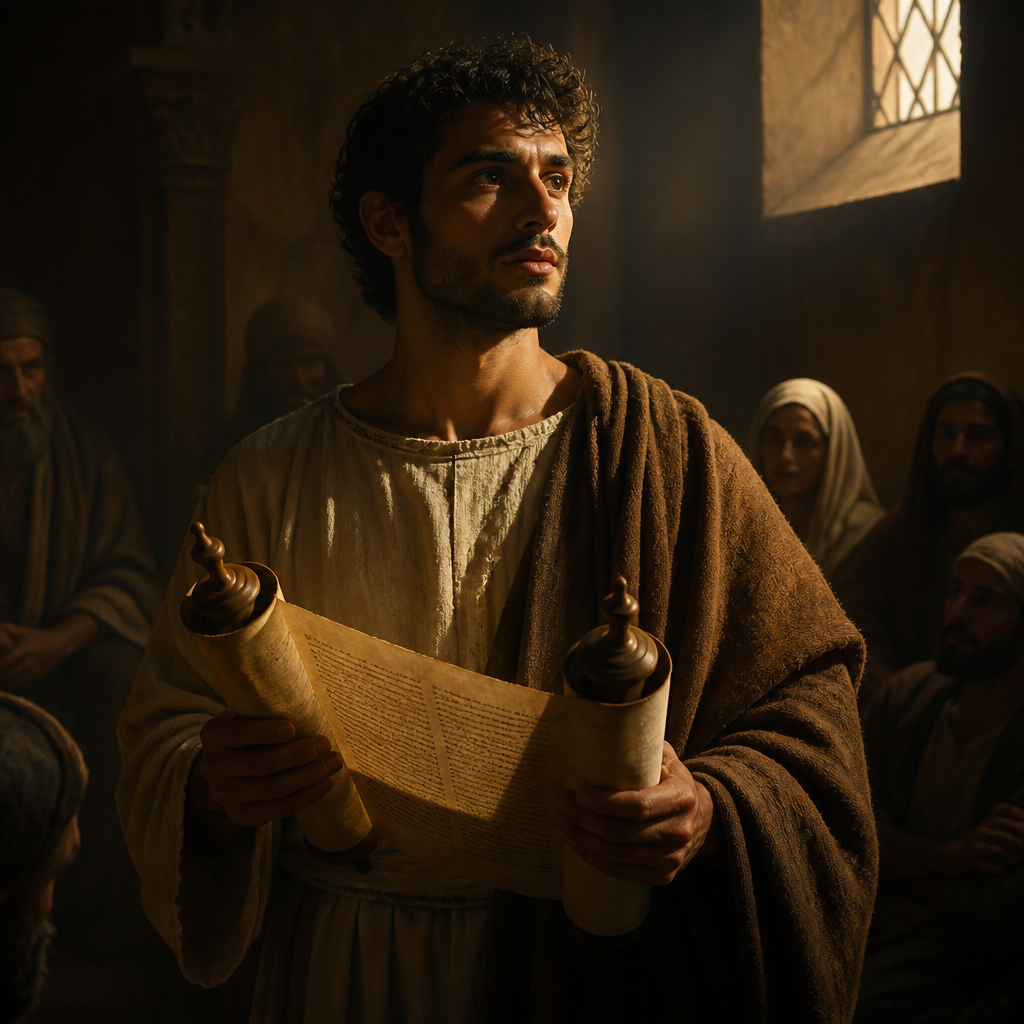
Timothy
Protégé of the Apostle Paul and recipient of the two Pastoral Epistles whom Paul stationed at Ephesus

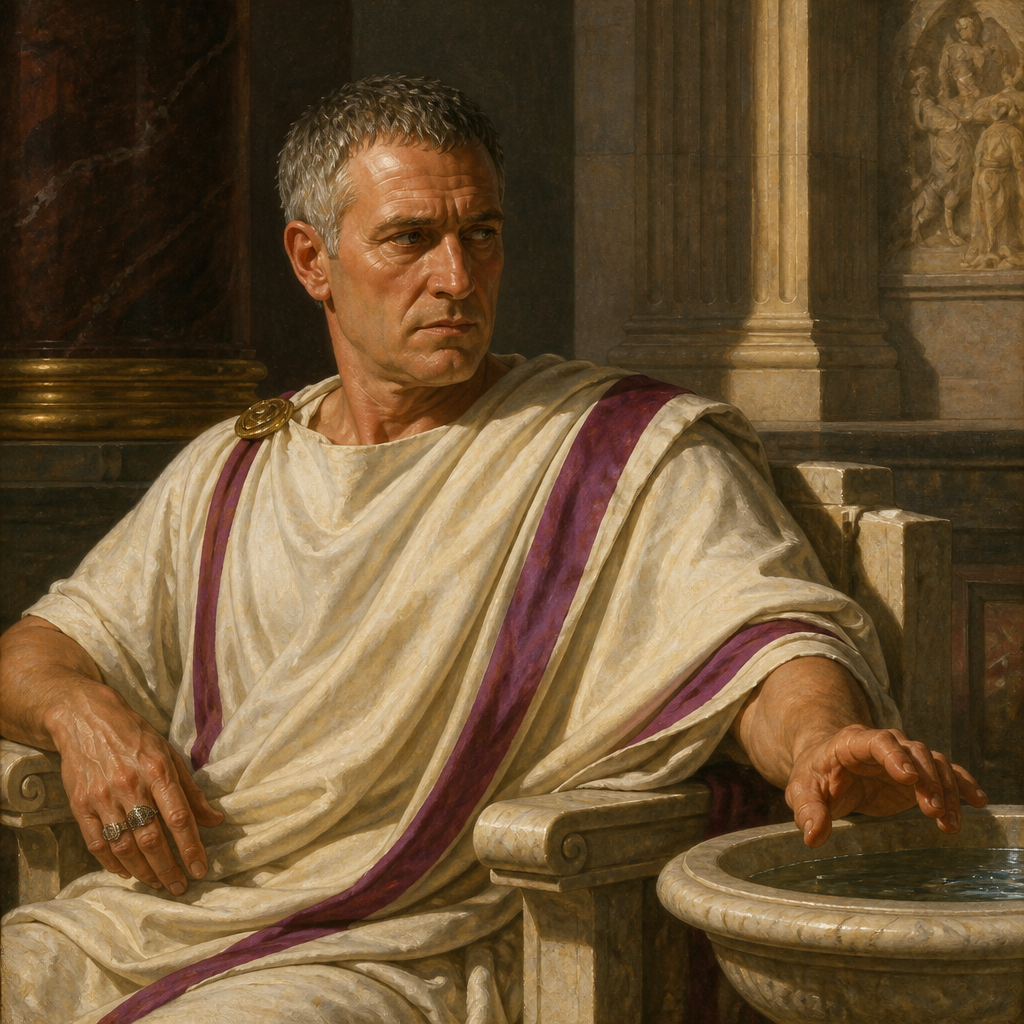
Pilate
Roman governor who presided over the trial of Jesus and ordered His crucifixion

Alexander the Coppersmith
Apostate who caused the Apostle Paul great harm and opposed the gospel
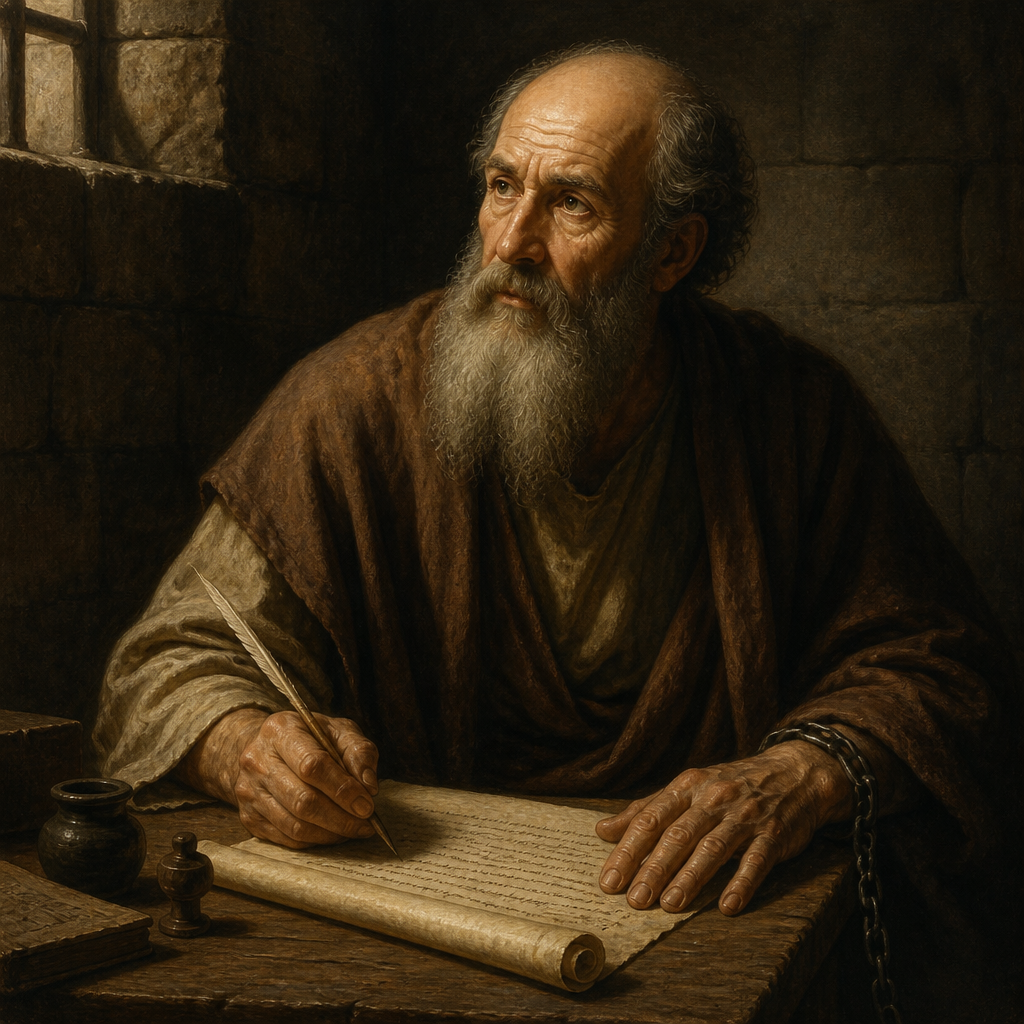
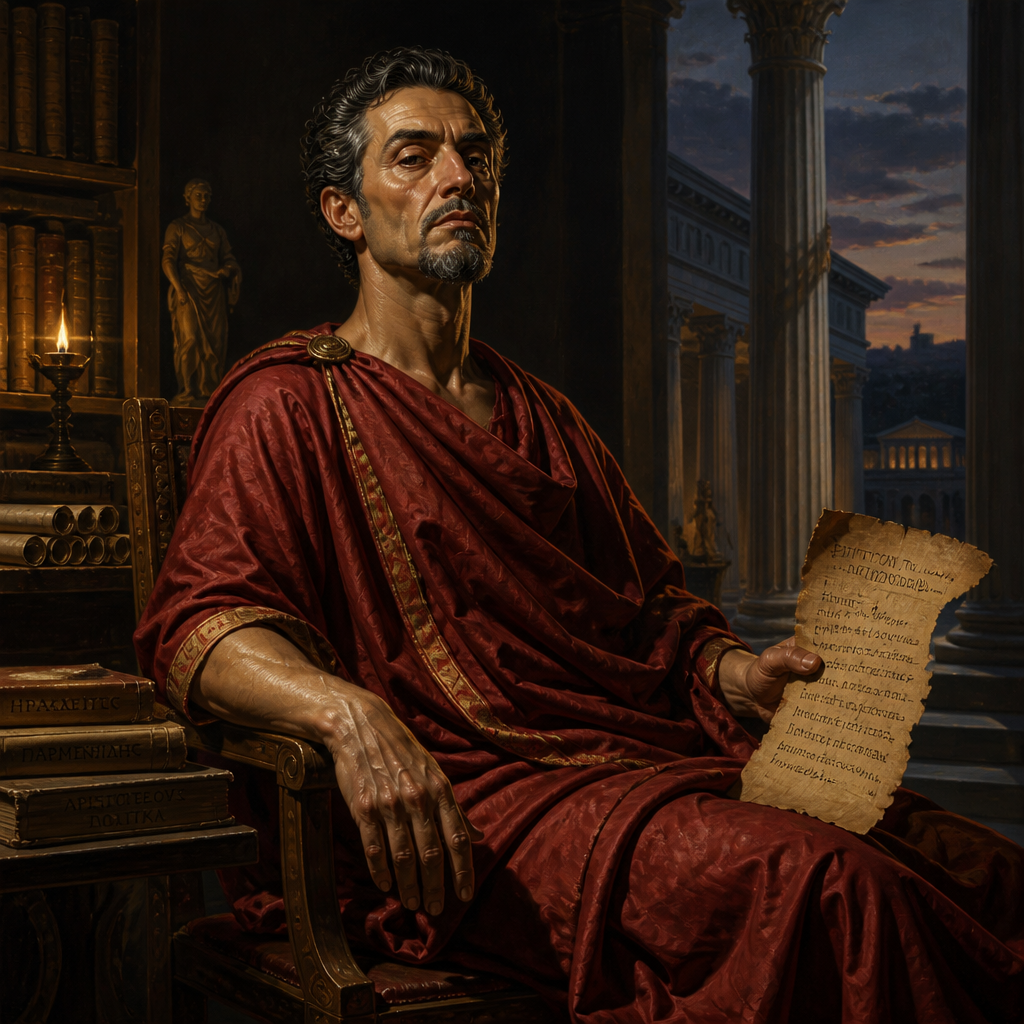
Hymenaeus
False teacher who claimed the resurrection had already occurred