
Paul's First Missionary Journey
Cyprus to Lystra and back (Acts 13–14)
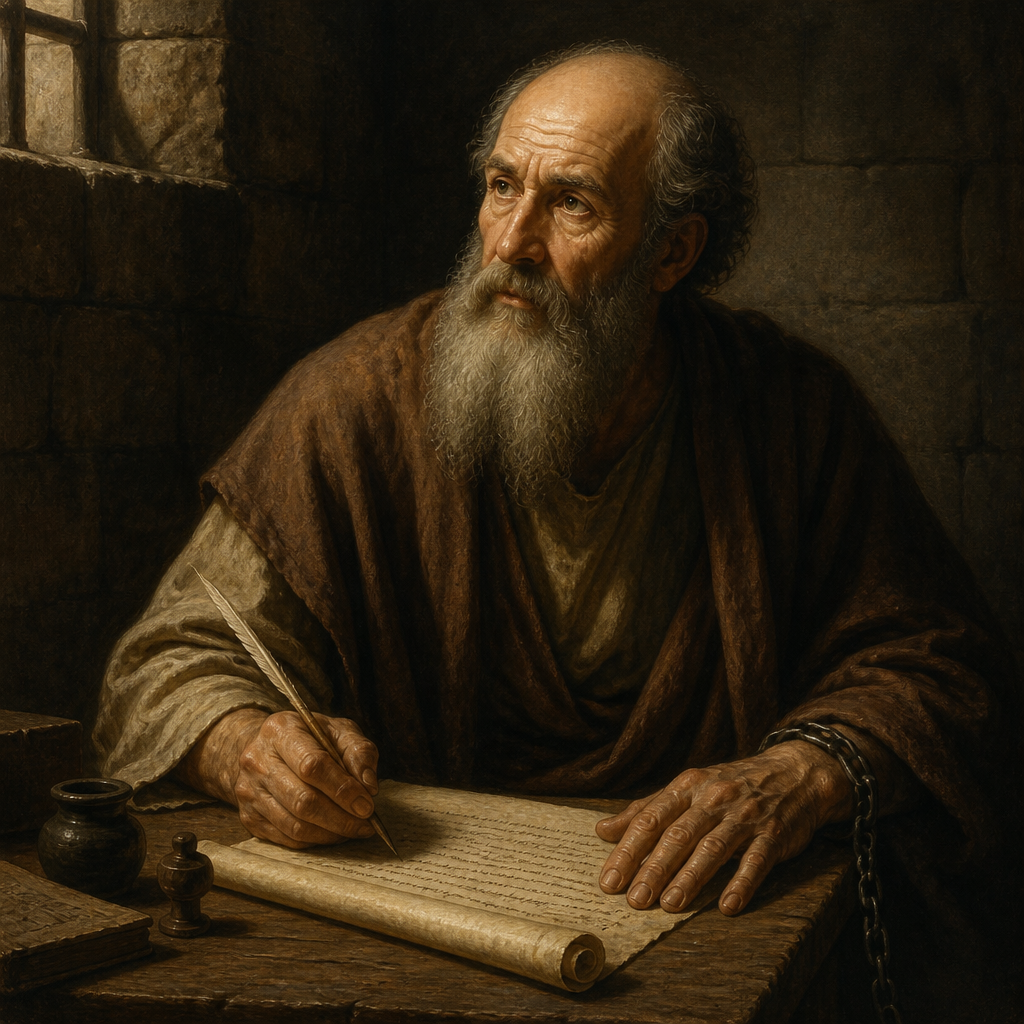
In the church at Antioch there were prophets and teachers: Barnabas, Simeon Called Niger, Lucius of Cyrene, Manaen a lifelong friend of Herod Antipas the tetrarch, and Saul. While they were worshiping the Lord and fasting, the Holy Spirit said, "Set apart for Me Barnabas and Saul for the work to which I have called them," and after fasting and praying they laid their hands on them and sent them off (Acts 13:1–3). They went down to Seleucia and sailed to Cyprus, with Mark as their assistant (Acts 13:4–5).
At Paphos they met a Jewish false prophet, a magician named Bar-Jesus, who opposed them before the proconsul Sergius Paulus. Paul looked at him and said he would be blind for a time, and a mist and darkness fell on him, and the proconsul believed, astonished at the teaching of the Lord (Acts 13:6–12). From that point Luke calls him Paul rather than Saul. Sailing on to Perga in Pamphylia, Mark left them and returned to Jerusalem, a departure that would later split the two missionaries before the second journey (Acts 13:13; Acts 15:37–39).
At Antioch in Pisidia Paul stood up in the synagogue and preached the history of Israel from Egypt through Samuel, Saul son of Kish, David the son of Jesse, and John the Baptist, to the one whose sandals John said he was not worthy to untie, and declared forgiveness of sins through Him (Acts 13:16–39). The next Sabbath almost the whole city gathered, the Jewish leaders contradicted him, and Paul and Barnabas turned to the Gentiles, citing Isaiah's word about a light for the nations (Acts 13:44–48). Driven out of the district, they went to Iconium, where a great number believed and the city was divided (Acts 14:1–4).
At Lystra Paul healed a man crippled from birth, and the crowds shouted in Lycaonian that the gods had come down in the likeness of men, calling Barnabas Zeus and Paul Hermes, and the priest of Zeus brought oxen and garlands to sacrifice (Acts 14:8–13). They tore their garments and told them to turn from these vain things to the living God who gives rain and fruitful seasons (Acts 14:14–17). Then Jews from Antioch and Iconium came, the crowd stoned Paul and dragged him out of the city supposing him dead, but he rose and went back into the city and left the next day for Derbe (Acts 14:19–20).
Returning the way they came, they strengthened the souls of the disciples and told them that "through many tribulations we must enter the kingdom of God," appointed elders in every church with prayer and fasting, and sailed back to Antioch, where they gathered the church and declared all that God had done with them, "and how He had opened a door of faith to the Gentiles" (Acts 14:21–27).
Everyone in this list
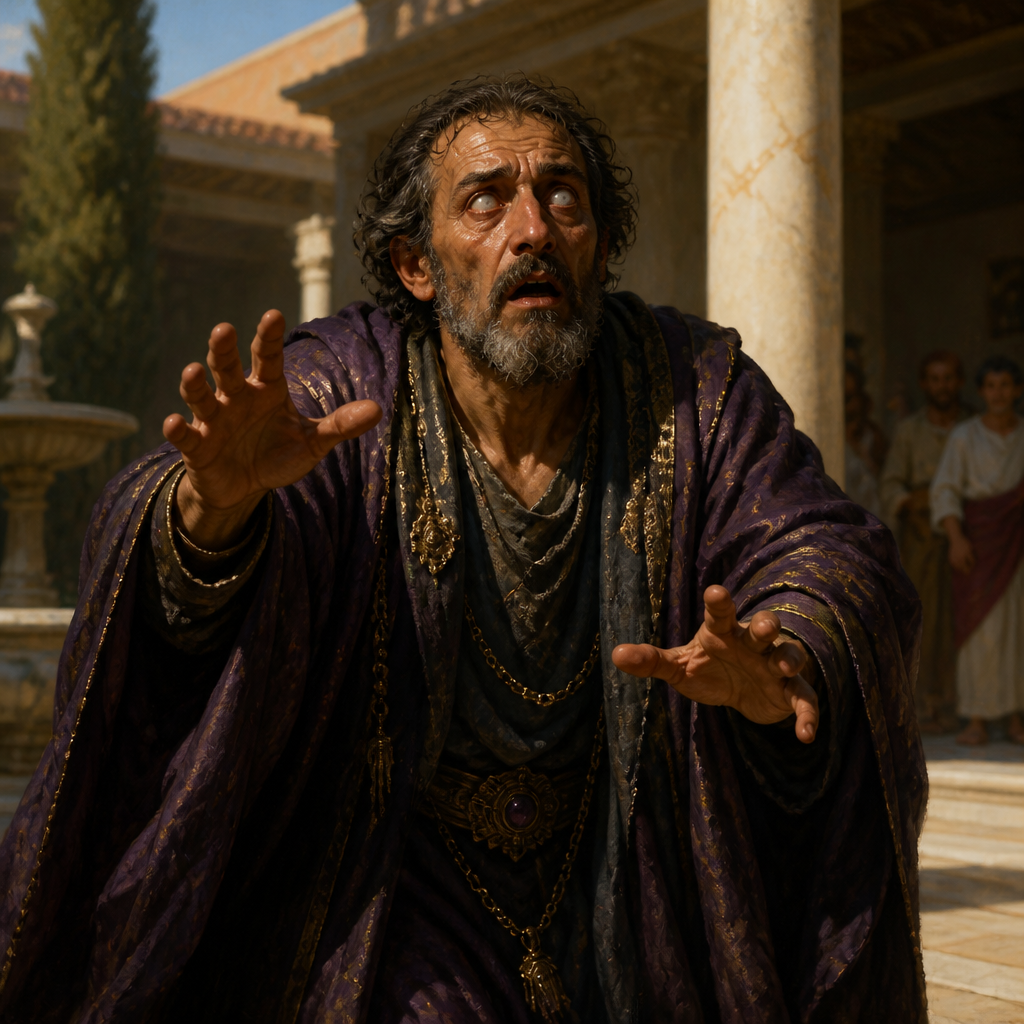
Bar-Jesus
Jewish sorcerer who was struck blind for opposing the Apostle Paul
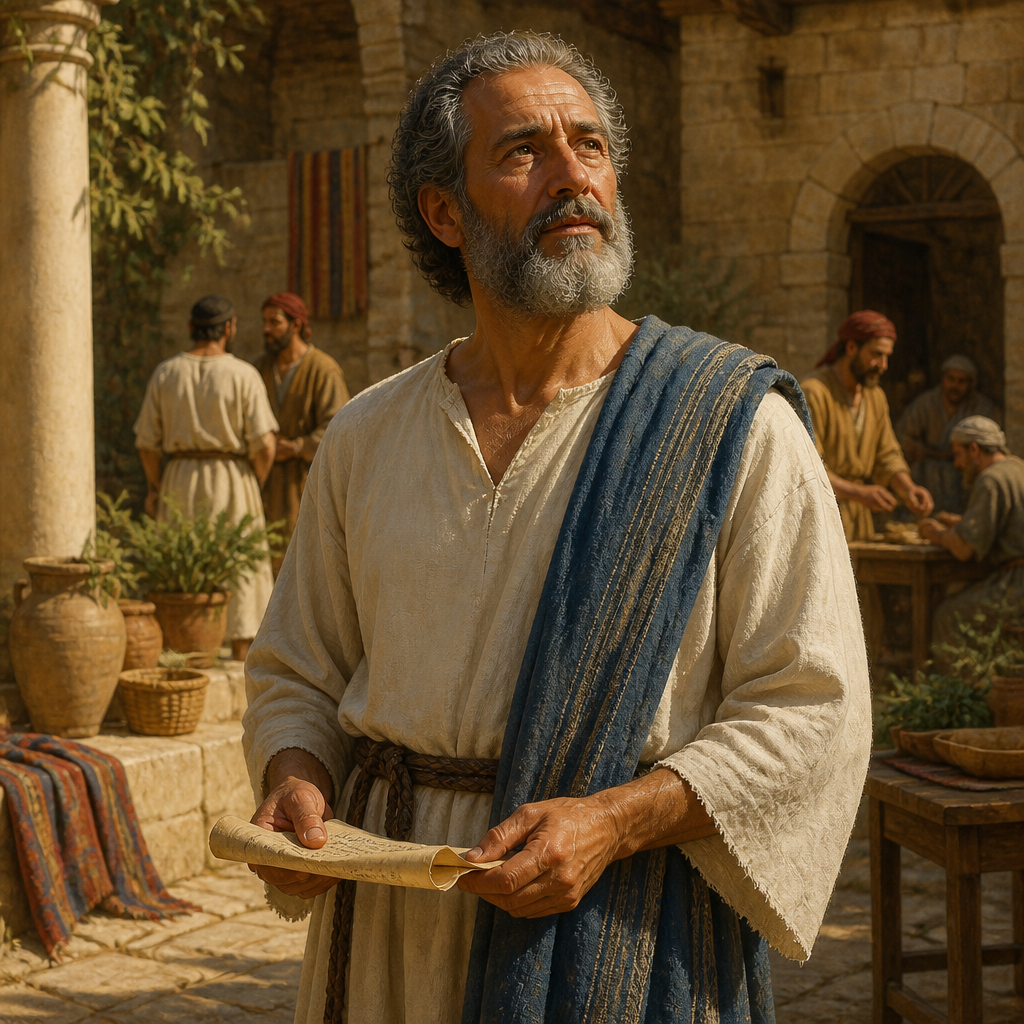
Barnabas
Prophet and leader in the Antioch church who mentored the Apostle Paul
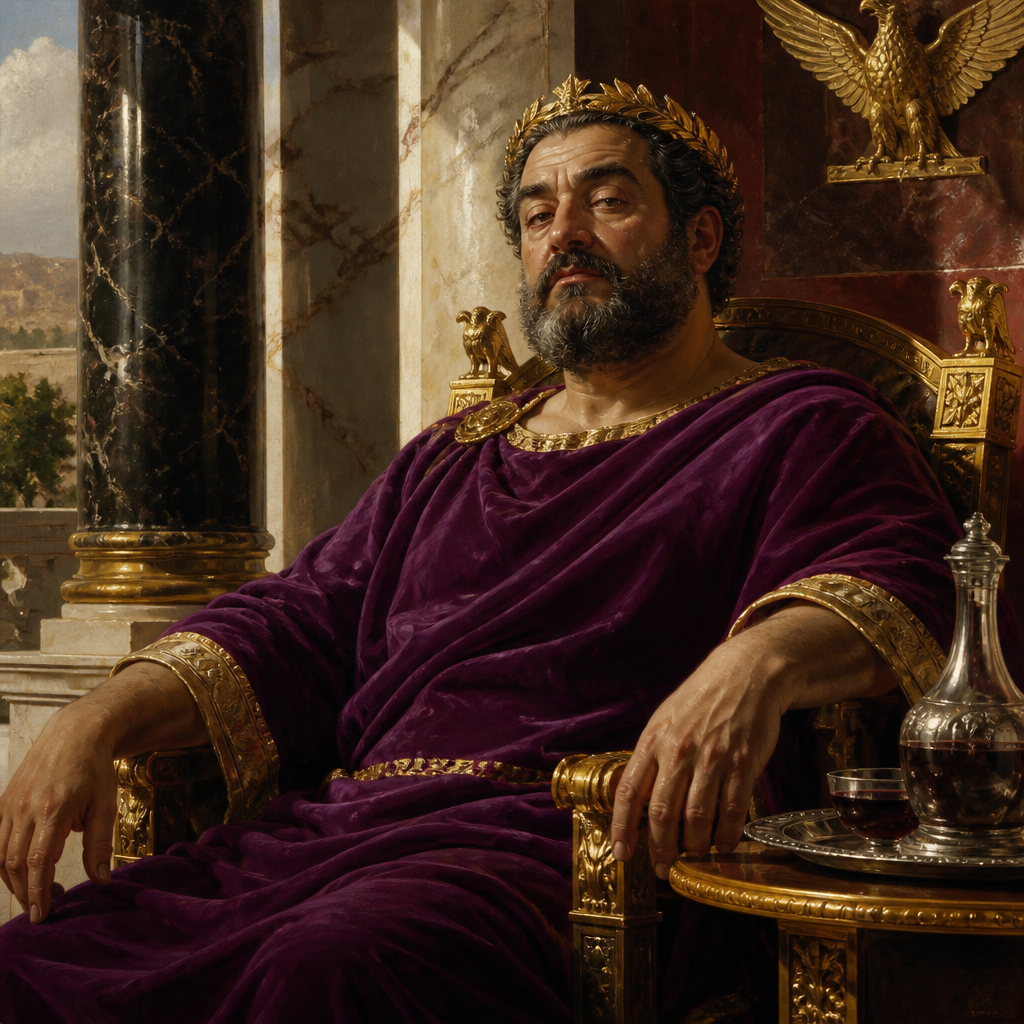
Herod Antipas
Tetrarch of Galilee who executed John the Baptist and mocked Jesus Christ
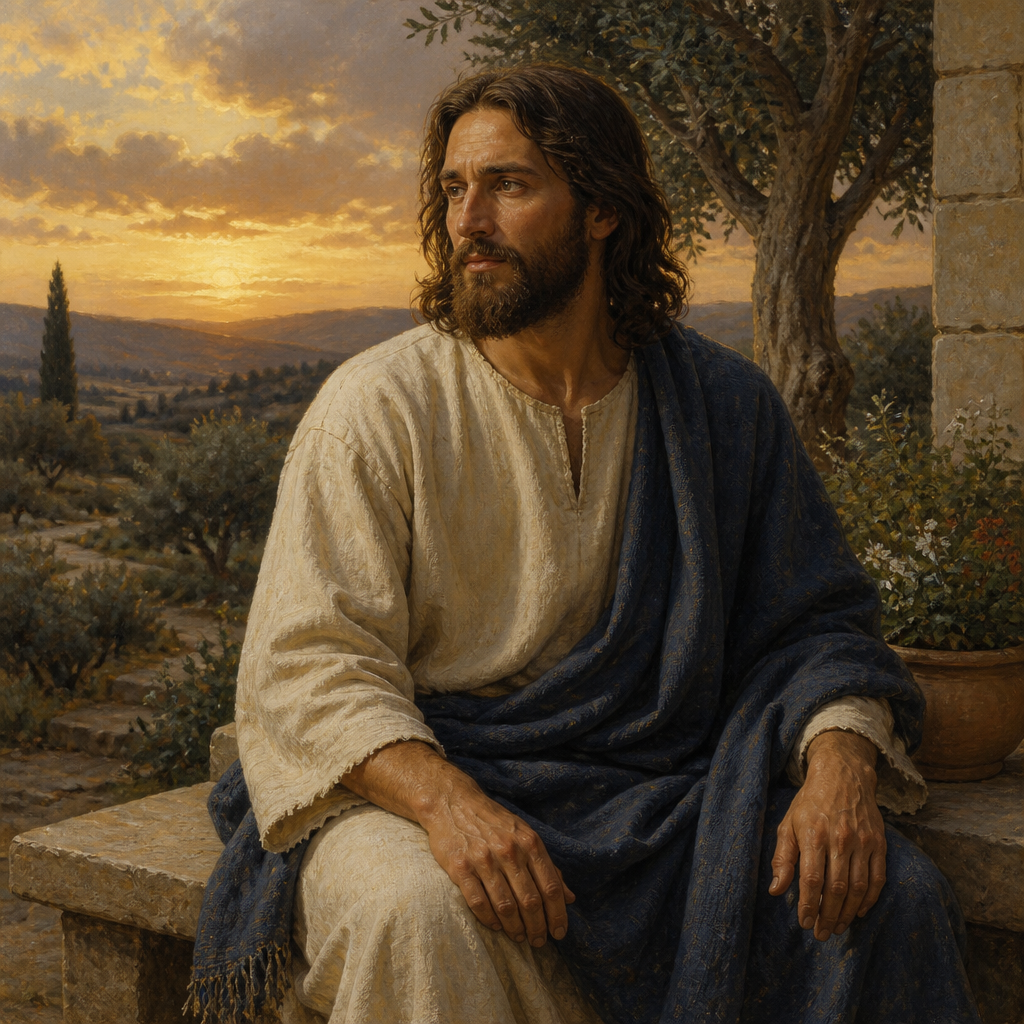
Jesus
Messiah and central figure of the New Testament whose life, death, and resurrection form the basis of the Christian faith
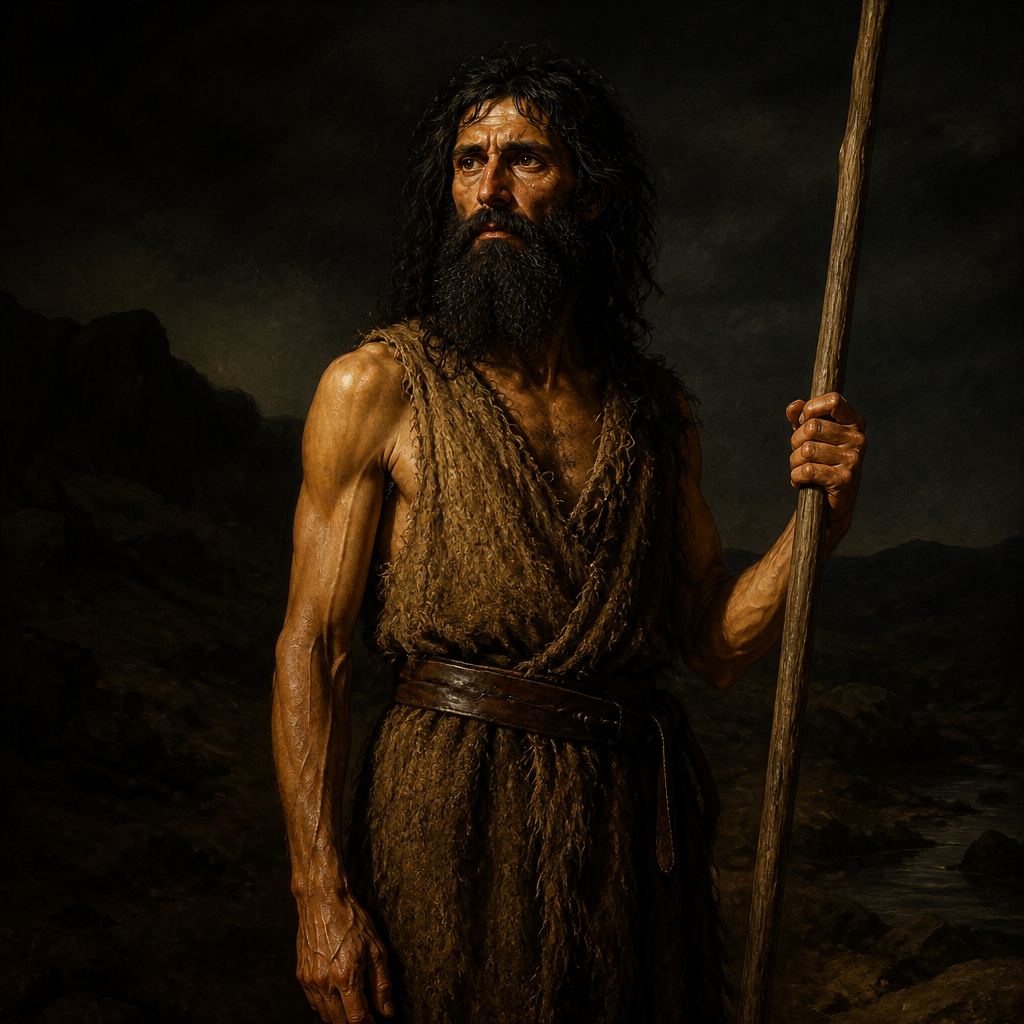
John the Baptist, Son of Zechariah
Prophet who prepared the way for Jesus and baptized him in the Jordan River
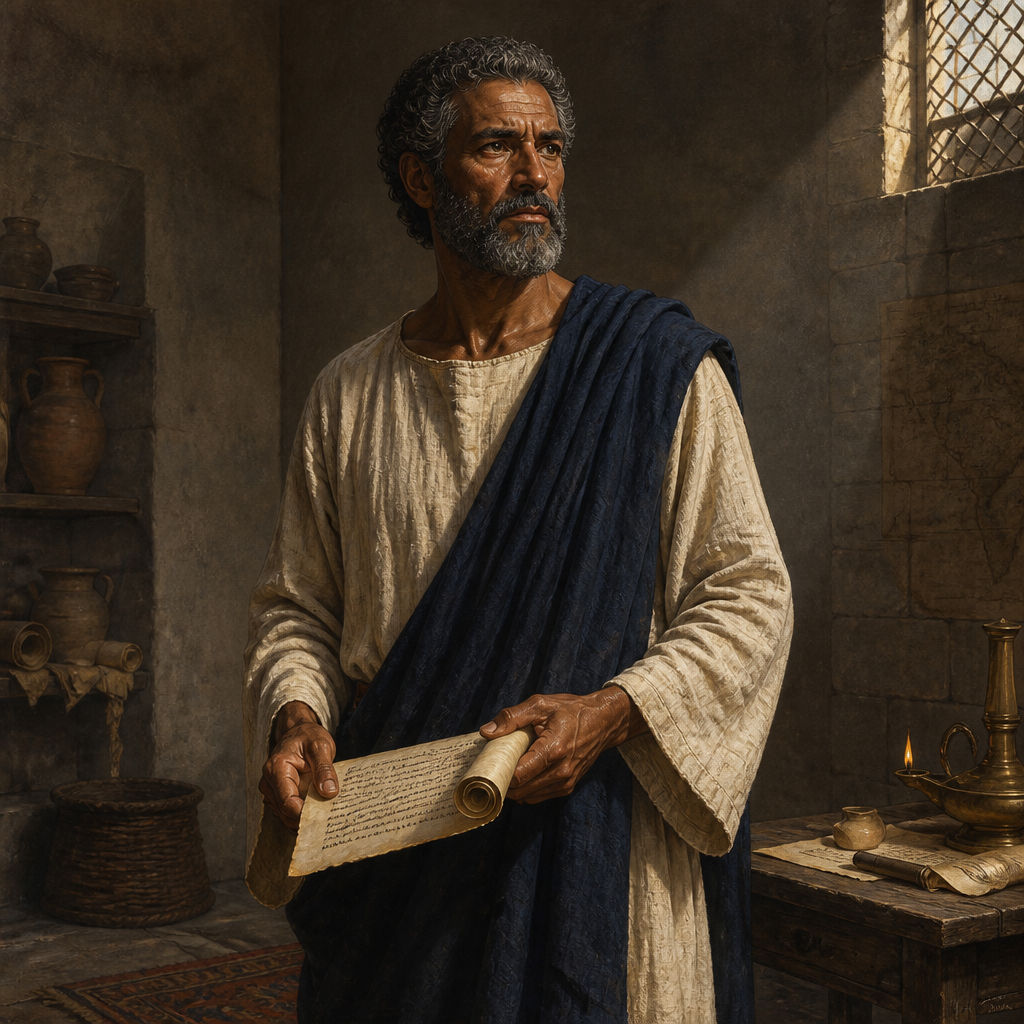
Lucius of Cyrene
Prophet and teacher in Antioch who helped commission the first missionary journey of Paul and Barnabas
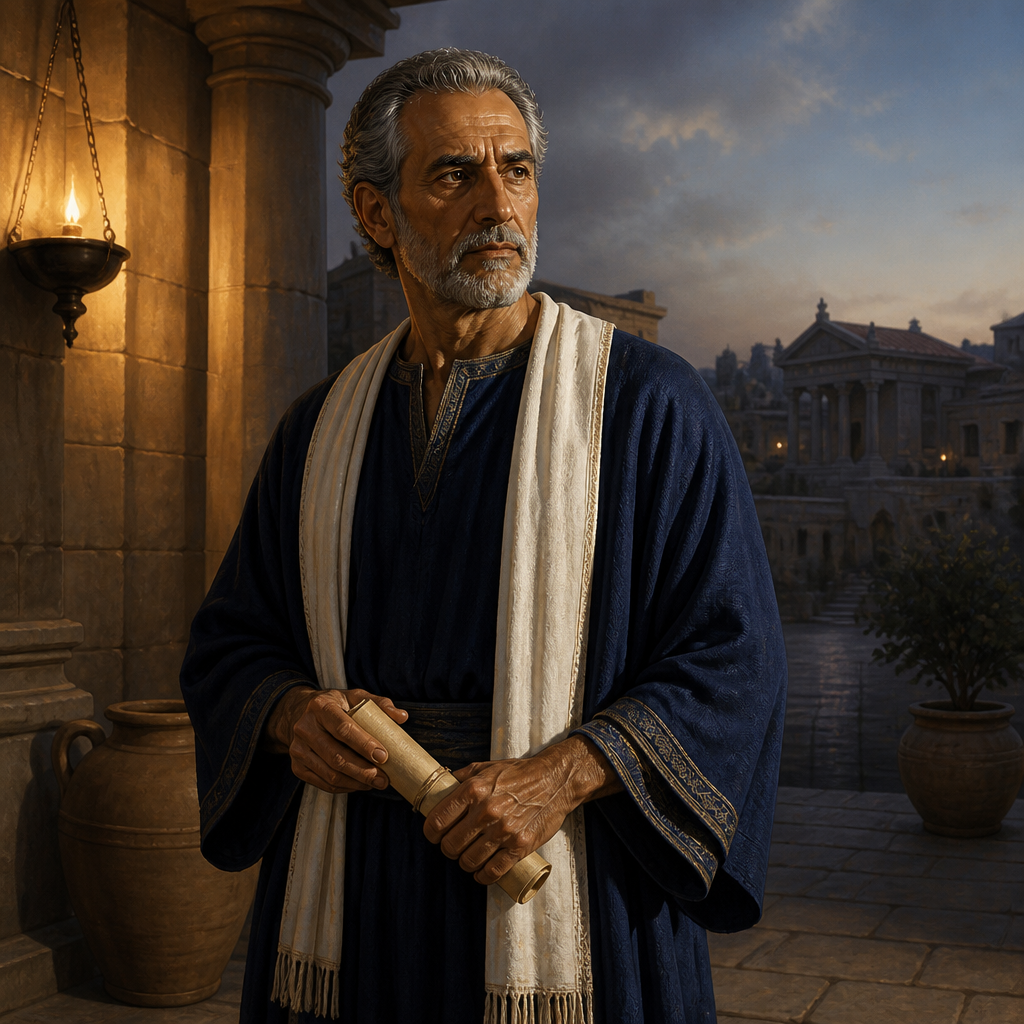
Manaen
Prophet in Antioch who was the foster brother of Herod the Tetrarch
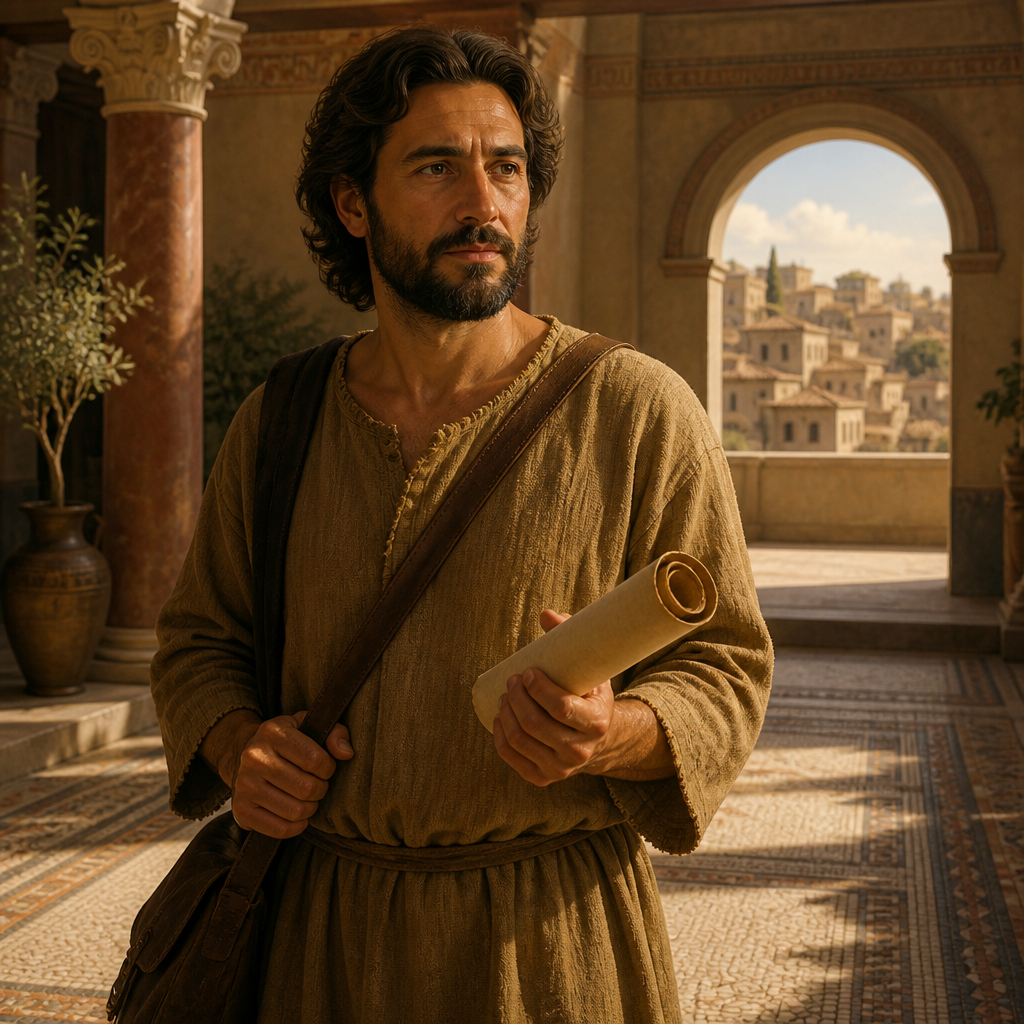
Mark
Missionary companion of Paul and Barnabas whose departure caused a rift between the two leaders
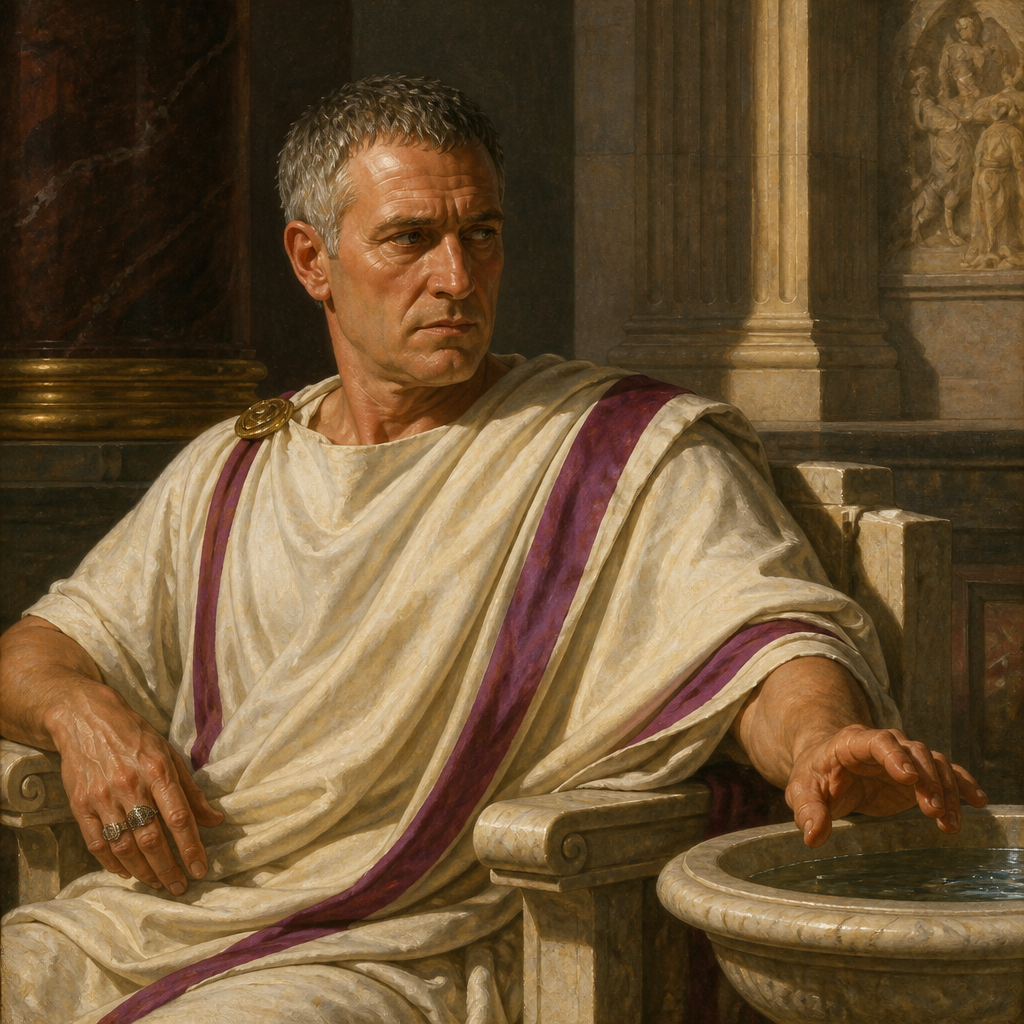
Pilate
Roman governor who presided over the trial of Jesus and ordered His crucifixion
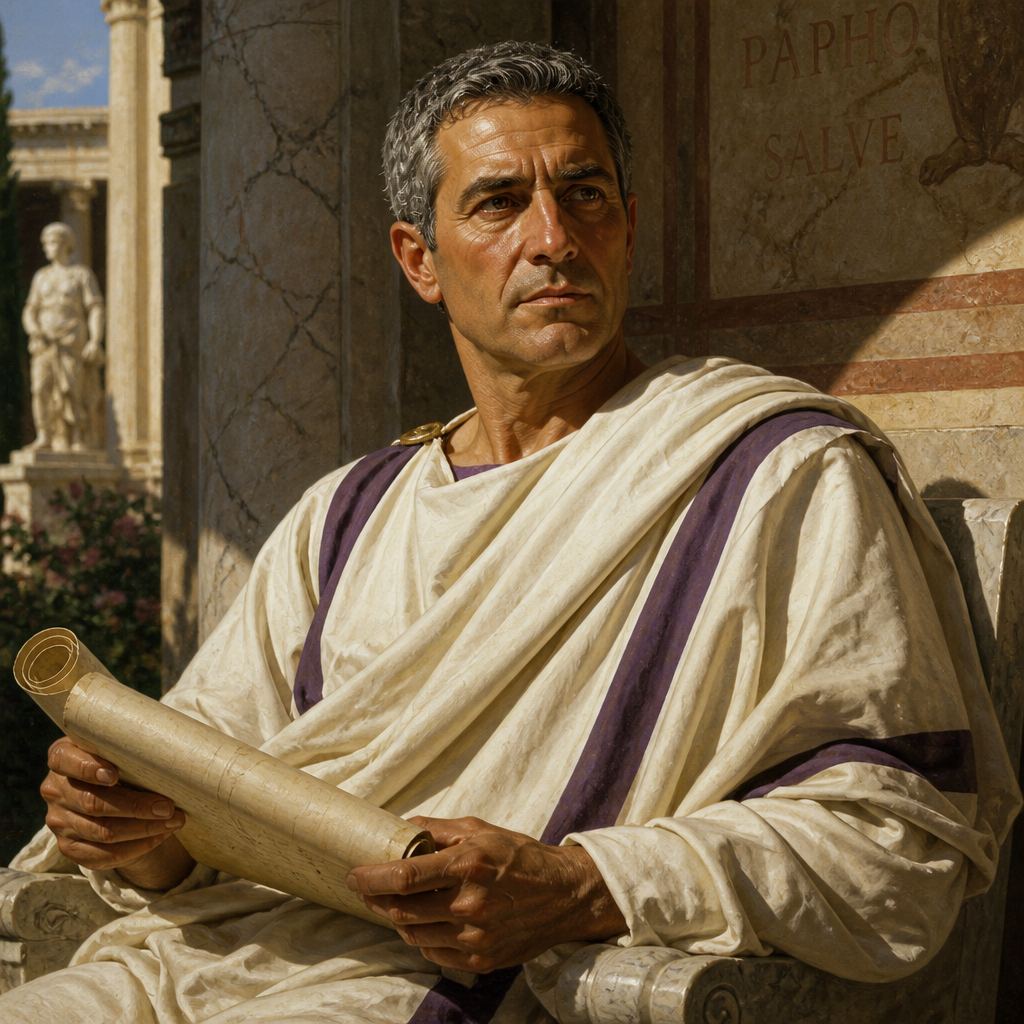
Sergius Paulus
Roman Proconsul of Cyprus who converted to the faith after seeing Paul defeat a sorcerer
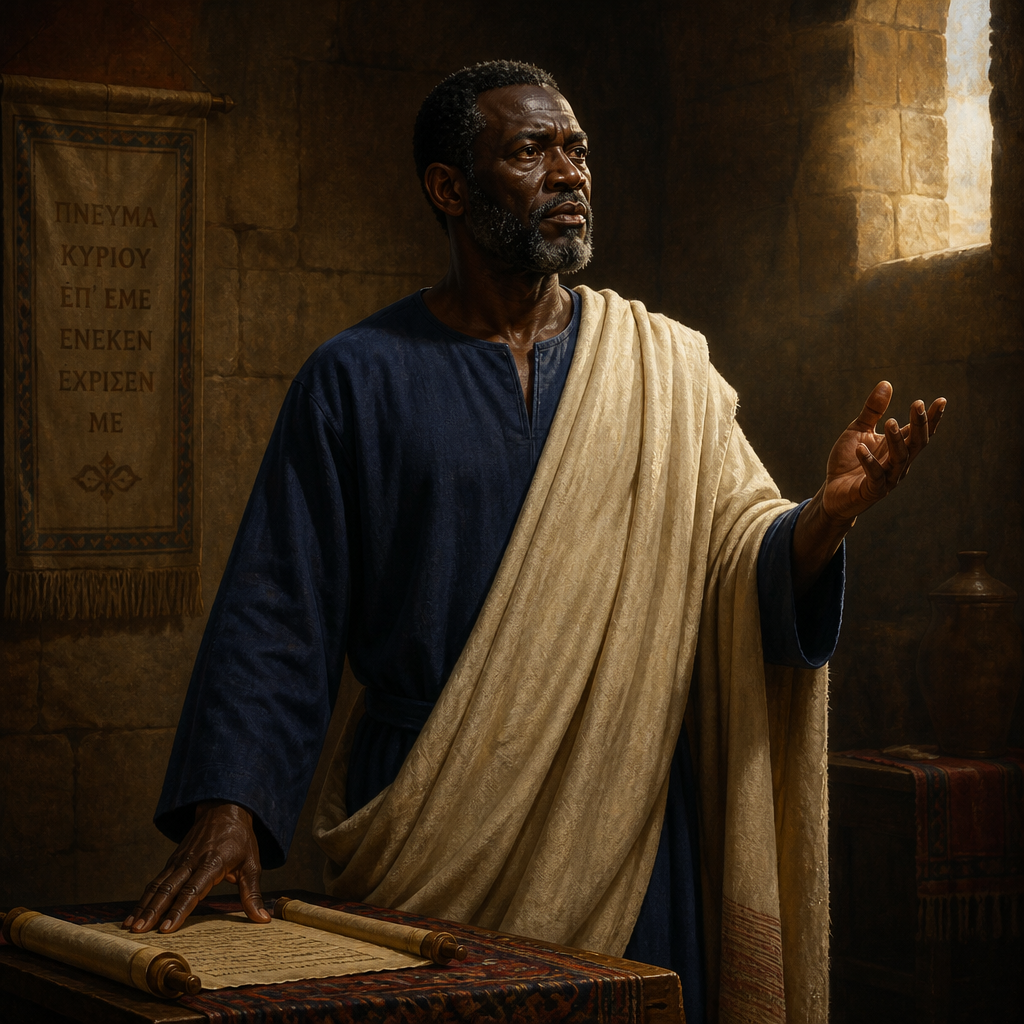
Simeon Called Niger
Prophet in the church at Antioch who helped commission the first missionary journey of Paul and Barnabas