
Non-Writing Prophets
Prophets and prophetesses who left no book of their own, from Nathan and Elijah to Huldah.
The biblical record identifies several individuals as Non-Writing Prophets, a designation for those who served as divine messengers but did not produce a canonical book bearing their name. These figures functioned as intermediaries between God and the people, often addressing kings, directing military actions, or performing signs to validate their message. The office required a direct commission from God, as seen when Elijah the Tishbite suddenly appeared to announce a drought to King Ahab (1 Kings 17:1). While some operated independently, others were part of a larger prophetic guild known as The Sons of the Prophets, who followed the leadership of established masters (2 Kings 2:3).
The roles of these prophets varied significantly across the history of Israel and the early church. Moses served as the foundational prophet who led the Israelites out of Egypt and received the Ten Commandments (Exodus 2:10). During the period of the judges, Deborah directed the victory over the Canaanite general Sisera (Judges 4:4). As the monarchy began, Samuel anointed the first two kings of Israel and established the transition from judges to kings (1 Samuel 1:20). Nathan the Prophet later confronted King David regarding his conduct with Bathsheba and delivered the terms of the Davidic Covenant (2 Samuel 7:2). Elisha succeeded Elijah and performed numerous miracles, including the healing of Naaman the leper (1 Kings 19:16). Even in the New Testament, Silas is identified as a prophet who accompanied Paul and sang while imprisoned in Philippi (Acts 15:22).
The presence of these prophets ensured that the word of God remained active in the immediate political and social life of the nation. Huldah provided critical authentication for the Book of the Law found in the temple, which sparked a national reformation under King Josiah (2 Kings 22:14). Conversely, the text records the presence of false messengers, such as Hananiah, who died after falsely predicting the end of the Babylonian exile (Jeremiah 28:1–17). The lineage of these oral prophets culminates in John the Baptist, who prepared the way for Jesus and baptized him in the Jordan River (Matthew 3:1). Their collective work demonstrates that prophecy was not merely a literary tradition but a lived office that shaped the historical trajectory of the biblical narrative.
Everyone in this list
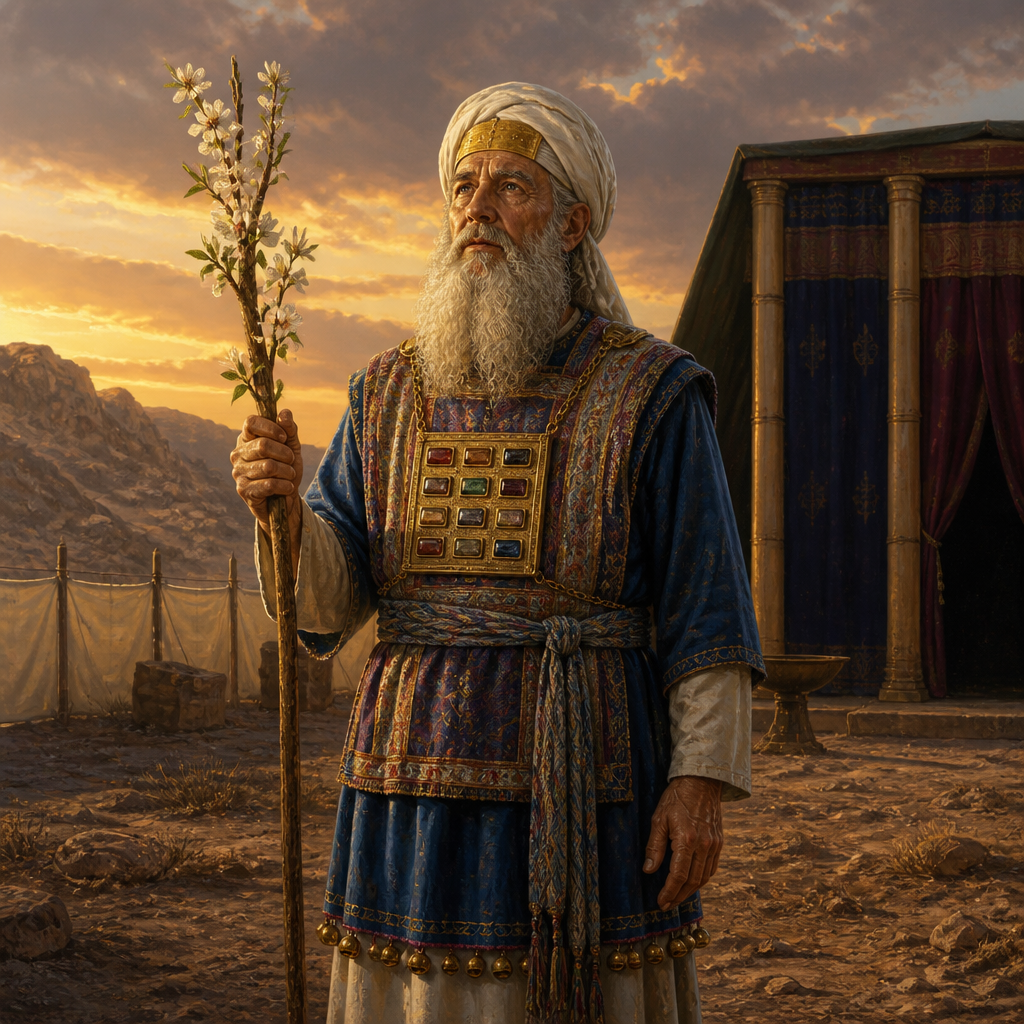
Aaron
First High Priest of Israel who served as the spokesman for Moses during the Exodus
Ahijah the Shilonite
Prophet who tore his cloak into twelve pieces to symbolize the division of Israel
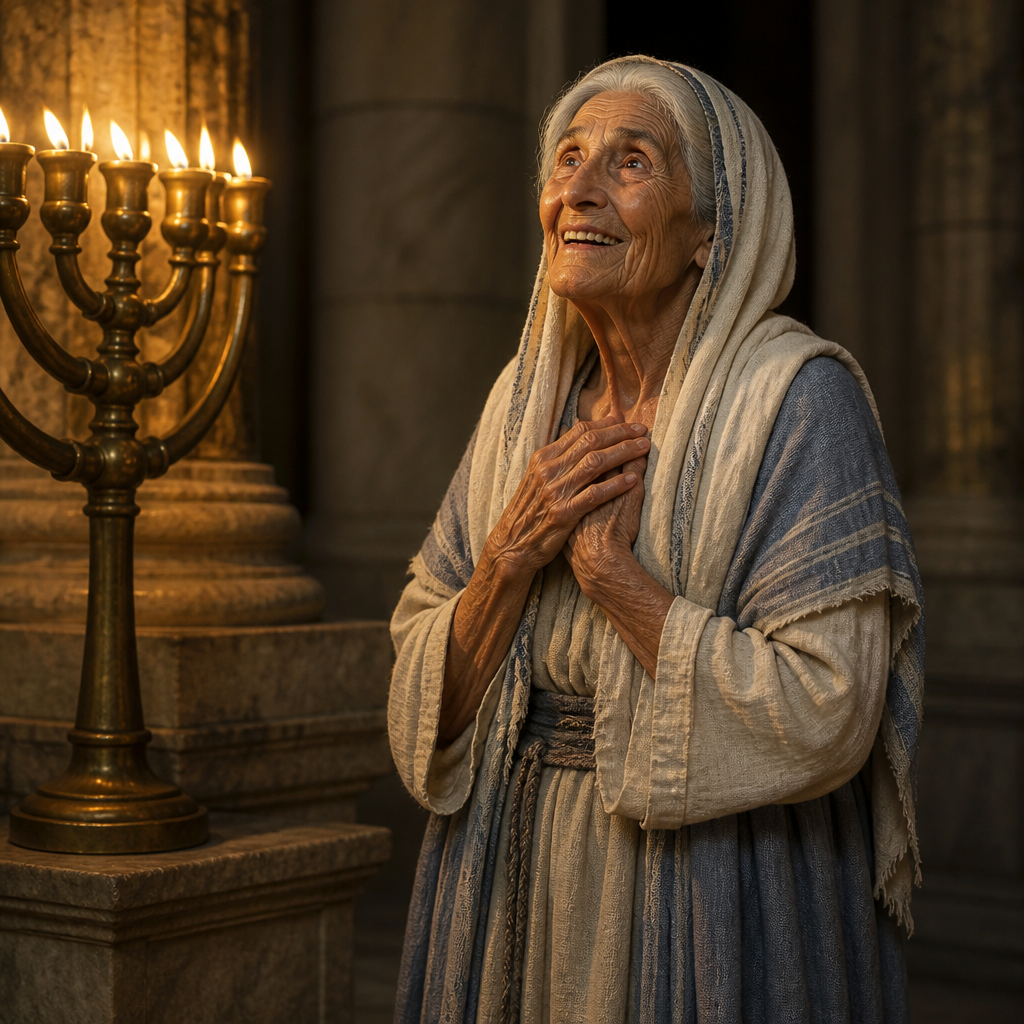
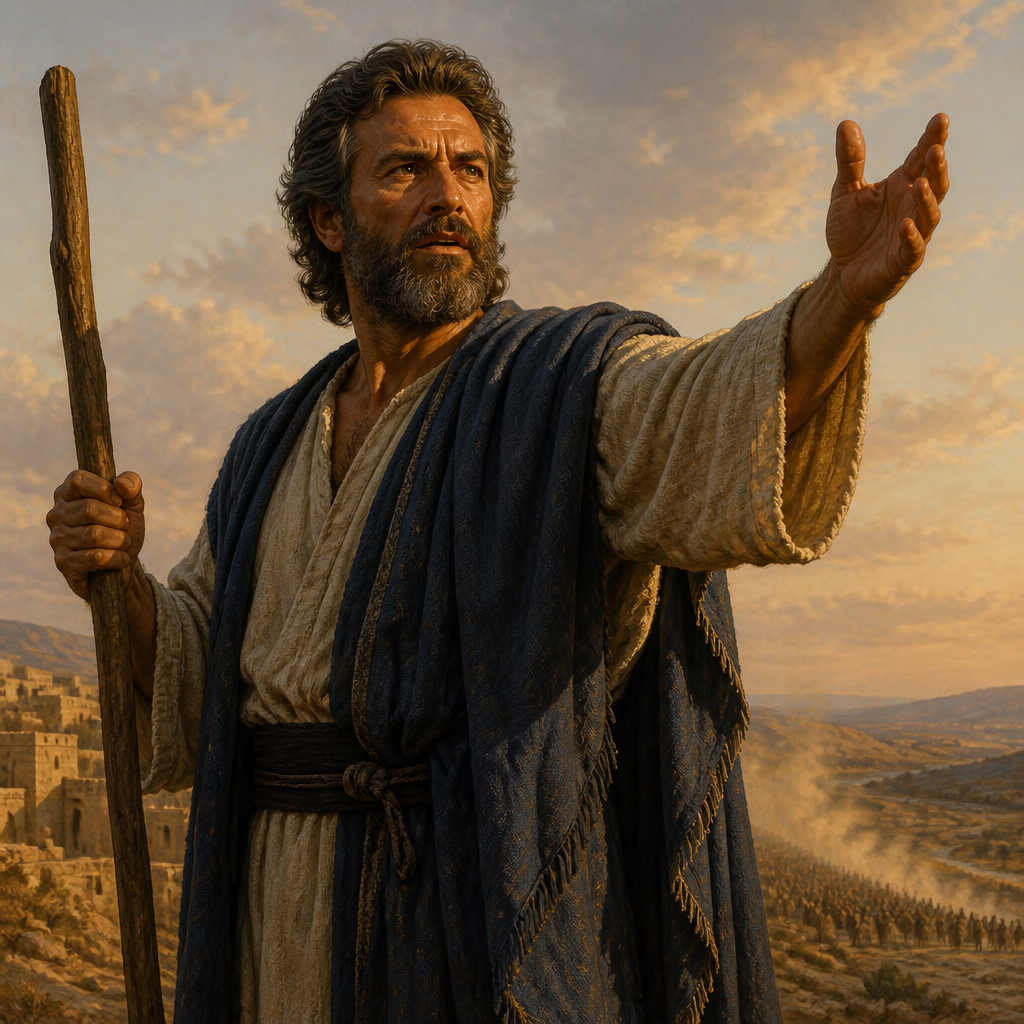
Azariah, Prophet and Son of Oded
Prophet who encouraged King Asa to reform Judah and seek the LORD
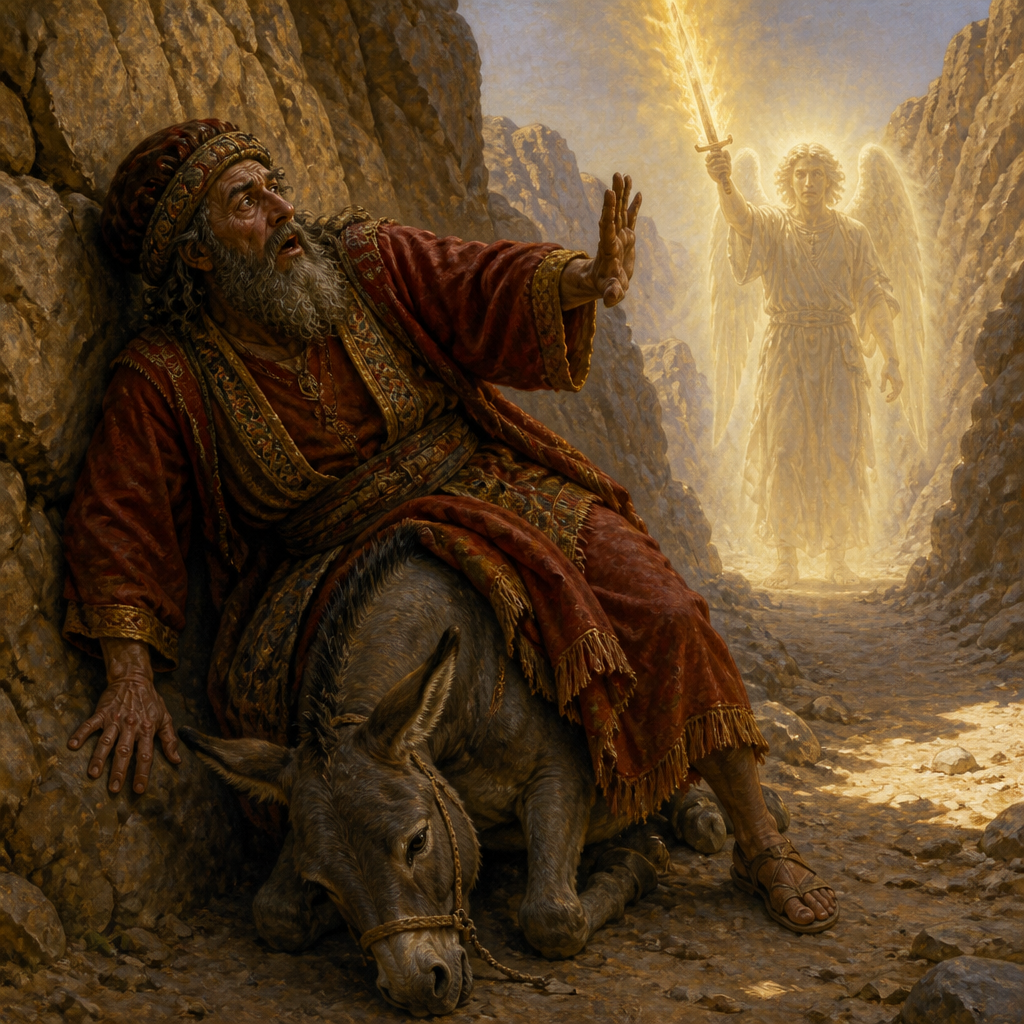
Balaam
Diviner who was hired to curse Israel but blessed them instead
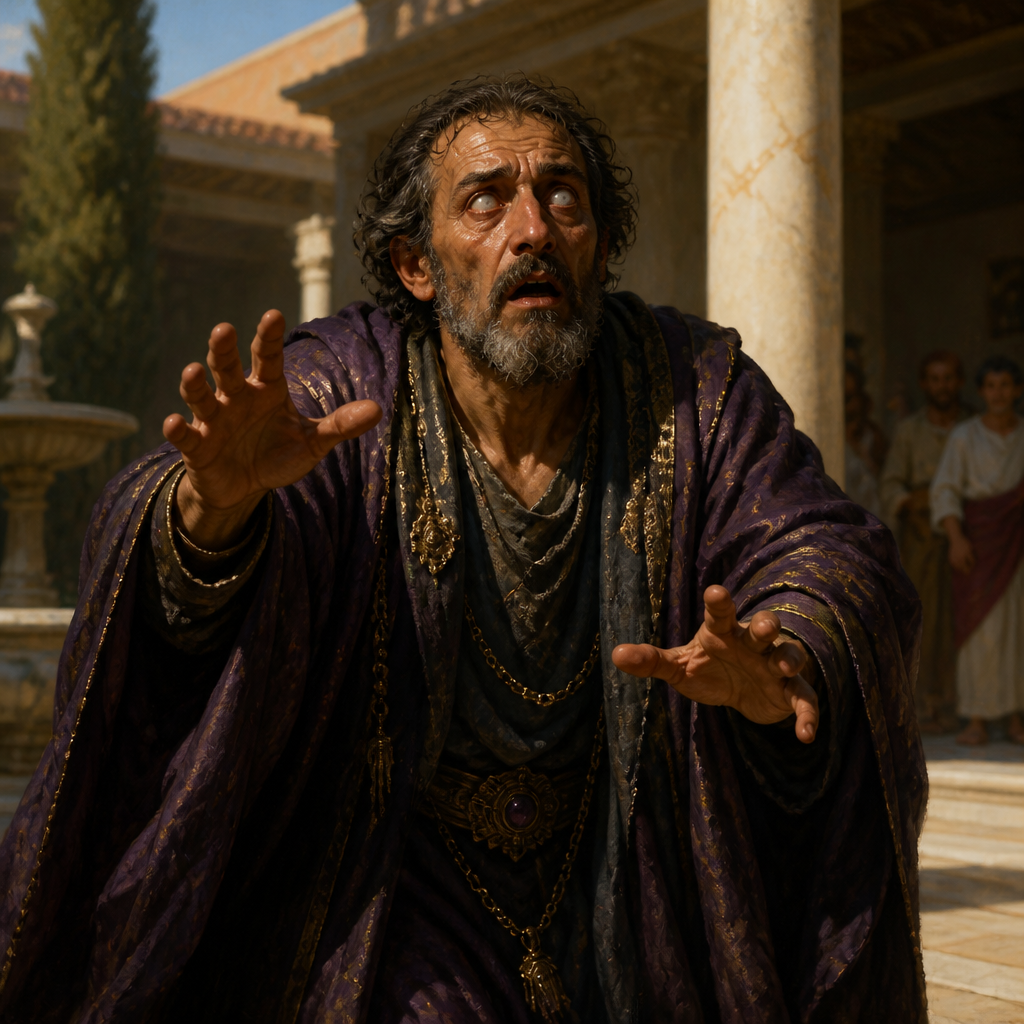
Bar-Jesus
Jewish sorcerer who was struck blind for opposing the Apostle Paul
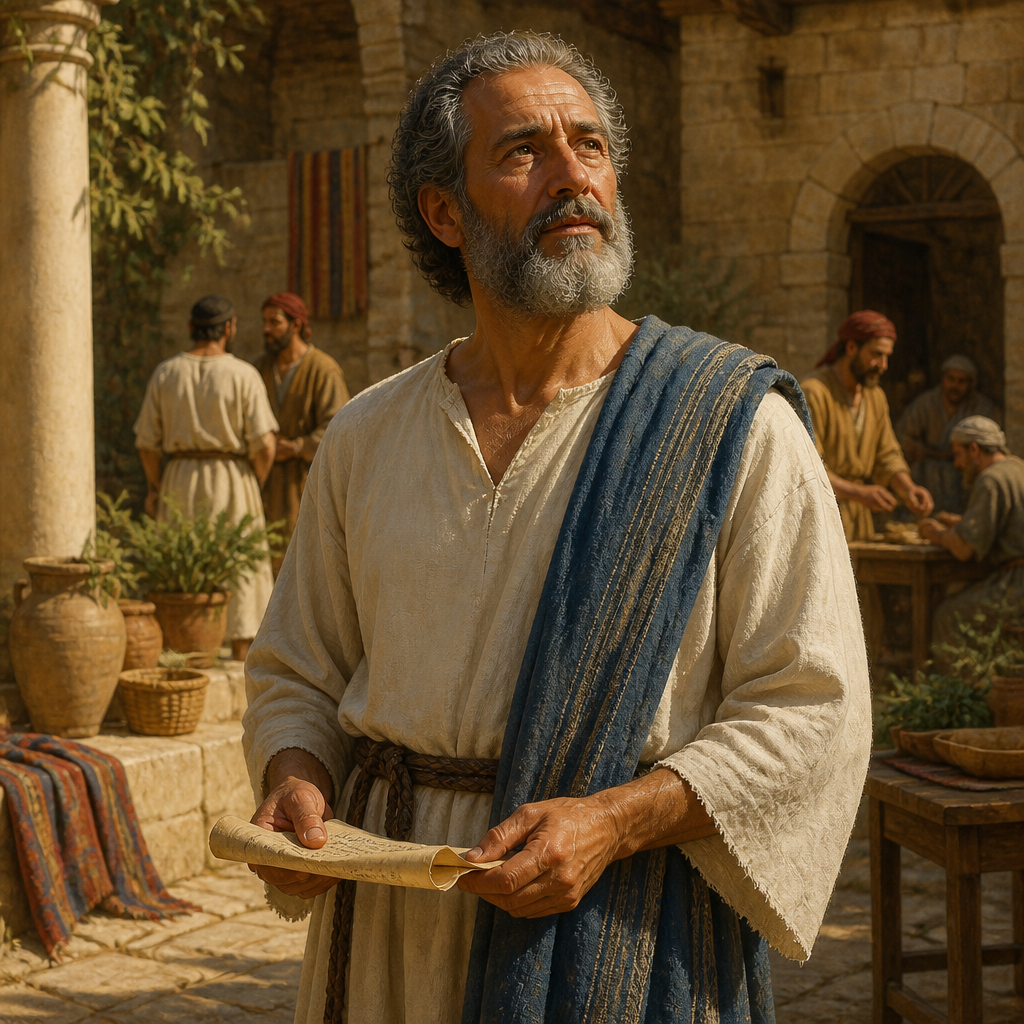
Barnabas
Prophet and leader in the Antioch church who mentored the Apostle Paul

The Beast from the Earth
False prophet who forces the world to worship the Antichrist and receive his mark
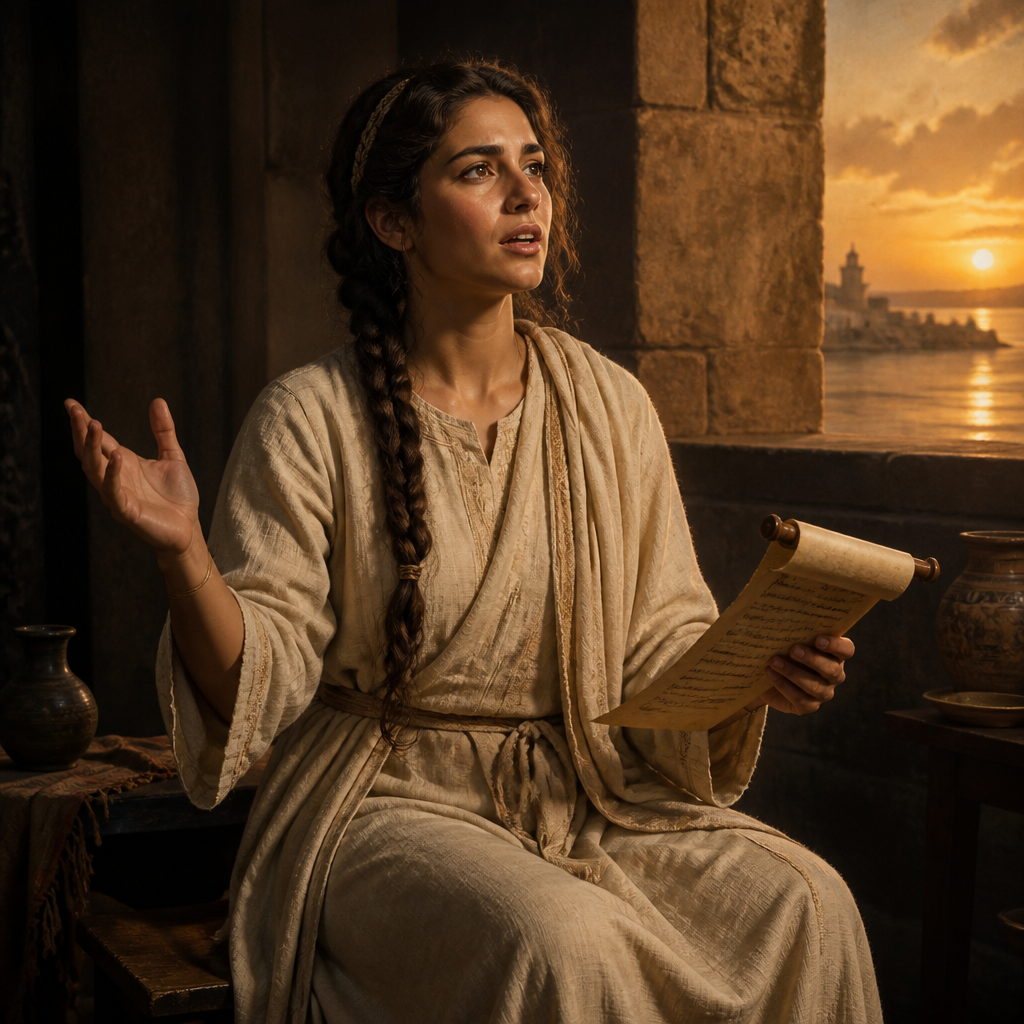
The Daughters of Philip
Four sisters who possessed the spiritual gift of prophecy in the early church
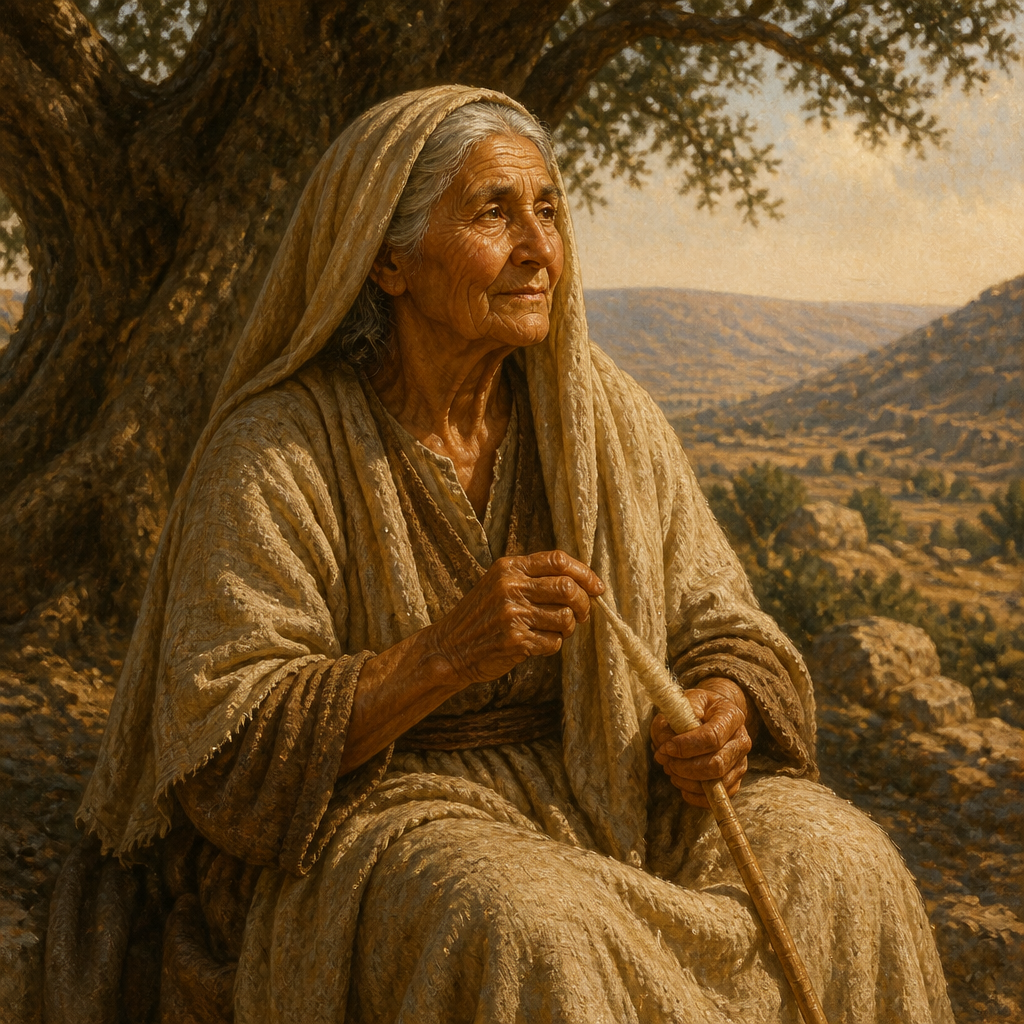
Deborah, Nurse of Rebekah
Nurse of Rebekah whose death was honored by Jacob at the Oak of Weeping
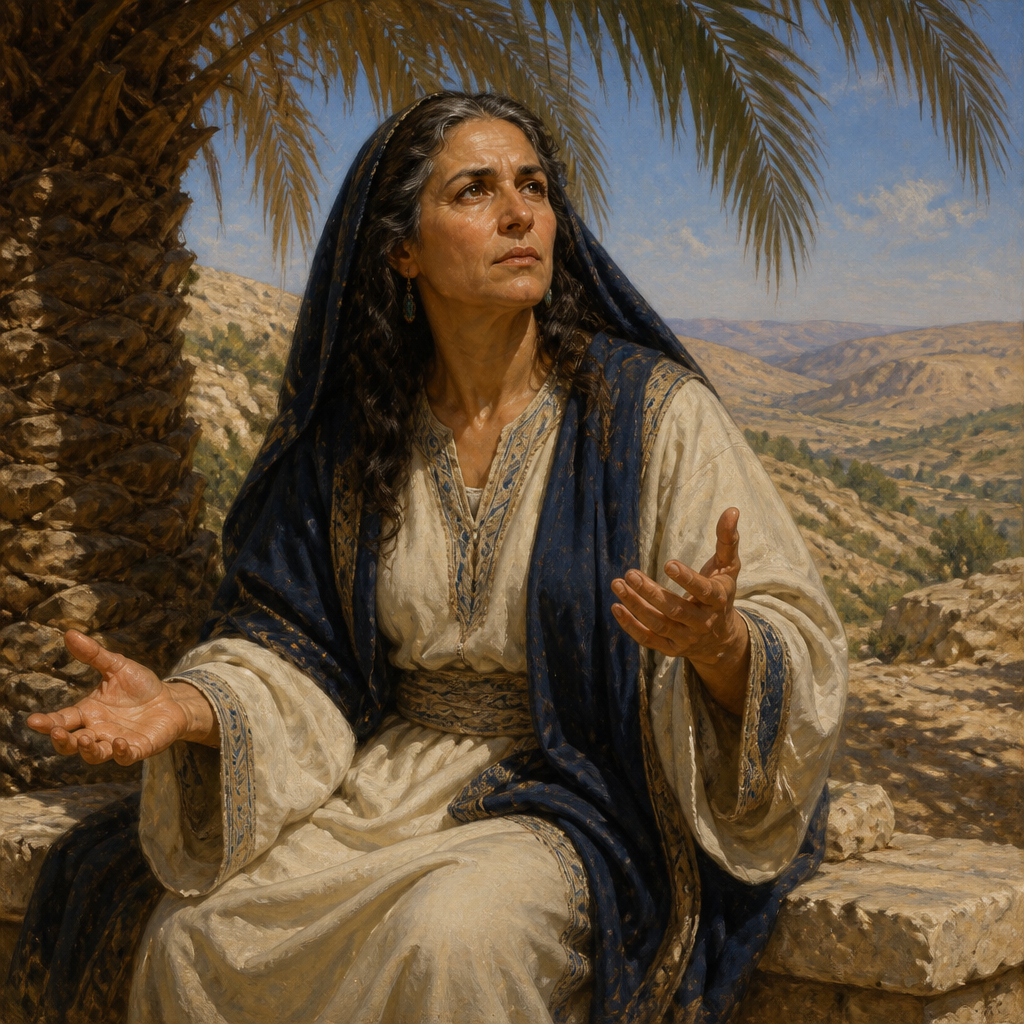
Deborah, Prophetess and Judge of Israel
Prophetess and judge who directed the victory over the Canaanite general Sisera
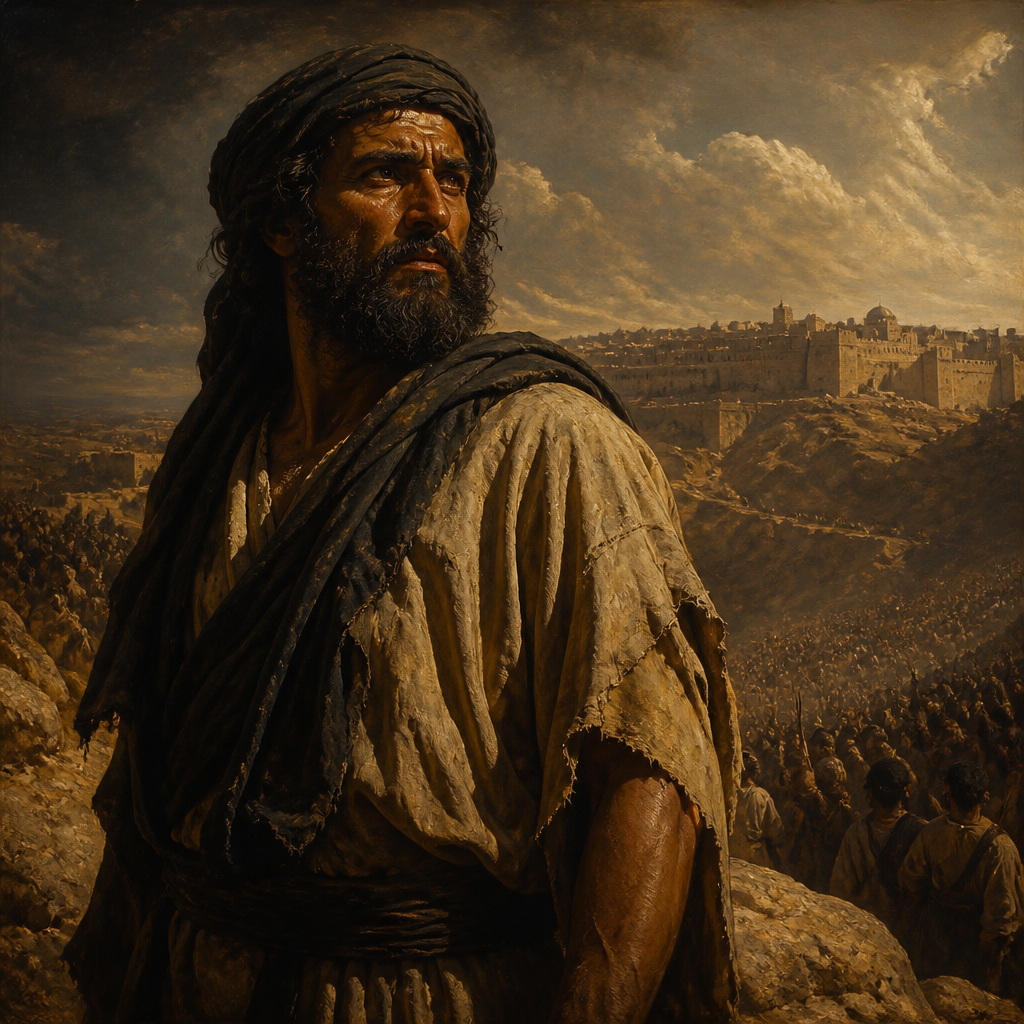
The Egyptian
Insurrectionist who led four thousand assassins into the wilderness to revolt against Rome
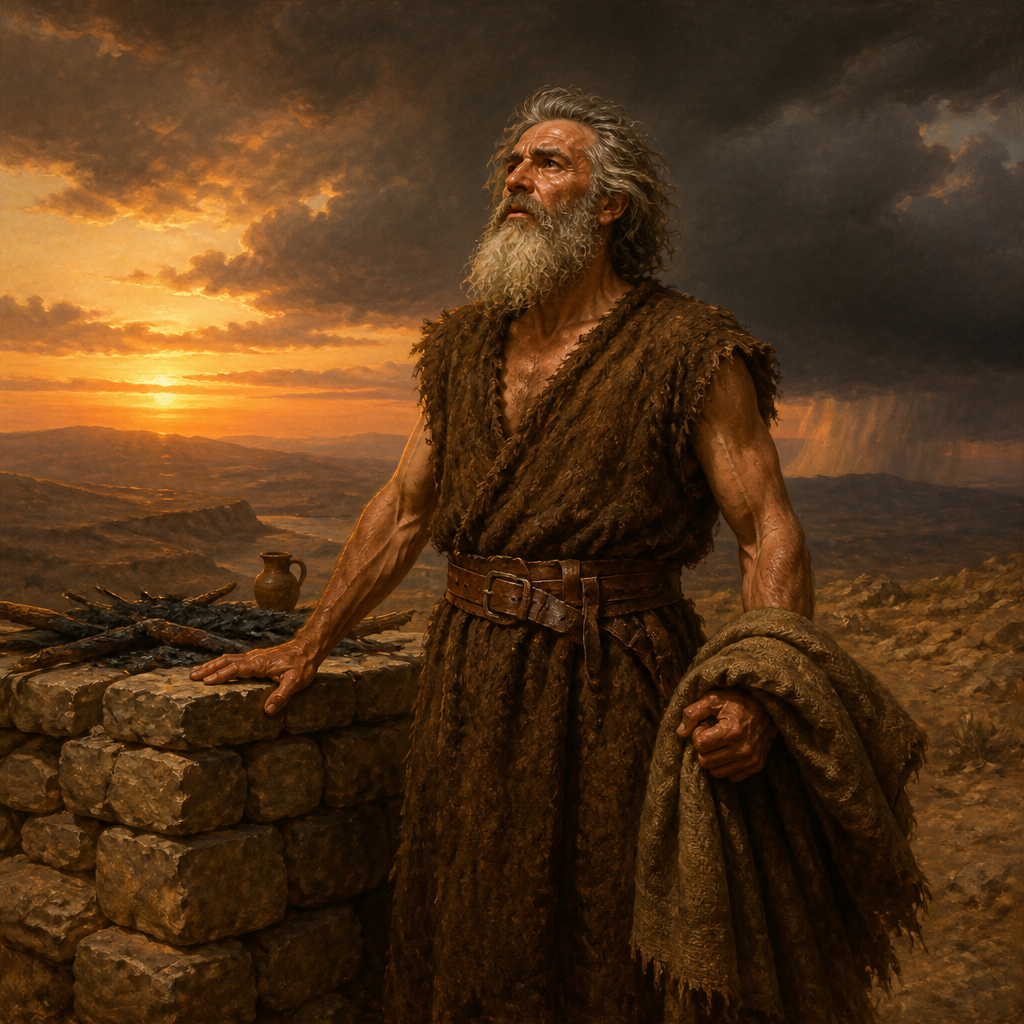
Elijah the Tishbite
Prophet who called down fire from heaven and was taken to heaven in a whirlwind
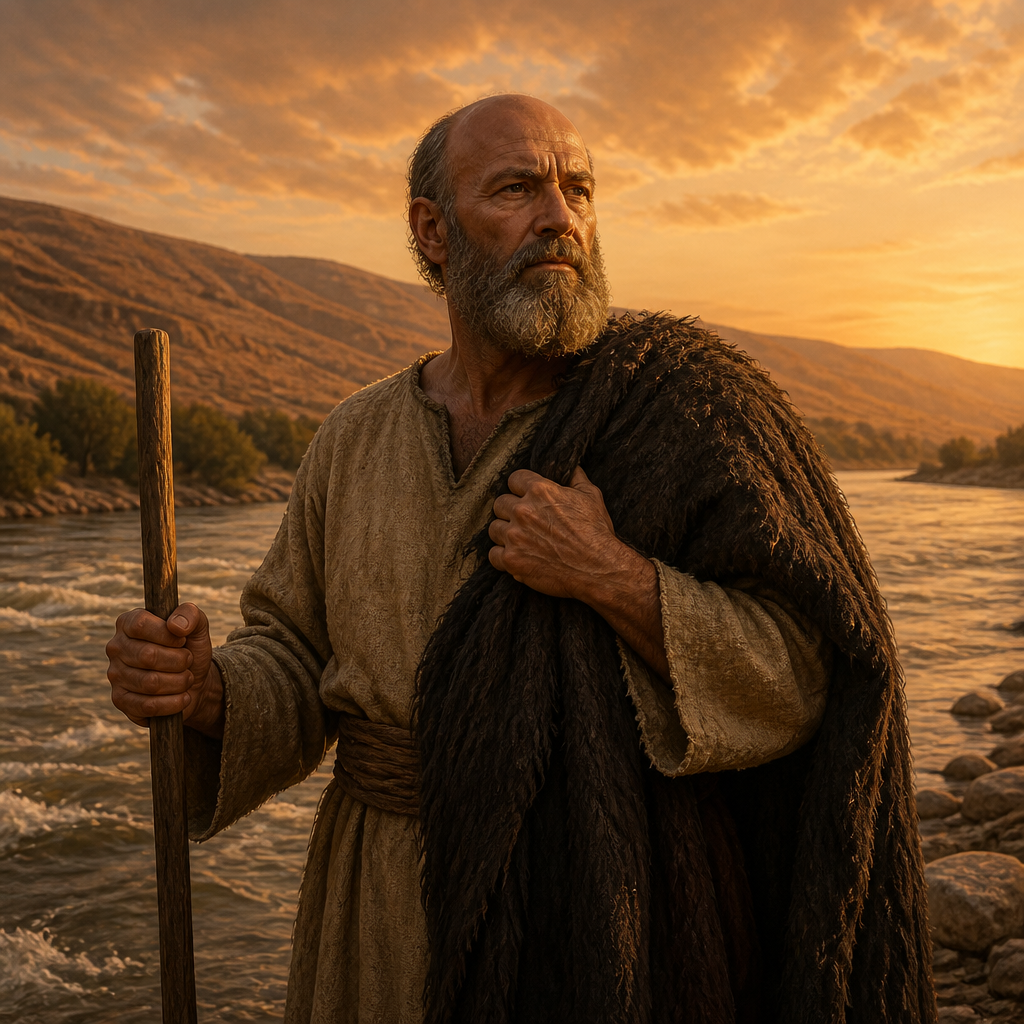
Elisha
Prophet who succeeded Elijah and performed many miracles including raising the dead and healing Naaman the leper
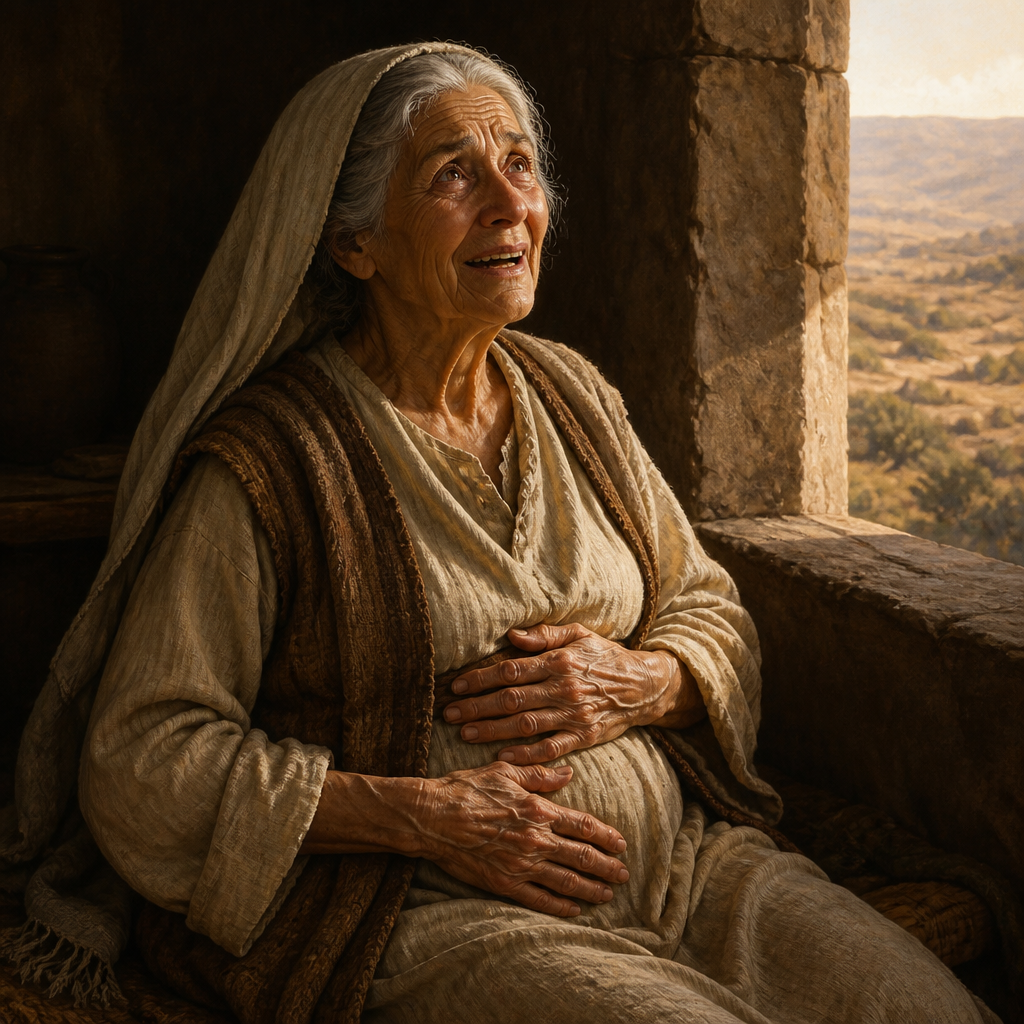
Gad, David's Seer
Prophet and seer who advised King David and designated the site for the Temple
Hanani, Seer of the Divided Monarchy
Prophet who rebuked King Asa for his alliance with Aram
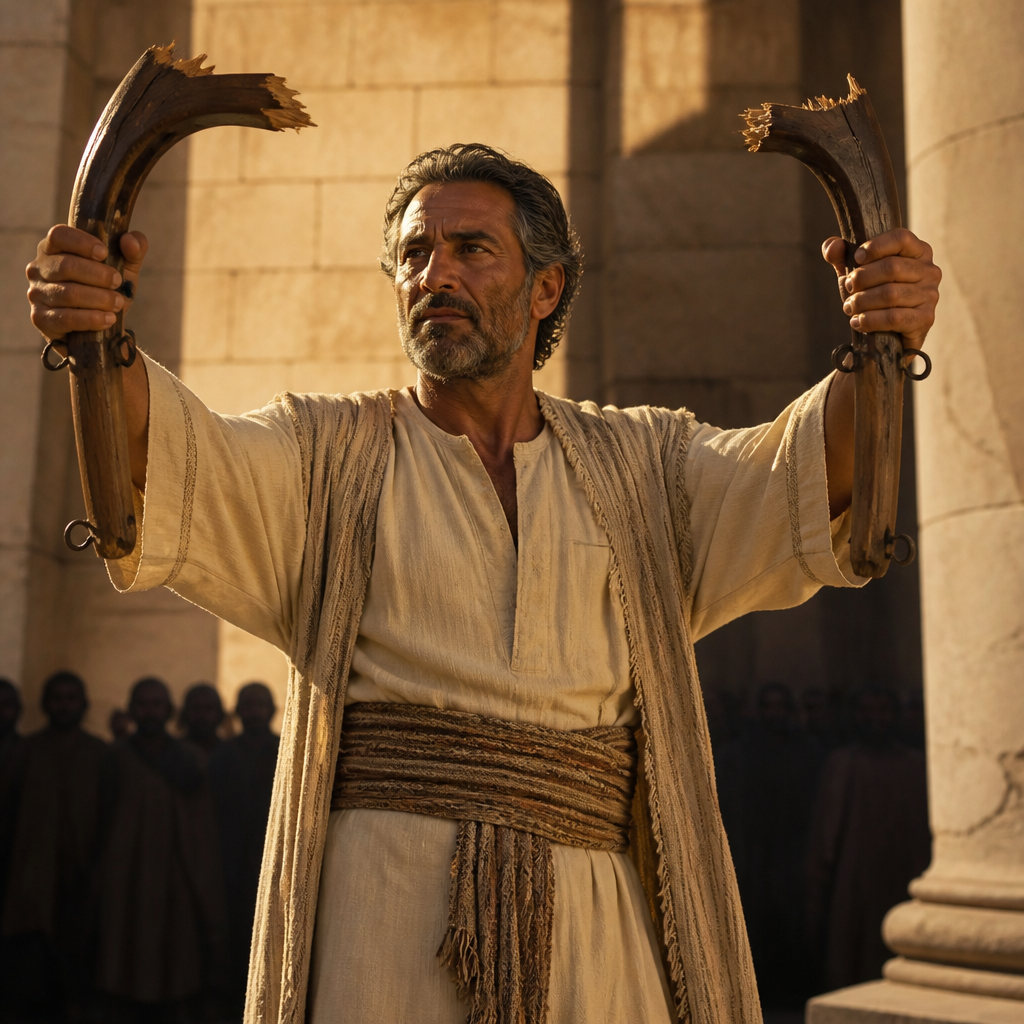
Hananiah, Prophet of Gibeon
Prophet who falsely predicted the end of the Babylonian exile and died for his lie
Iddo the Seer
Prophet and seer who wrote historical records and visions during the early Divided Monarchy
Iddo, Grandfather of Zechariah
Grandfather of the prophet Zechariah who returned from the Babylonian exile
Iddo, Leader at Casiphia
Leader at Casiphia who provided Levites and temple servants for Ezra's return to Jerusalem
Jehu, son of Hanani
Prophet who rebuked King Baasha and King Jehoshaphat and recorded the history of the kings

Jezebel of Thyatira
False prophetess who seduced the church at Thyatira into idolatry
John the Baptist, Son of Zechariah
Prophet who prepared the way for Jesus and baptized him in the Jordan River
Jotham, Son of Gideon
Youngest son of Gideon who escaped Abimelech's massacre and delivered the Parable of the Bramble from Mount Gerizim
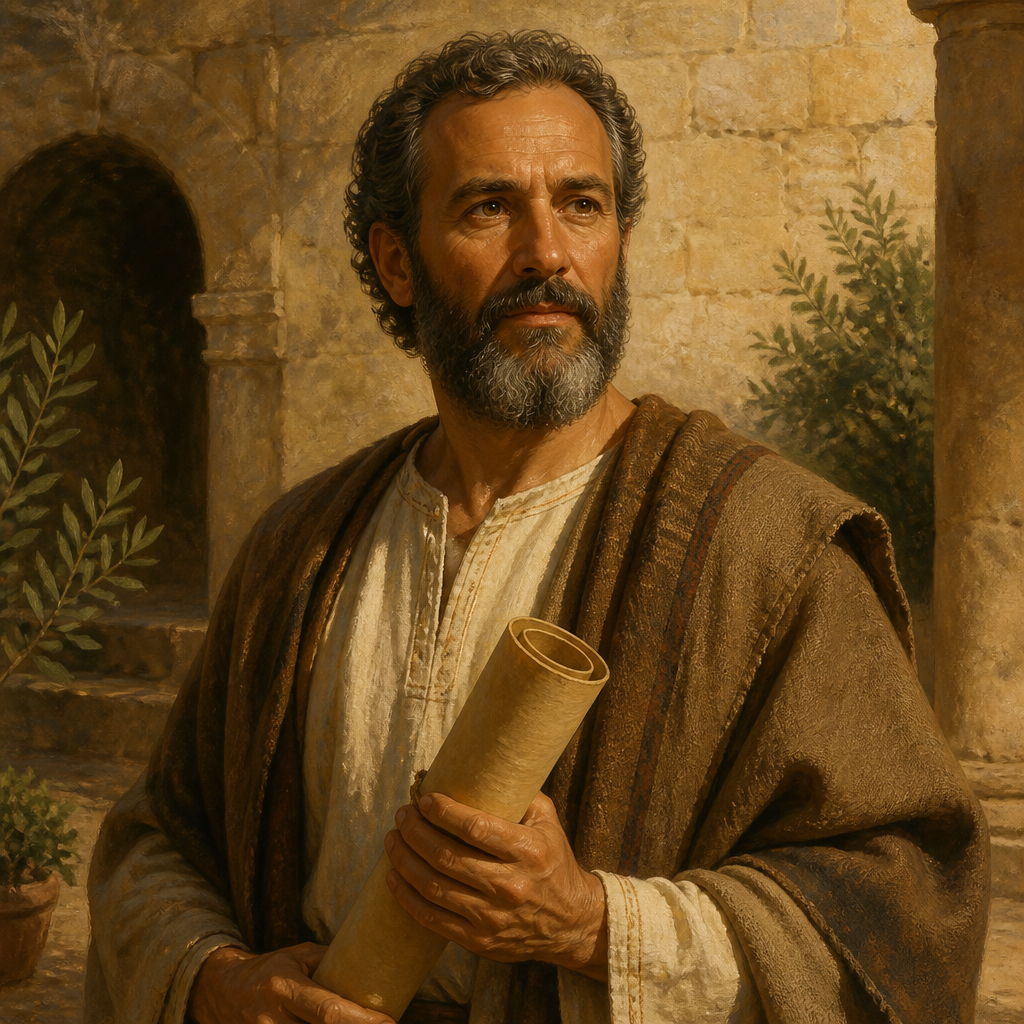
Judas called Barsabbas
Prophet and leader who delivered the Jerusalem Council's decree to Antioch
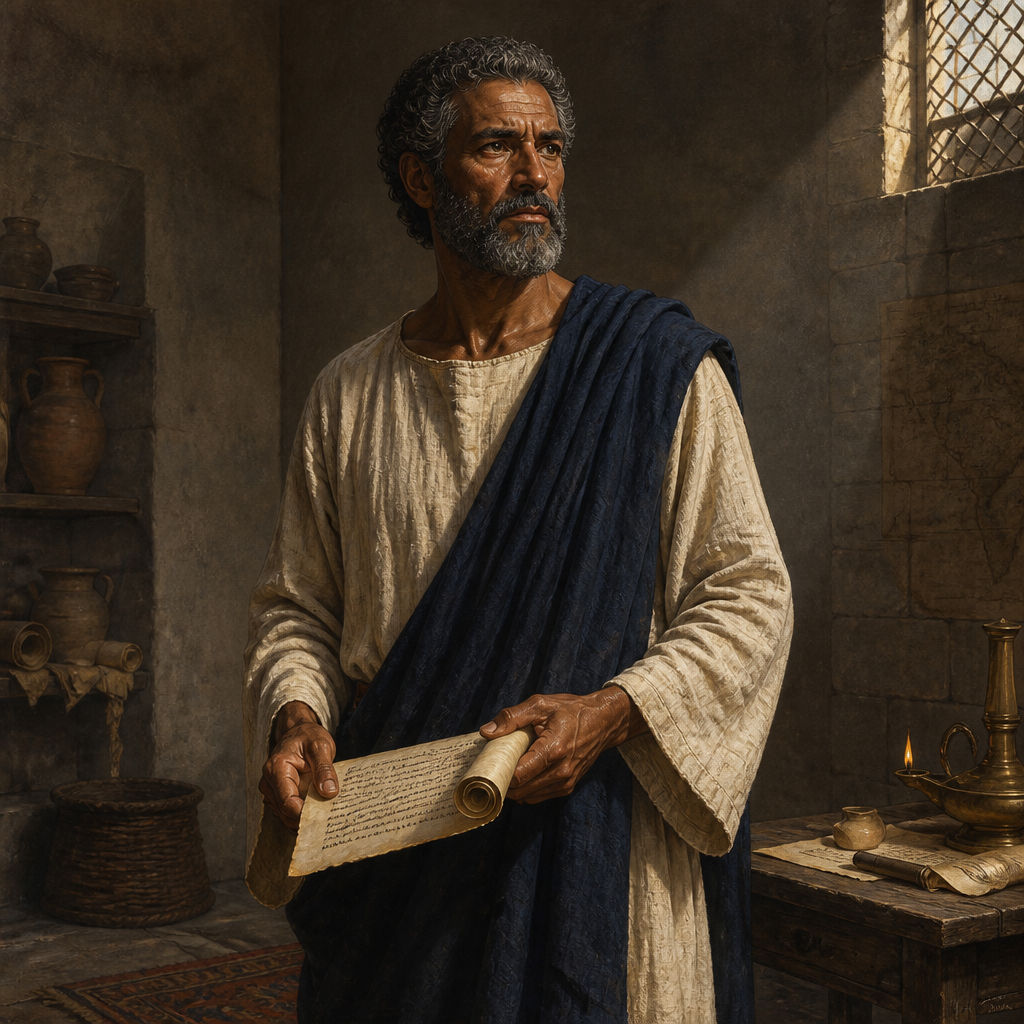
Lucius of Cyrene
Prophet and teacher in Antioch who helped commission the first missionary journey of Paul and Barnabas
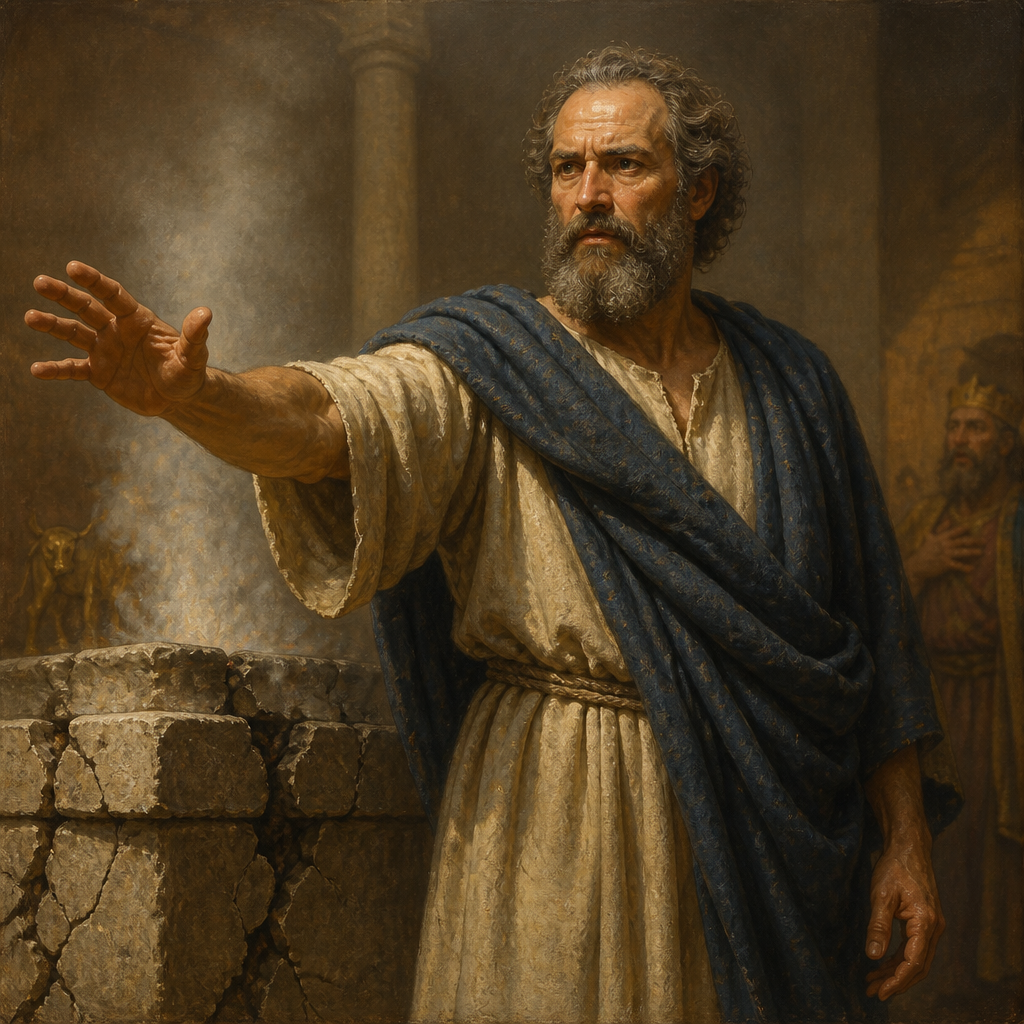
The Man of God from Judah
Prophet who denounced Jeroboam's altar and was later killed by a lion
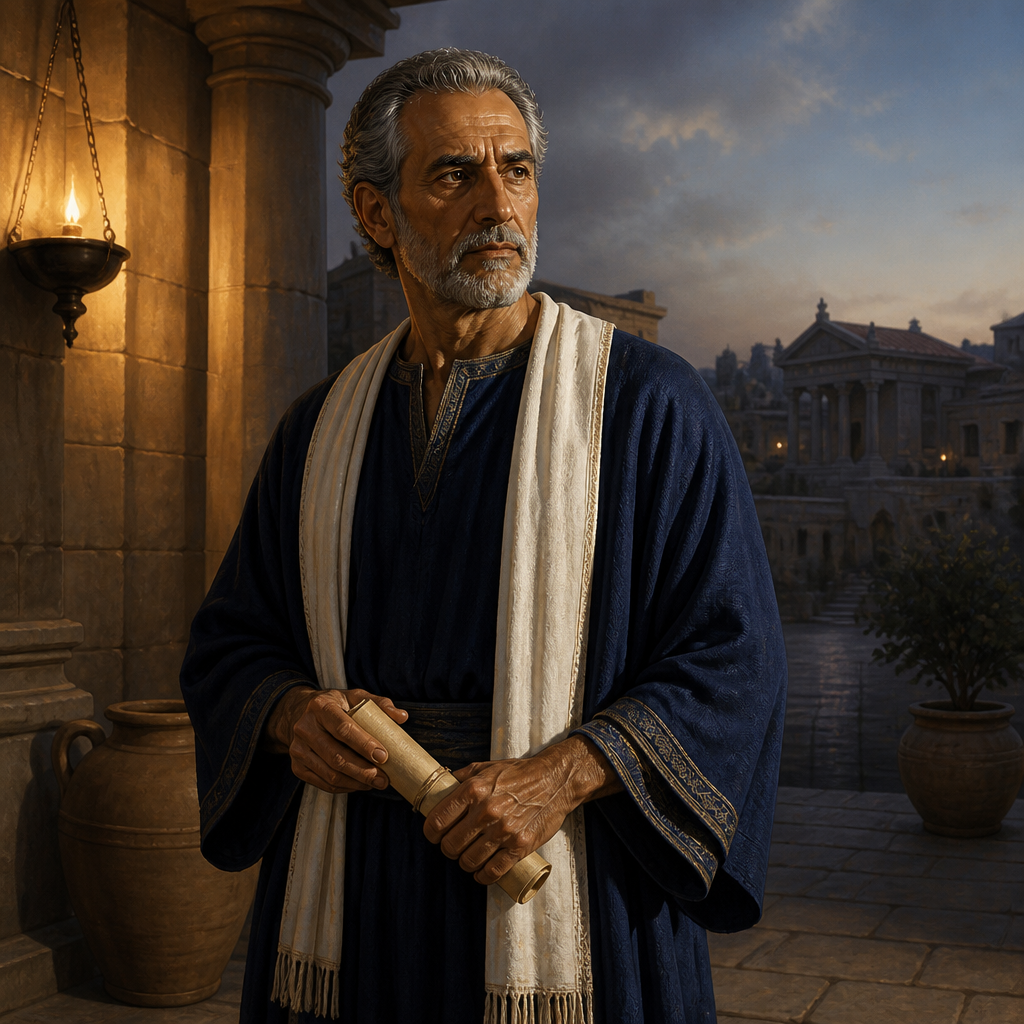
Manaen
Prophet in Antioch who was the foster brother of Herod the Tetrarch
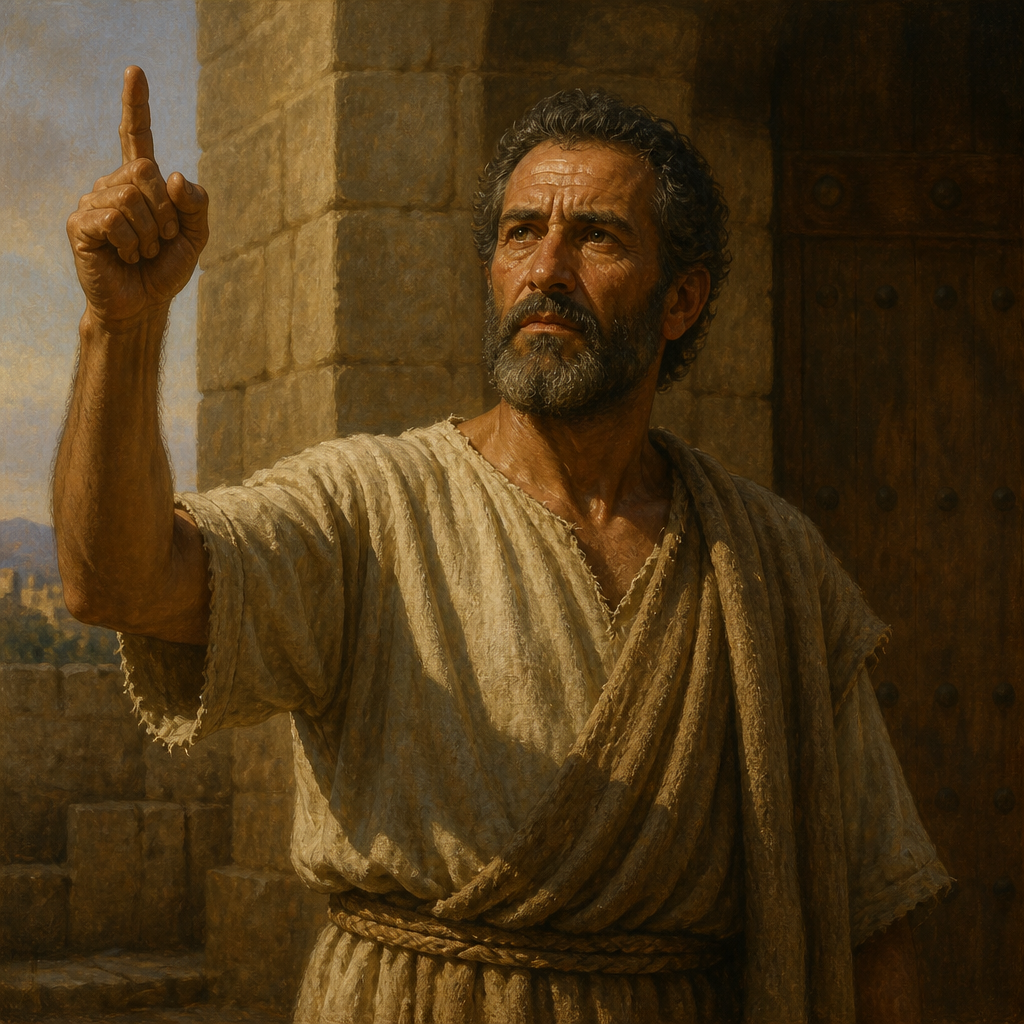
Micaiah, Son of Imlah
Prophet who predicted the death of King Ahab in battle
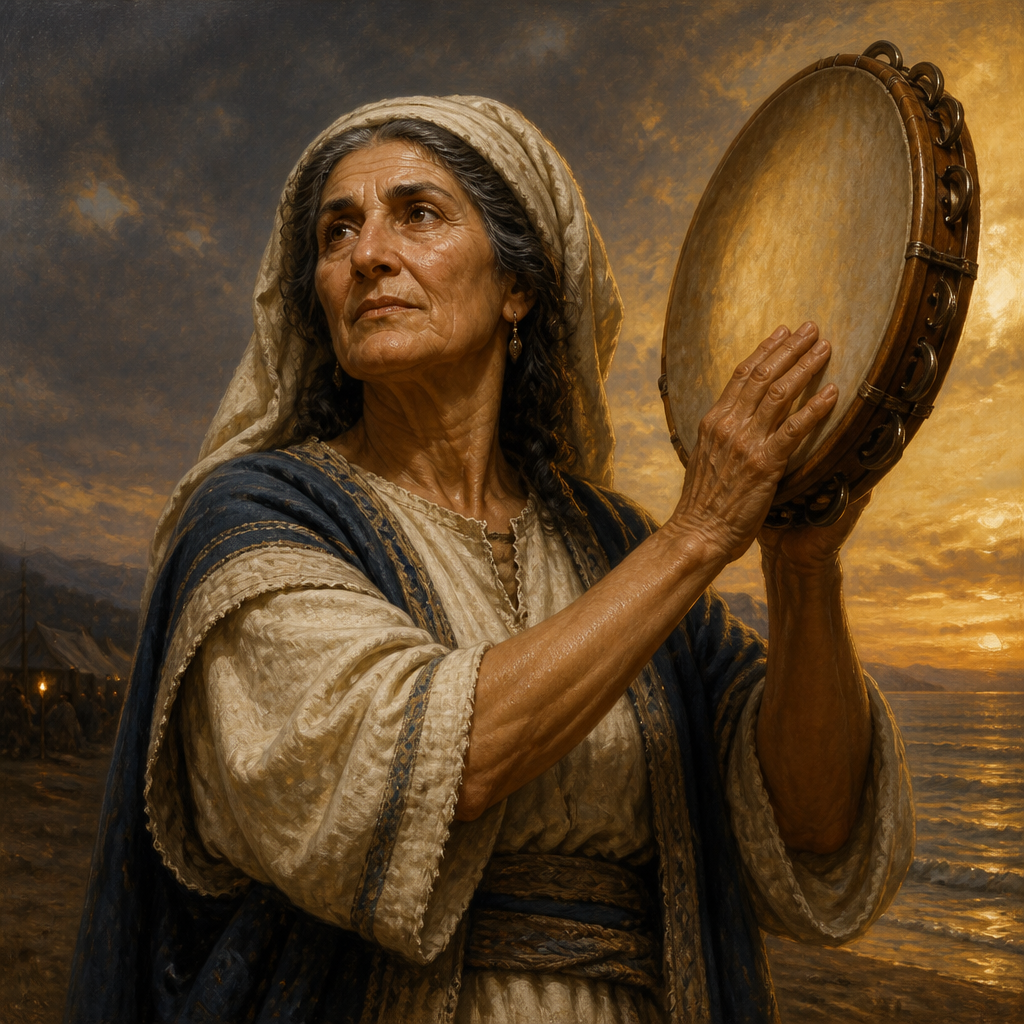
Miriam, Prophetess and Sister of Moses
Prophetess and sister of Moses who led the Israelites in song after the Red Sea crossing
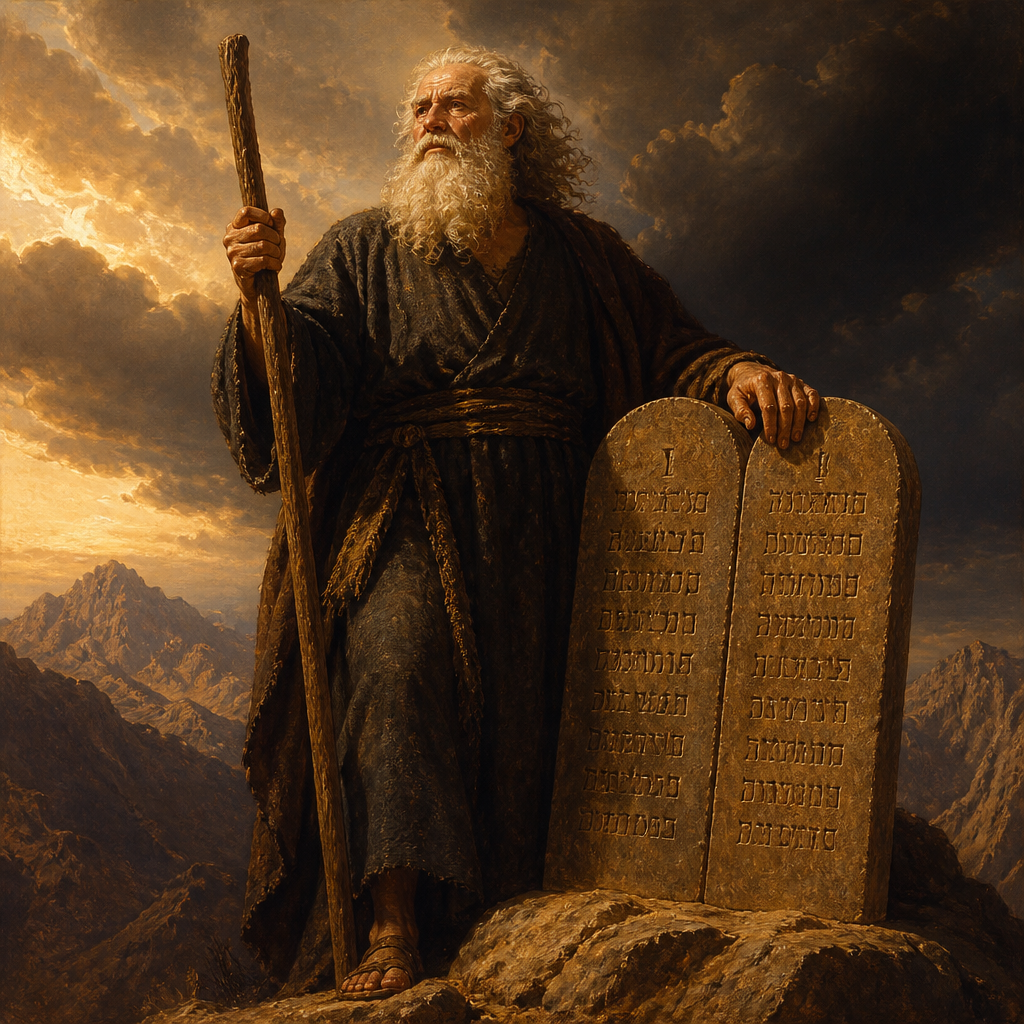
Moses
Prophet who led the Israelites out of Egypt and received the Ten Commandments
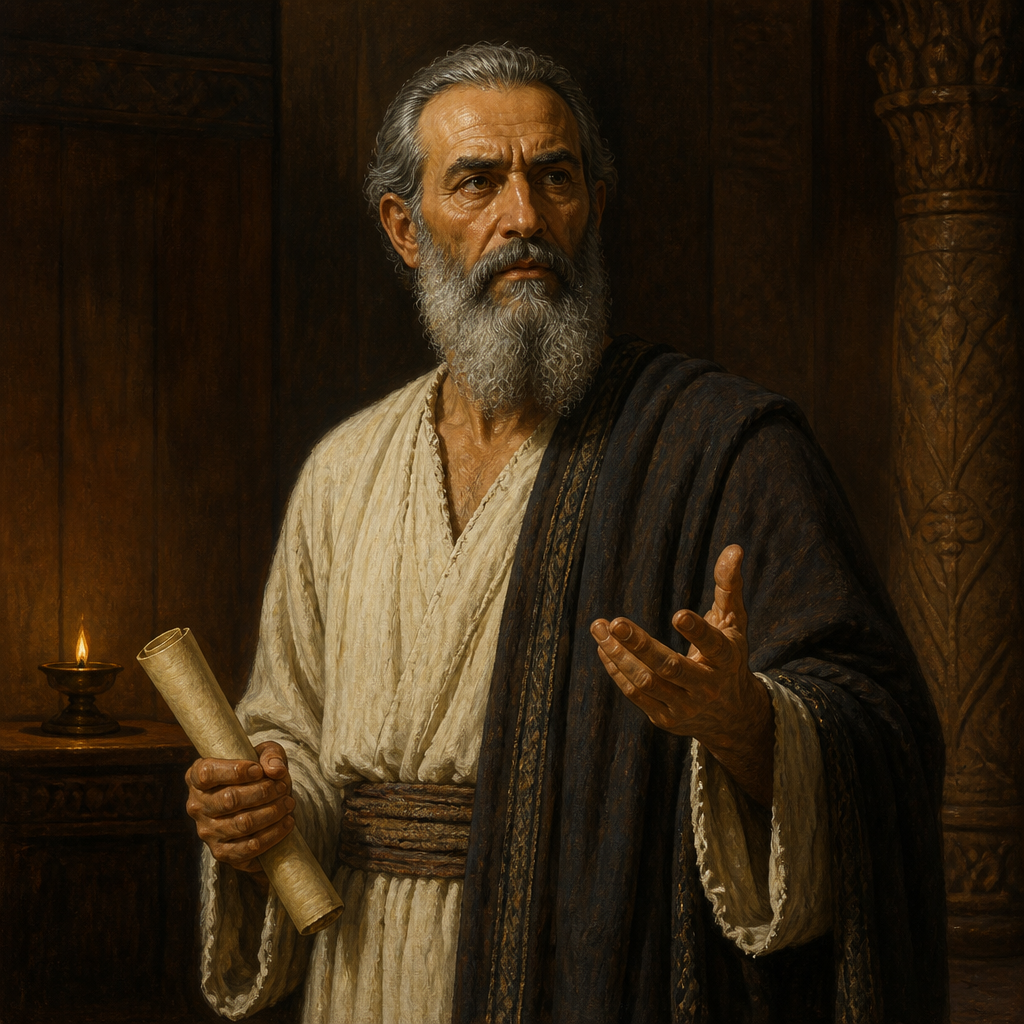
Nathan the Prophet
Prophet who confronted King David about Bathsheba and delivered the Davidic Covenant
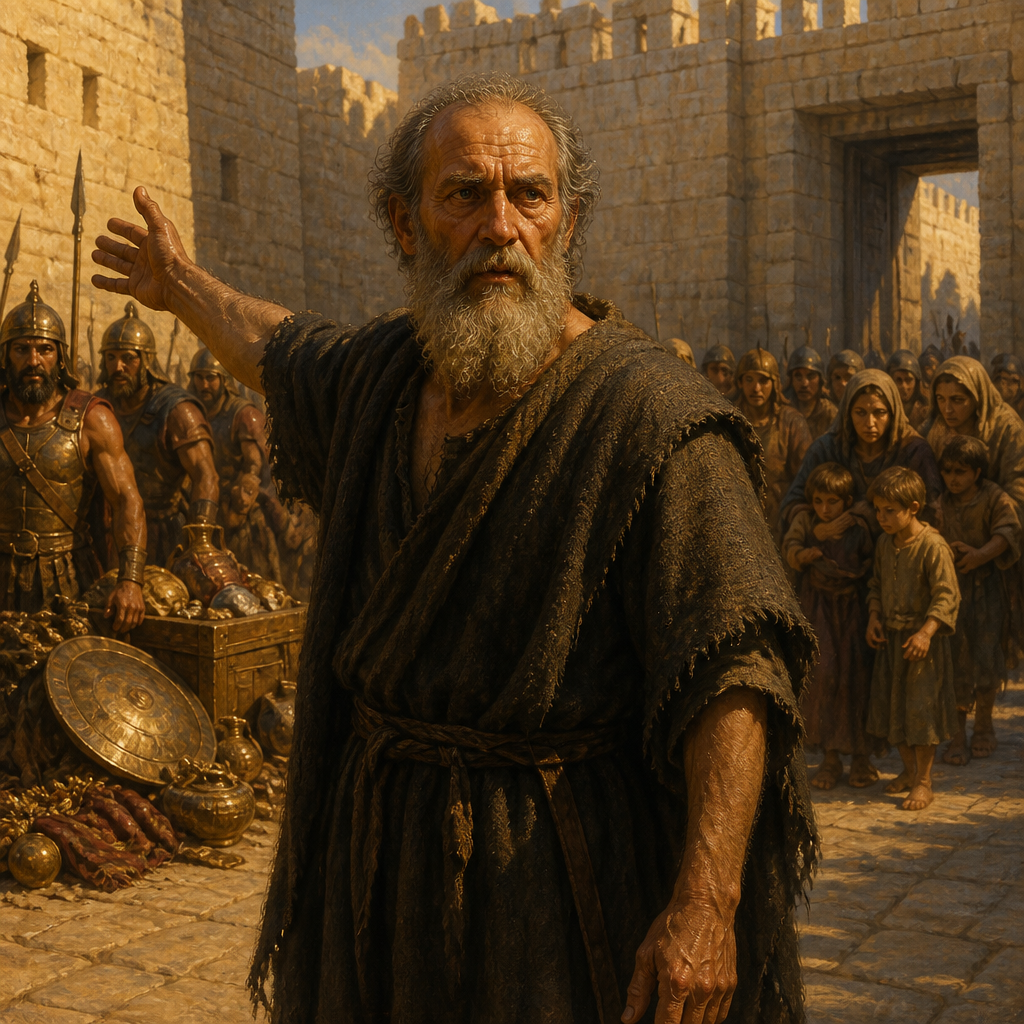
Oded, Prophet in Samaria
Prophet who intercepted the Israelite army to demand the release of Judean captives
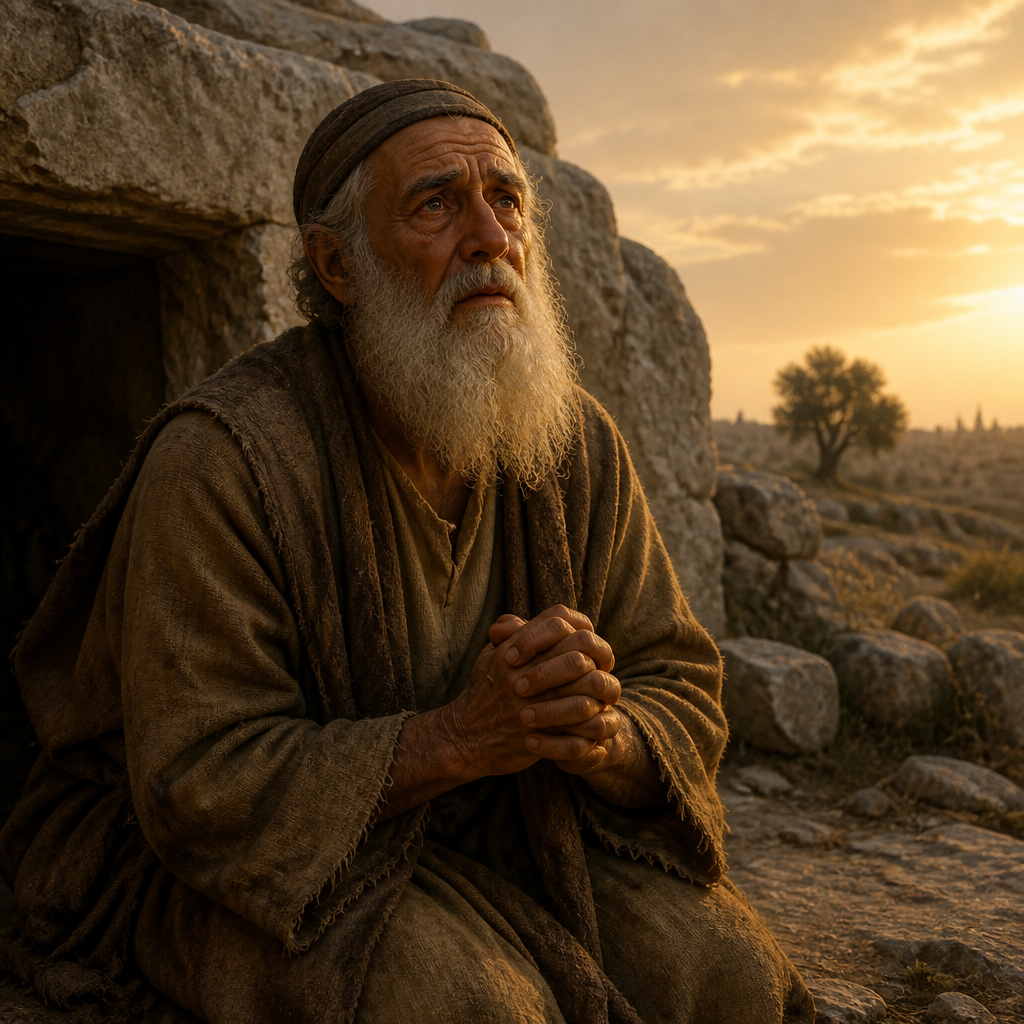
The Old Prophet of Bethel
Prophet who deceived the man of God from Judah and buried him in his own tomb
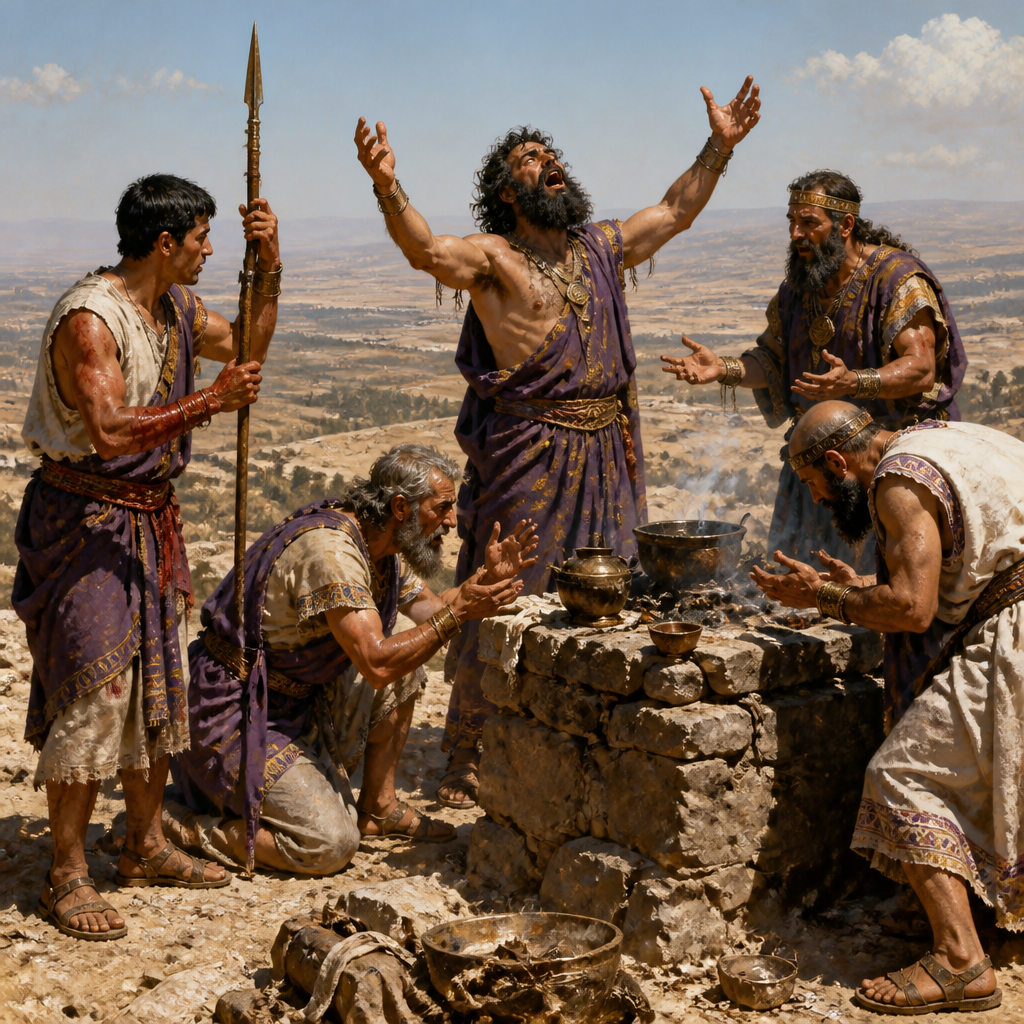
The Prophets of Baal
Prophets who failed the challenge against Elijah on Mount Carmel
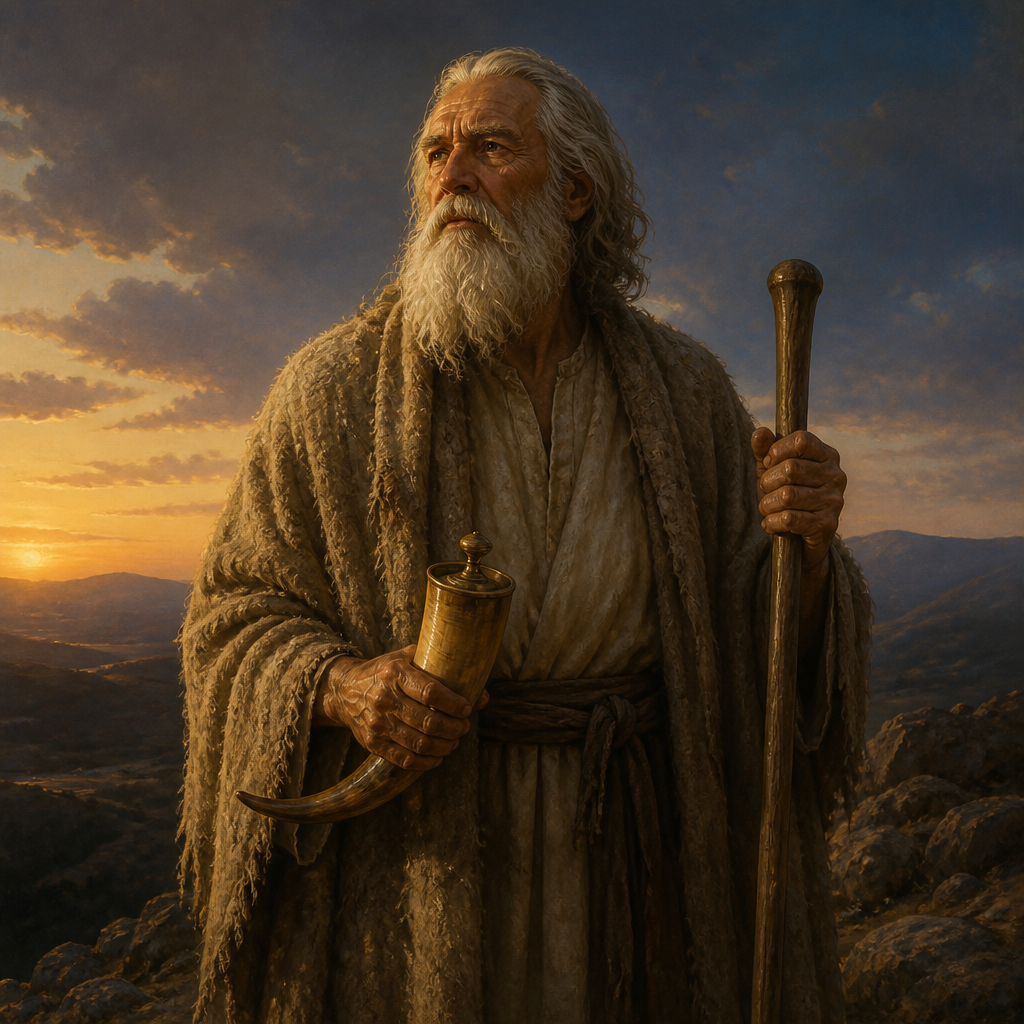
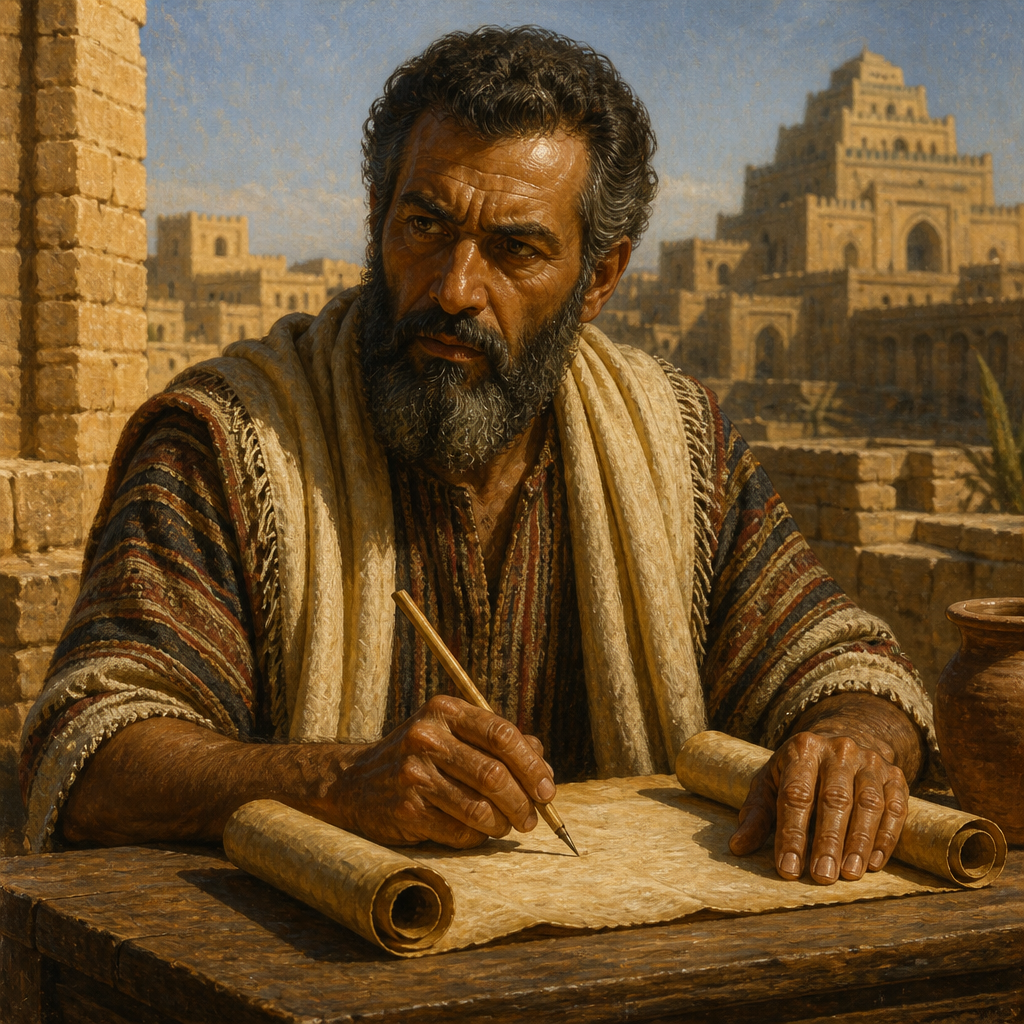
Shemaiah the Nehelamite
Prophet who opposed Jeremiah by writing letters from Babylon. Called a Nehelamite, a designation of origin rather than a people group
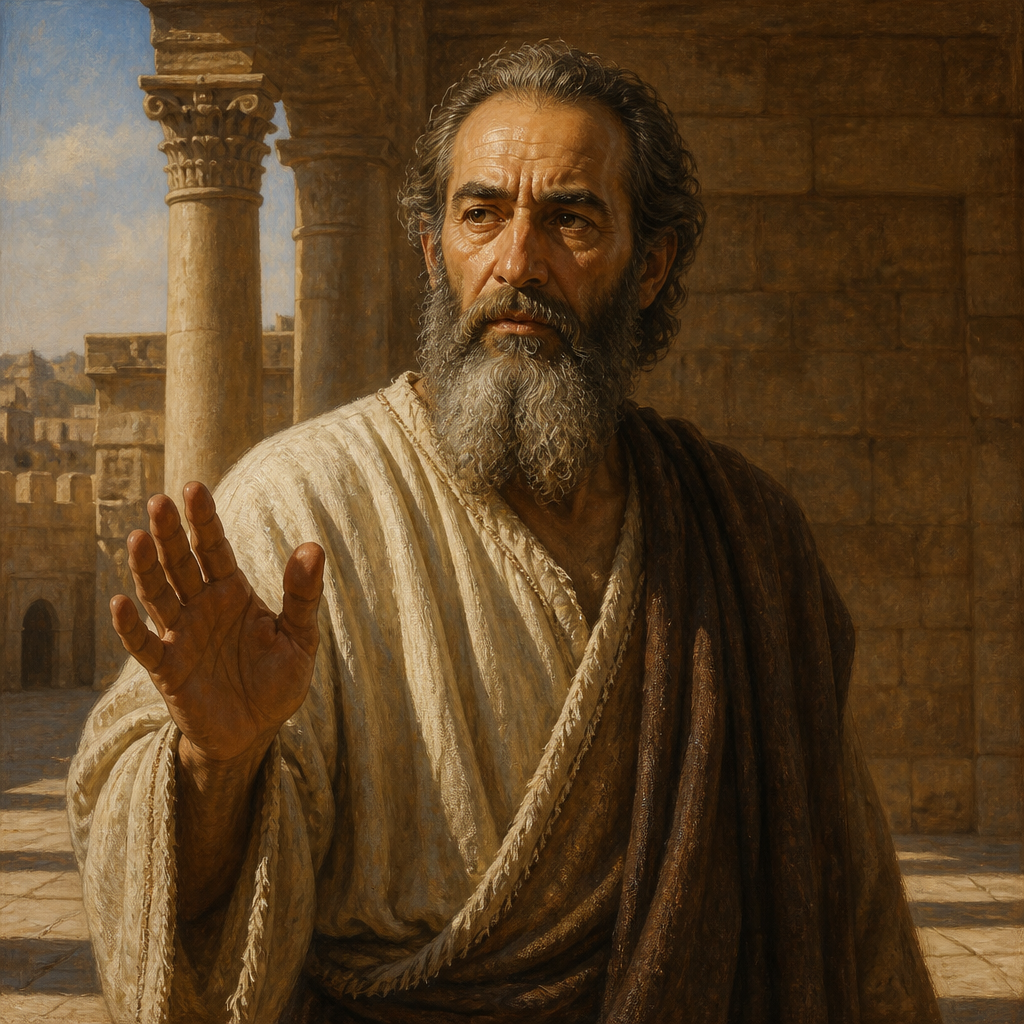
Shemaiah the Prophet of the United Monarchy
Prophet who stopped Rehoboam from going to war against Israel
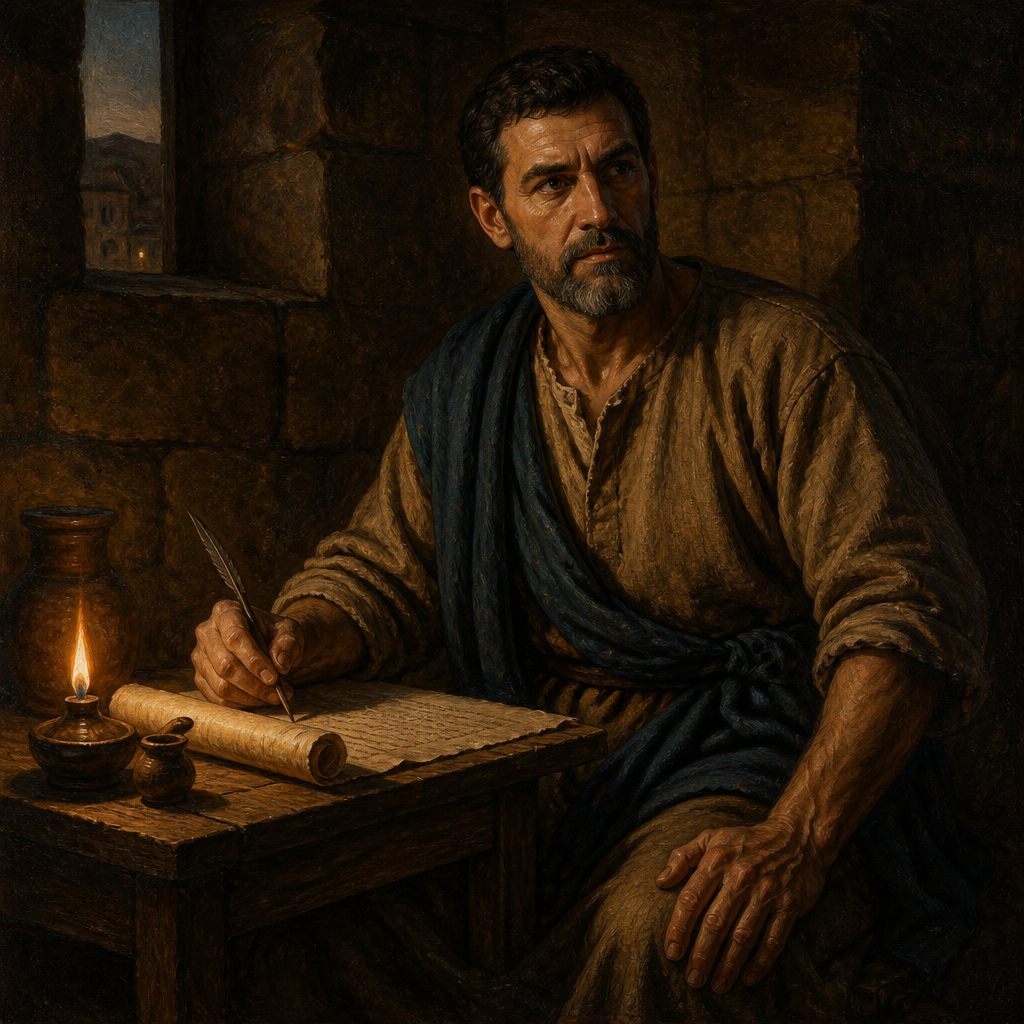
Silas
Prophet and companion of Paul who sang in the Philippian jail
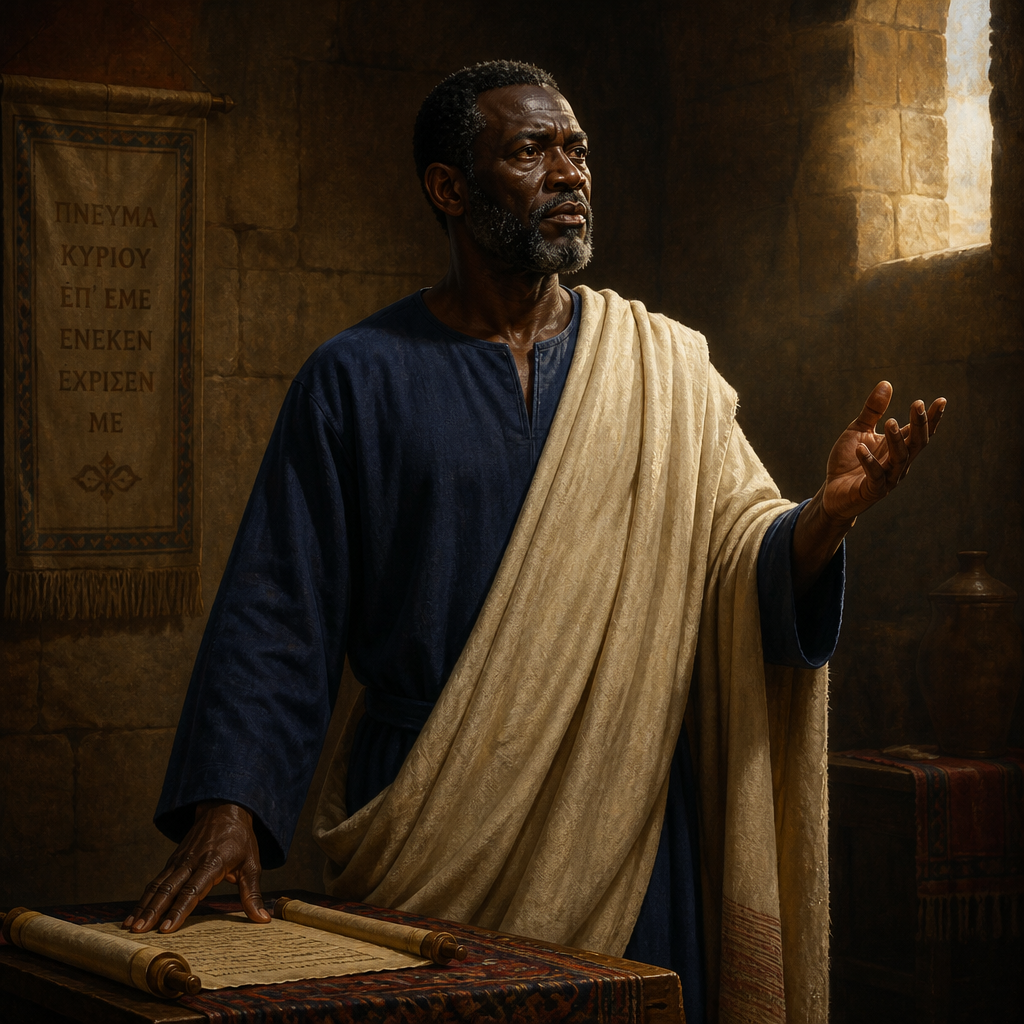
Simeon Called Niger
Prophet in the church at Antioch who helped commission the first missionary journey of Paul and Barnabas
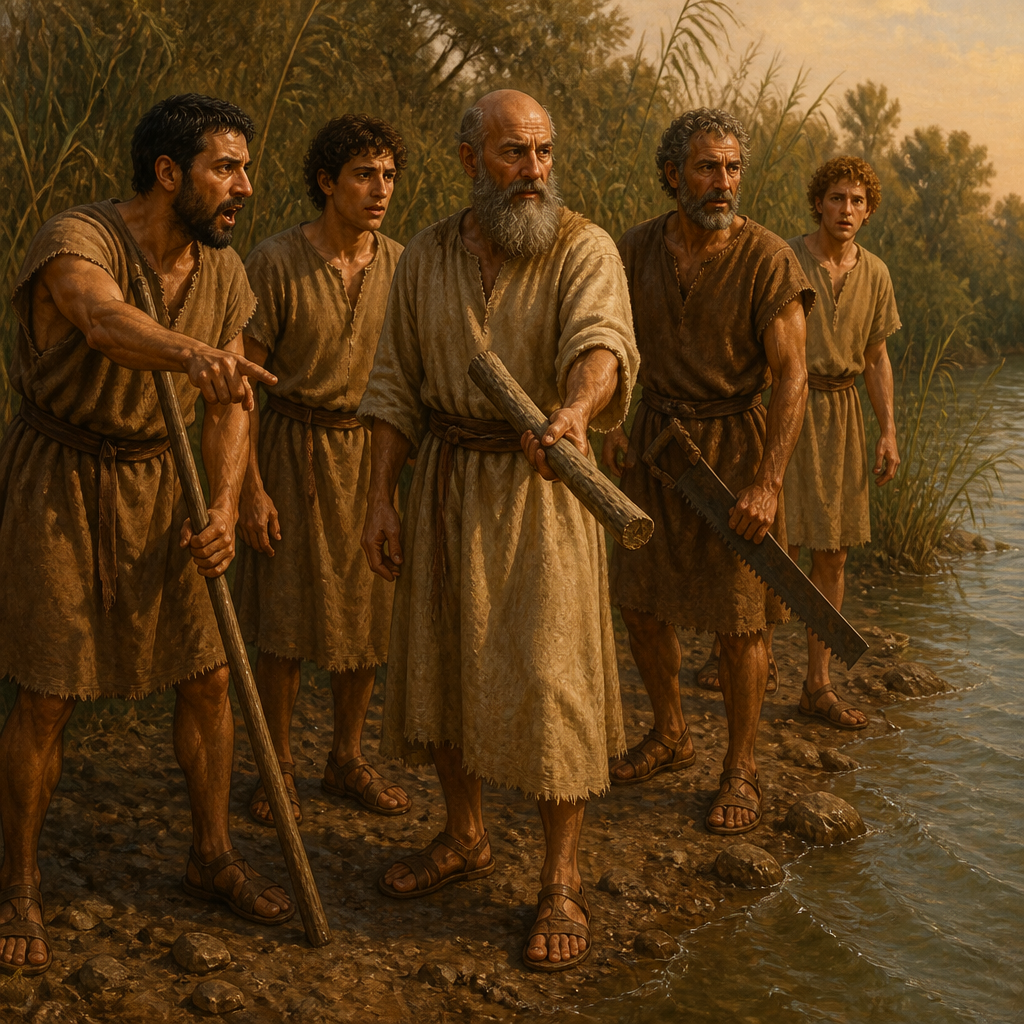
The Sons of the Prophets
Prophetic guild that served under Elisha and witnessed his miracles
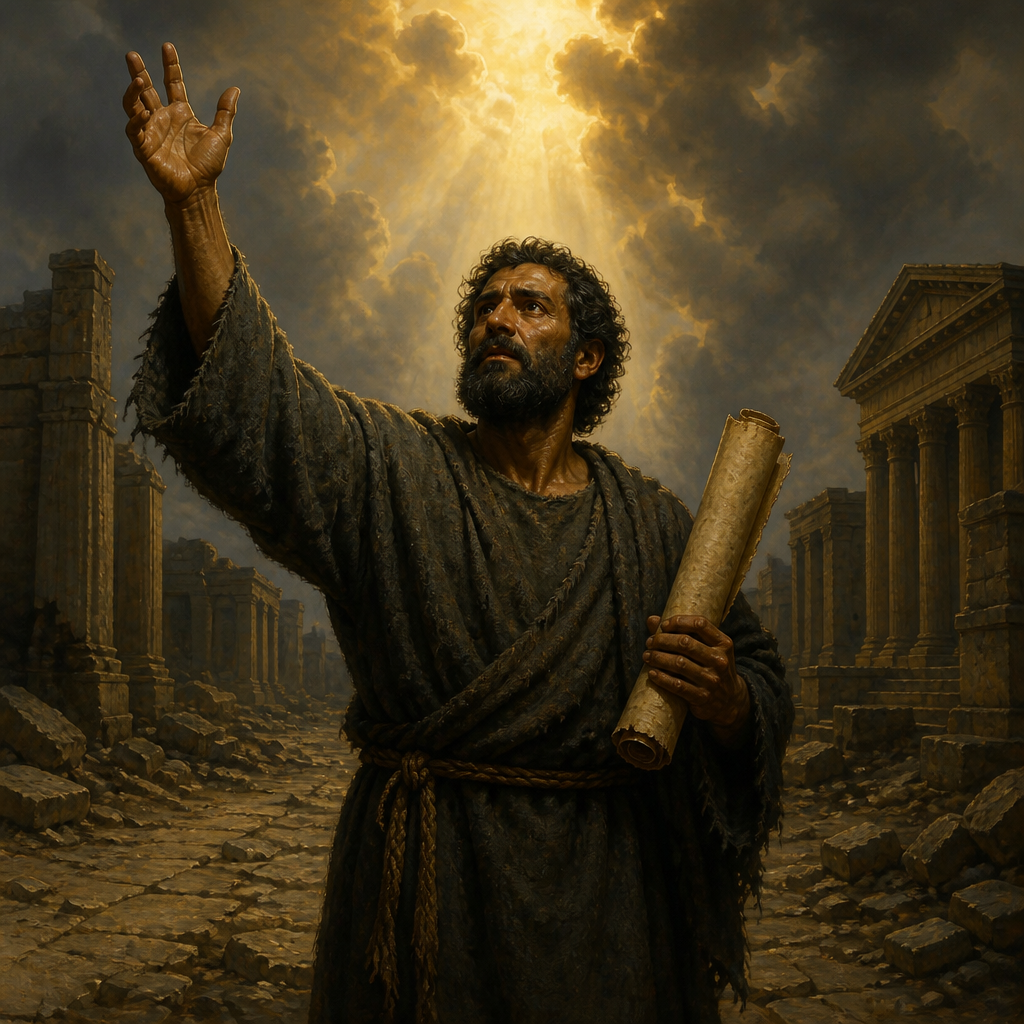
The Two Witnesses
Prophetic ministry in Revelation characterized by miracles, martyrdom, and resurrection
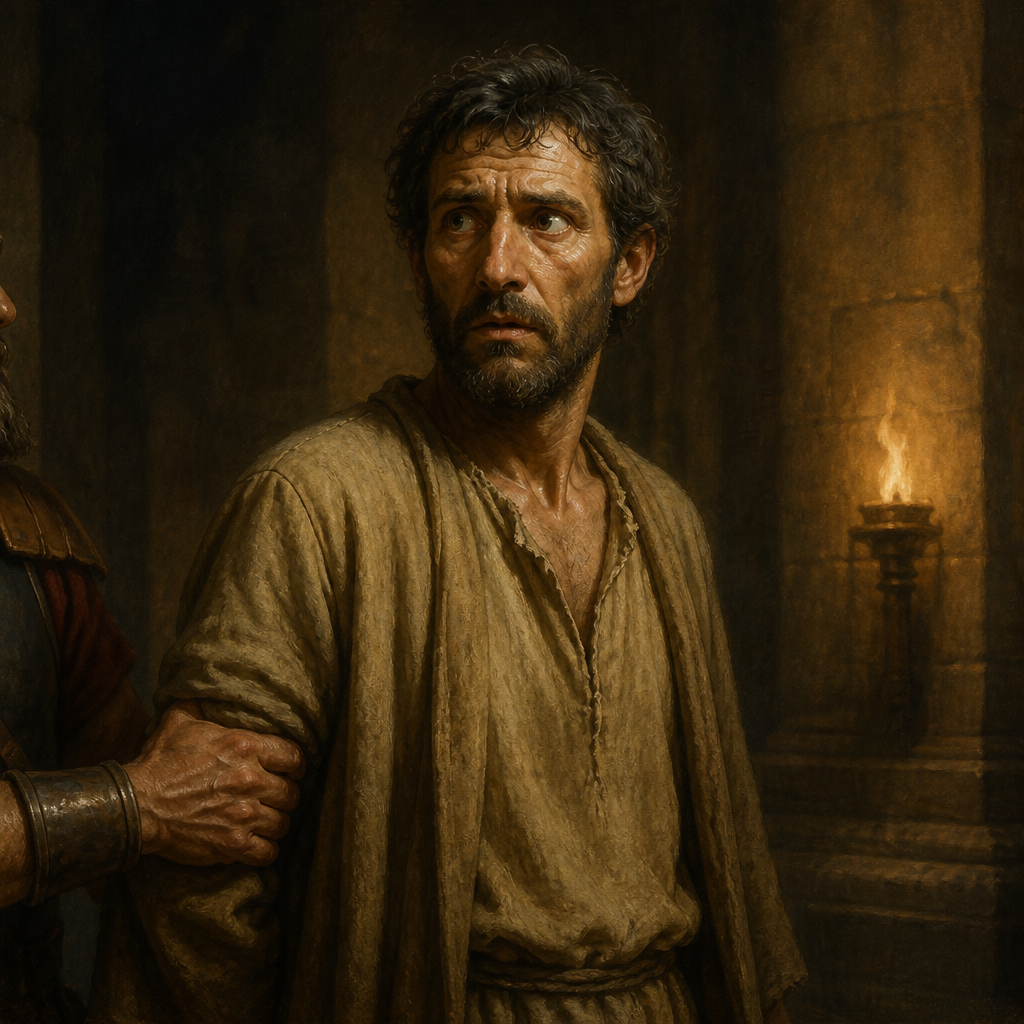
Uriah, son of Shemaiah
Prophet who was extradited from Egypt and executed by King Jehoiakim
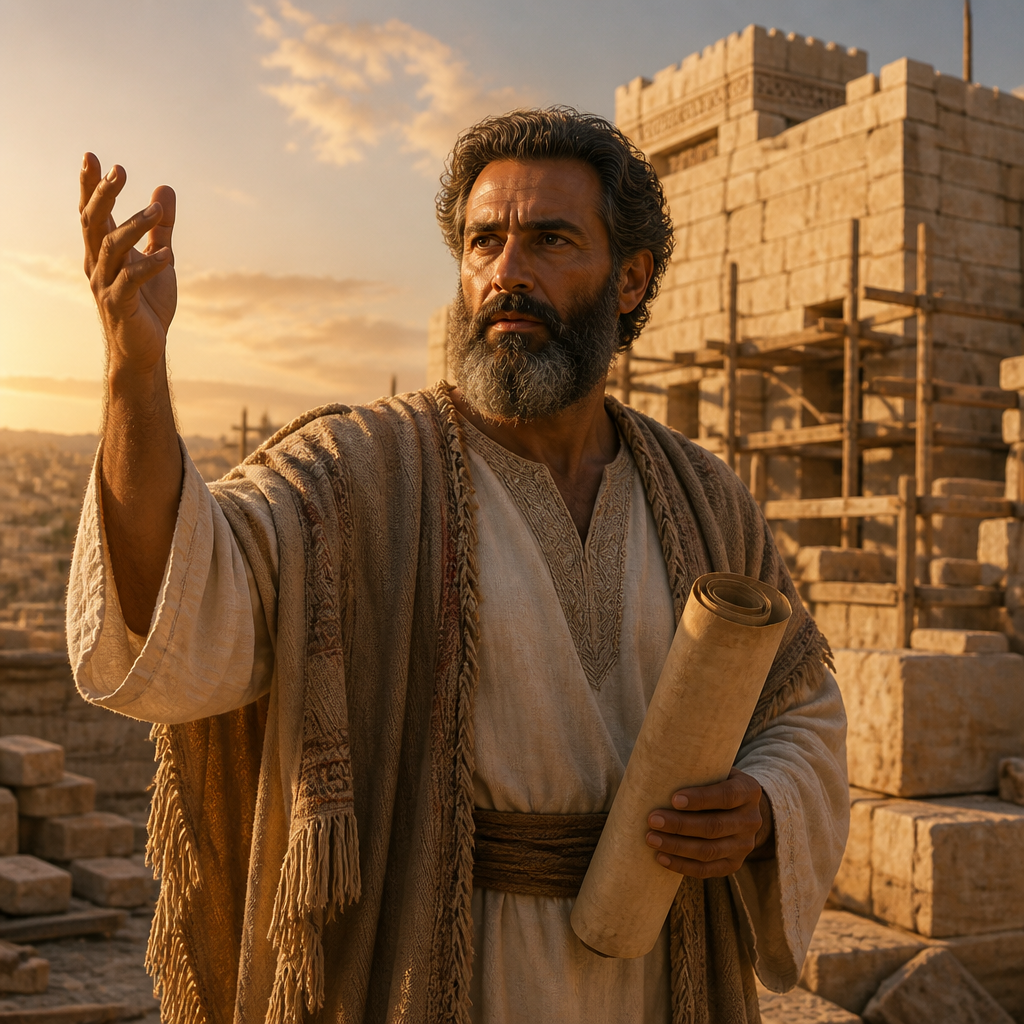
Zechariah, Prophet of the Return
Prophet who motivated the rebuilding of the Second Temple during the reign of Darius
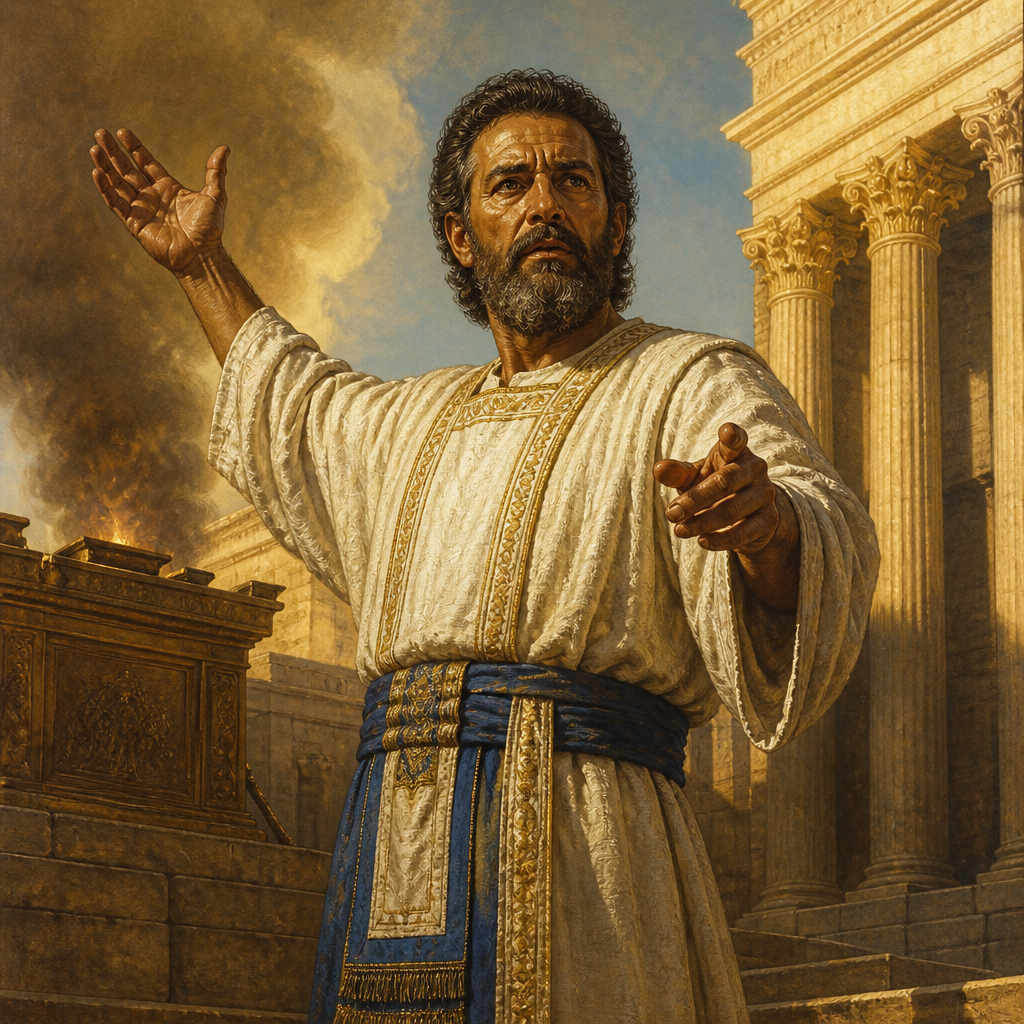
Zechariah, Son of Jehoiada
Priest and prophet who was stoned to death in the Temple court by King Joash
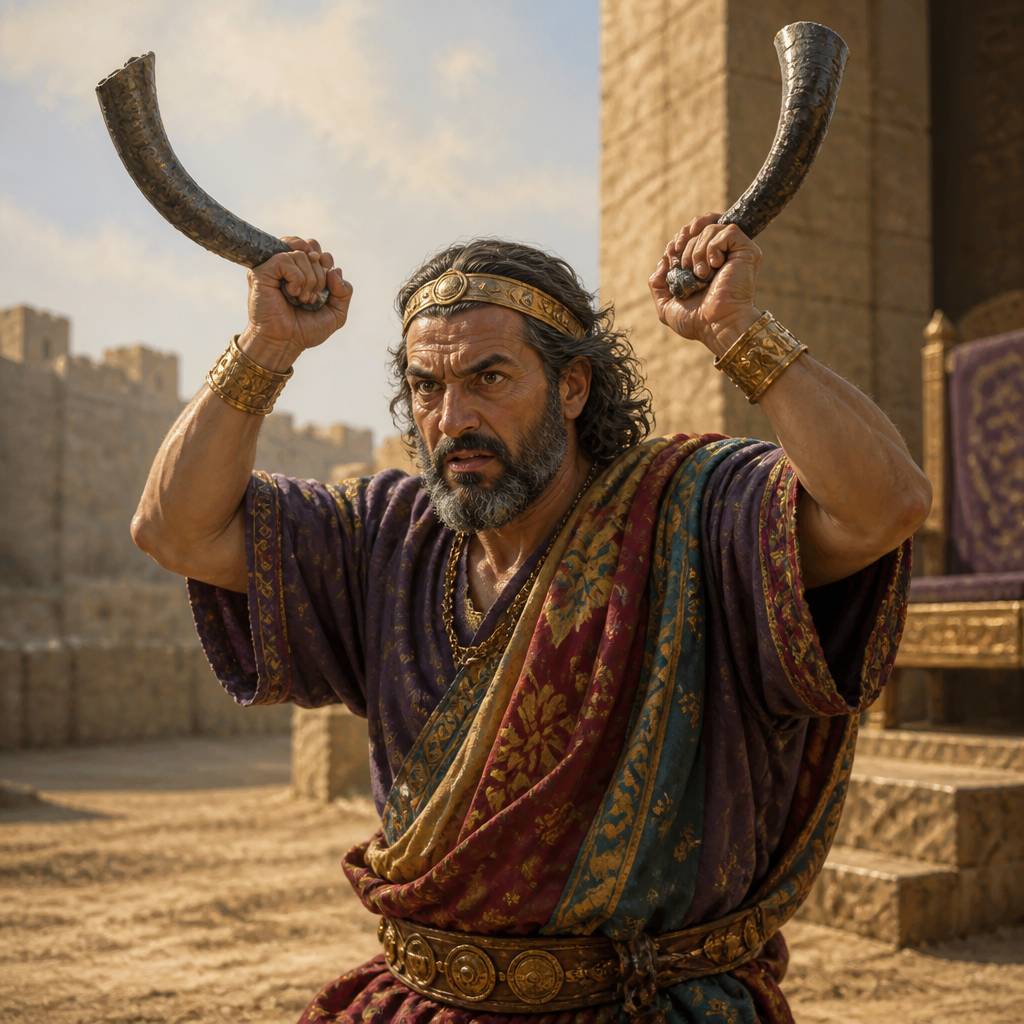
Zedekiah son of Chenaanah
Prophet who used iron horns to predict Ahab's victory and struck Micaiah in the face