Uriah, son of Shemaiah
Who was Uriah, son of Shemaiah, in the Bible?
A prophet from Kiriath-jearim who was martyred by King Jehoiakim for prophesying the destruction of Jerusalem and Judah during the Divided Monarchy.
This is one of 5 people named Uriah in the Bible. See all 5 →
Uriah, the son of Shemaiah, was a prophet active during the turbulent final years of the Kingdom of Judah. Hailing from the town of Kiriath-jearim, he emerged as a contemporary of the prophet Jeremiah, sharing a nearly identical message of impending judgment. His brief but tragic appearance in the biblical record is found exclusively in the Book of Jeremiah, where his life serves as a grim testimony to the hostility that Judean monarchs held toward divine warnings of national collapse.
Unlike his contemporary Jeremiah, who survived multiple attempts on his life, Uriah’s prophetic career ended in martyrdom. His story is recounted by the elders of the land as a precedent for the dangers faced by those who spoke in the name of the LORD. His death underscores the spiritual and political decline of the Divided Monarchy under the reign of King Jehoiakim, illustrating the violent suppression of the prophetic voice during the 7th century BC.
Background and Family
The biblical record identifies Uriah as the son of Shemaiah, originating from Kiriath-jearim. Kiriath-jearim was a town of historical significance, located approximately nine miles west of Jerusalem, known previously as the resting place of the Ark of the Covenant before it was brought to the capital by King David. While his specific tribe is not explicitly mentioned in the text, his presence in the Divided Monarchy period places him firmly within the geopolitical sphere of the Kingdom of Judah.
Uriah functioned as a prophet during the reign of King Jehoiakim (c. 609–598 BC). This era was characterized by vassalage to foreign powers—initially Egypt and later Babylon—and a stark departure from the religious reforms of Jehoiakim’s father, King Josiah. In this climate of spiritual apostasy and political instability, Uriah was called to deliver a message of divine displeasure.
Major Life Events
Uriah’s ministry was defined by his public proclamations against the city of Jerusalem and the land of Judah. According to Jeremiah 26:20, his prophecies mirrored those of Jeremiah exactly, warning of the city's impending destruction due to the people's rebellion against God. These words reached the ears of King Jehoiakim and his military and civil officials, who viewed Uriah’s message as seditious and demoralizing.
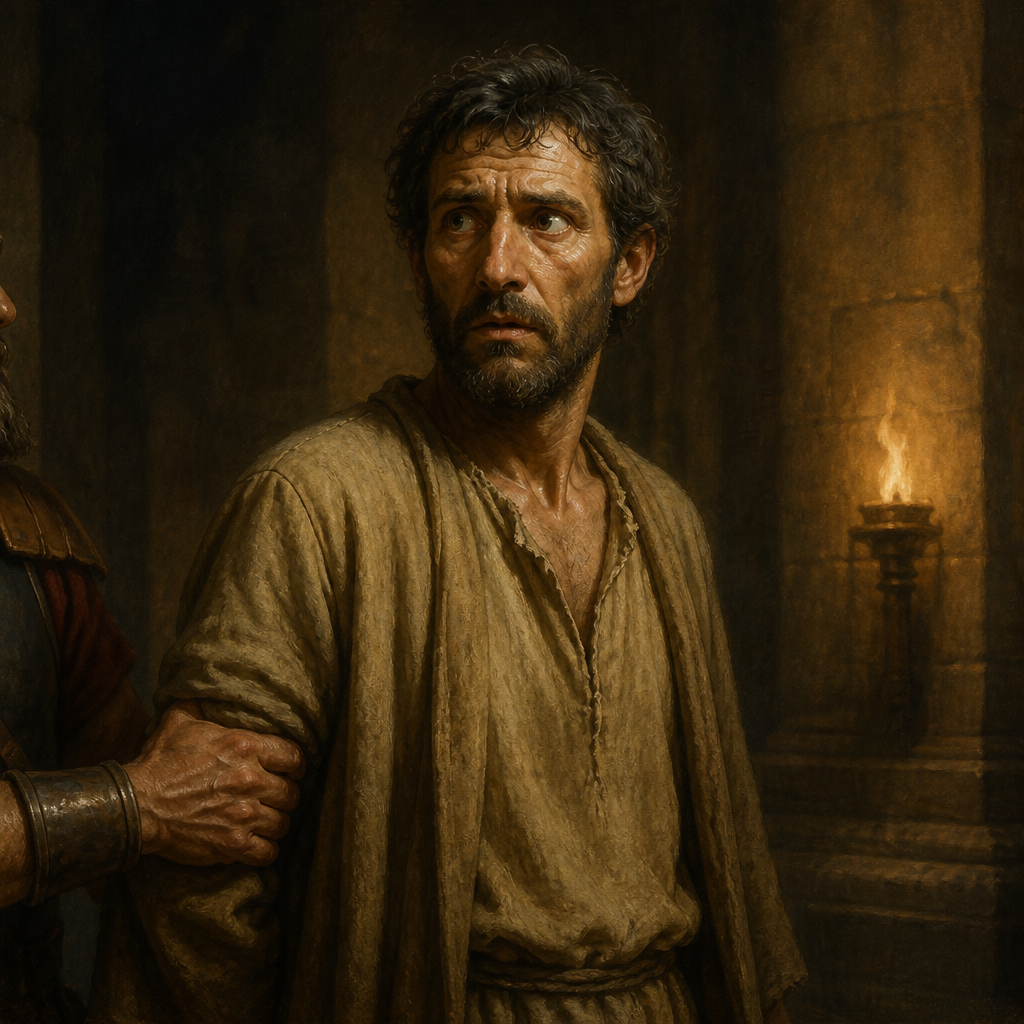
When the king sought to execute him, Uriah became fearful. In an attempt to save his life, he fled Judah and sought asylum in Egypt. This move highlights the political relationship between Judah and Egypt at the time; however, Jehoiakim’s influence was sufficient to pursue him across borders. The king dispatched Elnathan son of Achbor along with several other men to Egypt to apprehend the prophet.
Upon his forced return to Jerusalem, Uriah was brought before King Jehoiakim. The king ordered his immediate execution by the sword. In a final act of dishonor, Uriah was denied a place in his family sepulcher; instead, his body was cast into the burial place of the common people, a site typically reserved for the poor or those deemed unworthy of formal mourning.
Relationship to Other Biblical Figures
Uriah’s primary relationship in the text is his thematic and ministerial connection to the prophet Jeremiah. The narrative of Uriah is actually inserted into the account of Jeremiah’s own trial. When Jeremiah was threatened with death for prophesying against the Temple, some elders cited the case of Micah (who was spared) while others or the narrator provided the case of Uriah as a contrast. Uriah’s fate serves as a foil to Jeremiah’s survival; while both spoke the same truth, Uriah was consumed by the king’s wrath while Jeremiah was protected by influential officials like Ahikam.
Spiritual Significance
The life of Uriah is a sobering reminder of the physical costs of prophetic faithfulness. His inclusion in the Book of Jeremiah serves to validate Jeremiah’s message—showing that the warning of judgment was not the isolated opinion of one man but a consistent word from the LORD through multiple witnesses.
Theologically, Uriah represents the 'persecuted prophet' motif common in the Old Testament. His death at the hands of the civil authority illustrates the total rejection of the Word of God by the leadership of Judah. Even though he fled in fear, he is remembered by the biblical text as a man who 'prophesied in the name of the LORD,' affirming that his message was divinely sanctioned regardless of his personal end.
Uriah’s significance lies in his role as a secondary witness to the truth of Jeremiah’s prophecies. His martyrdom highlights the extreme wickedness of King Jehoiakim, who was so opposed to the divine message that he went to the lengths of international extradition to silence a prophet.
Furthermore, Uriah’s story provides historical context for the danger prophets faced during the Divided Monarchy. By mentioning his burial in the graves of the common people, the text emphasizes the social and religious rejection he faced, paralleling the suffering of later biblical figures who would likewise be rejected by their own people for speaking truth to power.
Frequently Asked Questions
Where did Uriah come from?
Uriah was from Kiriath-jearim, a town located in the territory of Judah, west of Jerusalem.
What was Uriah’s message?
He prophesied against the city of Jerusalem and the land of Judah, delivering the same warnings of judgment and destruction that Jeremiah did.
How did King Jehoiakim respond to Uriah?
Jehoiakim sought to kill him, eventually sending men to Egypt to capture him and bringing him back to Jerusalem to be executed by the sword.
Where was Uriah buried?
He was buried in the burial place of the common people, rather than in a family tomb, which was a mark of dishonor.
Why is Uriah’s story mentioned in the Book of Jeremiah?
His story is used to illustrate the very real death threat Jeremiah faced and to show the pattern of King Jehoiakim’s violent rejection of God's prophets.
Family & Relationships
Parents
 Shemaiah, Father of Uriah the ProphetFatherJeremiah 26:20Stated
 Uriah, son of ShemaiahThis page
Connected Figures
Family
Father · Jeremiah 26:20
A resident of Kiriath-jearim during the Divided Monarchy and the father of the martyr-prophet Uriah.
Categories
Mentions by Book
- Jeremiah3
Scripture References
All 3 indexed verses, in canonical order, from the Berean Standard Bible.
Jeremiah · 3
- Jeremiah 26:20
Now there was another man prophesying in the name of the LORD, Uriah son of Shemaiah from Kiriath-jearim. He prophesied against this city and against this land the same things that Jeremiah did.
- Jeremiah 26:21
King Jehoiakim and all his mighty men and officials heard his words, and the king sought to put him to death. But when Uriah found out about it, he fled in fear and went to Egypt.
- Jeremiah 26:23
They brought Uriah out of Egypt and took him to King Jehoiakim, who had him put to the sword and his body thrown into the burial place of the common people.
Others Named Uriah
Compare all 5 bearers →Uriah the Hittite2 Samuel 11:3
A loyal elite soldier in King David’s army whose integrity served as a foil to the king's adultery and eventual plot to have him killed in battle.
Uriah, Companion of EzraNehemiah 8:4
A Jewish leader who stood beside Ezra the scribe during the public reading of the Law in post-exilic Jerusalem.
Uriah the Priest2 Kings 16:10
A high priest in Jerusalem during the reign of King Ahaz who facilitated the introduction of a foreign Syrian-style altar into the Temple of the LORD.
Uriah, Father of MeremothEzra 8:33
A member of the priestly family of Hakkoz who lived during the return from the Babylonian Exile and whose son assisted in rebuilding Jerusalem.