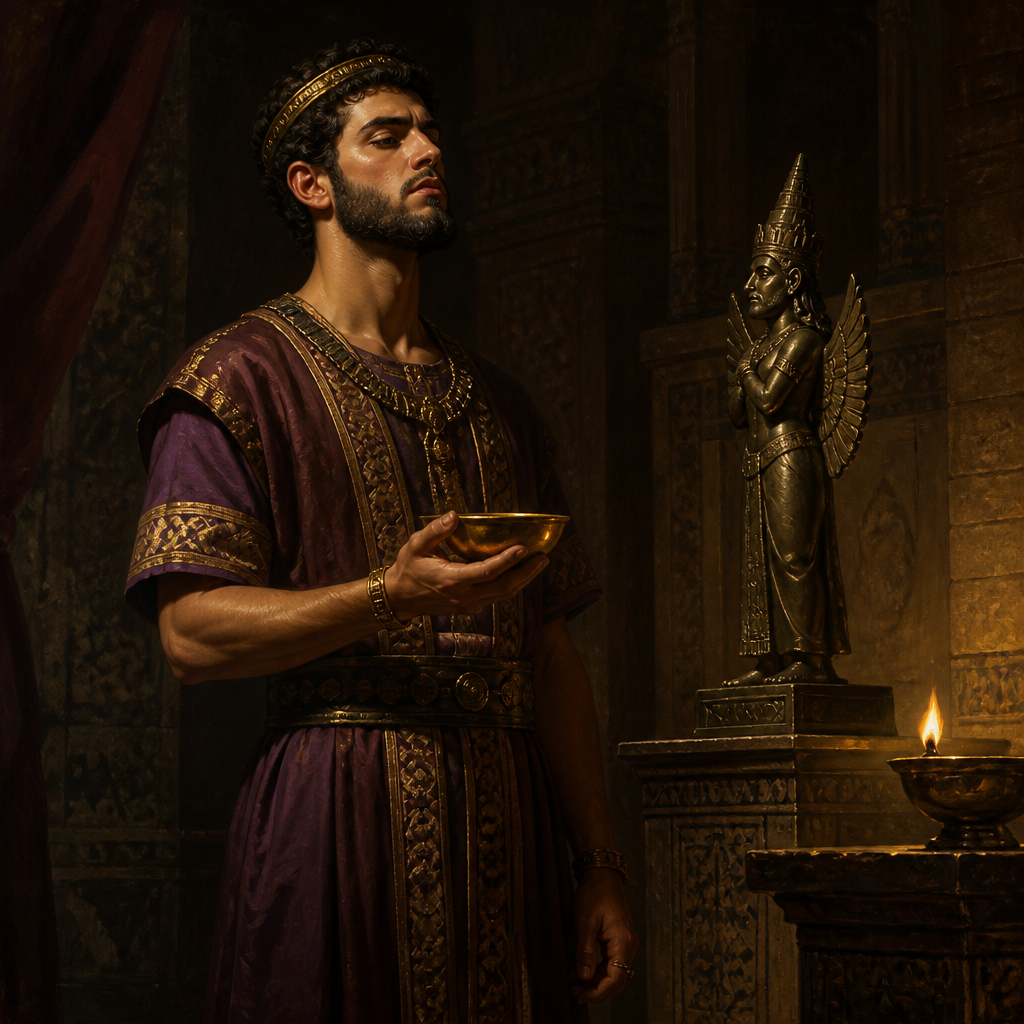
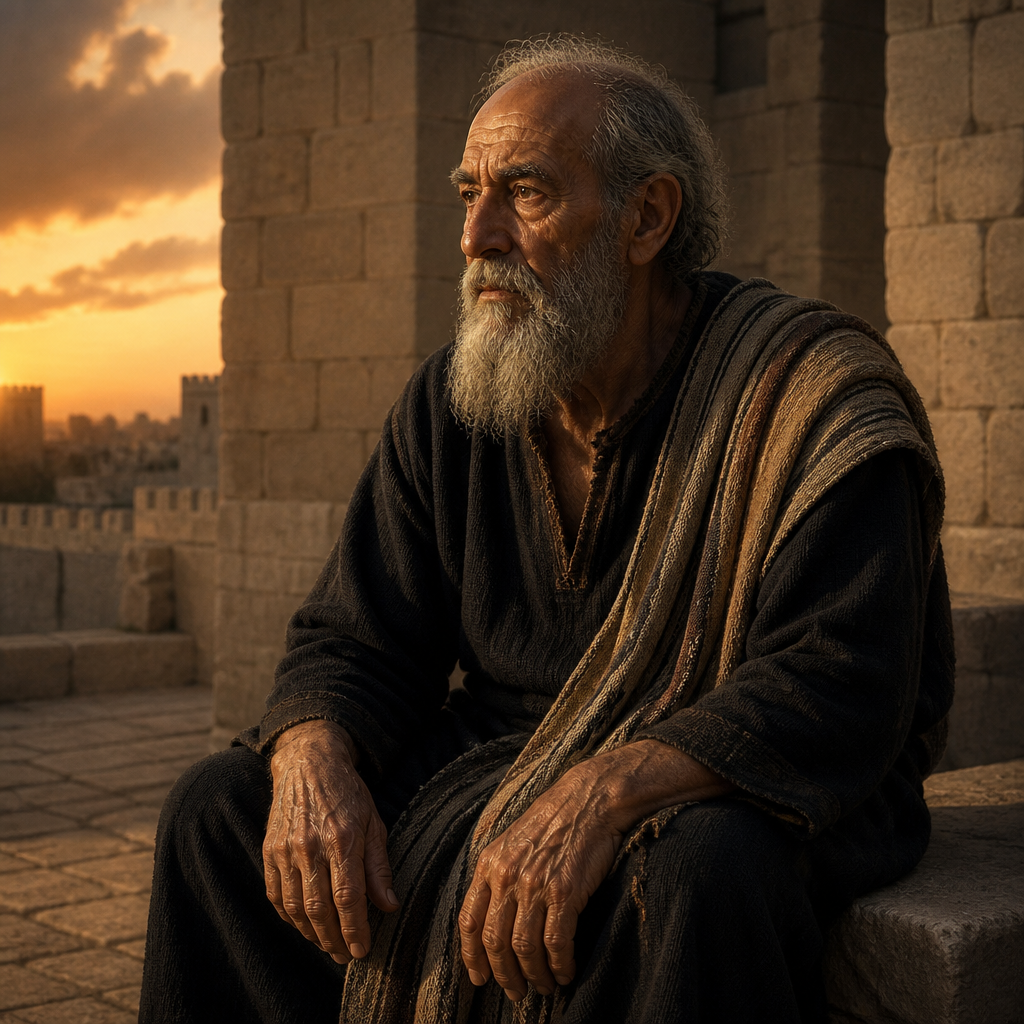
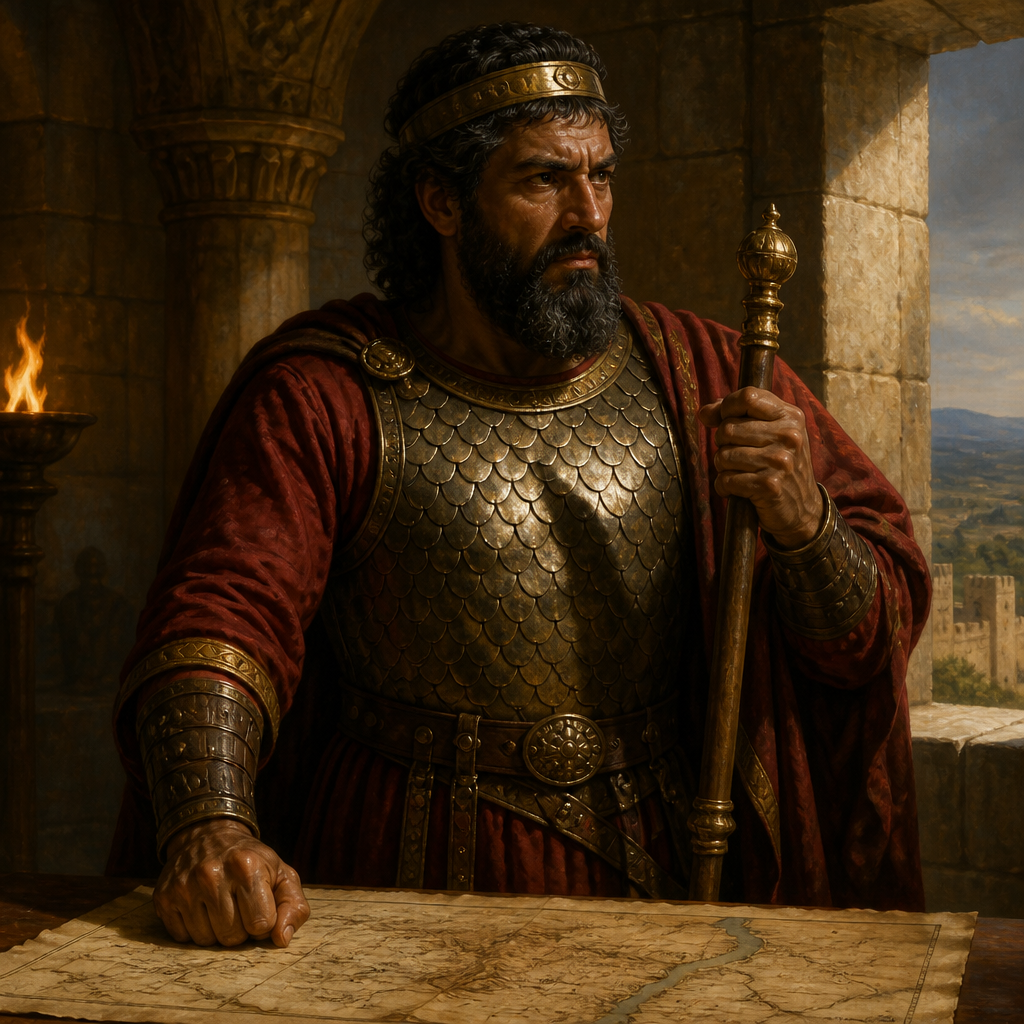
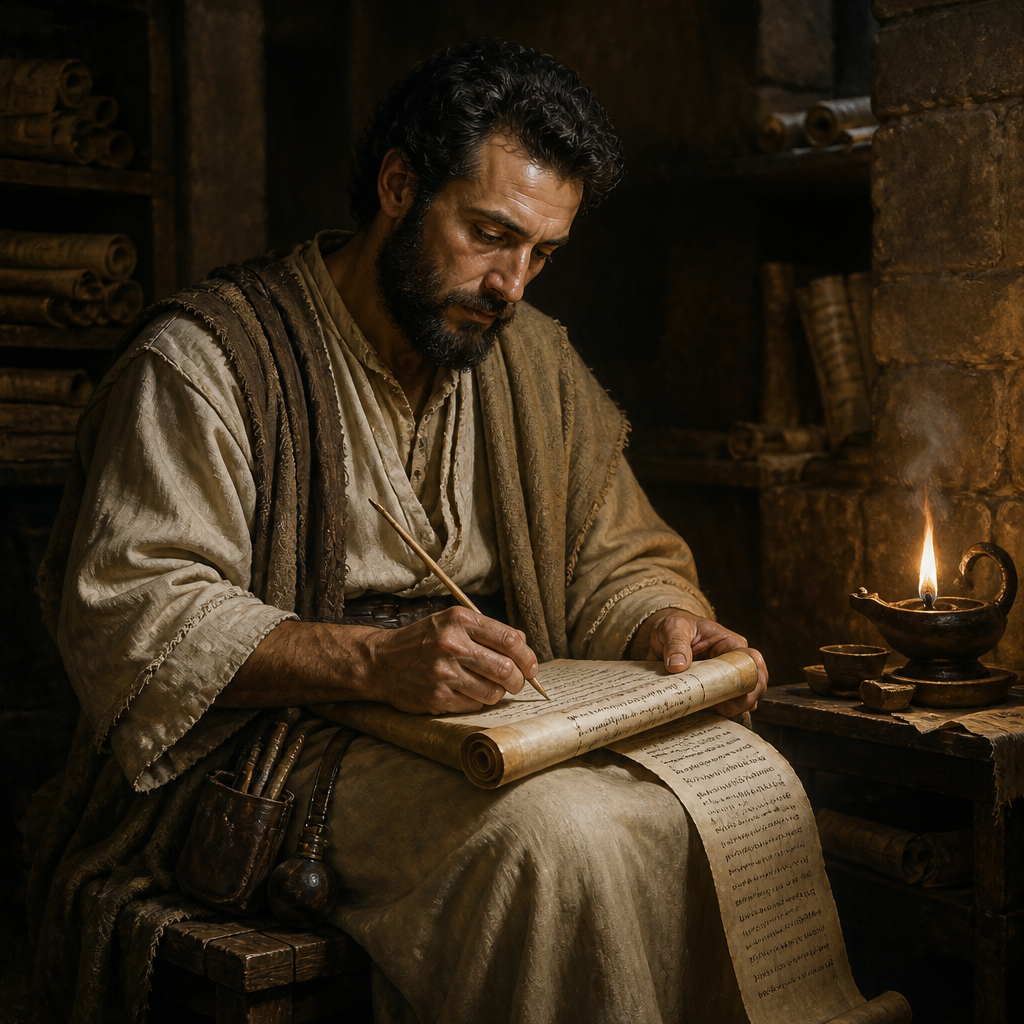
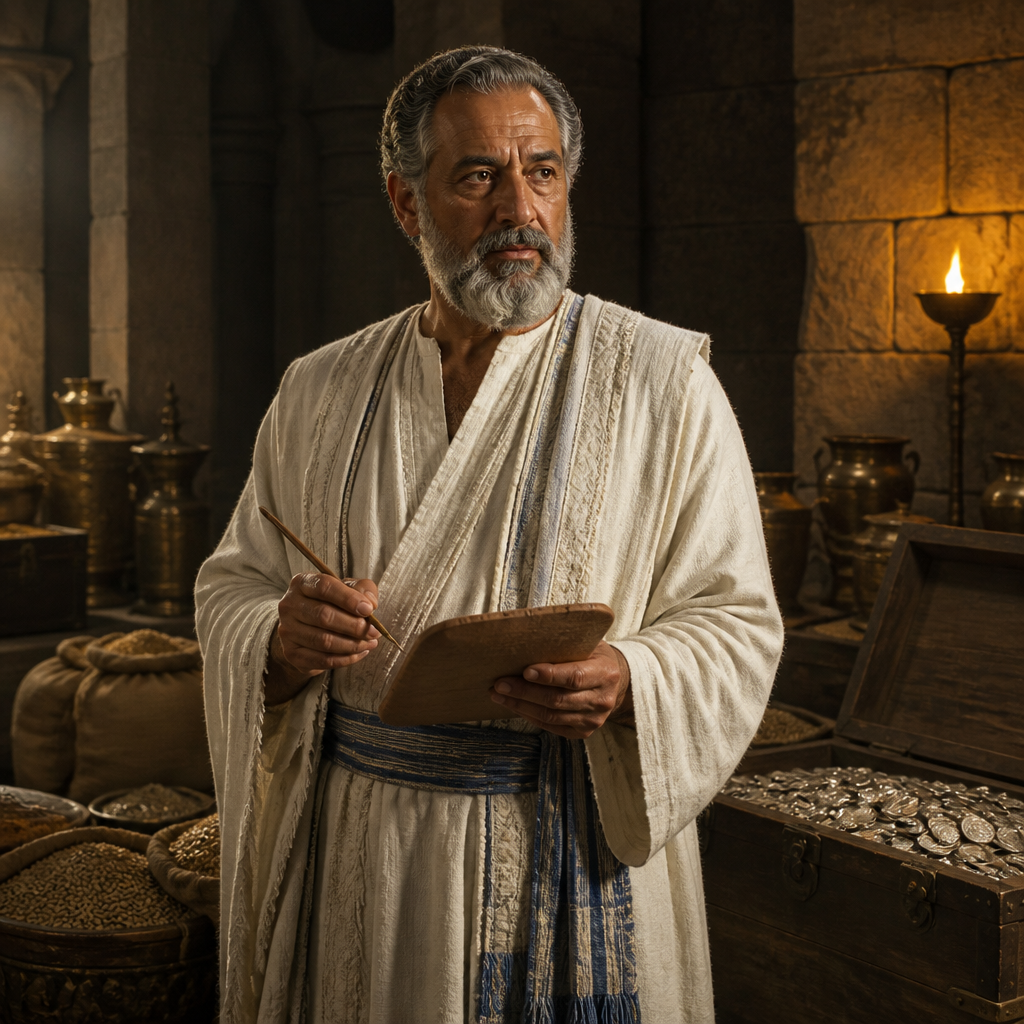
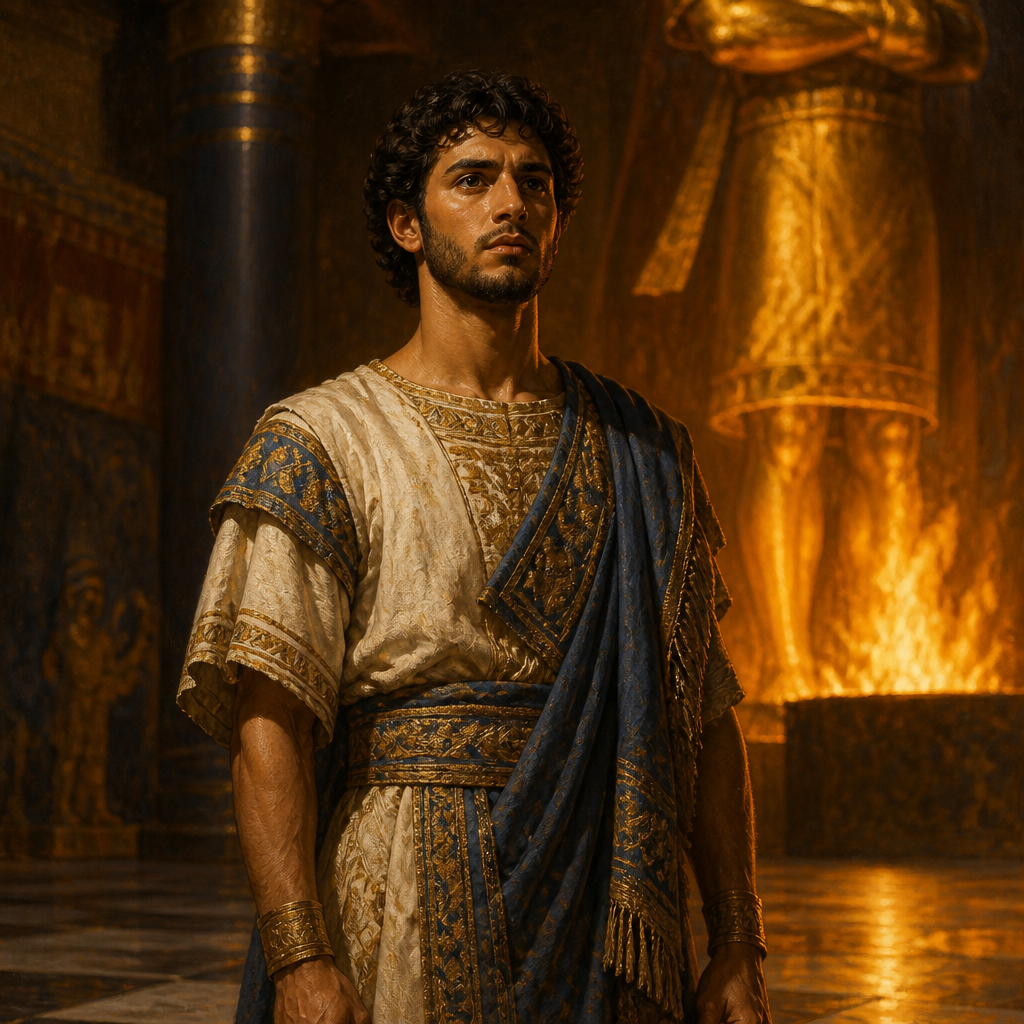
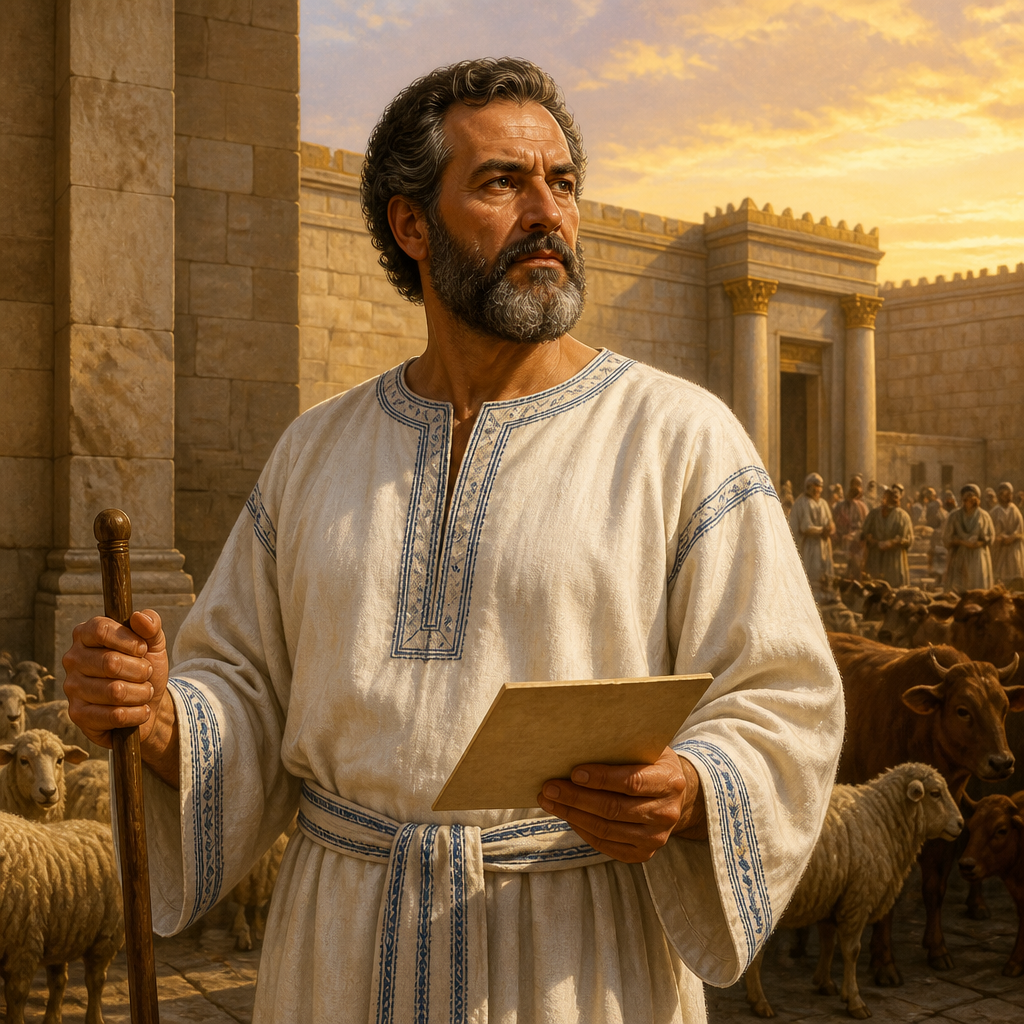
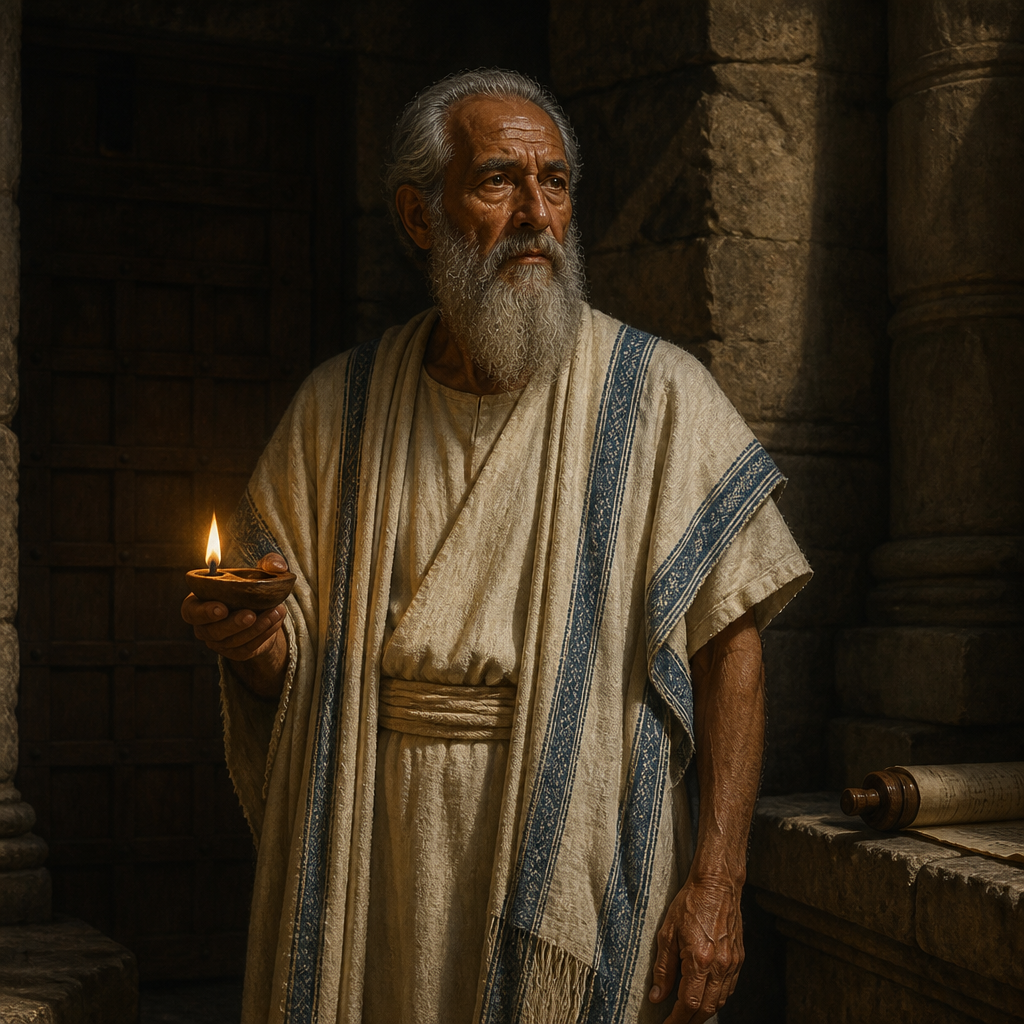
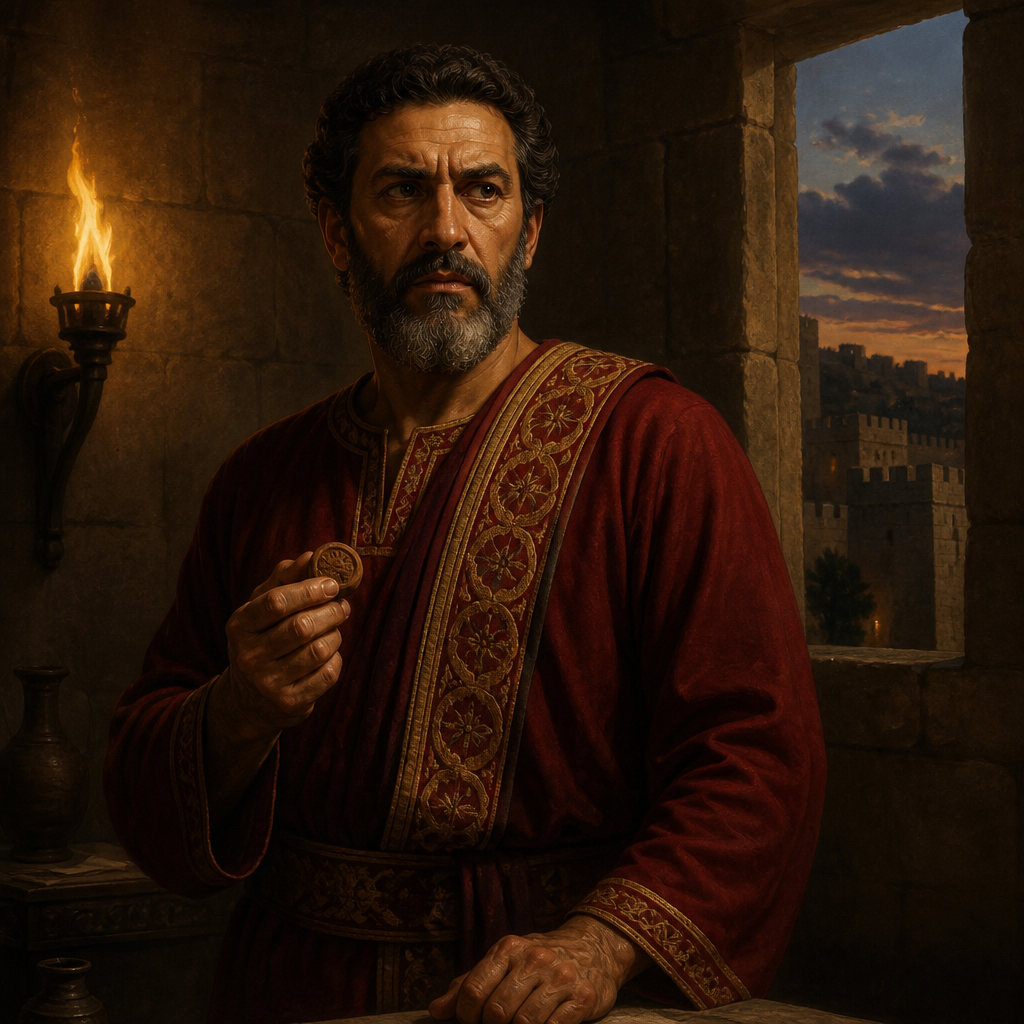
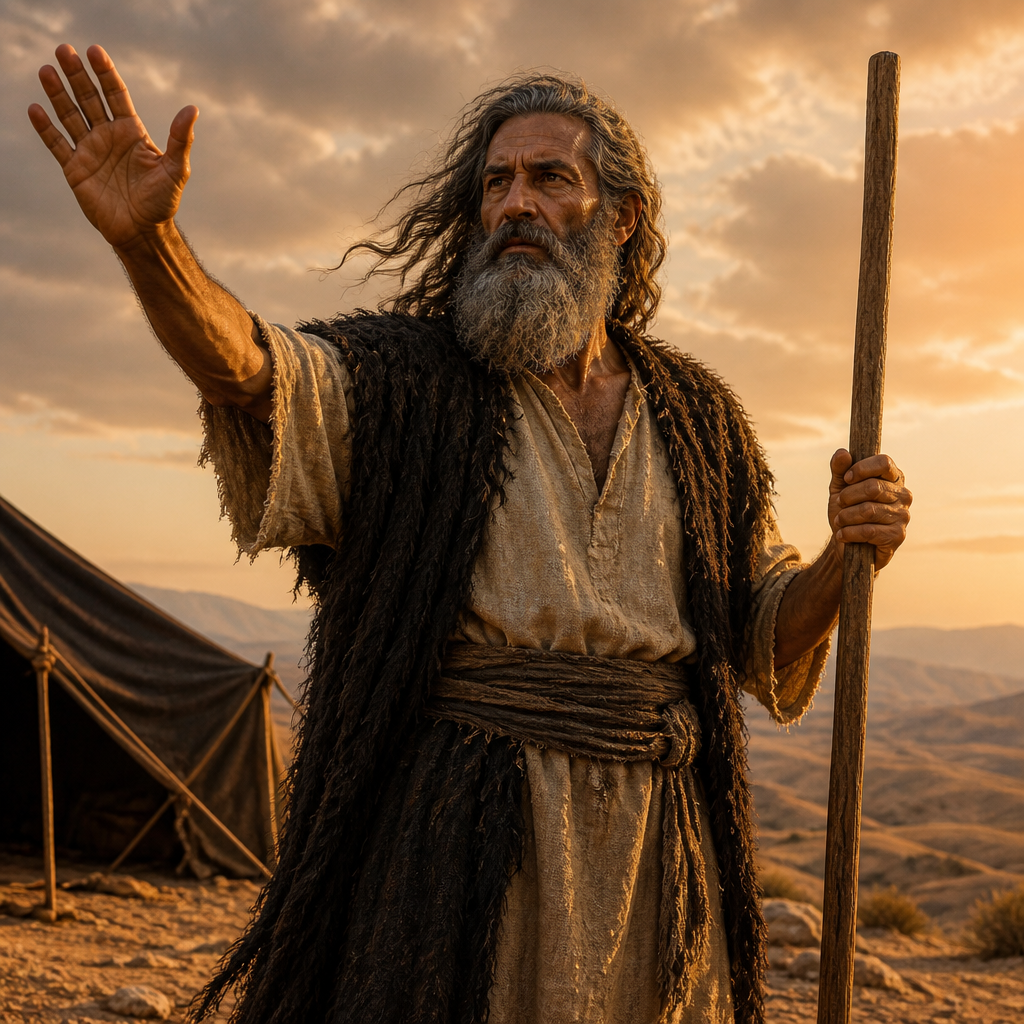
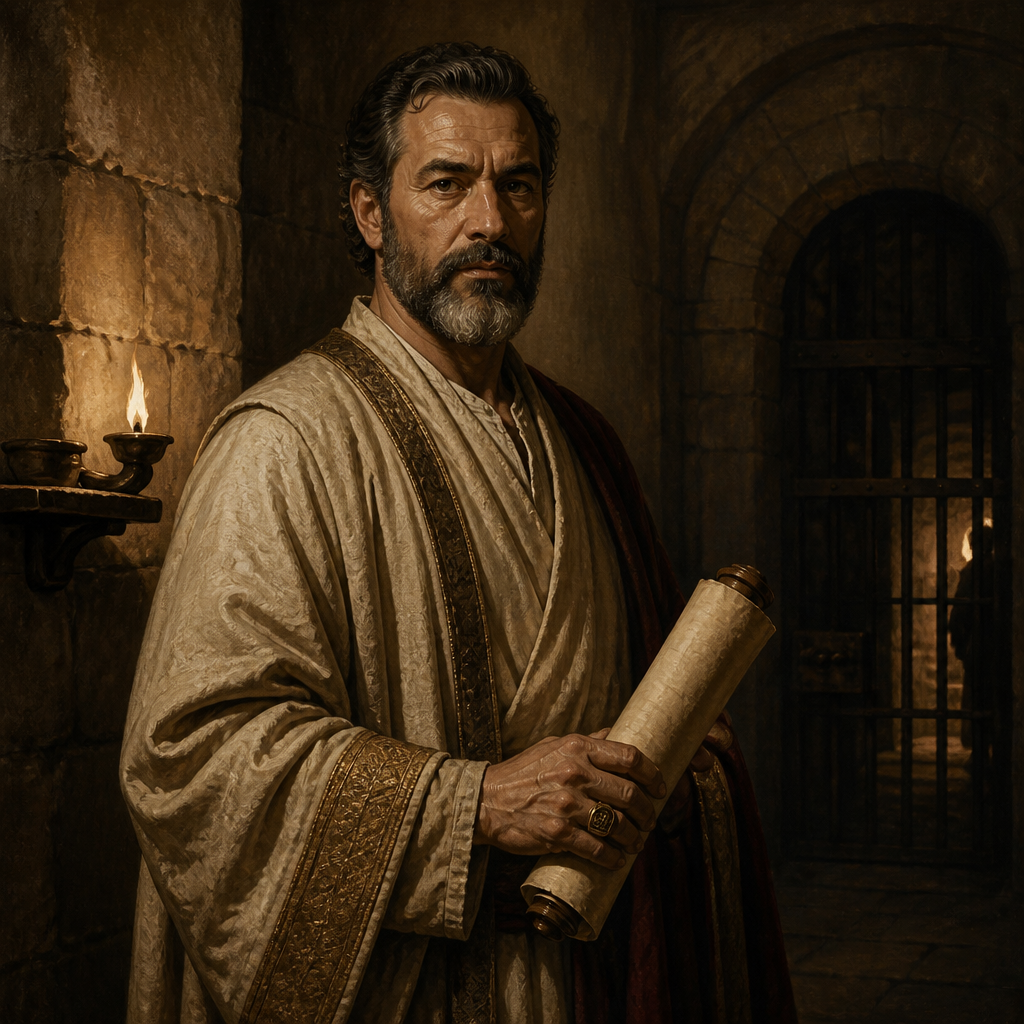
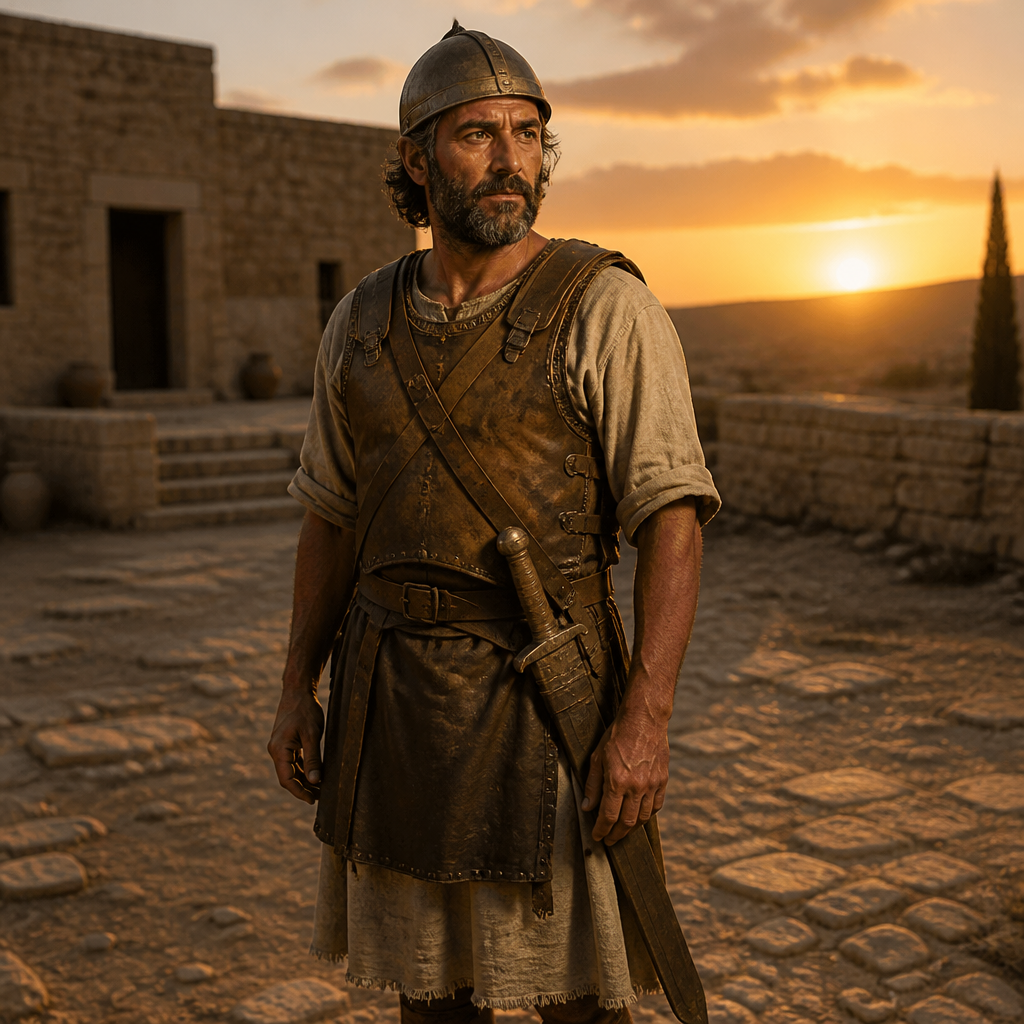
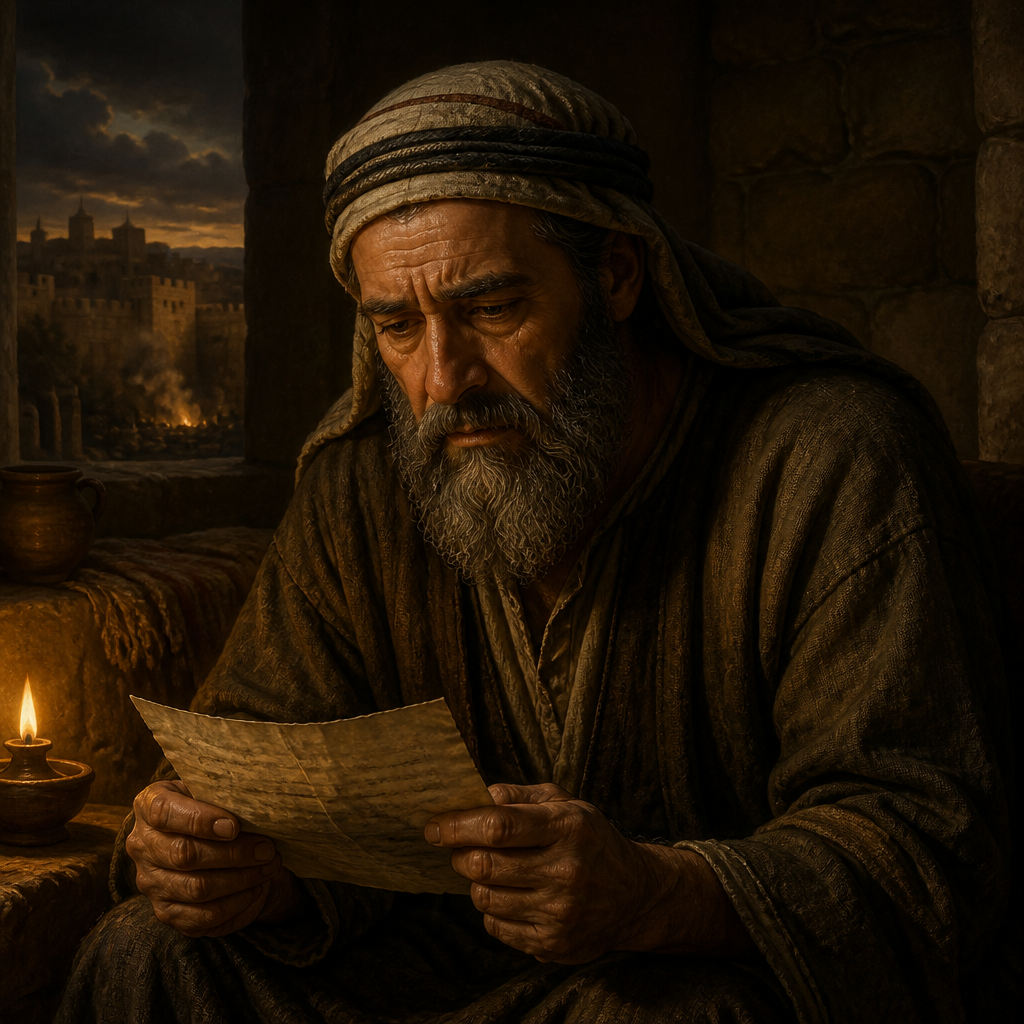
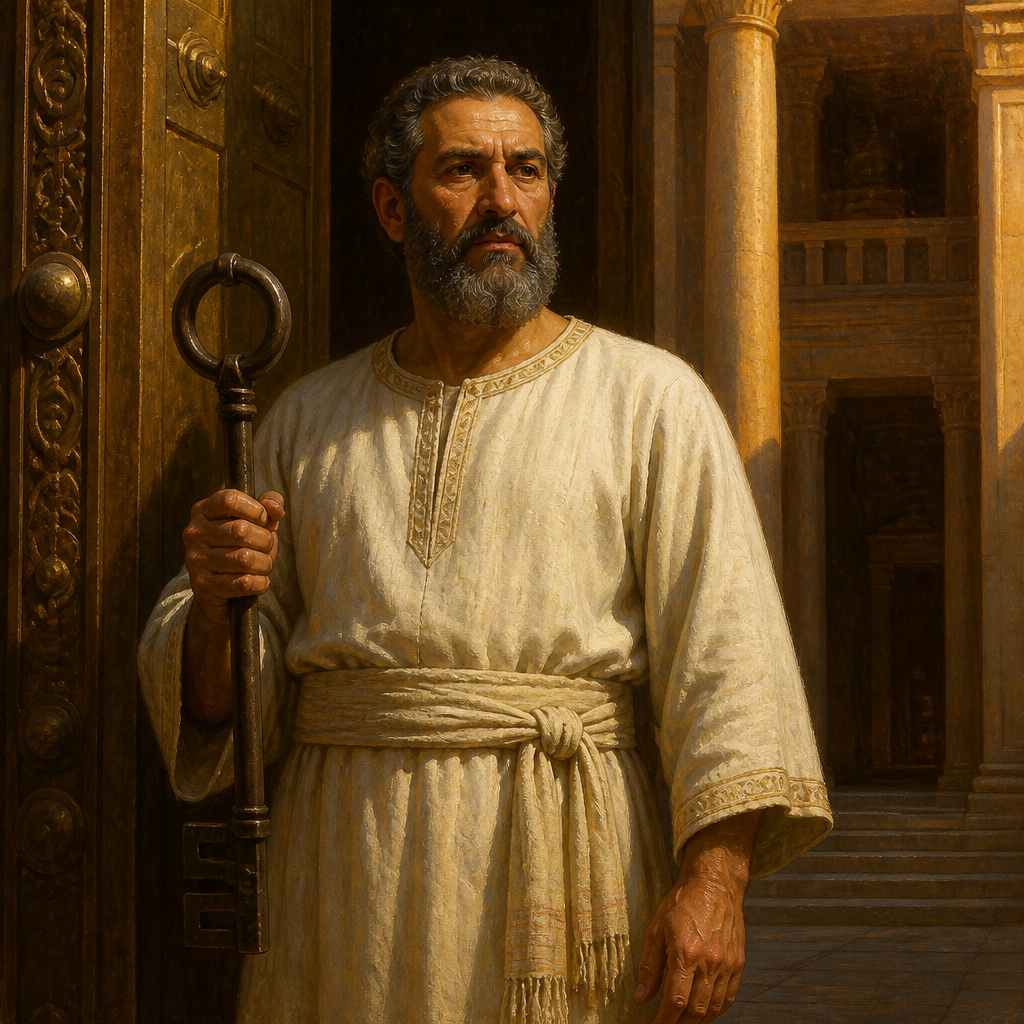
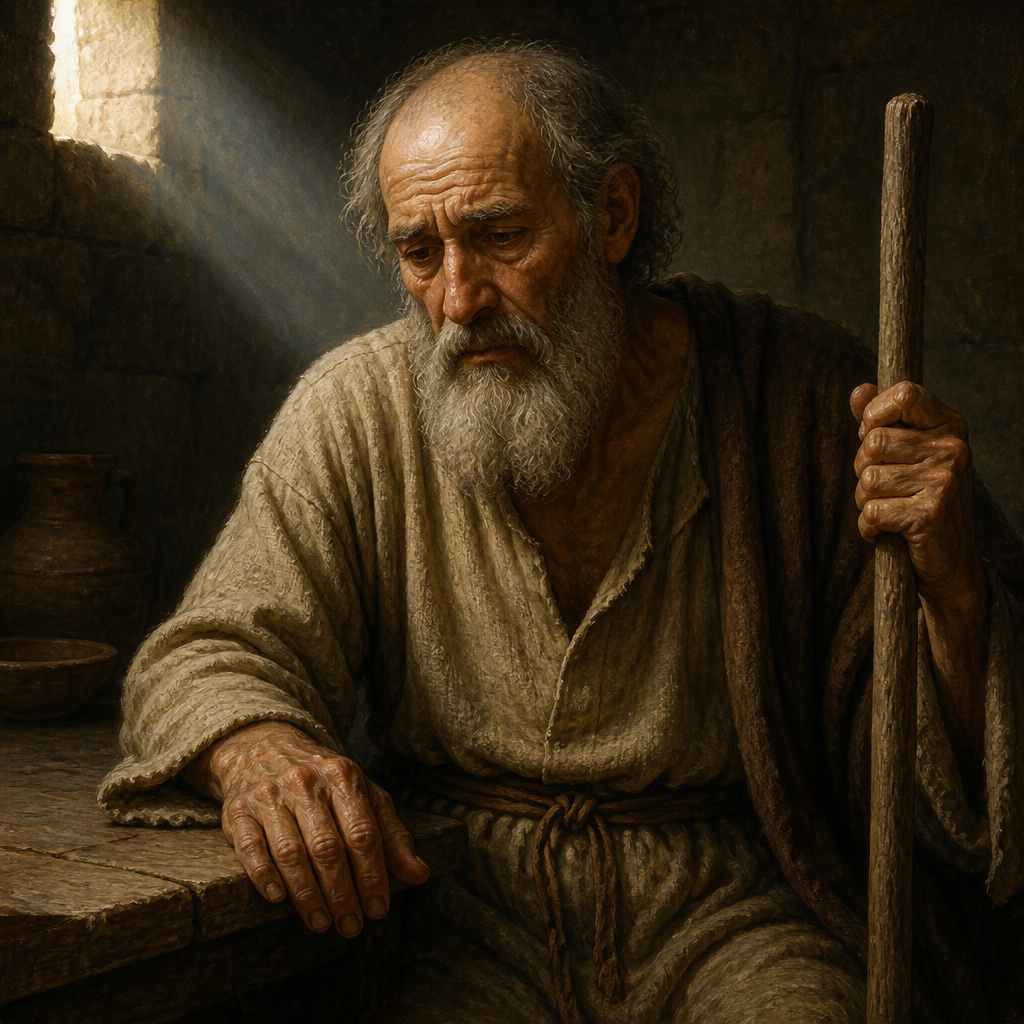
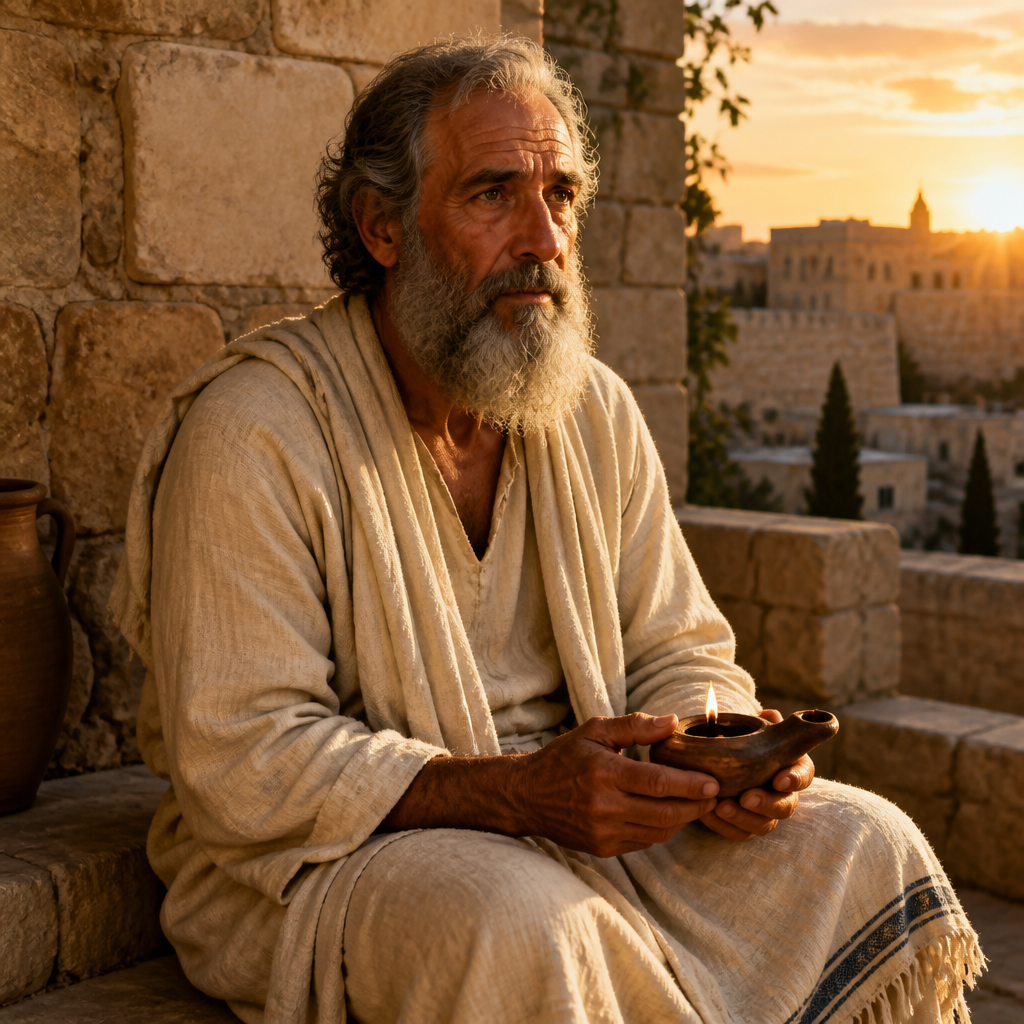
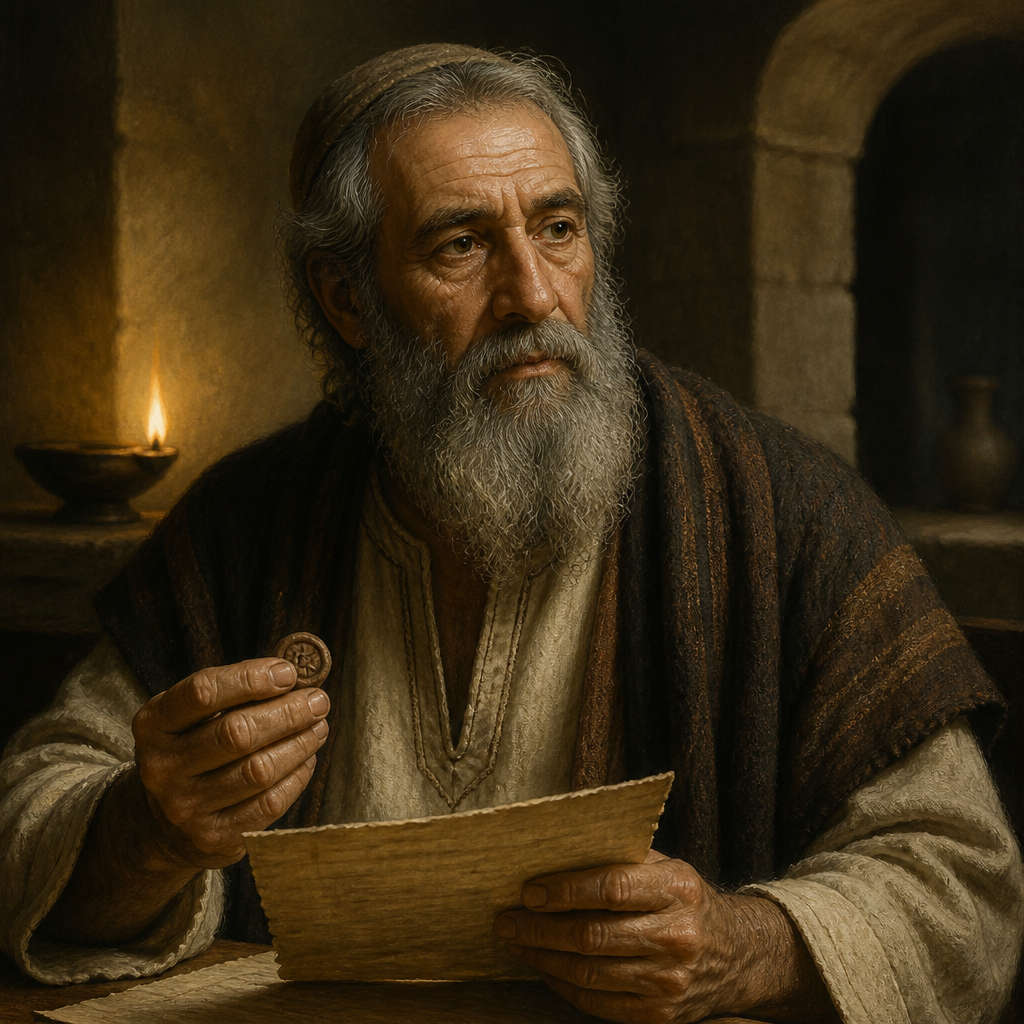
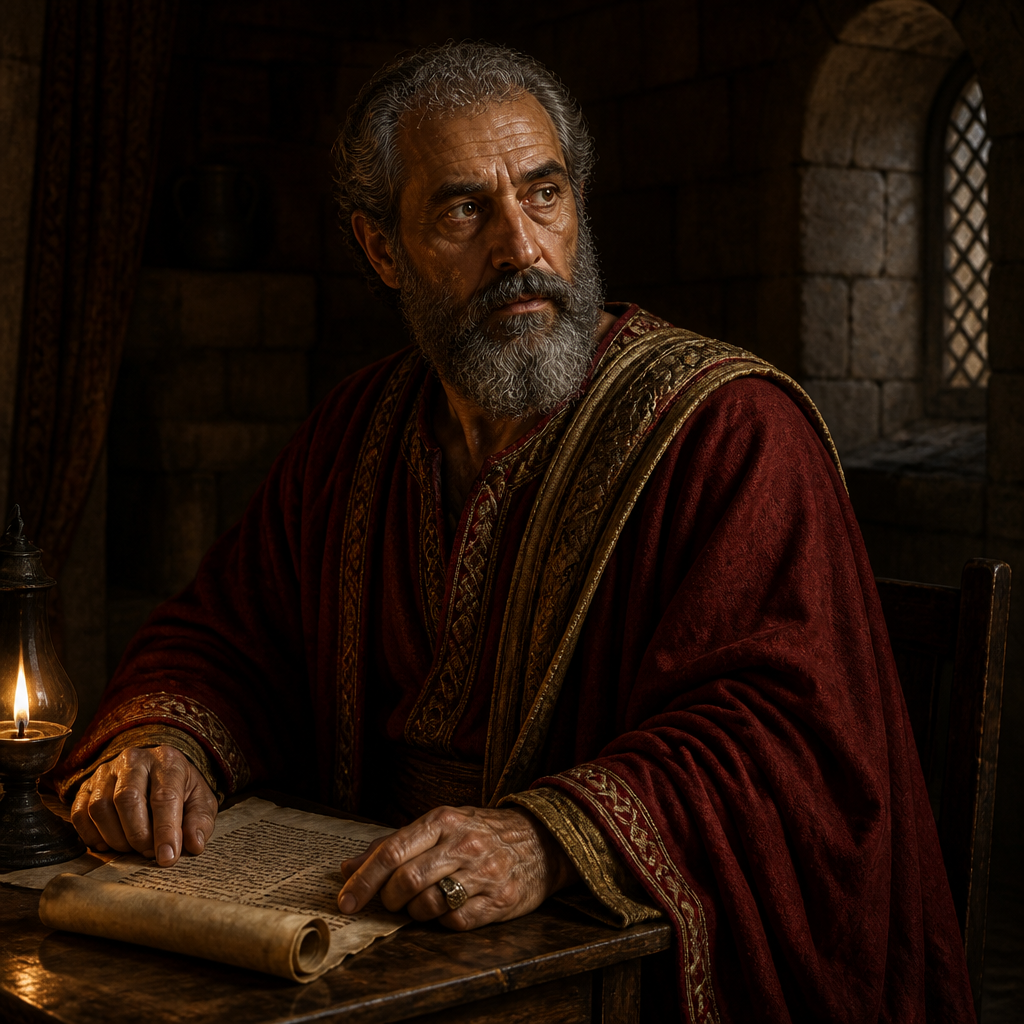
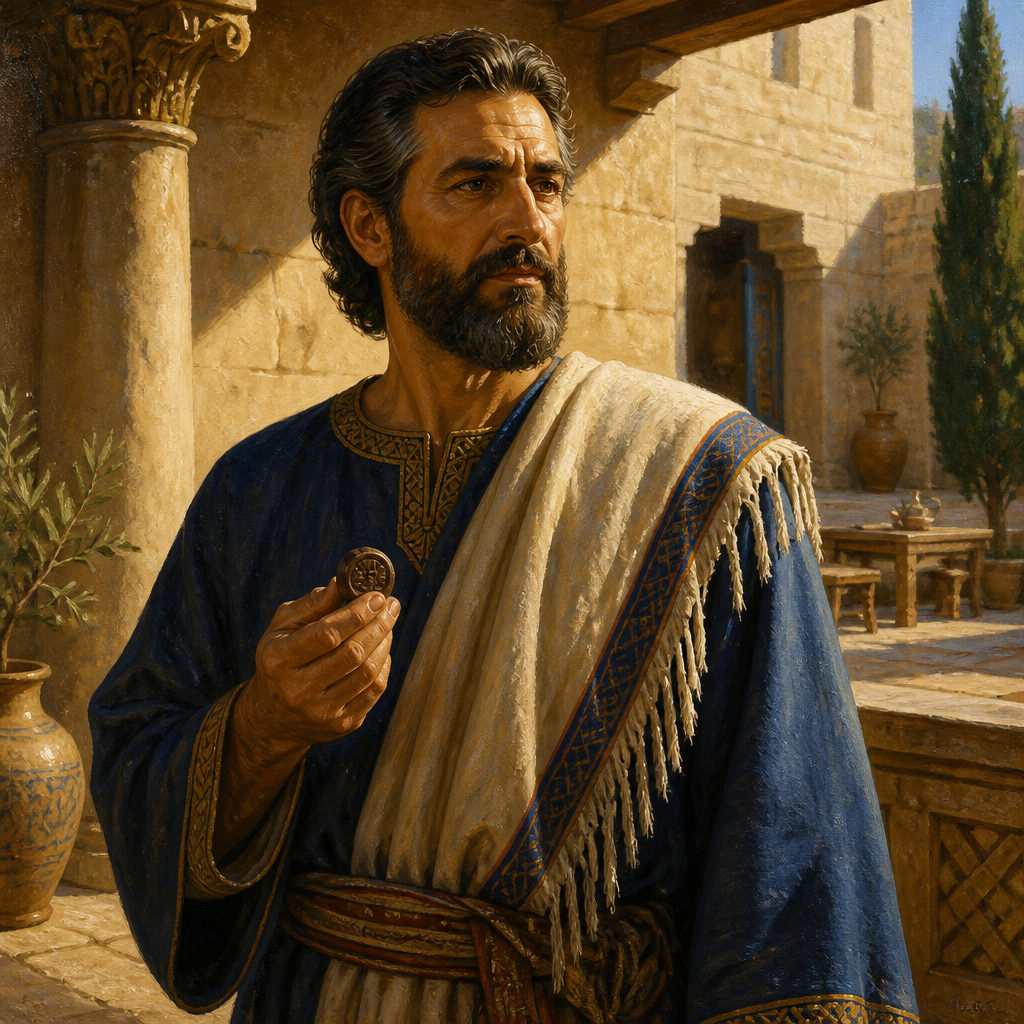
A group of biblical figures and captives stand before the towering blue gates and massive ziggurats of ancient Babylon during the exile.

People of Babylon's rise, Jerusalem's fall, and the years of captivity (c. 612-539 BC)

The Babylonian Period describes the era of the Neo-Babylonian Empire’s dominance over the ancient Near East, specifically focusing on the destruction of the Kingdom of Judah and the subsequent exile of its people. The biblical narrative details this transition through the decline of Judah’s political stability, eventually leading to the siege and total destruction of Jerusalem and its Temple (2 Kings 25:8–10). The text records that this rise of power served as a divine judgment for the persistent idolatry of the Judean people (2 Chronicles 36:14–17).

The organization of this period in the text centers on the interactions between the Babylonian leadership and the Judean elite. Nebuchadnezzar, the King of Babylon, serves as the primary instrument of Judah’s defeat, carrying away the temple vessels and the population in successive waves (2 Kings 24:10–16). Under his authority, Nebuzaradan, the Babylonian commander, oversaw the burning of the city and the deportation of the remaining inhabitants (2 Kings 25:8–11). Within the conquered territory, the Babylonians appointed Gedaliah, to oversee the poor who remained to work the land, though he was later assassinated by Ishmael son of Nethaniah (2 Kings 25:22–25). During the exile, Daniel rose to prominence in the royal court, where he and his companions, including Hananiah refused to worship Babylonian idols (Daniel 1:6, 3:12–18).

The internal collapse of Judah is documented through the actions of its final kings and the prophets who witnessed the fall. Zedekiah presided over the final siege and suffered the loss of his sight before being taken in chains (2 Kings 25:7). Jeremiah remained in Jerusalem during the conflict, predicting a seventy-year duration for the exile (Jeremiah 25:11–12). His scribe, Baruch recorded these prophecies, which were often met with hostility by officials like Pashhur, who physically punished the prophet (Jeremiah 20:1–2).

This period concludes with the transition from Babylonian to Persian rule. The text records that Belshazzar was the final Babylonian ruler to face judgment, witnessing supernatural handwriting on the wall (Daniel 5:1–30). Following the fall of the city, Cyrus, the Persian king, issued a decree that allowed the Judean exiles to return to their homeland and begin the reconstruction of the Temple (2 Chronicles 36:22–23).

Everyone in this list
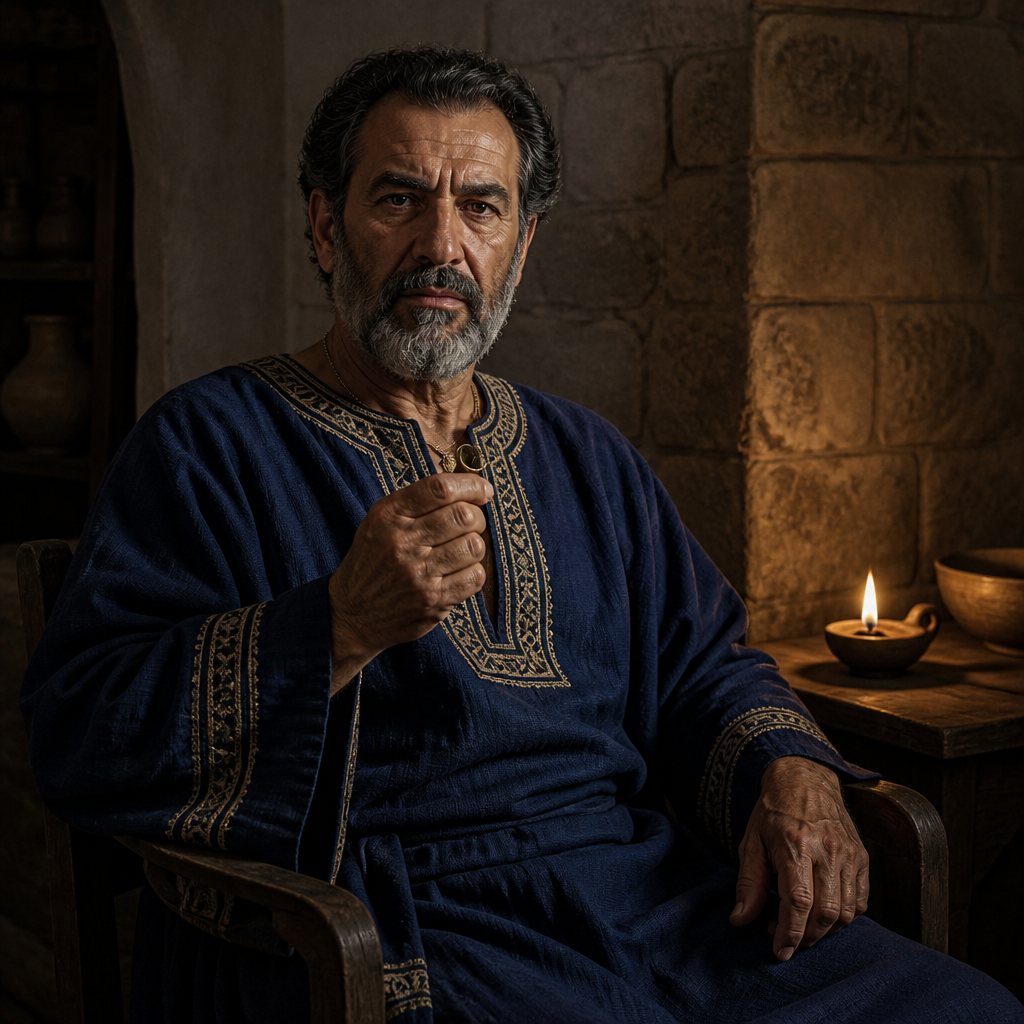
Oil-painting style portrait of Abdeel, father of Shelemiah who was ordered to arrest the prophet Jeremiah
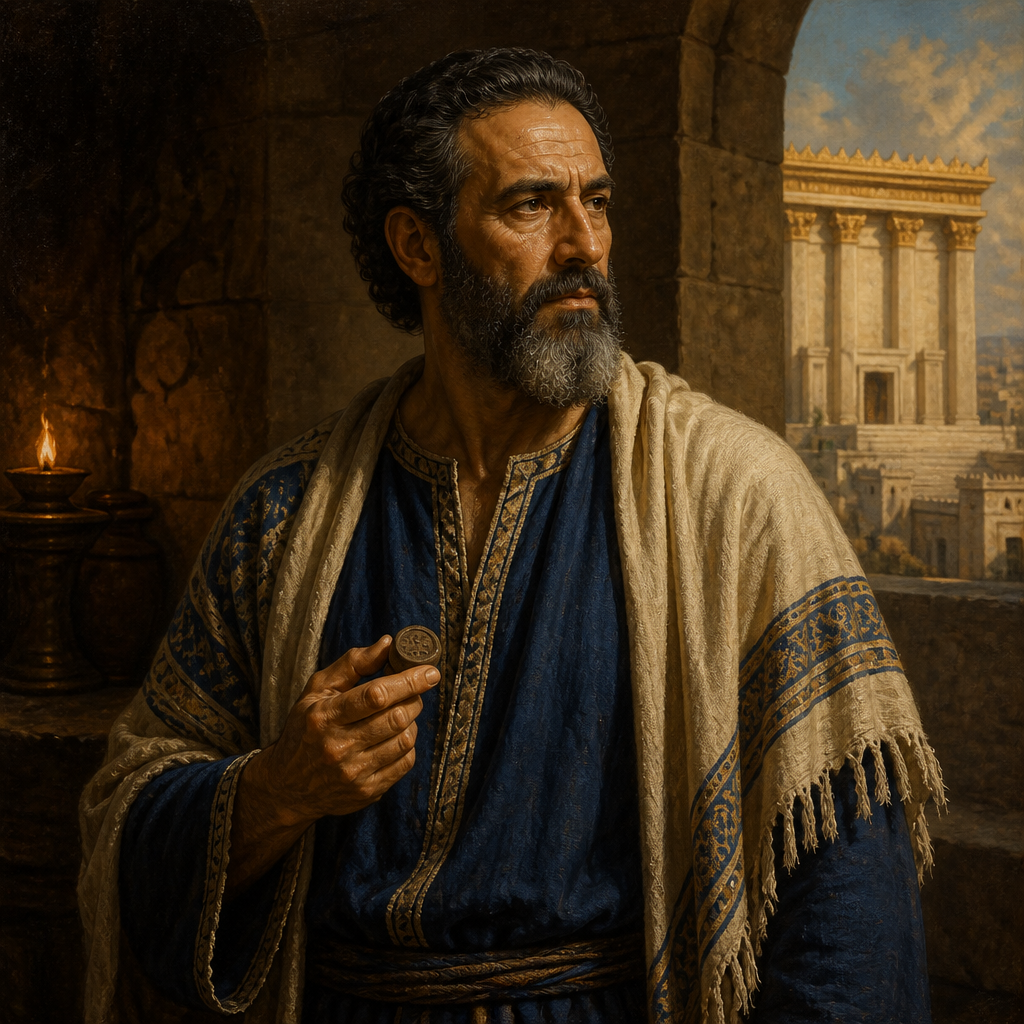
Abdeel

father of Shelemiah who was ordered to arrest the prophet Jeremiah

Oil-painting style portrait of Achbor, Official of King Josiah, Official sent by King Josiah to consult the prophetess Huldah
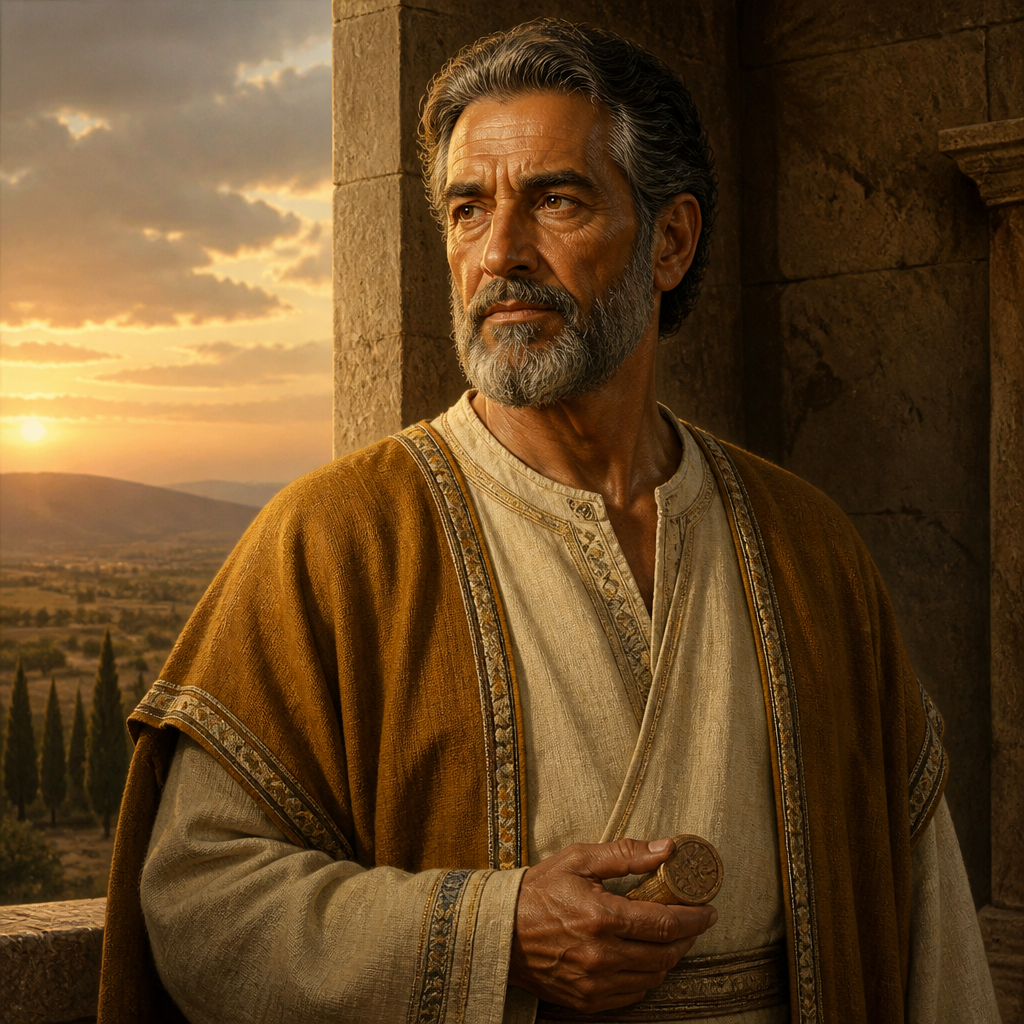
Achbor, Official of King Josiah

Official sent by King Josiah to consult the prophetess Huldah

Oil-painting style portrait of Adaiah, Grandfather of Josiah, Maternal grandfather of King Josiah of Judah
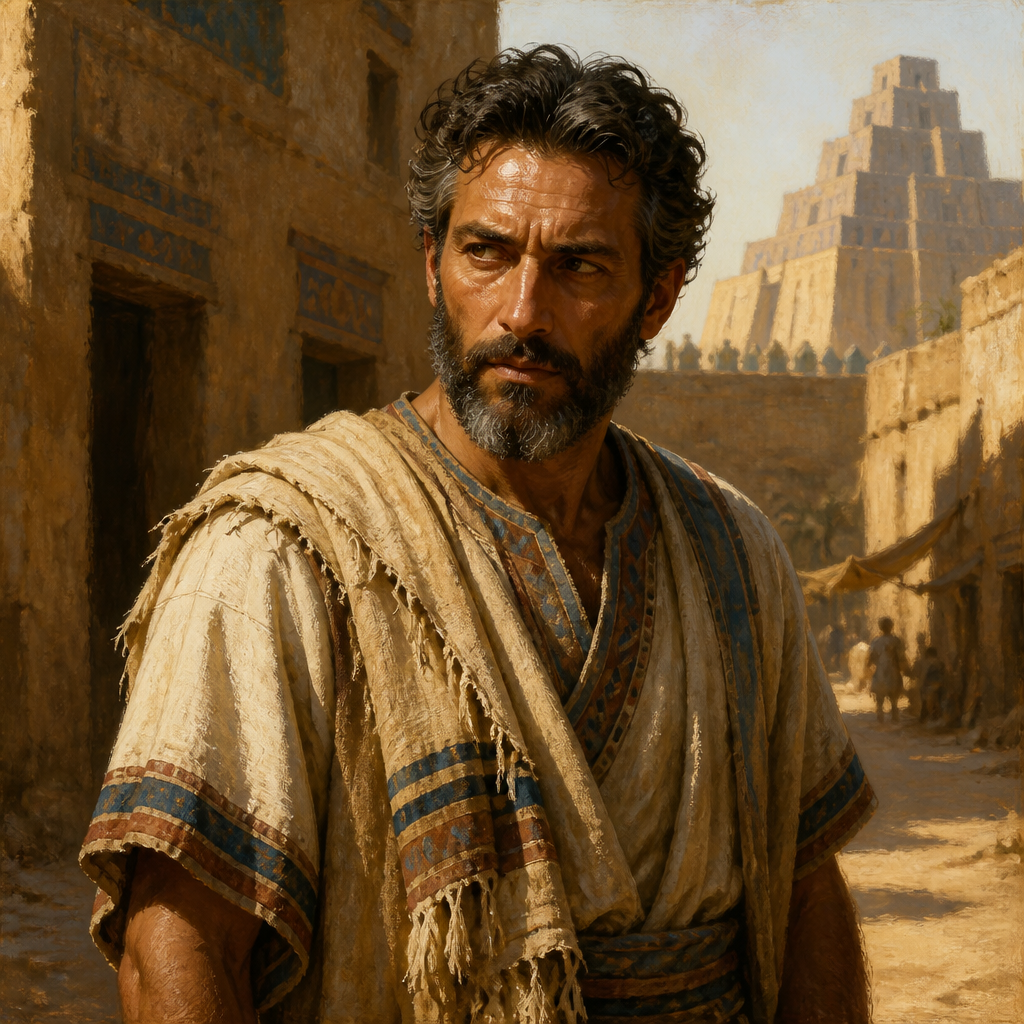
Adaiah, Grandfather of Josiah

Maternal grandfather of King Josiah of Judah
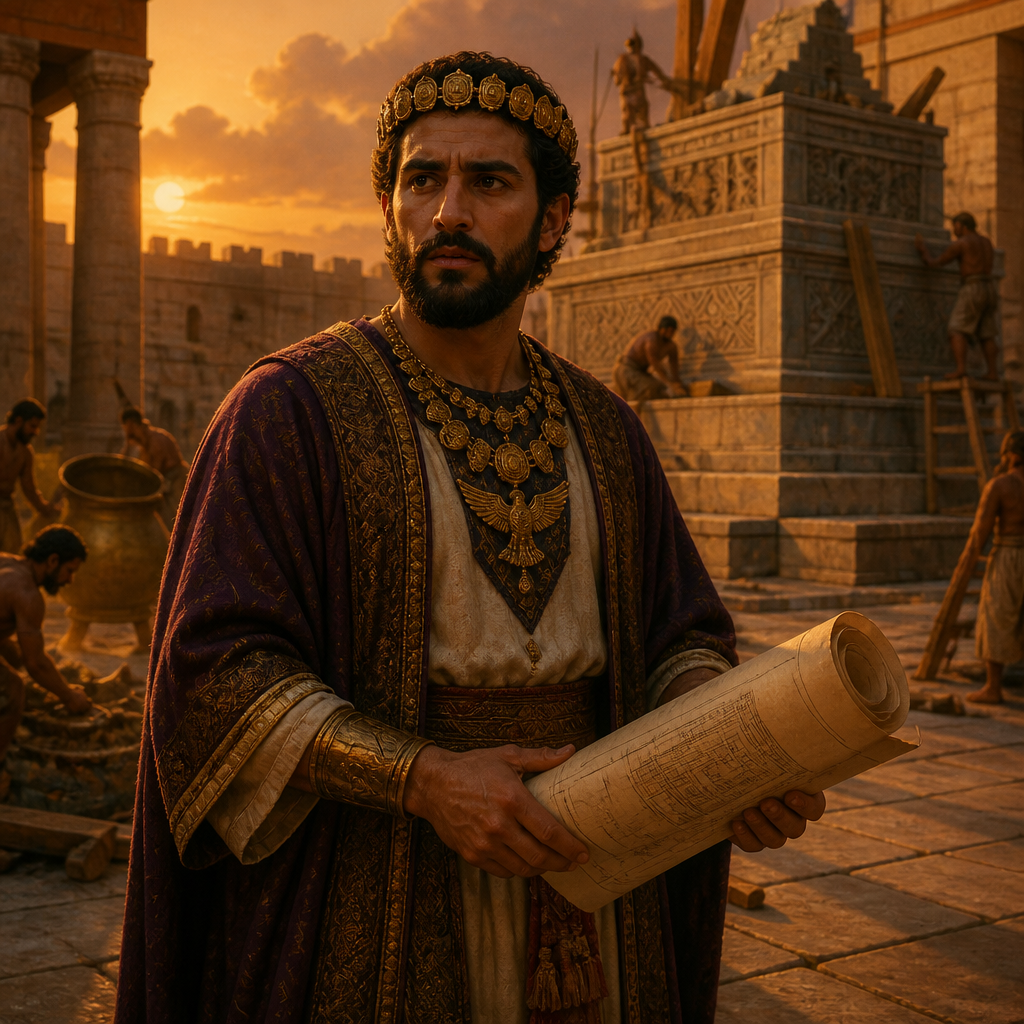
Oil-painting style portrait of Ahab, son of Kolaiah, False prophet in Babylon who was executed by fire

Ahab, son of Kolaiah

False prophet in Babylon who was executed by fire

Oil-painting style portrait of Ahaz, King of Judah, King of Judah who practiced child sacrifice and replaced the Temple altar with a pagan design

Ahaz, King of Judah

King of Judah who practiced child sacrifice and replaced the Temple altar with a pagan design
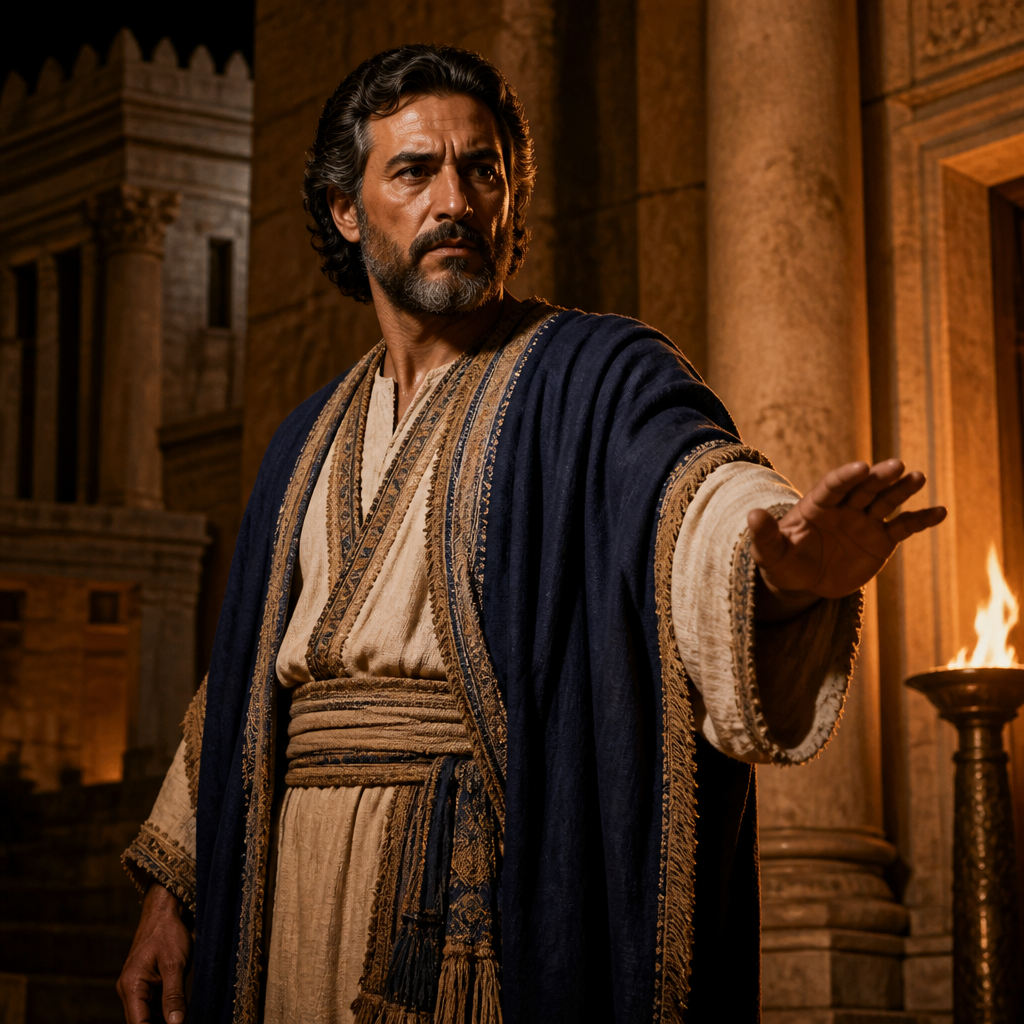
Oil-painting style portrait of Ahikam, Official who protected the prophet Jeremiah from execution

Ahikam

Official who protected the prophet Jeremiah from execution

Oil-painting style portrait of Amon, King of Judah, King of Judah who was assassinated by his servants after a two-year reign of idolatry

Amon, King of Judah

King of Judah who was assassinated by his servants after a two-year reign of idolatry
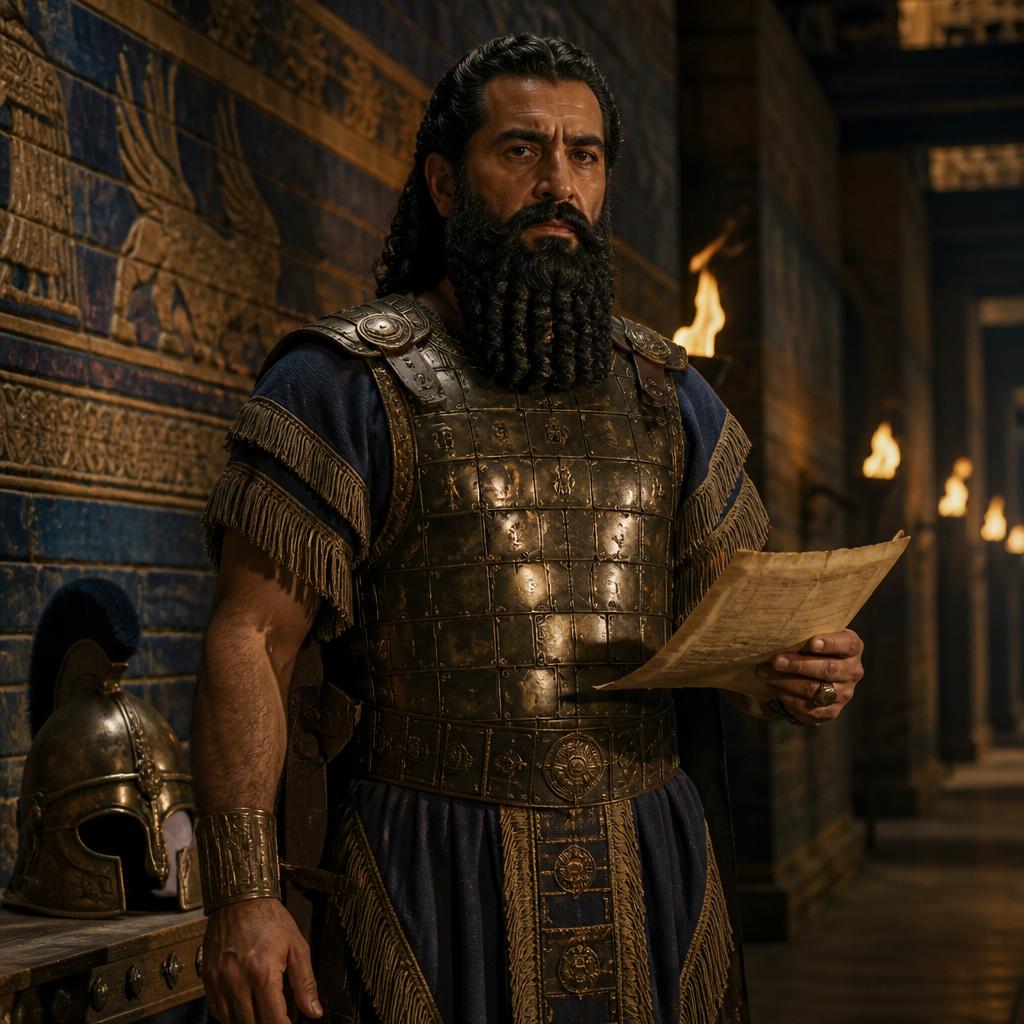
Oil-painting style portrait of Arioch, Commander of the King’s Guard, Babylonian commander who facilitated Daniel’s interpretation of Nebuchadnezzar’s dream

Arioch, Commander of the King’s Guard

Babylonian commander who facilitated Daniel’s interpretation of Nebuchadnezzar’s dream
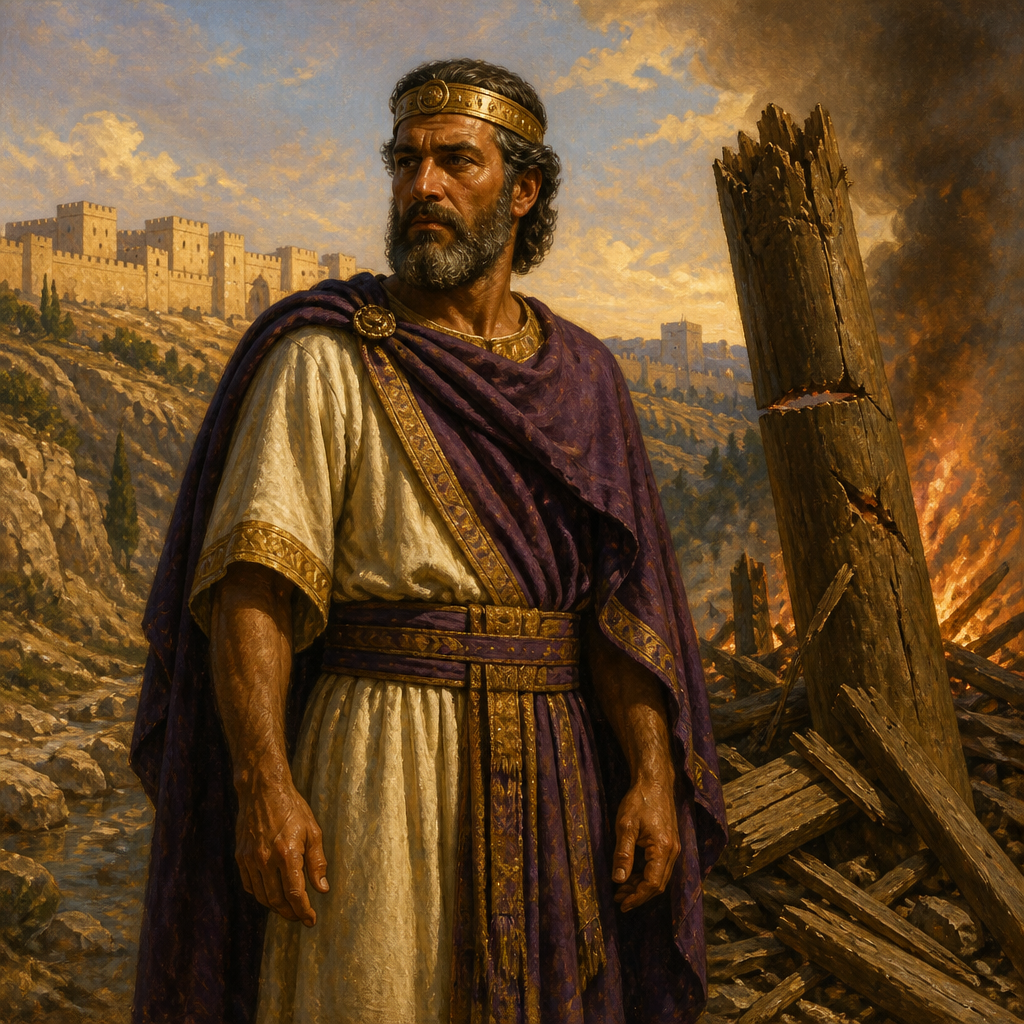
Oil-painting style portrait of Asa, King of Judah, King of Judah who removed idols and defeated the million-man Cushite army
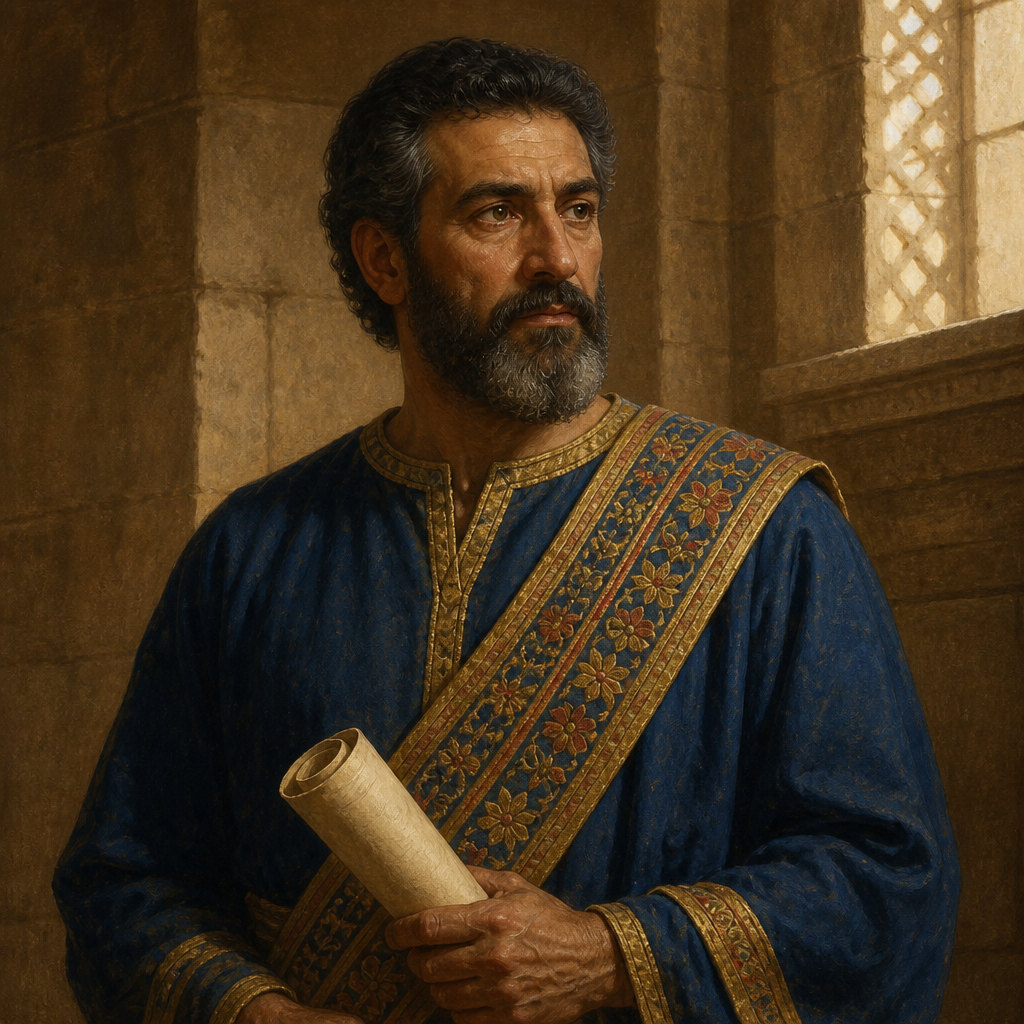
Asa, King of Judah

King of Judah who removed idols and defeated the million-man Cushite army

Oil-painting style portrait of Asaiah, Servant of King Josiah, Royal official who accompanied Hilkiah to consult the prophetess Huldah regarding the Book of the Law
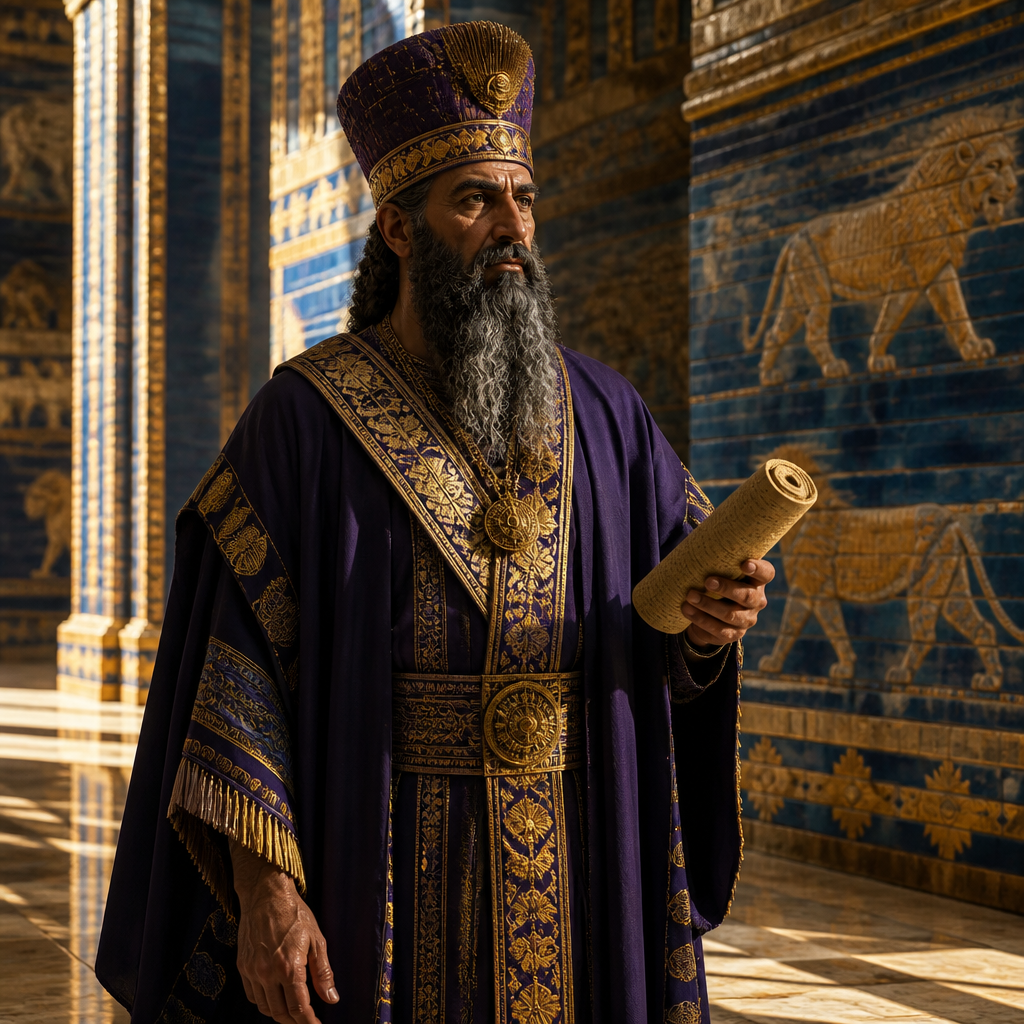
Asaiah, Servant of King Josiah

Royal official who accompanied Hilkiah to consult the prophetess Huldah regarding the Book of the Law

Oil-painting style portrait of Ashpenaz, Chief court official who selected Daniel and the Hebrew youths for service in Babylon
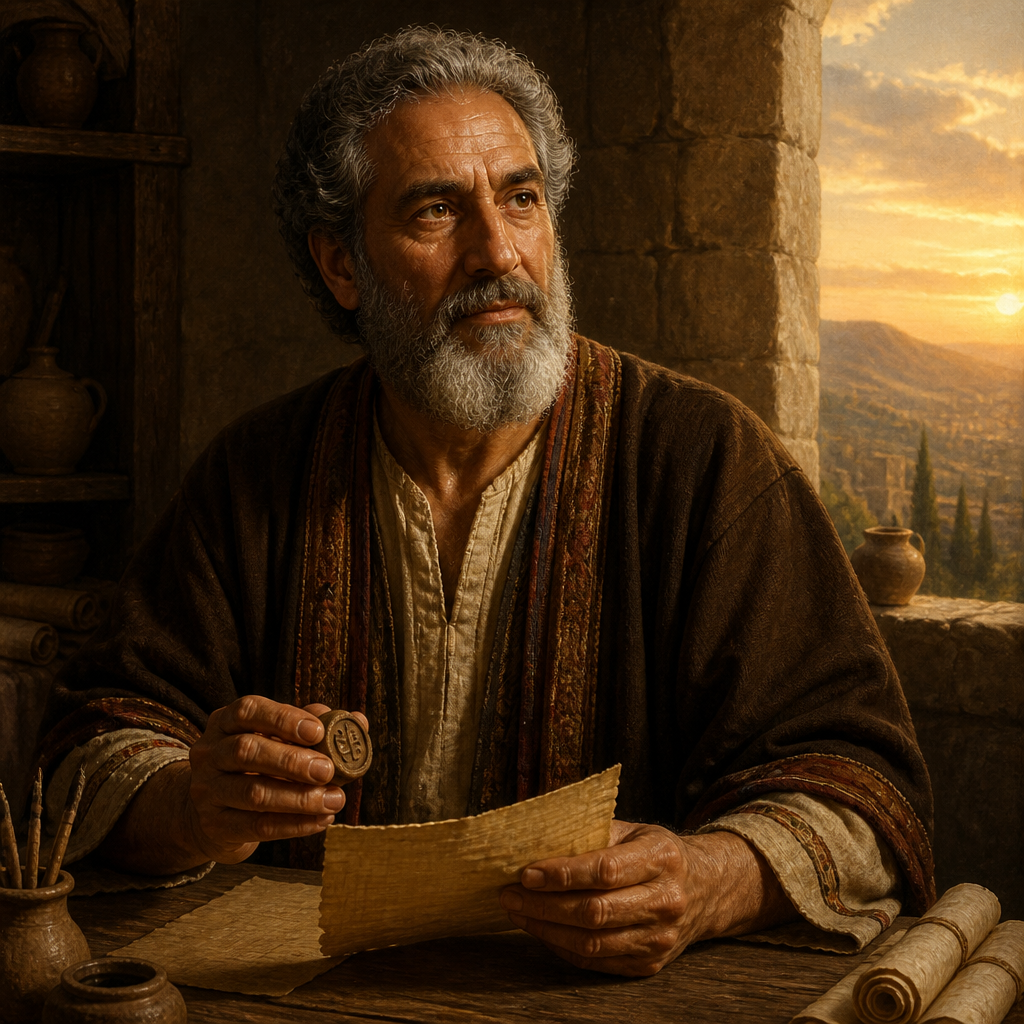
Ashpenaz

Chief court official who selected Daniel and the Hebrew youths for service in Babylon
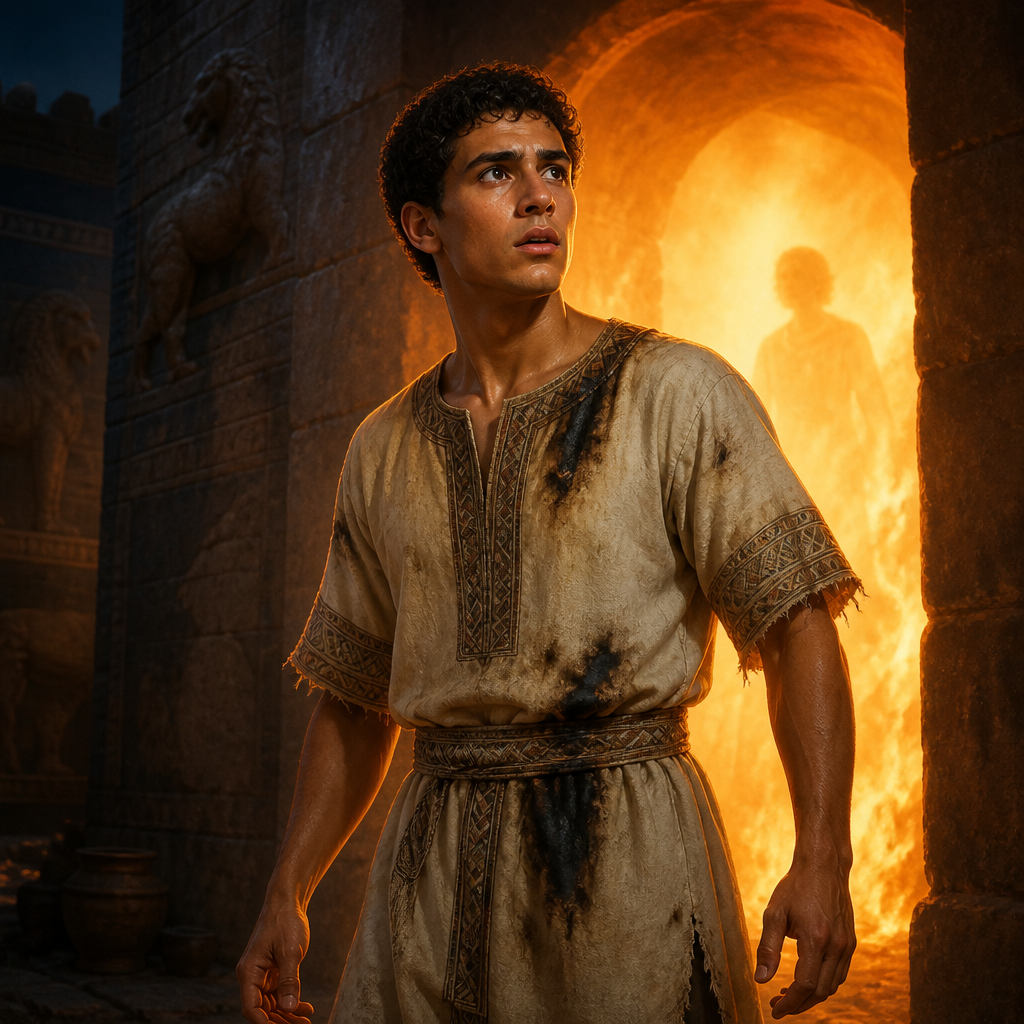
Oil-painting style portrait of Azaliah, father of Shaphan the scribe

Azaliah

father of Shaphan the scribe

Oil-painting style portrait of Azariah, Companion of Daniel, Youth who survived the fiery furnace with Shadrach and Meshach
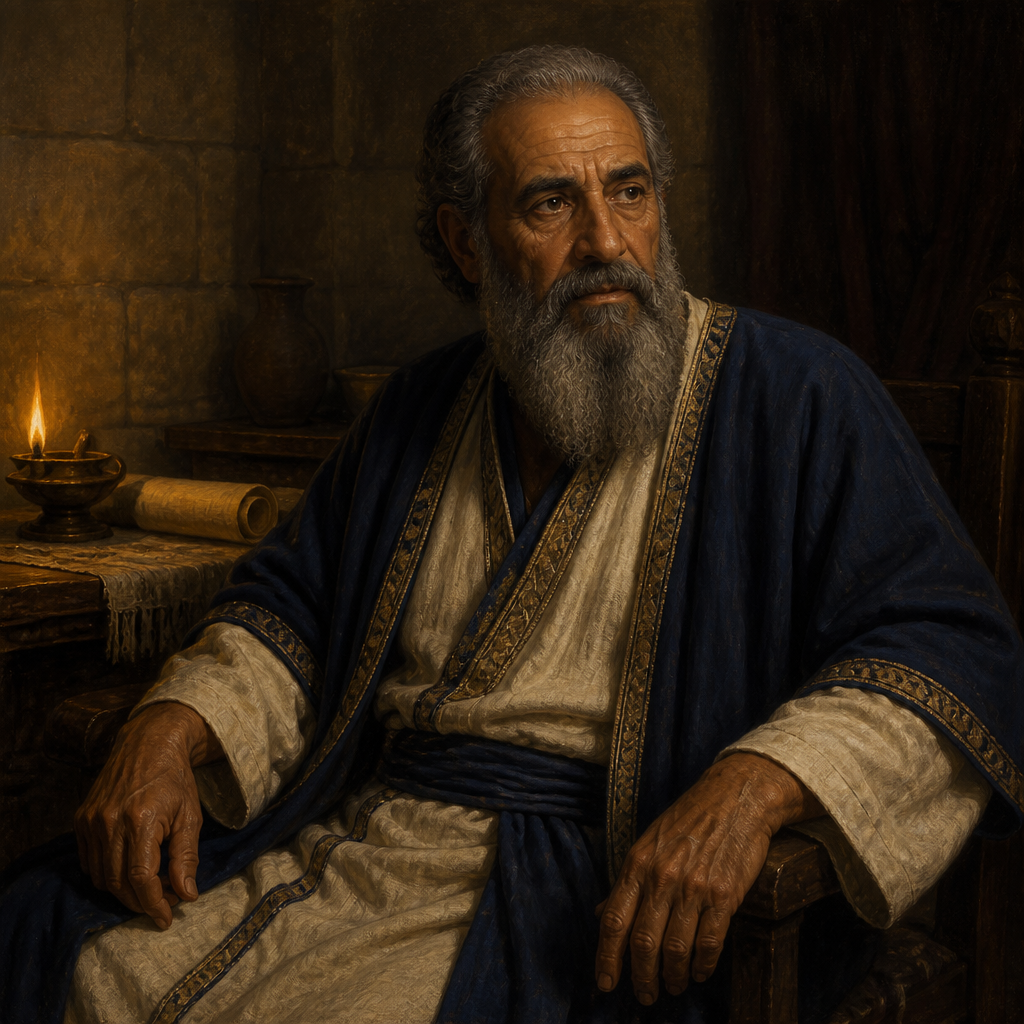
Azariah, Companion of Daniel

Youth who survived the fiery furnace with Shadrach and Meshach

Oil-painting style portrait of Azriel, Father of Seraiah, Father of Seraiah, an officer ordered by King Jehoiakim to arrest the prophet Jeremiah

Azriel, Father of Seraiah

Father of Seraiah, an officer ordered by King Jehoiakim to arrest the prophet Jeremiah
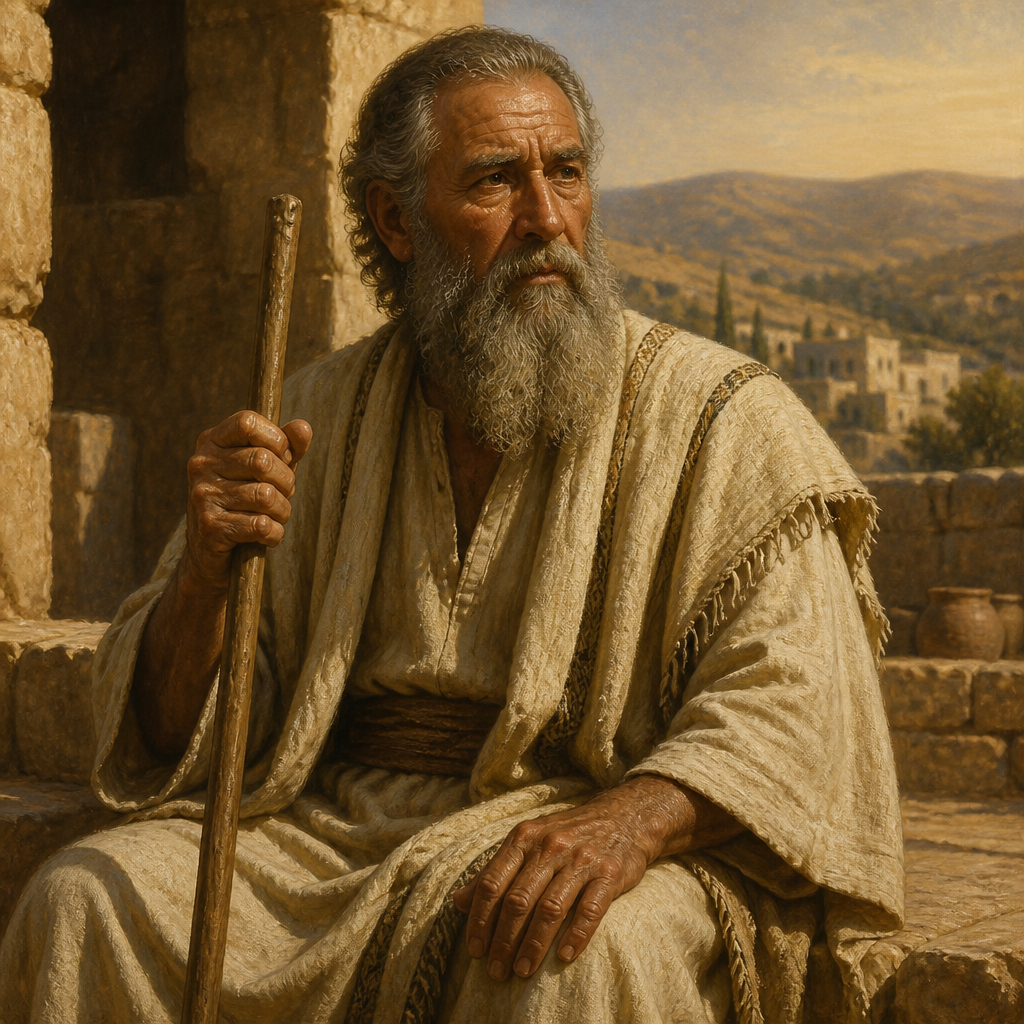
Oil-painting style portrait of Azzur, Father of Hananiah, father of the Gibeonite prophet Hananiah

Azzur, Father of Hananiah

father of the Gibeonite prophet Hananiah

Oil-painting style portrait of Azzur, Father of Jaazaniah, father of Jaazaniah who was a corrupt leader in Jerusalem during Ezekiel's vision

Azzur, Father of Jaazaniah

father of Jaazaniah who was a corrupt leader in Jerusalem during Ezekiel's vision
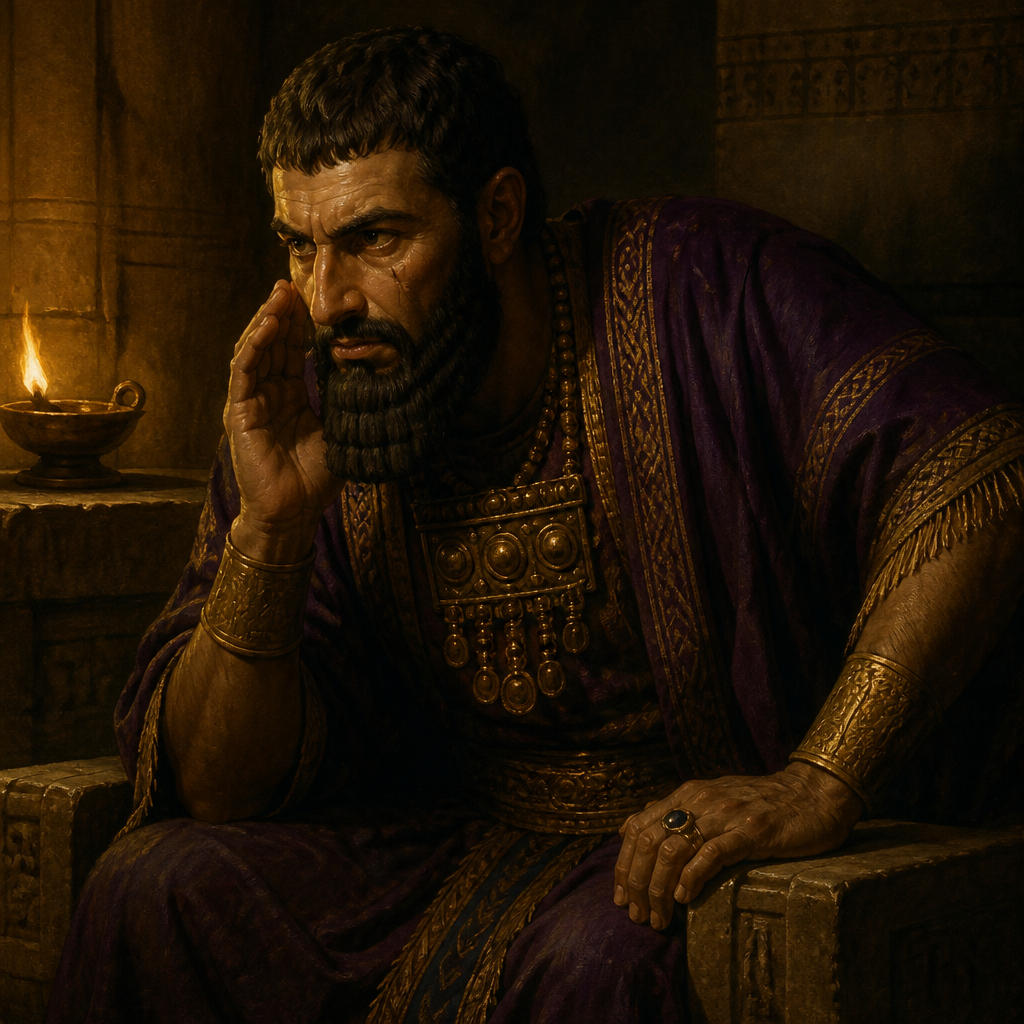
Oil-painting style portrait of Baalis, King of the Ammonites who plotted the assassination of Gedaliah

Baalis

King of the Ammonites who plotted the assassination of Gedaliah

Oil-painting style portrait of Baasha, King of Israel who seized the throne from the house of Jeroboam

Baasha

King of Israel who seized the throne from the house of Jeroboam

Oil-painting style portrait of Baruch, Scribe of Jeremiah, Scribe of the prophet Jeremiah who transcribed and publicly read the prophetic scrolls

Baruch, Scribe of Jeremiah

Scribe of the prophet Jeremiah who transcribed and publicly read the prophetic scrolls
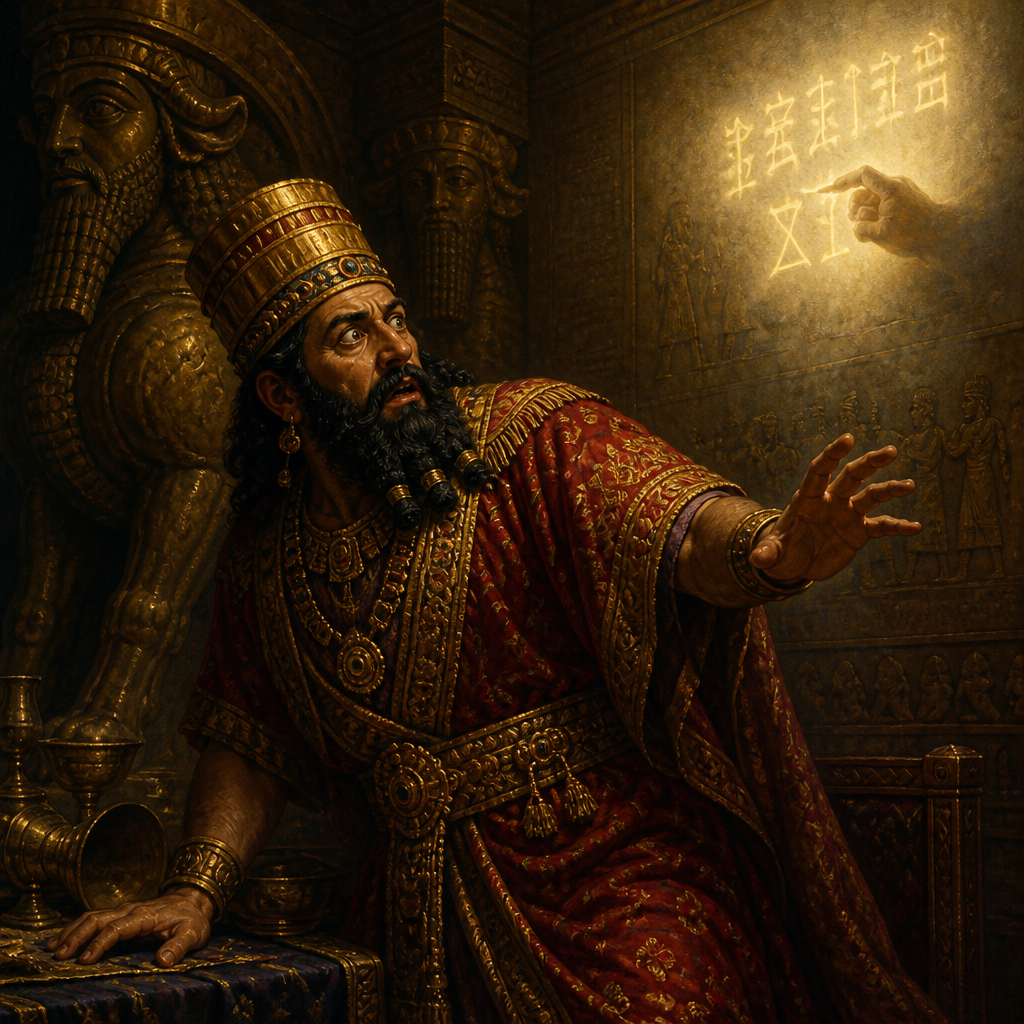
Oil-painting style portrait of Belshazzar, King of Babylon who saw the supernatural writing on the wall during a sacrilegious feast

Belshazzar

King of Babylon who saw the supernatural writing on the wall during a sacrilegious feast
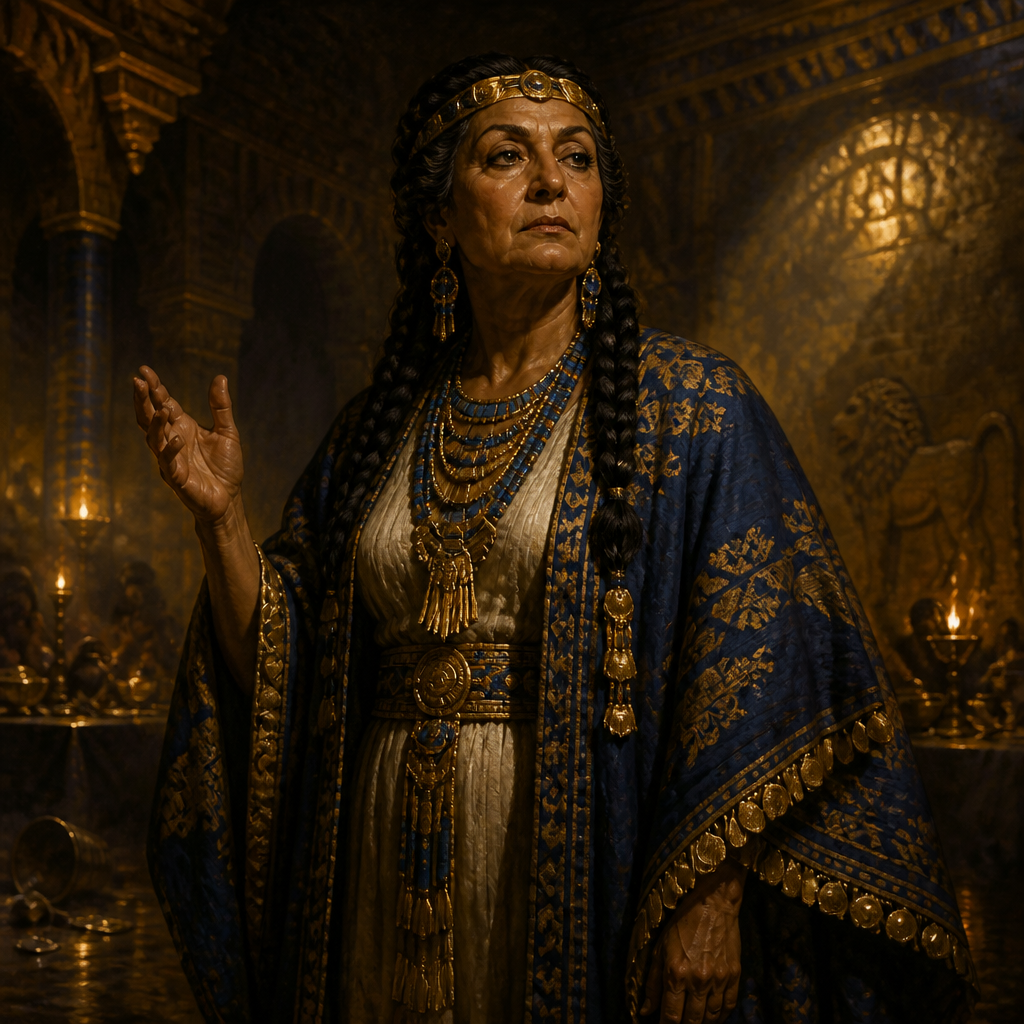
Oil-painting style portrait of Belshazzar's Queen, Queen who advised King Belshazzar to summon Daniel to interpret the writing on the wall

Belshazzar's Queen

Queen who advised King Belshazzar to summon Daniel to interpret the writing on the wall
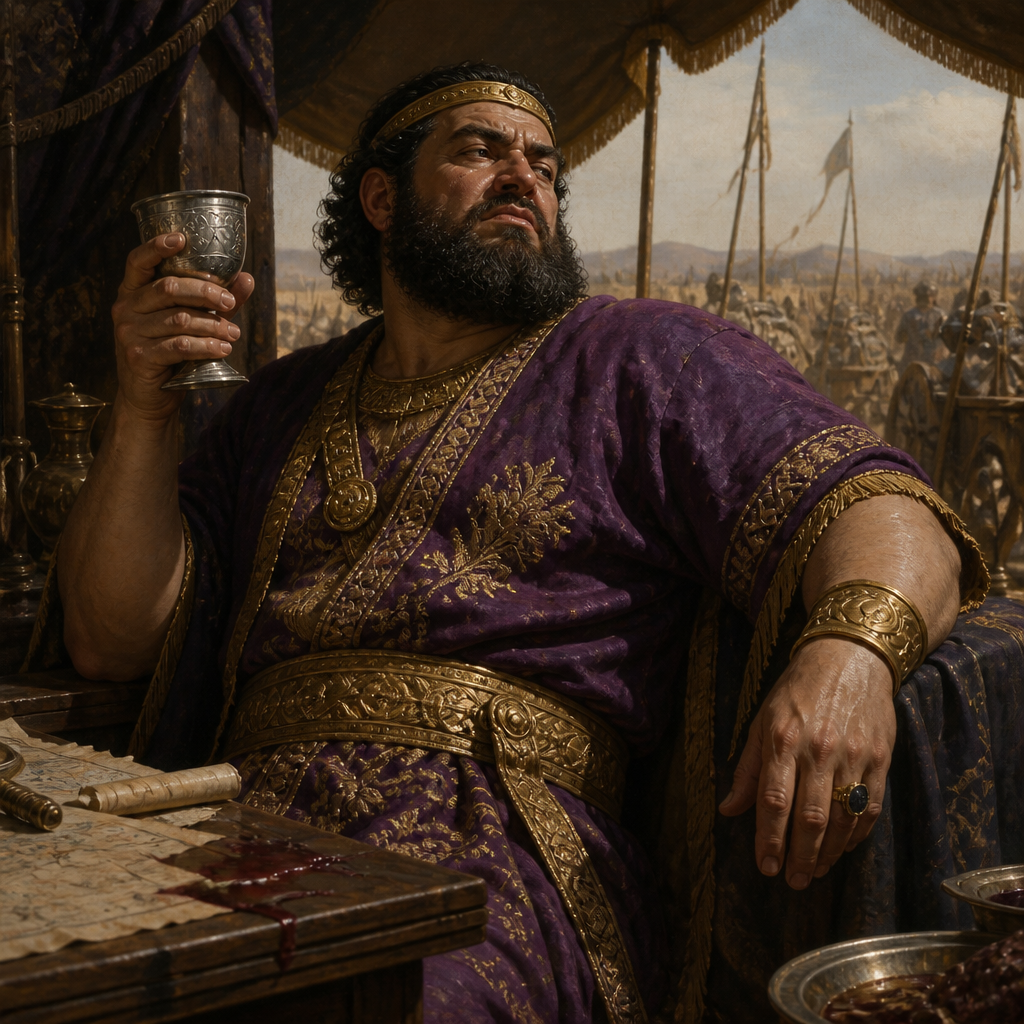
Oil-painting style portrait of Ben-hadad, Son of Tabrimmon, Aramean king who besieged Samaria and was defeated at Aphek
Ben-hadad, Son of Tabrimmon

Aramean king who besieged Samaria and was defeated at Aphek

Oil-painting style portrait of Benaiah, Father of Pelatiah, Father of Pelatiah, a leader of Jerusalem whose death was witnessed by Ezekiel in a vision

Benaiah, Father of Pelatiah

Father of Pelatiah, a leader of Jerusalem whose death was witnessed by Ezekiel in a vision
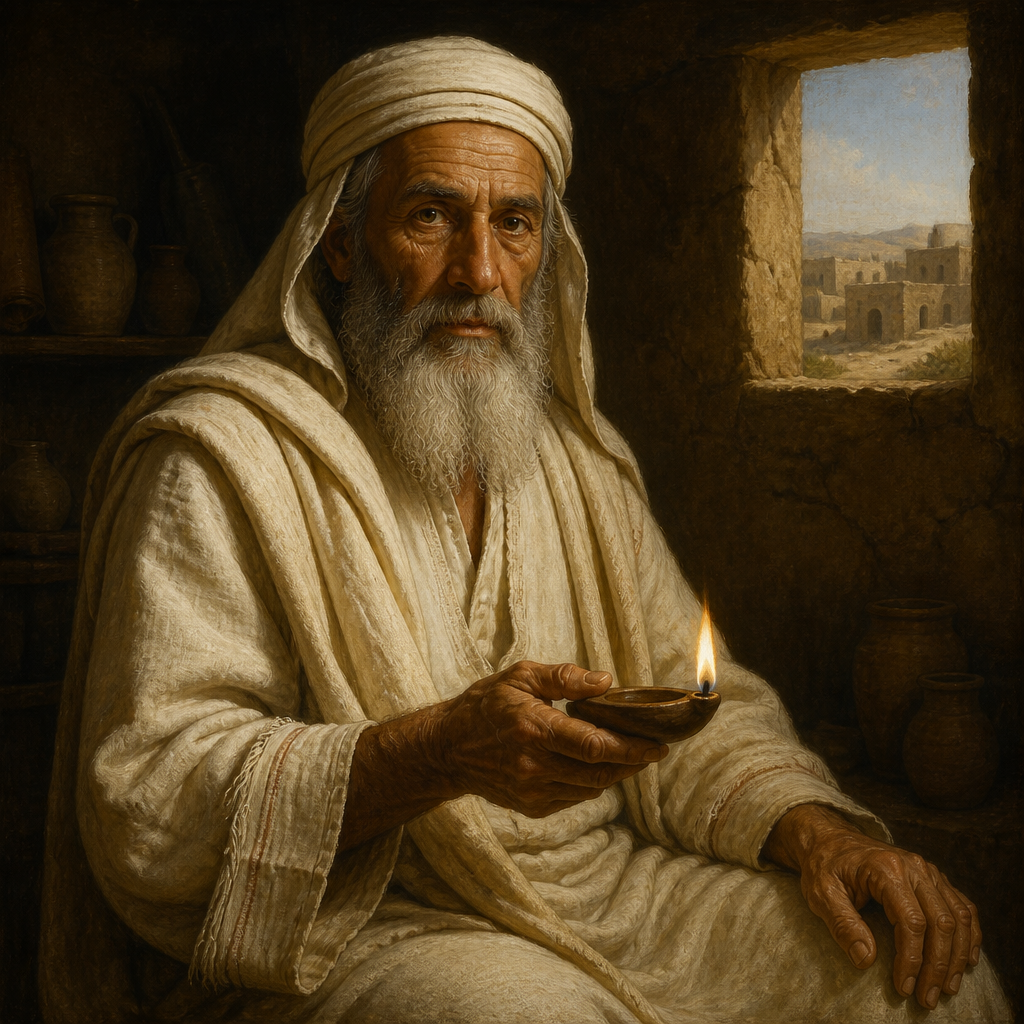
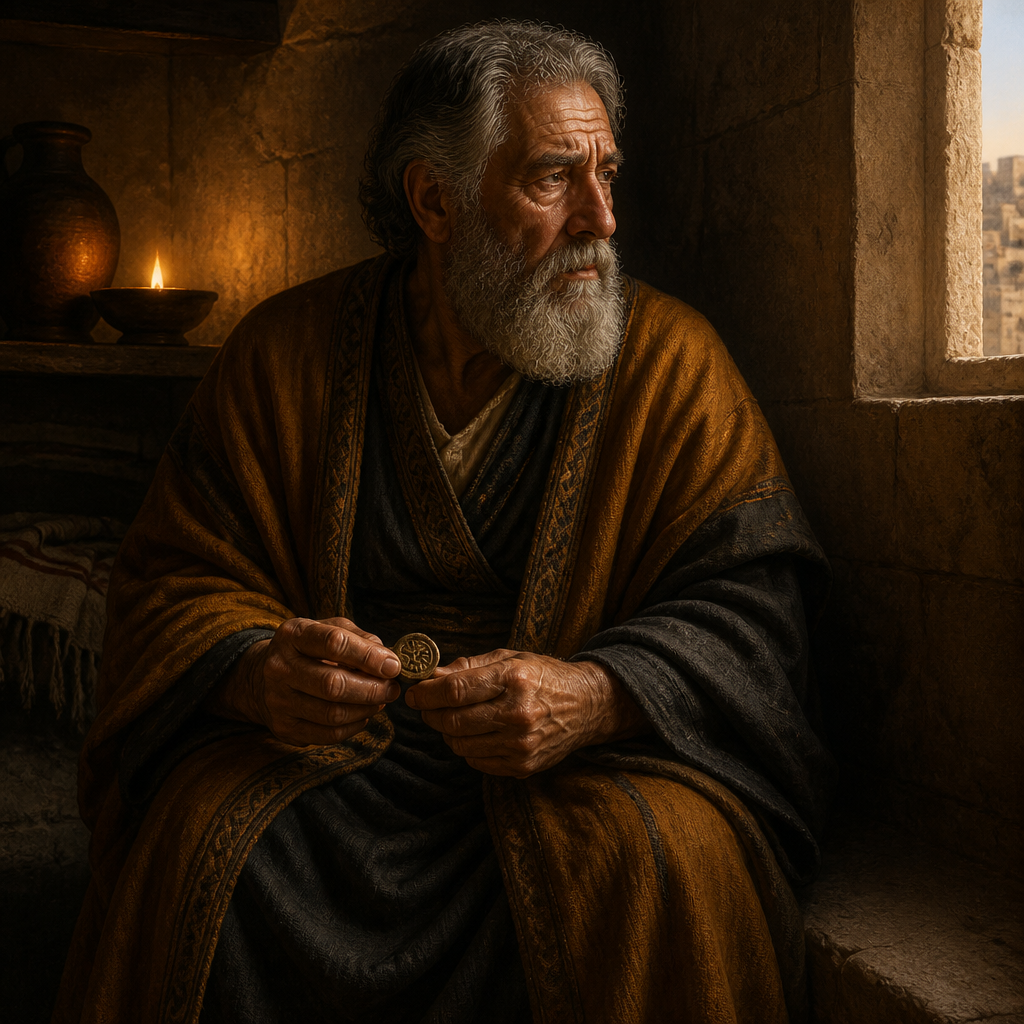
Oil-painting style portrait of Buzi, father of the prophet Ezekiel

Buzi

father of the prophet Ezekiel

Oil-painting style portrait of Conaniah, Levite officer who managed temple tithes under Hezekiah and donated livestock for Josiah’s Passover
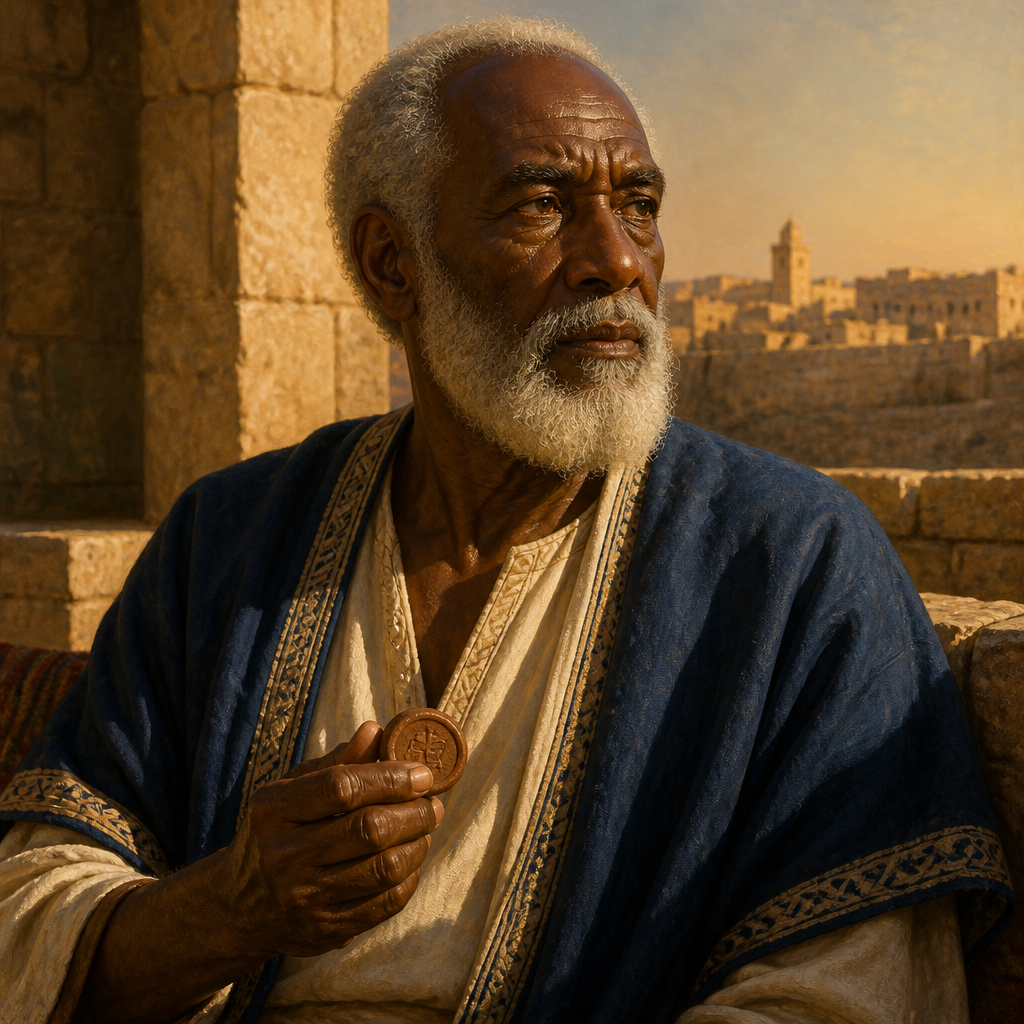
Conaniah

Levite officer who managed temple tithes under Hezekiah and donated livestock for Josiah’s Passover

Oil-painting style portrait of Cushi, Great-Grandfather of Jehudi, Patriarch of a family of Judean officials mentioned in the book of Jeremiah

Cushi, Great-Grandfather of Jehudi

Patriarch of a family of Judean officials mentioned in the book of Jeremiah
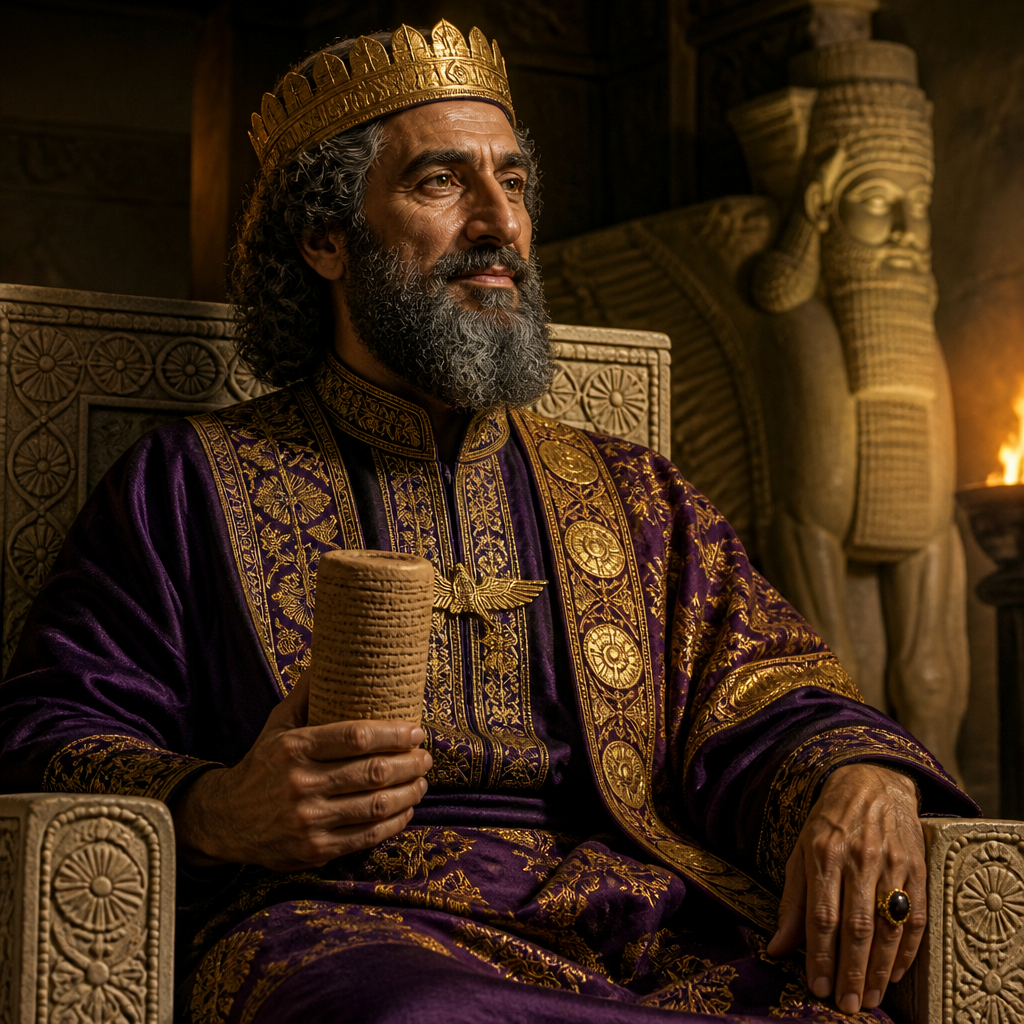
Oil-painting style portrait of Cyrus, Persian king who issued the decree allowing the Jews to return from exile and rebuild the Temple

Cyrus

Persian king who issued the decree allowing the Jews to return from exile and rebuild the Temple
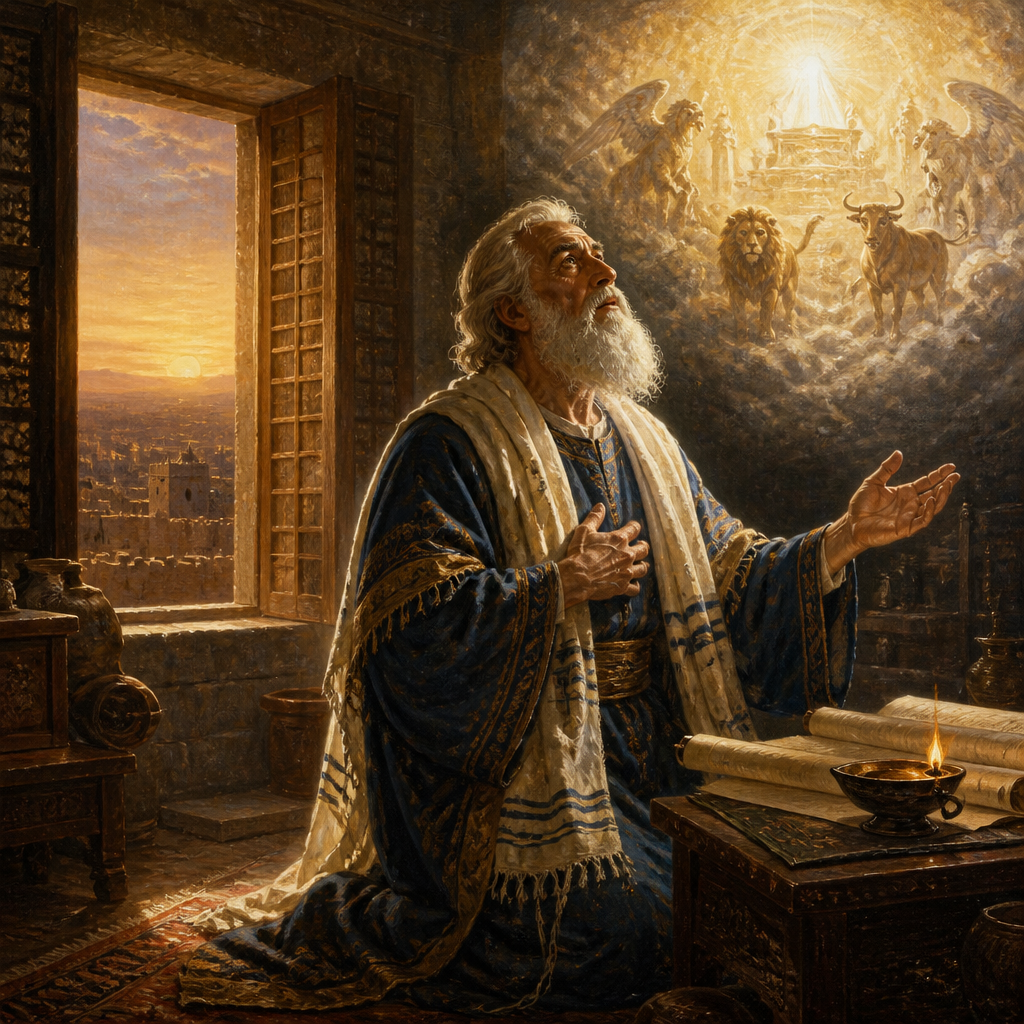
Oil-painting style symbolic depiction of Daniel, Prophet of the Exile, a figure seen in prophetic vision

Daniel, Prophet of the Exile

Prophet who survived the lions' den and interpreted the handwriting on the wall
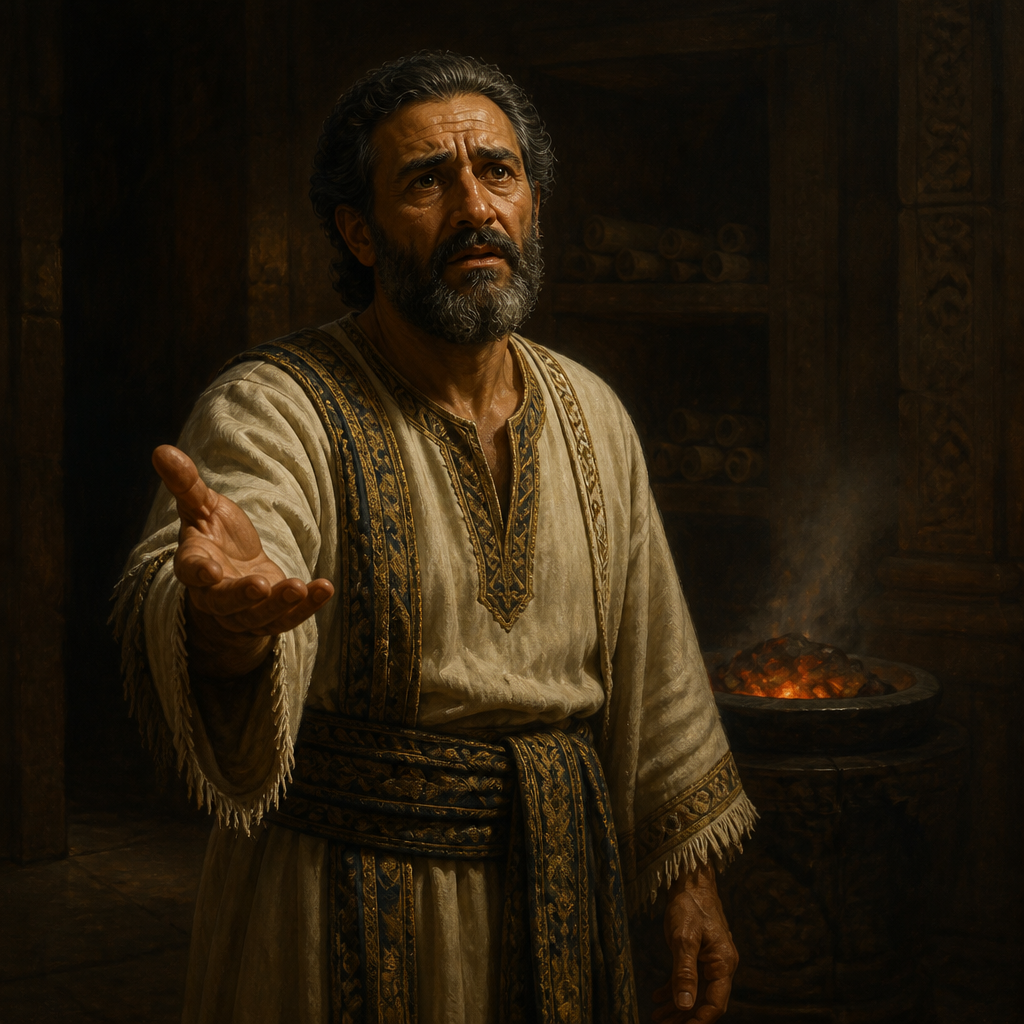
Oil-painting style portrait of Delaiah, Official of King Jehoiakim, official who pleaded with King Jehoiakim not to burn Jeremiah's scroll

Delaiah, Official of King Jehoiakim

official who pleaded with King Jehoiakim not to burn Jeremiah's scroll
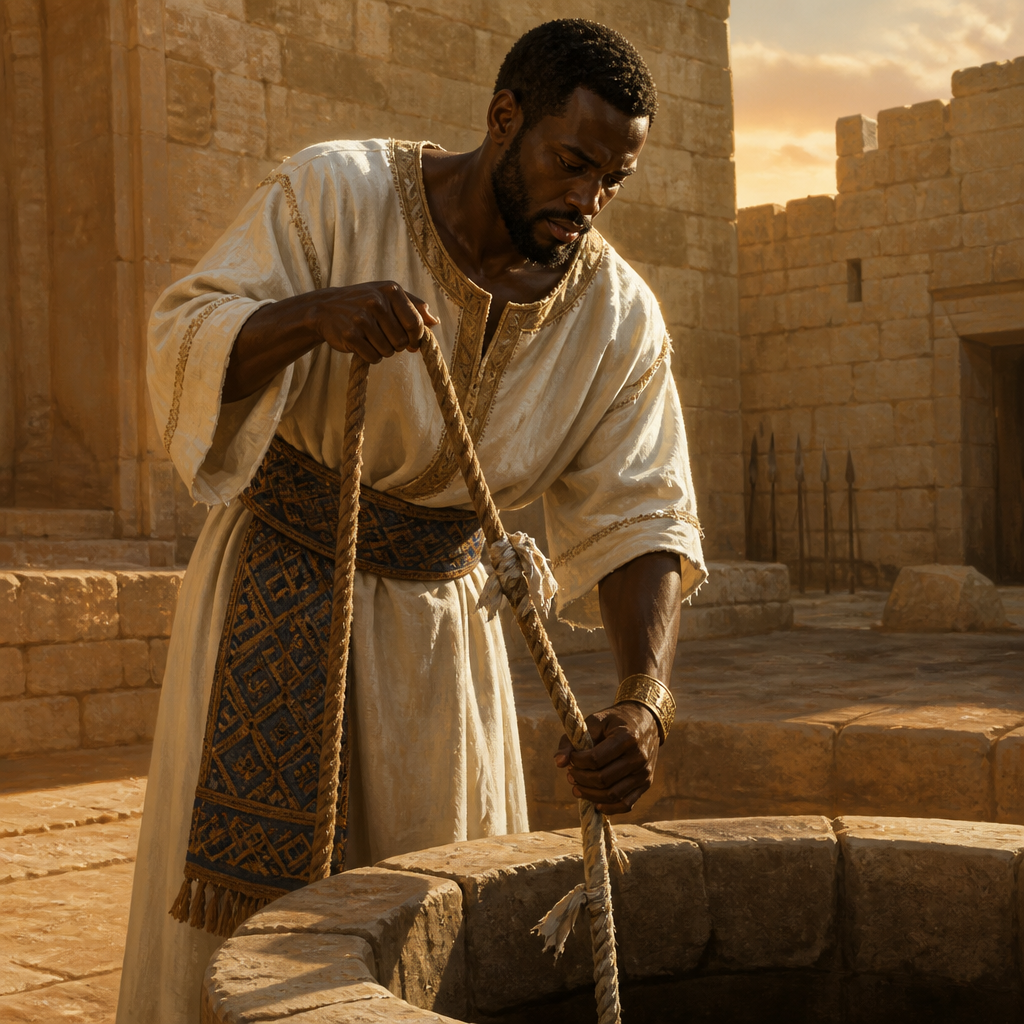
Oil-painting style portrait of Ebed-melech, Cushite official who rescued the prophet Jeremiah from a muddy cistern
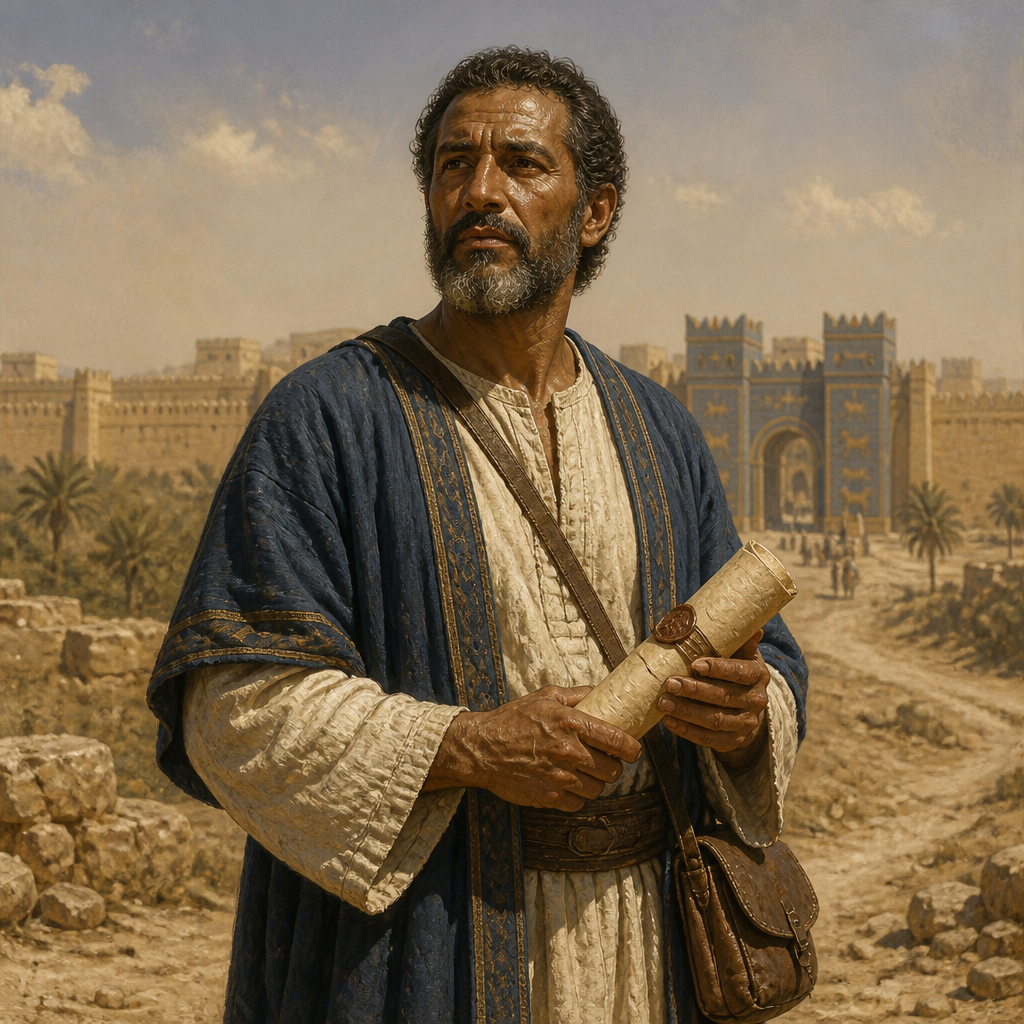
Ebed-melech

Cushite official who rescued the prophet Jeremiah from a muddy cistern

Oil-painting style portrait of Elasah, Son of Shaphan, Royal envoy who delivered Jeremiah's letter to the exiles in Babylon
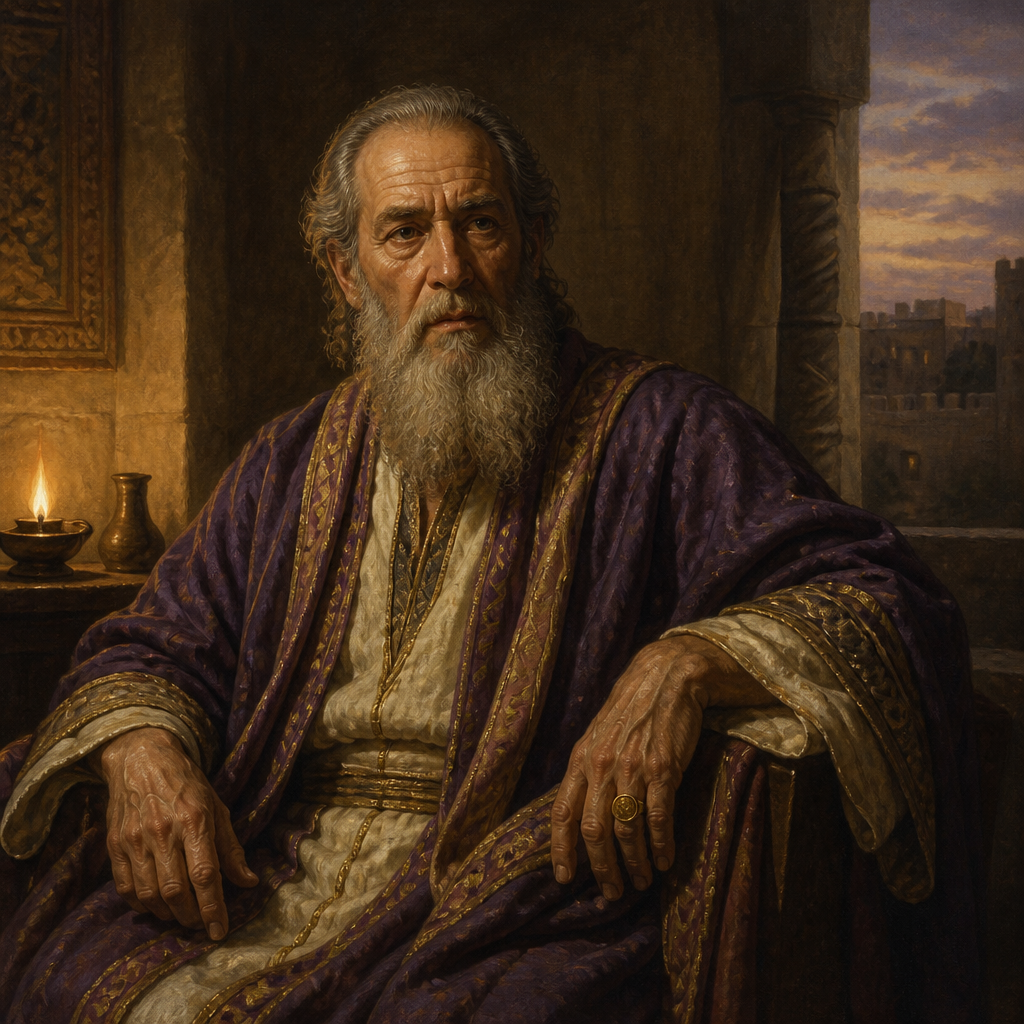
Elasah, Son of Shaphan

Royal envoy who delivered Jeremiah's letter to the exiles in Babylon

Oil-painting style portrait of Elishama, Ancestor of Ishmael, Royal ancestor of Ishmael who assassinated the governor Gedaliah
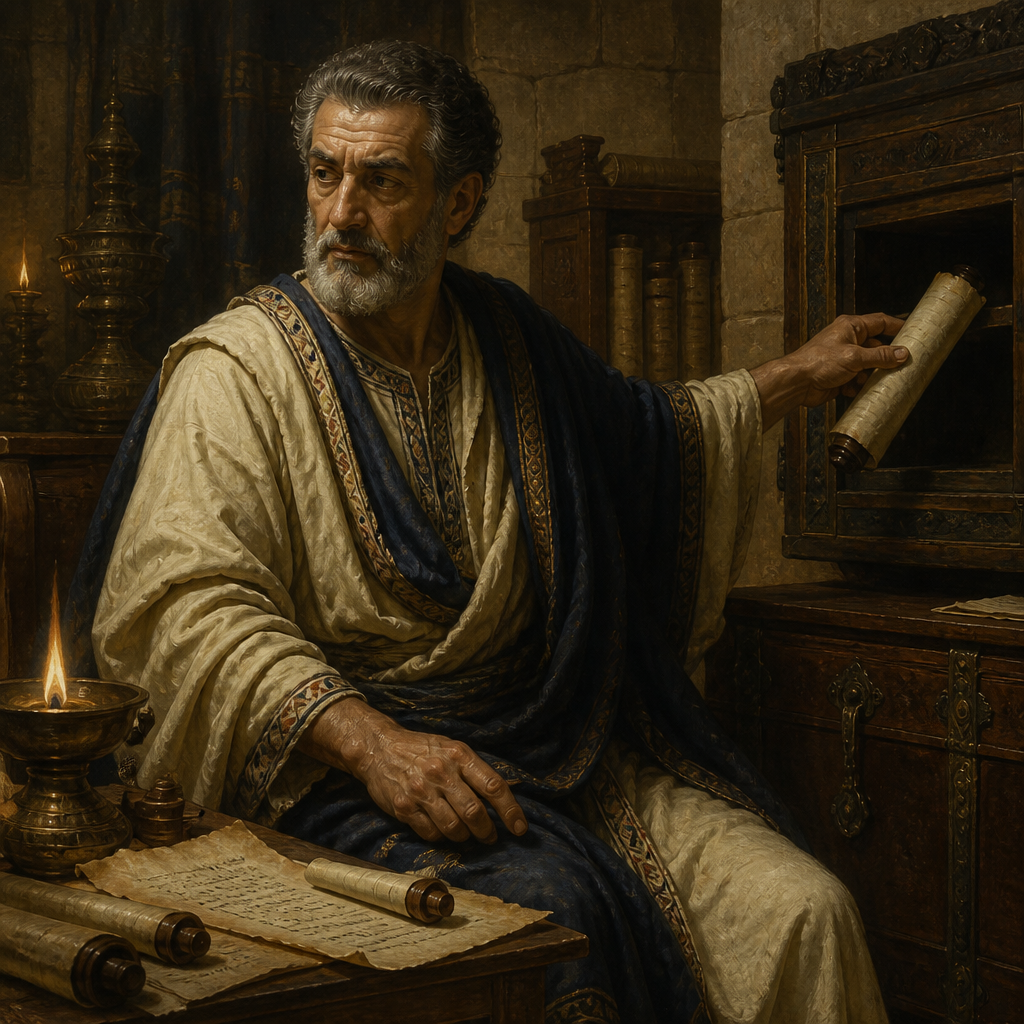
Elishama, Ancestor of Ishmael

Royal ancestor of Ishmael who assassinated the governor Gedaliah

Oil-painting style portrait of Elishama, Scribe of the Divided Monarchy, Royal scribe whose palace chamber was used to store Jeremiah's prophetic scroll

Elishama, Scribe of the Divided Monarchy

Royal scribe whose palace chamber was used to store Jeremiah's prophetic scroll
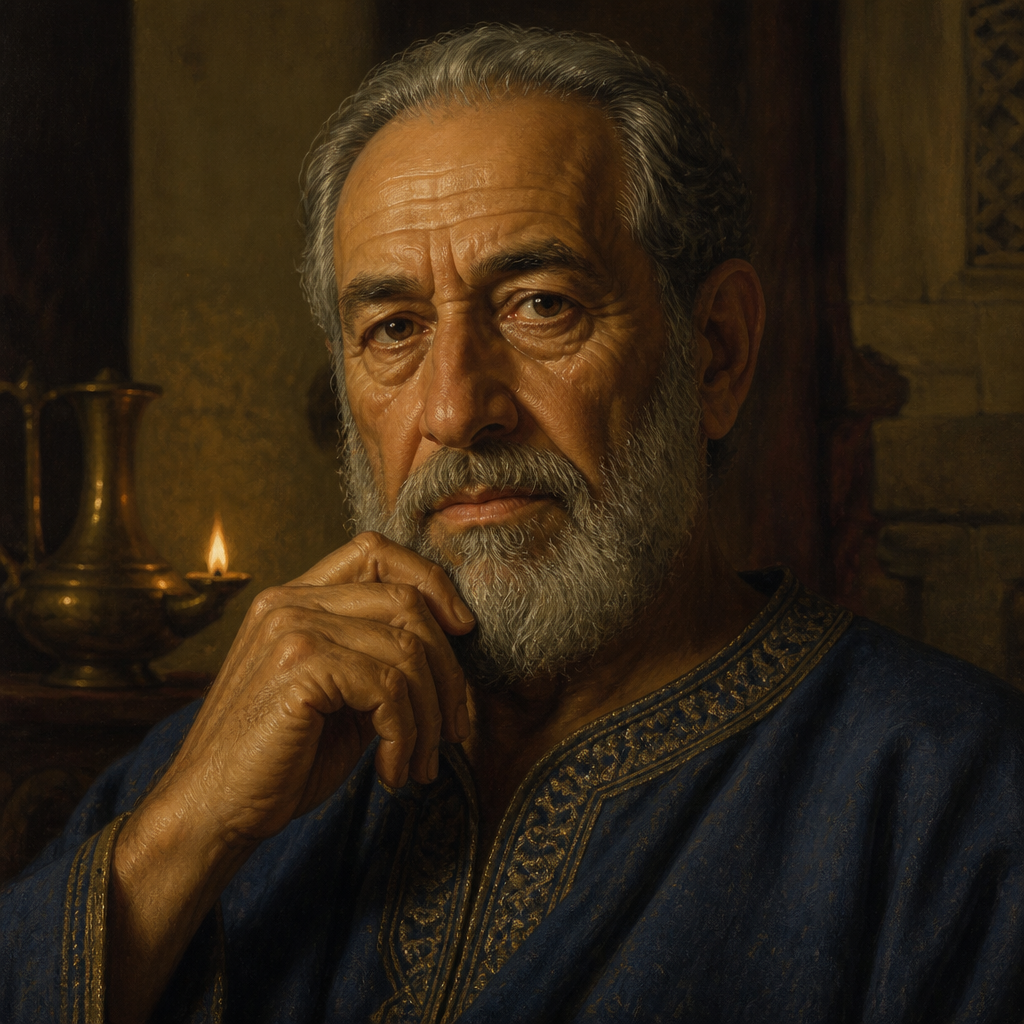
Oil-painting style portrait of Elnathan, Father of Nehushta, father of Nehushta and maternal grandfather of King Jehoiachin
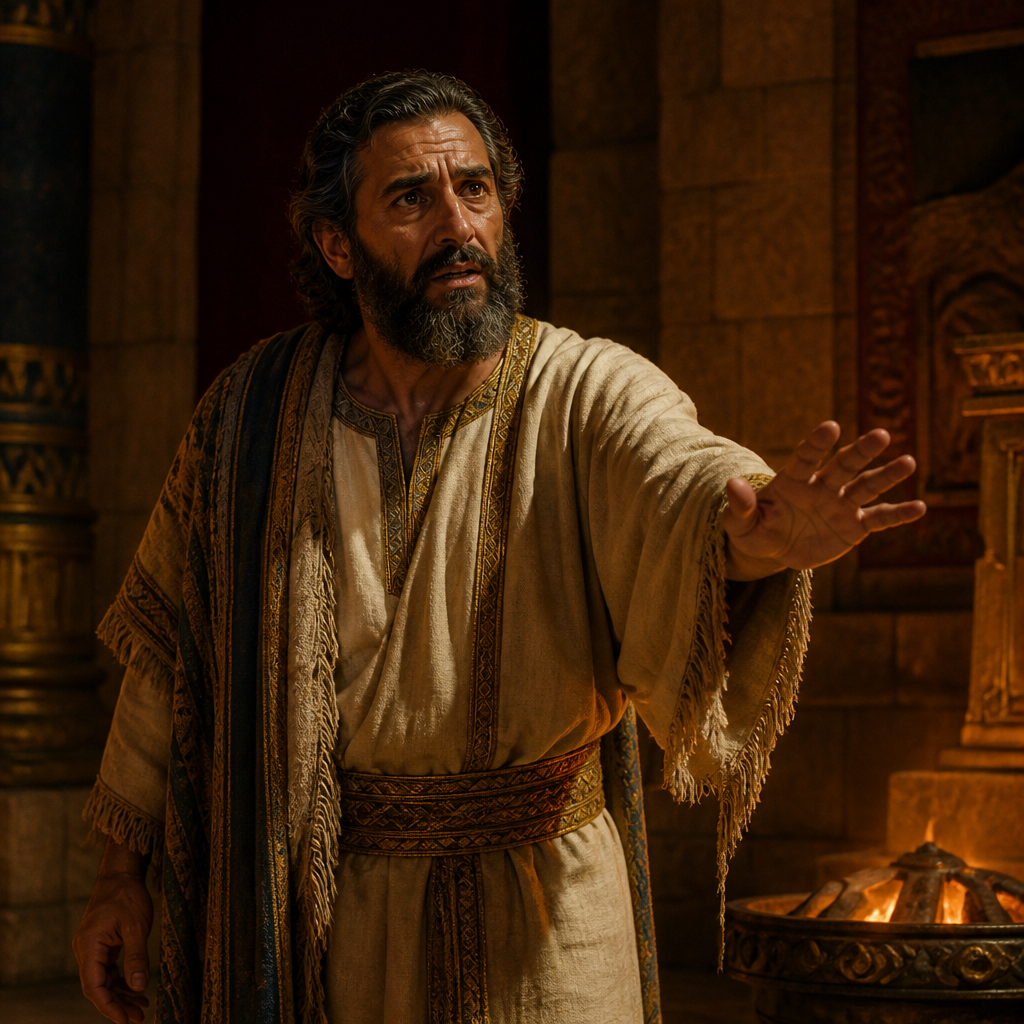
Elnathan, Father of Nehushta

father of Nehushta and maternal grandfather of King Jehoiachin

Oil-painting style portrait of Elnathan, son of Achbor, Official of King Jehoiakim who captured the prophet Uriah and later pleaded for the preservation of Jeremiah's scroll
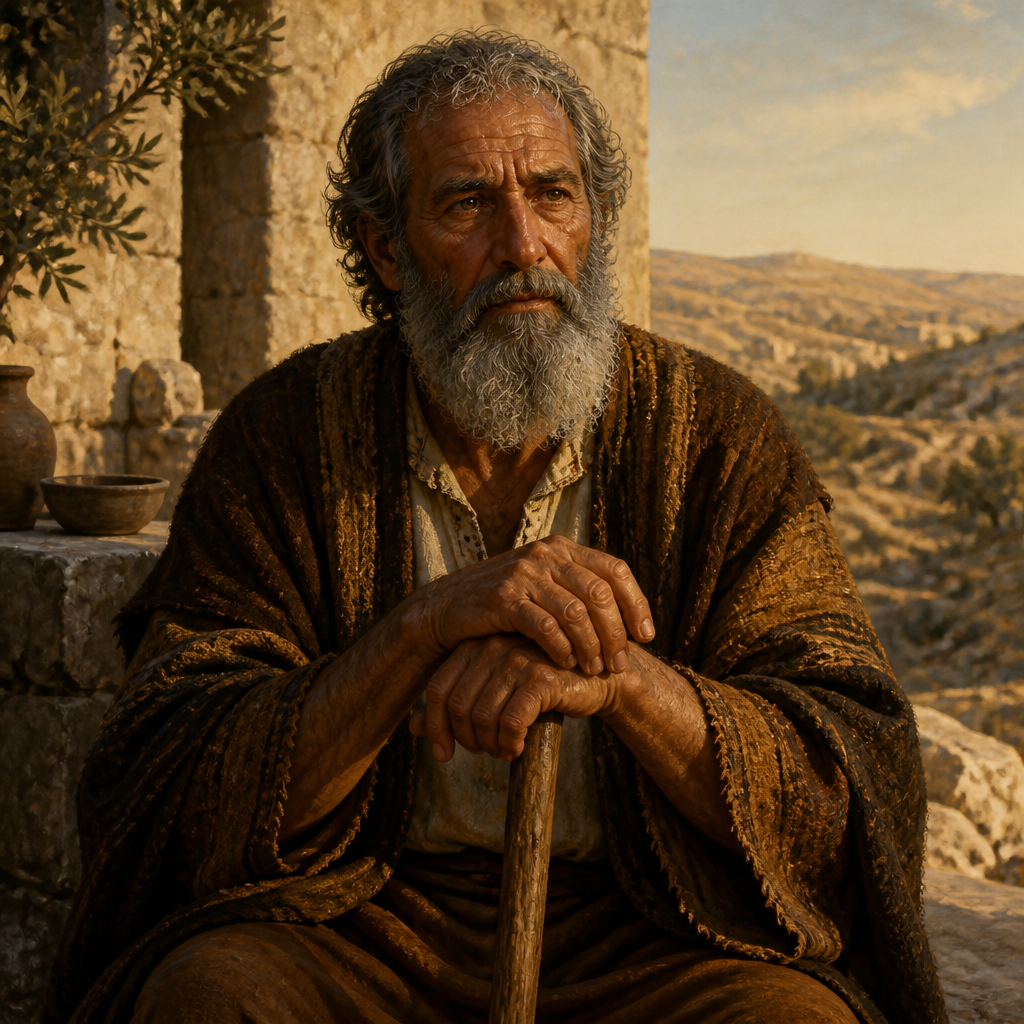
Elnathan, son of Achbor

Official of King Jehoiakim who captured the prophet Uriah and later pleaded for the preservation of Jeremiah's scroll

Oil-painting style portrait of Ephai, Patriarch whose sons were military captains under Governor Gedaliah
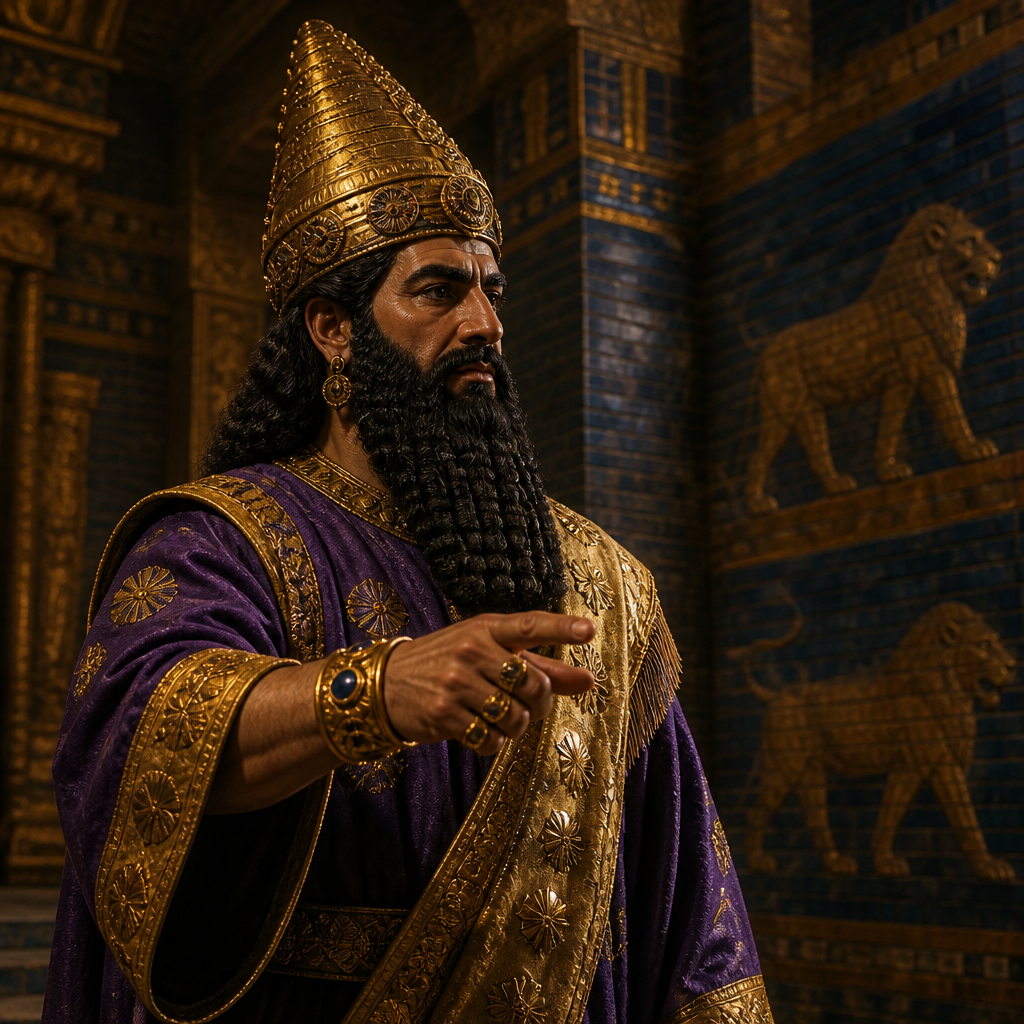
Ephai

Patriarch whose sons were military captains under Governor Gedaliah
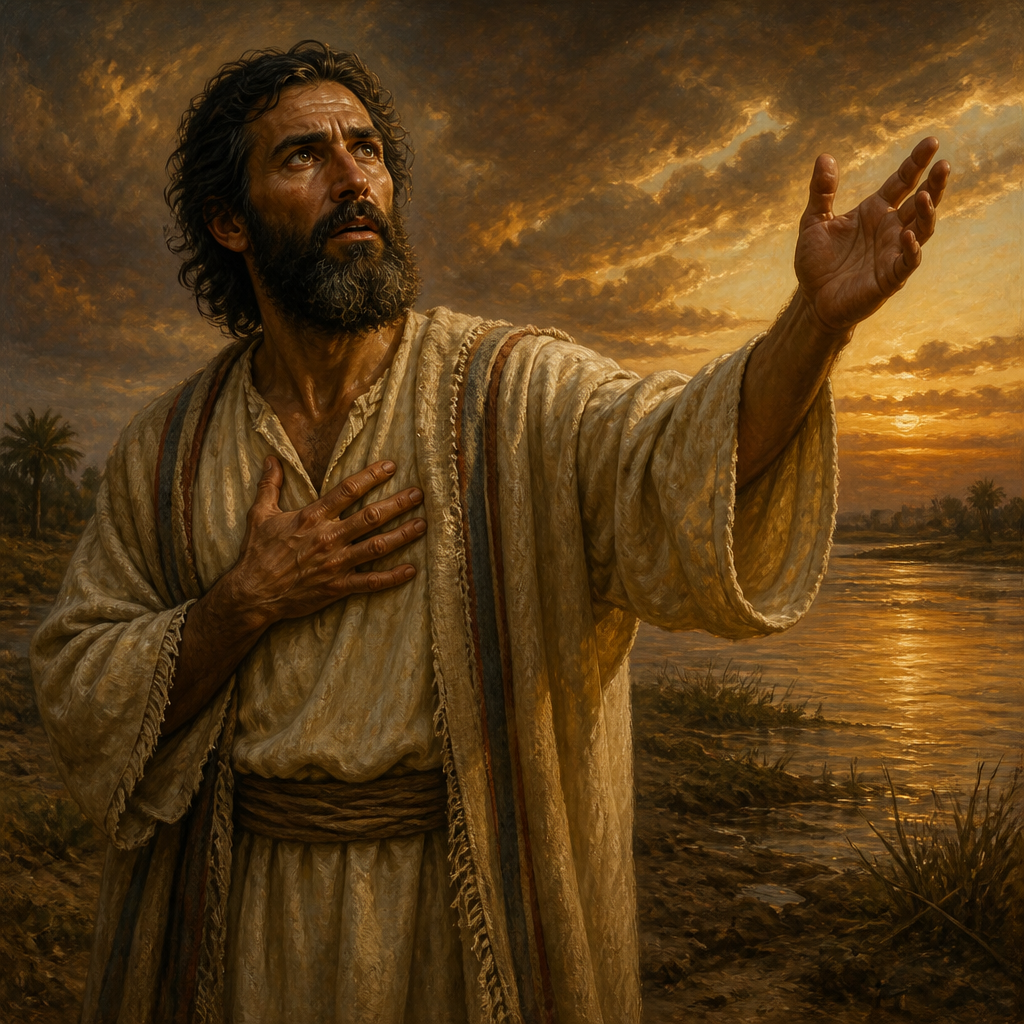
Oil-painting style portrait of Evil-merodach, King of Babylon who released Jehoiachin from prison

Evil-merodach

King of Babylon who released Jehoiachin from prison

Oil-painting style portrait of Ezekiel, Prophet who served as a sign to Israel during the Babylonian Exile
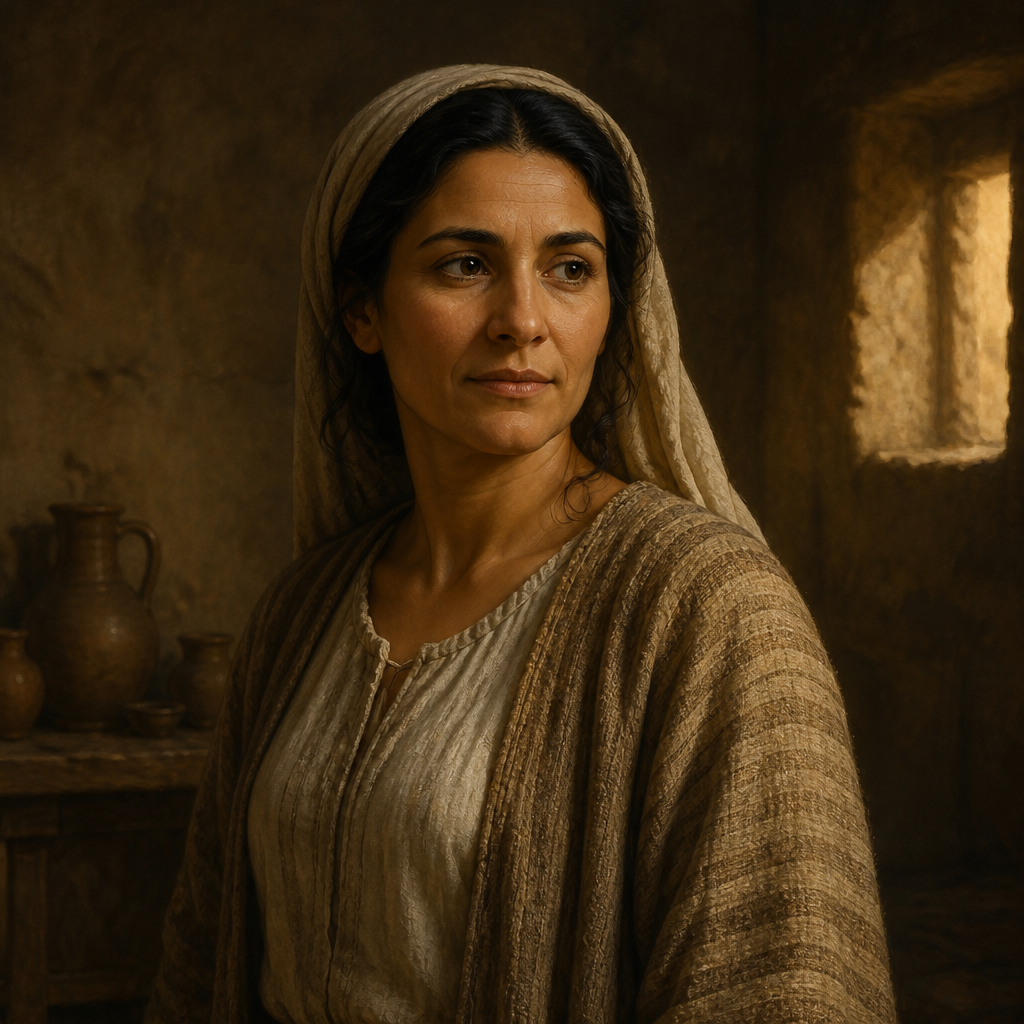
Ezekiel

Prophet who served as a sign to Israel during the Babylonian Exile

Oil-painting style portrait of Ezekiel's Wife, Wife of the prophet Ezekiel whose death was a sign to Israel
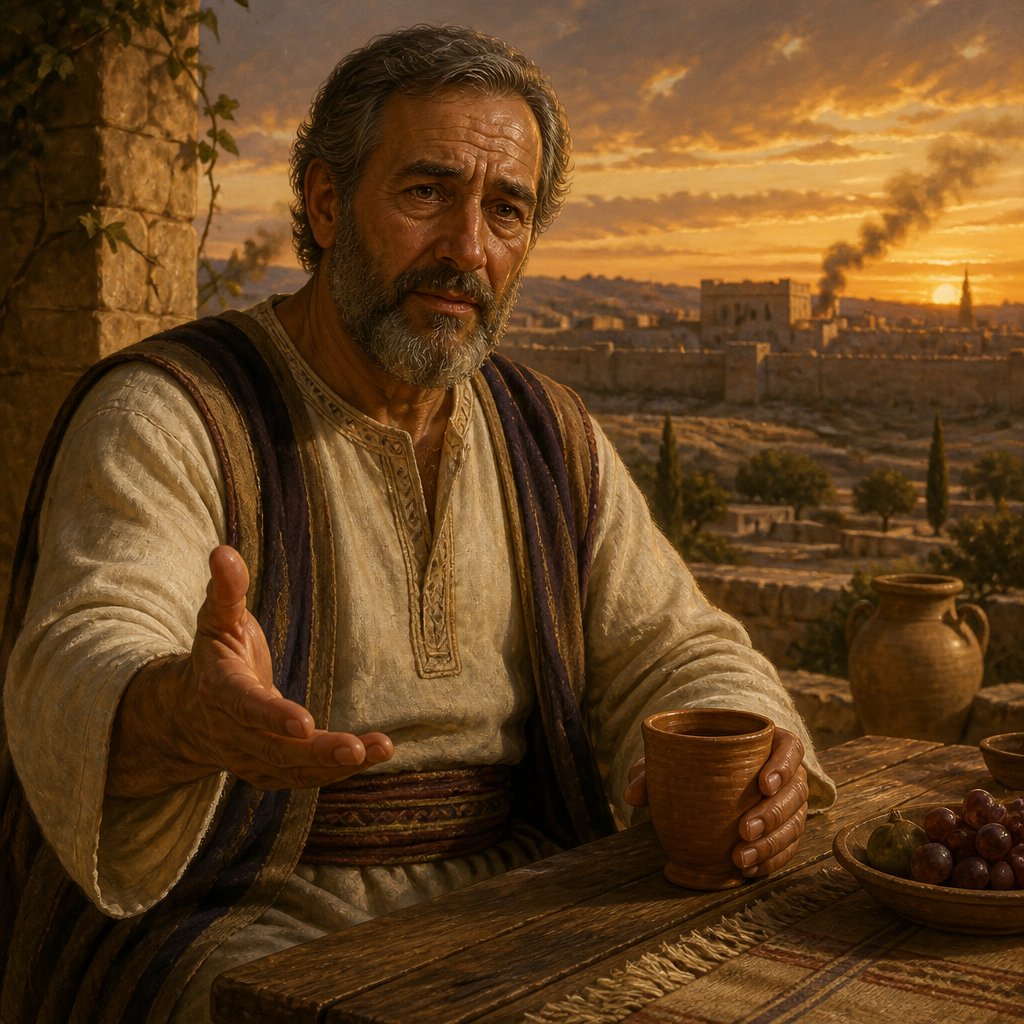
Ezekiel's Wife

Wife of the prophet Ezekiel whose death was a sign to Israel

Oil-painting style portrait of Gedaliah, Governor of Judah, Governor of Judah appointed by Babylon who was assassinated at Mizpah

Gedaliah, Governor of Judah

Governor of Judah appointed by Babylon who was assassinated at Mizpah
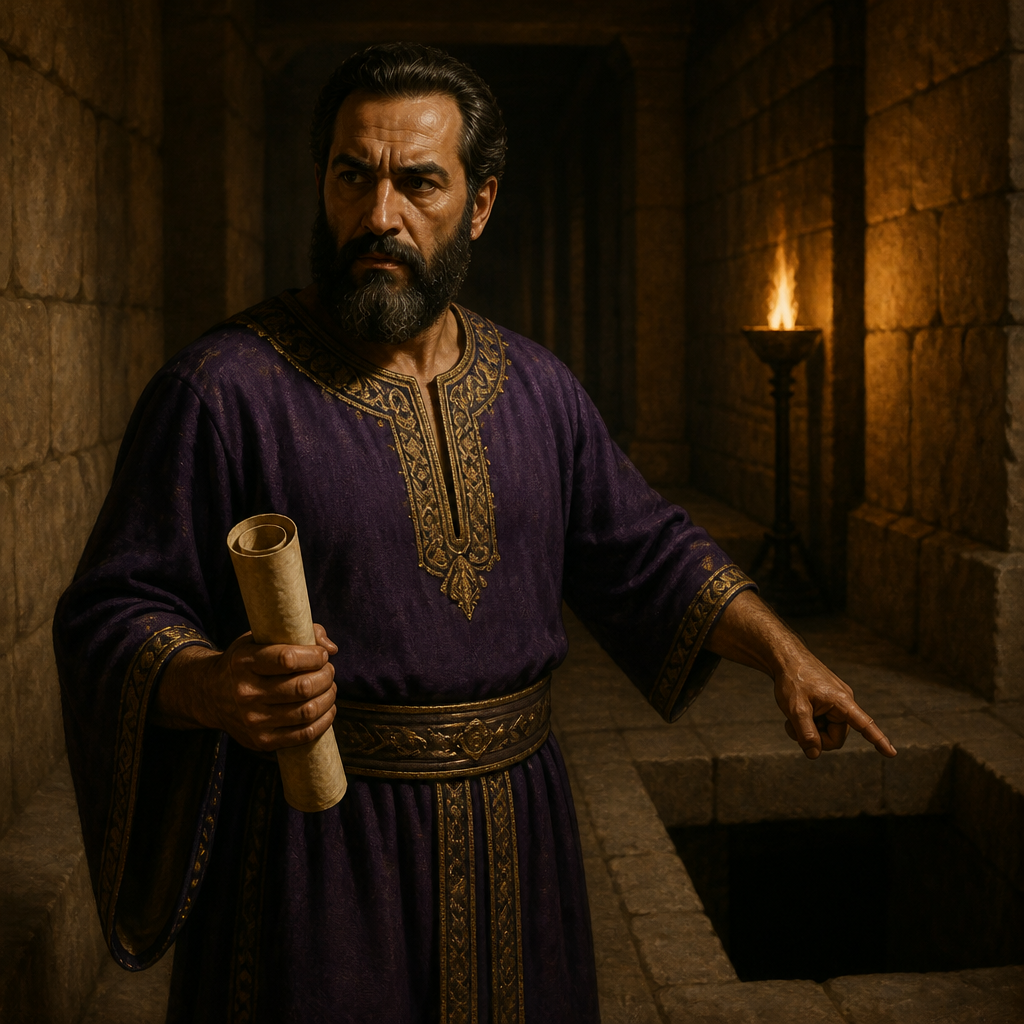
Oil-painting style portrait of Gedaliah, son of Pashhur, Official who sought the death of the prophet Jeremiah during the siege of Jerusalem

Gedaliah, son of Pashhur

Official who sought the death of the prophet Jeremiah during the siege of Jerusalem
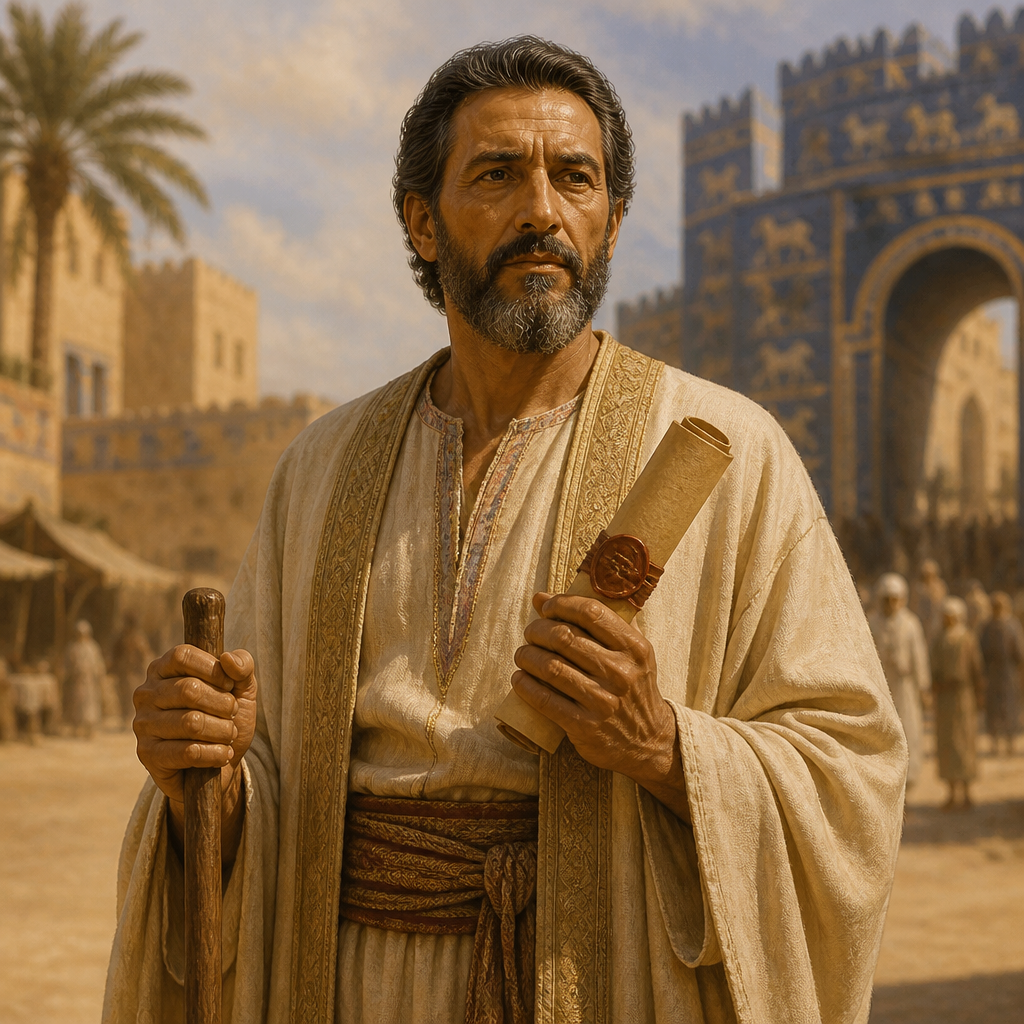
Oil-painting style portrait of Gemariah, Son of Hilkiah, Envoy of King Zedekiah who carried Jeremiah's letter to the exiles in Babylon

Gemariah, Son of Hilkiah

Envoy of King Zedekiah who carried Jeremiah's letter to the exiles in Babylon
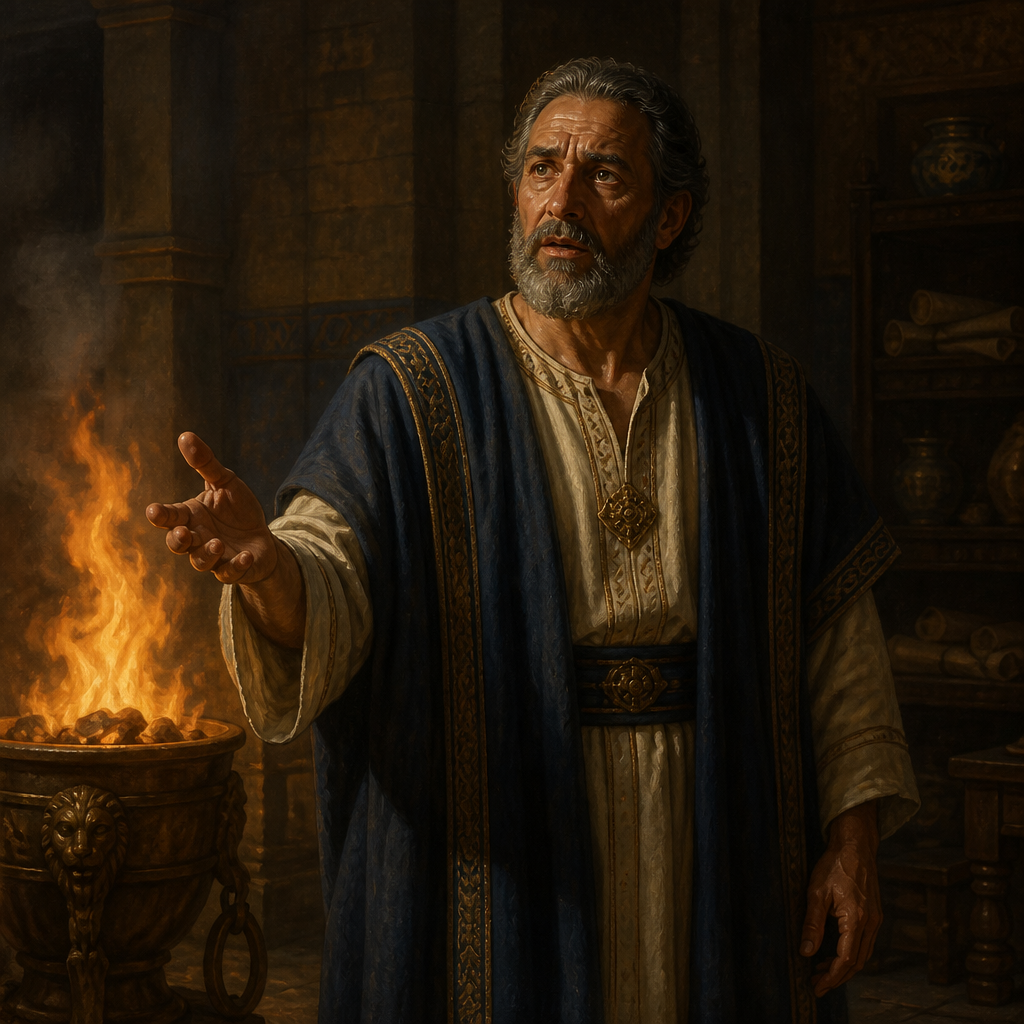
Oil-painting style portrait of Gemariah, Son of Shaphan, Official who pleaded with King Jehoiakim not to burn Jeremiah's scroll
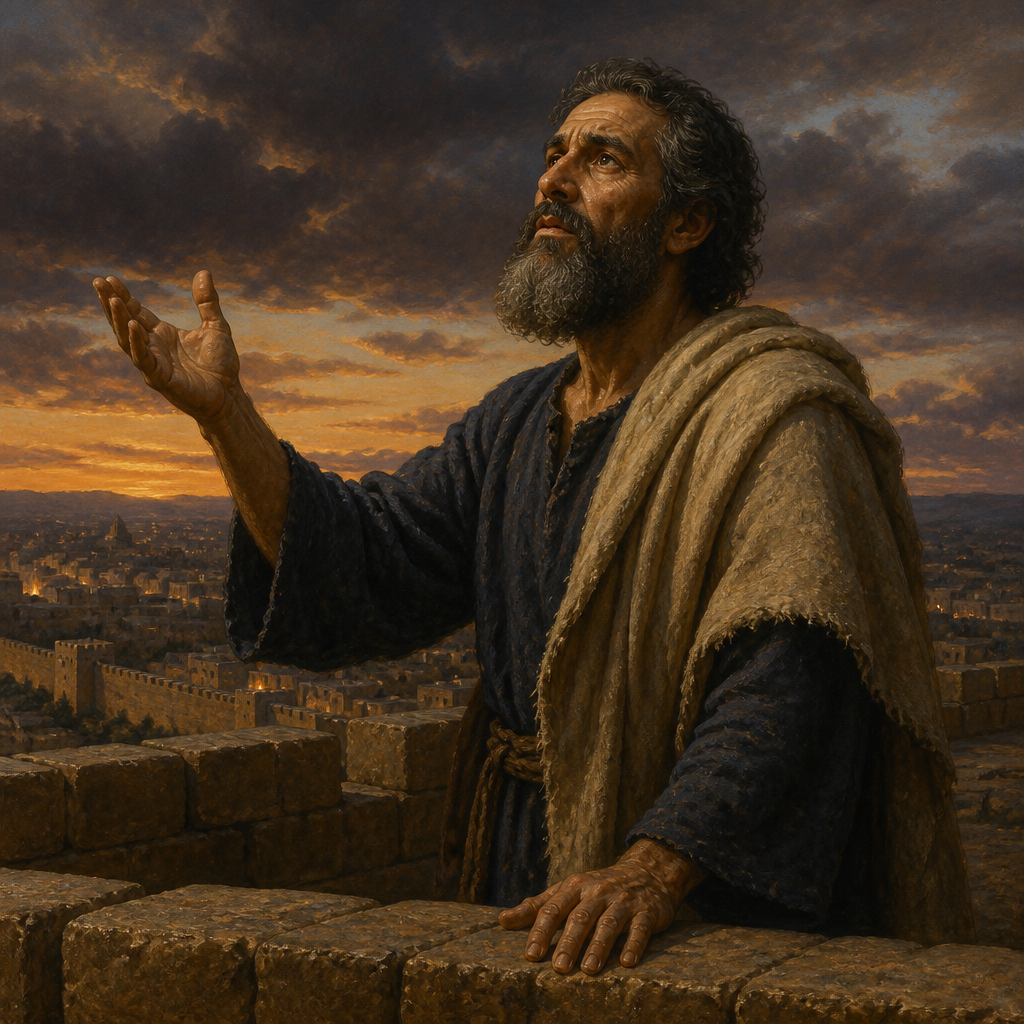
Gemariah, Son of Shaphan

Official who pleaded with King Jehoiakim not to burn Jeremiah's scroll

Oil-painting style portrait of Habakkuk, Prophet who questioned divine justice before the Babylonian exile
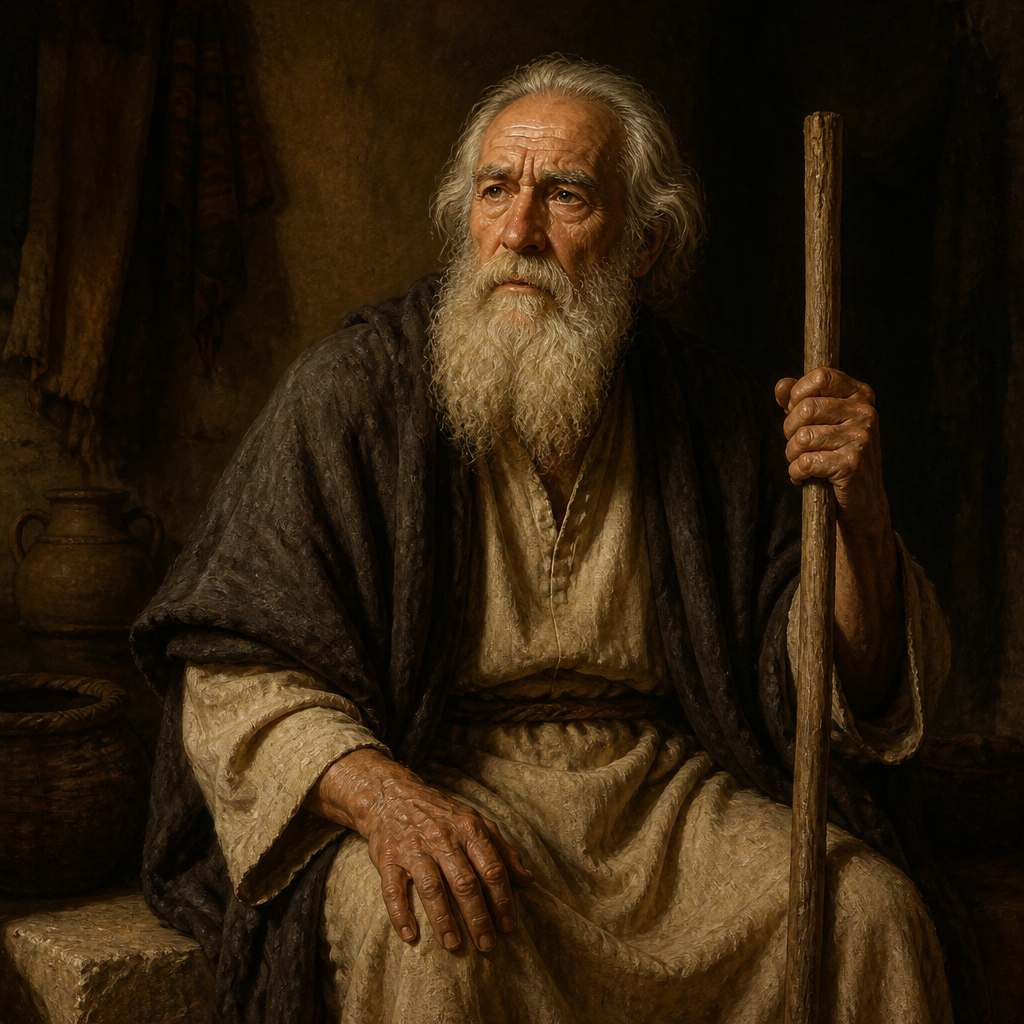
Habakkuk

Prophet who questioned divine justice before the Babylonian exile

Oil-painting style portrait of Habazziniah, Patriarch of the Rechabite family mentioned in the book of Jeremiah
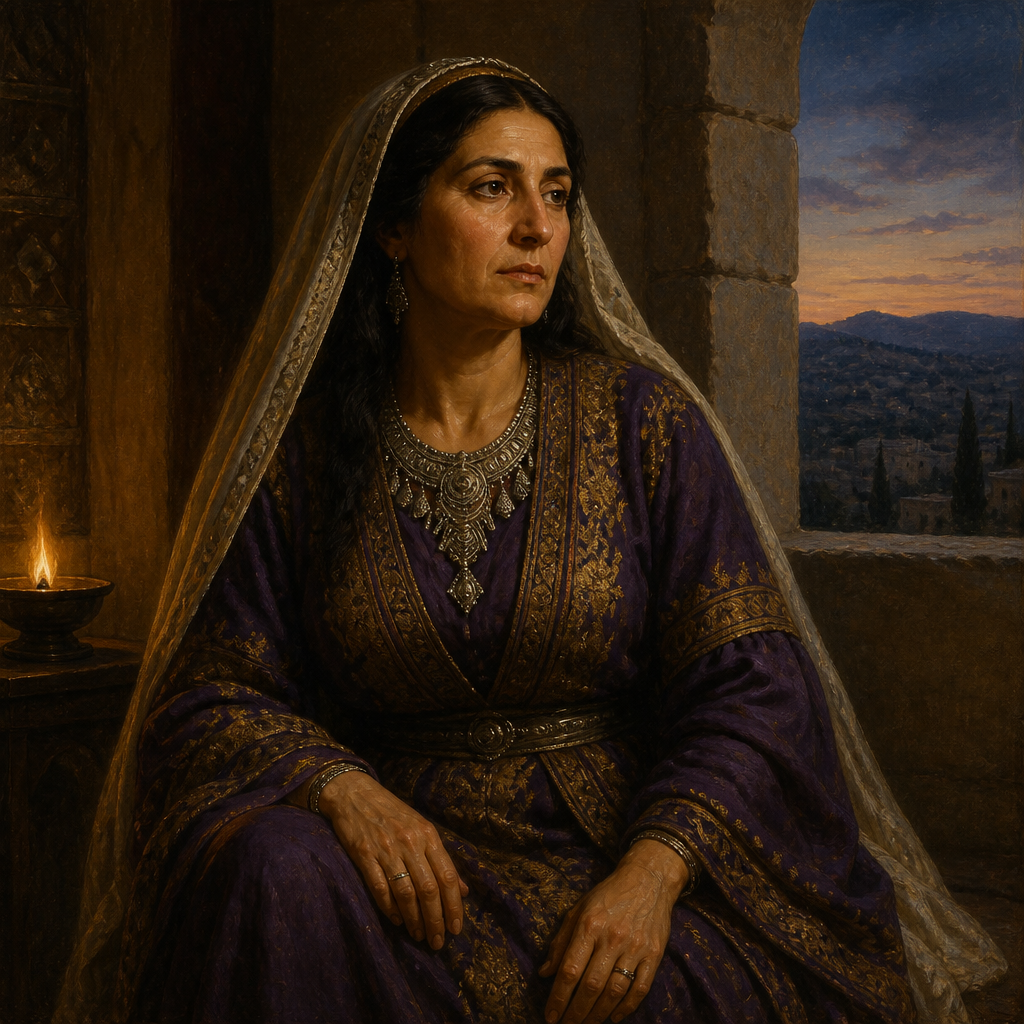
Habazziniah

Patriarch of the Rechabite family mentioned in the book of Jeremiah
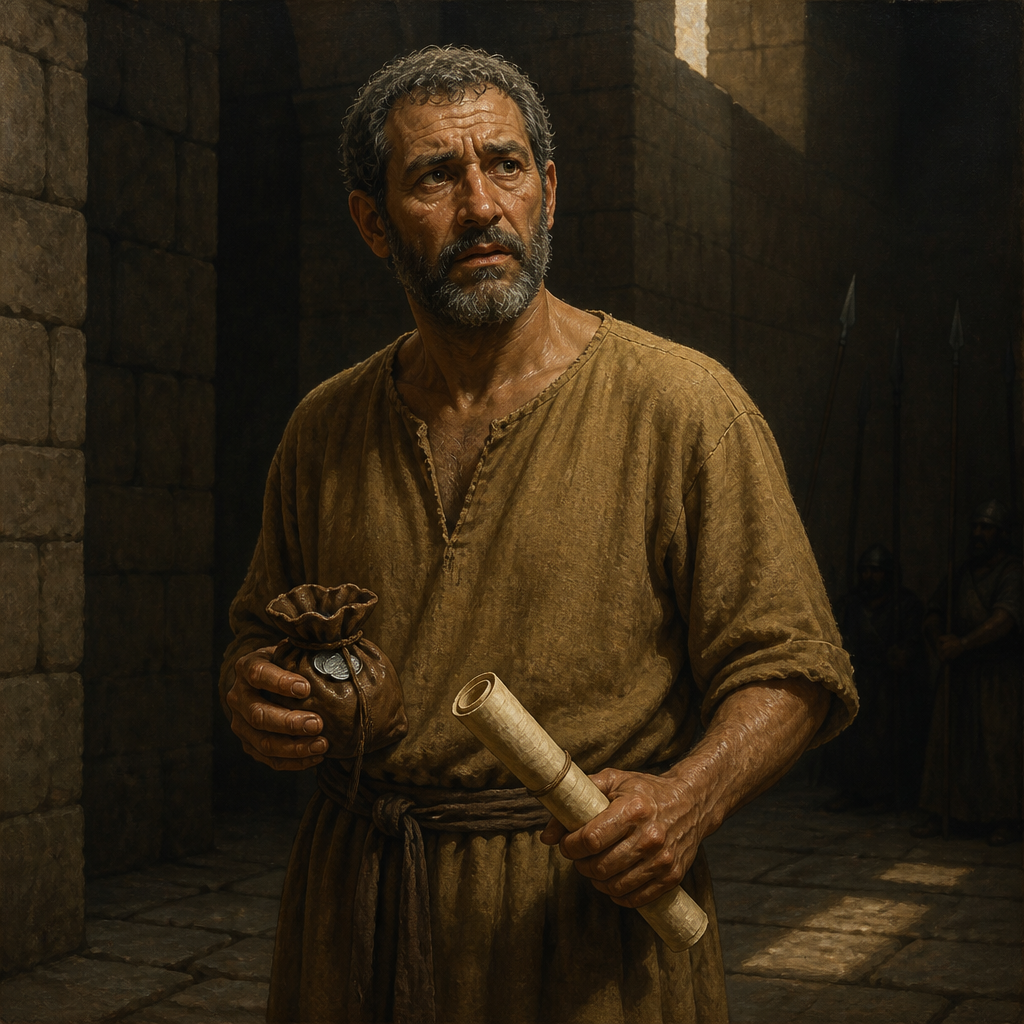
Oil-painting style portrait of Hammelech, Royal father of Jerahmeel and Malchijah during the time of Jeremiah

Hammelech

Royal father of Jerahmeel and Malchijah during the time of Jeremiah

Oil-painting style portrait of Hamutal, Mother of King Jehoahaz and King Zedekiah

Hamutal

Mother of King Jehoahaz and King Zedekiah

Oil-painting style portrait of Hanamel, Cousin of Jeremiah who sold him a field in Anathoth during the Babylonian siege
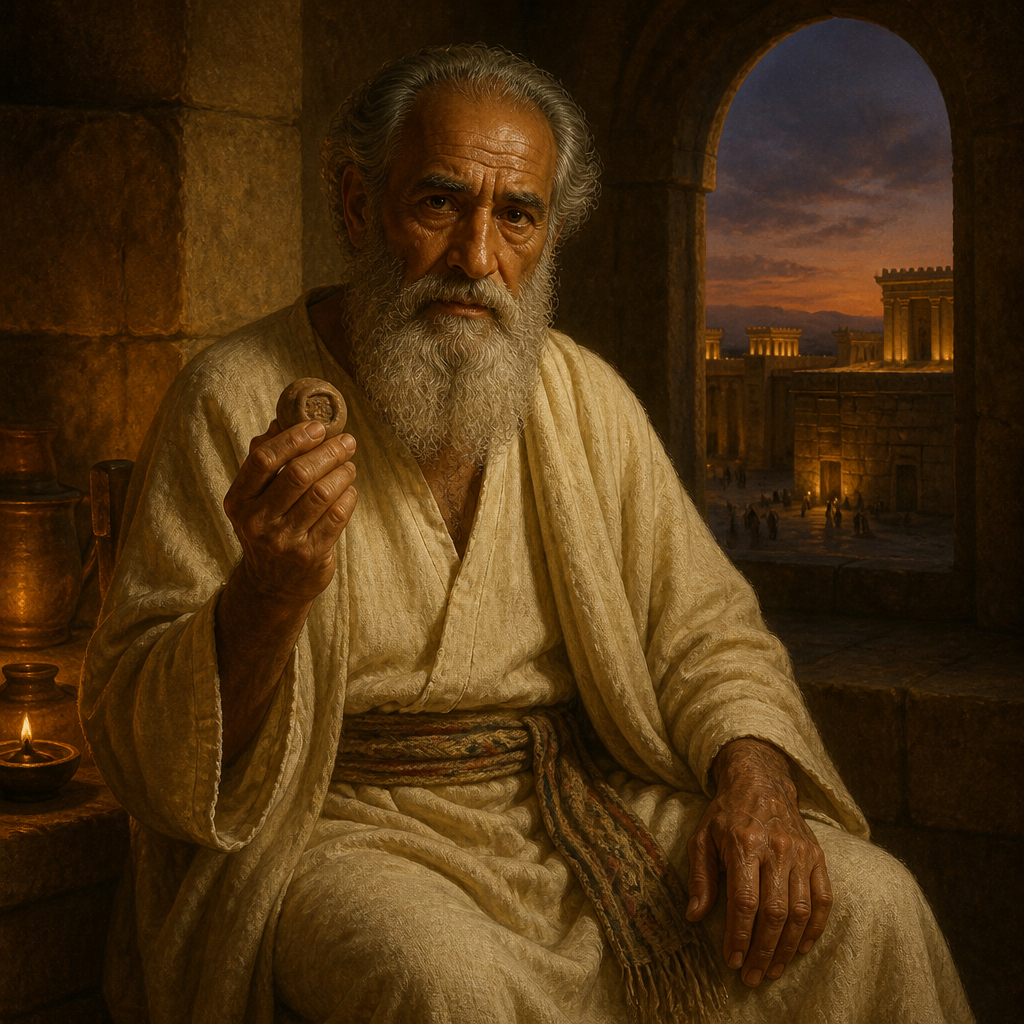
Hanamel

Cousin of Jeremiah who sold him a field in Anathoth during the Babylonian siege

Oil-painting style portrait of Hanan, son of Igdaliah, Man of God whose sons held a prominent chamber in the Temple during the time of Jeremiah

Hanan, son of Igdaliah

Man of God whose sons held a prominent chamber in the Temple during the time of Jeremiah
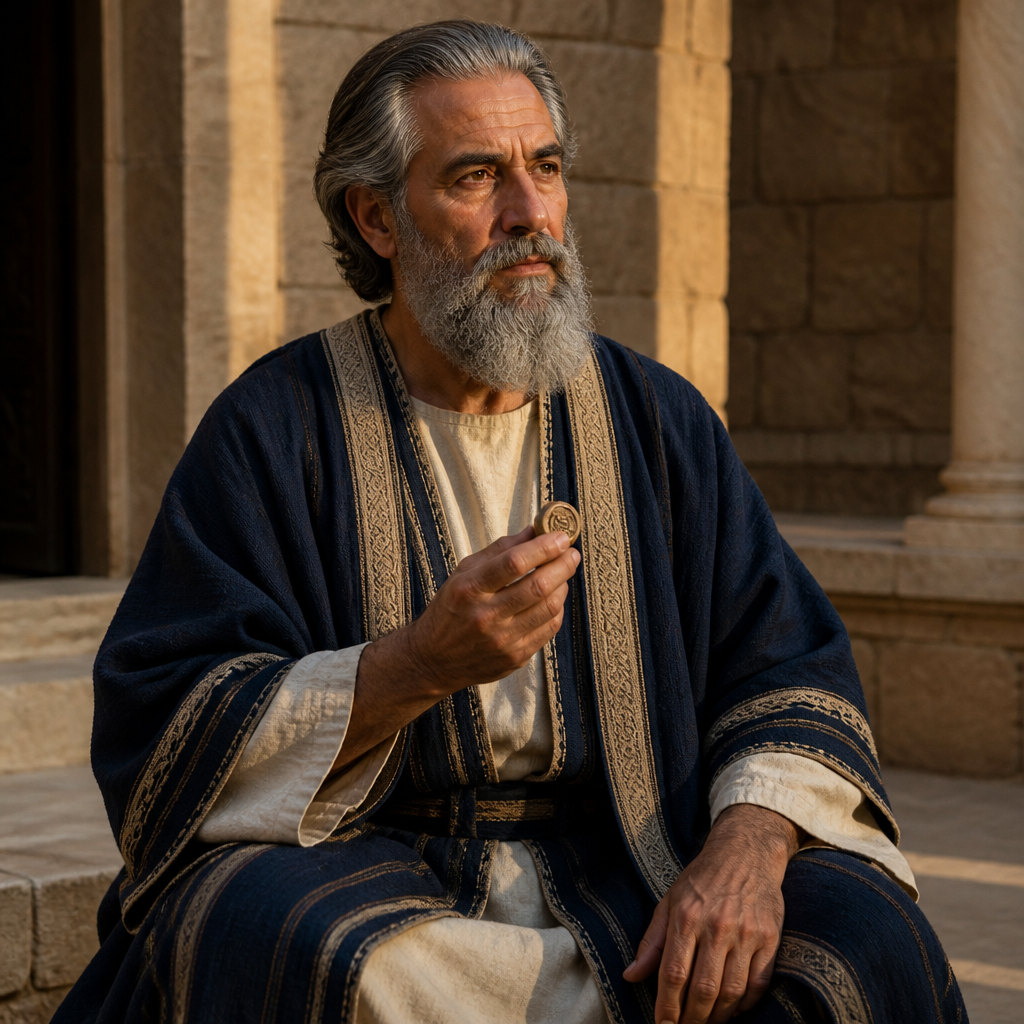
Oil-painting style portrait of Hananiah, Friend of Daniel, Judean exile who survived being thrown into a fiery furnace for refusing to worship a golden idol

Hananiah, Friend of Daniel

Judean exile who survived being thrown into a fiery furnace for refusing to worship a golden idol
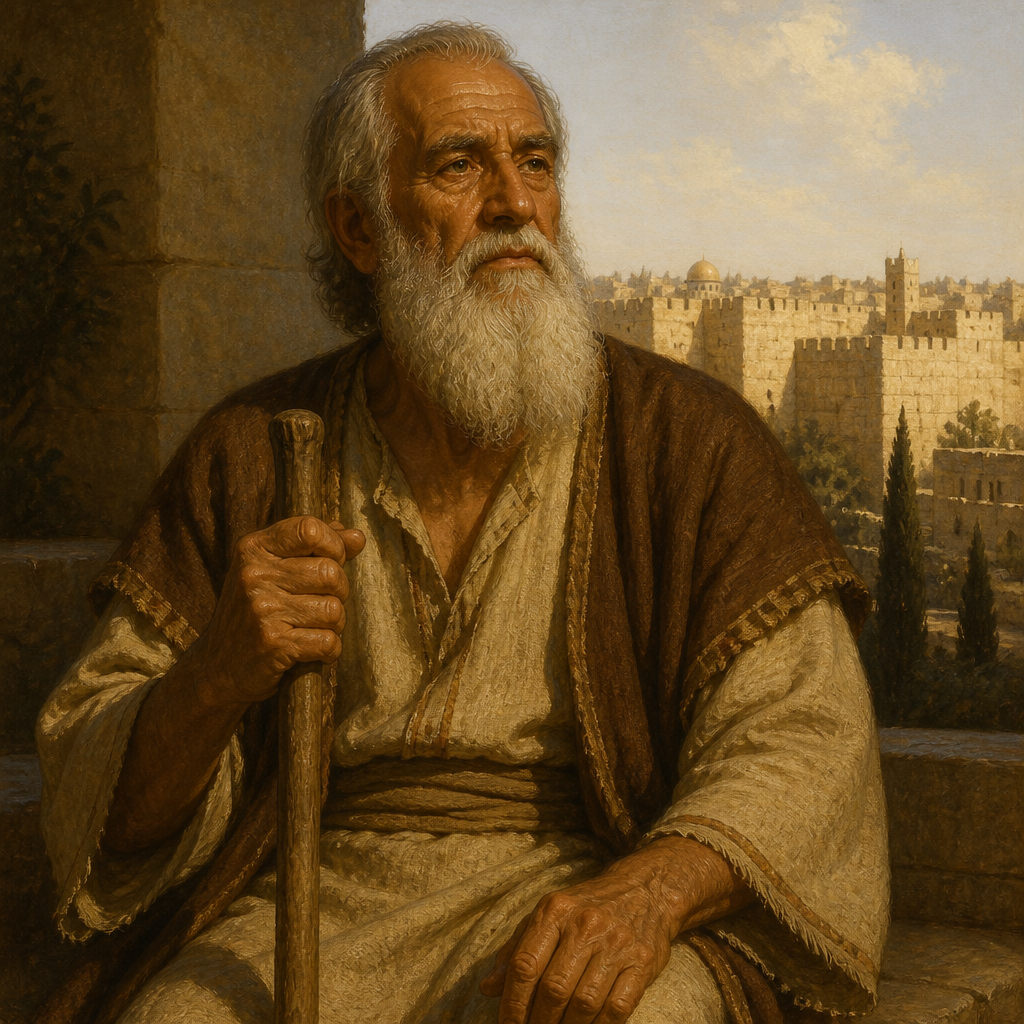
Oil-painting style portrait of Hananiah, Grandfather of Irijah, Grandfather of Irijah the captain of the guard
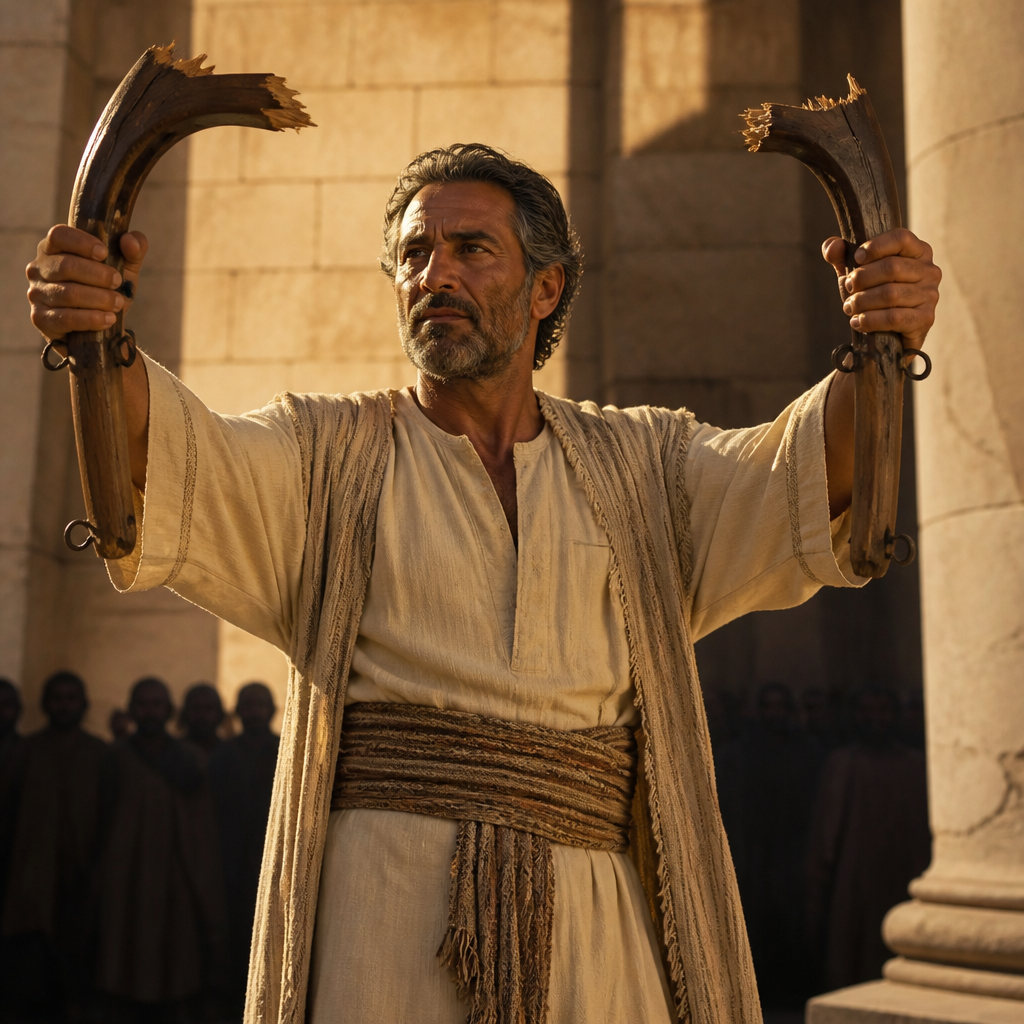
Hananiah, Grandfather of Irijah

Grandfather of Irijah the captain of the guard

Oil-painting style portrait of Hananiah, Prophet of Gibeon, Prophet who falsely predicted the end of the Babylonian exile and died for his lie

Hananiah, Prophet of Gibeon

Prophet who falsely predicted the end of the Babylonian exile and died for his lie
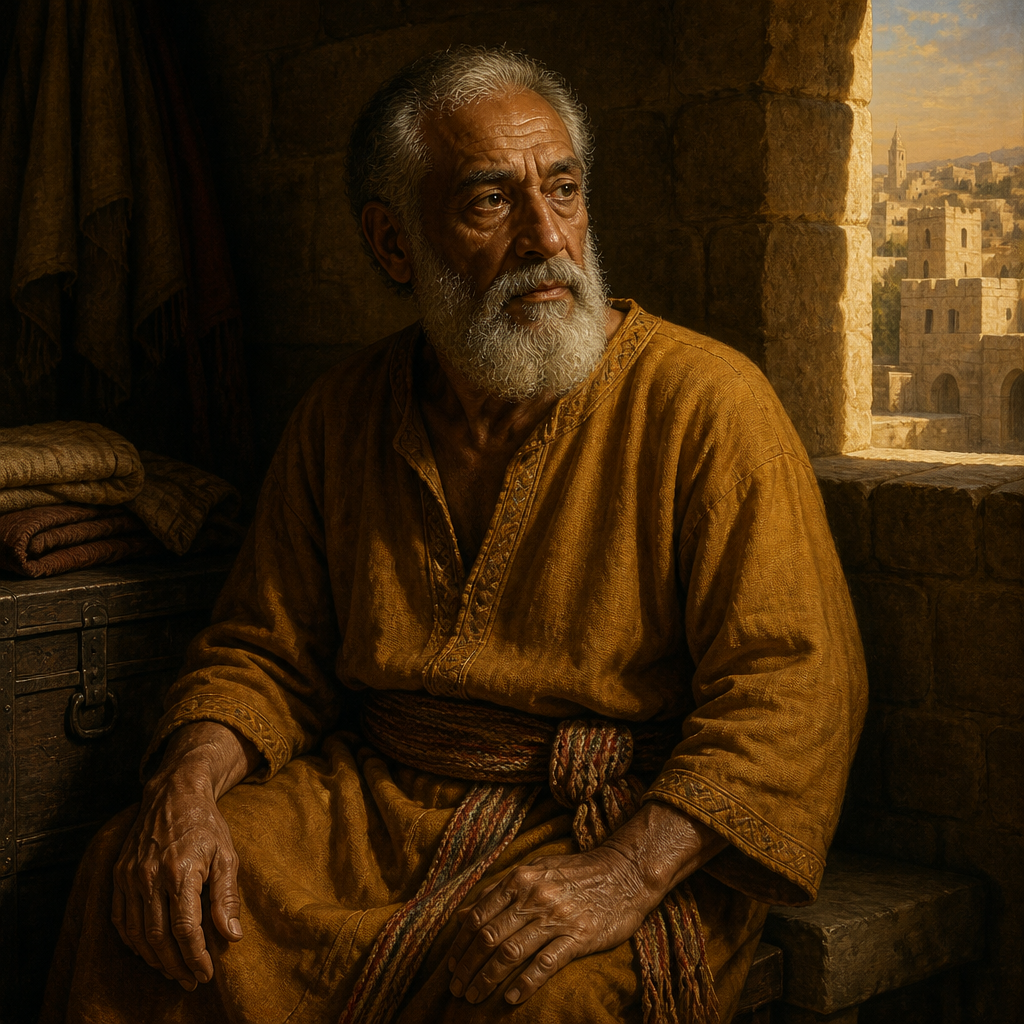
Oil-painting style portrait of Harhas, Grandfather of Shallum the keeper of the wardrobe

Harhas

Grandfather of Shallum the keeper of the wardrobe

Oil-painting style portrait of Hashabiah, Officer of the Levites, Levite officer who donated livestock for King Josiah’s Passover

Hashabiah, Officer of the Levites

Levite officer who donated livestock for King Josiah’s Passover
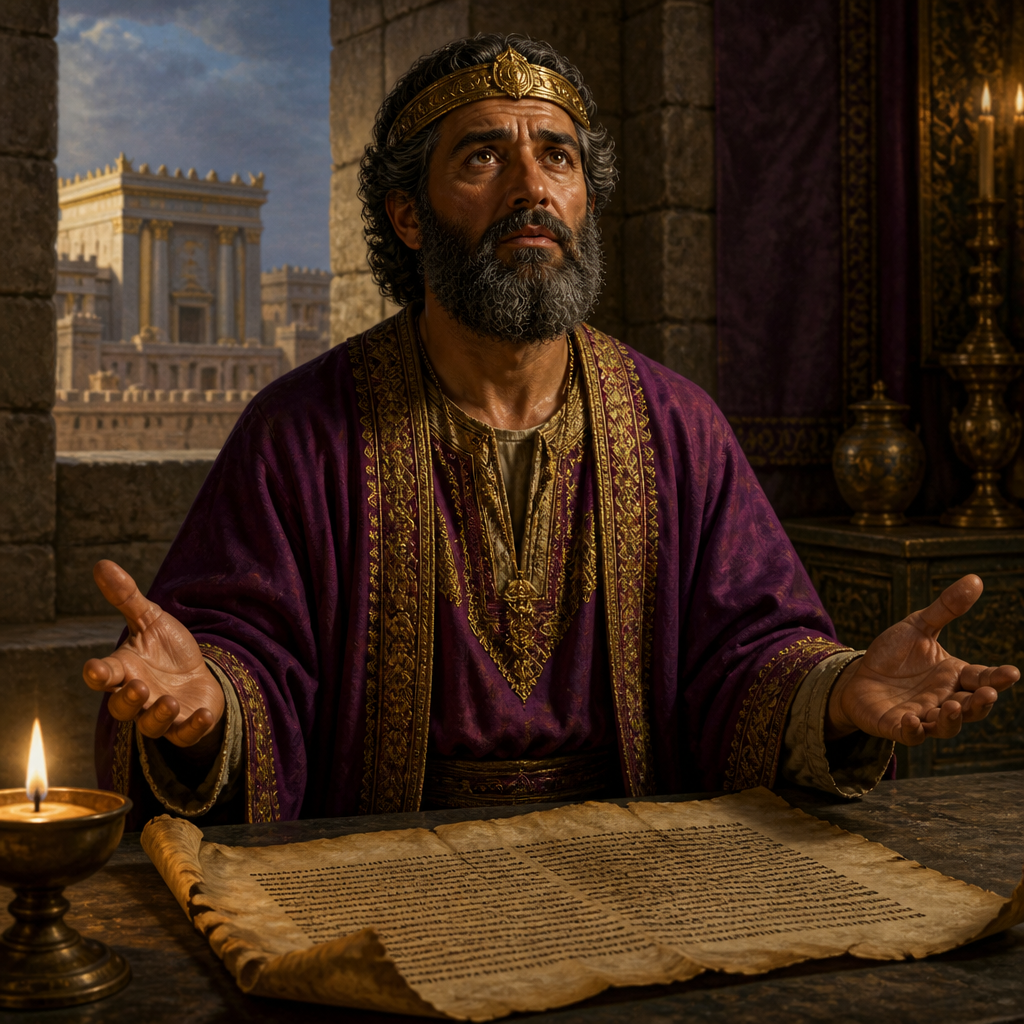
Oil-painting style portrait of Hezekiah, King of Judah

Hezekiah, King of Judah

King of Judah who reformed the Temple and survived the Assyrian siege of Jerusalem
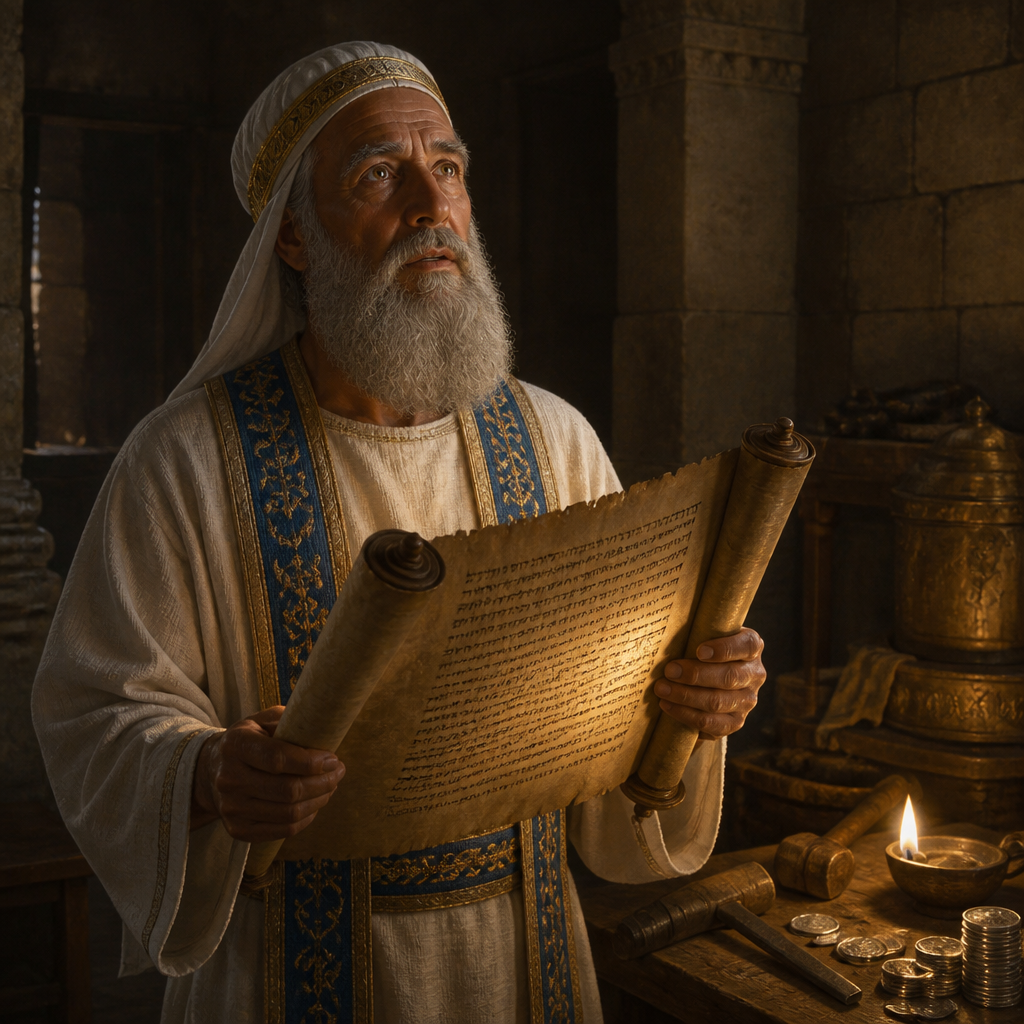
Oil-painting style portrait of Hilkiah the High Priest, High Priest who found the Book of the Law in the Temple during the reign of King Josiah

Hilkiah the High Priest

High Priest who found the Book of the Law in the Temple during the reign of King Josiah
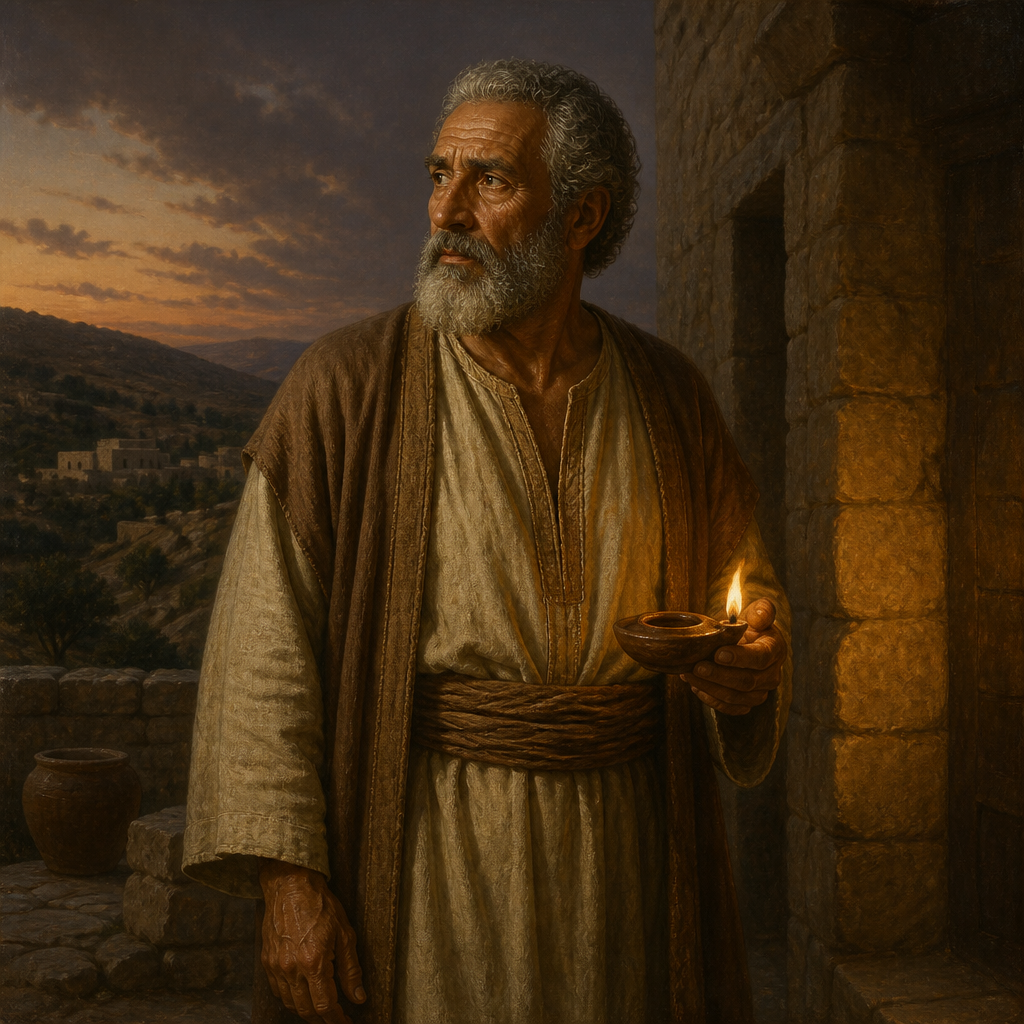
Oil-painting style portrait of Hilkiah, Father of Jeremiah, Priest of Anathoth and the father of the prophet Jeremiah
Hilkiah, Father of Jeremiah

Priest of Anathoth and the father of the prophet Jeremiah
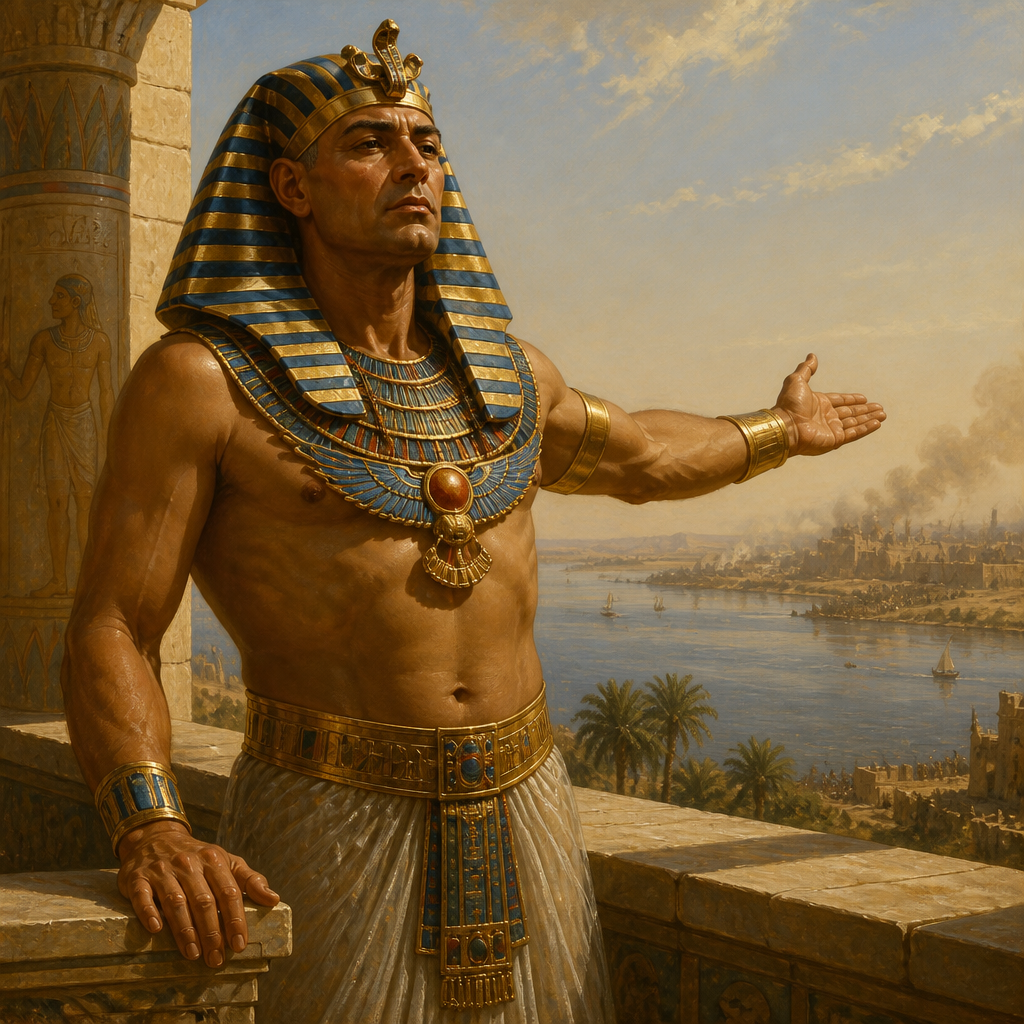
Oil-painting style portrait of Hophra, Pharaoh who failed to defend Jerusalem against Babylon

Hophra

Pharaoh who failed to defend Jerusalem against Babylon

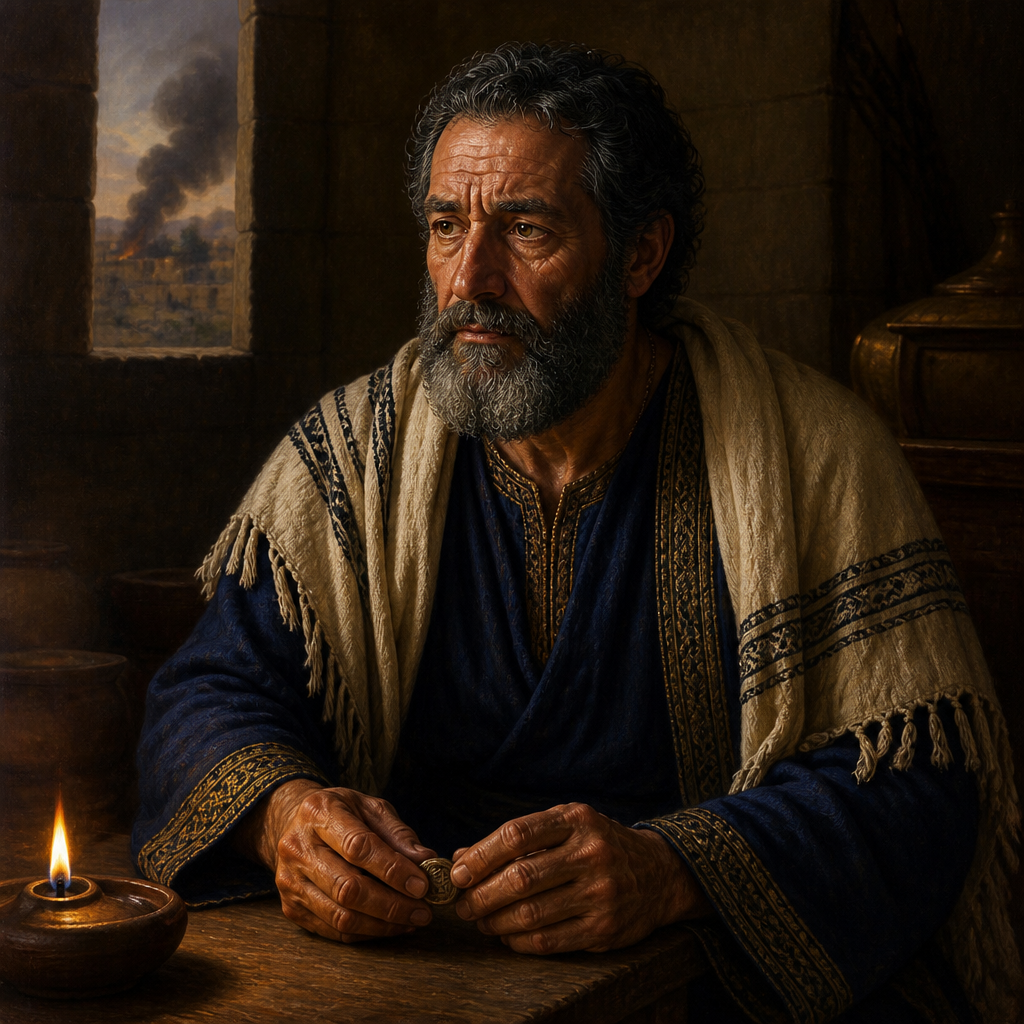
Oil-painting style portrait of Hoshaiah, Father of Jezaniah, father of the military commanders who defied Jeremiah's warning not to go to Egypt

Hoshaiah, Father of Jezaniah

father of the military commanders who defied Jeremiah's warning not to go to Egypt
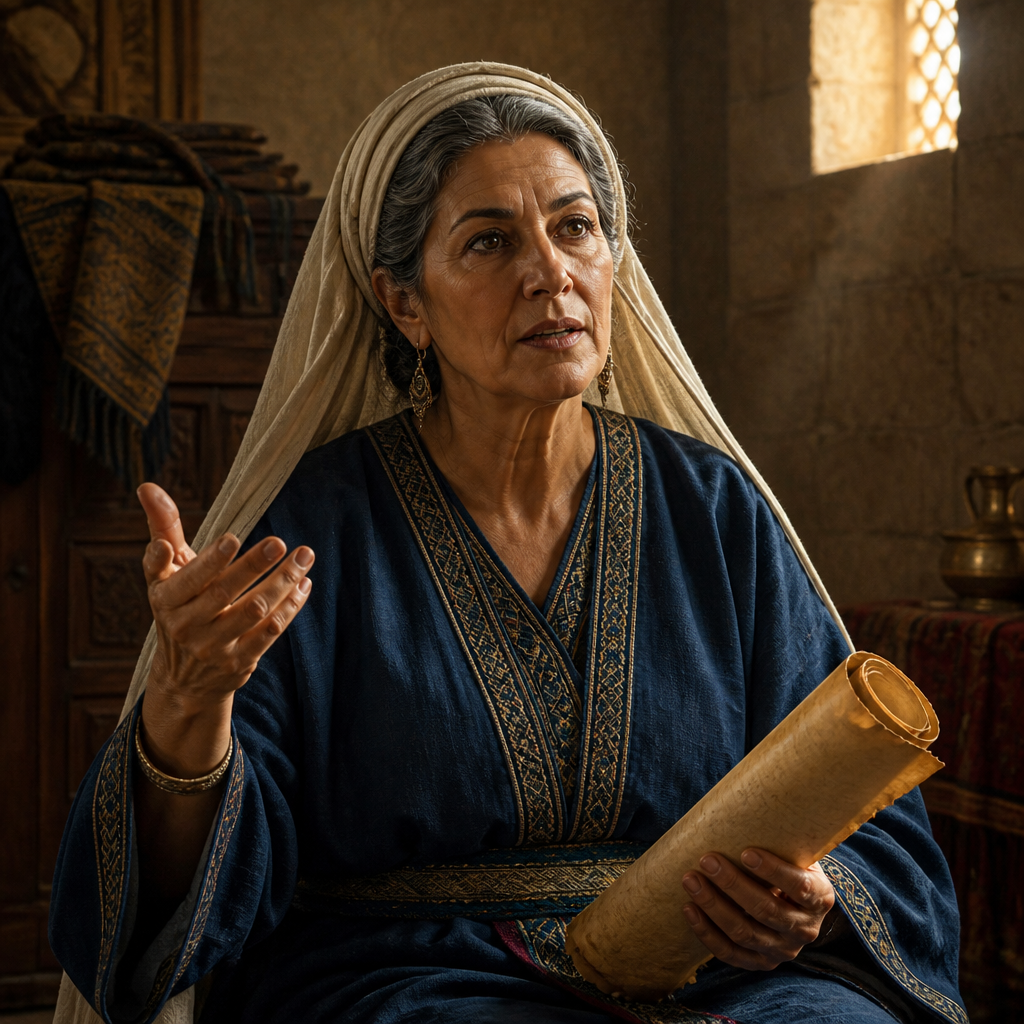
Oil-painting style portrait of Huldah, Prophetess who authenticated the Book of the Law for King Josiah

Huldah

Prophetess who authenticated the Book of the Law for King Josiah

Oil-painting style portrait of Igdaliah, Man of God whose descendants held a prestigious chamber in the Temple of Jerusalem
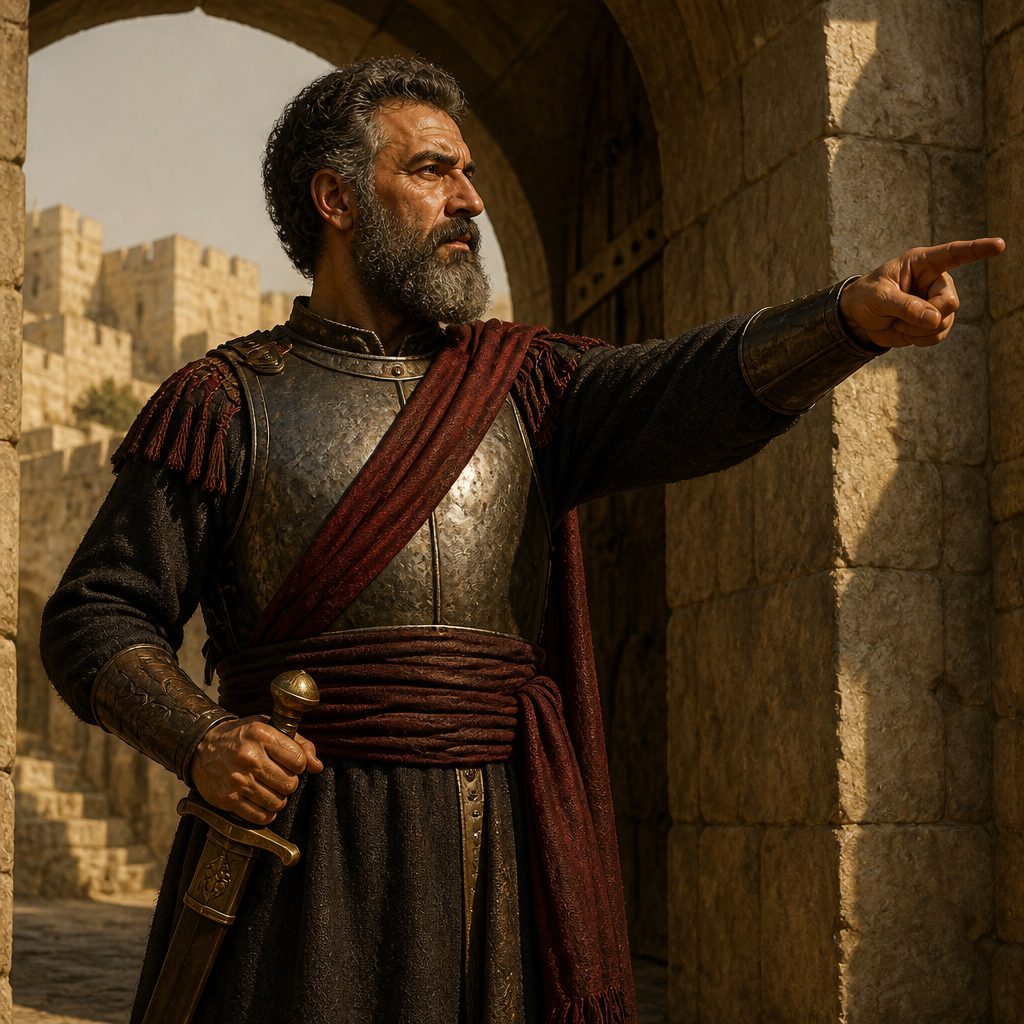
Igdaliah

Man of God whose descendants held a prestigious chamber in the Temple of Jerusalem

Oil-painting style portrait of Irijah, Captain of the guard who arrested Jeremiah at the Gate of Benjamin
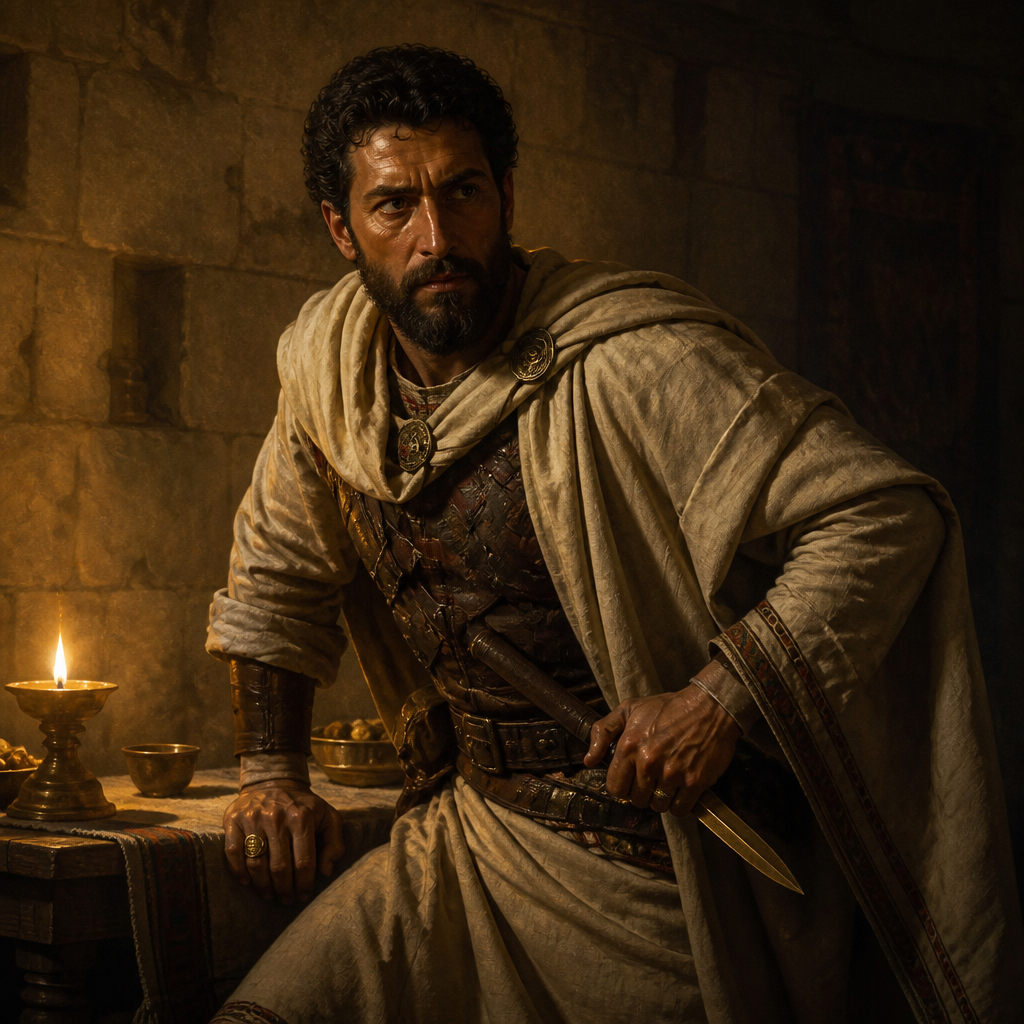
Irijah

Captain of the guard who arrested Jeremiah at the Gate of Benjamin

Oil-painting style portrait of Ishmael son of Nethaniah, Royal descendant who assassinated Gedaliah and massacred pilgrims at Mizpah

Ishmael son of Nethaniah

Royal descendant who assassinated Gedaliah and massacred pilgrims at Mizpah
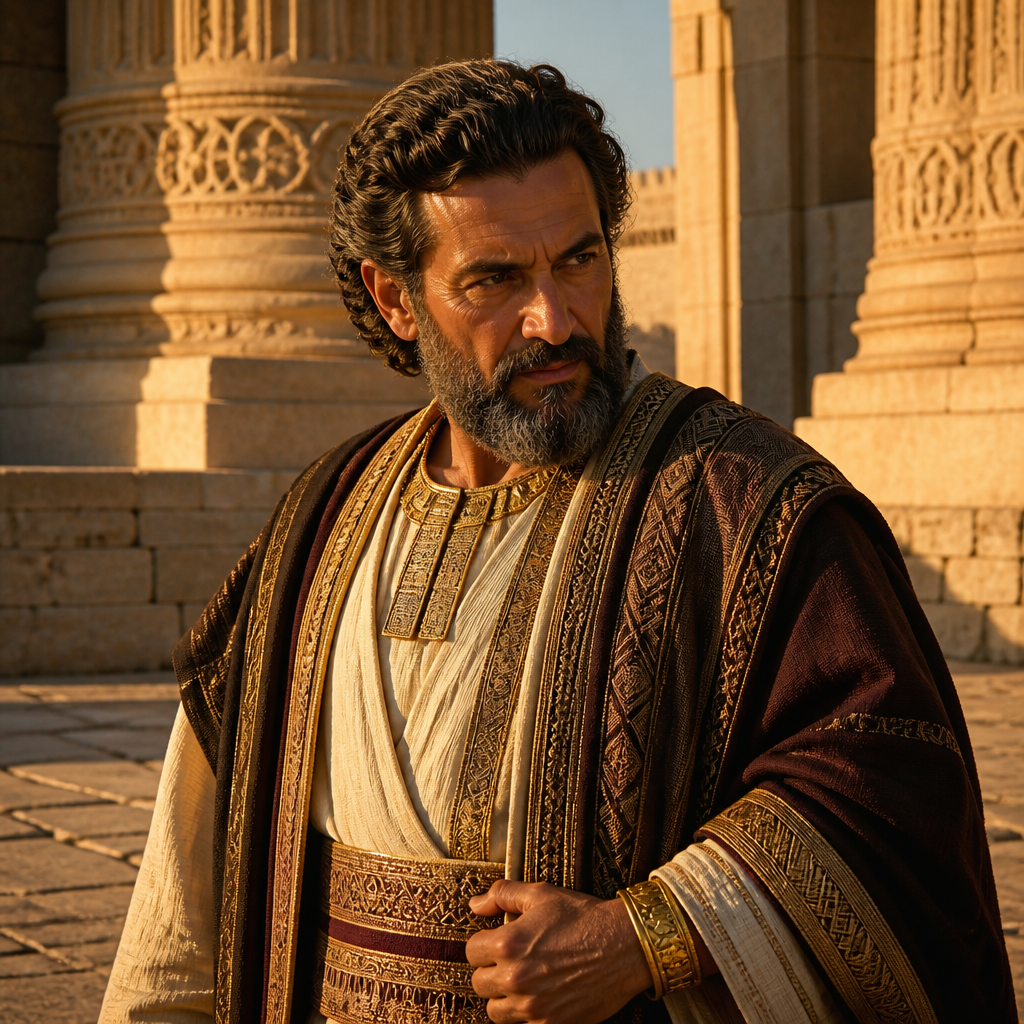
Oil-painting style portrait of Jaazaniah, Son of Azzur, Leader in Jerusalem who gave wicked counsel during Ezekiel's vision
Jaazaniah, Son of Azzur

Leader in Jerusalem who gave wicked counsel during Ezekiel's vision

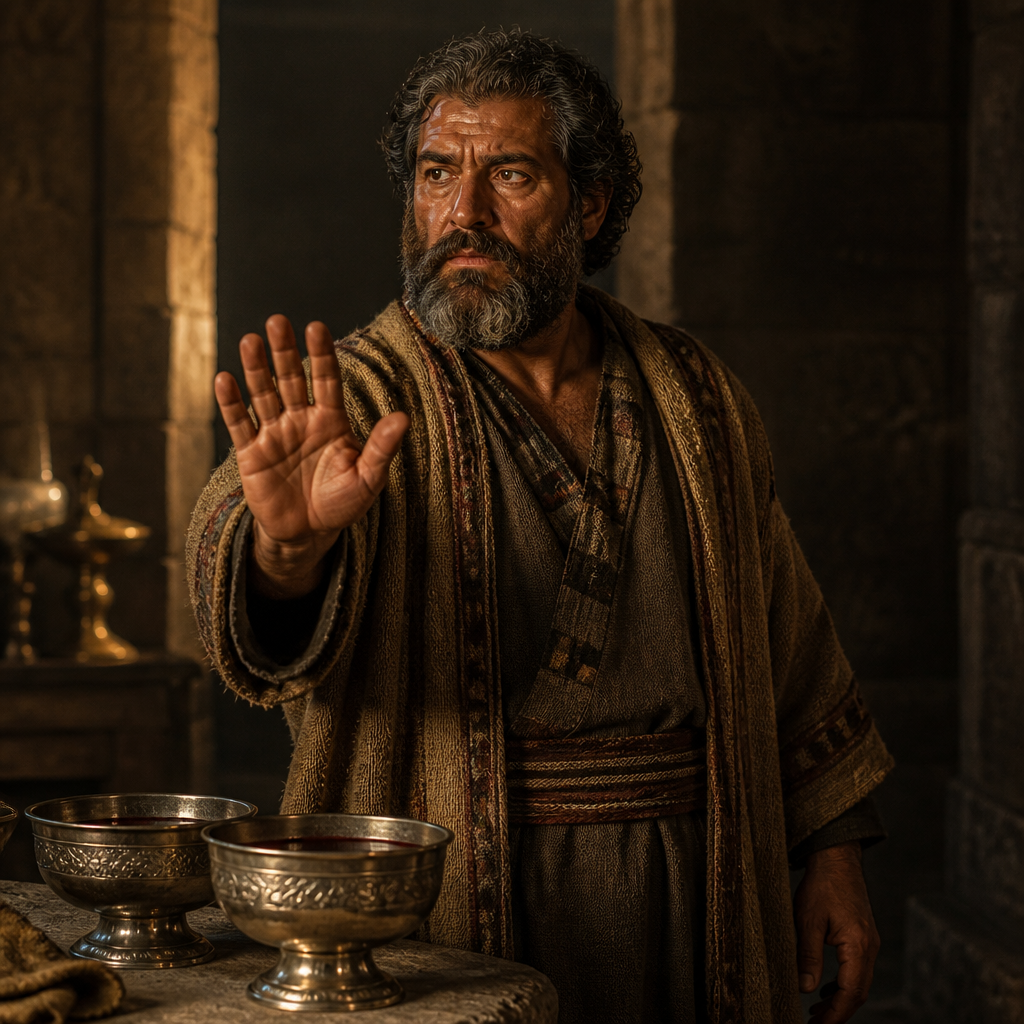
Oil-painting style portrait of Jaazaniah, Son of Jeremiah, Rechabite leader who refused to drink wine in the Temple to honor his ancestral vows

Jaazaniah, Son of Jeremiah

Rechabite leader who refused to drink wine in the Temple to honor his ancestral vows
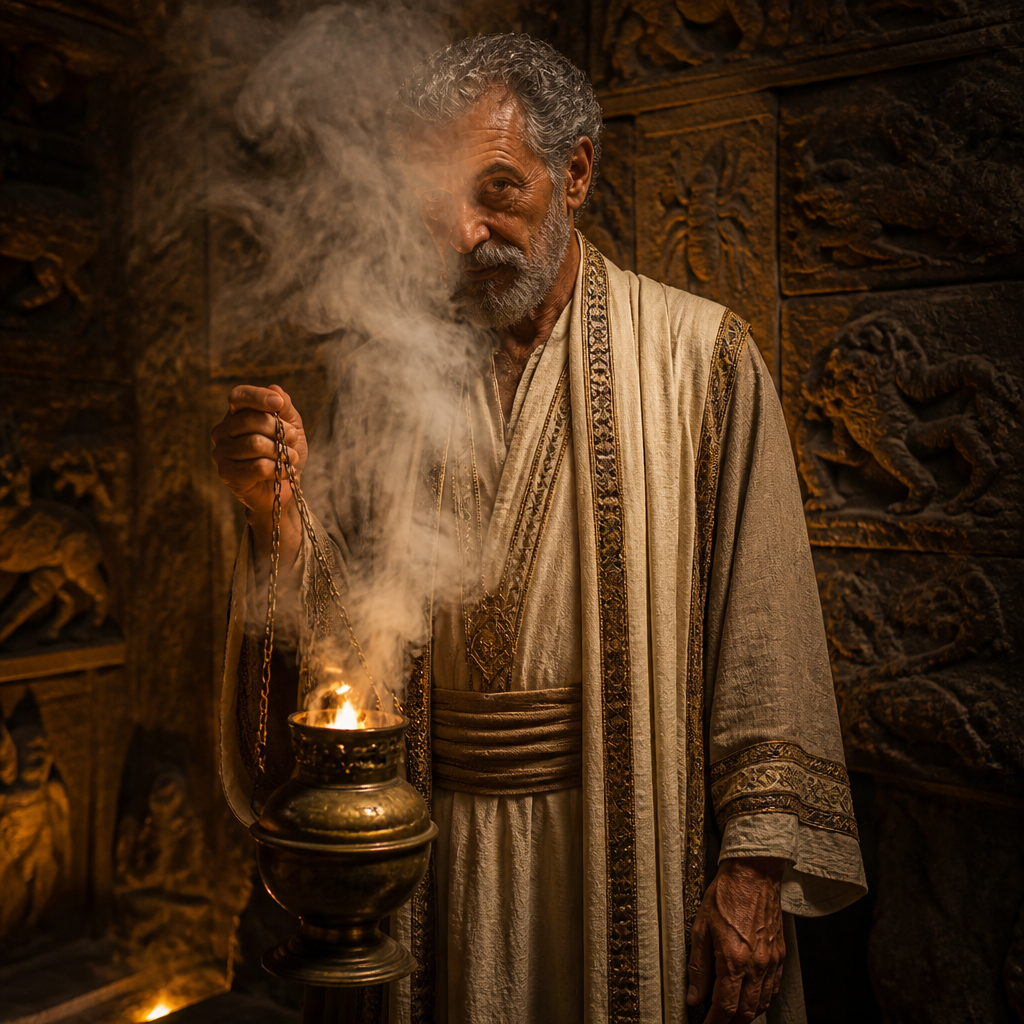
Oil-painting style portrait of Jaazaniah, Son of Shaphan, Elder of Israel seen by Ezekiel in a vision of Temple idolatry
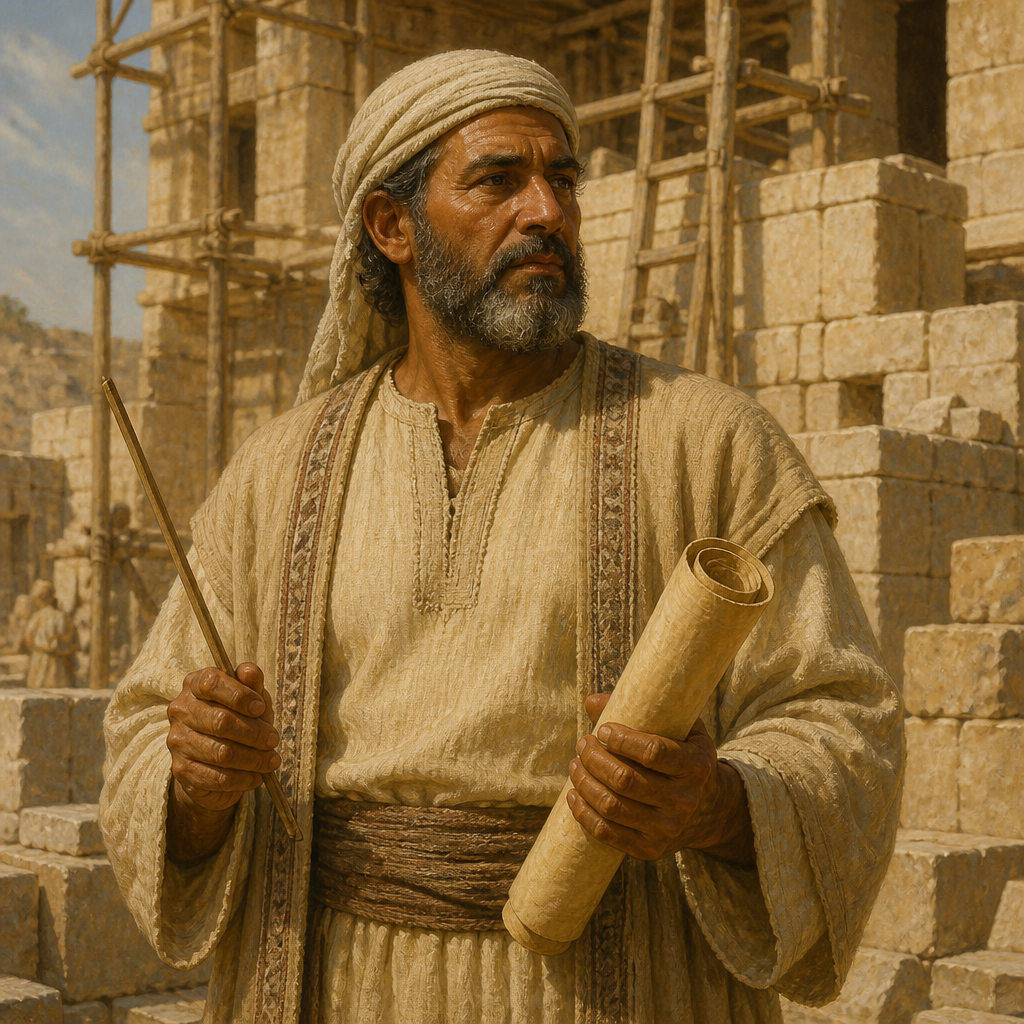
Jaazaniah, Son of Shaphan

Elder of Israel seen by Ezekiel in a vision of Temple idolatry

Oil-painting style portrait of Jahath, Merarite Overseer, Levite who faithfully oversaw the Temple repairs under King Josiah
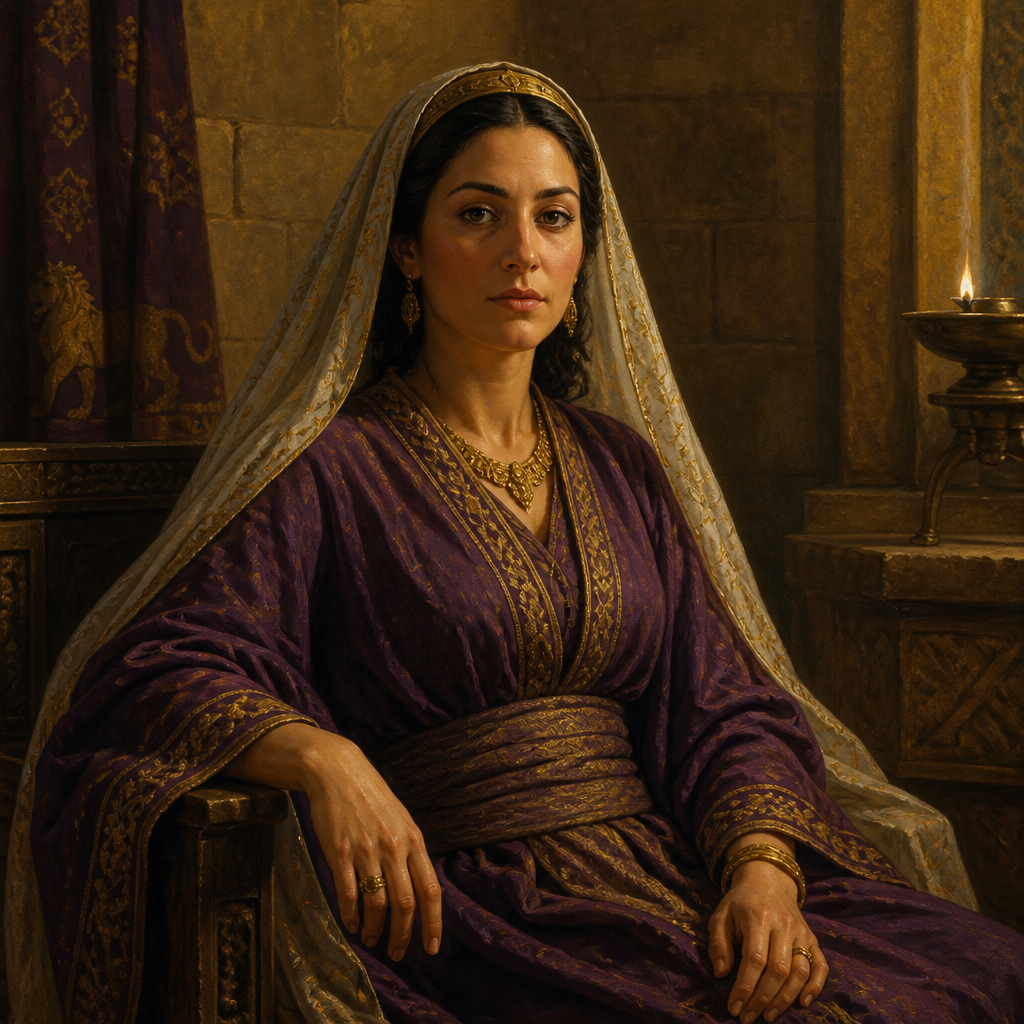
Jahath, Merarite Overseer

Levite who faithfully oversaw the Temple repairs under King Josiah
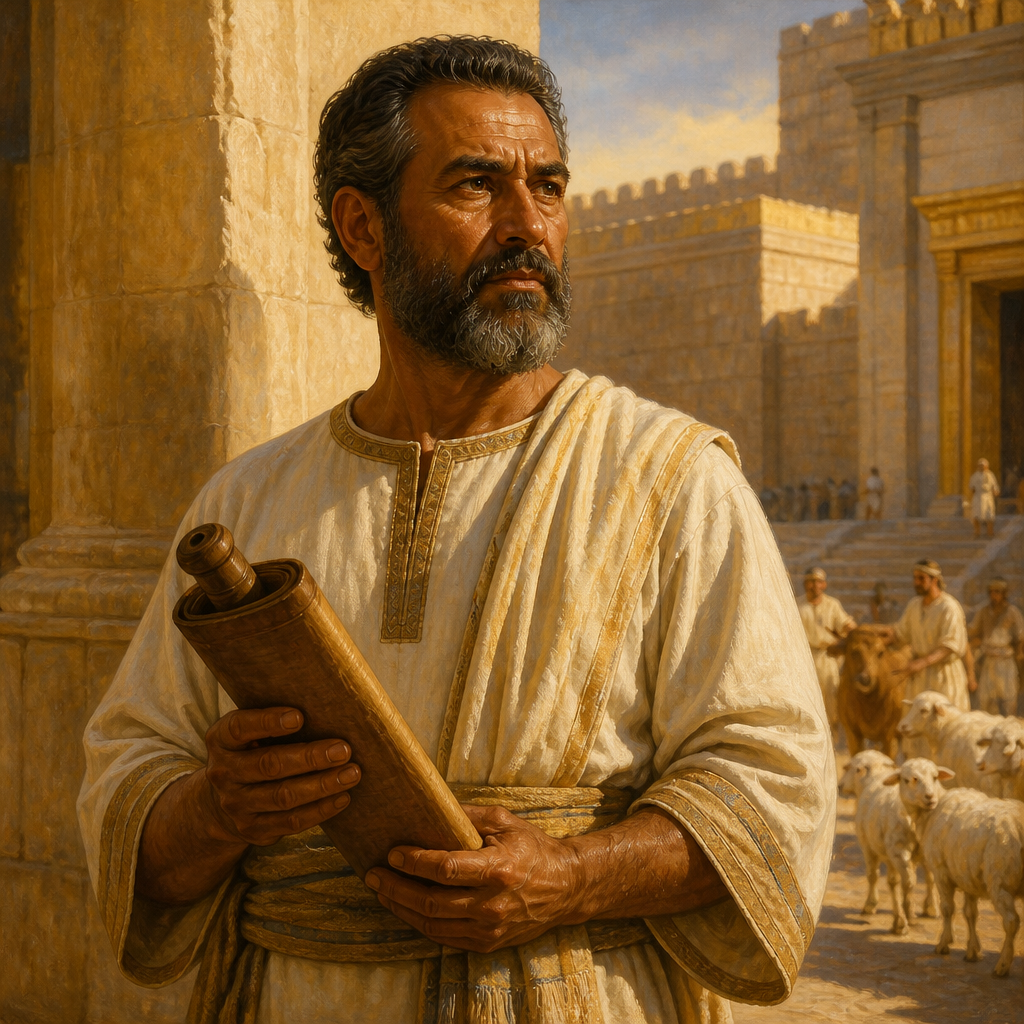
Oil-painting style portrait of Jedidah, Queen Mother of King Josiah and daughter of Adaiah

Jedidah

Queen Mother of King Josiah and daughter of Adaiah

Oil-painting style portrait of Jehiel, Administrator of the House of God, Temple administrator who provided livestock for King Josiah's Great Passover

Jehiel, Administrator of the House of God

Temple administrator who provided livestock for King Josiah's Great Passover
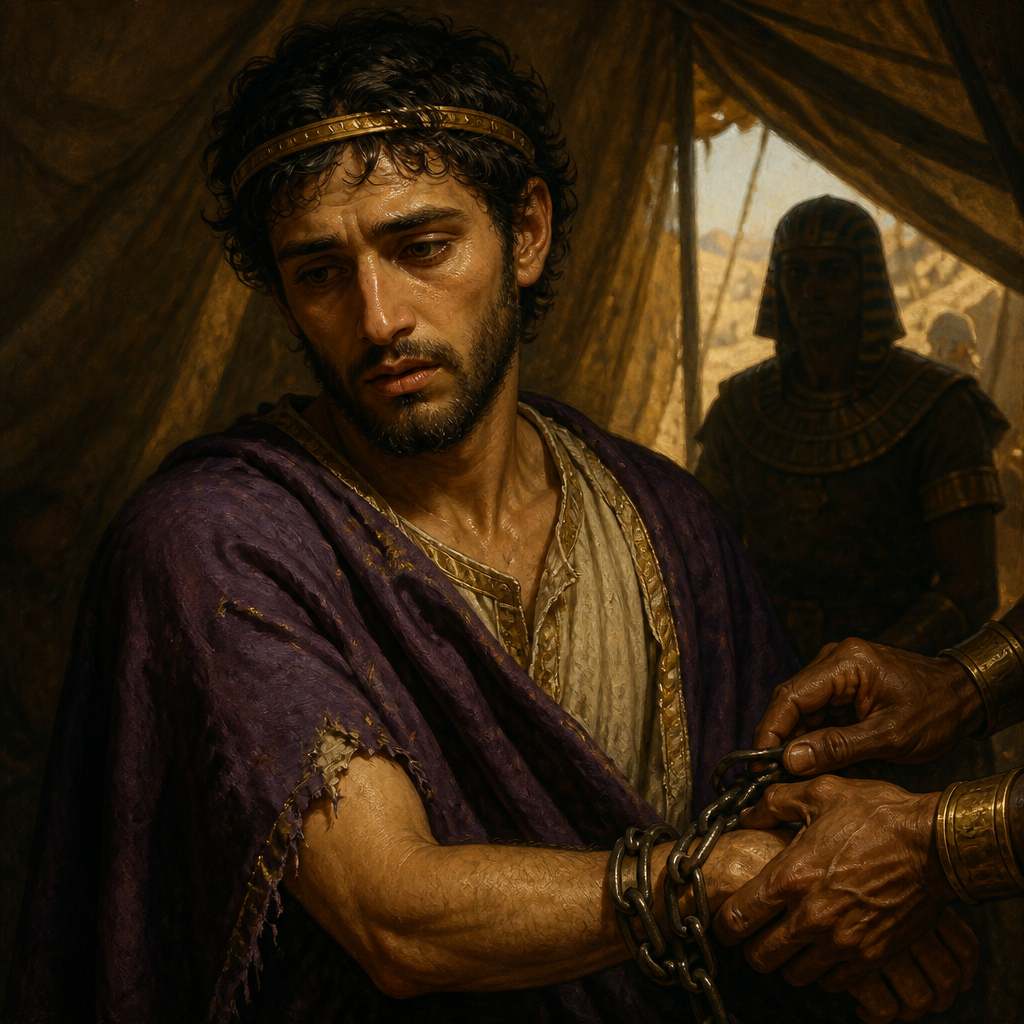
Oil-painting style portrait of Jehoahaz, Son of Josiah, King of Judah who reigned for only three months before being imprisoned in Egypt

Jehoahaz, Son of Josiah

King of Judah who reigned for only three months before being imprisoned in Egypt
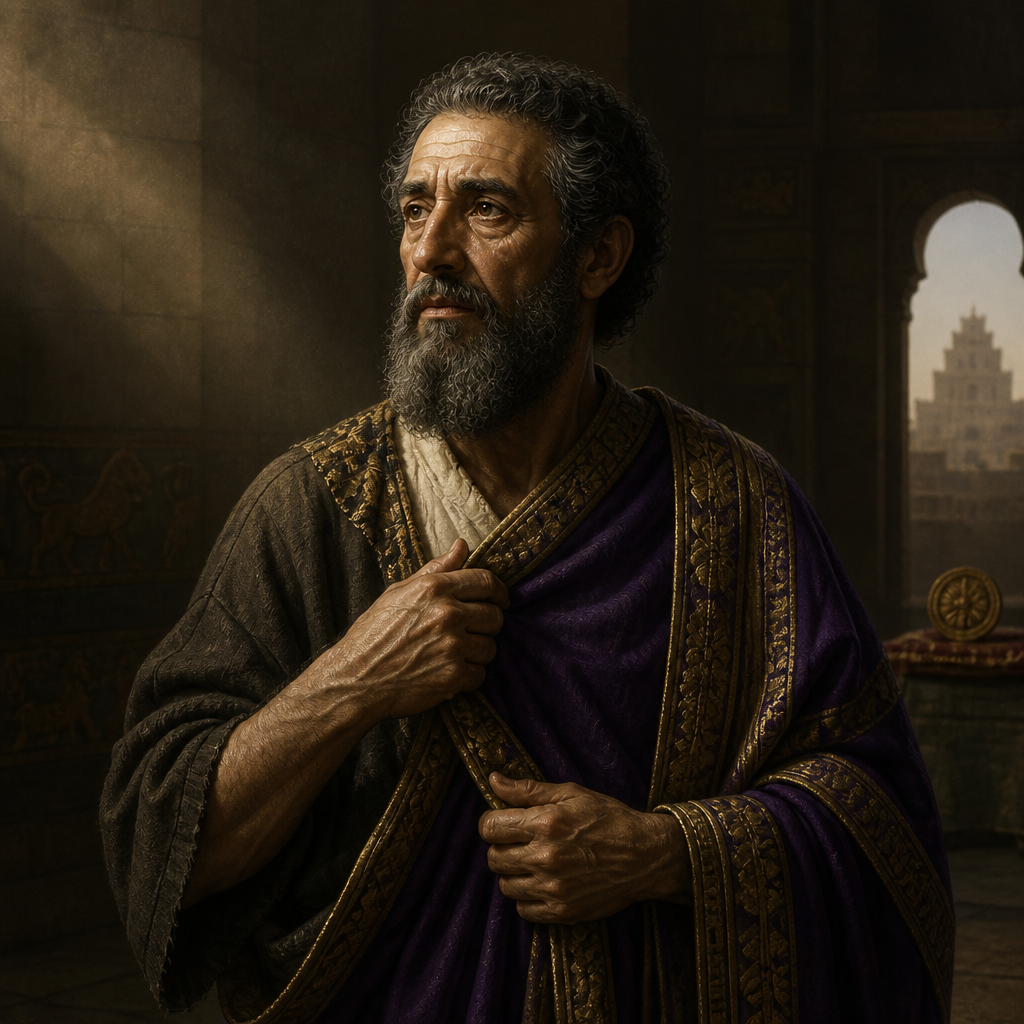
Oil-painting style portrait of Jehoiachin, King of Judah who was taken captive to Babylon and later released from prison
Jehoiachin

King of Judah who was taken captive to Babylon and later released from prison

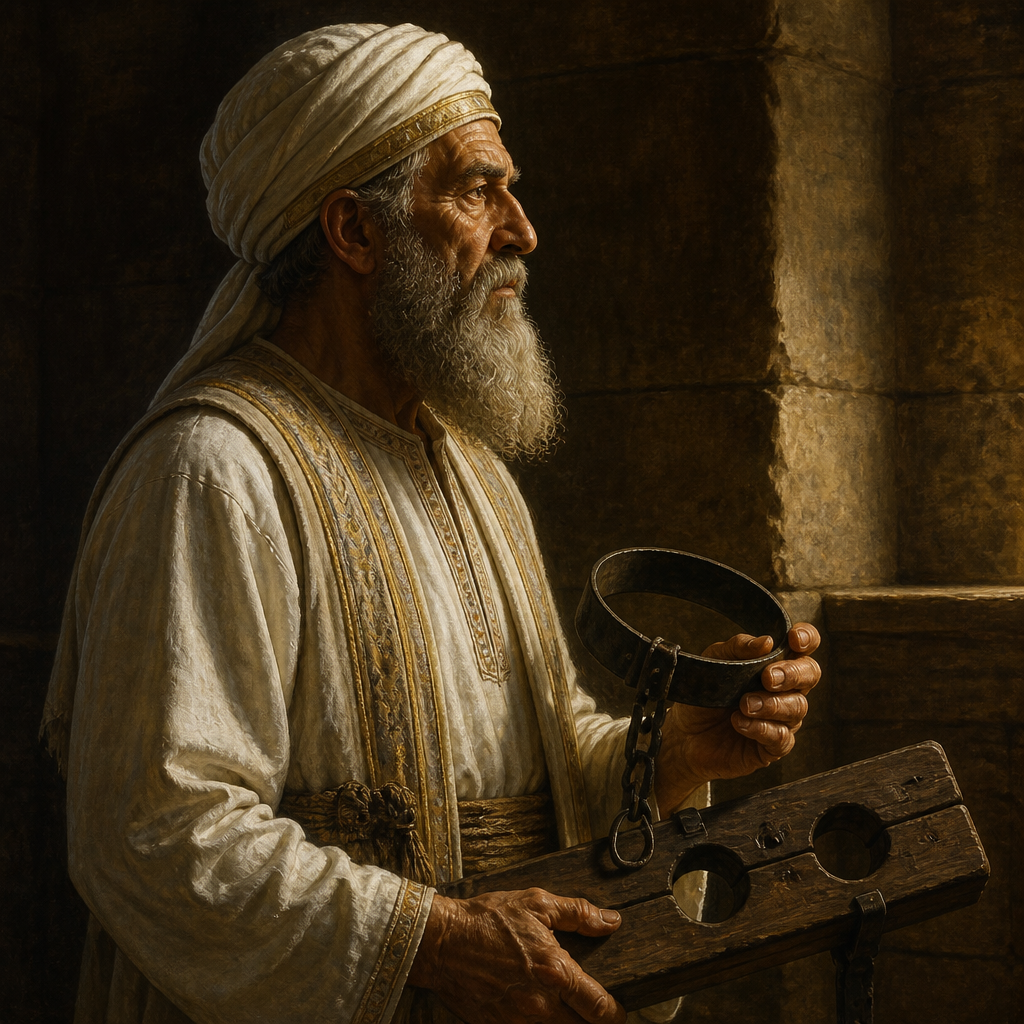
Oil-painting style portrait of Jehoiada, Priest Succeeded by Zephaniah, Priest whose office as chief temple officer was taken by Zephaniah

Jehoiada, Priest Succeeded by Zephaniah

Priest whose office as chief temple officer was taken by Zephaniah
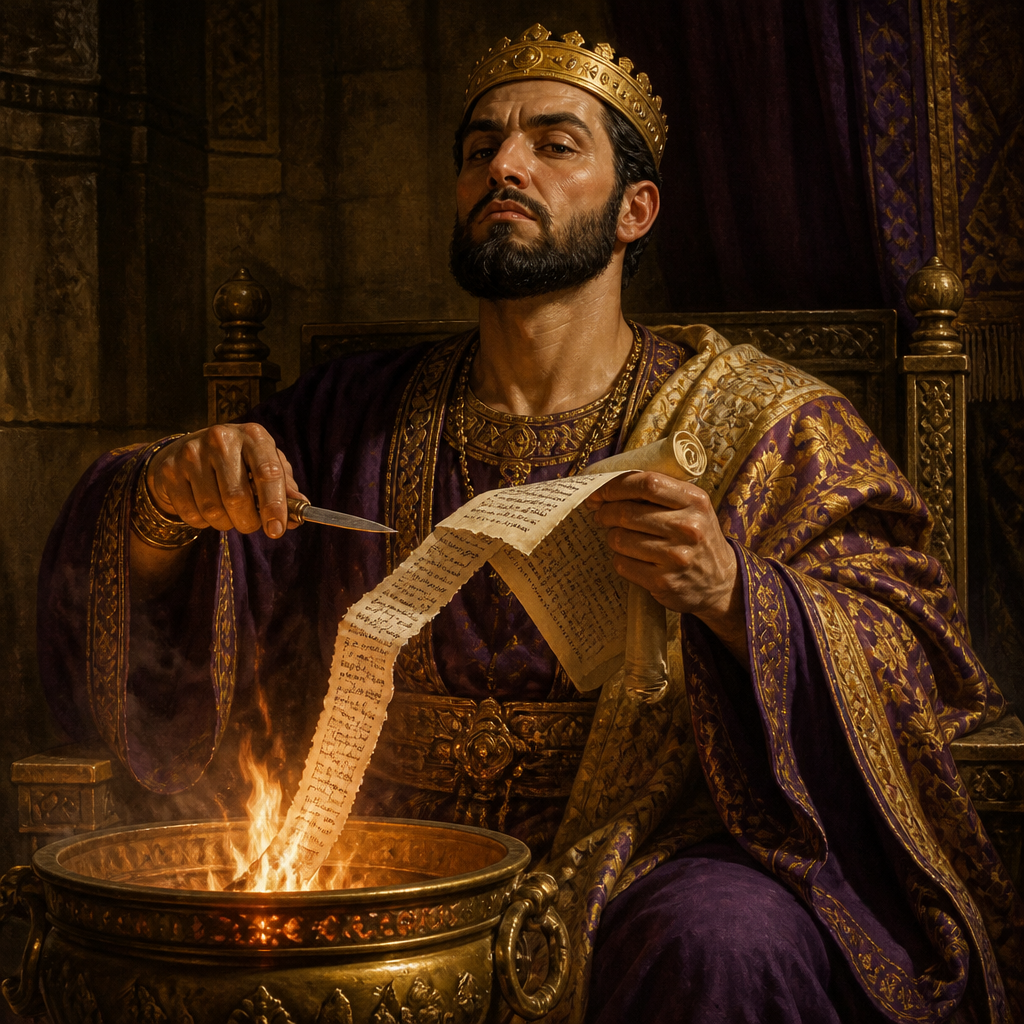
Oil-painting style portrait of Jehoiakim, King of Judah who burned the scroll of Jeremiah's prophecies

Jehoiakim

King of Judah who burned the scroll of Jeremiah's prophecies

Oil-painting style portrait of Jehucal, Royal official under King Zedekiah who opposed the prophet Jeremiah
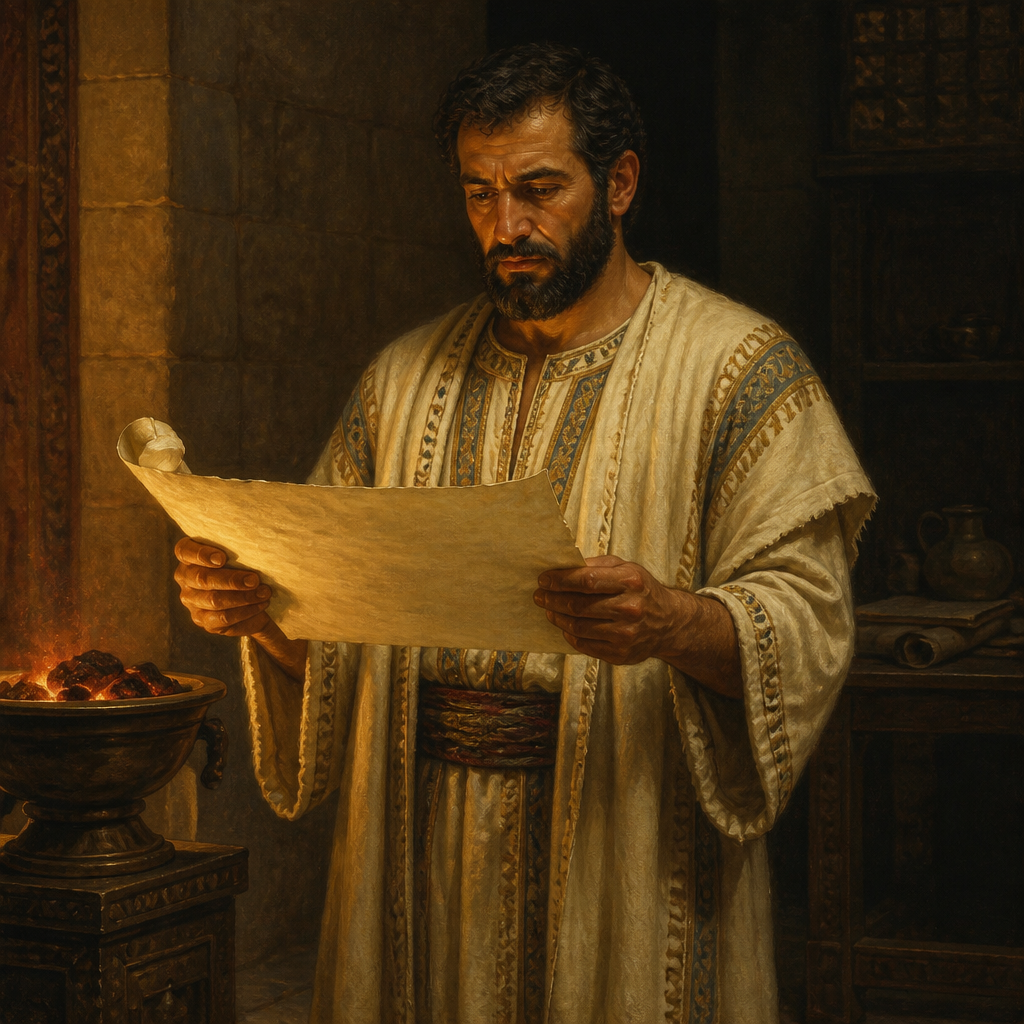
Jehucal

Royal official under King Zedekiah who opposed the prophet Jeremiah
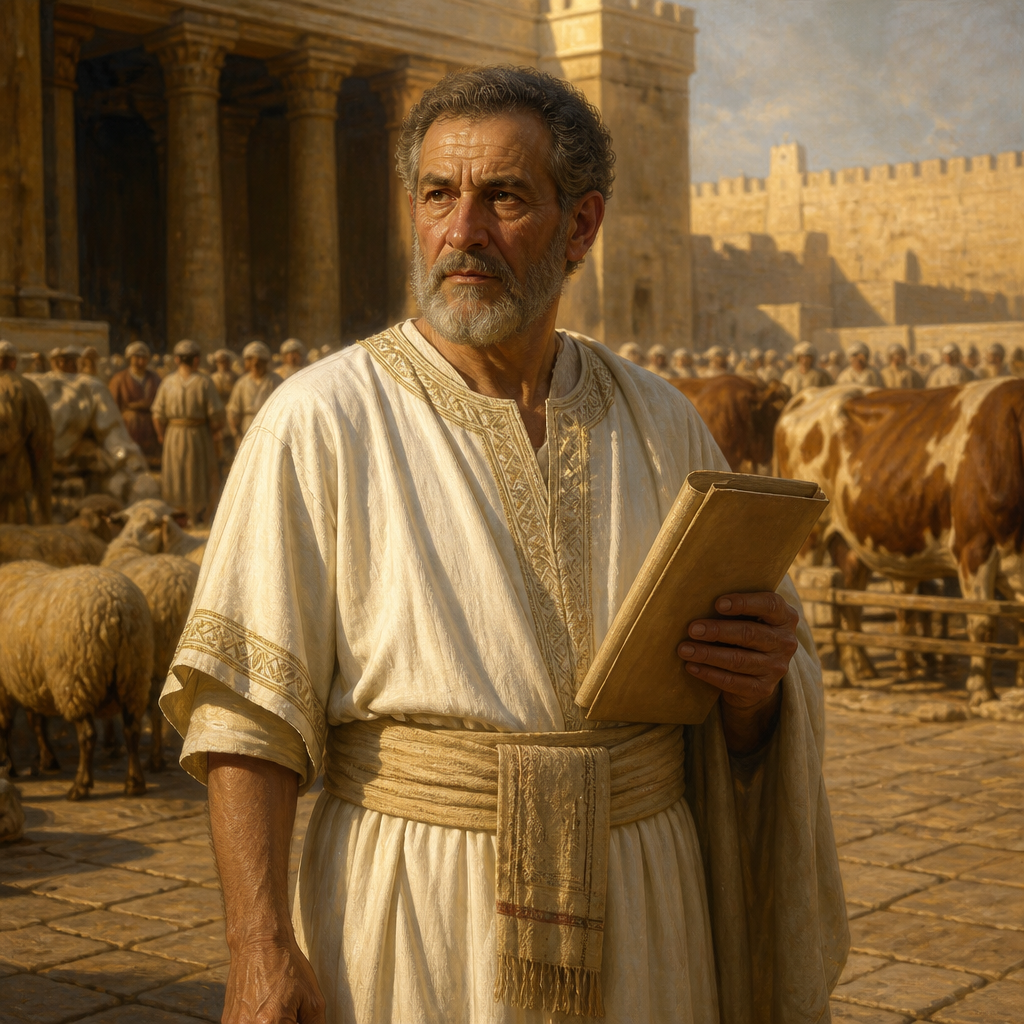
Oil-painting style portrait of Jehudi, Court official who read Jeremiah's scroll to King Jehoiakim

Jehudi

Court official who read Jeremiah's scroll to King Jehoiakim

Oil-painting style portrait of Jeiel, Officer of the Levites, Levite officer who donated livestock for King Josiah's Passover
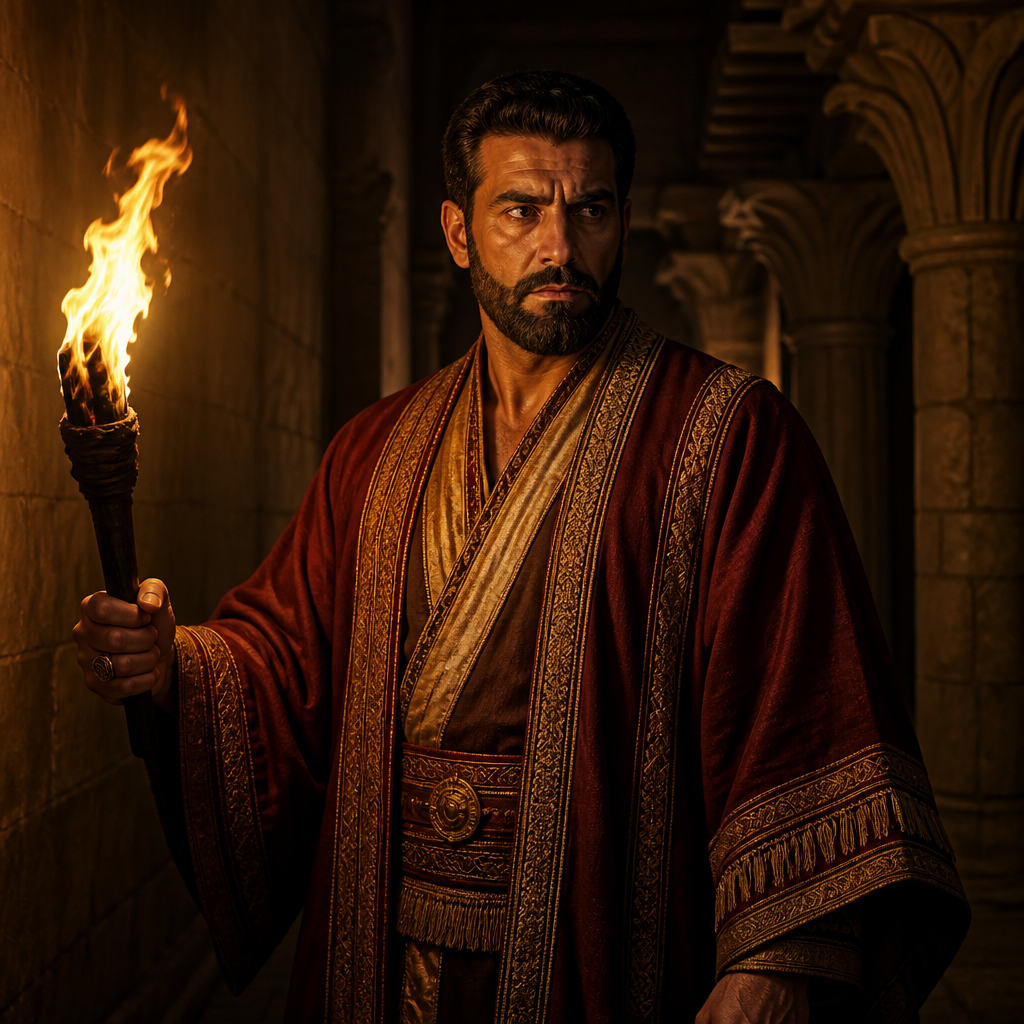
Jeiel, Officer of the Levites

Levite officer who donated livestock for King Josiah's Passover

Oil-painting style portrait of Jerahmeel, Son of Hammelech, Royal official who was commanded by King Jehoiakim to arrest Jeremiah and Baruch
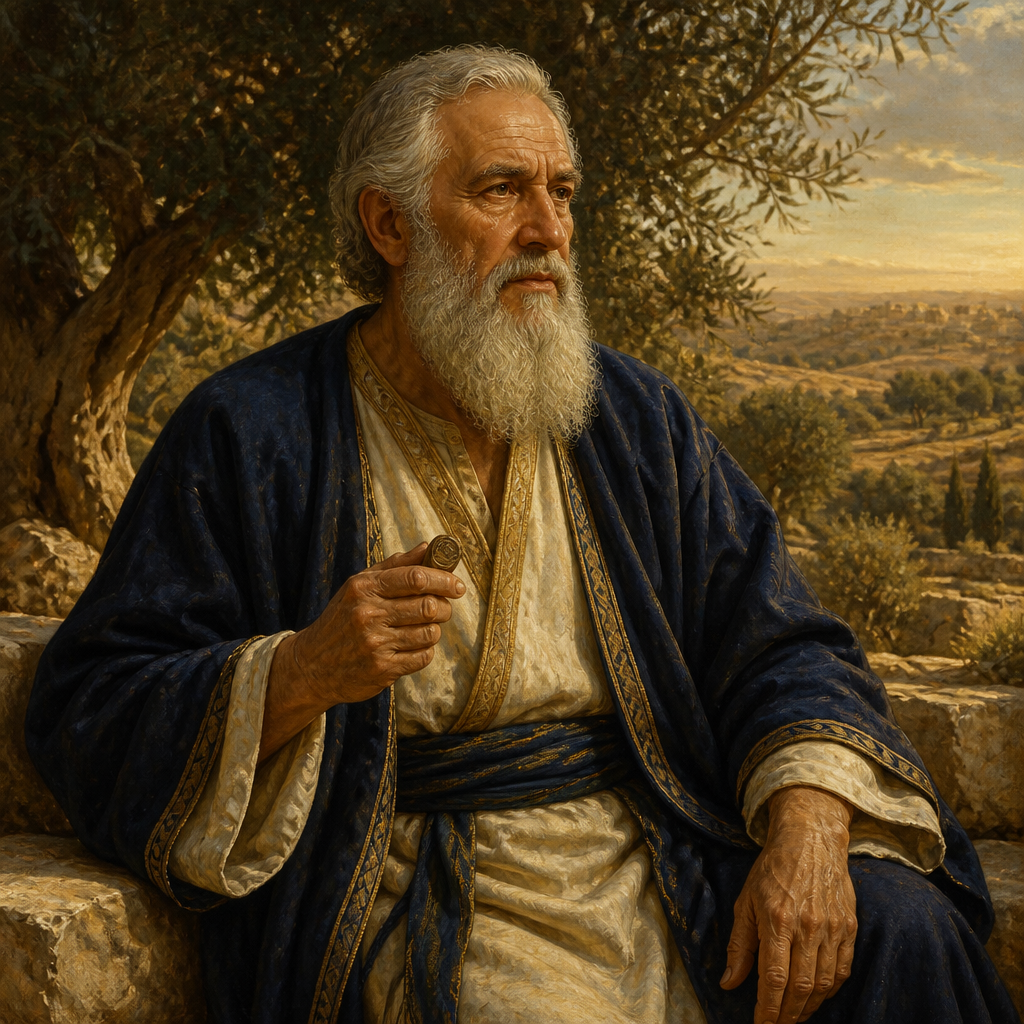
Jerahmeel, Son of Hammelech

Royal official who was commanded by King Jehoiakim to arrest Jeremiah and Baruch

Oil-painting style portrait of Jeremiah of Libnah, father of Queen Hamutal and grandfather of King Zedekiah
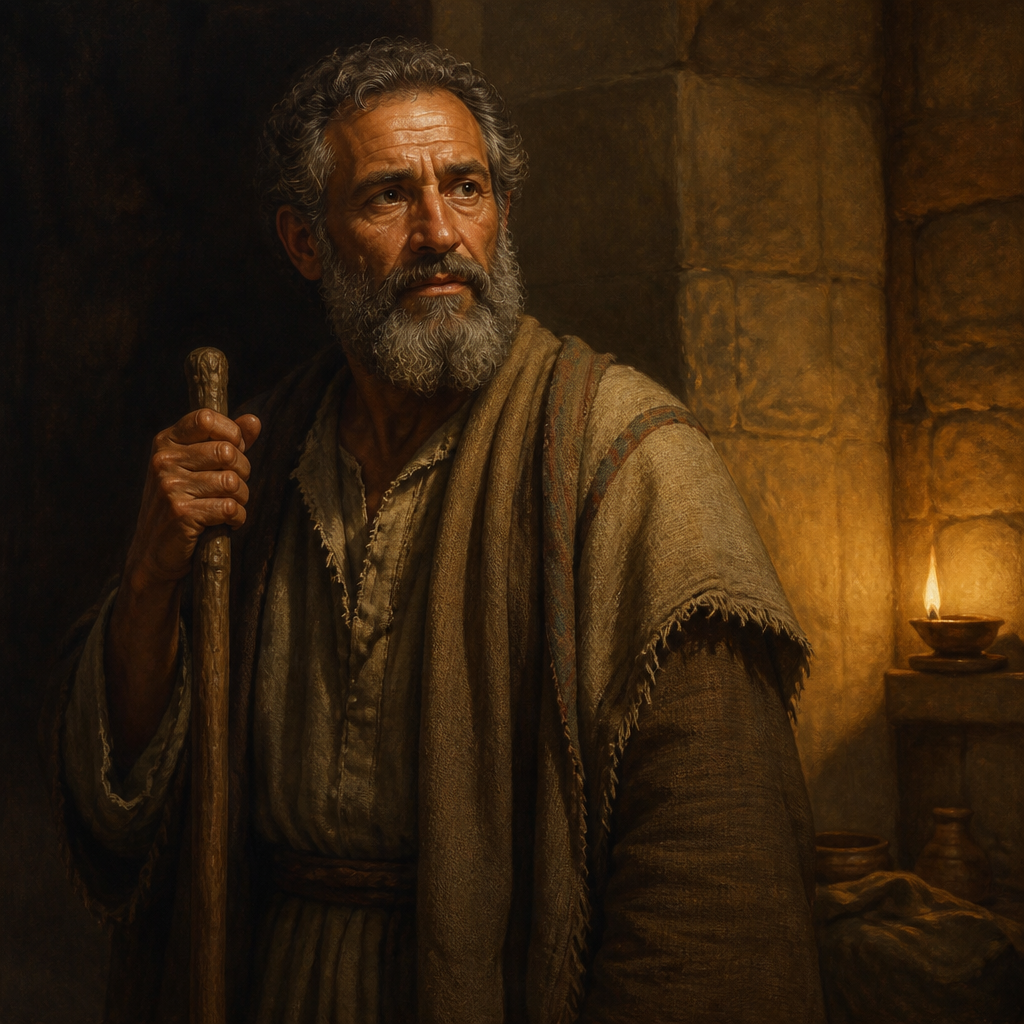
Jeremiah of Libnah

father of Queen Hamutal and grandfather of King Zedekiah

Oil-painting style portrait of Jeremiah, Father of Jaazaniah, Rechabite patriarch and father of Jaazaniah who stood as a witness to the clan's faithfulness

Jeremiah, Father of Jaazaniah

Rechabite patriarch and father of Jaazaniah who stood as a witness to the clan's faithfulness
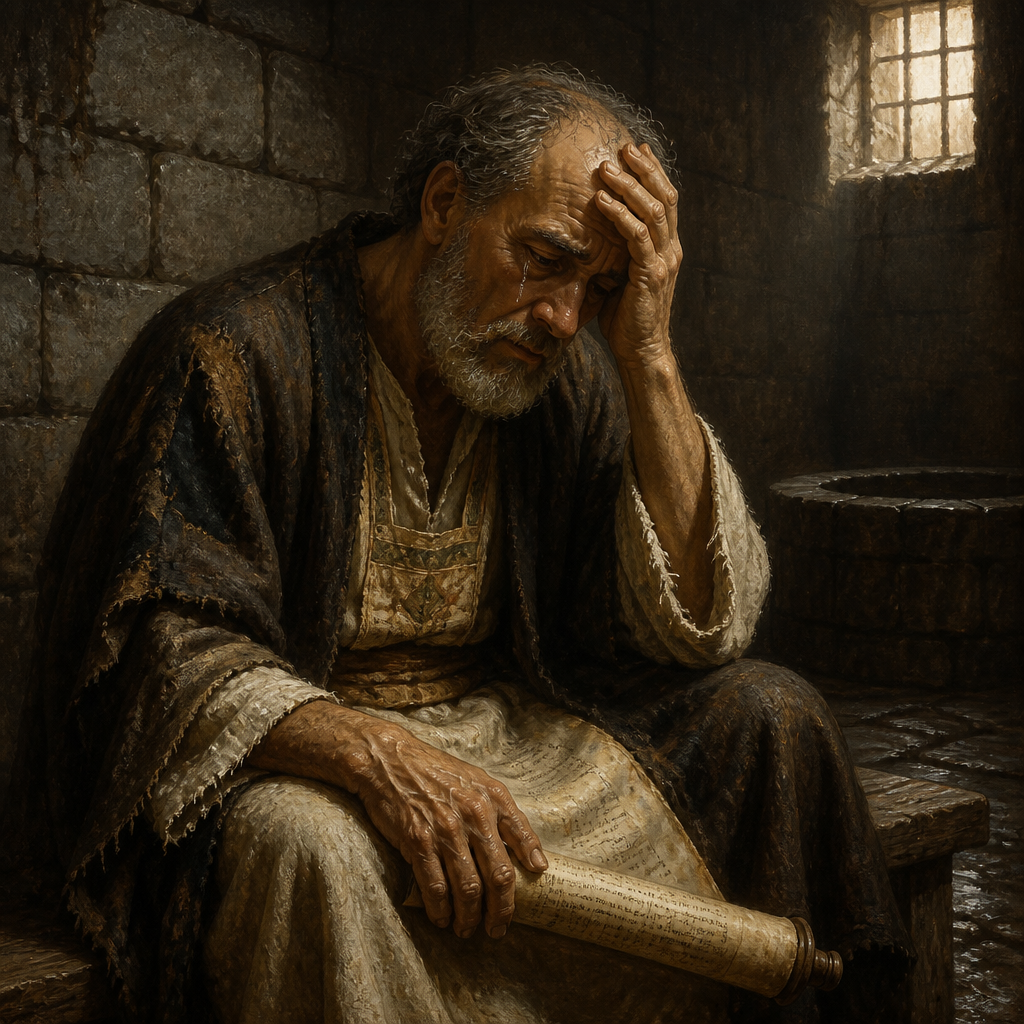
Oil-painting style portrait of Jeremiah, Son of Hilkiah

Jeremiah, Son of Hilkiah

Prophet who predicted the seventy-year Babylonian exile and the New Covenant
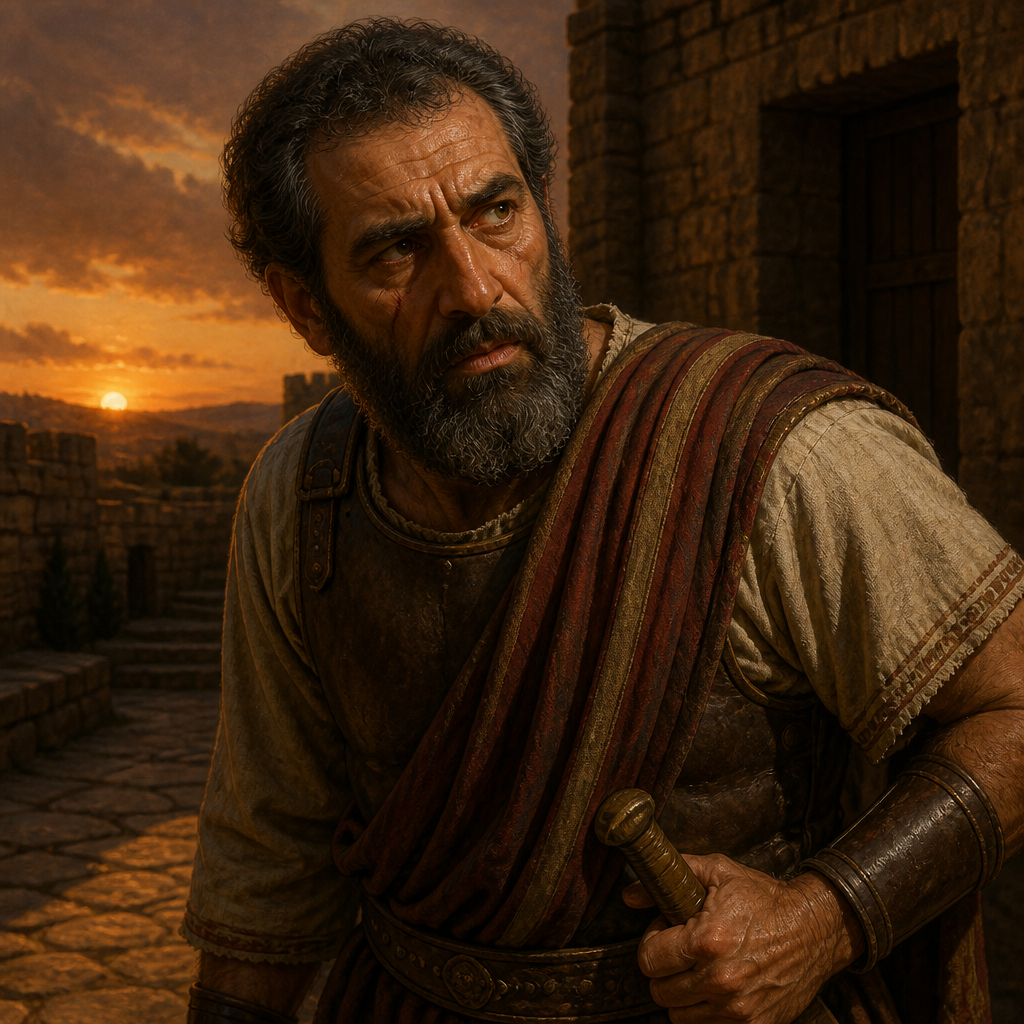
Oil-painting style portrait of Jezaniah, Military commander who consulted Jeremiah but later rejected his prophecy to stay in Judah

Jezaniah

Military commander who consulted Jeremiah but later rejected his prophecy to stay in Judah
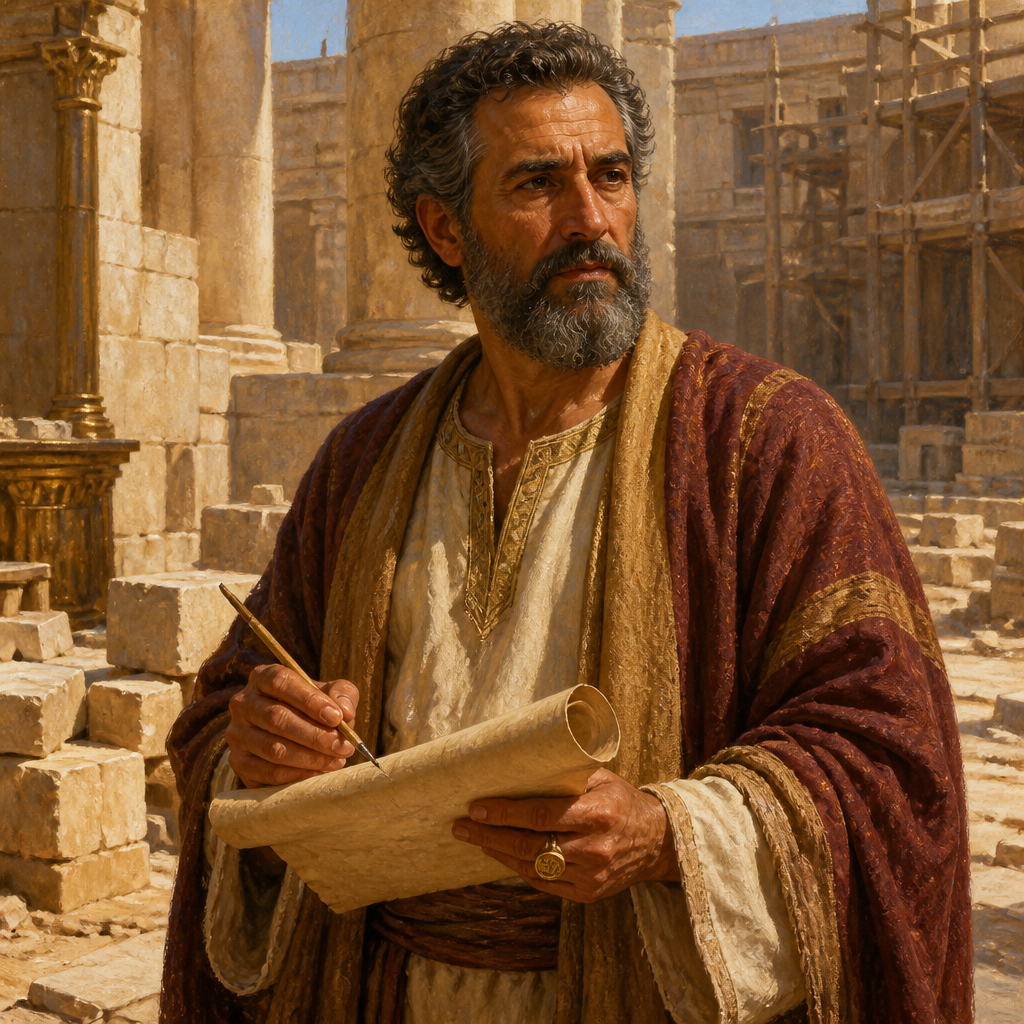
Oil-painting style portrait of Joah, Recorder to King Josiah, Royal recorder who helped oversee the Temple repairs under King Josiah

Joah, Recorder to King Josiah

Royal recorder who helped oversee the Temple repairs under King Josiah
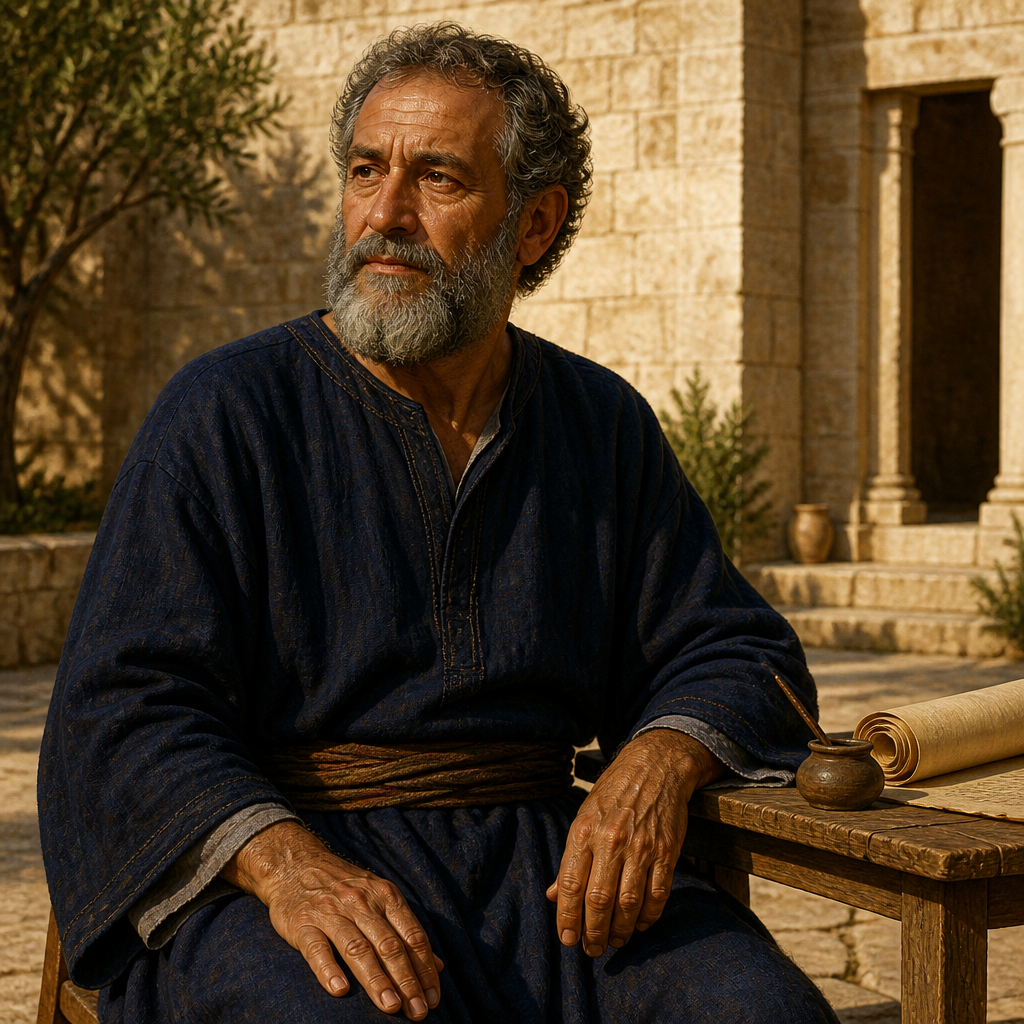
Oil-painting style portrait of Joahaz, Father of Joah the recorder during the reign of King Josiah

Joahaz

Father of Joah the recorder during the reign of King Josiah

Oil-painting style portrait of Johanan son of Kareah, Military commander who rescued the captives of Ishmael but later led the Judean remnant into Egypt against the command of God

Johanan son of Kareah

Military commander who rescued the captives of Ishmael but later led the Judean remnant into Egypt against the command of God

Oil-painting style portrait of Jonadab, Son of Rechab, Patriarch of the Rechabites who prohibited wine and commanded a nomadic lifestyle to ensure faithfulness to Yahweh

Jonadab, Son of Rechab

Patriarch of the Rechabites who prohibited wine and commanded a nomadic lifestyle to ensure faithfulness to Yahweh

Oil-painting style portrait of Jonathan the Scribe, Scribe whose house was converted into a prison for the prophet Jeremiah

Jonathan the Scribe

Scribe whose house was converted into a prison for the prophet Jeremiah

Oil-painting style portrait of Jonathan, Son of Kareah, Judean military commander who joined Gedaliah at Mizpah after Jerusalem's fall

Jonathan, Son of Kareah

Judean military commander who joined Gedaliah at Mizpah after Jerusalem's fall

Oil-painting style portrait of Joshua, Governor of the City, Governor of Jerusalem during the religious reforms of King Josiah

Joshua, Governor of the City

Governor of Jerusalem during the religious reforms of King Josiah

Oil-painting style portrait of Josiah, King of Judah, King of Judah who instituted religious reforms after finding the Book of the Law

Josiah, King of Judah

King of Judah who instituted religious reforms after finding the Book of the Law

Oil-painting style portrait of Jozabad, Levite Officer under Josiah, Levite officer who donated 5,000 offerings and 500 bulls for Josiah's Passover

Jozabad, Levite Officer under Josiah

Levite officer who donated 5,000 offerings and 500 bulls for Josiah's Passover

Oil-painting style portrait of Kareah, Father of Johanan and Jonathan who were military commanders of the Judean remnant

Kareah

Father of Johanan and Jonathan who were military commanders of the Judean remnant

Oil-painting style portrait of Kolaiah, Father of the False Prophet Ahab, father of the false prophet Ahab who was executed in Babylon

Kolaiah, Father of the False Prophet Ahab

father of the false prophet Ahab who was executed in Babylon

Oil-painting style portrait of Maacathite, Patriarchal founder of a Judean clan whose descendants served as Davidic warriors and military commanders

Maacathite

Patriarchal founder of a Judean clan whose descendants served as Davidic warriors and military commanders

Oil-painting style portrait of Maaseiah son of Shallum, Doorkeeper, Temple doorkeeper whose chamber served as a landmark in the Book of Jeremiah

Maaseiah son of Shallum, Doorkeeper

Temple doorkeeper whose chamber served as a landmark in the Book of Jeremiah

Oil-painting style portrait of Maaseiah, Father of Zedekiah the False Prophet, Father of the false prophet Zedekiah who was executed by Nebuchadnezzar

Maaseiah, Father of Zedekiah the False Prophet

Father of the false prophet Zedekiah who was executed by Nebuchadnezzar

Oil-painting style portrait of Maaseiah, Father of Zephaniah, Father of Zephaniah the priest during the reign of King Zedekiah

Maaseiah, Father of Zephaniah

Father of Zephaniah the priest during the reign of King Zedekiah

Oil-painting style portrait of Maaseiah, Governor of Jerusalem, Governor of Jerusalem who helped oversee the Temple repairs under King Josiah
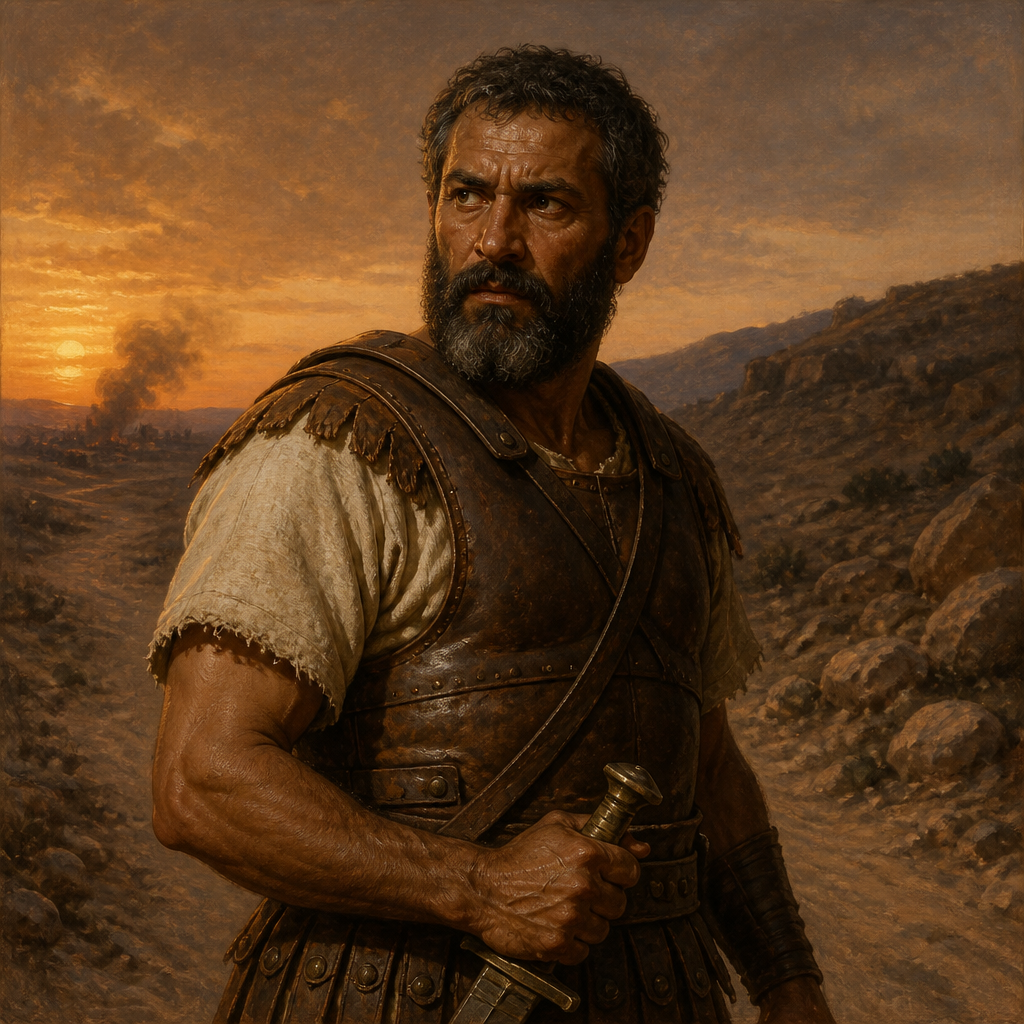
Maaseiah, Governor of Jerusalem

Governor of Jerusalem who helped oversee the Temple repairs under King Josiah
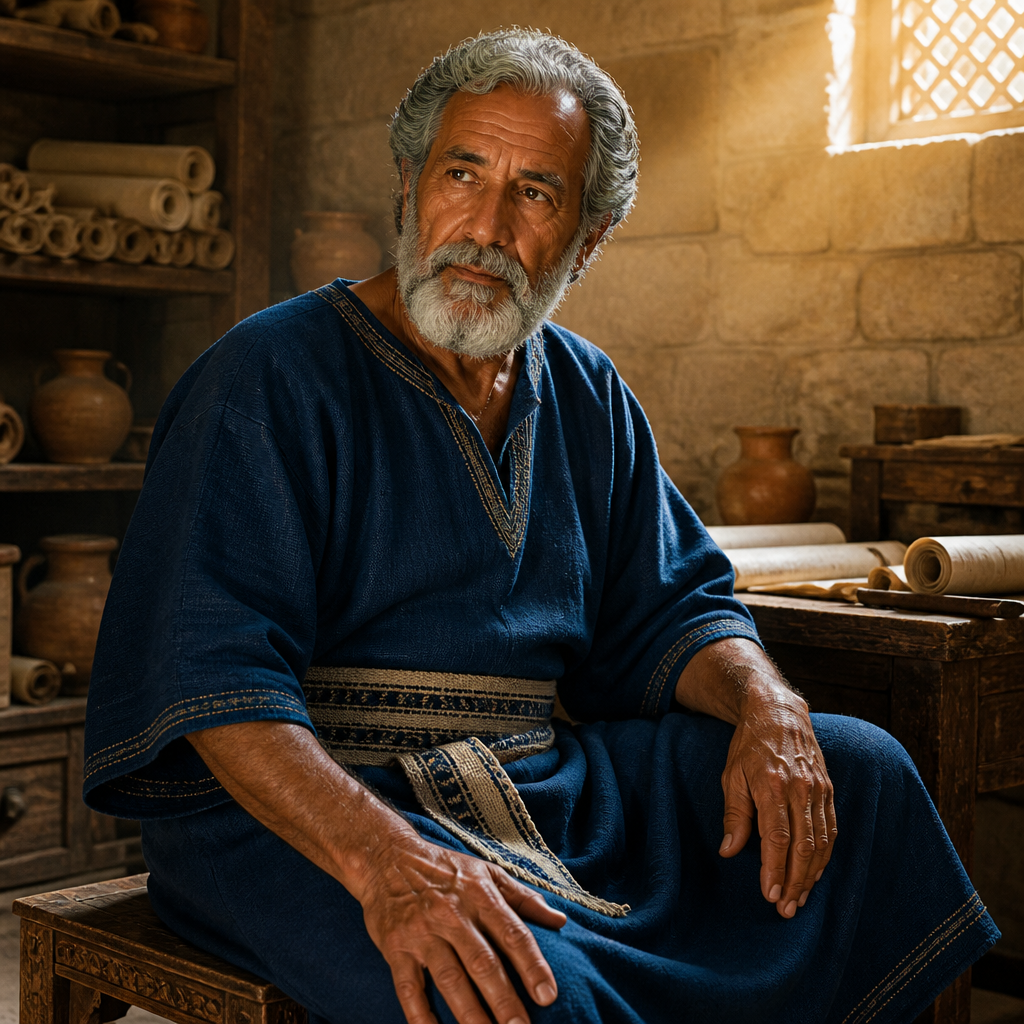
Oil-painting style portrait of Mahseiah, Grandfather of Baruch the scribe and Seraiah the quartermaster
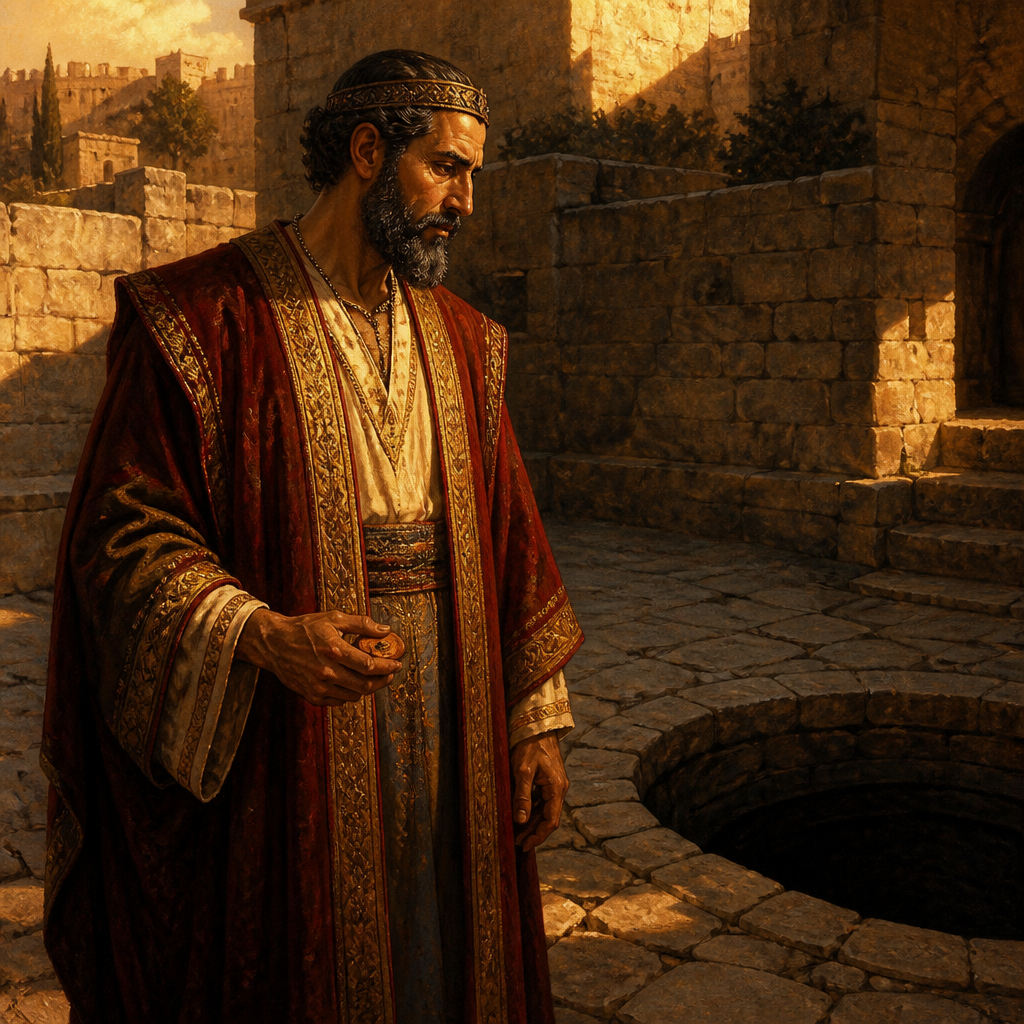
Mahseiah

Grandfather of Baruch the scribe and Seraiah the quartermaster

Oil-painting style portrait of Malchiah, Royal official and son of the king whose cistern was used to imprison the prophet Jeremiah

Malchiah

Royal official and son of the king whose cistern was used to imprison the prophet Jeremiah
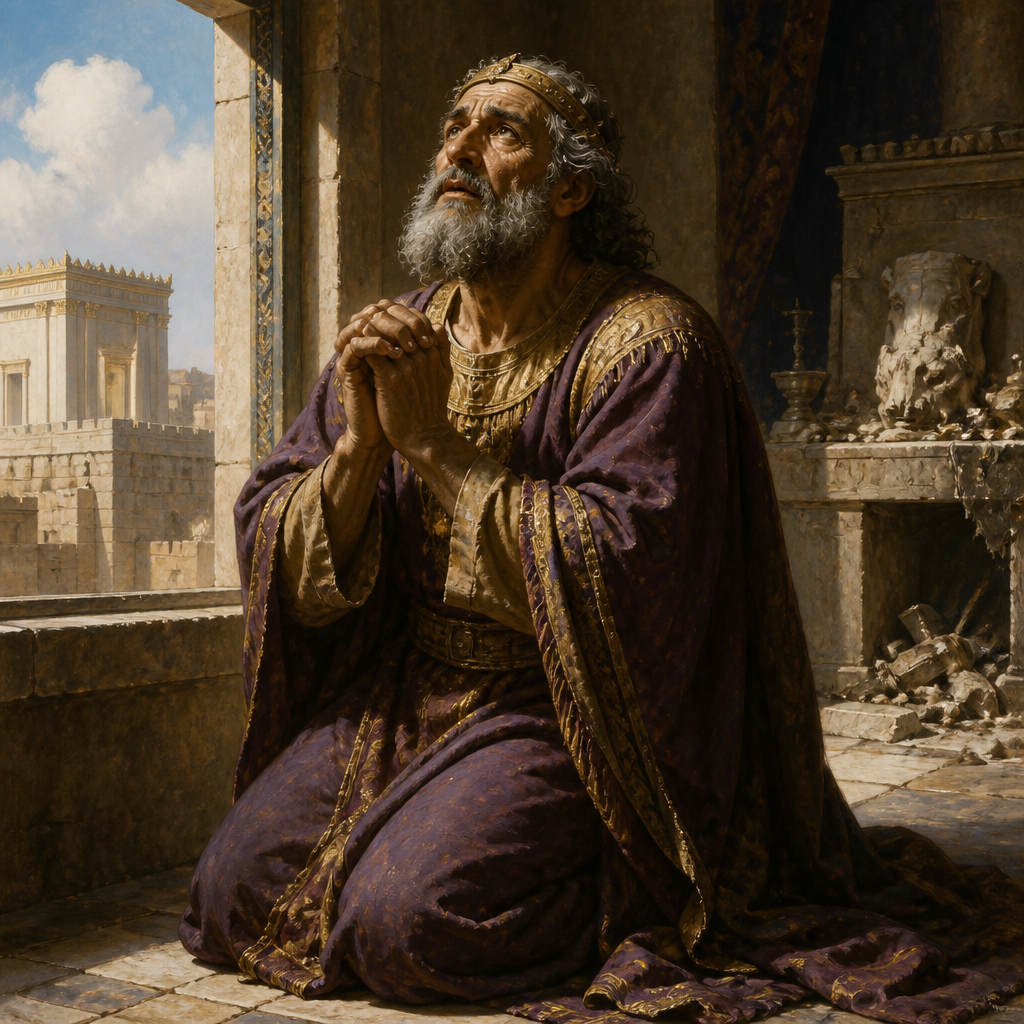
Oil-painting style portrait of Manasseh, King of Judah, King of Judah who reigned 55 years and was notorious for his idolatry and late-life repentance

Manasseh, King of Judah

King of Judah who reigned 55 years and was notorious for his idolatry and late-life repentance
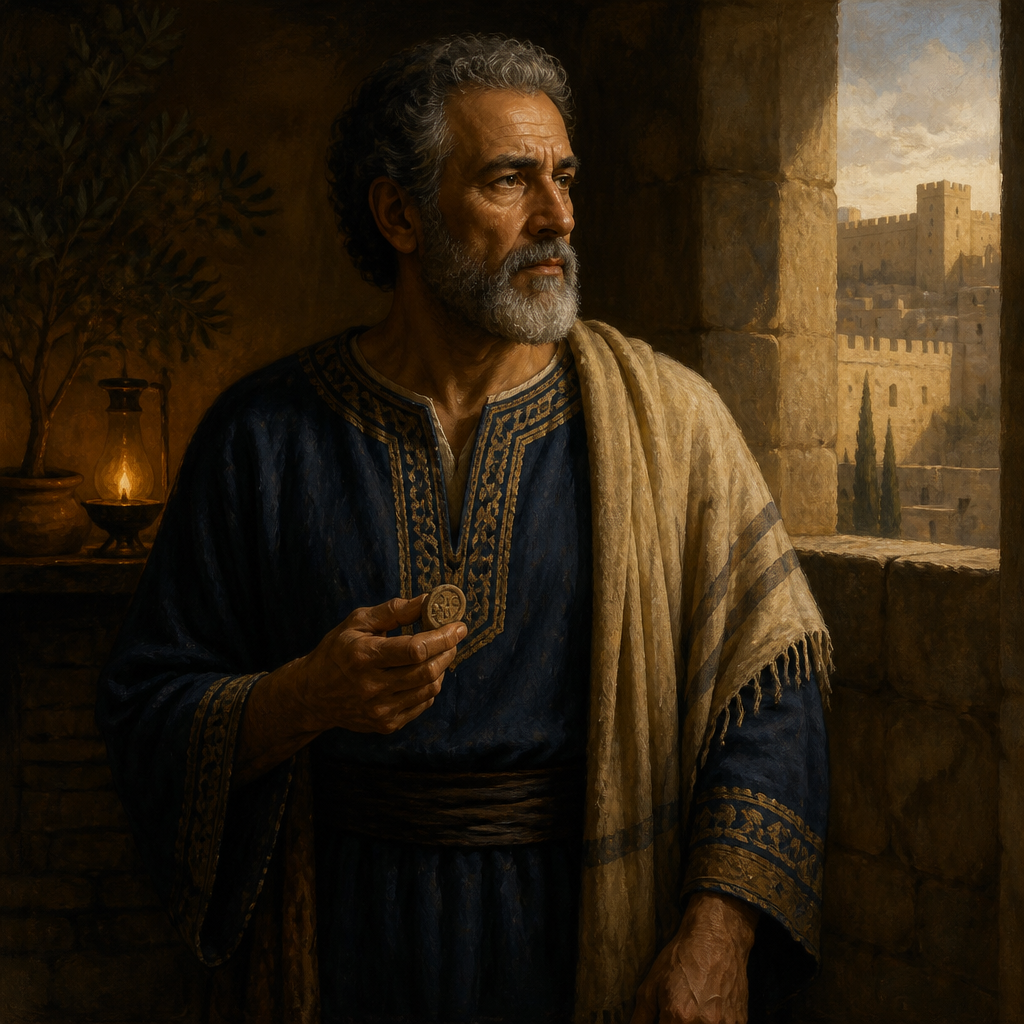
Oil-painting style portrait of Mattan, Father of Shephatiah, Judean man identified as the father of Shephatiah in the Book of Jeremiah

Mattan, Father of Shephatiah

Judean man identified as the father of Shephatiah in the Book of Jeremiah
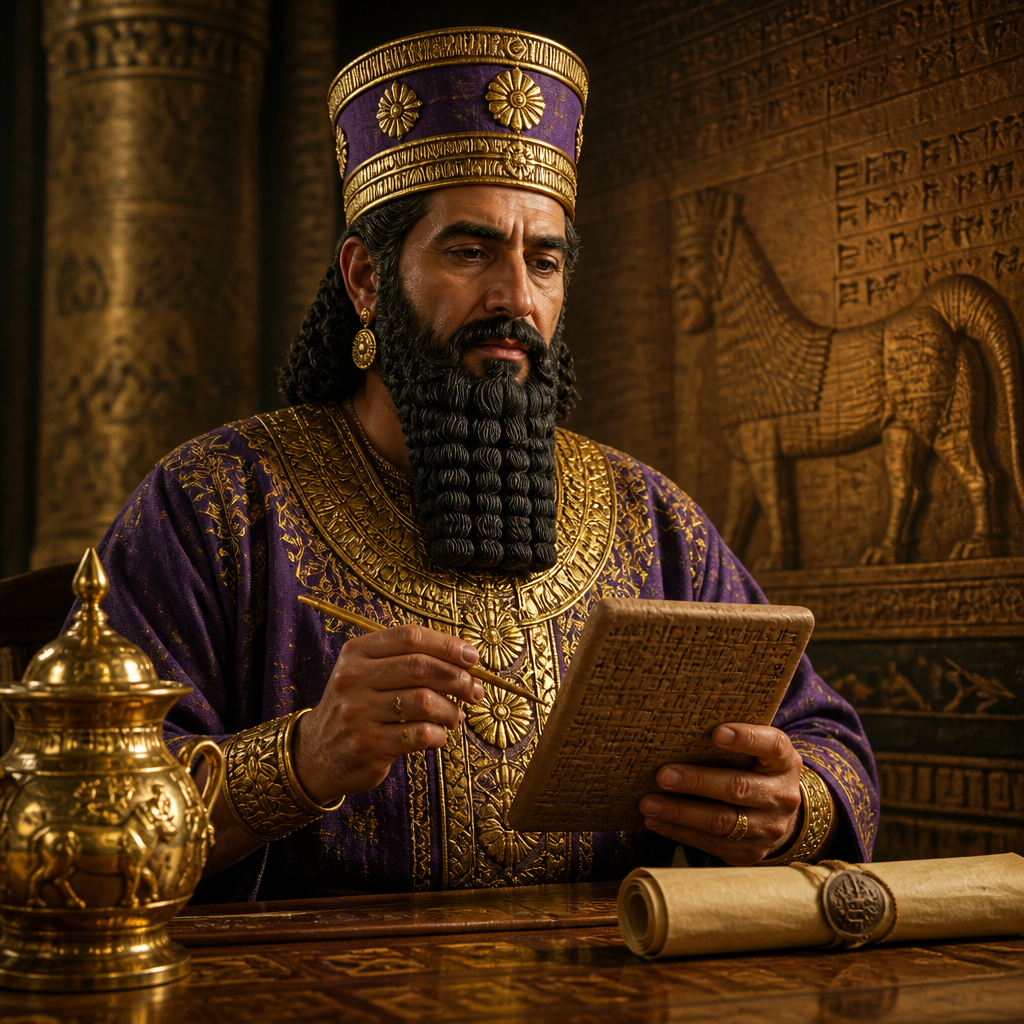
Oil-painting style portrait of Melzar, Steward who allowed Daniel and his friends to eat vegetables instead of the King's meat

Melzar

Steward who allowed Daniel and his friends to eat vegetables instead of the King's meat

Oil-painting style portrait of Merodach-baladan, King of Babylon who sent an embassy to Hezekiah

Merodach-baladan

King of Babylon who sent an embassy to Hezekiah

Oil-painting style portrait of Meshullam, Grandfather of Shaphan, grandfather of Shaphan the scribe who served King Josiah

Meshullam, Grandfather of Shaphan

grandfather of Shaphan the scribe who served King Josiah

Oil-painting style portrait of Meshullam, Levite of the Divided Monarchy, Levite overseer who faithfully supervised the repairs of the Temple under King Josiah

Meshullam, Levite of the Divided Monarchy

Levite overseer who faithfully supervised the repairs of the Temple under King Josiah
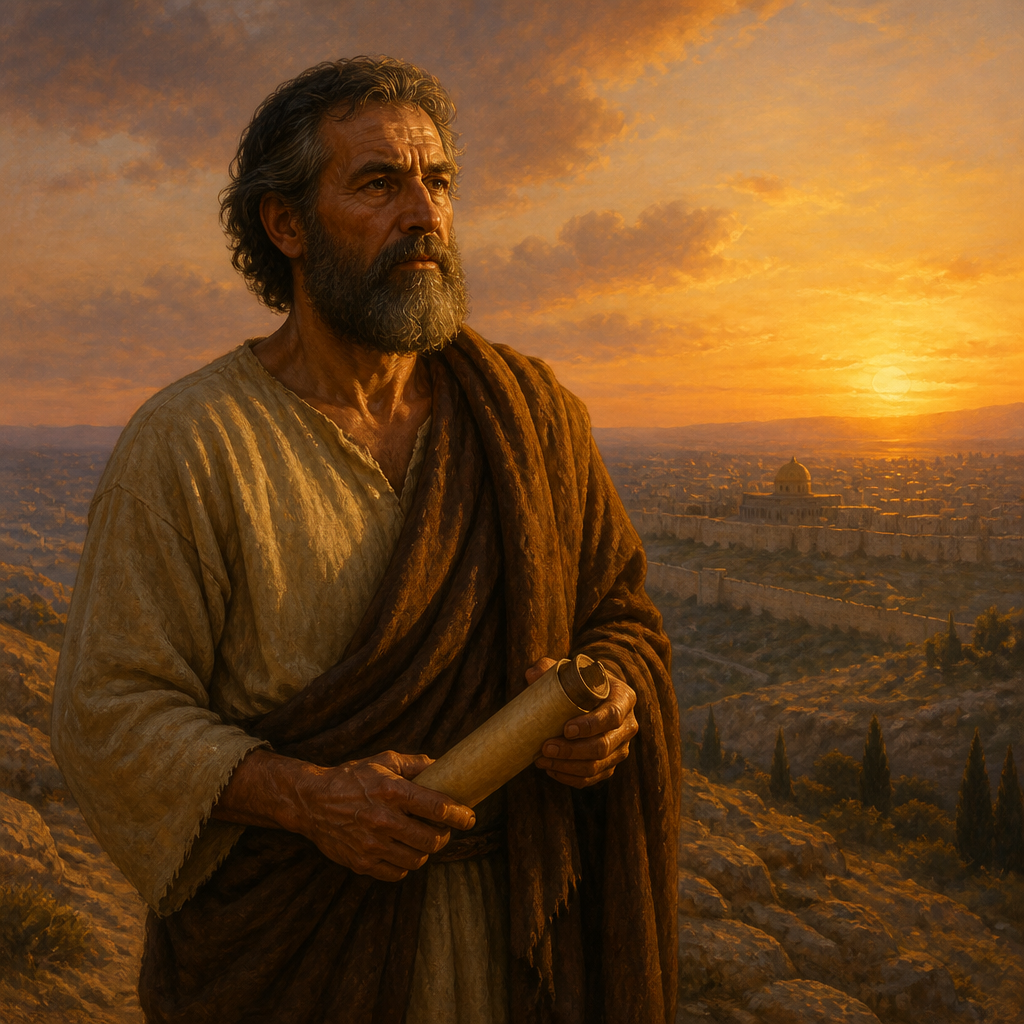
Oil-painting style portrait of Micah the Moreshite, Prophet who predicted the destruction of Jerusalem and the Temple during the reign of Hezekiah

Micah the Moreshite

Prophet who predicted the destruction of Jerusalem and the Temple during the reign of Hezekiah
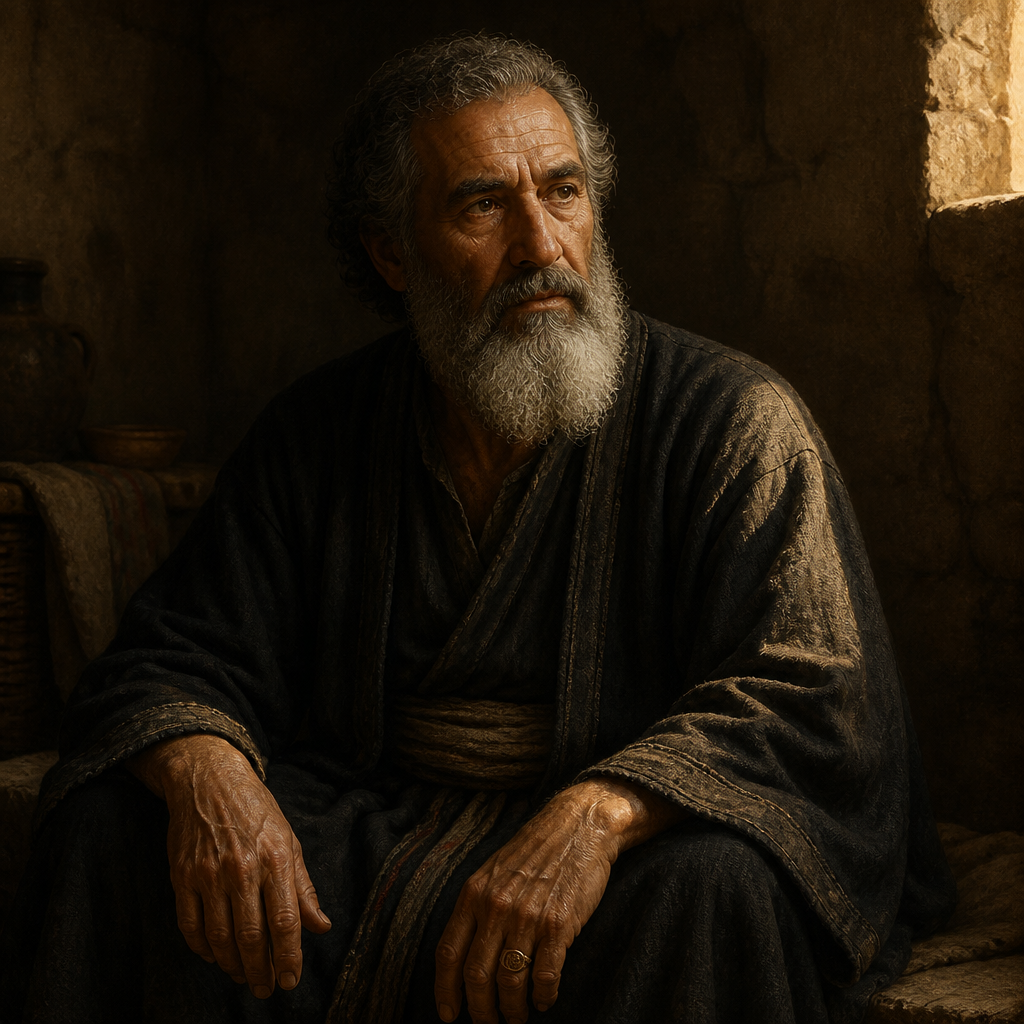
Oil-painting style portrait of Micaiah, Father of Achbor, father of Achbor who served as a royal official under King Josiah
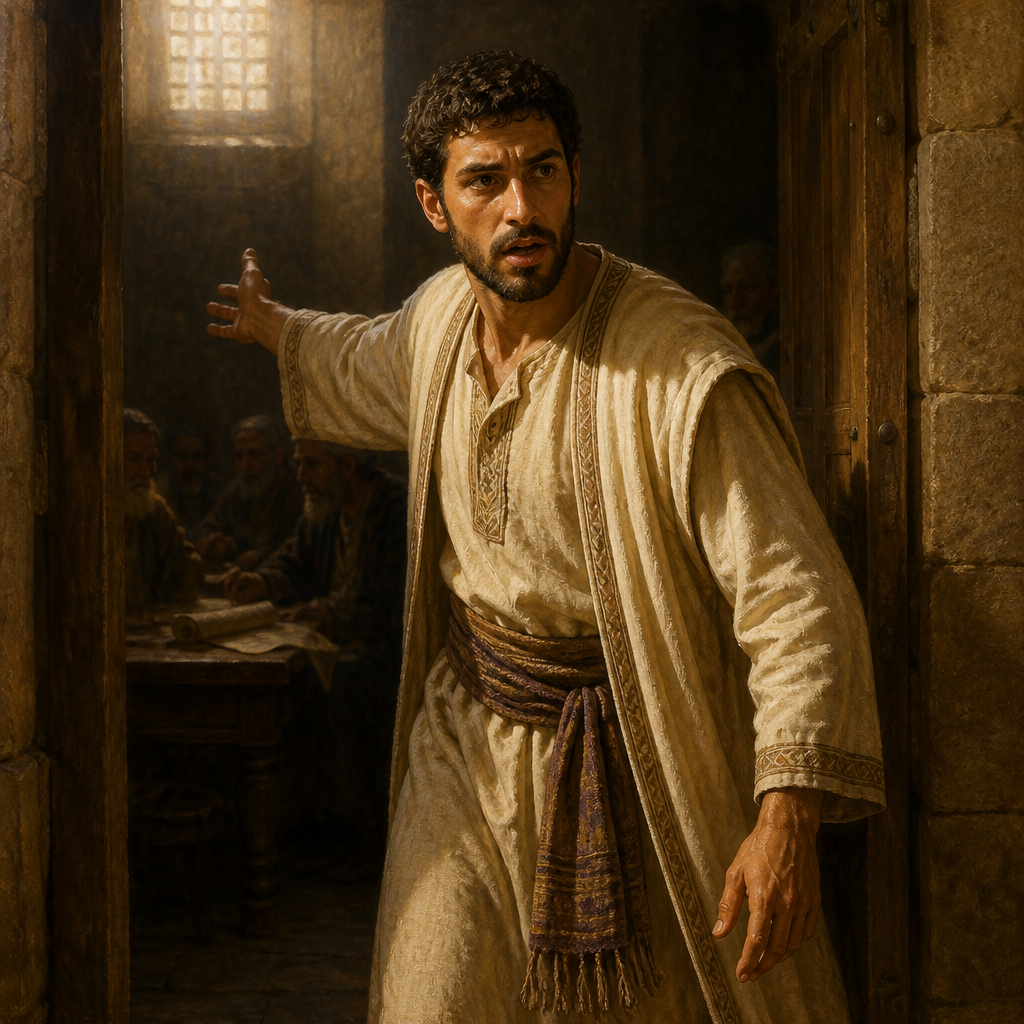
Micaiah, Father of Achbor

father of Achbor who served as a royal official under King Josiah

Oil-painting style portrait of Micaiah, Son of Gemariah, official who reported the reading of Jeremiah's scroll to the royal court

Micaiah, Son of Gemariah

official who reported the reading of Jeremiah's scroll to the royal court
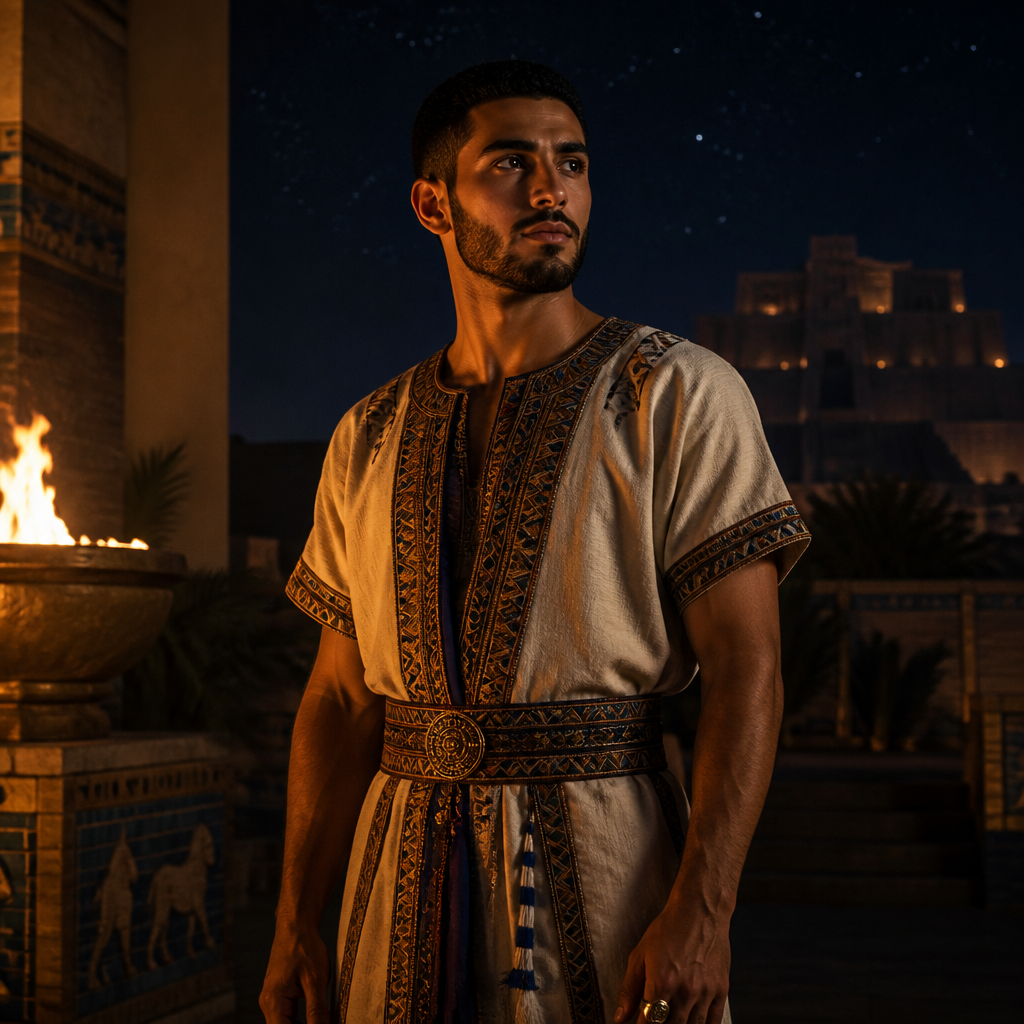
Oil-painting style portrait of Mishael, Companion of Daniel, Judean noble who was renamed Meshach and miraculously survived the fiery furnace

Mishael, Companion of Daniel

Judean noble who was renamed Meshach and miraculously survived the fiery furnace
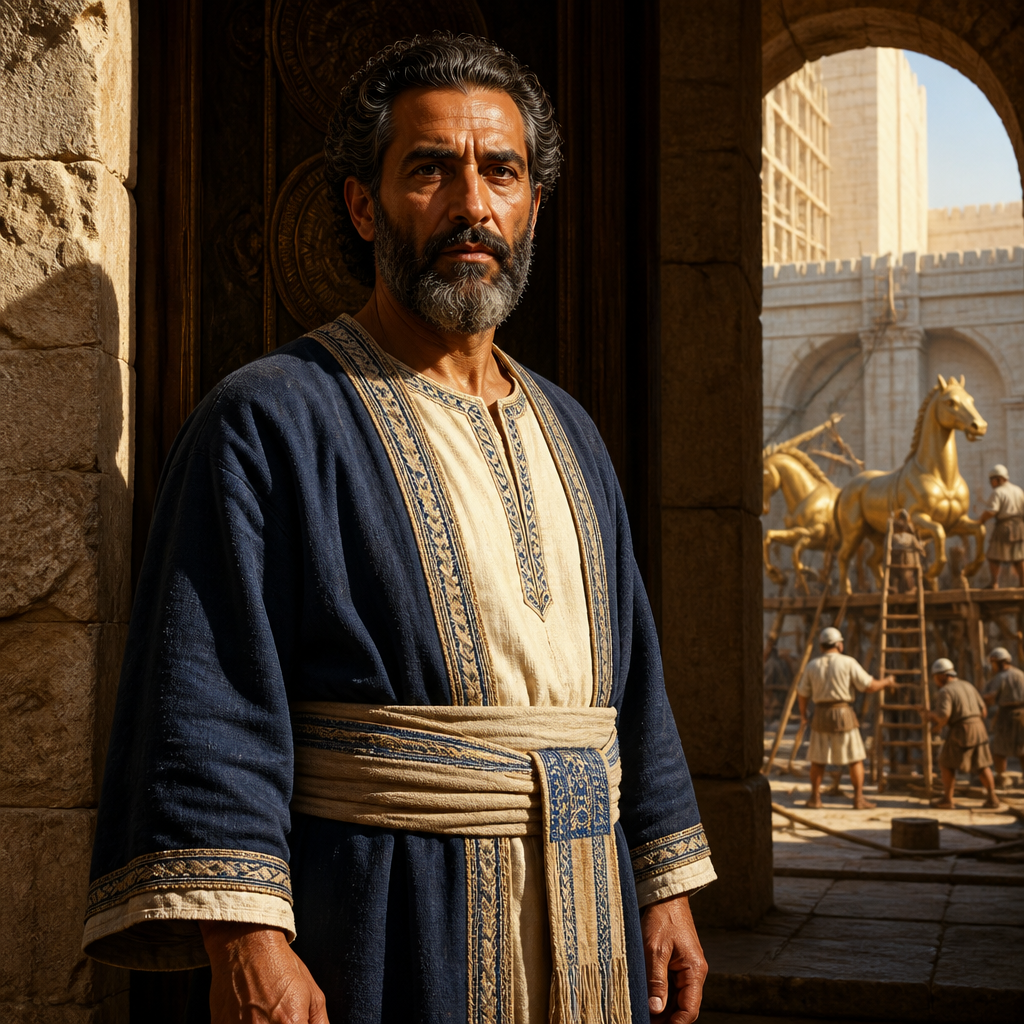
Oil-painting style portrait of Nathan-melech, Official whose Temple chamber was near the horses dedicated to the sun
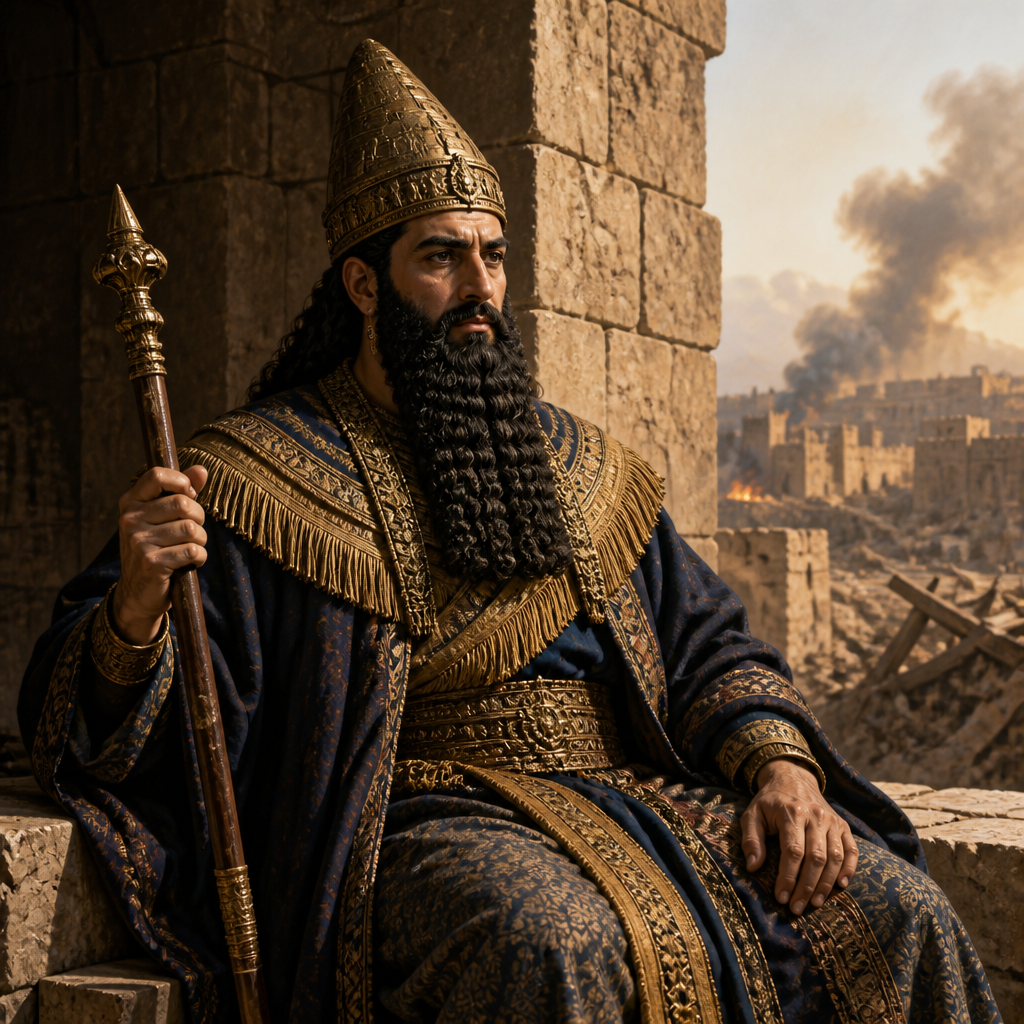
Nathan-melech

Official whose Temple chamber was near the horses dedicated to the sun

Oil-painting style portrait of Nebu-sar-sekim, Babylonian official present at the fall of Jerusalem in 586 BC
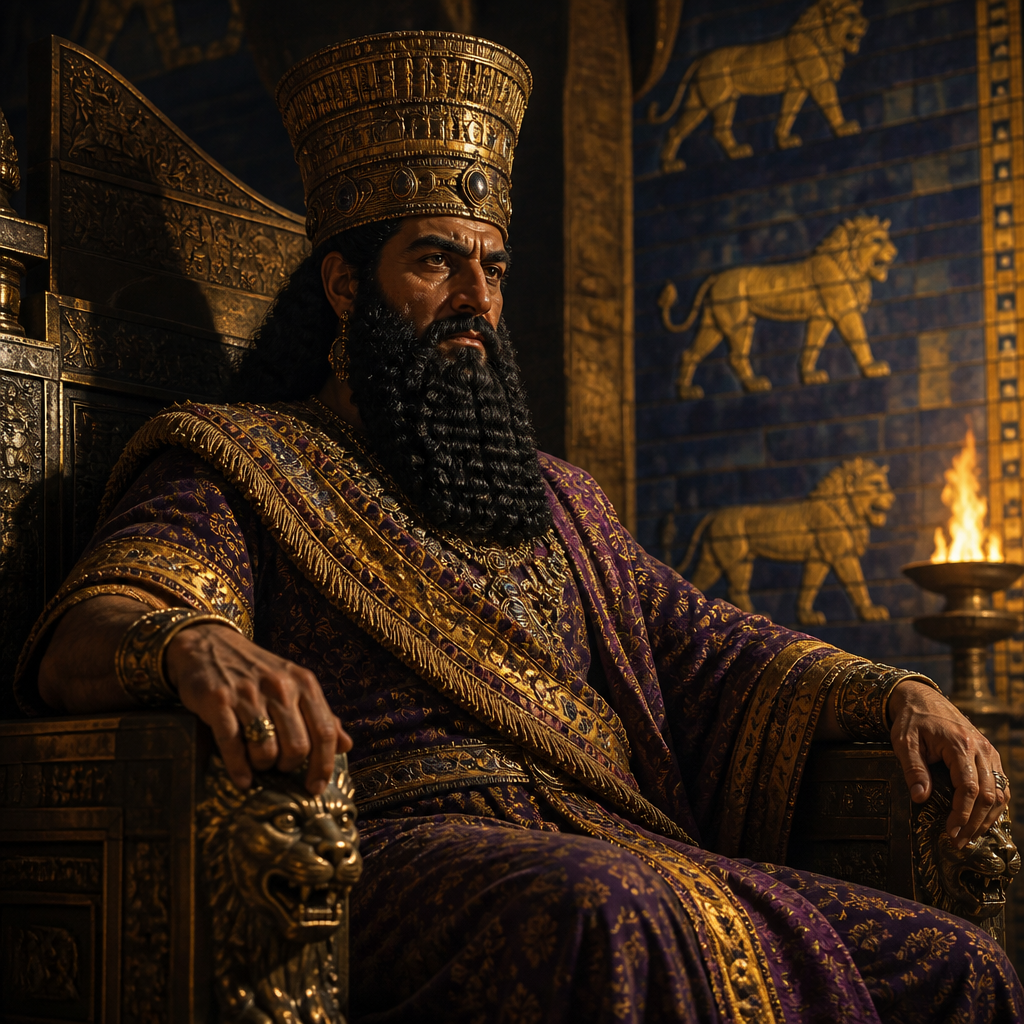
Nebu-sar-sekim

Babylonian official present at the fall of Jerusalem in 586 BC

Oil-painting style portrait of Nebuchadnezzar

Nebuchadnezzar

King of Babylon who conquered Jerusalem and was humbled by God
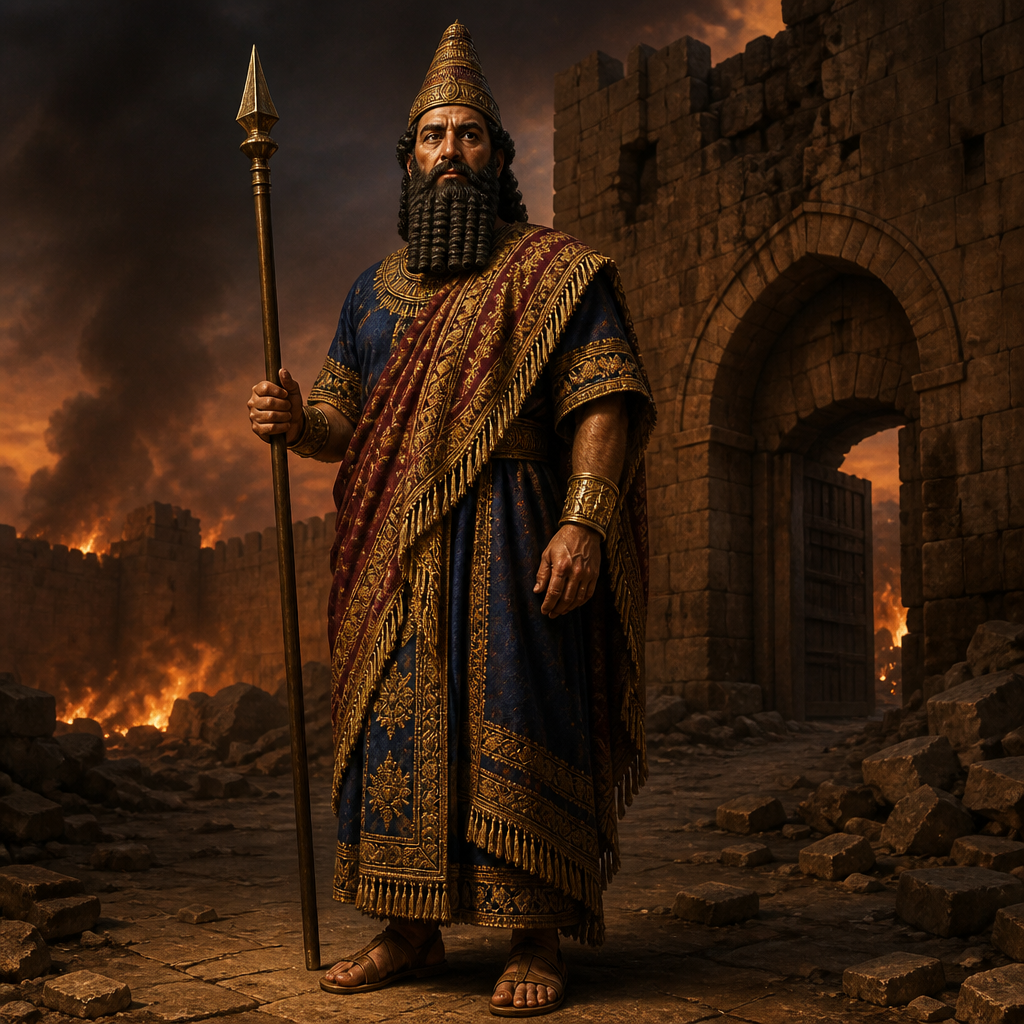
Oil-painting style portrait of Nebushazban, Babylonian official present at the destruction of Jerusalem in 586 BC
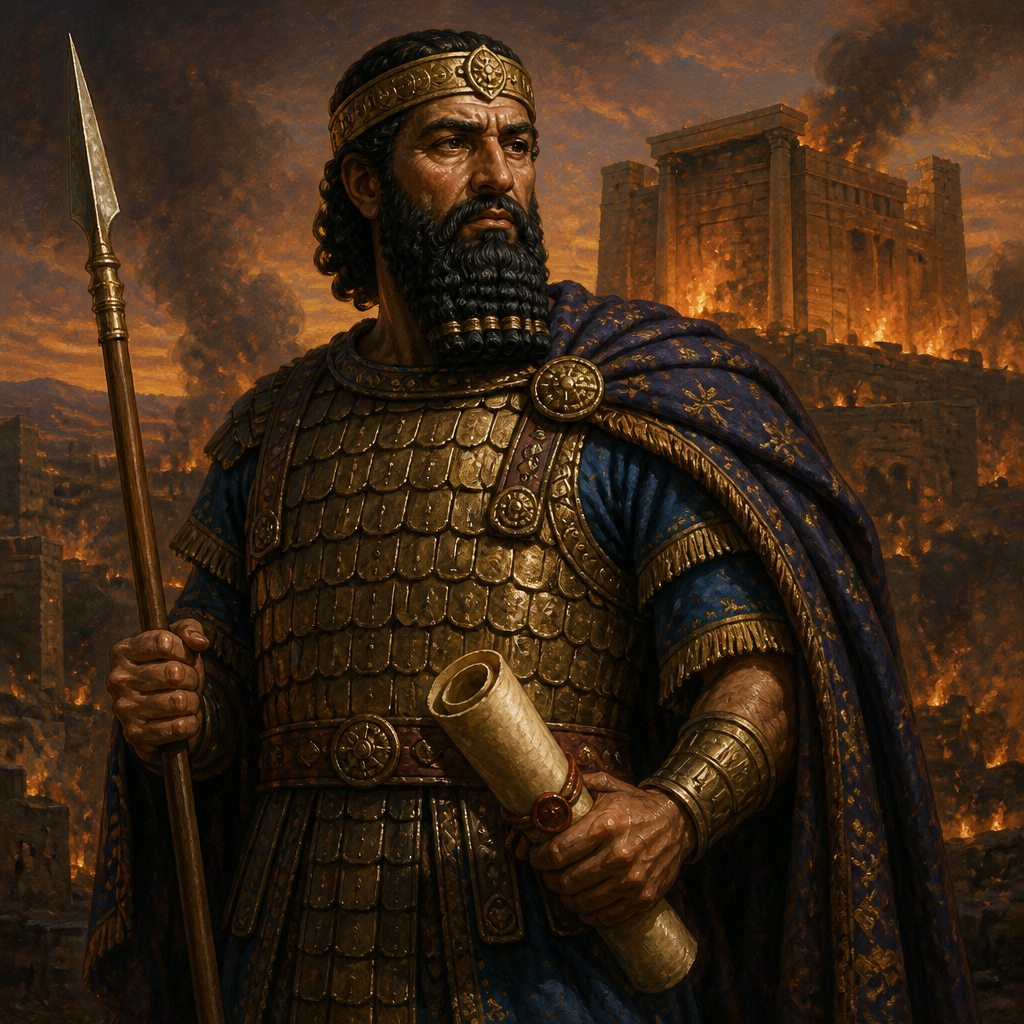
Nebushazban

Babylonian official present at the destruction of Jerusalem in 586 BC

Oil-painting style portrait of Nebuzaradan, Babylonian commander who oversaw the destruction of Jerusalem and the Temple
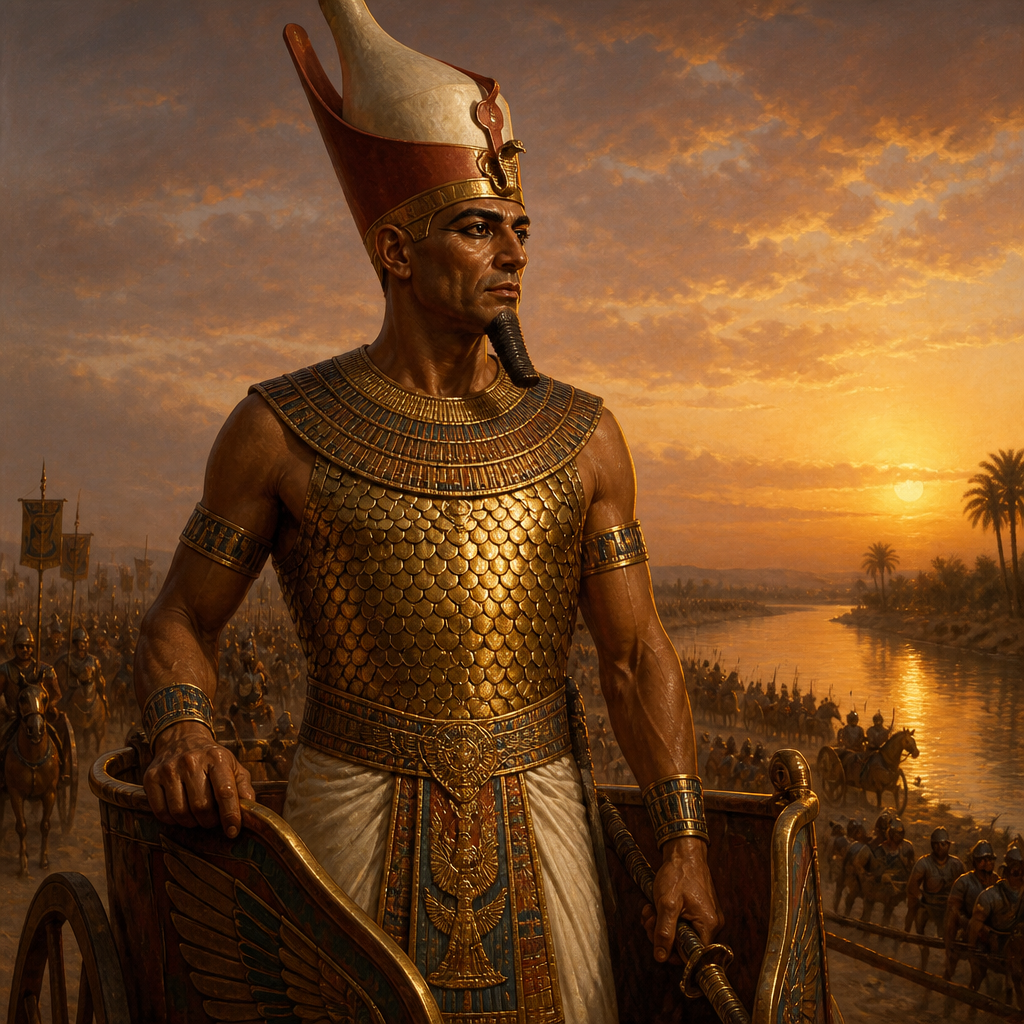
Nebuzaradan

Babylonian commander who oversaw the destruction of Jerusalem and the Temple

Oil-painting style portrait of Neco, Pharaoh who killed King Josiah and conquered Judah before being defeated by Babylon
Neco

Pharaoh who killed King Josiah and conquered Judah before being defeated by Babylon
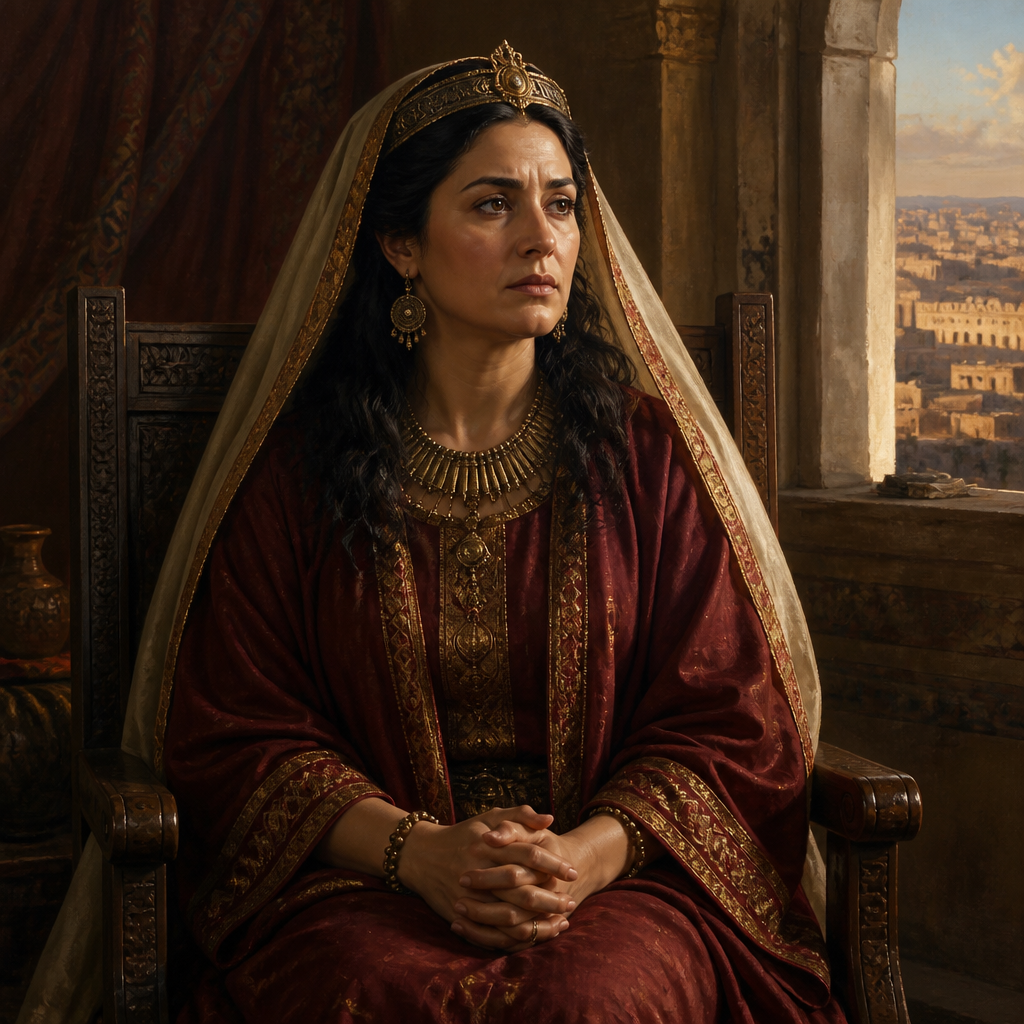
Oil-painting style portrait of Nehushta, Queen Mother of Judah and mother of King Jehoiachin

Nehushta

Queen Mother of Judah and mother of King Jehoiachin

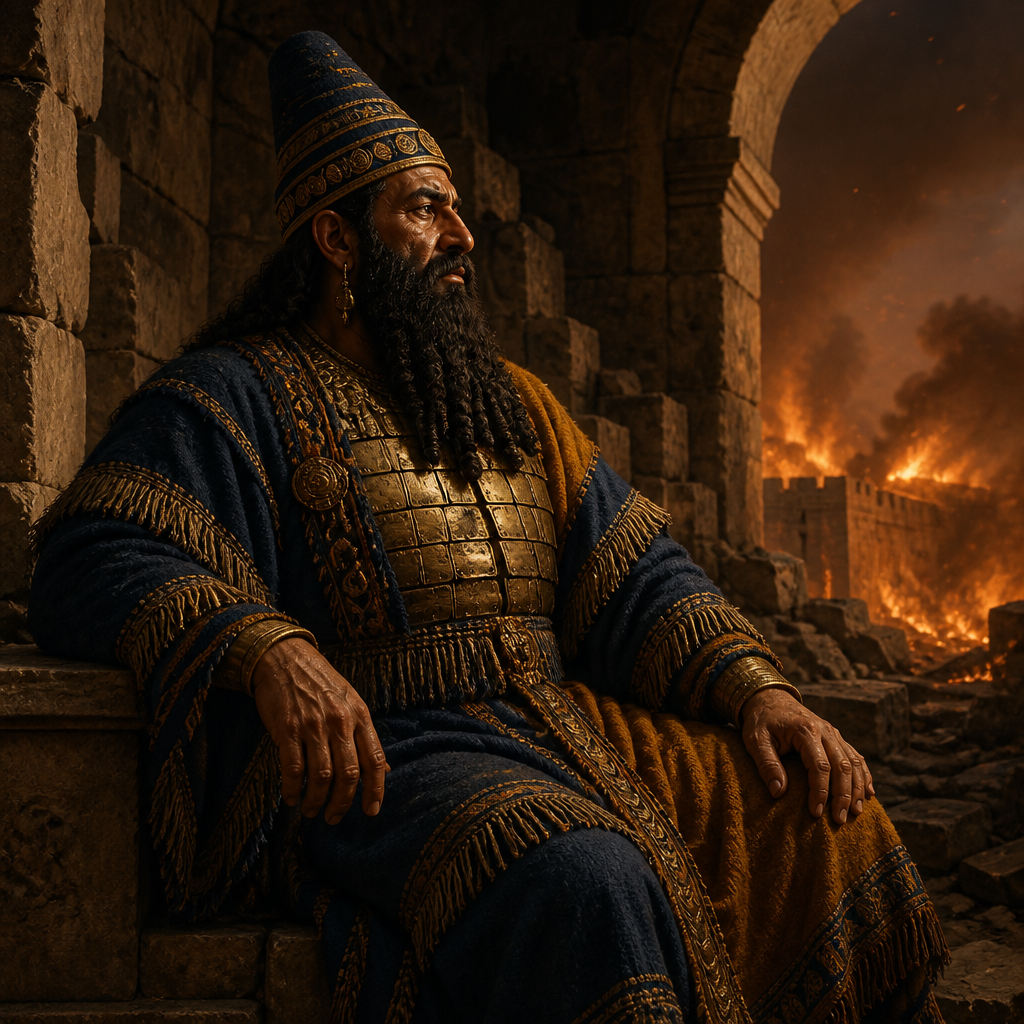
Oil-painting style portrait of Nergal-sar-ezer of Samgar, Babylonian official who sat at the Middle Gate during the fall of Jerusalem in 586 BC

Nergal-sar-ezer of Samgar

Babylonian official who sat at the Middle Gate during the fall of Jerusalem in 586 BC
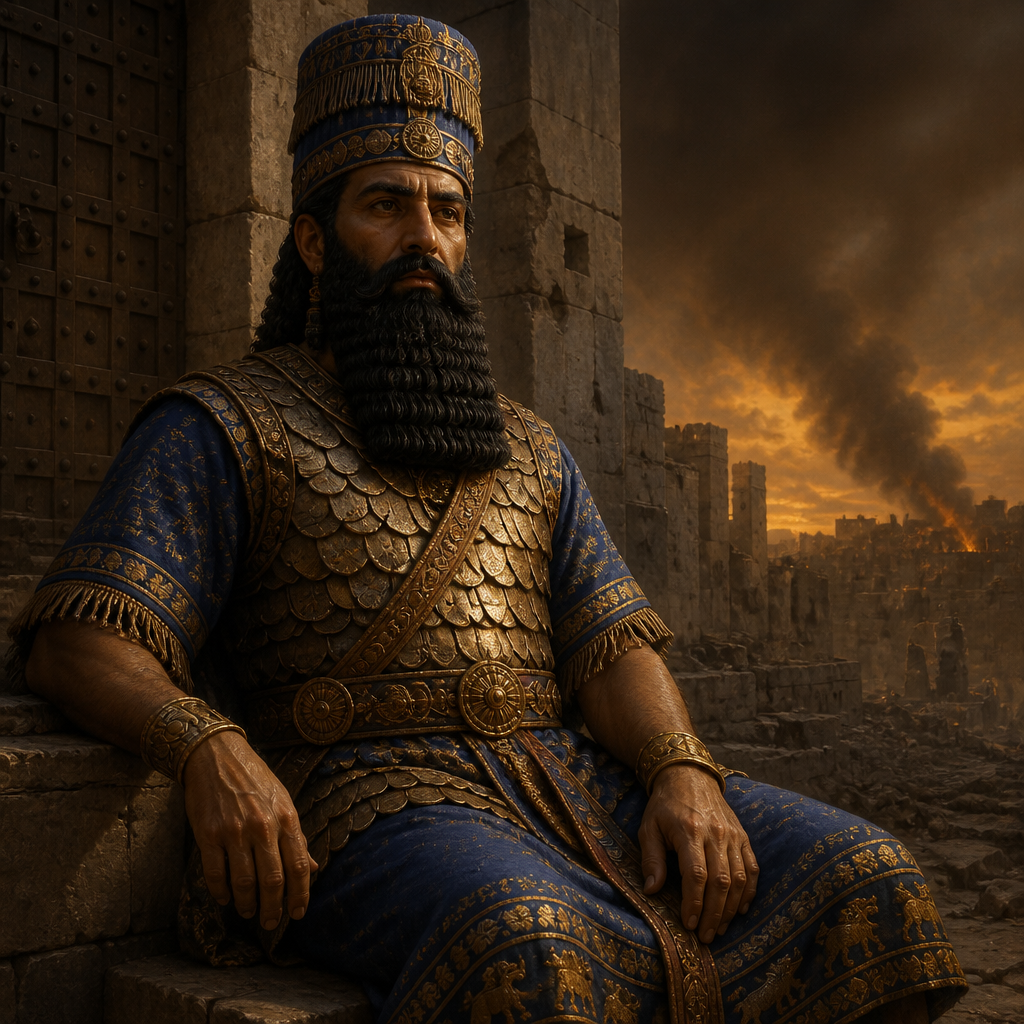
Oil-painting style portrait of Nergal-sar-ezer the Rabmag, Babylonian official present at the fall of Jerusalem in 586 BC
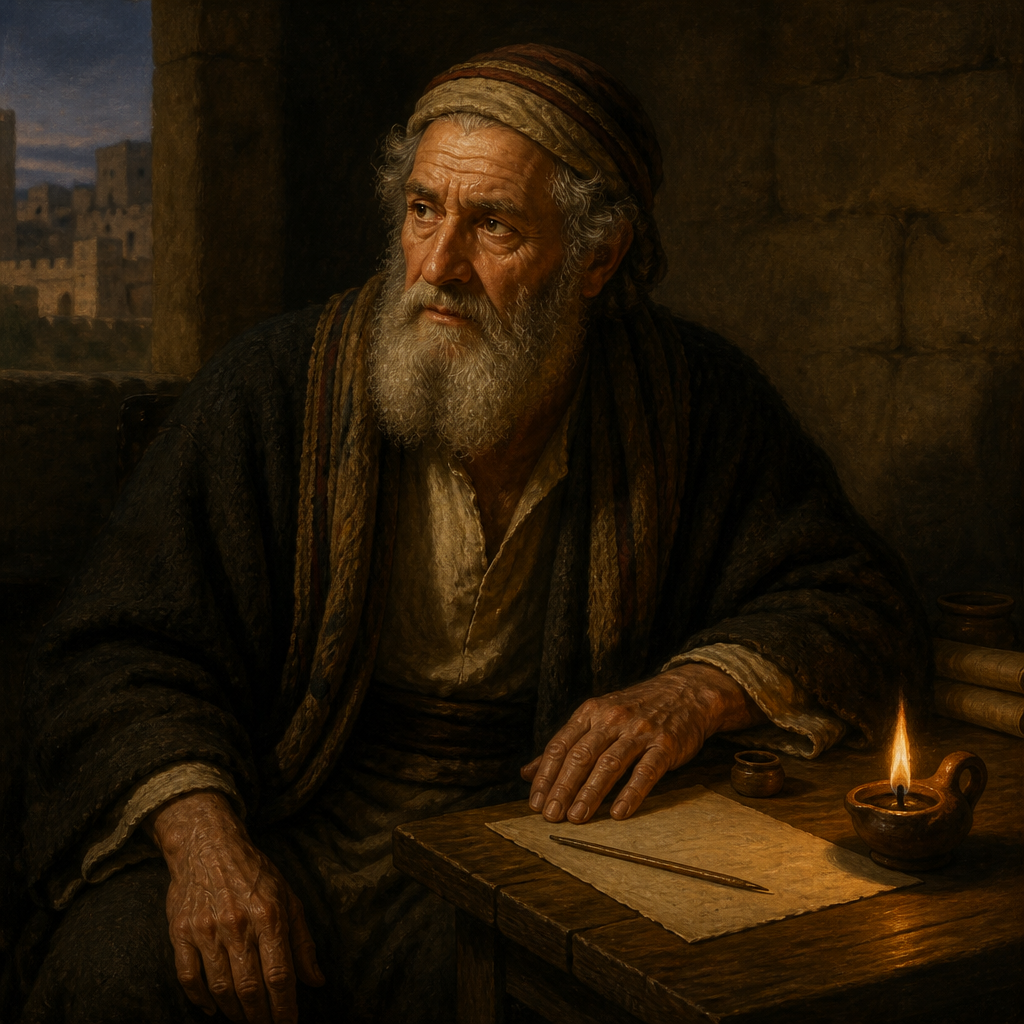
Nergal-sar-ezer the Rabmag

Babylonian official present at the fall of Jerusalem in 586 BC

Oil-painting style portrait of Neriah, father of Baruch the scribe and Seraiah the quartermaster

Neriah

father of Baruch the scribe and Seraiah the quartermaster

Related lists