Ahikam
Who was Ahikam in the Bible?
A high-ranking Judean official under King Josiah and a protector of the prophet Jeremiah during a period of intense religious reform and political turmoil.
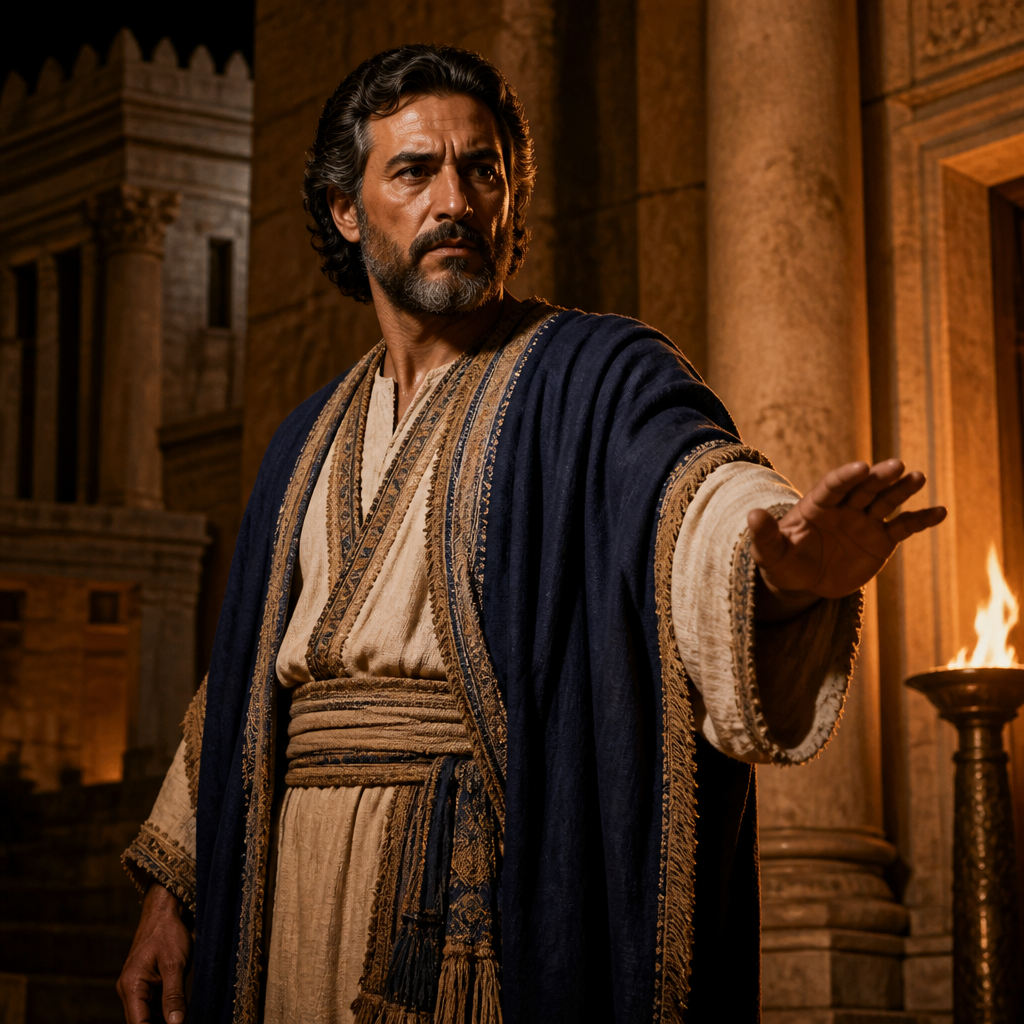
Ahikam was a prominent official in the royal court of Judah during the late seventh and early sixth centuries BC. As the son of Shaphan the scribe, he belonged to a family of significant political and religious influence in Jerusalem. Ahikam is best known for his role in King Josiah’s spiritual reforms and his courageous intervention to save the life of the prophet Jeremiah from an angry mob.
His legacy extended through his son, Gedaliah, who was appointed as governor over the remnant of Judah by the Babylonians after the fall of Jerusalem. Ahikam represents a loyal class of Judean nobility who remained faithful to the prophetic word during the final decades of the Divided Monarchy, navigating the dangerous transition from sovereign kingdom to vassal state and eventually to a conquered province.
Background and Family
Ahikam was born into a family of high-ranking civil servants during the era of the Divided Monarchy. His father, Shaphan, served as the royal scribe under King Josiah, a position that involved managing state documents and overseeing treasury affairs. The biblical record highlights the prominence of this family; Ahikam’s siblings included Elasah and Gemariah, both of whom are mentioned in the book of Jeremiah as men of influence within the royal administration.
The family of Shaphan was deeply intertwined with the spiritual revival of Judah. When the Book of the Law was rediscovered in the Temple during Josiah's eighteenth year (c. 622 BC), it was Ahikam’s father who read it to the king. This household appears to have been a bastion of support for the Mosaic Law and the prophetic ministry at a time when much of the Judean aristocracy was oscillating between idolatry and political pragmatism.
Major Life Events
Ahikam first appears in the biblical narrative in 2 Kings 22 and 2 Chronicles 34. Following the discovery of the Book of the Law, King Josiah was struck with grief and fear over Judah’s failure to keep the covenant. He commissioned a high-level delegation to inquire of the Lord. Ahikam was chosen as one of these five emissaries, alongside Hilkiah the high priest and Shaphan the scribe. The group sought out Huldah the prophetess, who confirmed the coming judgment upon Judah but promised peace for Josiah due to his repentance.
Years later, following the death of Josiah, Ahikam demonstrated remarkable political courage during the reign of Jehoiakim. In Jeremiah 26, the prophet Jeremiah delivered a scathing message in the temple courtyard, warning that Jerusalem would become like Shiloh if the people did not repent. The priests and the people seized Jeremiah, demanding his execution for treason. However, the text explicitly notes:
"Nevertheless, Ahikam son of Shaphan supported Jeremiah, so he was not handed over to the people to be put to death." (Jeremiah 26:24)
This act of protection was pivotal, as it ensured the survival of the prophet who would guide the faithful remnant through the Babylonian exile.
Relationship to Other Biblical Figures
Ahikam’s most significant relationship, outside of his royal duties, was with the prophet Jeremiah. While many in the court of Jehoiakim viewed Jeremiah as a seditious nuisance, Ahikam used his administrative standing to shield him. This bond likely influenced his son, Gedaliah, who also became a protector and host to Jeremiah after the fall of Jerusalem in 586 BC.
His relationship with the Babylonian administration is indirect but notable. After Nebuchadnezzar destroyed Jerusalem, he did not appoint a member of the Davidic royal line to govern the land; instead, he chose Ahikam's son, Gedaliah. This choice suggests that the house of Shaphan—and by extension Ahikam—maintained a reputation for integrity and perhaps a policy of non-resistance toward Babylon, which aligned with Jeremiah’s prophetic counsel.
Spiritual Significance
Ahikam serves as a model of the "righteous official." In a biblical context where leaders are frequently condemned for corruption and idolatry, Ahikam is portrayed as a man who feared God and respected the prophetic office. His participation in Josiah's inquiry of Huldah shows his involvement in the formal religious life of the nation, while his defense of Jeremiah shows his personal conviction in the face of public pressure.
His life illustrates the theological theme of the "remnant." Even as the kingdom of Judah collapsed under the weight of its own disobedience, individuals like Ahikam ensured that the word of God continued to be heard. His legacy was one of stability; his family provided the leadership needed during the immediate aftermath of the exile, attempting to rebuild a community centered on the land and the law rather than political rebellion.
Ahikam is significant for his role as a bridge between the reforms of Josiah and the survival of the prophetic word through Jeremiah. By using his political capital to save Jeremiah from execution, he ensured that the message of the New Covenant and the hope of return from exile would be preserved for future generations. His family’s continued prominence in the book of Jeremiah underscores the importance of faithful civil leadership during times of national judgment.
Theologically, Ahikam represents the influence of a godly upbringing and the power of a single individual to alter the course of history through an act of justice. Without his intervention, the ministry of Jeremiah might have been cut short by the mob at the temple, fundamentally changing the recorded history of Israel's prophetic tradition.
Frequently Asked Questions
Who was Ahikam's father?
Ahikam was the son of Shaphan the scribe, a high-ranking official who served under King Josiah.
How did Ahikam help the prophet Jeremiah?
When a mob and the religious leaders wanted to kill Jeremiah for prophesying the destruction of the Temple, Ahikam used his influence to protect him and prevent his execution.
Was Ahikam involved in Josiah's reforms?
Yes, he was one of the five men sent by King Josiah to consult the prophetess Huldah after the Book of the Law was found in the Temple.
What happened to Ahikam's son, Gedaliah?
Gedaliah was appointed by the King of Babylon as the governor of Judah after the fall of Jerusalem, though he was eventually assassinated by Ishmael son of Nethaniah.
What tribe did Ahikam belong to?
The Bible does not explicitly state Ahikam's tribe, though as a high official in Jerusalem during the Divided Monarchy, he was a member of the nation of Judah.
Family & Relationships
Parents
 Shaphan, Scribe of the Divided MonarchyFather2 Kings 22:12Stated
 AhikamThis page
 Elasah, Son of ShaphanBrother2 Kings 22:12
Inferred
Reconstructed through Shaphan: 2 Kings 22:12 ties Ahikam to Shaphan; Jeremiah 29:3 ties Shaphan to Elasah. No verse states the brother link between Ahikam and Elasah directly.Evidence: 2 Kings 22:12; Jeremiah 29:3
 Gemariah, Son of ShaphanBrother2 Kings 22:12
Inferred
Reconstructed through Shaphan: Jeremiah 36:10 ties Gemariah to Shaphan; 2 Kings 22:12 ties Shaphan to Ahikam. No verse states the brother link between Gemariah and Ahikam directly.Evidence: 2 Kings 22:12; Jeremiah 36:10
Children
 Gedaliah, Governor of JudahSon2 Kings 25:22Stated
Connected Figures
Family
Father · 2 Kings 22:12
A high-ranking royal scribe under King Josiah who played a pivotal role in the discovery of the Book of the Law and the subsequent religious reforms in Judah.
Divided MonarchyFirst: 2 Kings 22:323 versesRoyal Scribe / Secretary of State
Son · 2 Kings 25:22
A high-ranking Judean official appointed by King Nebuchadnezzar to serve as governor over the remnant of Judah following the fall of Jerusalem.
Divided MonarchyFirst: 2 Kings 25:2226 versesGovernor of Judah
Brother · 2 Kings 22:12
A high-ranking Judean official and son of the scribe Shaphan who delivered a critical letter from the prophet Jeremiah to the exiles in Babylon.
Divided MonarchyFirst: Jeremiah 29:33 versesRoyal Envoy and Diplomat
Brother · 2 Kings 22:12
A Judean official and son of the scribe Shaphan who pleaded with King Jehoiakim not to destroy Jeremiah’s prophetic scroll.
Divided MonarchyFirst: Jeremiah 36:106 versesRoyal Official / Prince
Categories
Mentions by Book
- 2 Kings3
- 2 Chronicles1
- Jeremiah18
Scripture References
All 22 indexed verses, in canonical order, from the Berean Standard Bible.
2 Kings · 3
- 2 Kings 22:12
and commanded Hilkiah the priest, Ahikam son of Shaphan, Achbor son of Micaiah, Shaphan the scribe, and Asaiah the servant of the king:
- 2 Kings 22:14
So Hilkiah the priest, Ahikam, Achbor, Shaphan, and Asaiah went and spoke to Huldah the prophetess, the wife of Shallum son of Tikvah, the son of Harhas, the keeper of the wardrobe. She lived in Jerusalem, in the Second District.
- 2 Kings 25:22
Nebuchadnezzar king of Babylon appointed Gedaliah son of Ahikam, the son of Shaphan, over the people he had left behind in the land of Judah.
2 Chronicles · 1
- 2 Chronicles 34:20
and commanded Hilkiah, Ahikam son of Shaphan, Abdon son of Micah, Shaphan the scribe, and Asaiah the servant of the king:
Jeremiah · 18
- Jeremiah 26:24
Nevertheless, Ahikam son of Shaphan supported Jeremiah, so he was not handed over to the people to be put to death.
- Jeremiah 29:3Partial
The letter was entrusted to Elasah son of Shaphan and Gemariah son of Hilkiah, whom Zedekiah king of Judah sent to King Nebuchadnezzar in Babylon. It stated:
Cited as evidence on a family card; added so References, Key Verses and Mentions by Book share one index.
- Jeremiah 36:10Partial
From the chamber of Gemariah son of Shaphan the scribe, which was in the upper courtyard at the opening of the New Gate of the house of the LORD, Baruch read from the scroll the words of Jeremiah in the hearing of all the people.
Cited as evidence on a family card; added so References, Key Verses and Mentions by Book share one index.
- Jeremiah 39:14
had Jeremiah brought from the courtyard of the guard, and they turned him over to Gedaliah son of Ahikam, the son of Shaphan, to take him home. So Jeremiah remained among his own people.
- Jeremiah 40:5
But before Jeremiah turned to go, Nebuzaradan added, “Return to Gedaliah son of Ahikam, the son of Shaphan, whom the king of Babylon has appointed over the cities of Judah, and stay with him among the people, or go anywhere else that seems right.” Then the captain of the guard gave him a ration and a gift and released him.
- Jeremiah 40:6
So Jeremiah went to Gedaliah son of Ahikam at Mizpah and stayed with him among the people who were left in the land.
- Jeremiah 40:7
When all the commanders and men of the armies in the field heard that the king of Babylon had appointed Gedaliah son of Ahikam over the land and that he had put him in charge of the men, women, and children who were the poorest of the land and had not been exiled to Babylon,
- Jeremiah 40:9
Gedaliah son of Ahikam, the son of Shaphan, swore an oath to them and their men, assuring them, “Do not be afraid to serve the Chaldeans. Live in the land and serve the king of Babylon, and it will go well with you.
- Jeremiah 40:11
When all the Jews in Moab, Ammon, Edom, and all the other lands heard that the king of Babylon had left a remnant in Judah and had appointed Gedaliah son of Ahikam, the son of Shaphan, over them,
- Jeremiah 40:14
and said to him, “Are you aware that Baalis king of the Ammonites has sent Ishmael son of Nethaniah to take your life?” But Gedaliah son of Ahikam did not believe them.
- Jeremiah 40:16
But Gedaliah son of Ahikam said to Johanan son of Kareah, “Do not do such a thing! What you are saying about Ishmael is a lie.”
- Jeremiah 41:1
In the seventh month, Ishmael son of Nethaniah, the son of Elishama, who was a member of the royal family and one of the king’s chief officers, came with ten men to Gedaliah son of Ahikam at Mizpah, and they ate a meal together there.
- Jeremiah 41:2
Then Ishmael son of Nethaniah and the ten men who were with him got up and struck down Gedaliah son of Ahikam, the son of Shaphan, with the sword, killing the one whom the king of Babylon had appointed to govern the land.
- Jeremiah 41:6
And Ishmael son of Nethaniah went out from Mizpah to meet them, weeping as he went. When Ishmael encountered the men, he said, “Come to Gedaliah son of Ahikam.”
- Jeremiah 41:10
Then Ishmael took captive all the remnant of the people of Mizpah—the daughters of the king along with all the others who remained in Mizpah—over whom Nebuzaradan captain of the guard had appointed Gedaliah son of Ahikam. Ishmael son of Nethaniah took them captive and set off to cross over to the Ammonites.
- Jeremiah 41:16
Then Johanan son of Kareah and all the commanders of the armies with him took the whole remnant of the people from Mizpah whom he had recovered from Ishmael son of Nethaniah after Ishmael had killed Gedaliah son of Ahikam: the soldiers, women, children, and court officials he had brought back from Gibeon.
- Jeremiah 41:18
to escape the Chaldeans. For they were afraid of the Chaldeans because Ishmael son of Nethaniah had struck down Gedaliah son of Ahikam, whom the king of Babylon had appointed over the land.
- Jeremiah 43:6
the men, the women, the children, the king’s daughters, and everyone whom Nebuzaradan captain of the guard had allowed to remain with Gedaliah son of Ahikam, the son of Shaphan, as well as Jeremiah the prophet and Baruch son of Neriah.