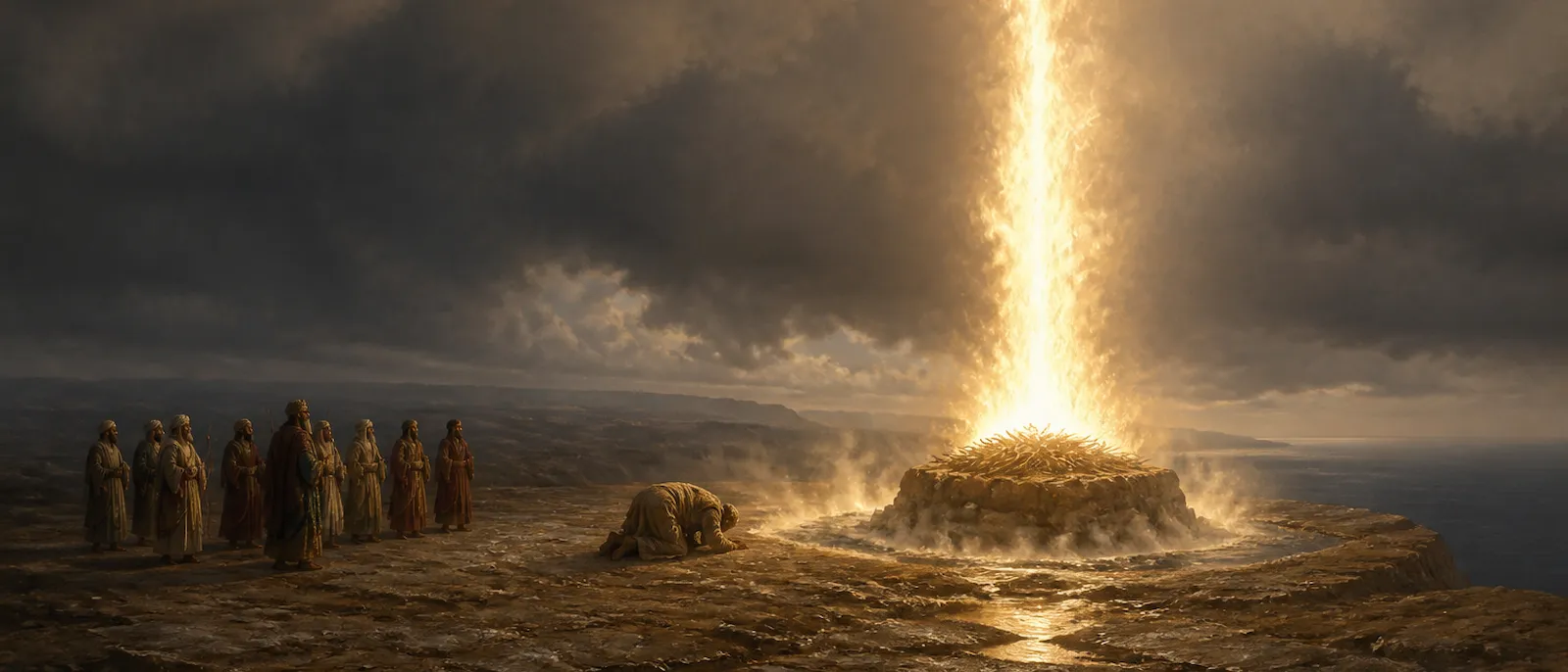
The Fall of Jerusalem
King Nebuchadnezzar of Babylon besieged Jerusalem, destroyed the temple, deported the population, and appointed Gedaliah as governor over the few remaining inhabitants of Judah.
- 2 Kings 25; 2 Chronicles 36:17-21; Jeremiah 39:1-10; Jeremiah 52:4-34
- Jerusalem
- 14 named participants
What the passage records
2 Kings 25; 2 Chronicles 36:17-21; Jeremiah 39:1-10; Jeremiah 52:4-34In the ninth year of Zedekiah's reign, Nebuchadnezzar king of Babylon arrived at Jerusalem with his entire army. They built siege walls around the city, and the siege lasted until the eleventh year of King Zedekiah (2 Kings 25:1-2). By the ninth day of the fourth month, the famine in the city became so severe that there was no food for the people of the land. The city wall was broken through, and all the men of war fled by night toward the Arabah, though the Chaldeans surrounded the city. The Chaldean army pursued King Zedekiah and overtook him in the plains of Jericho, where his entire army was scattered from him (2 Kings 25:4-5).
Zedekiah was captured and brought to the king of Babylon at Riblah, where sentence was passed upon him. They slaughtered his sons before his eyes, put out his eyes, bound him in bronze shackles, and took him to Babylon. One month later, Nebuzaradan, the captain of the guard and servant of the king of Babylon, entered Jerusalem. He burned the house of the Lord, the royal palace, and all the houses of the city (2 Kings 25:7-9). The Chaldean army broke down the walls surrounding Jerusalem, and Nebuzaradan deported the remaining people, though he left some of the poorest of the land to serve as vinedressers and laborers (2 Kings 25:10-12).
The text does not mention the prophet Jeremiah. The Chaldeans stripped the bronze, silver, and gold from the temple, including the two pillars and the bronze sea, and carried the metal to Babylon (2 Kings 25:13-17). Nebuzaradan took the chief priest, the second priest, and several royal officials and brought them to the king of Babylon at Riblah, where they were executed. Nebuchadnezzar appointed Gedaliah, son of Ahikam, as governor over the people left in the land of Judah (2 Kings 25:22). Ishmael, who was of the royal family, later came with ten men and struck down Gedaliah and the Judeans and Chaldeans who were with him at Mizpah (2 Kings 25:25).
Who was there
14 people from 2 Kings 25; 2 Chronicles 36:17-21; Jeremiah 39:1-10; Jeremiah 52:4-34 are listed here.
 ZedekiahKing of Judah
 NebuchadnezzarKing of Babylon
 NebuzaradanCaptain of the Guard
 GedaliahGovernor of Judah
 JehoiachinKing of Judah
 Nebo-sarsekim the RabsarisChief Officer (Rabsaris) and Military Commander
 Ishmael son of NethaniahMilitary commander
 Johanan son of KareahMilitary Commander
 Seraiah son of TanhumethMilitary Commander
 Nergal-sharezer of SamgarBabylonian official
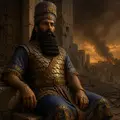 Nergal-sharezer the RabmagRabmag (High Official
 Seraiah the Chief PriestHigh Priest
 Zephaniah, Priest of the Divided MonarchyPriest of the second rank
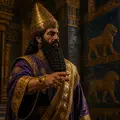 Evil-merodachKing of Babylon