Mahseiah
Who was Mahseiah in the Bible?
An ancestor of two prominent brothers during the reign of King Zedekiah, serving as the grandfather of Baruch the scribe and Seraiah the quartermaster.
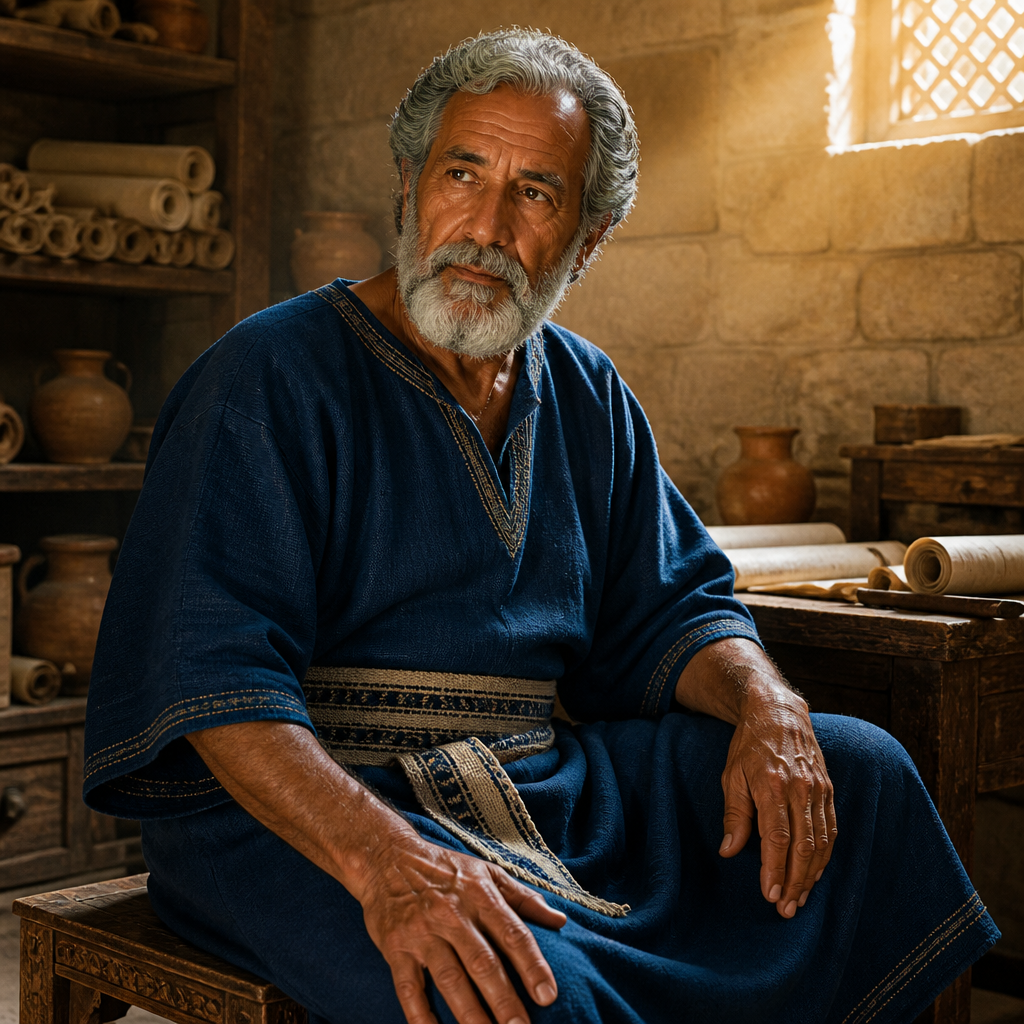
Mahseiah was a Judean figure living during the period of the Divided Monarchy, specifically in the late 7th to early 6th centuries BC. While he does not appear as an active participant in the biblical narrative, his name is preserved in the prophetic record of Jeremiah as a vital genealogical marker for two of the prophet's most influential associates. His lineage suggests a family of high social standing and literacy within the administration of the Kingdom of Judah.
His primary identification in Scripture is as the father of Neriah, who in turn was the father of Baruch and Seraiah. Through this connection, Mahseiah is linked to the preservation of the word of God and the diplomatic missions of the Judean court during the final days before the Babylonian Captivity. His name, which translates to 'Refuge of Yahweh,' reflects the religious environment of a family that remained loyal to the God of Israel amidst a period of widespread national apostasy.
Background and Family
Mahseiah lived during the turbulent final decades of the Kingdom of Judah. Although the Bible does not explicitly state his occupation, his descendants occupied roles of significant authority and literacy. He was the father of Neriah and the grandfather of two brothers who were central to the ministry of the prophet Jeremiah: Baruch and Seraiah. The inclusion of his name in the genealogical record indicates that he was likely a man of some repute in Jerusalem, as ancestors were typically named to establish the credibility and social standing of the individuals in question.
Major Life Events
There are no recorded actions performed by Mahseiah himself; his existence is known solely through the identification of his grandsons during two critical moments in the history of Judah.
In 594 BC, during the fourth year of King Zedekiah's reign, Mahseiah's grandson Seraiah was tasked with a diplomatic mission to Babylon. Jeremiah 51:59 identifies Seraiah as the "son of Neriah, the son of Mahseiah." This specific mention anchors Mahseiah to the royal administration, as Seraiah served as the king's quartermaster (or "prince of the resting place").
Later, in 587 BC, during the siege of Jerusalem, Mahseiah is mentioned again in the context of a legal land transaction. When Jeremiah purchased a field from his cousin Hanamel to symbolize the future restoration of Israel, he entrusted the deed to Baruch. Jeremiah 32:12 records that this transfer occurred in the presence of witnesses, identifying Baruch as the "son of Neriah, the son of Mahseiah."
Relationship to Other Biblical Figures
Mahseiah’s primary biblical significance is his relationship to his son, Neriah, and his grandsons. Baruch, his grandson, served as Jeremiah’s scribe and personal secretary, responsible for writing down the prophet’s oracles and delivering them to the officials of King Jehoiakim. Seraiah, his other grandson, was a high-ranking official under King Zedekiah who carried Jeremiah’s written prophecy concerning the fall of Babylon to the Euphrates River.
Spiritual Significance
While Mahseiah is a silent figure, his name—meaning "Yahweh is a refuge"—is emblematic of the spiritual heritage he passed down. In an era where the Judean elite were often criticized by Jeremiah for their lack of faith, Mahseiah’s family produced two men who risked their lives to support the prophetic word. The repetition of his name in two distinct administrative and prophetic contexts highlights the continuity of a family dedicated to the service of both the crown and the Lord.
Mahseiah's significance lies in his role as the patriarch of a family that was instrumental in the preservation of the Book of Jeremiah. By providing the genealogical root for Baruch and Seraiah, the biblical text validates the official standing and witness of the men responsible for documenting the fall of Jerusalem. His name serves as a testimony to the 'refuge' found in God during a time of national destruction.
Frequently Asked Questions
Who was Mahseiah in the Bible?
Mahseiah was the father of Neriah and a prominent ancestor in the lineage of two of Jeremiah's closest associates.
What does the name Mahseiah mean?
The name Mahseiah means 'The LORD is a refuge' or 'Refuge of Yahweh.'
Was Mahseiah a prophet?
No, Mahseiah is not described as a prophet. He is mentioned only as a genealogical figure to identify his son Neriah and his grandsons.
In which books of the Bible is Mahseiah mentioned?
Mahseiah is mentioned exclusively in the Book of Jeremiah, specifically in chapters 32 and 51.
Family & Relationships
 MahseiahThis page
Children
 NeriahSonJeremiah 32:12Stated
Connected Figures
Family
Son · Jeremiah 32:12
A prominent Judean man of the late Divided Monarchy known as the father of Baruch the scribe and Seraiah the quartermaster.
Divided MonarchyFirst: Jeremiah 32:1210 versesPatriarch of a scribal/administrative family
Categories
Mentions by Book
- Jeremiah2
Scripture References
All 2 indexed verses, in canonical order, from the Berean Standard Bible.
Jeremiah · 2
- Jeremiah 32:12
and I gave this deed to Baruch son of Neriah, the son of Mahseiah, in the sight of my cousin Hanamel and the witnesses who were signing the purchase agreement and all the Jews sitting in the courtyard of the guard.
- Jeremiah 51:59
This is the message that Jeremiah the prophet gave to the quartermaster Seraiah son of Neriah, the son of Mahseiah, when he went to Babylon with King Zedekiah of Judah in the fourth year of Zedekiah’s reign.