Hananiah, Grandfather of Irijah
Who was Hananiah, Grandfather of Irijah, in the Bible?
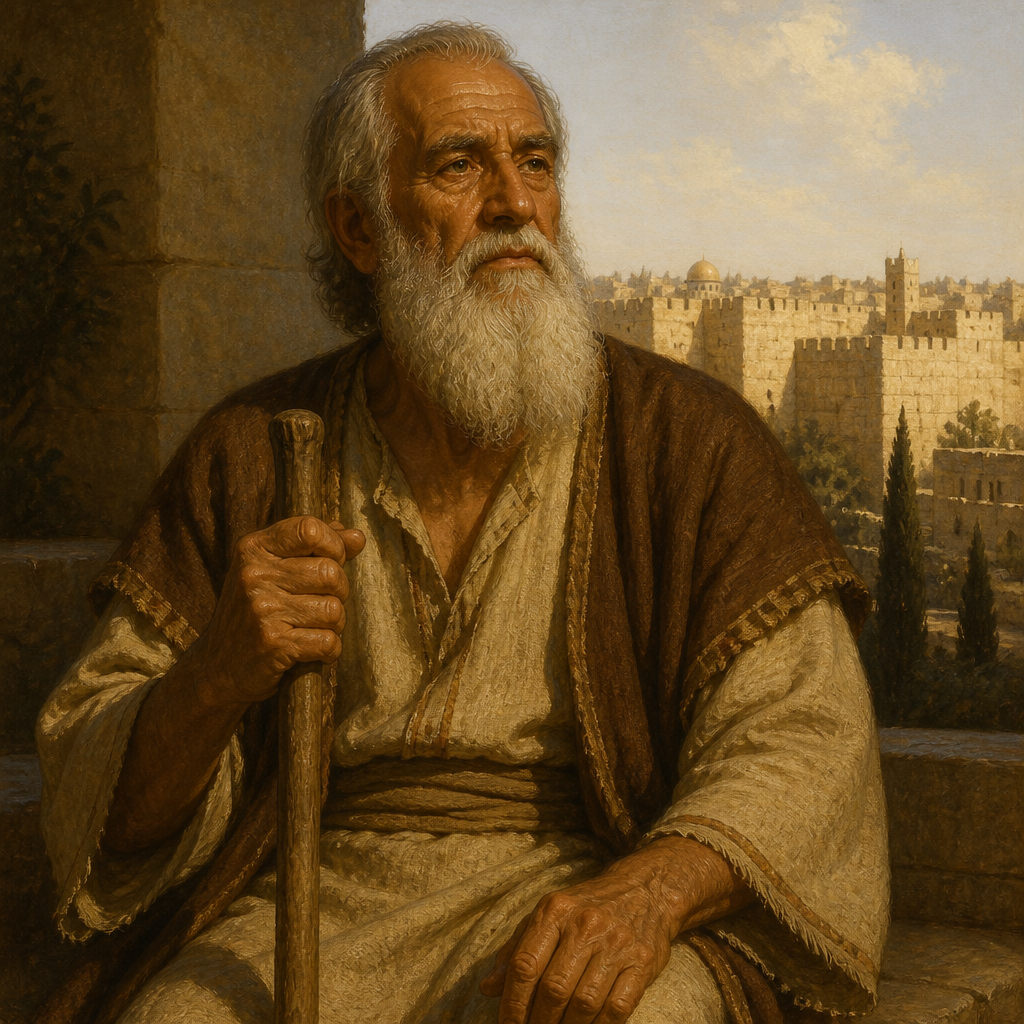
A Judean man of the Divided Monarchy known as the grandfather of Irijah, the guard who arrested the prophet Jeremiah.
This is one of 15 people named Hananiah in the Bible. See all 15 →
Hananiah was a man living during the late Divided Monarchy in the Kingdom of Judah. While he does not appear as an active participant in the narrative of the Old Testament, his lineage is recorded in the Book of Jeremiah to establish the identity and authority of his grandson, Irijah. As the grandfather of a 'captain of the guard,' Hananiah likely belonged to a family of some social standing or military significance within the tribe of Benjamin or the city of Jerusalem.
His primary mention occurs in the context of the Babylonian siege of Jerusalem. During a brief lifting of the siege, the prophet Jeremiah attempted to leave the city to attend to family property, only to be detained by Hananiah’s grandson. The inclusion of Hananiah’s name serves the historiographic purpose of providing a formal genealogical record for the official who initiated Jeremiah's imprisonment.
Background and Family
Hananiah lived during the final decades of the Kingdom of Judah, a period characterized by intense political instability and the looming threat of the Neo-Babylonian Empire. Based on the geography of his grandson's service at the 'Gate of Benjamin,' it is highly probable that Hananiah was a member of the tribe of Benjamin or a resident of the territory of Benjamin, which remained loyal to the Davidic line during the Divided Monarchy.
The biblical record identifies Hananiah through his son, Shelemiah, and his grandson, Irijah. The names in this lineage are significant in their meaning; Hananiah translates to 'Yahweh has been gracious,' while Shelemiah means 'Yahweh has repaid.' These traditional Hebrew names suggest a family that, at least nominally, adhered to the worship of the God of Israel.
Major Life Events
Because Hananiah is mentioned only as a genealogical reference point, the Bible does not record specific actions he performed or words he spoke. However, his life can be contextualized by the era in which he lived. As the grandfather of a high-ranking guard active during the reign of King Zedekiah (c. 597–586 BC), Hananiah would have likely lived during the reigns of King Josiah or King Jehoiakim.
The only event directly linked to his legacy is the arrest of Jeremiah in Jeremiah 37:13. As the prophet attempted to pass through the Gate of Benjamin to the land of Benjamin, Irijah—identified specifically as the 'son of Shelemiah, the son of Hananiah'—seized him. Irijah accused the prophet of deserting to the Chaldeans (Babylonians). The meticulous recording of Irijah’s ancestry back to Hananiah suggests that the family was well-known enough for this identification to carry weight or to distinguish this Irijah from others with the same name.
Relationship to Other Biblical Figures
Hananiah is the patriarch of the small family unit mentioned in Jeremiah 37. His son, Shelemiah, served as the bridge between Hananiah and the prominent official Irijah. While Hananiah is not recorded as having a direct relationship with the prophet Jeremiah, his grandson became one of the prophet’s primary antagonists by initiating the legal process that led to Jeremiah’s beating and imprisonment in the house of Jonathan the scribe.
Spiritual Significance
The presence of Hananiah in the text highlights the biblical emphasis on lineage. Even individuals who do not play a primary role in the redemptive narrative are preserved in the record to ground the history in reality. In the specific case of Hananiah, his name provides the formal 'credentials' for the officer who arrested Jeremiah, ensuring that the historical account of the prophet's suffering was verifiable by contemporary readers who would recognize the prominent families of the Benjamin Gate.
Hananiah serves as a genealogical marker within the Book of Jeremiah. His inclusion reinforces the historical reliability of the text by providing specific familial details for the minor officials involved in the prophet's life. He represents the older generation of Judeans whose descendants were caught in the final collapse of the Jerusalem monarchy.
Theologically, Hananiah's name—meaning 'Yah has been gracious'—stands in ironic contrast to the actions of his grandson, Irijah, who showed no grace to God's messenger, Jeremiah. This reflects a common theme in the prophets where the pious names of the people no longer matched their spiritual state.
Frequently Asked Questions
Who was Hananiah's grandson?
His grandson was Irijah, the captain of the guard who arrested the prophet Jeremiah at the Gate of Benjamin.
What does the name Hananiah mean?
The name Hananiah (Chanyanyahu) means 'Yahweh has been gracious' or 'favored of Yahweh'.
Which book of the Bible mentions this Hananiah?
This specific Hananiah is mentioned in the Book of Jeremiah, specifically in chapter 37, verse 13.
What was Hananiah's role in the Bible?
He does not have an active role; he is mentioned strictly to identify the lineage of his grandson, Irijah, an official in Jerusalem.
Family & Relationships
 Hananiah, Grandfather of IrijahThis page
Children
 Shelemiah, Father of IrijahSonJeremiah 37:13Stated
Extended family
 IrijahGrandsonJeremiah 37:13Stated
Connected Figures
Family
Son · Jeremiah 37:13
Shelemiah was a man of the Divided Monarchy period whose son, Irijah, served as a captain of the guard during the siege of Jerusalem.
Grandson · Jeremiah 37:13
The captain of the guard at the Gate of Benjamin who arrested the prophet Jeremiah on charges of desertion during the Babylonian siege of Jerusalem.
Divided MonarchyFirst: Jeremiah 37:132 versesCaptain of the guard
Categories
Mentions by Book
- Jeremiah1
Scripture References
All 1 indexed verse, in canonical order, from the Berean Standard Bible.
Jeremiah · 1
- Jeremiah 37:13
But when he reached the Gate of Benjamin, the captain of the guard, whose name was Irijah son of Shelemiah, the son of Hananiah, seized him and said, “You are deserting to the Chaldeans!”
Others Named Hananiah
Compare all 15 bearers →Hananiah, Son of Shashak1 Chronicles 8:24
A Benjamite leader and son of Shashak listed among the heads of households dwelling in Jerusalem during the Divided Monarchy.
Hananiah, Son of Zerubbabel1 Chronicles 3:19
Hananiah was a descendant of the royal line of David and a son of Zerubbabel, the governor of Judah during the restoration of the Jewish people after the exile.
Hananiah, Priest and TrumpeterNehemiah 12:41
A Jewish priest and musician who participated in the joyous dedication of the rebuilt walls of Jerusalem under Nehemiah.
Hananiah, a Leader of the PeopleNehemiah 10:23
A leader of the Jewish people during the post-exilic period who participated in the formal sealing of the covenant under Nehemiah.
Hananiah, Commander of the FortressNehemiah 7:2
A faithful official appointed by Nehemiah to govern Jerusalem during the post-exilic restoration due to his exceptional devotion and fear of God.
Hananiah, Father of ZedekiahJeremiah 36:12
Hananiah was a Judean official during the Divided Monarchy, best known as the father of Zedekiah, an official in the court of King Jehoiakim.
Hananiah, Priest under JoiakimNehemiah 12:12
A priestly head of the family of Jeremiah who served during the tenure of the High Priest Joiakim in post-exilic Jerusalem.
Hananiah, Son of the PerfumerNehemiah 3:8
A skilled laborer and son of a perfumer who assisted in the reconstruction and fortification of the Jerusalem wall as far as the Broad Wall during the post-exilic return.
Hananiah, Friend of DanielDaniel 1:6
One of four Judean youths taken into Babylonian exile, known by the Babylonian name Shadrach, who survived the blazing fiery furnace.
Hananiah, Descendant of BebaiEzra 10:28
A Judean man of the post-exilic period who was among those instructed to dissolve foreign marriages according to the reforms of Ezra.
Hananiah, Royal Officer of Uzziah2 Chronicles 26:11
A high-ranking military official and royal officer who oversaw the mobilization of King Uzziah's divisions in the Kingdom of Judah.
Hananiah, Levite Musician of the United Monarchy1 Chronicles 25:4
Hananiah was a Levite musician and son of Heman who served as the leader of the sixteenth division of temple musicians during the reign of King David.
Hananiah, Prophet of GibeonJeremiah 28:1
A false prophet who opposed Jeremiah during the reign of Zedekiah by predicting a swift end to the Babylonian exile.
Hananiah, Son of ShelemiahNehemiah 3:30
A Judean laborer who assisted in the reconstruction of the walls of Jerusalem under the leadership of Nehemiah during the post-exilic return.