Jehu, son of Hanani
Who was Jehu, son of Hanani, in the Bible?
A prophet and seer of the Divided Monarchy who delivered divine rebukes to King Baasha of Israel and King Jehoshaphat of Judah.
This is one of 5 people named Jehu in the Bible. See all 5 →
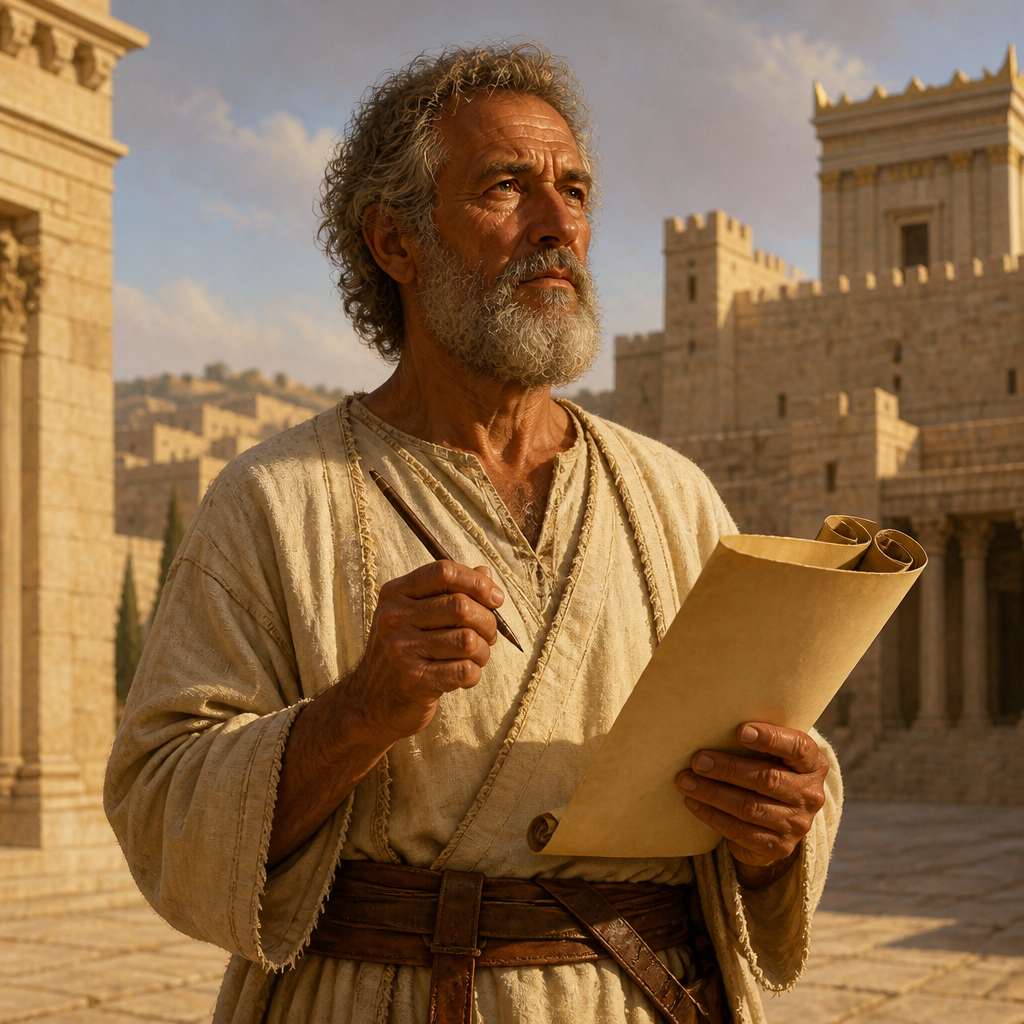
Jehu, son of Hanani, was a significant prophetic figure active during the 9th century BC, serving as a messenger of the Lord during the volatile era of the Divided Monarchy. He is distinctively identified as both a prophet and a 'seer' (chozeh), roles that placed him at the center of the political and spiritual developments in both the northern kingdom of Israel and the southern kingdom of Judah. His ministry was characterized by a fearless confrontation of royal authority, ensuring that the word of the Lord was heard by kings who strayed from their covenant obligations.
As the son of Hanani—himself a noted seer who confronted King Asa—Jehu carried on a family legacy of bold prophetic witness. His recorded activities span the reigns of several monarchs, and he is uniquely credited in the biblical text as a chronicler of royal history. His life serves as a bridge between the early days of the divided kingdoms and the more established prophetic traditions that followed.
Background and Family
Jehu is introduced in the biblical narrative as the "son of Hanani" (1 Kings 16:1). His father, Hanani, was also a seer who was famously imprisoned by King Asa of Judah for rebuking the king's reliance on the Arameans rather than on God (2 Chronicles 16:7-10). This lineage suggests that Jehu was raised in a household dedicated to the prophetic office, inheriting a commitment to truth despite the personal risks involved in opposing the ruling class. While his specific tribal affiliation is not mentioned, his ministry operated across the borders of the Divided Monarchy.
Major Life Events
Prophecy Against Baasha of Israel
The first recorded action of Jehu was his delivery of a devastating prophecy against Baasha, the third king of the northern kingdom of Israel. Around 900-880 BC, Baasha had continued the idolatrous practices of Jeroboam I. The word of the Lord came to Jehu, charging him to tell Baasha: "I lifted you up from the dust and made you leader over my people Israel, but you walked in the way of Jeroboam" (1 Kings 16:2). Jehu predicted the total annihilation of Baasha’s house, stating that his descendants would be consumed by dogs in the city or birds in the field—a prophecy that saw its fulfillment through the coup of Zimri.
Rebuking Jehoshaphat of Judah
Decades later, Jehu appeared in the southern kingdom to confront King Jehoshaphat. Despite Jehoshaphat’s generally righteous reputation, he had formed a military alliance with the wicked King Ahab of Israel to fight the Arameans. Upon Jehoshaphat’s return to Jerusalem, Jehu met him with a sharp interrogation: "Should you help the wicked and love those who hate the LORD?" (2 Chronicles 19:2). While Jehu acknowledged the good in Jehoshaphat, he declared that the king’s compromise had brought divine wrath upon him.
The Historian
In addition to his spoken oracles, Jehu served as a primary source for the historical records of his time. The Book of Chronicles notes that the acts of Jehoshaphat were recorded in the "Chronicles of Jehu son of Hanani," which were later incorporated into the larger "Book of the Kings of Israel" (2 Chronicles 20:34).
Relationship to Other Biblical Figures
Jehu’s primary interactions were with the monarchs of his day. His relationship with Baasha was purely adversarial, functioning as the divine prosecutor against a corrupt dynasty. His relationship with Jehoshaphat was more nuanced; he acted as a spiritual corrector to a king who was otherwise faithful but prone to dangerous political entanglements. His connection to his father, Hanani, establishes him within a lineage of seers who prioritized God's word over national security interests.
Spiritual Significance
Jehu, son of Hanani, represents the persistence of the prophetic voice in times of spiritual compromise. His ministry demonstrates that the Lord holds both "wicked" kings (like Baasha) and "righteous" kings (like Jehoshaphat) accountable to the same standard of covenant loyalty. His work as a historian also highlights the importance of recording God's dealings with His people, ensuring that future generations would understand the theological reasons behind the rise and fall of their leaders.
Jehu, son of Hanani, is theologically significant as a prophet who transcended national boundaries, ministering to both the northern and southern kingdoms. His career underscores the biblical theme that God’s sovereignty is not limited to a single political entity and that royal power is always subject to divine scrutiny. By confronting Jehoshaphat’s alliance with Ahab, Jehu articulated the danger of 'unequally yoked' partnerships that compromise spiritual integrity for political gain.
Furthermore, Jehu’s role as a chronicler highlights the link between prophecy and history in the Old Testament. He did not merely predict the future; he interpreted the past and present through the lens of God's law. His presence in the text provides a vital continuity between the various dynasties of the Divided Monarchy, serving as a constant reminder of the prophetic requirement for absolute fidelity to Yahweh.
Frequently Asked Questions
What happened to King Baasha after Jehu's prophecy?
As Jehu predicted, Baasha’s dynasty was short-lived. His son Elah succeeded him but was soon assassinated by Zimri, who proceeded to kill every male in Baasha’s household, fulfilling the word of the Lord spoken through Jehu.
Was Jehu, son of Hanani, a king?
No, Jehu, son of Hanani, was a prophet and seer. He is frequently confused with Jehu, son of Nimshi, who was the tenth king of Israel, but they are entirely different individuals.
Why did Jehu rebuke King Jehoshaphat?
Jehu rebuked Jehoshaphat for forming a military and social alliance with the idolatrous King Ahab of Israel, arguing that the king should not help those who hate the Lord.
What is the difference between a prophet and a seer?
In the context of Jehu's time, 'seer' (chozeh) often referred to one who had divine visions or 'saw' into the spiritual reality of events, while 'prophet' (nabi) emphasized the role of being a spokesperson for God. Jehu is described as both.
Did Jehu write any books of the Bible?
While there is no book titled 'Jehu' in the modern canon, the Bible mentions that he wrote the 'Chronicles of Jehu son of Hanani,' which served as a source for the canonical books of Kings and Chronicles.
Family & Relationships
Parents
 Hanani, Seer of the Divided MonarchyFather1 Kings 16:1Stated
 Jehu, son of HananiThis page
Connected Figures
Family
Father · 1 Kings 16:1
A prophet and seer in the southern kingdom of Judah who famously rebuked King Asa and fathered the prophet Jehu.
Divided MonarchyFirst: 1 Kings 16:16 versesSeer and Prophet
Categories
Mentions by Book
- 1 Kings3
- 2 Chronicles2
Scripture References
All 5 indexed verses, in canonical order, from the Berean Standard Bible.
1 Kings · 3
- 1 Kings 16:1
Then the word of the LORD came to Jehu son of Hanani against Baasha, saying:
- 1 Kings 16:7
Moreover, the word of the LORD came through the prophet Jehu son of Hanani against Baasha and his house, because of all the evil he had done in the sight of the LORD, provoking Him to anger with the work of his hands and becoming like the house of Jeroboam, and also because Baasha had struck down the house of Jeroboam.
- 1 Kings 16:12
So Zimri destroyed the entire household of Baasha, according to the word that the LORD had spoken against Baasha through Jehu the prophet.
2 Chronicles · 2
- 2 Chronicles 19:2
Jehu son of Hanani the seer went out to confront him and said to King Jehoshaphat, “Should you help the wicked and love those who hate the LORD? Because of this, the wrath of the LORD is upon you.
- 2 Chronicles 20:34
As for the rest of the acts of Jehoshaphat, from beginning to end, they are indeed written in the Chronicles of Jehu son of Hanani, which are recorded in the Book of the Kings of Israel.
Others Named Jehu
Compare all 5 bearers →Jehu, King of Israel1 Kings 19:16
The tenth king of the northern kingdom of Israel who executed the house of Ahab, destroyed the cult of Baal, and founded the longest-lasting dynasty in Israel's history.
Jehu, Son of Obed1 Chronicles 2:38
Jehu was a member of the Tribe of Judah and a descendant of Sheshan, appearing in the genealogical records of the Divided Monarchy.
Jehu, son of Joshibiah1 Chronicles 4:35
A leader and descendant of the tribe of Simeon recorded in the genealogies of the Divided Monarchy during the reign of King Hezekiah.
Jehu the Anathothite1 Chronicles 12:3
A Benjamite warrior from Anathoth who joined David’s elite force at Ziklag during the United Monarchy of Saul's pursuit.