Jehu, Son of Obed
Who was Jehu, Son of Obed, in the Bible?
Jehu was a member of the Tribe of Judah and a descendant of Sheshan, appearing in the genealogical records of the Divided Monarchy.
This is one of 5 people named Jehu in the Bible. See all 5 →
Jehu, the son of Obed, is a figure mentioned within the extensive genealogical records of the Tribe of Judah. His lineage is specifically preserved in the first book of Chronicles, which serves as a vital historical repository for the identity and heritage of the Southern Kingdom during the Divided Monarchy. As a descendant of Jarha and Sheshan, Jehu represents a unique branch of the Judean family tree that highlights the assimilation of different elements into the tribal structure of Israel.
While he is not associated with the military or political actions of his more famous namesakes, Jehu’s inclusion in the biblical record underscores the meticulous care taken by the chronicler to preserve the integrity of the Davidic and Judean lines. He is primarily defined by his place in the succession of generations, bridging the gap between his father, Obed, and his son, Azariah.
Background and Family
The historical and biblical presence of Jehu, son of Obed, is rooted entirely in the genealogical lists of 1 Chronicles 2. According to the text, he belonged to the family of Jerahmeel, the firstborn of Hezron, who was the grandson of Judah. His specific lineage is notable due to its connection to Sheshan, a descendant of Jerahmeel who had no sons, only daughters (1 Chronicles 2:34). Sheshan gave his daughter in marriage to his Egyptian servant, Jarha, and from this union, the line of Attai was established. Jehu appears several generations later as the son of Obed.
The Lineage of Jehu
The record in 1 Chronicles 2:38 succinctly states: "Obed was the father of Jehu, Jehu was the father of Azariah." This brief mention places Jehu firmly within the social and religious framework of the Tribe of Judah during the era of the Divided Monarchy. His life coincided with the period when the Southern Kingdom sought to maintain its tribal identities and land inheritances amidst the shifting political landscape of the ancient Near East.
Major Life Events
The biblical text does not record specific deeds, speeches, or milestones for Jehu beyond his birth and his role as a father. In the context of ancient genealogies, the mention of a name signifies that the individual was a man of sufficient standing to be remembered and that he fulfilled the essential duty of continuing his family line. As a resident of Judah, he would have lived under the reign of the Davidic kings, participating in the religious and communal life centered around Jerusalem and the tribal territories of the south.
Relationship to Other Biblical Figures
Jehu’s primary relationships defined in scripture are his immediate paternal and filial links. He is the son of Obed (not to be confused with Obed the father of Jesse) and the father of Azariah. Through his ancestor Sheshan, he is linked to the wider clan of the Jerahmeelites. It is important for students of the Bible to distinguish him from the northern king of the same name and the prophet Jehu son of Hanani, as this Jehu’s significance is purely genealogical rather than political or prophetic.
Spiritual Significance
While Jehu, son of Obed, is a minor figure in terms of narrative action, his presence in the Bible carries spiritual weight regarding the faithfulness of God to the families of Israel. The chronicler’s inclusion of this specific line demonstrates that every individual within the covenant community had a recognized place. The preservation of his name ensures that the continuity of the Tribe of Judah remained intact through the centuries of the Divided Monarchy, ultimately leading toward the historical and messianic fulfillment found in the tribe’s later history.
Jehu’s significance lies in the preservation of the Judean genealogical record. By being listed in the lineage of Jerahmeel, he serves as a link in the chain of the Tribe of Judah, illustrating how specific family lines were maintained through the centuries of the Divided Monarchy. His inclusion highlights the biblical theme of the importance of individual identity within the larger covenant community of Israel.
Frequently Asked Questions
Which tribe did Jehu, son of Obed, belong to?
He belonged to the Tribe of Judah, specifically within the clan of the Jerahmeelites.
Who was Jehu's father?
Jehu was the son of Obed, as recorded in 1 Chronicles 2:38.
Did Jehu have any children recorded in the Bible?
Yes, 1 Chronicles 2:38 identifies Jehu as the father of Azariah.
Is this the same Jehu who was King of Israel?
No. This Jehu was a member of the Tribe of Judah and is only mentioned in the genealogies of 1 Chronicles, whereas the King of Israel lived in the Northern Kingdom.
What era did Jehu, son of Obed, live in?
He lived during the period of the Divided Monarchy.
Family & Relationships
Parents
 Obed, Descendant of JarhaFather1 Chronicles 2:38Stated
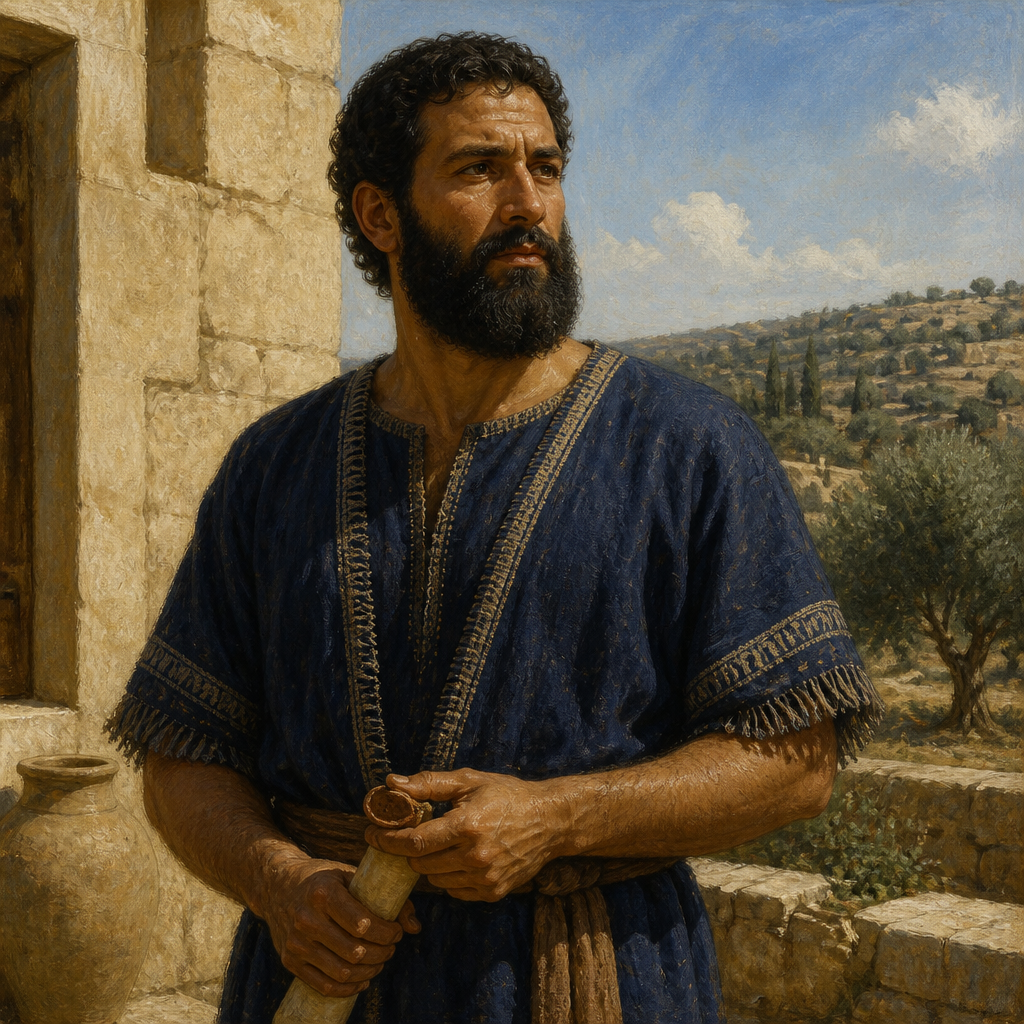 Jehu, Son of ObedThis page
Children
 Azariah, Son of JehuSon1 Chronicles 2:38Stated
Extended family
 SheshanAncestor1 Chronicles 2:31
Inferred
No verse names Sheshan and Jehu together; the descendant link is carried from the surrounding genealogy and is not stated in Scripture.Evidence: 1 Chronicles 2:31
Connected Figures
Family
Father · 1 Chronicles 2:38
A member of the tribe of Judah during the Divided Monarchy, Obed was the son of Ephlal and a link in the genealogical line of the Sheshanite clan.
Son · 1 Chronicles 2:38
Azariah, son of Jehu, was a descendant of Jerahmeel and a member of the tribe of Judah whose lineage is preserved in the genealogical records of the Divided Monarchy.
Ancestor · 1 Chronicles 2:31
A descendant of Judah through the line of Hezron who, lacking male heirs, preserved his lineage by giving his daughter to his Egyptian servant Jarha.
Categories
Mentions by Book
- 1 Chronicles2
Scripture References
All 2 indexed verses, in canonical order, from the Berean Standard Bible.
1 Chronicles · 2
- 1 Chronicles 2:31Partial
The son of Appaim: Ishi. The son of Ishi: Sheshan. The son of Sheshan: Ahlai.
Cited as evidence on a family card; added so References, Key Verses and Mentions by Book share one index.
- 1 Chronicles 2:38Partial
Obed was the father of Jehu, Jehu was the father of Azariah,
Others Named Jehu
Compare all 5 bearers →Jehu, son of Hanani1 Kings 16:1
A prophet and seer of the Divided Monarchy who delivered divine rebukes to King Baasha of Israel and King Jehoshaphat of Judah.
Jehu, King of Israel1 Kings 19:16
The tenth king of the northern kingdom of Israel who executed the house of Ahab, destroyed the cult of Baal, and founded the longest-lasting dynasty in Israel's history.
Jehu, son of Joshibiah1 Chronicles 4:35
A leader and descendant of the tribe of Simeon recorded in the genealogies of the Divided Monarchy during the reign of King Hezekiah.
Jehu the Anathothite1 Chronicles 12:3
A Benjamite warrior from Anathoth who joined David’s elite force at Ziklag during the United Monarchy of Saul's pursuit.