Jehu, son of Joshibiah
Who was Jehu, son of Joshibiah, in the Bible?
A leader and descendant of the tribe of Simeon recorded in the genealogies of the Divided Monarchy during the reign of King Hezekiah.
This is one of 5 people named Jehu in the Bible. See all 5 →
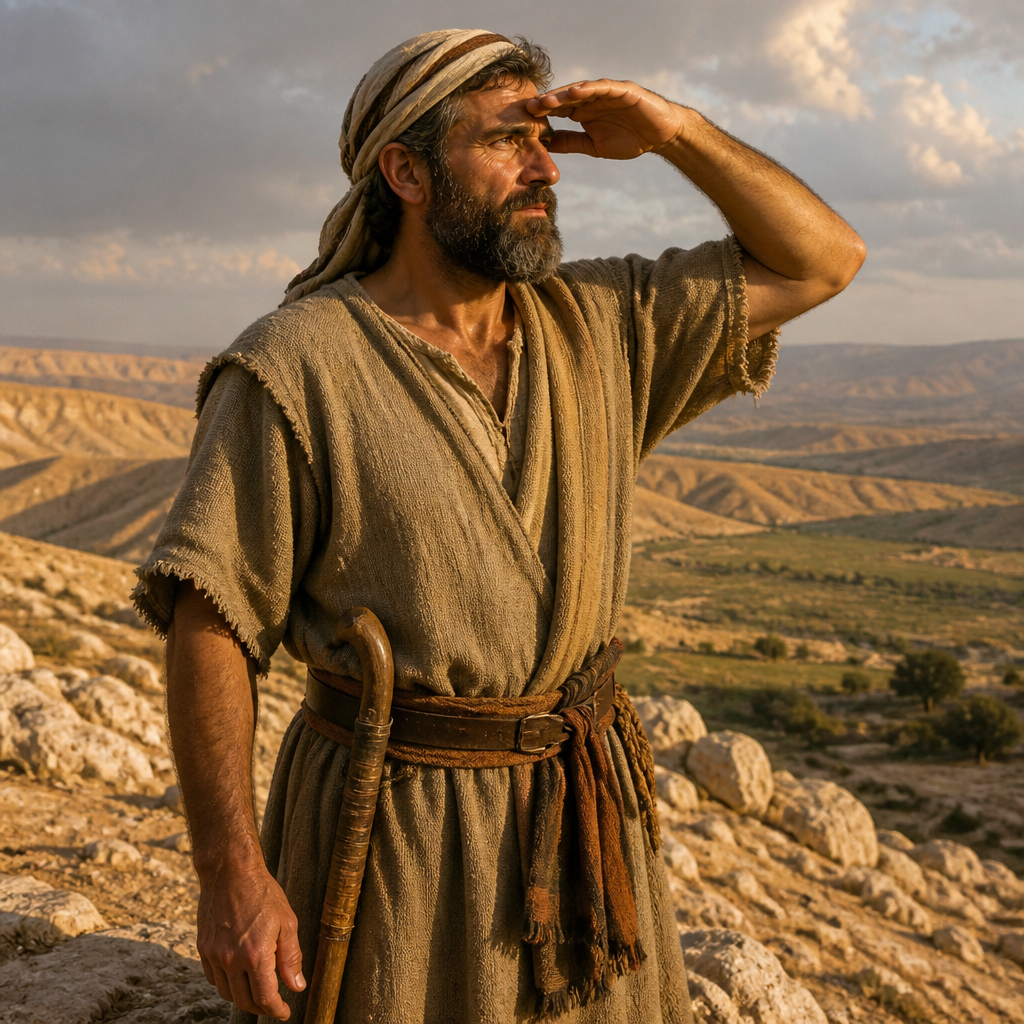
Jehu, son of Joshibiah, was a prominent member of the tribe of Simeon who lived during the era of the Divided Monarchy. He is identified within the genealogical records of the chronicler as a descendant of Asiel and Seraiah. His inclusion in the biblical text serves to document the lineage of those who participated in the territorial expansion and nomadic pastoralism characteristic of the Simeonite clans in the southern regions of Israel and Judah.
While his individual actions are not detailed in an extensive narrative, his identity is clearly defined by his heritage. As the son of Joshibiah, he belonged to a family line that maintained its tribal identity even as the geopolitical landscape of the Divided Monarchy shifted. His record in 1 Chronicles 4 is situated among the accounts of Simeon’s descendants who sought out pasture for their flocks, eventually displacing the Hamites in the valley of Gedor.
Background and Family
Jehu, son of Joshibiah, emerges in the biblical record within the specific context of the Simeonite genealogies found in 1 Chronicles 4. The text provides a rigorous lineage for this figure: he was the son of Joshibiah, who was the son of Seraiah, who was the son of Asiel (1 Chronicles 4:35). This lineage places him within a subset of the tribe of Simeon that was active during the Divided Monarchy, specifically associated with the period leading up to or during the reign of King Hezekiah of Judah (c. 715–686 BC).
The tribe of Simeon occupied territory in the Negev, often overlapping with the inheritance of Judah. The preservation of Jehu’s name suggests that his immediate family held a degree of status or served as the heads of their ancestral houses. The chronicler notes that these men were "leaders in their clans," and their families grew significantly, necessitating the search for new resources and land.
Major Life Events
The primary mention of Jehu, son of Joshibiah, is found in the list of Simeonite leaders. While the text does not record specific speeches or miracles attributed to him, he is grouped with figures such as Joel and Ziza who were involved in a significant tribal migration. According to the surrounding context in 1 Chronicles 4, these leaders took their families and flocks to the entrance of Gedor, to the east side of the valley, in search of pasture.
This movement resulted in the conquest of a fertile region where the Hamites had previously lived. The biblical record indicates that in the days of King Hezekiah, these named Simeonites—presumably including the house of Jehu—attacked the Hamite settlements and the Meunites who were found there, completely destroying them and settling in their place because there was pasture for their flocks.
Relationship to Other Biblical Figures
Jehu’s primary relationships are defined by his ancestry. He is explicitly linked to his father, Joshibiah, his grandfather, Seraiah, and his great-grandfather, Asiel. In the broader scope of the tribal record, he is listed alongside Joel (1 Chronicles 4:35), though the exact nature of their relationship (whether brothers or contemporary clan leaders) is not explicitly stated. He stands as a representative of the enduring legacy of the tribe of Simeon during a time when many other northern tribes were facing the threat of Assyrian encroachment.
Spiritual Significance
The spiritual and theological significance of Jehu, son of Joshibiah, lies in the fulfillment of the tribal inheritance. The tribe of Simeon had been prophesied by Jacob to be scattered (Genesis 49:7), yet the record of Jehu shows the tribe’s continued vitality and their reliance on God’s provision of land even centuries later. His inclusion in the Book of Chronicles serves the author's purpose of demonstrating that God maintained the identity and lineages of His people throughout the Divided Monarchy, ensuring that even specific individuals within the smaller tribes were remembered in the national record.
Jehu, son of Joshibiah, represents the historical continuity of the tribe of Simeon during the Divided Monarchy. His inclusion in the genealogies of 1 Chronicles highlights the chronicler’s emphasis on tribal heritage and the specific individuals who led their families in securing the land promised to their ancestors. The presence of his name validates the survival of Simeonite lineages at a time when the kingdom was under significant external pressure from the Assyrian Empire.
Frequently Asked Questions
Which tribe did Jehu, son of Joshibiah, belong to?
He belonged to the tribe of Simeon.
Who was the father of Jehu in 1 Chronicles 4:35?
His father was Joshibiah.
In what time period did this Jehu live?
He lived during the Divided Monarchy, specifically associated with the genealogical records concerning the reign of King Hezekiah.
What was the occupation of Jehu's clan?
They were pastoralists and clan leaders who sought out pasture for their flocks.
Where is Jehu, son of Joshibiah, mentioned in the Bible?
He is mentioned only in 1 Chronicles 4:35.
Family & Relationships
Connected Figures
Family
Father · 1 Chronicles 4:35
A descendant of Simeon and the son of Seraiah, Joshibiah was the father of Jehu, one of the tribal leaders who expanded Simeonite territory during the reign of King Hezekiah.
Great-Grandfather · 1 Chronicles 4:35
A member of the tribe of Simeon and the grandfather of Jehu, one of the tribal leaders during the Divided Monarchy.
Categories
Mentions by Book
- 1 Chronicles1
Scripture References
All 1 indexed verse, in canonical order, from the Berean Standard Bible.
1 Chronicles · 1
- 1 Chronicles 4:35
Joel, Jehu son of Joshibiah (son of Seraiah, son of Asiel),
Others Named Jehu
Compare all 5 bearers →Jehu, son of Hanani1 Kings 16:1
A prophet and seer of the Divided Monarchy who delivered divine rebukes to King Baasha of Israel and King Jehoshaphat of Judah.
Jehu, King of Israel1 Kings 19:16
The tenth king of the northern kingdom of Israel who executed the house of Ahab, destroyed the cult of Baal, and founded the longest-lasting dynasty in Israel's history.
Jehu, Son of Obed1 Chronicles 2:38
Jehu was a member of the Tribe of Judah and a descendant of Sheshan, appearing in the genealogical records of the Divided Monarchy.
Jehu the Anathothite1 Chronicles 12:3
A Benjamite warrior from Anathoth who joined David’s elite force at Ziklag during the United Monarchy of Saul's pursuit.