Nation
The Arameans
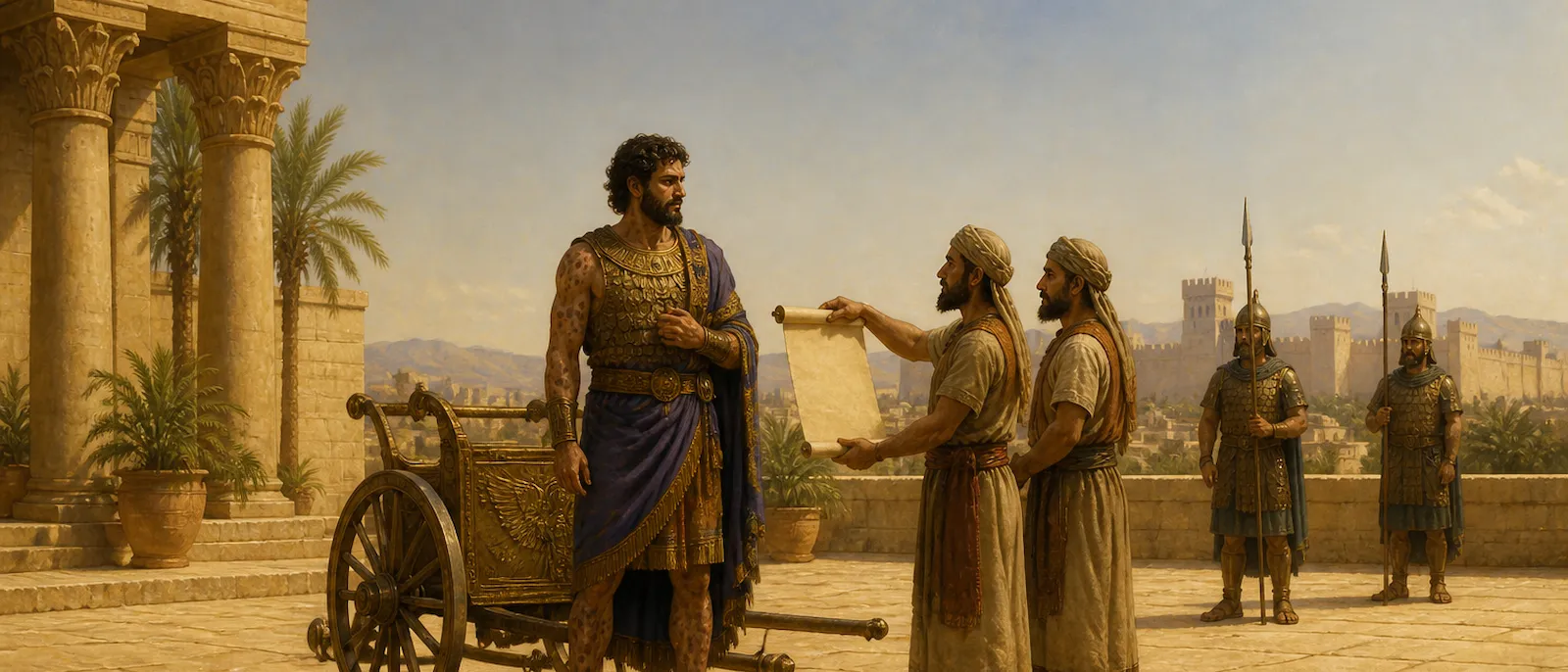
The people of Aram, including the kingdoms of Damascus and Zobah, who were neighbors and frequent rivals of Israel.
The people of Aram lived north and northeast of Israel. Scripture records their kings, armies, conflicts, treaties, and individuals such as Laban and Naaman.
The people in Scripture
Arameans appear from the patriarchal narratives through the monarchies. Laban is called the Aramean (Genesis 25:20); later Aramean kingdoms at Damascus and Zobah repeatedly interact with Israel.
Named members
The roster contains people whose existing Nation or gentilic evidence identifies them with Aram.
People of Arameans

Balaam
Diviner who was hired to curse Israel but blessed them instead
A non-Israelite diviner and son of Beor who, despite hearing the voice of God, attempted to curse Israel for profit and later led them into apostasy.
View profile →
Ben-hadad, son of Hazael
King of Aram who lost Aramean-held Israelite cities to King Jehoash
The Aramean king of Syria who lost significant territory to Israel during the reign of King Jehoash.
View profile →
Ben-hadad, Son of Tabrimmon
Aramean king who besieged Samaria and was defeated at Aphek
The Aramean King of Damascus who formed an alliance with King Asa of Judah and later waged a major military campaign against King Ahab of Israel.
View profile →
Ben-hadad, the Besieger of Samaria
King of Aram who besieged Samaria and sought Elisha's help during a terminal illness
The Aramean king of Damascus who orchestrated the devastating siege of Samaria and sought the counsel of the prophet Elisha during a terminal illness.
View profile →
Bethuel
Father of Rebekah and son of Abraham's brother Nahor
Bethuel was a patriarch from Paddan-aram, the son of Nahor and Milcah, and the father of Rebekah and Laban.
View profile →
Cushan-rishathaim
King of Aram-naharaim who was the first to oppress Israel in the period of the Judges
The first oppressor of Israel during the period of the Judges, a king of Aram-naharaim who enslaved the Israelites for eight years.
View profile →
Hadadezer
King of Zobah who fought King David for control of the Euphrates region
Hadadezer, son of Rehob, was the powerful Aramean king of Zobah whose defeat by King David established Israelite dominance in the Levant during the 10th century BC.
View profile →
Hazael
King of Aram who oppressed Israel and was anointed at the command of God to Elijah
A powerful Aramean official who became King of Aram and served as a frequent adversary to the kingdoms of Israel and Judah during the 9th century BC.
View profile →
Hezion
Grandfather of Ben-hadad I and early king of Aram-Damascus
Hezion was an early king of Aram-Damascus during the Divided Monarchy and the grandfather of Ben-hadad I.
View profile →
Joram, Son of Toi
Prince of Hamath who brought tribute to King David after the defeat of Hadadezer
Joram was the son of King Toi of Hamath who was sent as an ambassador to King David to offer tribute and congratulations following David's victory over the Arameans.
View profile →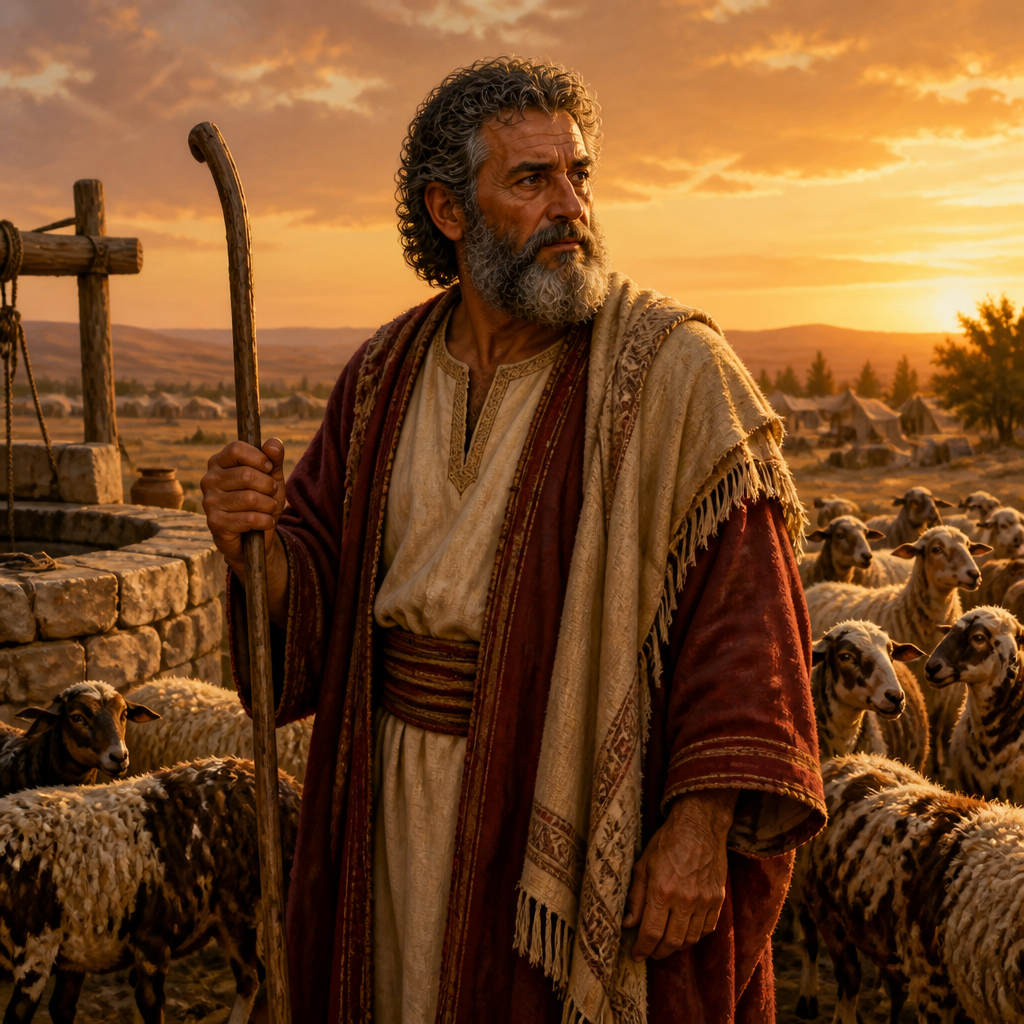
Laban
Uncle and father-in-law of Jacob who famously switched his daughters Leah and Rachel on Jacob's wedding night
A resourceful and opportunistic Aramean patriarch, brother of Rebekah and father-in-law to Jacob, known for his complex domestic and labor negotiations.
View profile →
Maacah, Daughter of King Talmai
Mother of Absalom and daughter of the King of Geshur
A foreign princess and wife of King David who became the mother of Absalom and Tamar during the United Monarchy.
View profile →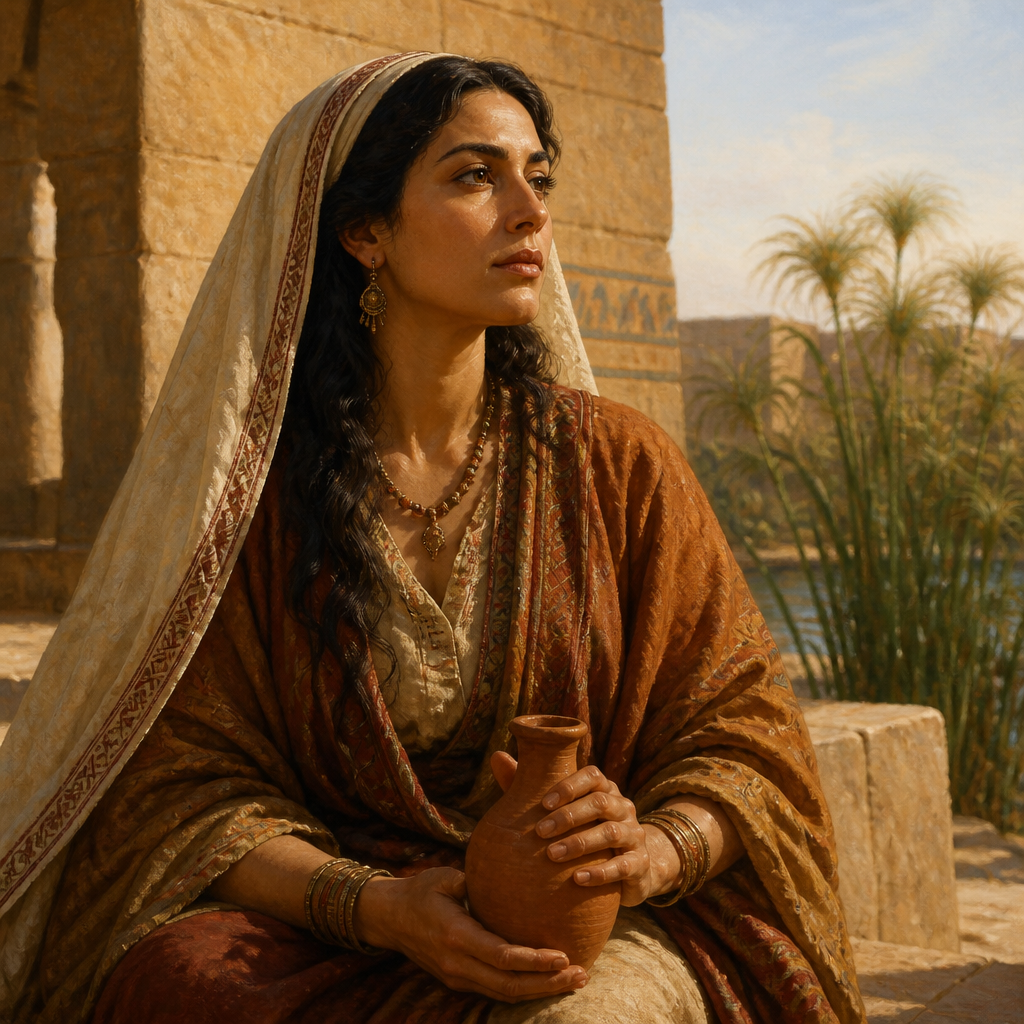
Manasseh's Aramean Concubine
Aramean concubine of Manasseh and mother of Machir
An Aramean woman who served as a concubine to Manasseh, son of Joseph, and became the mother of Machir and Asriel.
View profile →
Naaman, Commander of the Army of Syria
Aramean commander healed of leprosy in the Jordan River
A high-ranking Aramean military commander who was healed of leprosy by the prophet Elisha and subsequently converted to the worship of the LORD.
View profile →
Rehob, Father of Hadadezer
Patriarch whose son Hadadezer was the king of Zobah defeated by David
Rehob was the father of Hadadezer, the king of Zobah, during the period of the United Monarchy in the 10th century BC.
View profile →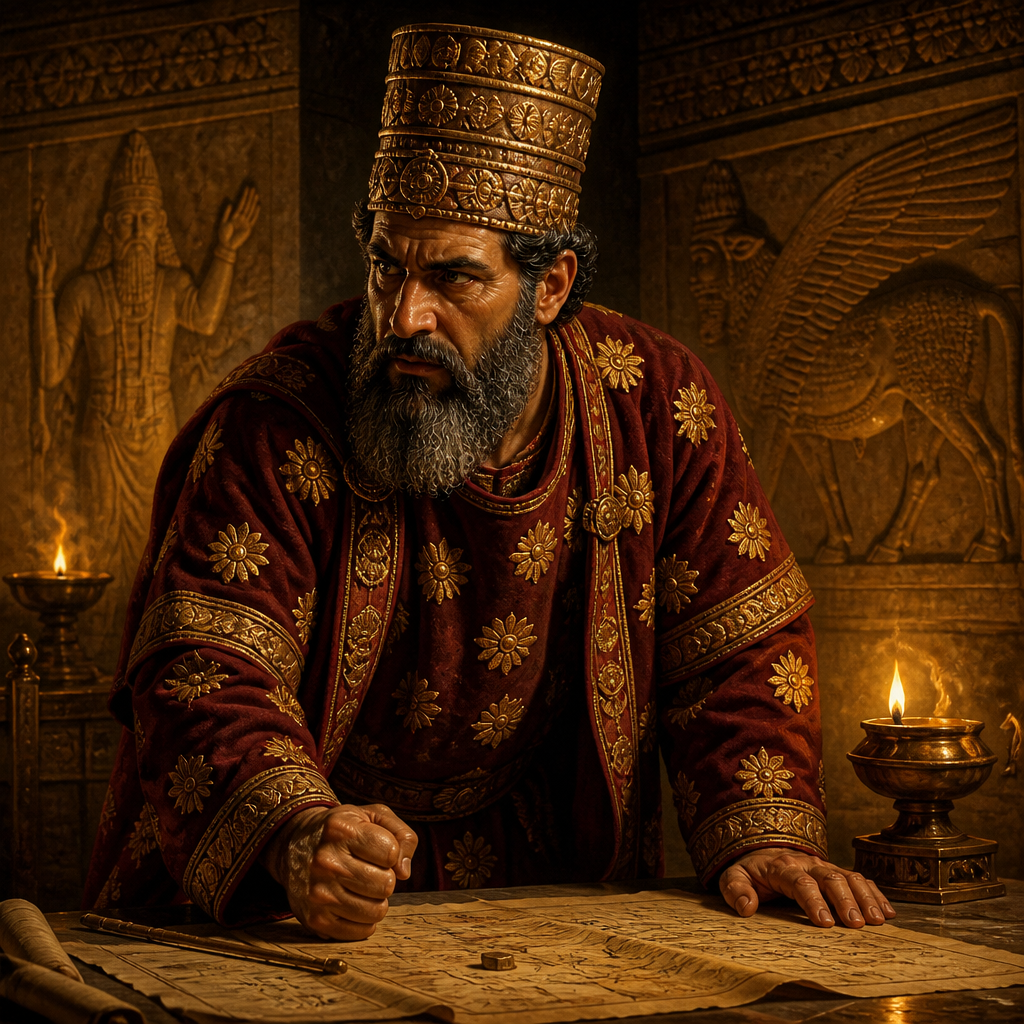
Rezin, King of Aram
King of Aram who besieged Jerusalem and was killed by the Assyrians
The last king of Aram-Damascus who formed a coalition with Israel to besiege Jerusalem during the reign of King Ahaz.
View profile →
Rezon
Adversary of Solomon who fled from Hadadezer of Zobah
An adversary raised by God against King Solomon, Rezon was the son of Eliada who fled from King Hadadezer of Zobah.
View profile →
The Servant Girl of Naaman's Wife
Young Israelite captive who informed Naaman about the prophet Elisha's power to heal
An anonymous Israelite girl captured by Aramean raiders who initiated the healing of the commander Naaman by testifying to the power of the prophet Elisha.
View profile →
Shobach
Aramean general who led the forces of Hadadezer against King David
The supreme commander of the Aramean forces under King Hadadezer who led a coalition against King David during the United Monarchy.
View profile →
Tabrimmon
Aramean king of Damascus and father of Ben-hadad I
Tabrimmon was an Aramean ruler of Damascus during the Divided Monarchy, noted as the father of Ben-hadad I.
View profile →
Toi
King of Hamath who sent tribute to David after the defeat of Hadadezer
Toi (also spelled Tou) was the King of Hamath during the 10th century BC who established a diplomatic alliance with King David after the defeat of their mutual enemy, Hadadezer.
View profile →