
People of Philippians
Every person who appears in the book of Philippians, ordered by how often they are mentioned there.
The People of Philippians appear within a letter written by Paul and Timothy to the Christian community in the Roman colony of Philippi (Philippians 1:1). The text identifies Paul as a prisoner who considers his chains a means of spreading the gospel throughout the imperial guard (Philippians 1:12–13). He describes Jesus as one who held the form of God but took the form of a servant to endure death on a cross (Philippians 2:5–8). To assist the Philippians, Paul intends to send Timothy, whom he praises for showing genuine concern for their welfare (Philippians 2:19–20). The narrative also highlights Epaphroditus, a messenger sent by the Philippians who became ill and nearly died while ministering to Paul’s needs (Philippians 2:25–30).
As the letter progresses, Paul provides personal biographical details to establish his credentials, noting that he is of the stock of Israel and belongs to the tribe of Benjamin (Philippians 3:5). He contrasts his former life as a Pharisee with his current goal of knowing Jesus and the power of his resurrection (Philippians 3:10). The text then addresses specific internal tensions within the local congregation, naming two women, Euodia and Syntyche, whom Paul urges to be of the same mind (Philippians 4:2). He asks an unnamed companion to help these women, noting that they labored with him alongside Clement and other fellow workers (Philippians 4:3).
The interactions among these individuals illustrate the development of the early church's organizational and social structure. Paul mentions that Clement and his peers have their names recorded in the book of life, emphasizing their status within the faith community (Philippians 4:3). The letter concludes with greetings from the believers who are with Paul specifically mentioning those who belong to the household of Caesar, a reference to the administration of Nero (Philippians 4:21–22). By connecting local figures like Euodia and Syntyche with traveling ministers like Epaphroditus, the text depicts a network of cooperation centered on the teachings of Jesus.
Everyone in this list
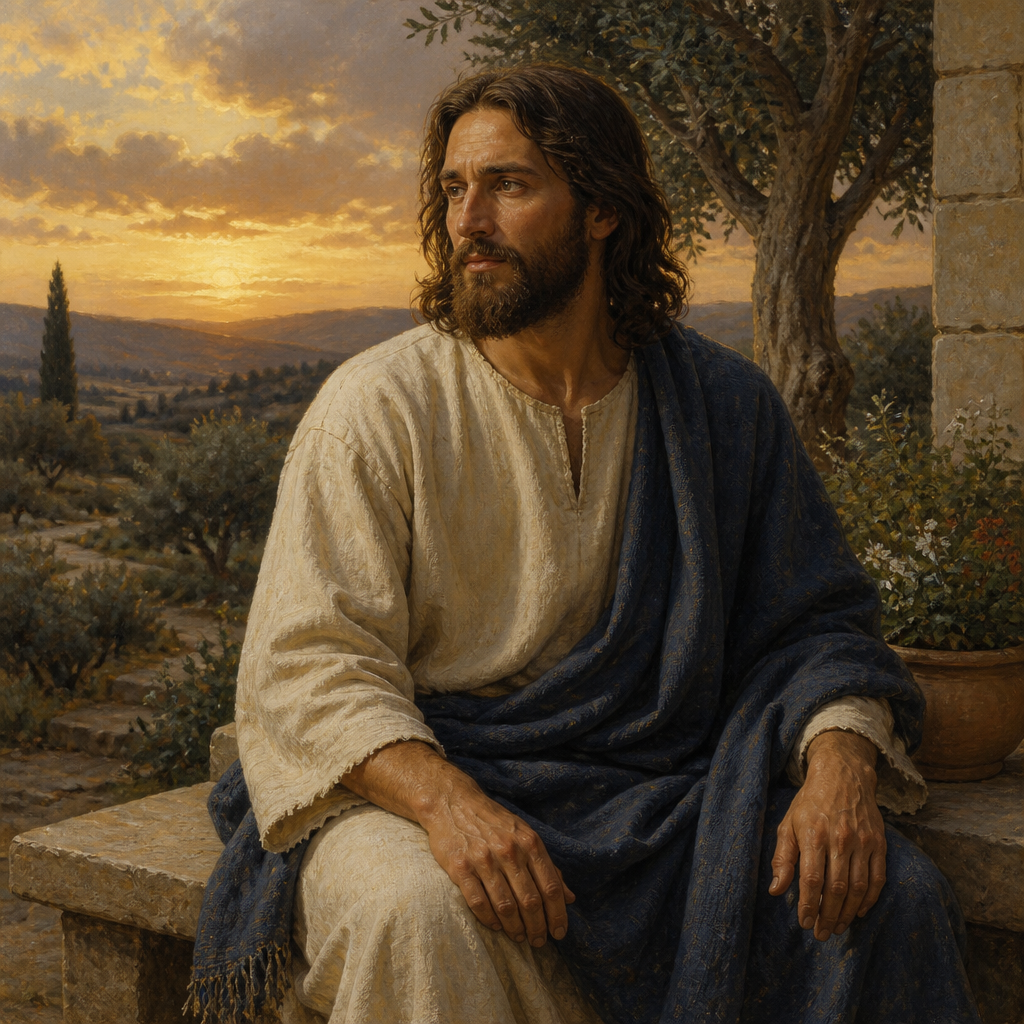
Jesus
Messiah and central figure of the New Testament whose life, death, and resurrection form the basis of the Christian faith
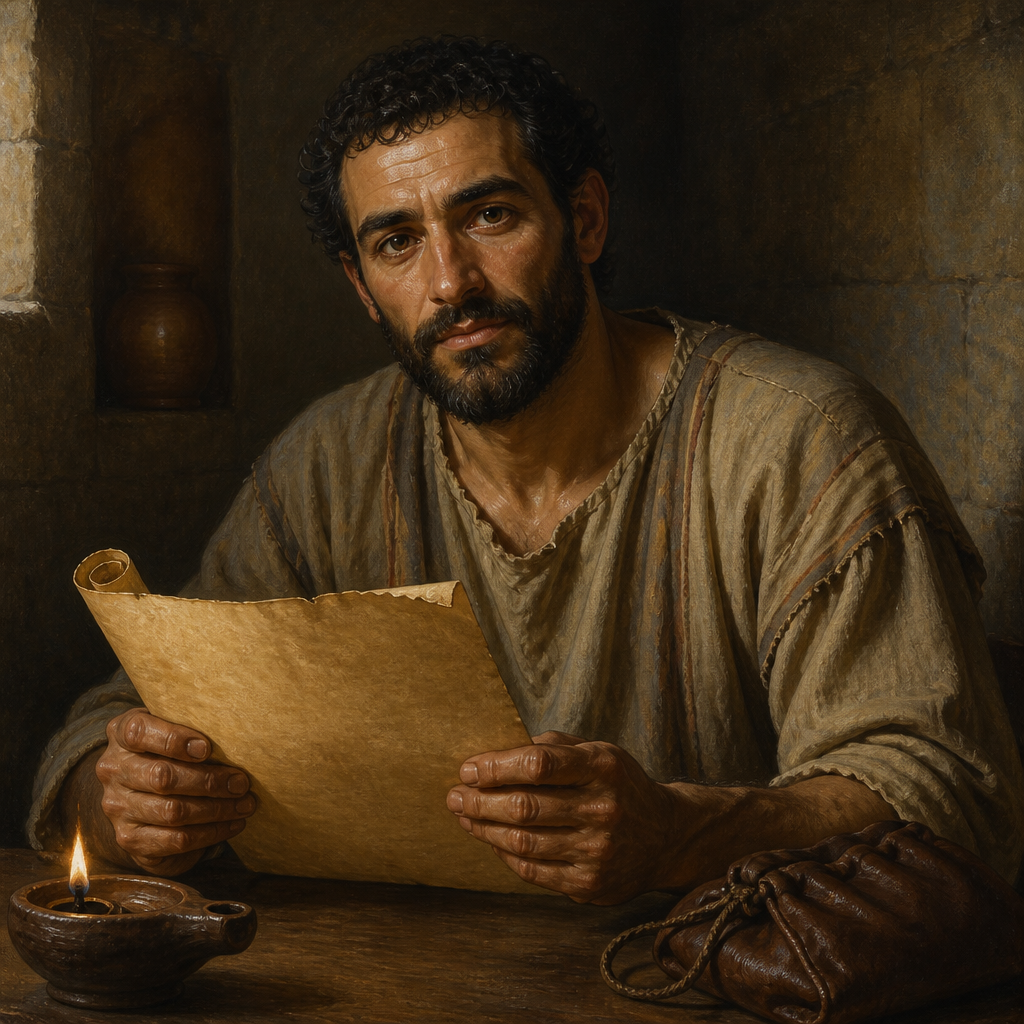
Epaphroditus
Messenger of the Philippian church who nearly died serving the Apostle Paul
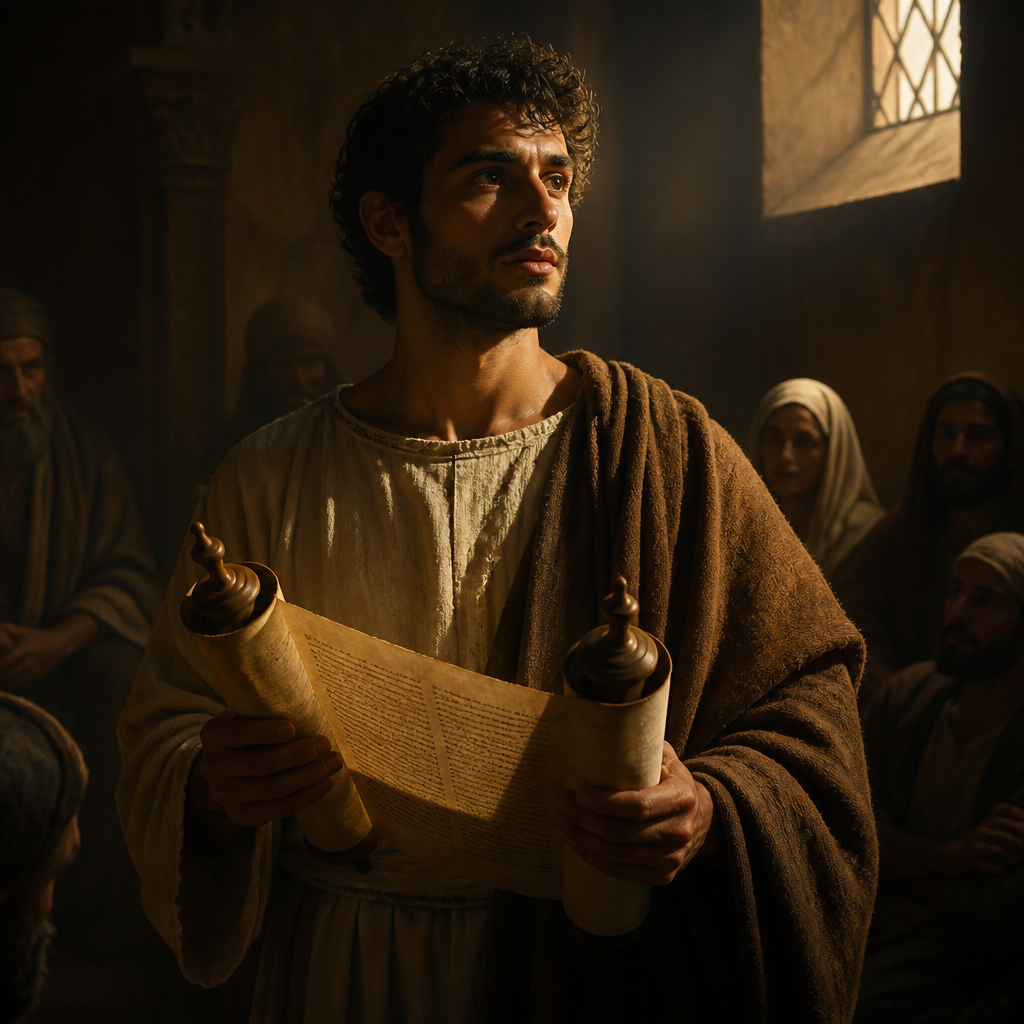
Timothy
Protégé of the Apostle Paul and recipient of the two Pastoral Epistles whom Paul stationed at Ephesus

The Preachers of Envy and Rivalry
Preachers in Rome who sought to harm Paul’s reputation through competitive ministry
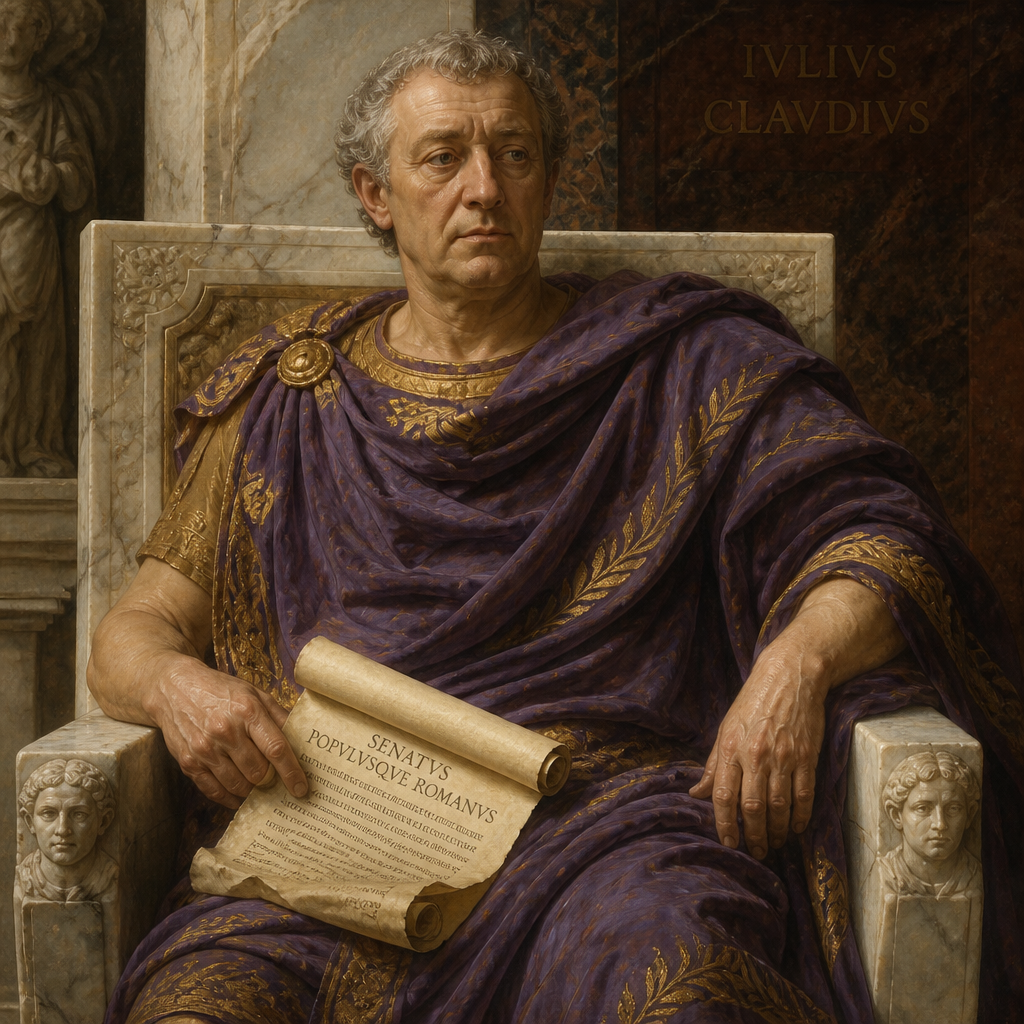
Claudius
Roman emperor who expelled the Jews from Rome and reigned during the early church’s growth
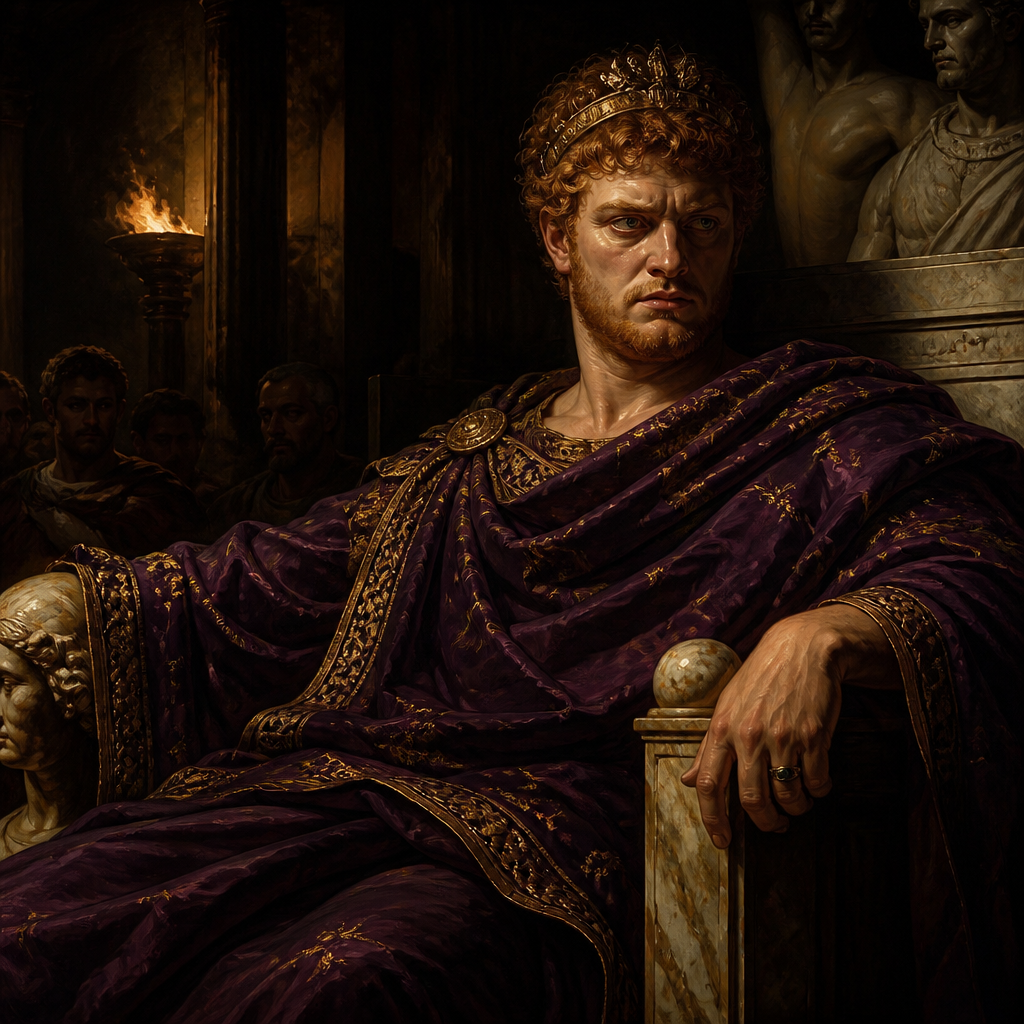
Nero
Architect of the first imperial persecution of Christians and the figure associated with the number 666
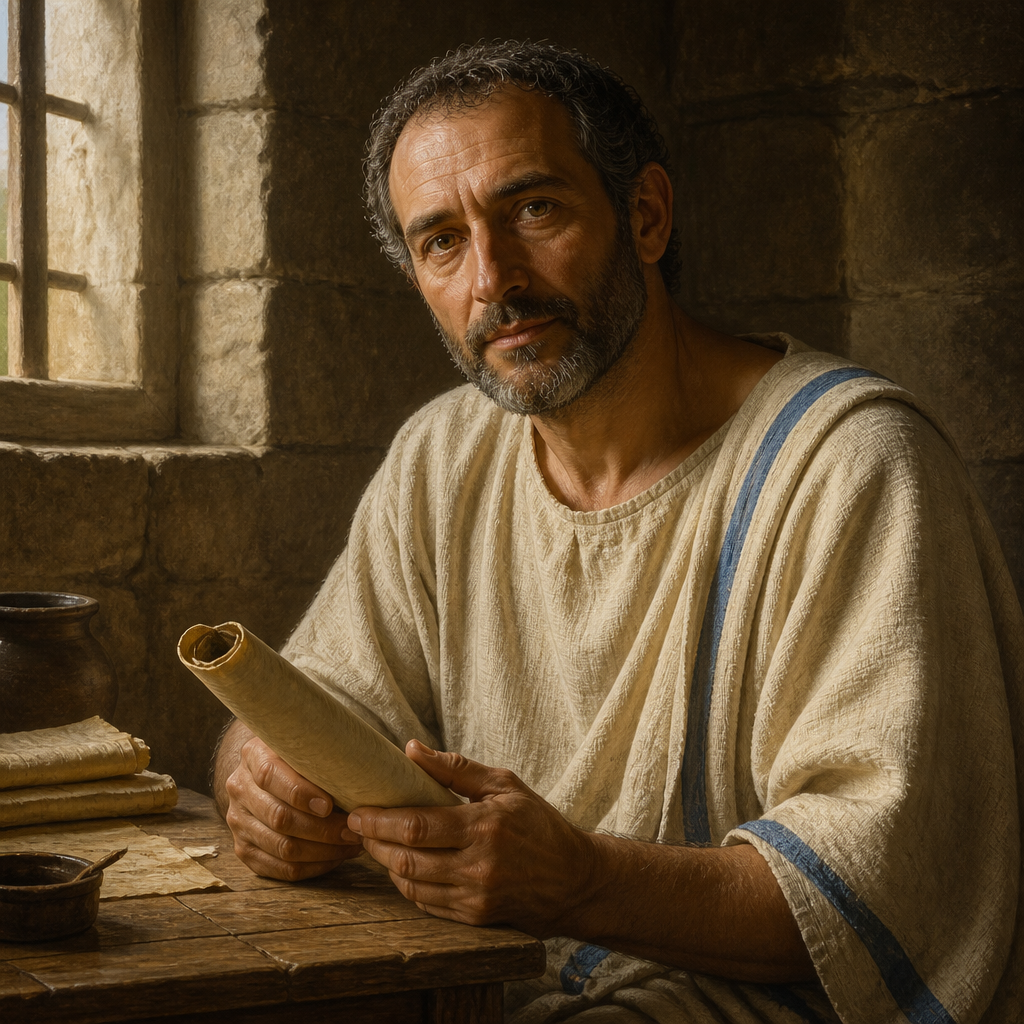
Clement
Fellow worker of the Apostle Paul whose name is in the Book of Life
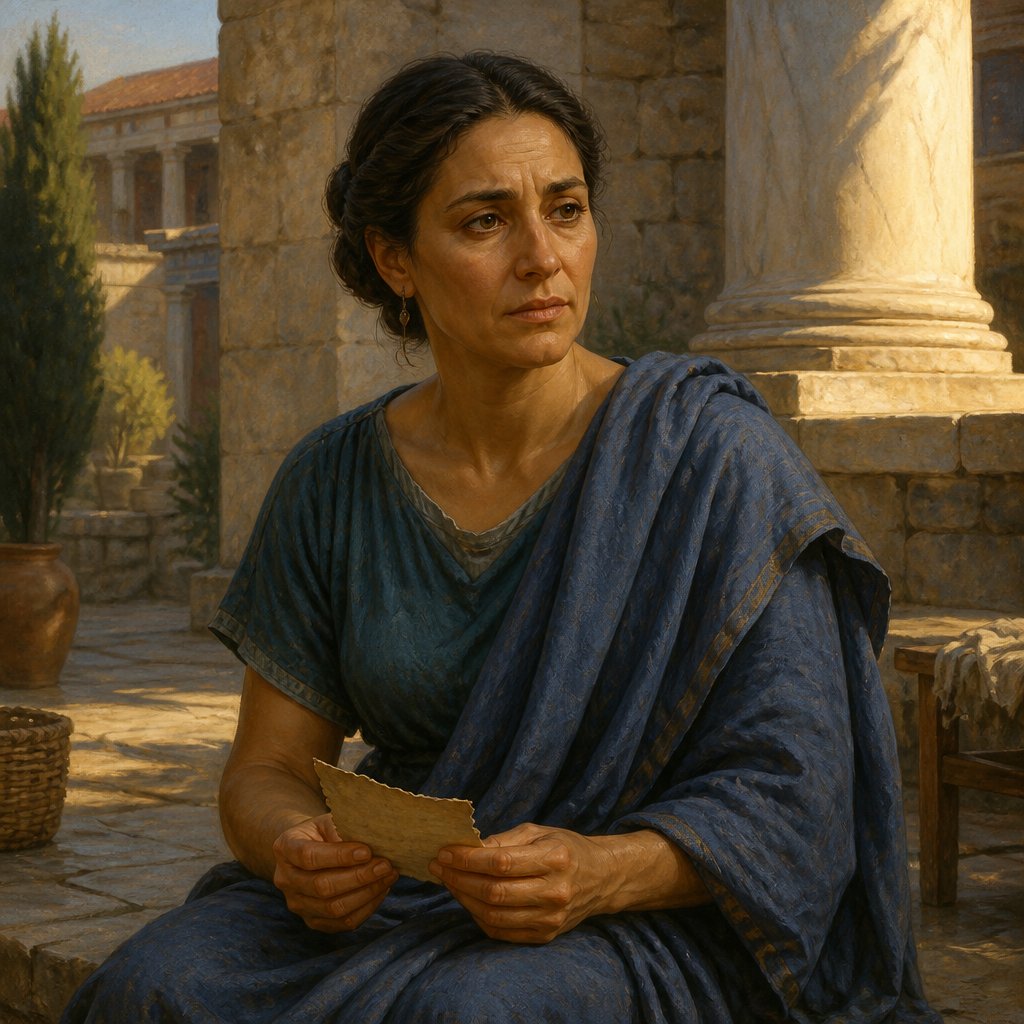
Syntyche
Christian woman in Philippi exhorted by Paul to reconcile with Euodia
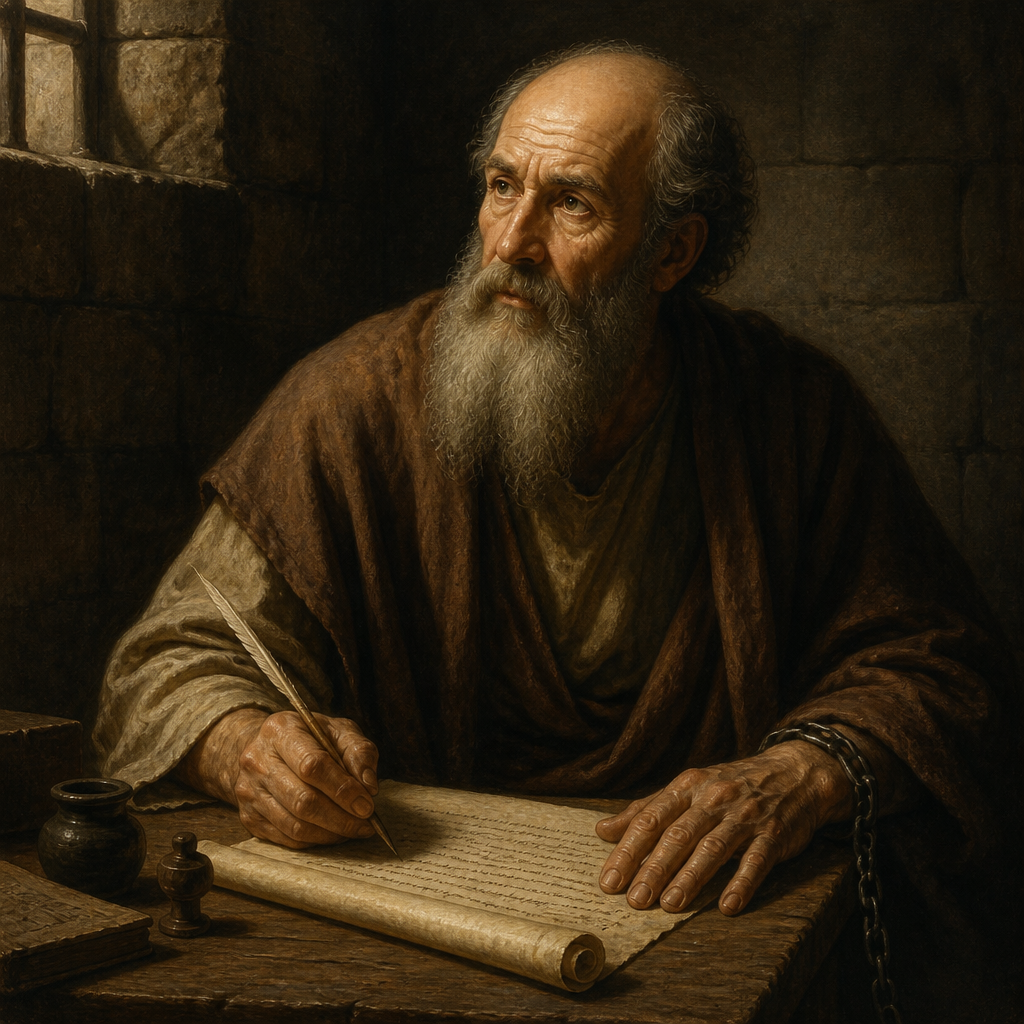
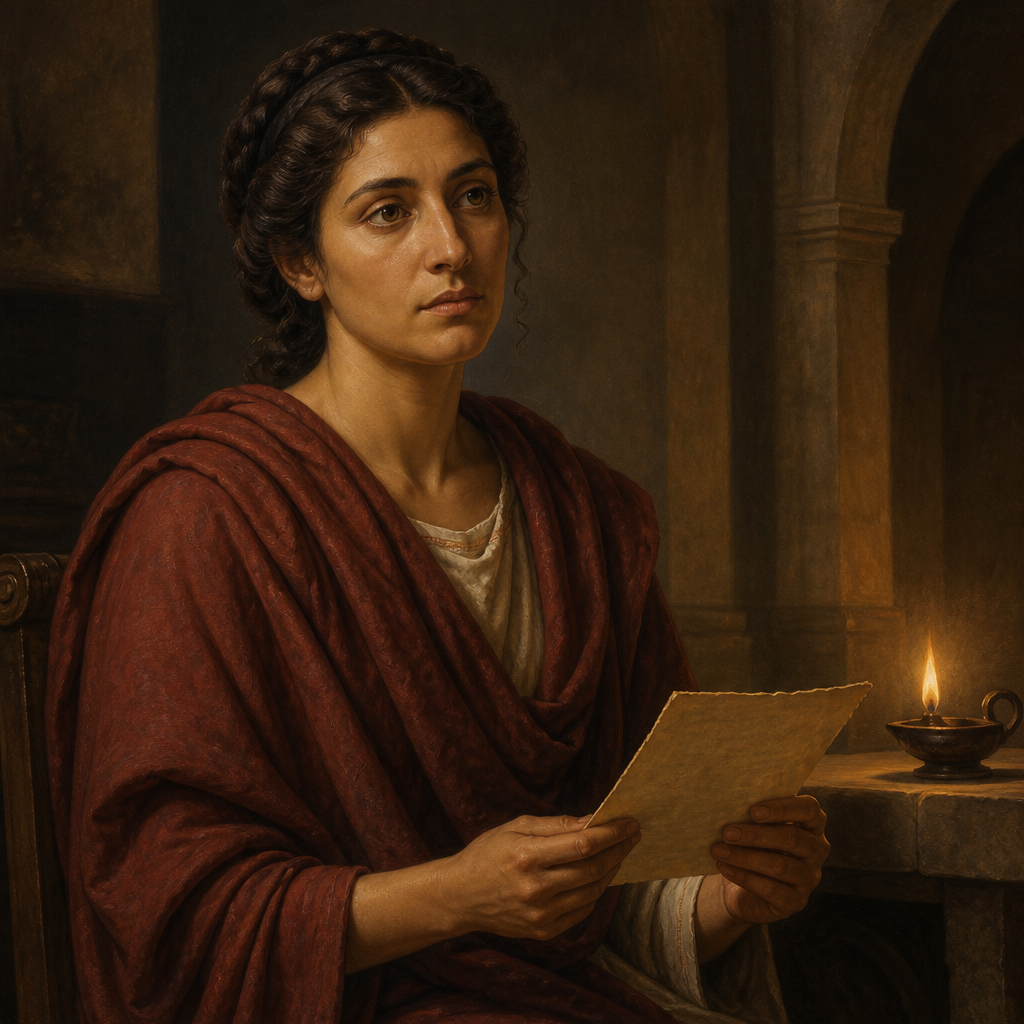
Claudia
Christian woman in Rome who sent greetings to Timothy in Paul's final letter

Euodia
Christian woman in Philippi urged by Paul to reconcile with Syntyche
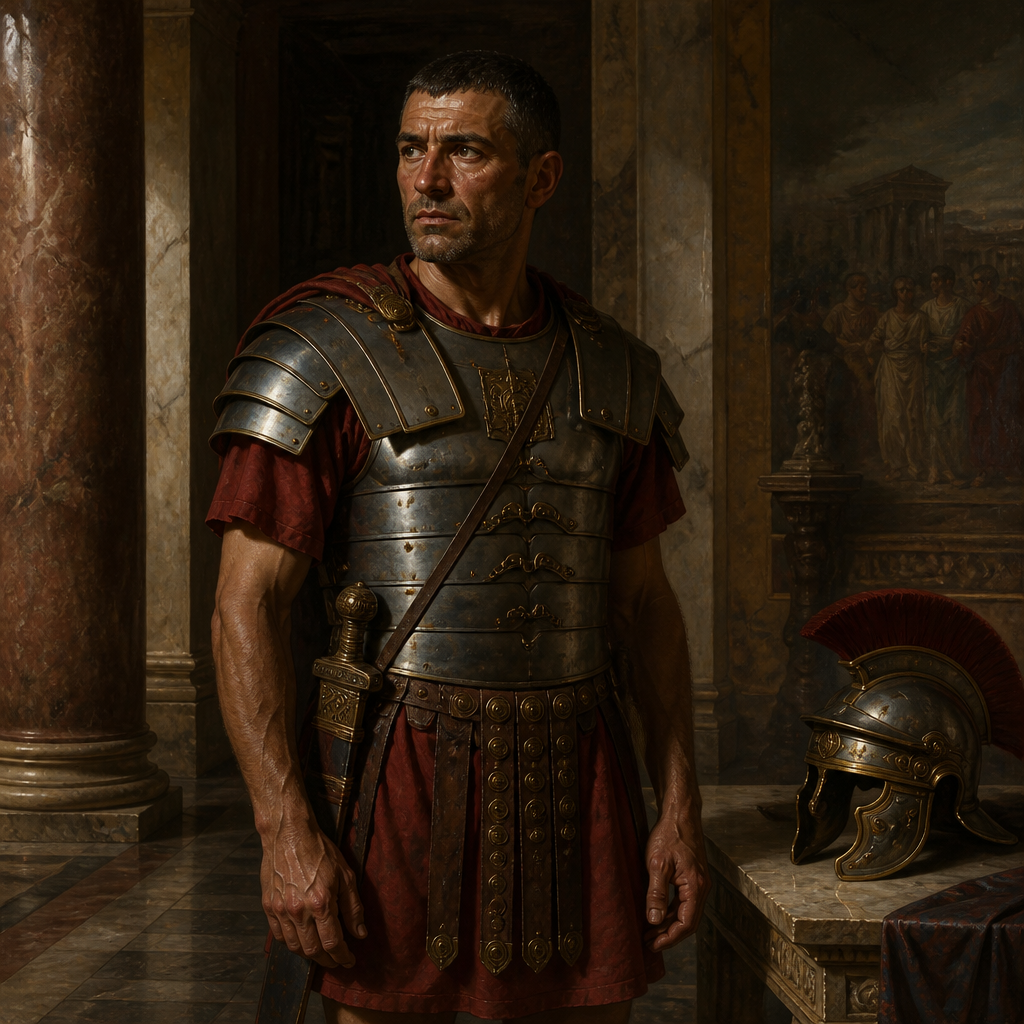
The Praetorian Guard
Elite group of Roman soldiers who guarded the Apostle Paul during his Roman imprisonment