Shemida
Who was Shemida in the Bible?
Shemida was a tribal leader within the Tribe of Manasseh during the Egyptian Sojourn and the Exodus, serving as the eponymous ancestor of the Shemidaite clan.
Shemida was a significant patriarchal figure within the Tribe of Manasseh, emerging during the final generations of the Egyptian Sojourn and the transition into the Wilderness period. As a grandson of Manasseh through Gilead, Shemida represents a pivotal link in the genealogy of the northern tribes. His name is synonymous with the 'Shemidaites,' a prominent clan recognized during the census in the plains of Moab and the subsequent division of the Promised Land.
Historically, Shemida serves as a primary representative of the Manassite lineage, ensuring that the legacy of Joseph’s firstborn son was maintained through organized familial structures. Though the biblical record provides few details regarding his personal actions, his role as a progenitor and a legal head of a family line was essential for the socio-political organization of Israel during the conquest of Canaan.
Background and Family
Shemida was born into the direct lineage of Joseph, one of the twelve patriarchs of Israel. According to the genealogical records found in Numbers and Joshua, Shemida was the son of Gilead and the grandson of Machir, who was the son of Manasseh. This lineage places him in a position of high status within the Josephite tribes, as the descendants of Machir were noted for their martial prowess and leadership.
Shemida was one of several brothers, including Abiezer, Helek, Asriel, Shechem, and Hepher. Together, these six brothers formed the foundational clans of the tribe of Manasseh. In the cultural context of the ancient Near East, the standing of a man was largely determined by his progeny; the Chronicler records that Shemida was the father of four sons: Ahian, Shechem, Likhi, and Aniam (1 Chronicles 7:19).
Major Life Events
While the biblical narrative does not record specific biographical anecdotes for Shemida, his life spans the critical era of the transition from Egyptian bondage to the wandering in the Wilderness. His primary historical footprint is found in the administrative and census records of the nation of Israel.
In Numbers 26:32, Shemida is identified during the second census taken by Moses and Eleazar on the plains of Moab. Here, he is recognized as the head of the Shemidaite clan. This census was not merely a count of people but a legal determination of who was eligible for military service and, more importantly, who was entitled to an inheritance in the land of Canaan.
Subsequently, in Joshua 17:2, Shemida’s name appears during the allotment of territory under Joshua. As one of the 'other male descendants' of Manasseh, his clan was granted a specific portion of land. This allotment was significant as it distinguished the clans residing on the west side of the Jordan River from those who settled in the Transjordan (the territory of Gilead and Bashan).
Relationship to Other Biblical Figures
Shemida’s identity is defined by his relationships to the broader Manassite family tree. As a son of Gilead, he was part of the generation that would see their children cross into the Promised Land. His brothers, such as Hepher and Abiezer, are also notable; Hepher was the father of Zelophehad, whose daughters famously challenged the laws of inheritance. This places Shemida at the heart of the tribal deliberations regarding land ownership and the preservation of family names. Furthermore, the mention of his sons in 1 Chronicles 7 suggests a lasting lineage that persisted through the monarchic period, maintaining the distinct identity of the Shemidaite clan within the northern territory.
Spiritual Significance
The presence of Shemida in the biblical record underscores the importance of the promise made to Abraham regarding a numerous biological and spiritual seed. By cataloging individuals like Shemida, the biblical writers emphasize that God’s covenant was not merely with a vague group of people, but with specific families and individuals.
Shemida represents the fulfillment of the blessing Jacob pronounced over the sons of Joseph (Genesis 48), where he foretold that they would grow into a multitude. The careful preservation of his name in the genealogies of Numbers, Joshua, and 1 Chronicles serves as a testament to the faithfulness of God in sustaining the tribal identity of Israel through the harsh conditions of the Wilderness and into the fulfillment of the territorial promise.
Theologically, Shemida exemplifies the biblical theme of inheritance and the preservation of the family name within the covenant community. His inclusion in three separate books of the Bible (Numbers, Joshua, and 1 Chronicles) highlights the importance of genealogy as a record of God’s providential care over the 'remnant' of Joseph. By establishing the Shemidaite clan, he ensured that his branch of the Tribe of Manasseh held a legal and spiritual stake in the land of Israel.
Furthermore, Shemida’s placement in the lists of 'male descendants' emphasizes the patriarchal structure of Israelite society while setting the stage for the narrative of the daughters of Zelophehad. His existence provides the necessary genealogical framework to understand the distribution of the land and the fulfillment of the tribal blessings mentioned in the Pentateuch.
Frequently Asked Questions
Which tribe did Shemida belong to?
Shemida was a member of the Tribe of Manasseh, the firstborn son of Joseph.
Who was Shemida's father?
According to the genealogies in Numbers and Joshua, Shemida was the son of Gilead.
What was the name of the clan founded by Shemida?
He was the founder of the Shemidaite clan (Numbers 26:32).
Did Shemida receive land in the Promised Land?
Yes, Joshua 17:2 records that an allotment of land was given to the clan of Shemida among the male descendants of Manasseh.
Who were the sons of Shemida?
1 Chronicles 7:19 lists his sons as Ahian, Shechem, Likhi, and Aniam.
Family & Relationships
Parents
 Gilead, Grandson of ManassehFather1 Chronicles 7:17–19Stated
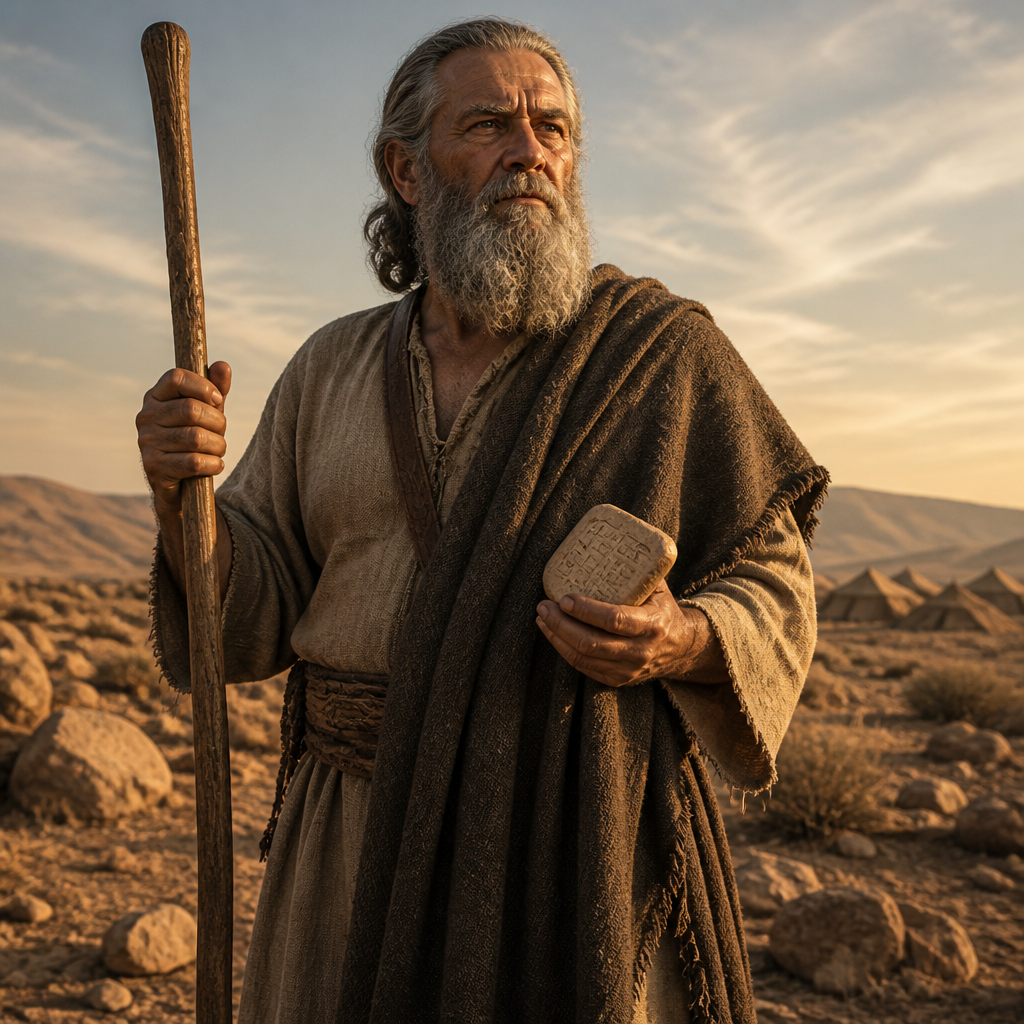 ShemidaThis page
 Asriel, Son of GileadBrotherNumbers 26:31–32Stated
 HelekBrotherNumbers 26:30–32Stated
 Hepher, Clan Head of ManassehBrotherNumbers 26:32Stated
 Shechem, Son of GileadBrotherNumbers 26:31–32Stated
 Abiezer, Son of GileadBrotherJoshua 17:2Stated
Children
 AhianSon1 Chronicles 7:19Stated
 AniamSon1 Chronicles 7:19Stated
 LikhiSon1 Chronicles 7:19Stated
 Shechem, Son of ShemidaSon1 Chronicles 7:19Stated
Connected Figures
Family
Father · 1 Chronicles 7:17–19
A prominent tribal leader and grandson of Manasseh whose descendants formed the primary clans of the Machirite line during the Egyptian Sojourn and the Wilderness wanderings.
Egypt and WildernessFirst: Numbers 26:2917 versesClan FounderManasseh
Son · 1 Chronicles 7:19
Ahian was a descendant of the tribe of Manasseh, listed as a son of Shemida in the genealogical records of 1 Chronicles.
Egypt and WildernessFirst: 1 Chronicles 7:191 versesClan representativeManasseh
Son · 1 Chronicles 7:19
Aniam was a member of the Tribe of Manasseh during the era of the Egyptian sojourn and the Wilderness wanderings, identified as a son of Shemida.
Egypt and WildernessFirst: 1 Chronicles 7:191 versesTribal leader or clan headManasseh
Son · 1 Chronicles 7:19
Likhi was a member of the tribe of Manasseh during the era of the Egyptian sojourn and the wilderness wanderings, identified as a son of Shemida.
Egypt and WildernessFirst: 1 Chronicles 7:191 versesClan member within the Tribe of ManassehManasseh
Son · 1 Chronicles 7:19
Shechem was a descendant of the tribe of Manasseh during the Egyptian Sojourn and Wilderness era, recorded as a son of Shemida.
Egypt and WildernessFirst: 1 Chronicles 7:191 versesManasseh
Brother · Numbers 26:31–32
A prominent clan leader within the tribe of Manasseh during the Exodus and the subsequent settlement of the Promised Land.
Egypt and WildernessFirst: Numbers 26:314 versesPatriarchManasseh
Brother · Numbers 26:30–32
Helek was a son of Gilead and a clan leader within the tribe of Manasseh during the Exodus and the initial settlement of the Promised Land.
Brother · Numbers 26:32
A grandson of Manasseh and father of Zelophehad whose lineage became a central case study for Israelite inheritance laws.
Brother · Numbers 26:31–32
A descendant of Manasseh and the eponymous founder of the Shechemite clan during the Egyptian Sojourn and Wilderness era.
Brother · Joshua 17:2
Abiezer was a descendant of Manasseh and the ancestral founder of the Abiezrite clan, notably producing the judge Gideon during the period of the Judges.
Categories
Mentions by Book
- Numbers3
- Joshua1
- 1 Chronicles3
Scripture References
All 7 indexed verses, in canonical order, from the Berean Standard Bible.
Numbers · 3
- Numbers 26:30Partial
These were the descendants of Gilead: the Iezerite clan from Iezer, the Helekite clan from Helek,
Cited as evidence on a family card; added so References, Key Verses and Mentions by Book share one index.
- Numbers 26:31Partial
the Asrielite clan from Asriel, the Shechemite clan from Shechem,
Cited as evidence on a family card; added so References, Key Verses and Mentions by Book share one index.
- Numbers 26:32
the Shemidaite clan from Shemida, and the Hepherite clan from Hepher.
Joshua · 1
- Joshua 17:2
So this allotment was for the rest of the descendants of Manasseh—the clans of Abiezer, Helek, Asriel, Shechem, Hepher, and Shemida. These are the other male descendants of the clans of Manasseh son of Joseph.
1 Chronicles · 3
- 1 Chronicles 7:17Partial
The son of Ulam: Bedan. These were the sons of Gilead son of Machir, the son of Manasseh.
Cited as evidence on a family card; added so References, Key Verses and Mentions by Book share one index.
- 1 Chronicles 7:18Partial
His sister Hammolecheth gave birth to Ishhod, Abiezer, and Mahlah.
Cited as evidence on a family card; added so References, Key Verses and Mentions by Book share one index.
- 1 Chronicles 7:19
And these were the sons of Shemida: Ahian, Shechem, Likhi, and Aniam.