Ahian
Who was Ahian in the Bible?
Ahian was a descendant of the tribe of Manasseh, listed as a son of Shemida in the genealogical records of 1 Chronicles.
Ahian is a minor figure in the Old Testament, specifically mentioned within the genealogical records of the tribe of Manasseh. His name appears only once in the Bible, in the book of 1 Chronicles, which serves as a vital historical repository for the identity and lineage of the Israelite tribes during the period of the Egyptian sojourn and the subsequent wilderness wandering leading toward the conquest of Canaan.
As a son of Shemida, Ahian belonged to a prominent clan within Manasseh. While the biblical text provides no narrative accounts of his specific actions, his inclusion in the sacred record highlights his status as a tribal representative and a link in the generational chain of the Josephite line. He is identified alongside his three brothers—Shechem, Likhi, and Aniam—forming a subset of the broader Manassite family tree.
Background and Family
Ahian is identified in the genealogical records of 1 Chronicles 7:19 as a member of the tribe of Manasseh. Manasseh was the firstborn son of Joseph, and his descendants occupied a unique position within the nation of Israel, eventually receiving land allotments on both the eastern and western sides of the Jordan River. Ahian’s immediate family context is defined by his father, Shemida. According to the record:
"And these were the sons of Shemida: Ahian, Shechem, Likhi, and Aniam." (1 Chronicles 7:19)
The name Ahian (Hebrew: אַחְיָן) is often translated as "brotherly" or "little brother." This etymology suggests a familial closeness or perhaps his relative position among the siblings, though the text does not explicitly state the birth order beyond the listing sequence.
Major Life Events
Because Ahian is only mentioned in a single verse of genealogy, there are no recorded major life events, speeches, or specific deeds attributed to him in the Masoretic Text. His life spanned the era of the Egypt and Wilderness periods, a time characterized by the transition from a nomadic family group into a structured nation. As a descendant of Shemida, he was part of the clan known as the Shemidaites (Numbers 26:32), who were later numbered among the families of Manasseh during the census in the plains of Moab.
Relationship to Other Biblical Figures
Ahian’s primary biblical context is his relationship to his father and brothers. His father, Shemida, was a significant figure in the Manassite lineage, mentioned also in Joshua 17:2 as one of the "male descendants of Manasseh according to their clans." Ahian’s brothers—Shechem, Likhi, and Aniam—shared in the tribal inheritance.
The mention of a brother named Shechem is noteworthy, as Shechem is also the name of a prominent city and an earlier ancestor; however, in this specific context, it refers to Ahian’s immediate sibling. The brothers together represented the continuation of the Josephite legacy during the formative years of Israel’s national identity.
Spiritual Significance
While the biblical record of Ahian is brief, his inclusion in 1 Chronicles serves a specific theological and historical purpose. The chronicler’s goal was to demonstrate the continuity of God's covenant people from the patriarchal age through the post-exilic period. By naming individuals like Ahian, the text affirms that every member of the tribe, regardless of their historical "fame," held a recognized place in the community of Israel and the eyes of God. He represents the silent majority of Israelites who maintained their tribal identity and heritage during the centuries of Egyptian sojourn and the trials of the wilderness.
The significance of Ahian lies primarily in the preservation of the Israelite genealogies. In the post-exilic era, when 1 Chronicles was compiled, these lists were essential for establishing land claims, priestly duties, and tribal authenticity. Ahian stands as a representative of the tribe of Manasseh, ensuring the lineage of Joseph remained documented and intact.
His presence in the text also underscores the biblical emphasis on the individual within the collective. Though no specific exploits are recorded for him, the naming of Ahian alongside his brothers validates his existence as a covenant member of the nation of Israel during the pivotal transition from Egypt to the Promised Land.
Frequently Asked Questions
Which tribe did Ahian belong to?
Ahian belonged to the tribe of Manasseh, the elder son of Joseph.
Who was Ahian's father?
Ahian's father was Shemida, a clan leader within the tribe of Manasseh.
Where is Ahian mentioned in the Bible?
Ahian is mentioned only once, in 1 Chronicles 7:19.
What does the name Ahian mean?
The name Ahian is Hebrew for 'brotherly' or 'little brother.'
Who were Ahian's brothers?
His brothers were Shechem, Likhi, and Aniam.
Family & Relationships
Parents
 ShemidaFather1 Chronicles 7:19Stated
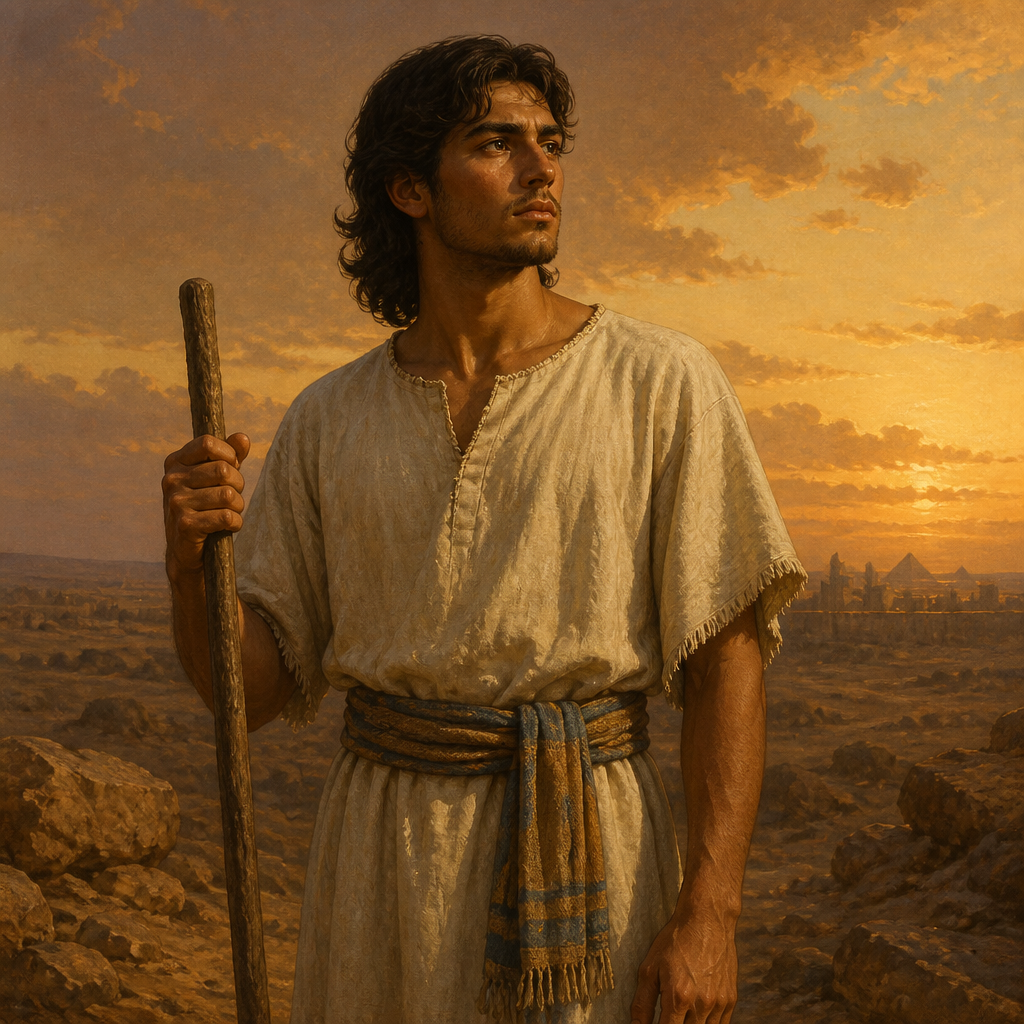 AhianThis page
 AniamBrother1 Chronicles 7:19Stated
 LikhiBrother1 Chronicles 7:19Stated
 Shechem, Son of ShemidaBrother1 Chronicles 7:19Stated
Connected Figures
Family
Father · 1 Chronicles 7:19
Shemida was a tribal leader within the Tribe of Manasseh during the Egyptian Sojourn and the Exodus, serving as the eponymous ancestor of the Shemidaite clan.
Brother · 1 Chronicles 7:19
Aniam was a member of the Tribe of Manasseh during the era of the Egyptian sojourn and the Wilderness wanderings, identified as a son of Shemida.
Egypt and WildernessFirst: 1 Chronicles 7:191 versesTribal leader or clan headManasseh
Brother · 1 Chronicles 7:19
Likhi was a member of the tribe of Manasseh during the era of the Egyptian sojourn and the wilderness wanderings, identified as a son of Shemida.
Egypt and WildernessFirst: 1 Chronicles 7:191 versesClan member within the Tribe of ManassehManasseh
Brother · 1 Chronicles 7:19
Shechem was a descendant of the tribe of Manasseh during the Egyptian Sojourn and Wilderness era, recorded as a son of Shemida.
Egypt and WildernessFirst: 1 Chronicles 7:191 versesManasseh
Categories
Mentions by Book
- 1 Chronicles1
Scripture References
All 1 indexed verse, in canonical order, from the Berean Standard Bible.
1 Chronicles · 1
- 1 Chronicles 7:19
And these were the sons of Shemida: Ahian, Shechem, Likhi, and Aniam.