Aniam
Who was Aniam in the Bible?
Aniam was a member of the Tribe of Manasseh during the era of the Egyptian sojourn and the Wilderness wanderings, identified as a son of Shemida.
Aniam is a minor biblical figure mentioned exclusively within the genealogical records of the Tribe of Manasseh. His name appears in the First Book of Chronicles.
As a son of Shemida, Aniam belongs to a generation that lived during the pivotal transition between the Israelites' time in Egypt and their eventual settlement in the Promised Land. While the biblical record is brief regarding his personal actions, his inclusion serves as a vital link in the patriarchal structure of one of Israel’s most prominent northern tribes.
Background and Family
Aniam is identified in the biblical text as one of the four sons of Shemida. According to the genealogical record in 1 Chronicles 7:19, his brothers were Ahian, Shechem, and Likhi. Through his father Shemida, Aniam was a descendant of Manasseh, the firstborn son of Joseph and his Egyptian wife, Asenath.
The genealogy of Manasseh is particularly complex due to the tribe's geographic split between the east and west of the Jordan River. Aniam’s lineage is listed among the descendants who would eventually settle in the land, maintaining the continuity of the house of Joseph. The name Aniam, derived from Hebrew roots meaning "I am the people" or "sighing of the people," reflects the communal identity inherent in these ancient records.
Major Life Events
The biblical record does not provide a narrative account of Aniam’s life. His historical footprint is limited to his birth and his placement within the tribal hierarchy. Given the timeframe of his father, Shemida, Aniam would have lived during the period when the Israelites were either residing in Egypt or traversing the wilderness under the leadership of Moses.
Like many figures in the 1 Chronicles genealogies, Aniam represents a specific branch of the tribe that maintained its identity through the centuries. His existence is verified not through deeds of war or prophecy, but through the preservation of his name as a legal and ancestral marker for the clan of the Shemidaites.
Relationship to Other Biblical Figures
Aniam’s primary relationships are defined by his immediate family. He was a son of Shemida and a grandson (or further descendant) of Gilead. His brothers—Ahian, Shechem, and Likhi—are listed alongside him, suggesting they were the heads of their respective sub-clans.
It is important to distinguish this branch of the family from other figures named Shechem in the Bible. In this context, Aniam is part of a specific Manassite lineage that ensured the distribution of ancestral lands. His relationship to his brothers likely involved the shared responsibility of maintaining the tribal integrity of Manasseh during the migrations of the Israelite people.
Spiritual Significance
While Aniam is not the subject of a moral narrative or a theological discourse, his presence in the Bible carries spiritual weight regarding the faithfulness of God’s covenant. To the original readers of Chronicles, the mention of Aniam was a reminder that even the less prominent members of a tribe were known to God and essential to the nation of Israel.
The preservation of his name in the Holy Scriptures signifies that every individual within the covenant community held a place in the divine plan. In the context of the Wilderness era, Aniam represents the thousands of Israelites who remained faithful to their tribal identities, ensuring that the promises made to Abraham, Isaac, and Jacob were passed down through the generations until they reached the Promised Land.
Aniam’s significance lies in the preservation of the Israelite heritage. In the ancient Near East, genealogies served as legal proof of identity and inheritance. By being recorded in 1 Chronicles, Aniam is established as a legitimate heir of Manasseh, contributing to the historical continuity of the people of Israel from their time in Egypt through the conquest of Canaan.
His mention underscores the biblical theme that God values the individual within the collective. Though no specific miracles or speeches are attributed to him, his name stands as a testament to the survival and growth of the Tribe of Manasseh during one of the most difficult periods of Israelite history.
Frequently Asked Questions
Which tribe did Aniam belong to?
Aniam was a member of the Tribe of Manasseh, one of the two tribes descended from Joseph.
Who was Aniam's father?
Aniam was the son of Shemida, a prominent descendant of Manasseh.
Where is Aniam mentioned in the Bible?
Aniam is mentioned only once in the Bible, in 1 Chronicles 7:19.
What does the name Aniam mean?
The name Aniam (אֲנִיעָם) is generally understood to mean 'I am the people' or 'lament of the people' in Hebrew.
Did Aniam have any siblings?
Yes, the Bible records that Aniam had three brothers: Ahian, Shechem, and Likhi.
Family & Relationships
Parents
 ShemidaFather1 Chronicles 7:19Stated
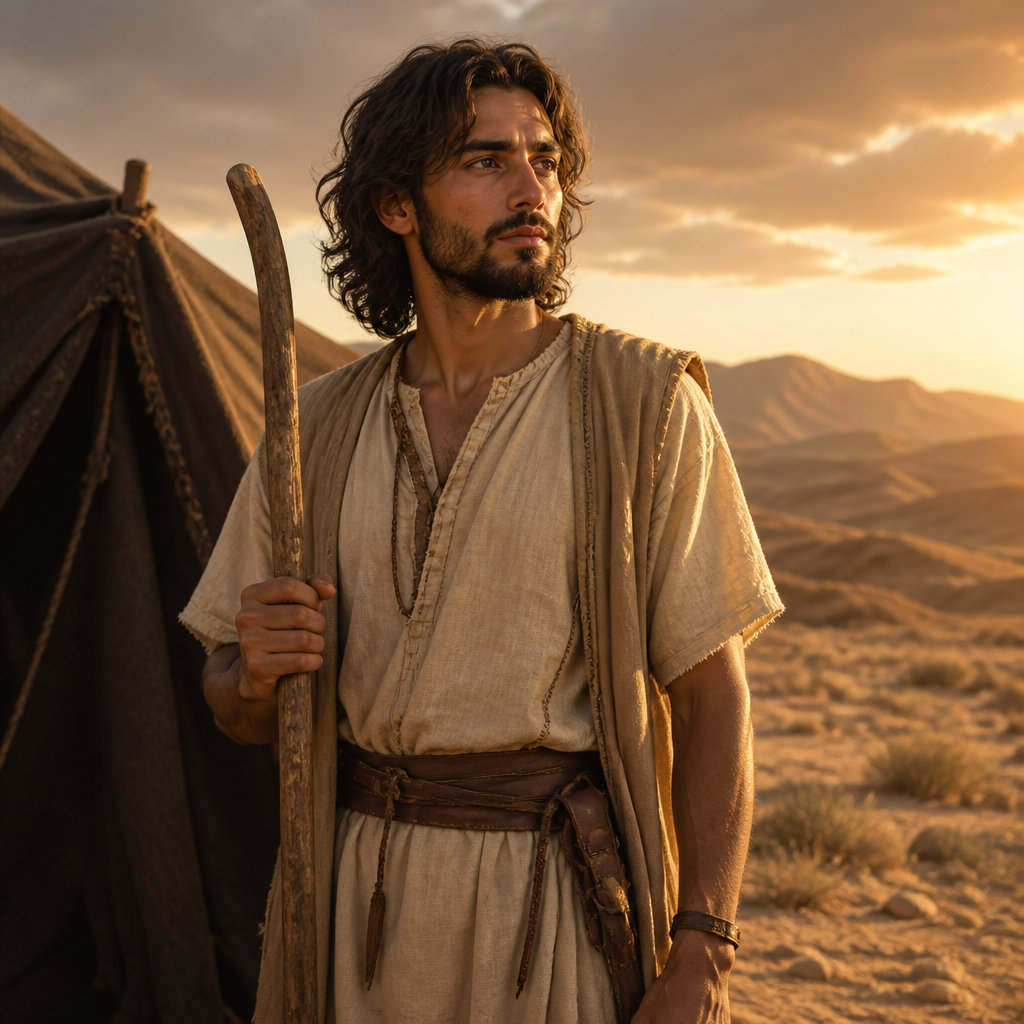 AniamThis page
 AhianBrother1 Chronicles 7:19Stated
 LikhiBrother1 Chronicles 7:19Stated
 Shechem, Son of ShemidaBrother1 Chronicles 7:19Stated
Connected Figures
Family
Father · 1 Chronicles 7:19
Shemida was a tribal leader within the Tribe of Manasseh during the Egyptian Sojourn and the Exodus, serving as the eponymous ancestor of the Shemidaite clan.
Brother · 1 Chronicles 7:19
Ahian was a descendant of the tribe of Manasseh, listed as a son of Shemida in the genealogical records of 1 Chronicles.
Egypt and WildernessFirst: 1 Chronicles 7:191 versesClan representativeManasseh
Brother · 1 Chronicles 7:19
Likhi was a member of the tribe of Manasseh during the era of the Egyptian sojourn and the wilderness wanderings, identified as a son of Shemida.
Egypt and WildernessFirst: 1 Chronicles 7:191 versesClan member within the Tribe of ManassehManasseh
Brother · 1 Chronicles 7:19
Shechem was a descendant of the tribe of Manasseh during the Egyptian Sojourn and Wilderness era, recorded as a son of Shemida.
Egypt and WildernessFirst: 1 Chronicles 7:191 versesManasseh
Categories
Mentions by Book
- 1 Chronicles1
Scripture References
All 1 indexed verse, in canonical order, from the Berean Standard Bible.
1 Chronicles · 1
- 1 Chronicles 7:19
And these were the sons of Shemida: Ahian, Shechem, Likhi, and Aniam.