Likhi
Who was Likhi in the Bible?
Likhi was a member of the tribe of Manasseh during the era of the Egyptian sojourn and the wilderness wanderings, identified as a son of Shemida.
Likhi is a figure mentioned in the genealogical records of the Old Testament, specifically within the lineage of the tribe of Manasseh. His name appears within the Chronicler’s efforts to document the familial structures of Israel during their formative years, spanning the period from the residency in Egypt through the wilderness journey toward the Promised Land.
While the biblical record provides only the names of his immediate family, Likhi represents the preservation of the Manassite heritage. As a son of Shemida, he occupies a specific branch of the Josephite lineage that would later receive an inheritance in the land of Canaan. His inclusion in the sacred text serves to validate the tribal identities that formed the foundation of the nation of Israel.
Background and Family
Likhi is situated within the extensive genealogy of Manasseh, the firstborn son of Joseph. According to the records in 1 Chronicles 7, Likhi was one of the four sons of Shemida. His father, Shemida, was a significant figure within the Manassite tribal structure, often associated with the region of Gilead. The text lists Likhi alongside his brothers: Ahian, Shechem, and Aniam.
This specific branch of the family tree is vital for understanding the internal divisions of the tribe of Manasseh. The names of these brothers, including Likhi, represent the heads of various clans or households that maintained the identity of the tribe during the transition from the Egyptian sojourn to the subsequent conquest of the Levant.
Major Life Events
The biblical narrative does not record specific deeds, speeches, or events performed by Likhi. His presence in the Bible is strictly genealogical. However, his life occurred during the pivotal transition of the Israelites from a large family residing in Egypt to a mobile nation in the wilderness. As a member of the tribe of Manasseh, Likhi would have participated in the social and religious life of his clan, adhering to the tribal order established during the era of Moses and Aaron.
Relationship to Other Biblical Figures
Likhi’s primary relationships are defined by his immediate kin. He is the son of Shemida and the sibling of Ahian, Shechem, and Aniam. Through his father Shemida, he is a descendant of Manasseh and, by extension, the patriarch Joseph. While the text in 1 Chronicles 7:19 focuses on his immediate brothers, these individuals collectively represent the endurance of the Manassite line through generations of migration and societal change.
Spiritual Significance
Though Likhi is a minor figure, his inclusion in the book of Chronicles carries theological weight. The Chronicler emphasizes the continuity of God's covenant people. By naming individuals like Likhi, the text asserts that every member of the community—even those without recorded individual exploits—is known to God and essential to the integrity of the tribal whole. Names like Likhi served as a reminder of their ancient roots and their rightful place within the covenantal history of Israel.
Likhi’s significance lies in the preservation of tribal genealogy. In the Ancient Near East, lineage was the primary means of establishing legal rights to land and social standing. By being recorded in the permanent scriptural record, Likhi serves as a witness to the fulfillment of God's promise to multiply the descendants of Joseph.
Furthermore, Likhi illustrates the meticulous nature of biblical record-keeping. His name contributes to the evidence of the historical reality of the Israelite tribes, ensuring that the transition from the Egyptian period to the settlement of the Promised Land was documented through specific familial successions.
Frequently Asked Questions
What tribe did Likhi belong to?
Likhi was a member of the tribe of Manasseh, descending from the line of Joseph.
Who was Likhi's father?
According to 1 Chronicles 7:19, Likhi was the son of Shemida.
Who were Likhi's siblings?
Likhi had three recorded brothers: Ahian, Shechem, and Aniam.
In which book of the Bible is Likhi mentioned?
Likhi is mentioned exclusively in the book of 1 Chronicles, specifically in chapter 7, verse 19.
What does the name Likhi mean?
The Hebrew name Likhi (לִקְחִי) is often associated with the concept of 'learned' or 'taken,' though its specific etymological application in this context is brief.
Family & Relationships
Parents
 ShemidaFather1 Chronicles 7:19Stated
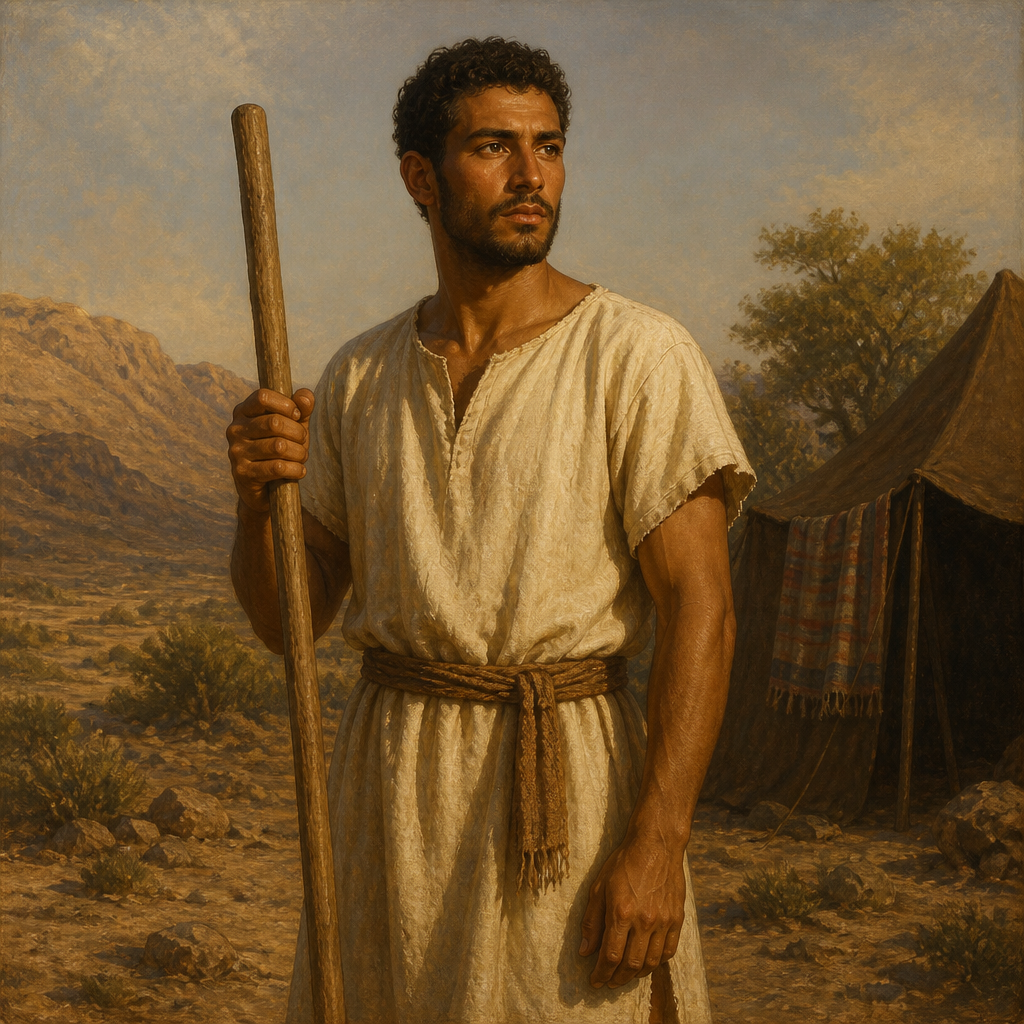 LikhiThis page
 AhianBrother1 Chronicles 7:19Stated
 AniamBrother1 Chronicles 7:19Stated
 Shechem, Son of ShemidaBrother1 Chronicles 7:19Stated
Connected Figures
Family
Father · 1 Chronicles 7:19
Shemida was a tribal leader within the Tribe of Manasseh during the Egyptian Sojourn and the Exodus, serving as the eponymous ancestor of the Shemidaite clan.
Brother · 1 Chronicles 7:19
Ahian was a descendant of the tribe of Manasseh, listed as a son of Shemida in the genealogical records of 1 Chronicles.
Egypt and WildernessFirst: 1 Chronicles 7:191 versesClan representativeManasseh
Brother · 1 Chronicles 7:19
Aniam was a member of the Tribe of Manasseh during the era of the Egyptian sojourn and the Wilderness wanderings, identified as a son of Shemida.
Egypt and WildernessFirst: 1 Chronicles 7:191 versesTribal leader or clan headManasseh
Brother · 1 Chronicles 7:19
Shechem was a descendant of the tribe of Manasseh during the Egyptian Sojourn and Wilderness era, recorded as a son of Shemida.
Egypt and WildernessFirst: 1 Chronicles 7:191 versesManasseh
Categories
Mentions by Book
- 1 Chronicles1
Scripture References
All 1 indexed verse, in canonical order, from the Berean Standard Bible.
1 Chronicles · 1
- 1 Chronicles 7:19
And these were the sons of Shemida: Ahian, Shechem, Likhi, and Aniam.