Zelophehad
Who was Zelophehad in the Bible?
A descendant of Manasseh who died in the wilderness, leaving no sons and prompting a landmark divine ruling on inheritance laws for women.
Zelophehad was a man of the tribe of Manasseh who lived during the era of the Exodus from Egypt and the subsequent forty-year wilderness wanderings. According to the biblical record, he was the son of Hepher and a descendant of Joseph through Machir and Gilead. Zelophehad is unique in the genealogies of the Torah because he had no male heirs, fathering only five daughters: Mahlah, Noah, Hoglah, Milcah, and Tirzah.
While Zelophehad himself did not survive the wilderness journey to enter the Promised Land, his name became central to the development of Israelite property law. Because he died without a son, his lineage faced the risk of losing its ancestral land allotment. His daughters' subsequent petition to Moses led to a direct revelation from God that established the rights of daughters to inherit their father's estate in the absence of male siblings, ensuring that Zelophehad’s name and portion remained within his clan.
Background and Family
Zelophehad was a member of the tribe of Manasseh, the elder son of Joseph. The biblical text provides a specific lineage for him: he was the son of Hepher, the son of Gilead, the son of Machir, the son of Manasseh (Numbers 27:1). This placement within the tribal structure of Manasseh is significant, as it established his legal claim to a portion of the land that was to be divided among the clans of Israel once they crossed the Jordan River.
The primary biographical fact recorded about Zelophehad is that he had five daughters—Mahlah, Noah, Hoglah, Milcah, and Tirzah—and no sons. In the patriarchal social structure of ancient Israel, the absence of a male heir typically meant the end of a family’s name and the loss of their land allotment, as land was traditionally passed from father to son to keep the tribal territories intact. Zelophehad died during the wilderness period, a casualty of the generation that was barred from entering Canaan due to the rebellion at Kadesh Barnea.
Major Life Events
Zelophehad’s life ended before the conquest of Canaan, but his legacy was defined by the circumstances of his death. When the second census of Israel was taken on the plains of Moab (Numbers 26), Zelophehad’s name was mentioned specifically to note his lack of male heirs. This omission from the list of those receiving land sparked a crisis for his daughters.
Following his death, his five daughters approached Moses, Eleazar the priest, and the leaders of the congregation at the entrance of the Tent of Meeting. They presented a formal plea, noting that their father "died in the wilderness" and "was not among the company of those who gathered themselves together against the LORD in the company of Korah, but died for his own sin" (Numbers 27:3). By distancing their father from Korah's rebellion, they argued that his family line deserved to remain honored within the tribe.
In response to their request for a "possession among our father’s brothers," Moses consulted the LORD. The divine response affirmed the daughters' claim: "The daughters of Zelophehad speak correctly. You certainly must give them property as an inheritance among their father’s brothers, and transfer their father’s inheritance to them" (Numbers 27:7). This ruling became a permanent statute in Israel, with the caveat added later in Numbers 36 that such heiresses must marry within their own tribe to prevent the transfer of land from one tribe to another. Consequently, Zelophehad’s daughters married their cousins, keeping the inheritance within the Manassite clan of Hepher.
Relationship to Other Biblical Figures
Zelophehad’s primary relationships are defined by his five daughters, whose names are consistently listed together in the books of Numbers and Joshua. As the son of Hepher, he was a great-great-grandson of Joseph, linking him to the patriarchal history of Egypt. His legal case brought him into direct contact with the highest leadership of Israel, including Moses and Eleazar. Furthermore, the record in Joshua 17:3-4 confirms that the leaders of the next generation, including Joshua, honored the decree made regarding Zelophehad's estate when the land was finally partitioned.
Spiritual Significance
The account of Zelophehad is spiritually significant for its early depiction of justice and the inclusion of women in the covenantal promises of God. While the culture of the time was strictly patrilineal, the narrative demonstrates that God’s justice transcends rigid social norms to preserve the dignity of a family line. Zelophehad himself serves as a representative of the "common" Israelite; he was not a leader or a rebel, but his family’s faithfulness in seeking their inheritance ensured that his name was preserved in the sacred record across three different books (Numbers, Joshua, and 1 Chronicles). The resolution of his case highlights the principle that every member of the covenant community has a stake in the Promised Land.
Zelophehad's significance lies in the legal precedent set by his death and the lack of male heirs. His situation prompted the first major amendment to the Mosaic Law regarding land tenure and inheritance, effectively establishing that God’s promises were not restricted to men alone but extended to the entire family unit. The meticulous recording of his daughters' names and his genealogy underscores the importance of tribal identity and the preservation of one's 'name' within the community of Israel.
Theologically, the story of Zelophehad’s inheritance demonstrates the responsiveness of God to the legitimate needs of His people. It shows that the Law was not an inflexible, static document but one that could be clarified and expanded through divine revelation to address specific grievances. Zelophehad thus becomes a pivotal figure in the transition from a nomadic people to a landed nation, ensuring that even the smallest clans had a permanent place in the inheritance of the Lord.
Frequently Asked Questions
Why did Zelophehad have no sons?
The Bible does not provide a biological or spiritual reason; it simply records as a matter of fact that he had only five daughters.
Was Zelophehad involved in Korah's rebellion?
No. His daughters specifically stated to Moses that he was not part of Korah’s company, but died for 'his own sin,' likely referring to the general mortality of the generation that wandered in the wilderness.
What were the names of Zelophehad's daughters?
His daughters were Mahlah, Noah, Hoglah, Milcah, and Tirzah.
To which tribe did Zelophehad belong?
He was a member of the tribe of Manasseh, specifically from the clan of Hepher.
What happened to Zelophehad’s land?
According to the ruling in Numbers 27 and the execution of that ruling in Joshua 17, his land was given to his five daughters to ensure his name was not lost.
Family & Relationships
Parents
 Hepher, Clan Head of ManassehFatherNumbers 26:33Stated
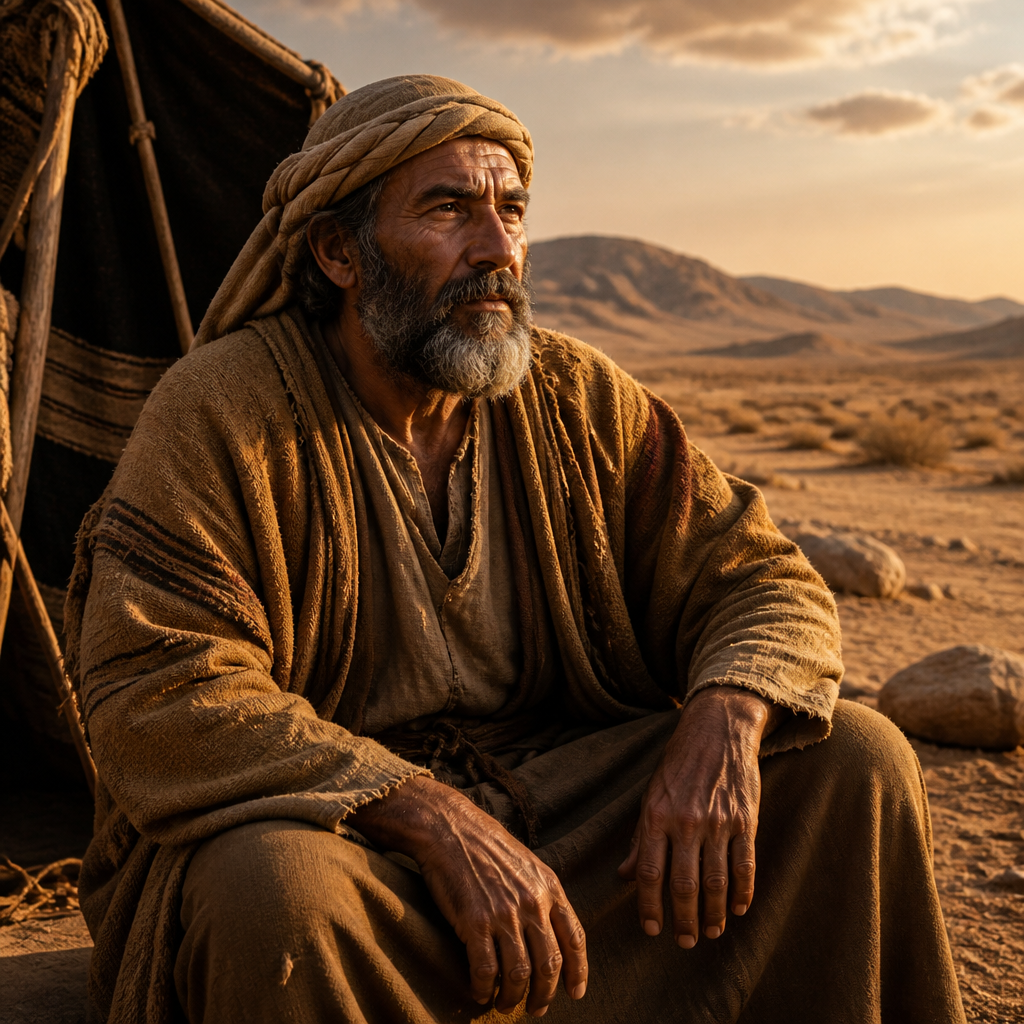 ZelophehadThis page
Children
 HoglahDaughterNumbers 27:1Stated
 Mahlah, Daughter of ZelophehadDaughterNumbers 27:1Stated
 Milcah, Daughter of ZelophehadDaughterNumbers 27:1Stated
 Noah, Daughter of ZelophehadDaughterNumbers 27:1Stated
 TirzahDaughterNumbers 27:1Stated
Extended family
 Machir, Son of ManassehGreat-GrandfatherNumbers 27:1Stated
 Gilead, Grandson of ManassehGrandfatherNumbers 27:1
Inferred
Numbers 27:1 lists Zelophehad and Gilead among the daughters of zelophehad, but does not say how the two of them are related.Evidence: Numbers 27:1; Joshua 17:3; Numbers 26:33
Connected Figures
Family
Father · Numbers 26:33
A grandson of Manasseh and father of Zelophehad whose lineage became a central case study for Israelite inheritance laws.
Daughter · Numbers 27:1
One of the five daughters of Zelophehad who successfully petitioned Moses for the right to inherit their deceased father’s land, setting a legal precedent in Israel.
Daughter · Numbers 27:1
Mahlah was the eldest of five sisters who successfully petitioned Moses for the right to inherit their father's land, establishing a legal precedent in Israelite law.
Egypt and WildernessFirst: Numbers 26:335 versestribal petitionerManasseh
Daughter · Numbers 27:1
One of the five daughters of Zelophehad who successfully petitioned Moses for an inheritance within the tribe of Manasseh, establishing a legal precedent for women's land rights.
Daughter · Numbers 27:1
One of the five daughters of Zelophehad whose landmark petition to Moses secured inheritance rights for women within the Tribe of Manasseh.
Daughter · Numbers 27:1
Tirzah was one of the five daughters of Zelophehad who successfully petitioned for the right of women to inherit land in the absence of male heirs.
Great-Grandfather · Numbers 27:1
The firstborn son of Manasseh and grandson of Joseph, Machir was a formidable warrior whose descendants conquered and settled the region of Gilead.
Egypt and WildernessFirst: Genesis 50:2318 versesWarriorManasseh
Grandfather · Numbers 27:1
A prominent tribal leader and grandson of Manasseh whose descendants formed the primary clans of the Machirite line during the Egyptian Sojourn and the Wilderness wanderings.
Egypt and WildernessFirst: Numbers 26:2917 versesClan FounderManasseh
Categories
Mentions by Book
- Numbers11
- Joshua1
- 1 Chronicles1
Scripture References
All 13 indexed verses, in canonical order, from the Berean Standard Bible.
Numbers · 11
- Numbers 26:30Partial
These were the descendants of Gilead: the Iezerite clan from Iezer, the Helekite clan from Helek,
Cited as evidence on a family card; added so References, Key Verses and Mentions by Book share one index.
- Numbers 26:31Partial
the Asrielite clan from Asriel, the Shechemite clan from Shechem,
Cited as evidence on a family card; added so References, Key Verses and Mentions by Book share one index.
- Numbers 26:32Partial
the Shemidaite clan from Shemida, and the Hepherite clan from Hepher.
Cited as evidence on a family card; added so References, Key Verses and Mentions by Book share one index.
- Numbers 26:33Partial
Now Zelophehad son of Hepher had no sons but only daughters. The names of his daughters were Mahlah, Noah, Hoglah, Milcah, and Tirzah.
- Numbers 27:1
Now the daughters of Zelophehad son of Hepher, the son of Gilead, the son of Machir, the son of Manasseh, belonged to the clans of Manasseh son of Joseph. These were the names of his daughters: Mahlah, Noah, Hoglah, Milcah, and Tirzah. They approached
- Numbers 27:3Partial
“Our father died in the wilderness, but he was not among the followers of Korah who gathered together against the LORD. Instead, he died because of his own sin, and he had no sons.
Cited as a key verse; added so References, Key Verses and Mentions by Book share one index.
- Numbers 27:7
“The daughters of Zelophehad speak correctly. You certainly must give them property as an inheritance among their father’s brothers and transfer their father’s inheritance to them.
- Numbers 36:2
saying, “When the LORD commanded my lord to give the land as an inheritance to the Israelites by lot, He also commanded him to give the inheritance of our brother Zelophehad to his daughters.
- Numbers 36:6
This is what the LORD has commanded concerning the daughters of Zelophehad: They may marry anyone they please, provided they marry within a clan of the tribe of their father.
- Numbers 36:10
So the daughters of Zelophehad did as the LORD had commanded Moses.
- Numbers 36:11
Mahlah, Tirzah, Hoglah, Milcah, and Noah, the daughters of Zelophehad, were married to cousins on their father’s side.
Joshua · 1
- Joshua 17:3
But Zelophehad son of Hepher (the son of Gilead, the son of Machir, the son of Manasseh) had no sons but only daughters. These are the names of his daughters: Mahlah, Noah, Hoglah, Milcah, and Tirzah.
1 Chronicles · 1
- 1 Chronicles 7:15Partial
Machir took a wife from among the Huppites and Shuppites. The name of his sister was Maacah. Another descendant was named Zelophehad, who had only daughters.