Beeri, Father of Hosea
Who was Beeri, Father of Hosea, in the Bible?
Beeri was a man of the tribe of Israel during the 8th century BC, best known for being the father of the prophet Hosea.
This is one of 2 people named Beeri in the Bible. See all 2 →
Beeri is a figure mentioned in the opening verse of the Book of Hosea. He lived during the era of the Divided Monarchy, a period characterized by political instability and spiritual decline within the Northern Kingdom of Israel. While the biblical text provides no direct details regarding his occupation or personal character, his identity is preserved through his relationship to his son, the prophet Hosea.
His name, which translates to "my well" or "fountain-like," is of Hebrew origin. Beeri’s mention serves a vital genealogical function, anchoring the prophetic ministry of Hosea in a specific family lineage and historical context. As the father of a major prophet, he represents the generational link through which the word of the Lord was delivered during the reigns of several prominent kings of Judah and Israel.
Background and Family
The primary and only biblical record of Beeri appears in Hosea 1:1, where he is identified as the father of Hosea. This identification is crucial for establishing the prophetic authority and historical placement of the book. Beeri lived during a tumultuous span of history in the mid-to-late 8th century BC. According to the chronological markers in the text, his son’s ministry spanned the reigns of Uzziah, Jotham, Ahaz, and Hezekiah in Judah, and Jeroboam II in Israel.
While the text does not explicitly state Beeri's tribe, Hosea’s focus on the Northern Kingdom (Ephraim) suggests that Beeri was likely a resident of the northern territory. Rabbinic tradition has sometimes speculated on his status, but strictly biblical evidence remains silent on his specific residence or ancestry beyond his name.
Major Life Events
Scripture does not record any specific deeds, speeches, or events associated with Beeri. His life is defined in the biblical canon by the success and calling of his son. As the father of Hosea, he would have witnessed the early years of one of Israel’s most significant prophets. Given the timeline of the kings listed in Hosea 1:1, Beeri likely lived through the relative prosperity of Jeroboam II's reign, as well as the beginning of the spiritual and political disintegration that led to the Assyrian conquest.
Relationship to Other Biblical Figures
Beeri’s sole recorded relationship is to his son, Hosea. In the ancient Near Eastern context, being named as the father of a prophet provided a mark of legitimacy. The mention of his name distinguishes Hosea from other individuals and ensures the reader that the prophet is a real historical person with a verifiable lineage. Unlike some other prophets whose fathers are not named, the inclusion of Beeri’s name suggests he may have been a person of some recognition in his local community, though this remains an inference from the text's structure.
Spiritual Significance
The spiritual significance of Beeri lies in his role as a progenitor. In the Hebrew Bible, the phrase "son of" (ben) carries weight, often implying that the character and calling of the son reflect upon the household of the father. Although Beeri is not credited with prophetic words himself, he is the vessel through which the prophet Hosea was brought into the world to deliver the message of God’s steadfast love and the call to repentance. His presence in the opening verse of the book permanently links his name to the divine revelation given to Israel.
Beeri's primary significance is genealogical and historical. By identifying Hosea as the 'son of Beeri,' the biblical text grounds the subsequent prophetic visions in a specific, real-world context. This prevents the prophecy from being viewed as an ahistorical myth and instead places it within the life of a specific Israelite family during the Divided Monarchy.
Theologically, Beeri represents the silent but essential background of the prophetic tradition. While he is not the recipient of the 'word of the LORD' mentioned in Hosea 1:1, his fatherhood provided the social and familial framework in which Hosea lived and worked. He is a reminder that the great figures of the Bible came from specific lineages and homes.
Frequently Asked Questions
Who was Beeri in the Book of Hosea?
Beeri was the father of the prophet Hosea, mentioned in the first verse of the book to establish Hosea's lineage and historical context.
What does the name 'Beeri' mean?
The name Beeri (בְּאֵרִי) is derived from the Hebrew word for 'well' or 'spring,' generally translated as 'my well' or 'fountain-like.'
Did Beeri write any books of the Bible?
No, Beeri is not credited with writing any part of the Bible; he is only mentioned as the father of the prophet Hosea.
In what time period did Beeri live?
Beeri lived during the Divided Monarchy, specifically during the 8th century BC, coinciding with the reigns of King Jeroboam II of Israel and King Uzziah of Judah.
Is Beeri mentioned in the New Testament?
No, Beeri is only mentioned once in the Hebrew Bible (Old Testament) in Hosea 1:1.
Family & Relationships
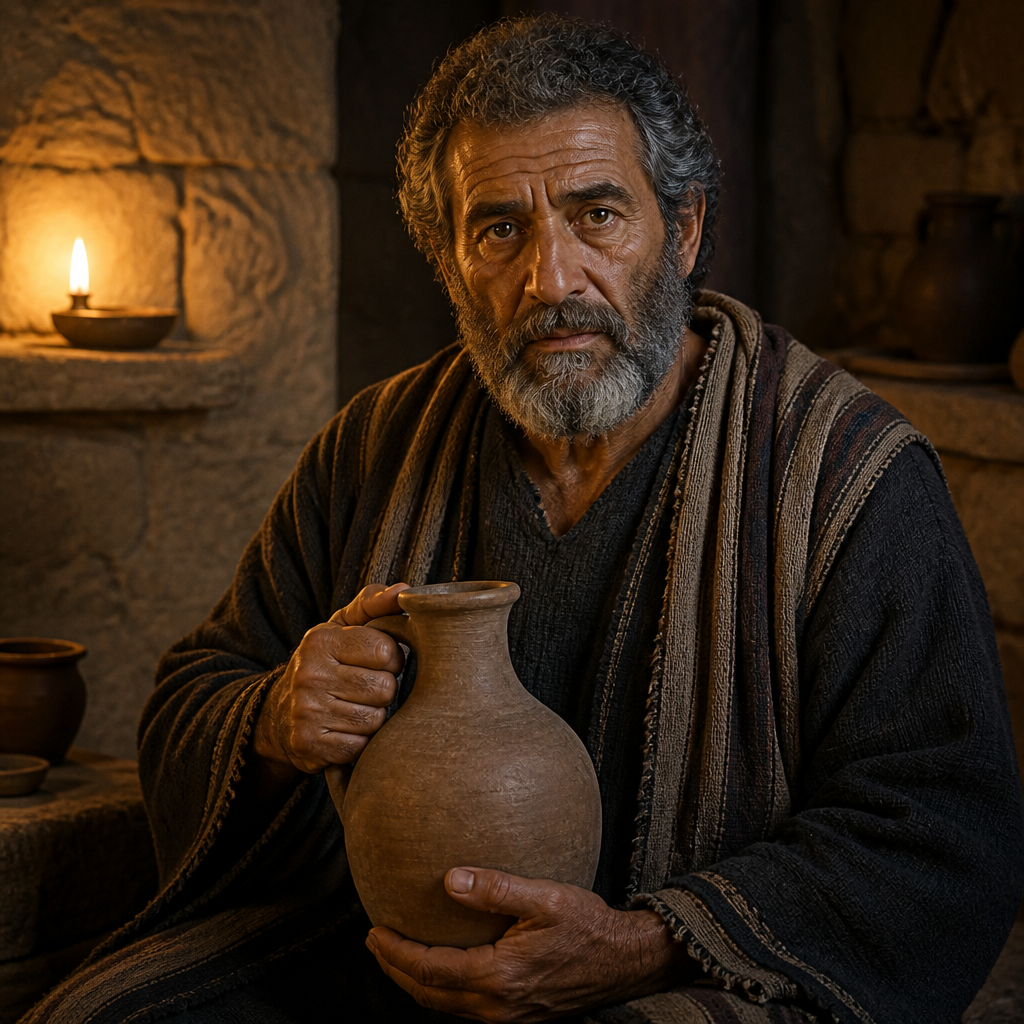 Beeri, Father of HoseaThis page
Children
 HoseaSonHosea 1:1Stated
Connected Figures
Family
Son · Hosea 1:1
A prophet in the Northern Kingdom of Israel during the 8th century BC, known for his symbolic marriage to Gomer and his message of God's enduring love for a faithless people.
Categories
Mentions by Book
- Hosea1
Scripture References
All 1 indexed verse, in canonical order, from the Berean Standard Bible.
Hosea · 1
- Hosea 1:1
This is the word of the LORD that came to Hosea son of Beeri in the days of Uzziah, Jotham, Ahaz, and Hezekiah, kings of Judah, and of Jeroboam son of Jehoash, king of Israel.
Others Named Beeri
Compare all 2 bearers →Beeri the HittiteGenesis 26:34
A Hittite patriarch during the era of Isaac, known primarily as the father of Judith, one of Esau's wives.