Diblaim
Who was Diblaim in the Bible?
Diblaim is identified in the Book of Hosea as the father of Gomer, the woman whom the prophet Hosea married by divine command.
Diblaim is a figure mentioned briefly in the Old Testament, specifically within the prophetic narrative of Hosea. His primary significance in the biblical text is genealogical, serving to identify the lineage of Gomer, the wife of the prophet Hosea. His name appears during the era of the Divided Monarchy, a period characterized by the spiritual and political decline of the Northern Kingdom of Israel.
Because Diblaim is only mentioned once in the entire biblical canon, details regarding his life, occupation, or specific tribal affiliation are absent from the record. He is defined solely through his relationship to his daughter, whose marriage to Hosea served as a living metaphor for the relationship between God and the unfaithful nation of Israel.
Background and Family
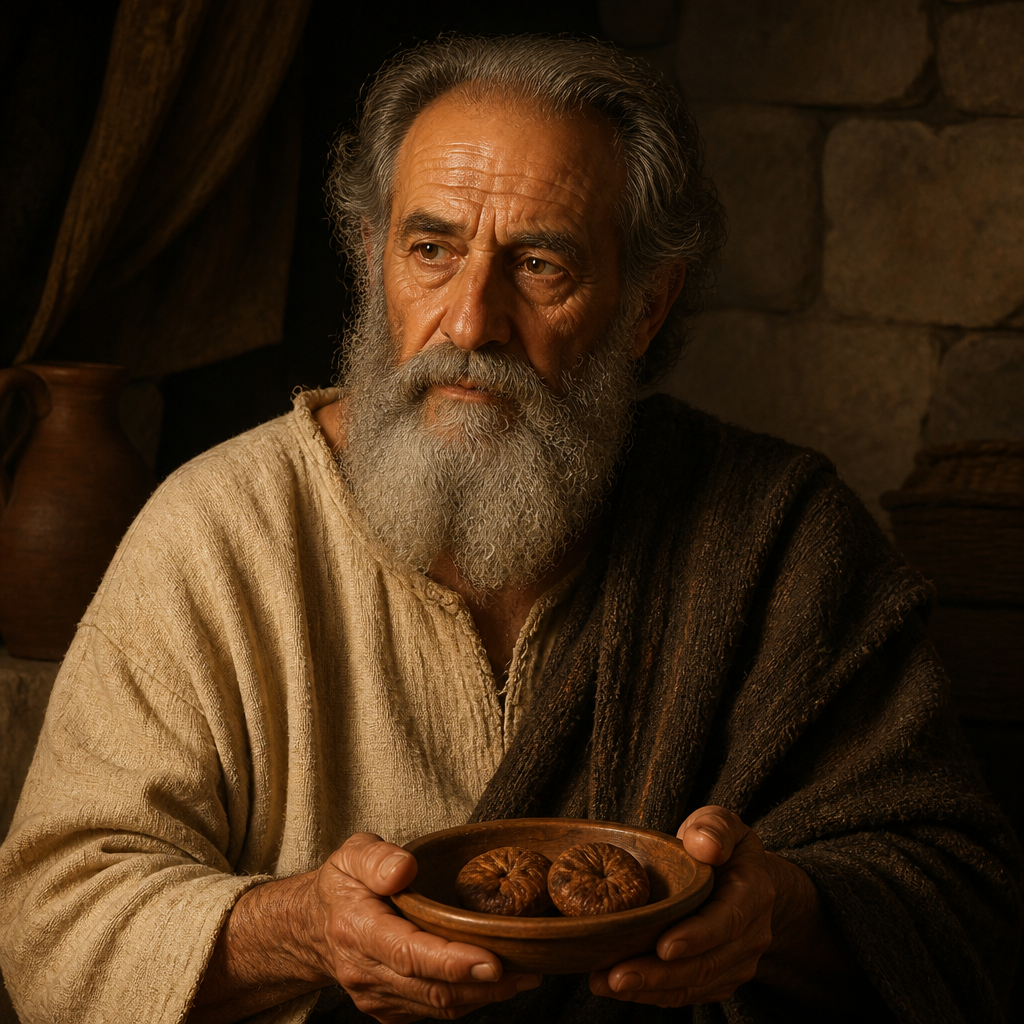
Diblaim lived during the eighth century BC, a time when the Northern Kingdom of Israel was experiencing significant social and religious turmoil under the reign of Jeroboam II and his successors. The biblical text provides no information regarding Diblaim’s ancestors, his tribe, or his place of residence. His name, Diblayim, is the dual form of the Hebrew word for a "cake of pressed figs" (debelah). Some scholars suggest this name might imply a humble or agricultural background, or perhaps it served as a symbolic indicator within the prophetic context of Hosea's message, though the text does not explicitly confirm these interpretations.
Major Life Events
The only recorded event involving Diblaim is the marriage of his daughter, Gomer. According to the divine instruction given to the prophet Hosea, he was to take a "wife of whoredom" as a sign to the people of Israel. The text notes:
"So Hosea went and married Gomer daughter of Diblaim, and she conceived and bore him a son." (Hosea 1:3)
This single mention places Diblaim in the middle of one of the most poignant prophetic enactments in scripture. While he is not described as a participant in the marriage ceremony or the subsequent prophetic ministry, his inclusion in the text validates Gomer’s identity as a real historical person rather than a purely allegorical figure.
Relationship to Other Biblical Figures
Diblaim's primary relationship is as the father of Gomer. Through this connection, he is the father-in-law of the prophet Hosea and the grandfather of Hosea’s three children: Jezreel, Lo-Ruhamah, and Lo-Ammi. Despite these connections, there is no biblical evidence of interaction between Diblaim and his prophetic son-in-law. His role is strictly that of a genealogical marker, anchoring the narrative in a specific familial context during the Divided Monarchy.
Spiritual Significance
The spiritual significance of Diblaim is tied to the broader message of the Book of Hosea. By naming the father of the "wife of whoredom," the text emphasizes the reality of the human circumstances involved in Hosea’s life. While some commentators have speculated on the moral character of Diblaim based on the conduct of his daughter, the Bible remains silent on his personal righteousness or lack thereof. He remains a minor figure whose name is preserved primarily to identify the woman who would become the central symbol of Israel's infidelity and God's redeeming love.
The significance of Diblaim lies in the historical grounding he provides for the prophet Hosea's marriage. By identifying Gomer as the 'daughter of Diblaim,' the text clarifies that Gomer was a literal individual within a specific family, rather than a mere abstraction or vision. This reinforces the physical reality of the prophetic sign-act that Hosea was commanded to perform.
Furthermore, the mention of Diblaim reflects the biblical practice of establishing identity through patrilineal descent. Even in a narrative focused on the spiritual adultery of a nation, the inclusion of a specific father's name serves to anchor the allegory in the tangible history of the Divided Monarchy.
Frequently Asked Questions
Who was Diblaim in the Bible?
Diblaim was the father of Gomer, the woman who married the prophet Hosea.
What does the name Diblaim mean?
The name is the dual form of the Hebrew word for a 'cake of pressed figs.'
In which book of the Bible is Diblaim mentioned?
He is mentioned only in the Book of Hosea, specifically in Hosea 1:3.
Was Diblaim a prophet?
No, the Bible does not identify Diblaim as a prophet; he is only identified as Gomer's father.
What tribe did Diblaim belong to?
The Bible does not record the tribal affiliation of Diblaim.
Family & Relationships
 DiblaimThis page
Children
 Gomer, Daughter of DiblaimDaughterHosea 1:3Stated
Extended family
 HoseaSon-in-lawHosea 1:3
Inferred
Hosea 1:3 names Diblaim and Hosea in the same verse but does not state a son-in-law tie between them; the link rests on the surrounding narrative.Evidence: Hosea 1:3
Connected Figures
Family
Daughter · Hosea 1:3
The daughter of Diblaim and wife of the prophet Hosea during the Divided Monarchy, whose marriage served as a living metaphor for God's relationship with Israel.
Divided MonarchyFirst: Hosea 1:35 versesWife of the Prophet Hosea
Son-in-law · Hosea 1:3
A prophet in the Northern Kingdom of Israel during the 8th century BC, known for his symbolic marriage to Gomer and his message of God's enduring love for a faithless people.
Categories
Mentions by Book
- Hosea1
Scripture References
All 1 indexed verse, in canonical order, from the Berean Standard Bible.
Hosea · 1
- Hosea 1:3
So Hosea went and married Gomer daughter of Diblaim, and she conceived and bore him a son.