
People of 1 Thessalonians
Every person who appears in the book of 1 Thessalonians, ordered by how often they are mentioned there.
The People of 1 Thessalonians appear in a letter written to a young congregation in Macedonia to provide encouragement and instructions regarding the return of the Messiah. The text identifies the authors of the correspondence as Paul, Silas, and Timothy, who address the church collectively as those who have turned from idols to serve the living God (1 Thessalonians 1:1–9). The letter describes the shared history between these leaders and the community, noting that the message was delivered not only in word but in power and in the Holy Spirit (1 Thessalonians 1:5).
The narrative of the book focuses on the specific roles and movements of these individuals during a period of persecution. Paul describes his intense desire to see the Thessalonians again, noting that he was hindered by Satan (1 Thessalonians 2:17–18). Silas is identified as a co-author who labored alongside the others to preach the gospel of God amidst much conflict (1 Thessalonians 2:2). Timothy is described as a brother and co-worker of God who was sent back to Thessalonica to strengthen the faith of the believers and bring news of their steadfastness to the other apostles (1 Thessalonians 3:2–6). Jesus is presented as the resurrected Lord who delivered believers from the coming wrath and whose return is the central hope of the community (1 Thessalonians 1:10). While the text mentions the churches of God in Judea, it does not explicitly name Judah, though it roots the believers' experience in the broader tradition of the prophets (1 Thessalonians 2:14–15).
The book concludes by emphasizing the future gathering of these people at the coming of the Lord. Paul explains that when Jesus returns, those who have died will rise first, and those who are alive will be caught up together with them in the clouds (1 Thessalonians 4:15–17). This event serves as the ultimate resolution for the suffering described throughout the letter. The interactions between Paul, Silas, and Timothy establish a model of apostolic care, while their collective focus on Jesus provides the theological framework for the endurance of the early church. The text ends with a request for prayer and a command that the letter be read to all the brothers (1 Thessalonians 5:25–27).
Everyone in this list
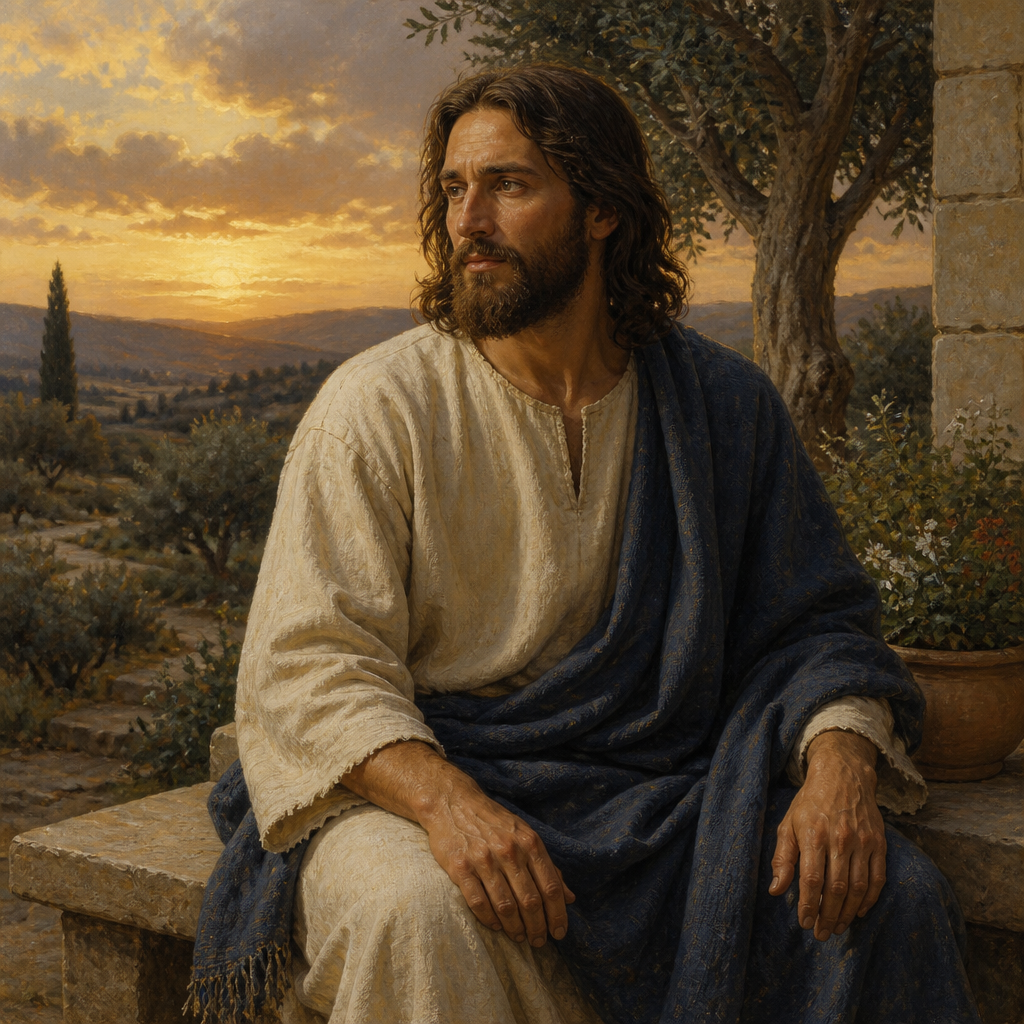
Jesus
Messiah and central figure of the New Testament whose life, death, and resurrection form the basis of the Christian faith
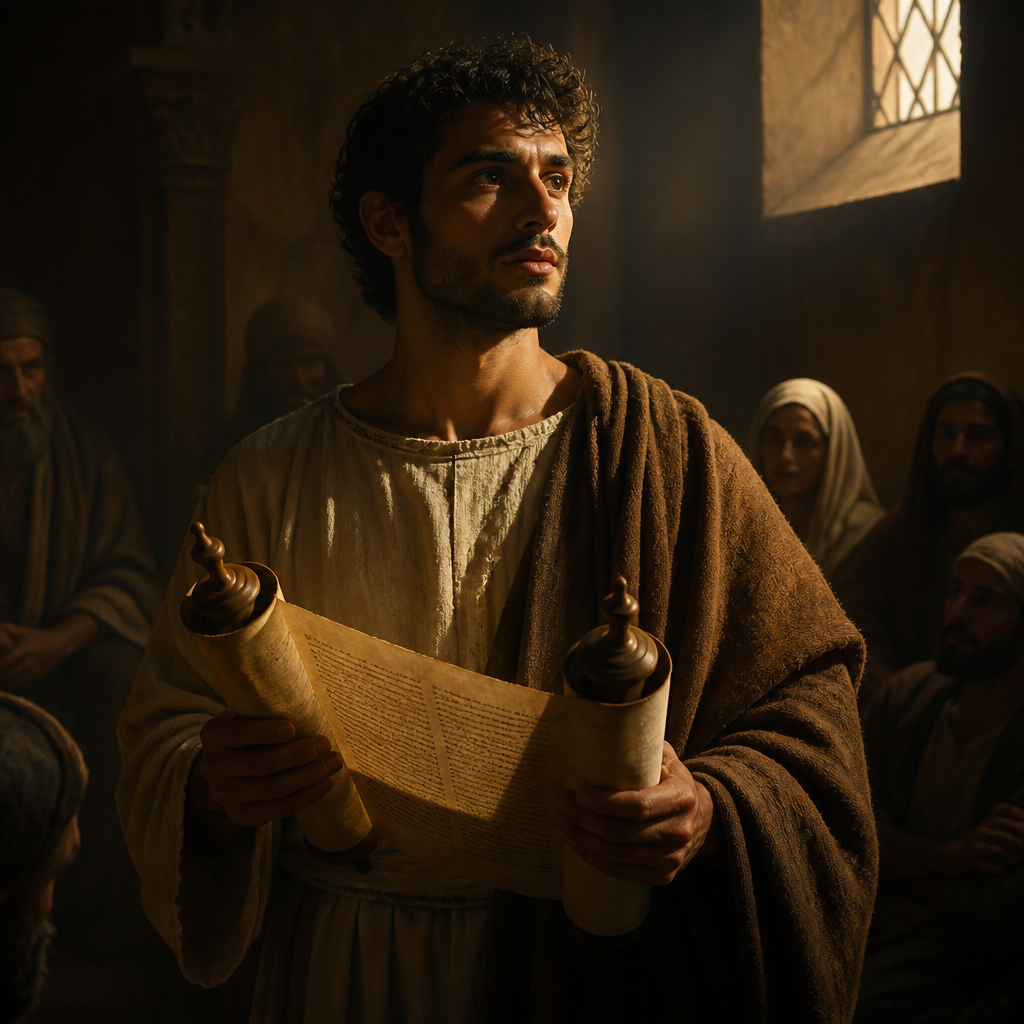
Timothy
Protégé of the Apostle Paul and recipient of the two Pastoral Epistles whom Paul stationed at Ephesus
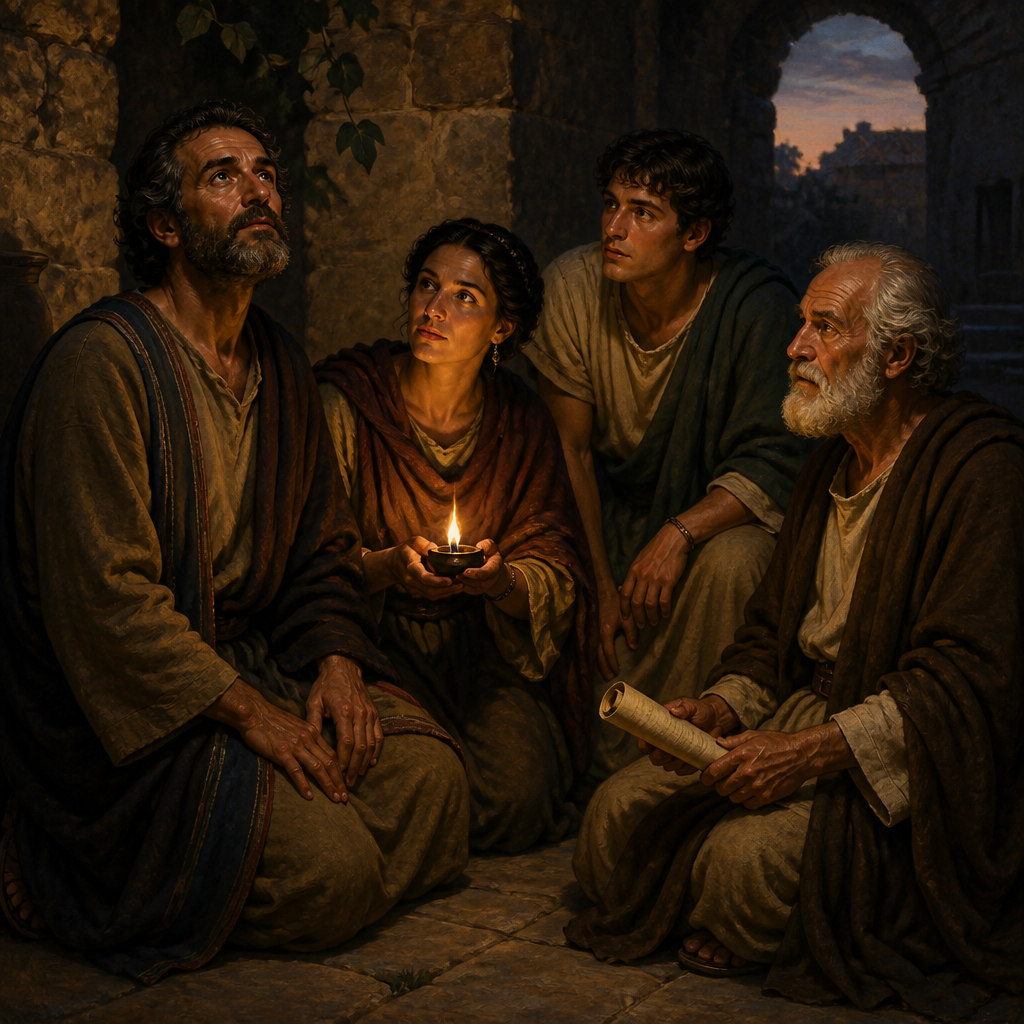
The Devout Thessalonian Greeks
Gentile converts who established a model church despite severe persecution
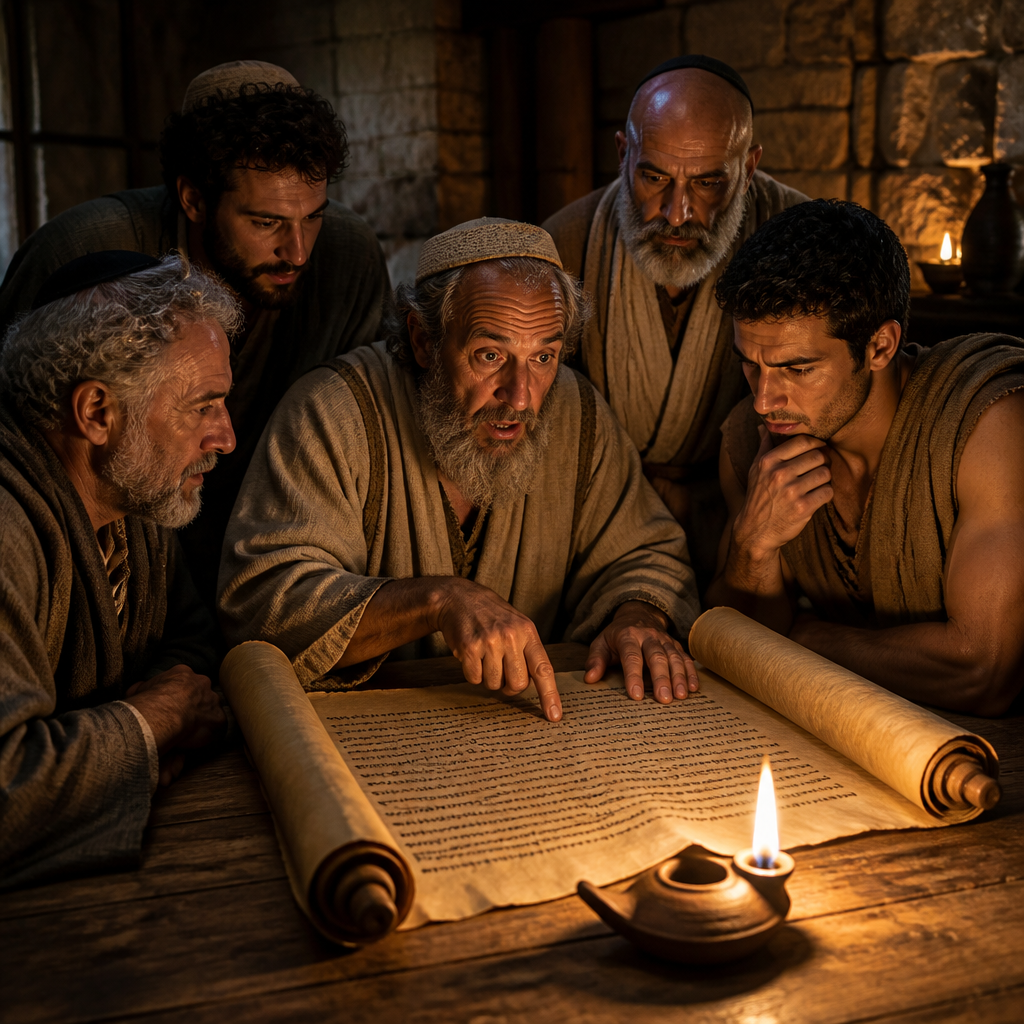
The Persuaded Thessalonian Jews
Jewish converts in Thessalonica who joined Paul after his synagogue preaching
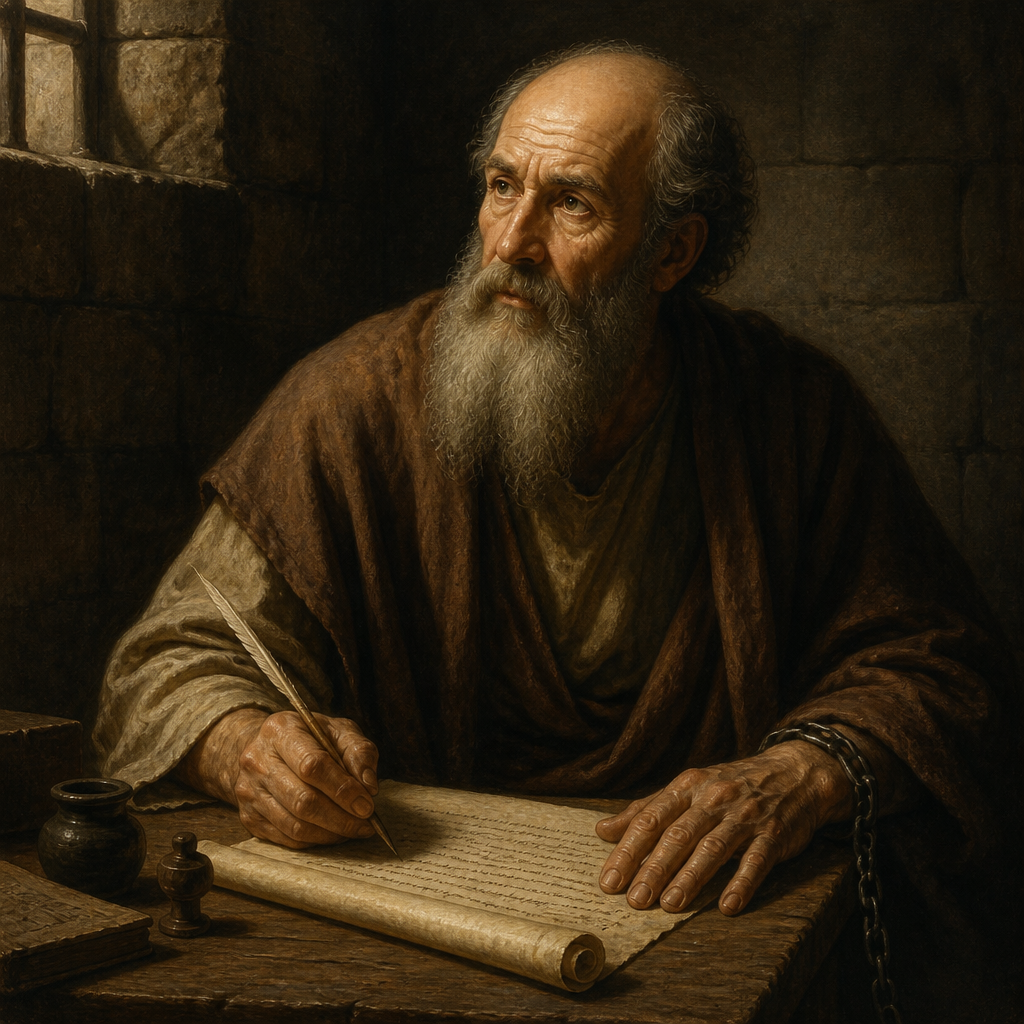
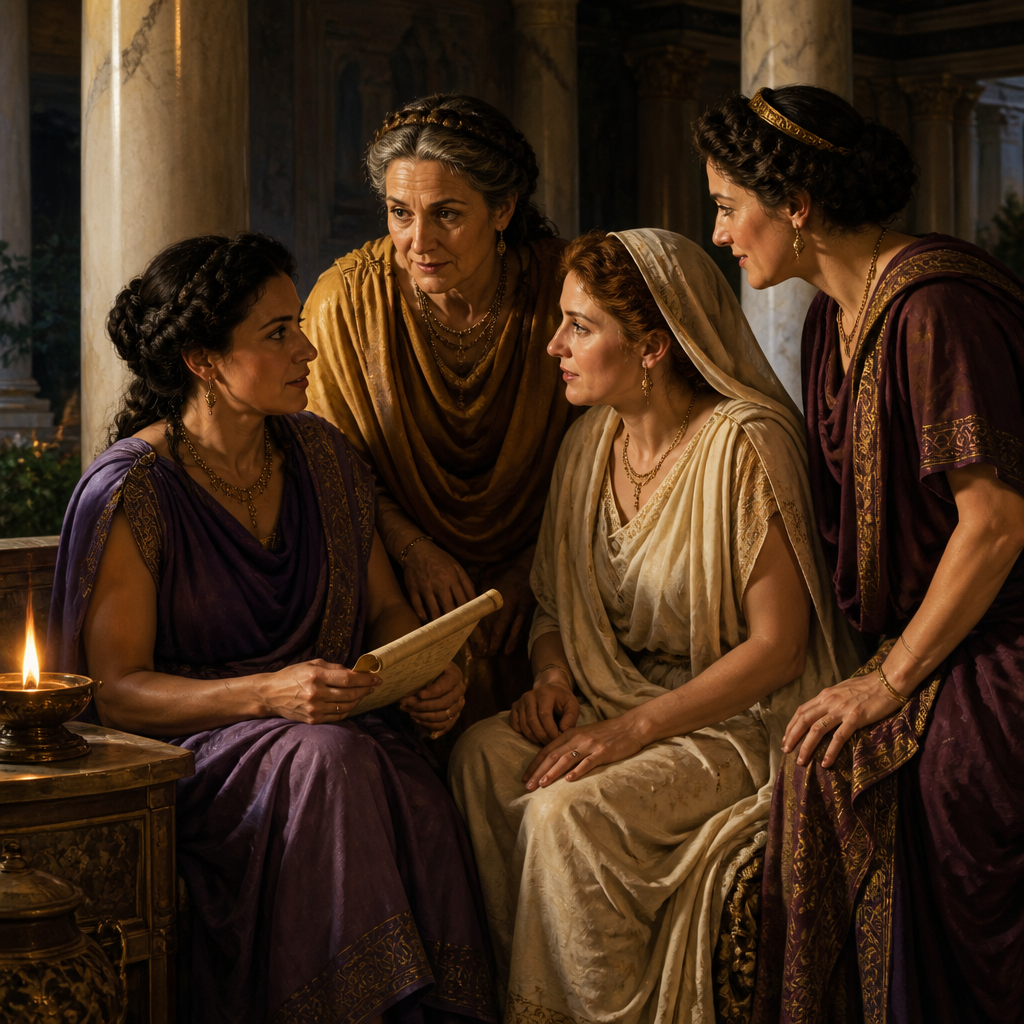
The Leading Thessalonian Women
Prominent noblewomen who converted during Paul’s mission to Thessalonica
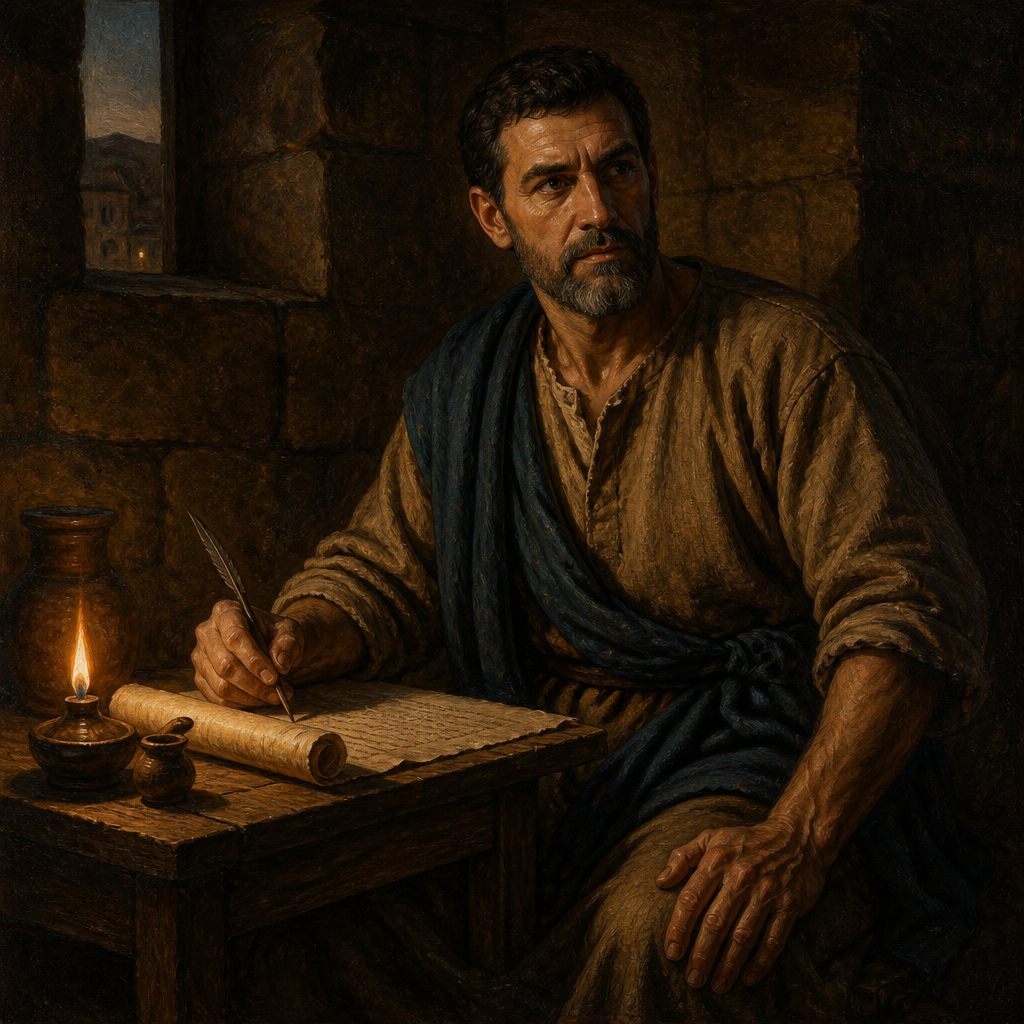
Silas
Prophet and companion of Paul who sang in the Philippian jail