
The Church at Thessalonica
An early Christian community in Macedonia known for its resilience under persecution and its pivotal role in the spread of the Gospel.
The Church at Thessalonica is a community of early believers whose origins and members are documented in the book of Acts and two letters addressed to them. The group formed after Paul spent three Sabbath days reasoning in a local synagogue, explaining that the Christ had to suffer and rise from the dead (Acts 17:1–3). The text describes the initial membership as a diverse assembly drawn from different social strata within the city.
The organization of this group began with the Persuaded Thessalonian Jews, who were the first to join Paul and Silas after hearing the scriptures explained (Acts 17:4). They were joined by the Devout Thessalonian Greeks, a large multitude of Gentiles who turned from idols to serve the living God (Acts 17:4, 1 Thessalonians 1:9). The Leading Thessalonian Women were also among the early converts, representing the prominent noble classes of the city (Acts 17:4). When a riot broke out, Jason acted as a host for the missionaries and was subsequently dragged before the city officials to face charges of harboring men who defied Caesar’s decrees (Acts 17:5–9). Later, Aristarchus is identified as a Thessalonian who traveled with Paul and was seized by a mob during a riot in Ephesus (Acts 19:29, Acts 27:2). Another member, Secundus is specifically named as a Thessalonian who accompanied Paul during his journey through Macedonia into Asia (Acts 20:4).
The presence of this group in the biblical narrative illustrates the rapid expansion of the early church into major Roman administrative centers. The text indicates that the members became an example to all believers in Macedonia and Achaia because the word of the Lord sounded forth from them (1 Thessalonians 1:7–8). Their history is defined by a transition from the synagogue to a distinct community that faced immediate legal and physical opposition from local authorities and residents. The letters written to them address specific concerns regarding the fate of those who had died and the timing of the day of the Lord (1 Thessalonians 4:13–15, 2 Thessalonians 2:1–2). Through the accounts of individuals like Jason and Secundus, the text depicts a mobile and resilient congregation that remained connected to the wider apostolic mission.
Everyone in this list
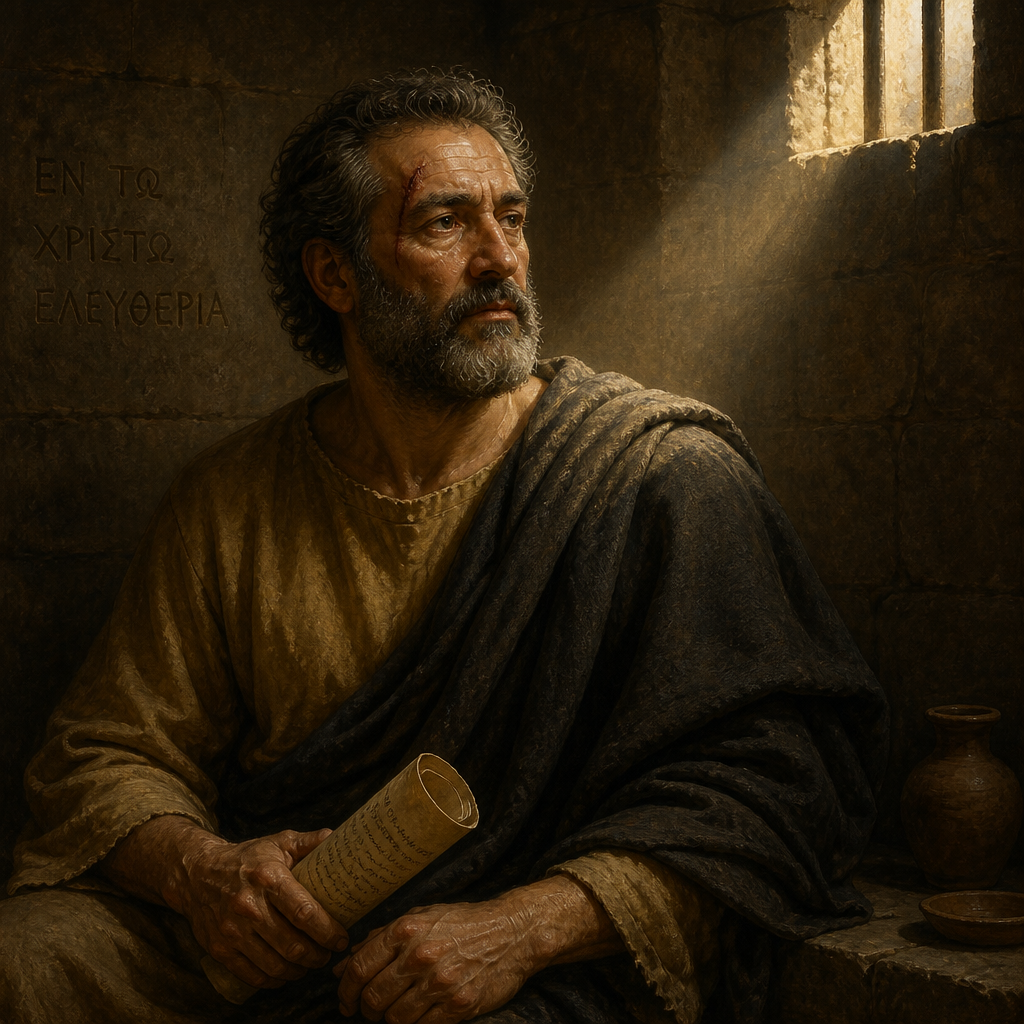
Aristarchus
Companion of Paul who was seized during the Ephesian riot and later became Paul's fellow prisoner in Rome
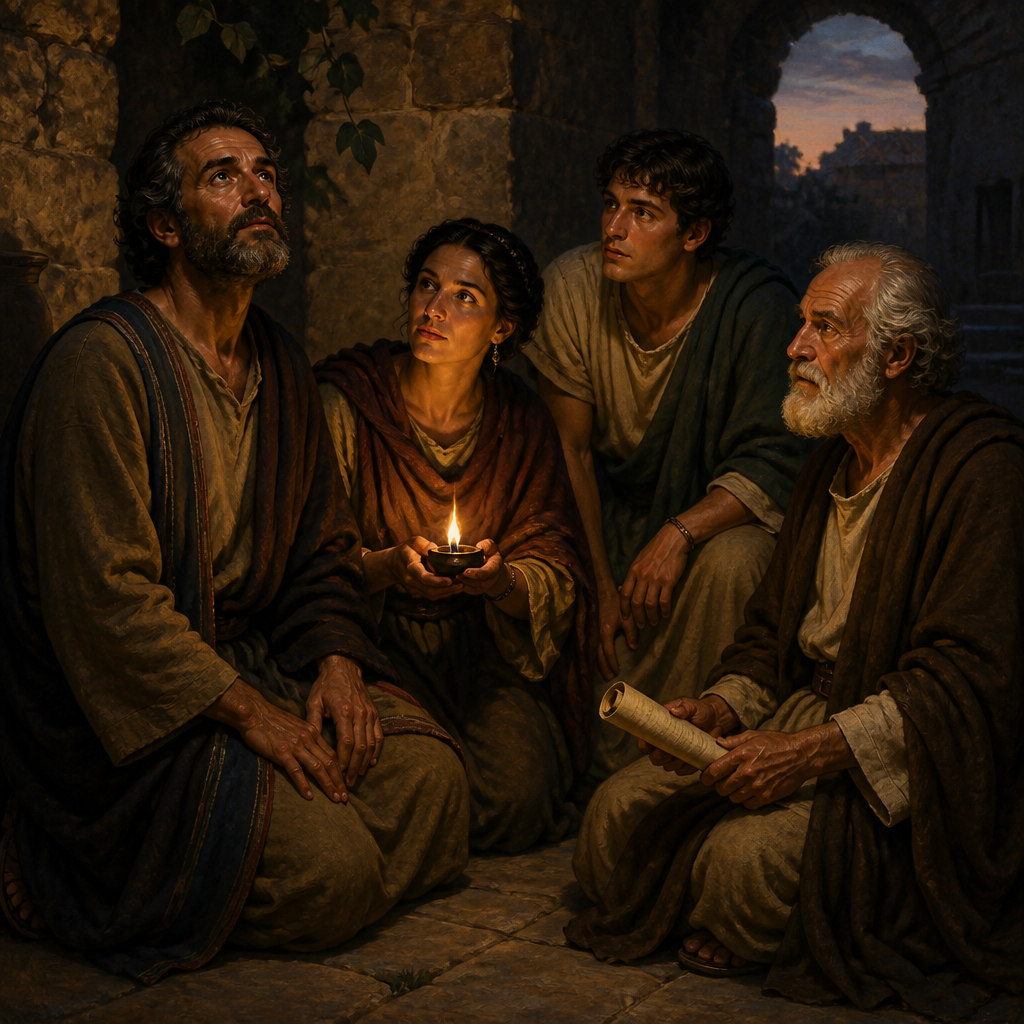
The Devout Thessalonian Greeks
Gentile converts who established a model church despite severe persecution
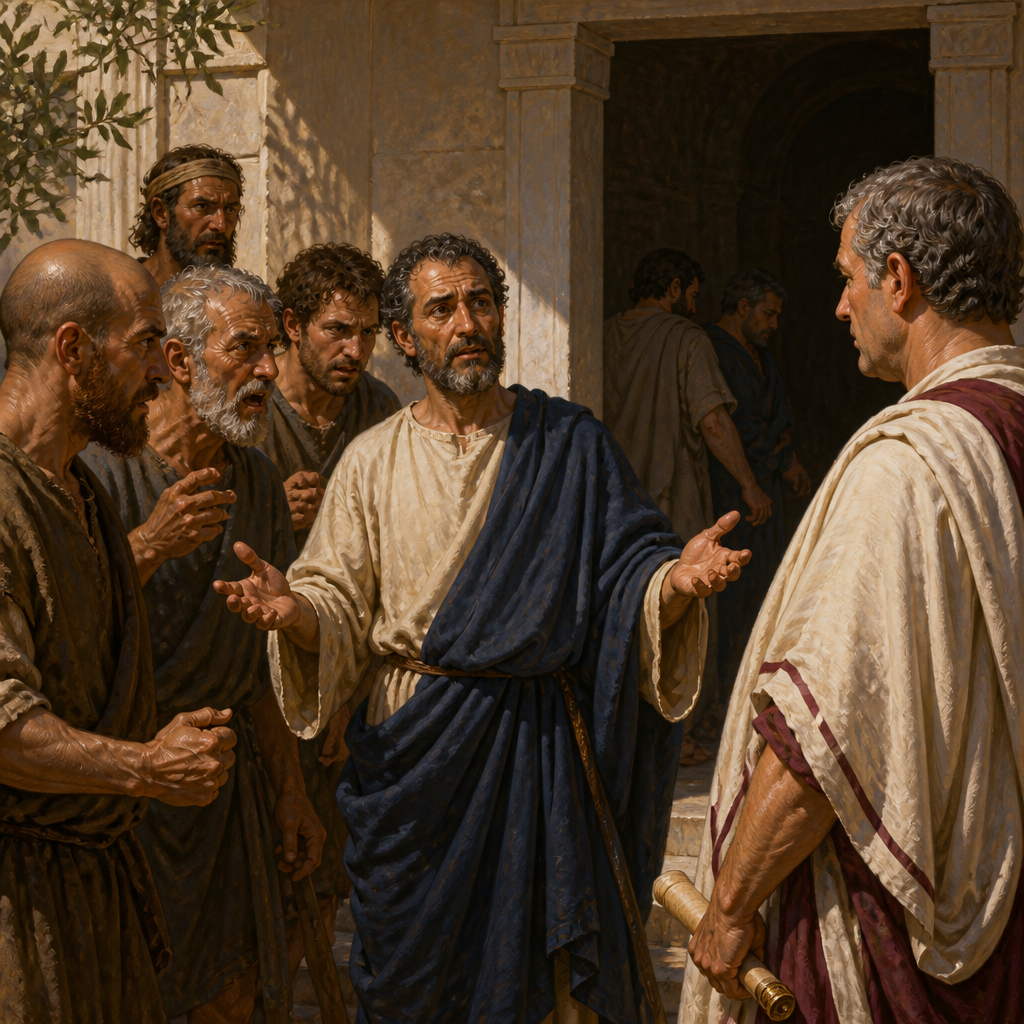
Jason
Host of Paul and Silas in Thessalonica who was dragged before city officials for his hospitality
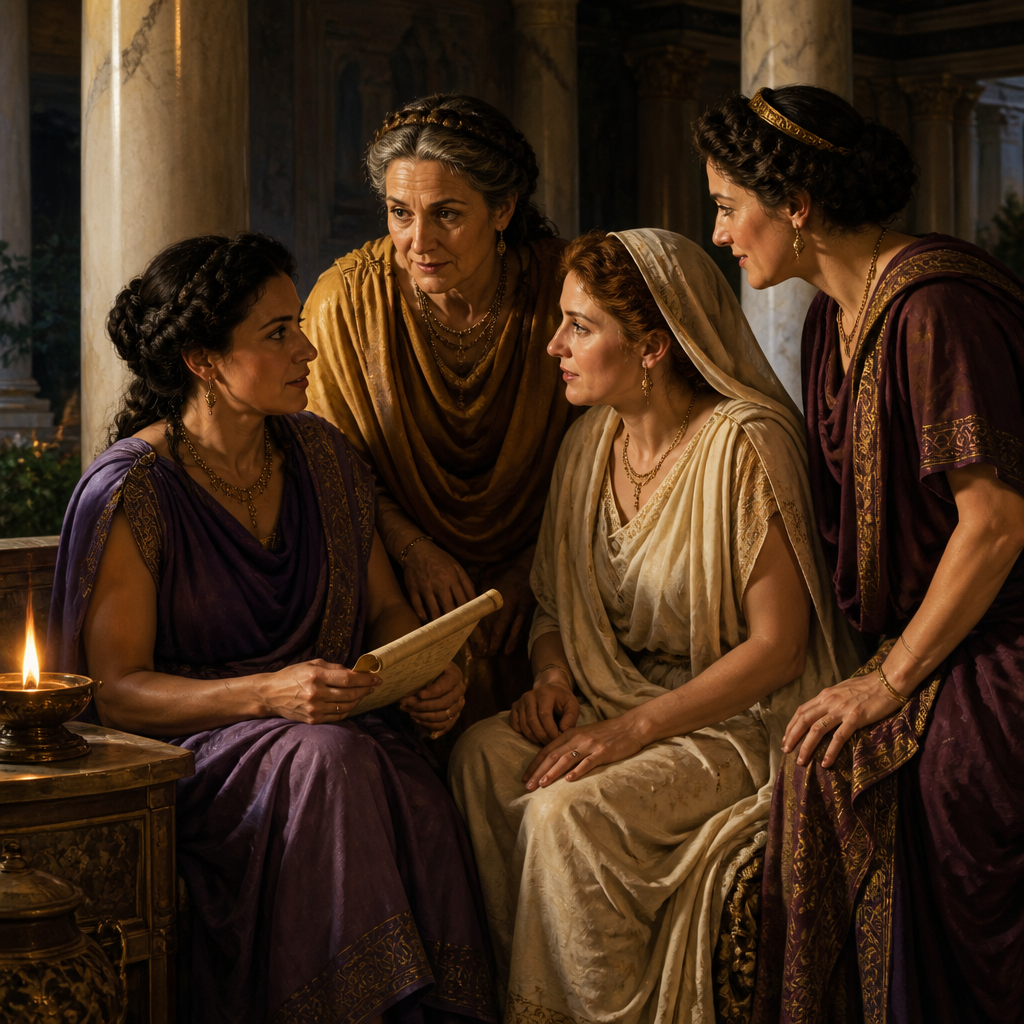
The Leading Thessalonian Women
Prominent noblewomen who converted during Paul’s mission to Thessalonica
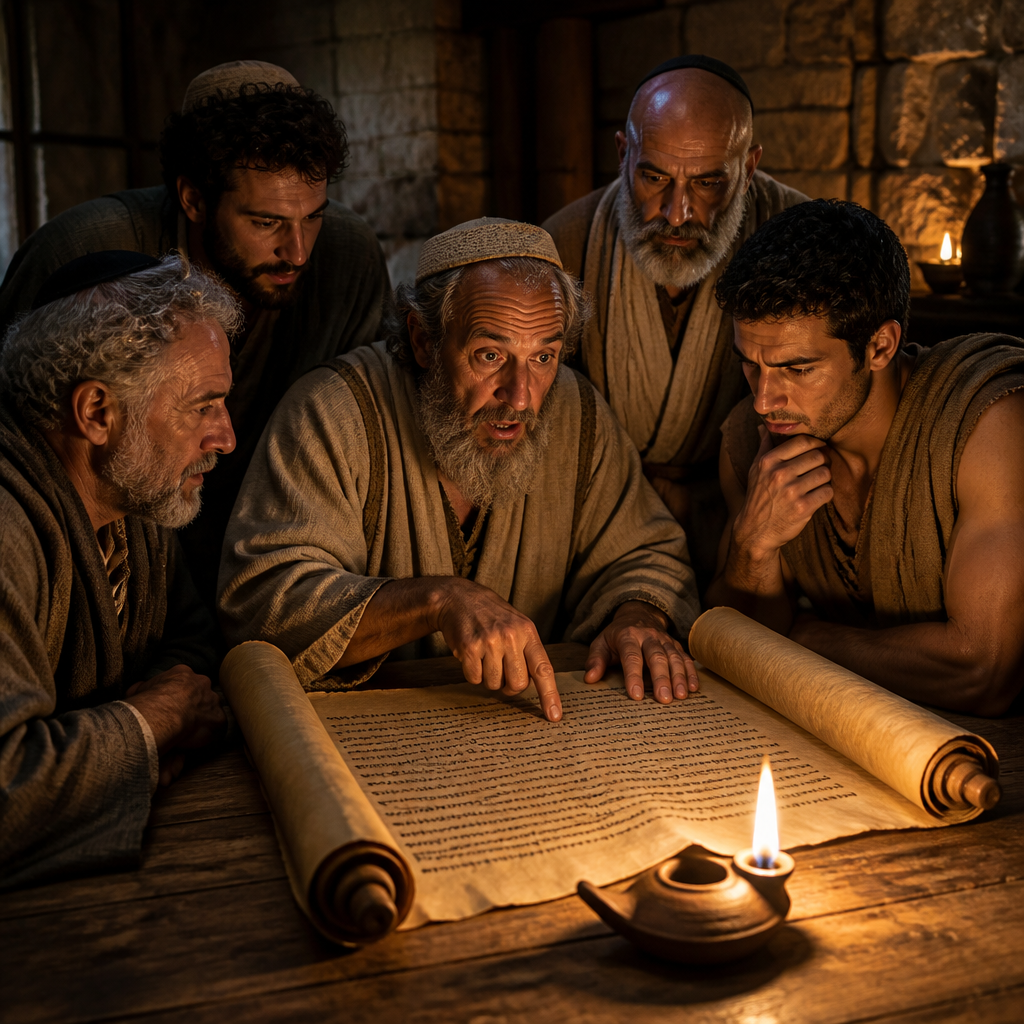
The Persuaded Thessalonian Jews
Jewish converts in Thessalonica who joined Paul after his synagogue preaching

Secundus
Thessalonian believer who accompanied the Apostle Paul on his third missionary journey