
The Church at Athens
The small circle of early believers in the intellectual capital of the Greek world, founded following Paul's address at the Areopagus.
The Church at Athens refers to the small circle of early believers in the intellectual capital of the Greek world, founded following Paul's address at the Areopagus. The account of this group is found in the Book of Acts, which records the arrival of Paul in the city and his subsequent interactions with the local population (Acts 17:15–16). While the text does not provide a formal list of letters or a structured hierarchy for this specific community, it identifies the initial members who joined Paul after his discourse regarding the unknown god. The group formed despite the mockery of some listeners who heard Paul speak about the resurrection of the dead (Acts 17:32).
The organization of this group is described through the specific individuals who chose to follow Paul and believe his message. Dionysius the Areopagite is the first named member, identified by his status as a member of the high judicial council of the city (Acts 17:34). Damaris is also named as a prominent female convert who believed in Jesus after Paul’s speech at the Areopagus (Acts 17:34). The text notes that there were others with them, though their specific names and roles are not recorded (Acts 17:34). Silas and Timothy are mentioned as Paul’s companions who were instructed to join him in Athens with all speed, though the text does not describe their specific activities within the Athenian congregation (Acts 17:15).
The presence of this group in the larger biblical story represents the expansion of the Christian message into the philosophical heart of the Gentile world. Unlike other cities where Paul encountered large-scale riots or established massive congregations, the response in Athens is characterized by intellectual debate and a relatively small number of converts. The text does not say if Paul ever returned to this specific group or if he sent them any formal correspondence. However, the conversion of individuals like Dionysius the Areopagite and Damaris establishes a Christian foothold in a city dominated by Epicurean and Stoic thought (Acts 17:18). This narrative serves to demonstrate that the message of the resurrection could find adherents even among the most educated and skeptical audiences of the Roman Empire.
Everyone in this list

Damaris
Female convert who believed in Jesus after Paul's speech at the Areopagus in Athens
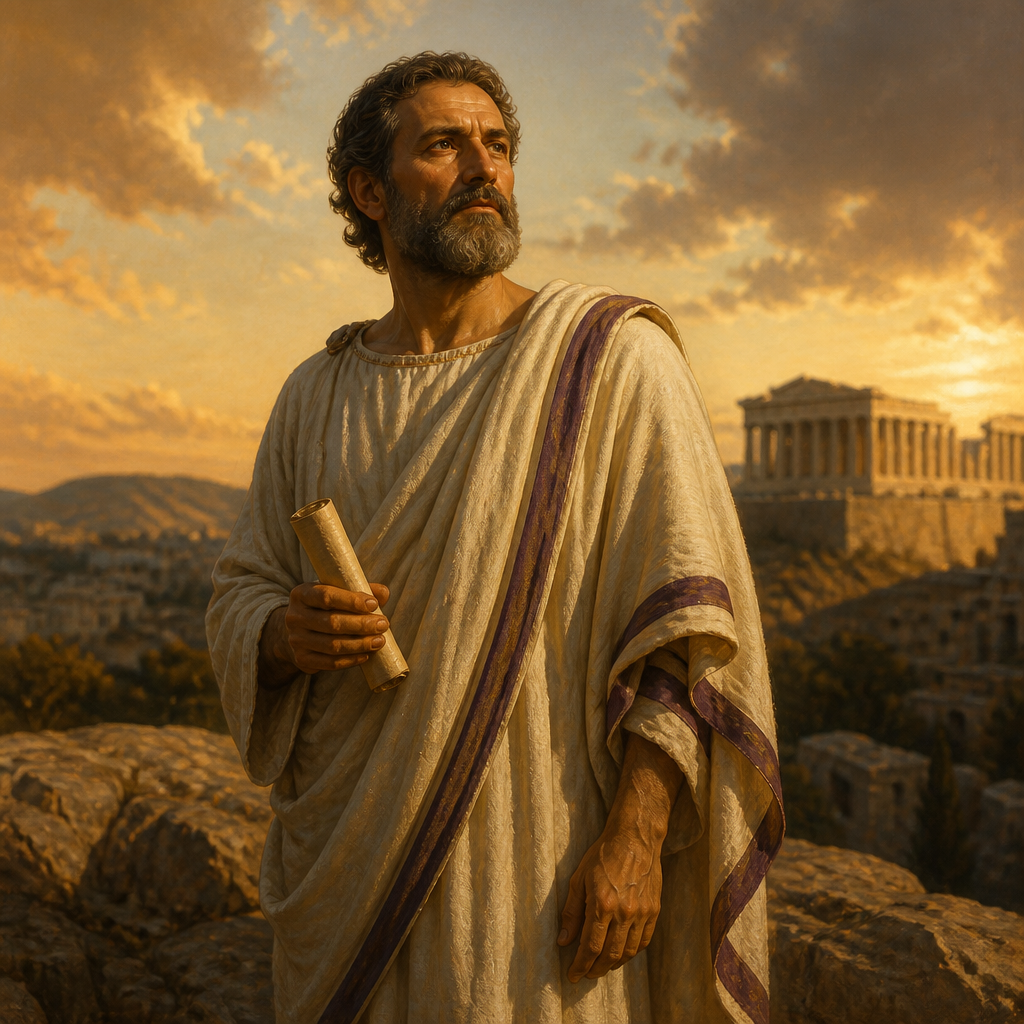
Dionysius
Athenian judge who converted to Christianity after hearing Paul's sermon on Mars Hill
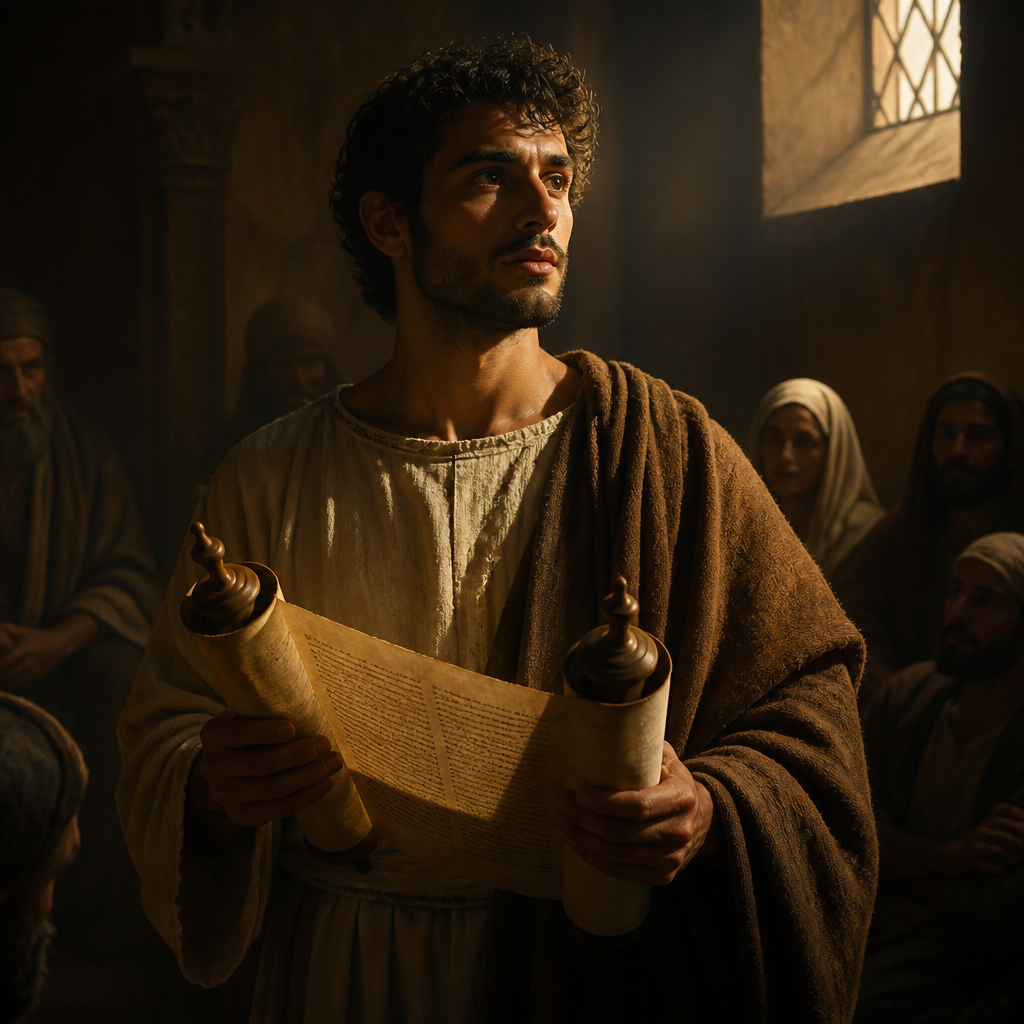
Timothy
Protégé of the Apostle Paul and recipient of the two Pastoral Epistles whom Paul stationed at Ephesus