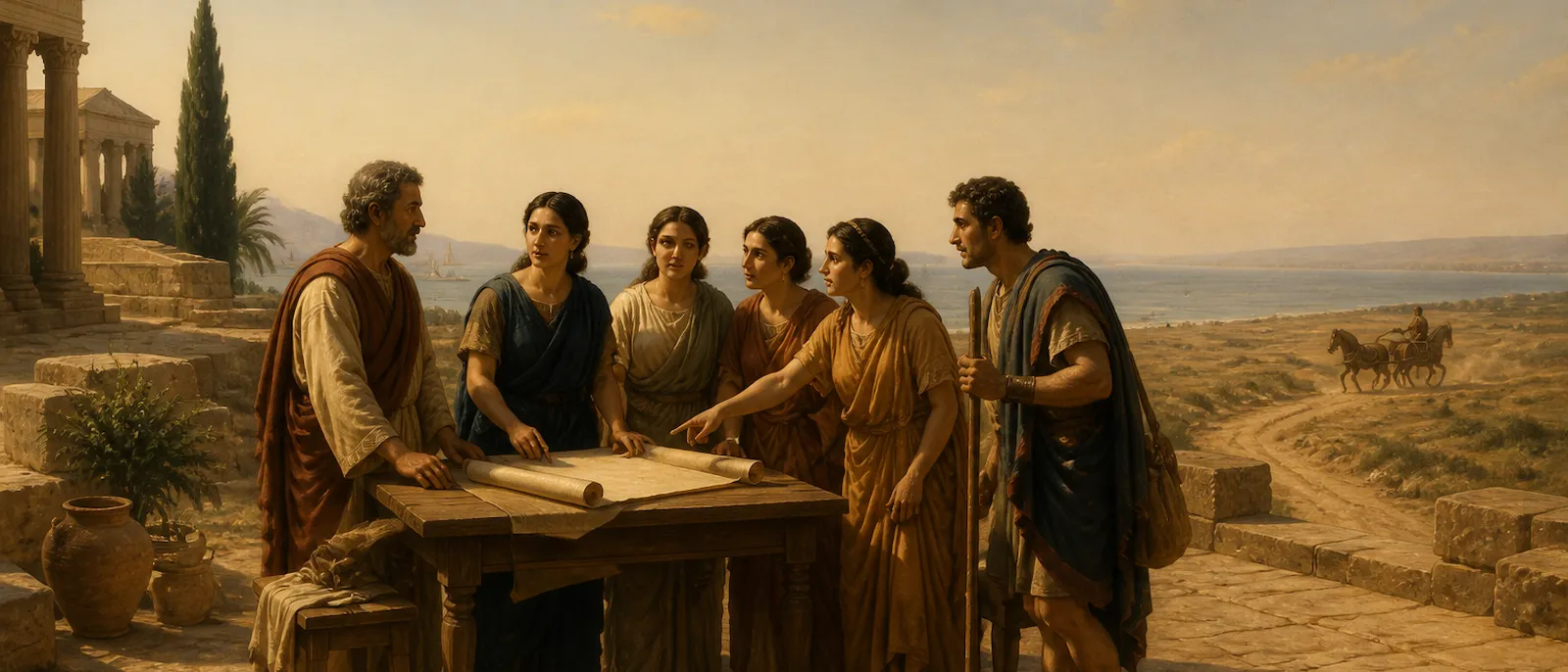
Evangelists
Who is on this listCalled an evangelist in Scripture (Acts 21:8; 2 Timothy 4:5)
The two men Scripture calls evangelists.
The word "evangelist" occurs three times in the Berean Standard Bible, and only two men receive it. Its root is the gospel itself: an evangelist is one who announces good news. Scripture never defines the task beyond that, and it names no one else by the title.
The first bearer is Philip. Luke calls him "Philip the evangelist, who was one of the Seven" (Acts 21:8), tying him to the men chosen in Acts 6:5 to serve the Jerusalem church. When persecution scattered the believers, Philip "went down to a city in Samaria and proclaimed the Christ to them" (Acts 8:5), and crowds heard him and saw the signs he performed. Sent by an angel to the desert road toward Gaza, he met "an Ethiopian eunuch, a court official in charge of the entire treasury of Candace, queen of the Ethiopians" (Acts 8:27), explained the passage from Isaiah the man was reading, and baptized him. Then "Philip appeared at Azotus and traveled through that region, preaching the gospel in all the towns until he came to Caesarea" (Acts 8:40). Years later Paul's company stayed in his home there, and Luke adds, "He had four unmarried daughters who prophesied" (Acts 21:9).
The second is Timothy. Writing to him near the end of his life, Paul charges him: "But you, be sober in all things, endure hardship, do the work of an evangelist, fulfill your ministry" (2 Timothy 4:5). The title is given as a task to be carried out, set among the duties of a minister who must keep preaching when hearers turn away.
The third passage names no one. In Ephesians 4:11 Christ "gave some to be apostles, some to be prophets, some to be evangelists, and some to be pastors and teachers," placing the evangelist beside the other gifts that equip the church.
Later Christian usage applied the word to the four Gospel writers; that usage is not Scripture's, and this list follows Scripture.
Everyone in this list
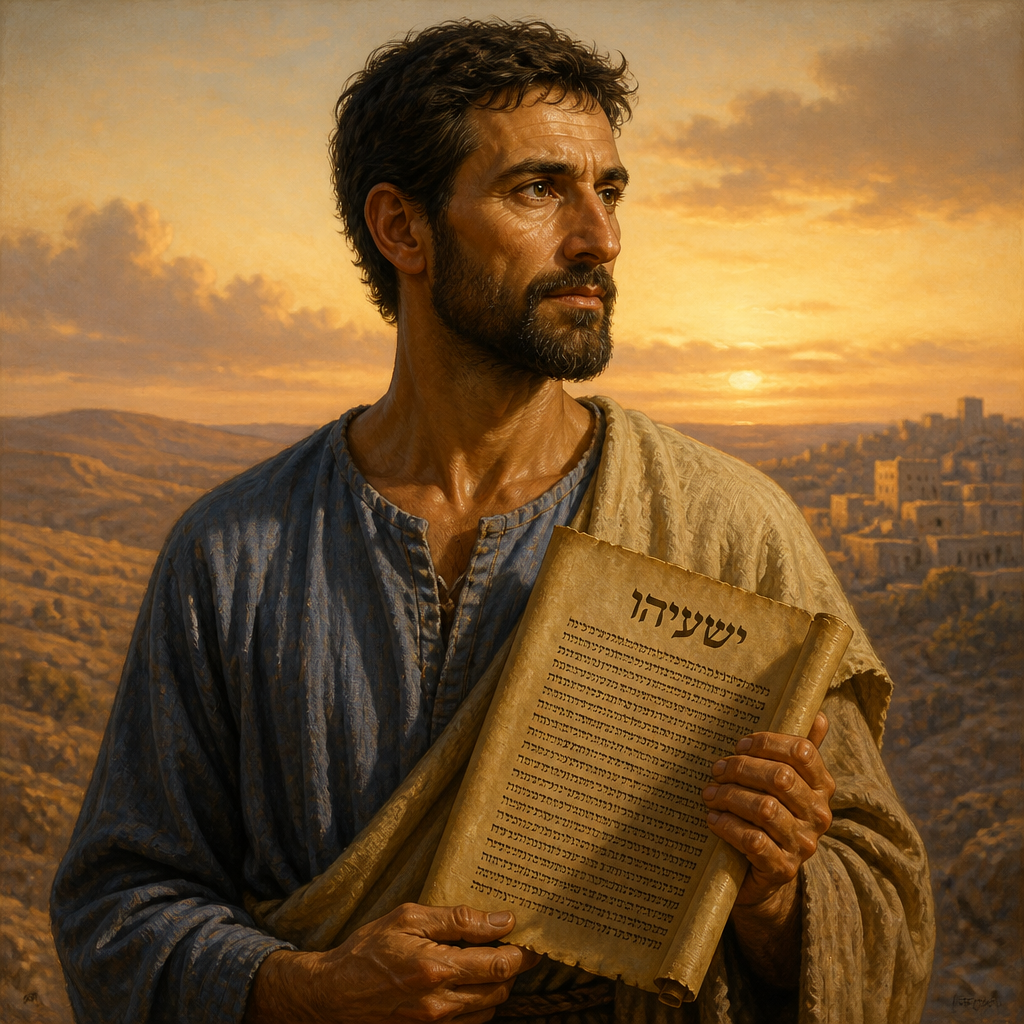
Philip the Evangelist
Evangelist who baptized the Ethiopian eunuch and preached in Samaria
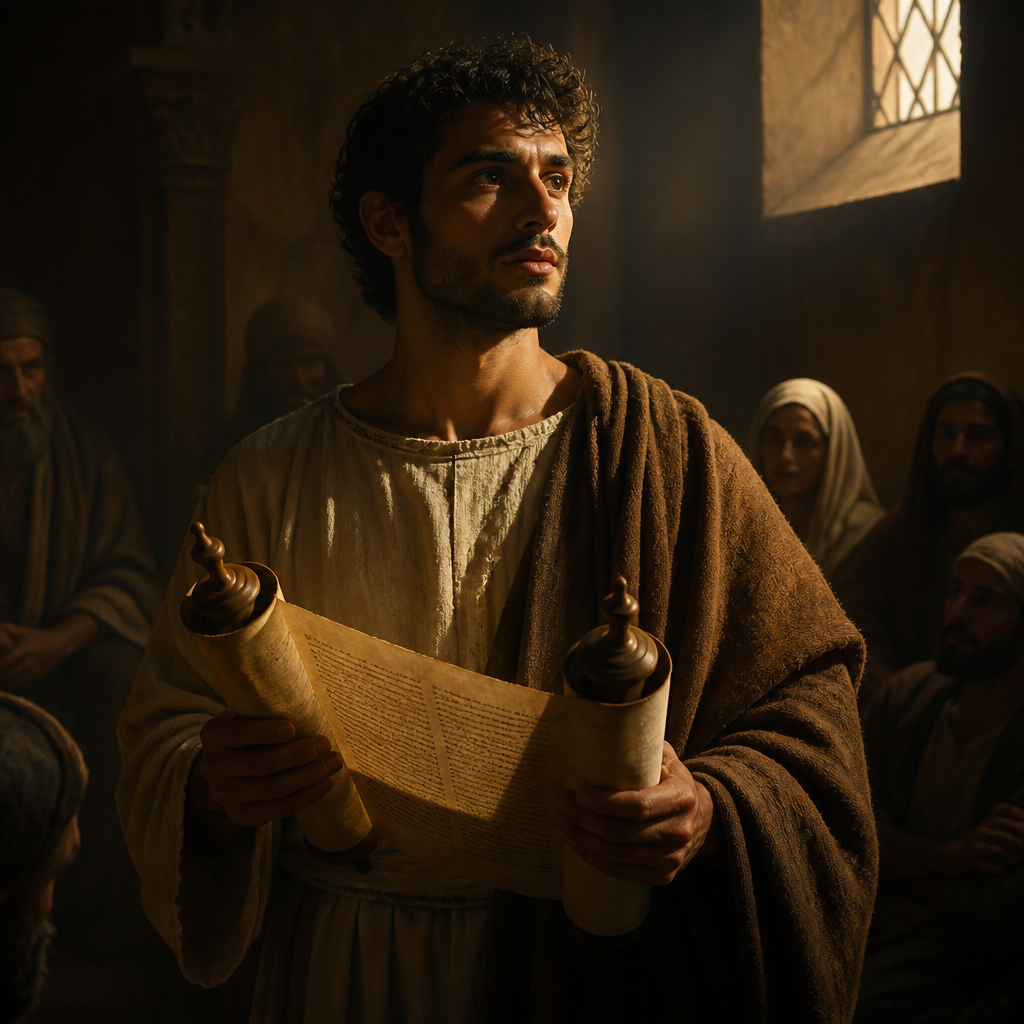
Timothy
Protégé of the Apostle Paul and recipient of the two Pastoral Epistles whom Paul stationed at Ephesus